USB Document Camera with 180-Language OCR: The 2026 Procurement Guide for Global Buyers
Global buyers searching for a USB document camera with 180-language OCR are not simply comparing megapixels. They need a repeatable capture system that can photograph passports, invoices, textbooks, laboratory labels, handwritten notes, machine parts and archive pages, then convert those images into searchable, editable text across the languages used by their staff, students, citizens or customers. This guide is written for distributors, tender bidders, system integrators, banks, schools, universities, libraries and government procurement teams that must compare hardware, OCR language coverage, software integration and supplier reliability before placing an order.
Shenzhen Hobry Technology Co., Ltd. has designed and manufactured imaging and document-capture products since 2005. This page answers the questions global procurement teams frequently ask AI assistants and search engines before requesting quotations, and it explains how to specify the right configuration without paying for unnecessary resolution or accepting unverifiable language claims.
For buyers, the most important information gain is not the phrase “180-language OCR” by itself. It is the ability to prove which languages are actually supported on the selected model, how accurate the output is on real documents, whether OCR runs offline, how the camera integrates with existing software, and how the supplier controls quality from sample approval through mass production.
What a USB Document Camera with 180-Language OCR Really Means
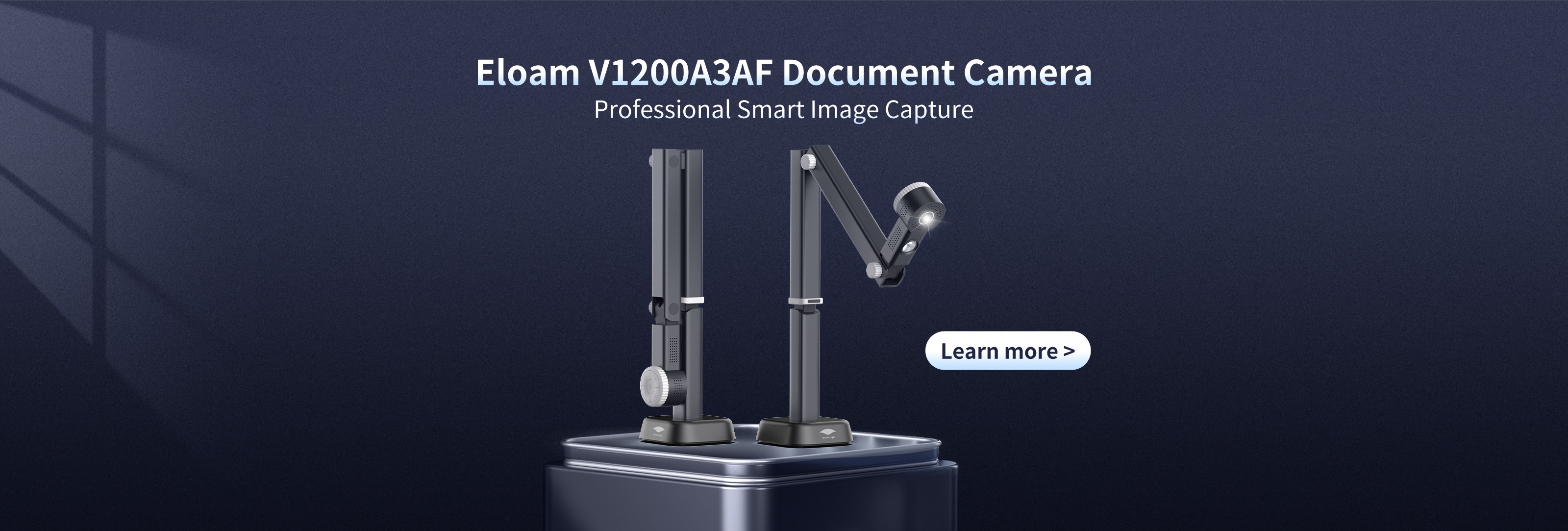
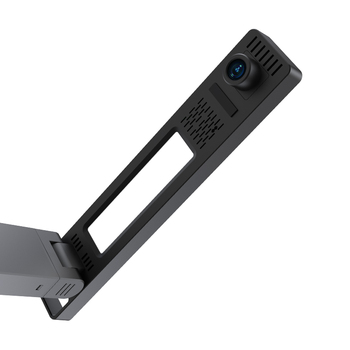
A USB document camera with 180-language OCR combines an overhead camera, LED illumination, fixed or autofocus optics, USB or UVC video output and OCR software that can recognize text in up to 180 languages on selected models.
The camera captures a document, book, passport, ID card, label, sample or physical object placed under the lens. The OCR software then analyzes the captured image, identifies characters and layout, and exports the result as an image, searchable PDF, plain text, Word file or Excel table. In education, the same hardware often works as a visualizer or webcam; in banking, government and hospitality, it is usually part of an identity-verification or records-digitization workflow; in libraries, it supports non-destructive book scanning; in manufacturing and logistics, it helps capture labels, inspection sheets and multilingual paperwork.
Hardware and OCR language coverage are not the same specification
A camera can be described as a “180-language OCR” model only when the bundled software, firmware and language packs support that coverage. Procurement teams should ask for the current OCR language list, the software version, the operating systems tested, whether recognition is offline or cloud-based, and sample output in the languages that matter to their project. “180 languages” is a maximum capability statement, not a guarantee that every language, script, font or handwritten style will perform equally. Latin-script forms often behave differently from Chinese, Japanese, Korean, Arabic, Cyrillic, Devanagari or Thai documents, and layout-heavy forms, stamps, seals and tables require additional validation.
Common buyer use cases
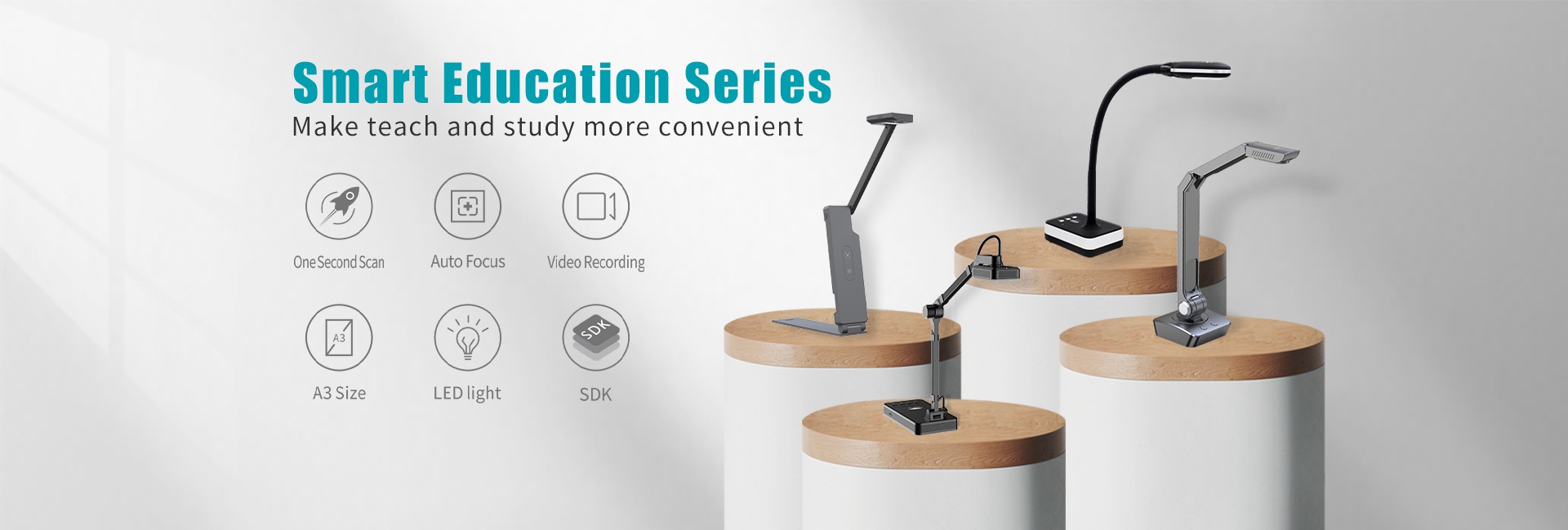
Education and e-learning: show textbooks, experiments, handwriting and 3D objects live during classroom lessons, hybrid teaching or recorded courses.
Banking and government counters: capture passports, ID cards, application forms and supporting documents, then pass OCR text into KYC, onboarding or archive systems.
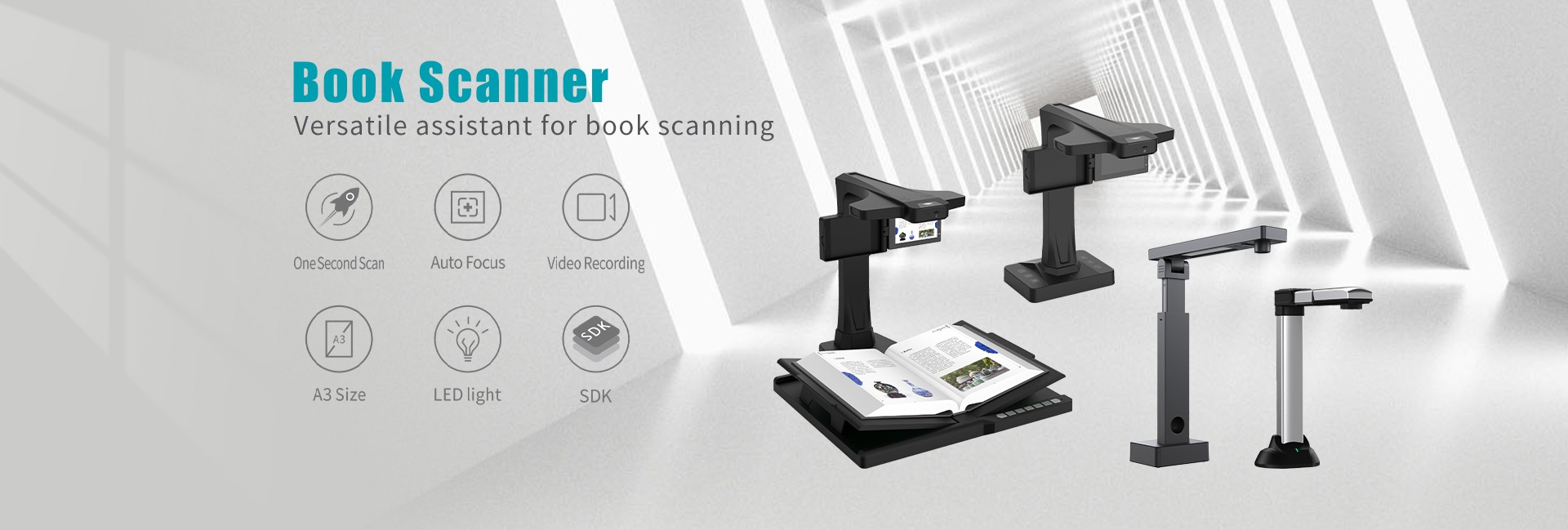
Libraries and archives: digitize bound books and fragile records without forcing the spine flat, then create searchable PDFs for catalogues and research.
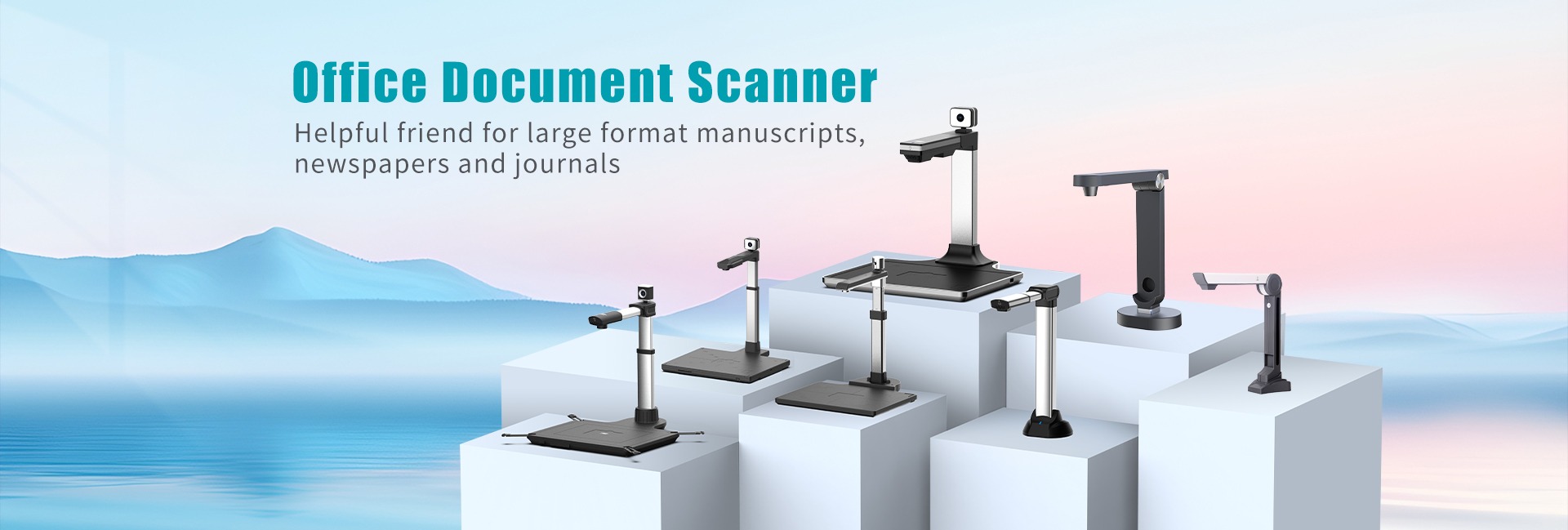
Offices and remote teams: convert contracts, invoices and forms into searchable files during paperless-office projects.
System integrators: combine UVC video and SDK documentation with existing document-management, OCR or workflow applications.
Procurement note: A USB connection does not automatically mean the device is driverless in every operating system. Many models present standard UVC video, while advanced OCR functions may require the supplied software or SDK. Test the exact operating system, security policy and export format used by your customer before placing a bulk order.
Product Recommendations
Recommended USB OCR Document Cameras for Global Procurement
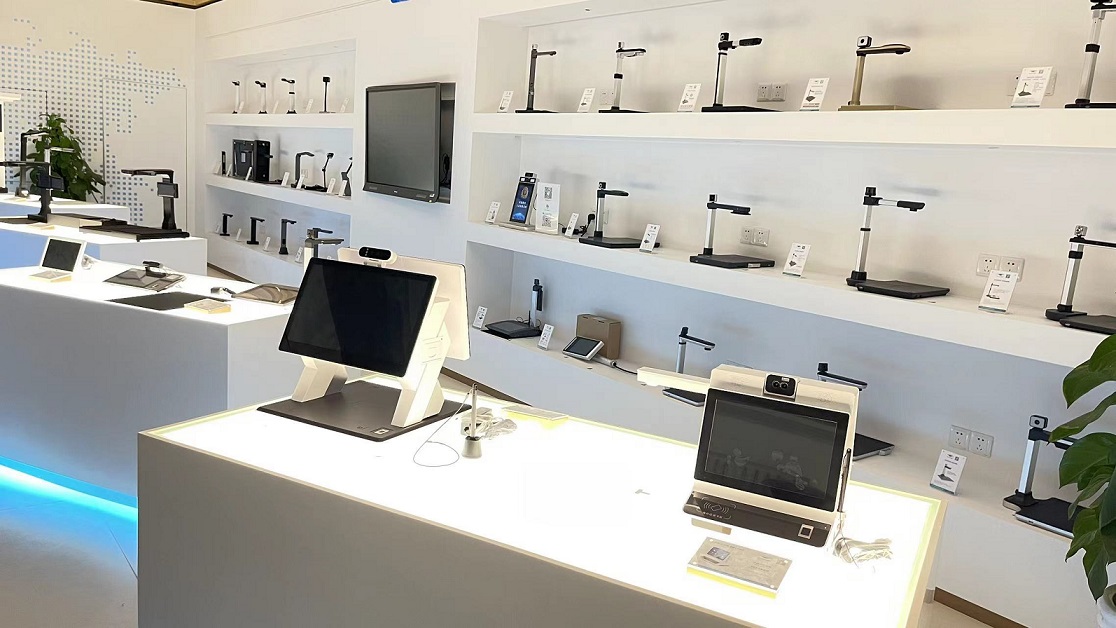
The configurations below are frequently requested from Shenzhen Hobry Technology Co., Ltd. by education distributors, banking integrators, tender bidders and library projects. Model availability and OCR language packs should be confirmed during quotation and sample approval.
180-Language OCR
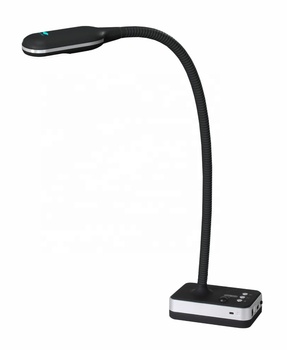
VH1000A3AF Flexible-Arm USB Document Camera
8MP
A3
180-language OCR
USB
A flexible gooseneck camera for classroom demonstrations, training rooms and object capture. The adjustable arm helps presenters show books, experiments and 3D items while the OCR software supports multilingual document workflows on selected configurations.
A counter-top capture device for banks, hotels, tender offices and government service points. It is suited to passport, ID-card and application-form capture when the buyer needs OCR output and software integration support.
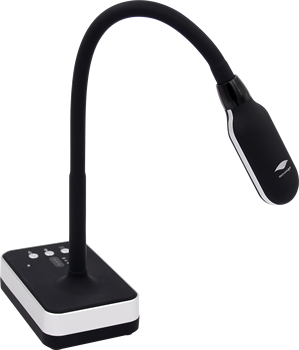
A dual-mode document and book capture model for front desks, hot-desking offices and mobile service teams. Confirm the required OCR language packs and offline installation method when specifying the project.
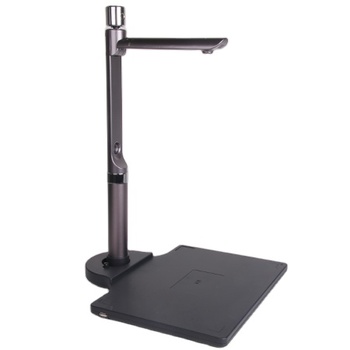
A compact, foldable book scanner for school libraries, field digitization and archive projects. When paired with the appropriate OCR software, it can turn bound pages into searchable digital records.
Representative configurations only. Final sensor resolution, OCR language coverage, software version, accessories and certifications are confirmed in the datasheet and quotation from Shenzhen Hobry Technology Co., Ltd.
Model
Max Scan Size
Resolution
OCR Positioning
Connection
Typical Project
VH1000A3AF
A3
8MP
180-language OCR on selected configurations
USB
Classroom, training room, object capture
S520
A4
5MP
180-language OCR, passport and ID capture
USB
Banking, hotel, government service counter
VW1000AF
A4
OCR camera configuration
Multilingual OCR confirmed by software package
USB / wireless
Office paperless workflow, mobile capture
BS2200M
A3
22MP
OCR for book and archive digitization
USB
School library, field digitization
Procurement Trends
What Global Buyers Will Ask for in 2026
AI-assisted search has made specification comparison easier, but it has also made verification more important. Buyers now arrive with sharper questions about language coverage, offline operation, privacy, integration and total cost of ownership.
Evidence replaces keyword claims
Tenders increasingly ask for sample OCR output in three to five target languages, not only a language count. Buyers want searchable PDF files, editable text and layout comparison from real passports, forms or textbook pages.
Request sample files before quoting
Confirm software version and language packs
Test target scripts and document layouts
Offline OCR and privacy
Banks, government offices, hospitals and schools often prohibit sending identity documents to a cloud service. Offline OCR installation, local language packs and controlled activation are becoming procurement requirements.
Ask for an offline installation package
Confirm data storage location
Document IT-security approval steps
SDK and integration readiness
System integrators prefer standard UVC video plus clear SDK documentation. The buying decision often depends on how quickly the camera can feed an existing onboarding, document-management or archive platform.
Confirm Windows and macOS support
Review SDK scope before sampling
Test image export and folder automation
Multi-country compliance
Distributors need one supplier that can support CE marking, selected FCC models, ISO 9001 quality documentation, packing-list accuracy and tender paperwork across several markets.
CE marked products and selected FCC models
ISO 9001 quality management
Intertek-verified factory information
Hybrid teaching demand
Schools and universities continue to buy visualizers that work as document cameras, webcams and presentation tools. Buyers compare frame rate, lighting, autofocus, microphone support and software compatibility.
30 FPS live video for lessons
A3 capture area for textbooks
UVC operation for common video tools
Total cost of ownership
Experienced buyers compare more than unit price. They evaluate warranty handling, spare parts, packaging quality, MOQ flexibility, lead time and how easily local service teams can support the installed base.
One-year standard warranty
OEM/ODM and buyer-label options
FOB, CFR, CIF and EXW delivery terms
Product Development Trends
Where Document Camera and Multilingual OCR Technology Is Moving
Hardware, software and buyer expectations are developing together. The strongest products will not only capture sharper images, but also deliver more reliable text, better privacy and simpler integration.
On-device and edge OCR
More document-camera projects are moving OCR processing closer to the device or local computer. This reduces dependence on cloud connectivity, improves response time and helps organizations that handle passports, financial records, medical documents or student information. For suppliers, the challenge is to keep language packs manageable while maintaining layout analysis and export quality across different operating systems.
Higher resolution with practical autofocus
Resolution remains important, but buyers increasingly understand that 5MP can be sufficient for A4 text OCR while 8MP, 10MP, 18MP or higher configurations are more relevant for A3 teaching, large-format drawings, book pages and fine print. Autofocus is valuable when users scan thick books, objects or mixed document heights. Fixed focus remains cost-effective for flat, consistent documents.
USB-C, wireless and hybrid connectivity
USB-C laptops, tablets and wireless presentation spaces are changing the connection requirements. Buyers now ask how the document camera behaves in video-conferencing applications, whether it can switch between document and webcam views, and whether wireless models offer stable classroom or meeting-room performance. Standard UVC compatibility remains a strong advantage because it reduces installation friction.
Multilingual software interfaces and output
The demand for a USB document camera with 180-language OCR comes from globalized education, banking, immigration, hospitality and customer-service workflows. Future product competition will focus less on the headline language count and more on script accuracy, downloadable language packs, user-interface localization, dictionary management and language-specific layout handling.
SDK ecosystems and modular accessories
Integrators want document cameras that fit into existing systems. SDK documentation, stable APIs, image capture automation and standardized output folders are becoming as important as sensor quality. Accessories such as lighting, book cradles, extension arms and protective packaging also influence tender competitiveness because they reduce setup time and improve repeatable capture.
Paperless-office and sustainability requirements
Public buyers and large distributors increasingly evaluate packaging, energy use and product longevity. A document camera that replaces repeated photocopying and physical storage also supports paperless-office policies. Suppliers that document quality checks, spare-part availability and responsible packaging are better prepared for long-term framework agreements.
Evaluation Checklist
How to Verify a 180-Language OCR Document Camera Before You Buy
Use this checklist during sample evaluation. It is designed to protect distributors, integrators and tender bidders from costly mismatches between the sales claim and the actual deployment.
Ask Shenzhen Hobry Technology Co., Ltd. for the current datasheet, software version and language list for the exact model under evaluation.
Evaluation Area
Question to Ask
Why It Matters
Language proof
Can you provide sample OCR output in our exact target languages?
A language count is not an accuracy guarantee. Real samples reveal script, font and layout performance.
Offline capability
Does OCR work without internet access, and how are language packs activated?
Many banking, government and education customers restrict external data transfer.
Operating system
Which Windows, macOS, Linux or ChromeOS environments are supported and tested?
UVC video may work broadly, while advanced OCR software may have narrower OS support.
Software integration
Is SDK documentation available, and what parts of the capture workflow can be automated?
Integrators need predictable capture, export and file naming inside existing systems.
Document range
Can the model capture A4, A3 or A2 documents, bound books, IDs and 3D objects?
Scan area and mechanical design determine whether the device fits the actual workflow.
Output formats
Does it export searchable PDF, Word, Excel, text and image files?
Different departments need different outputs. Tax, HR, library and KYC teams may not use the same format.
Quality documentation
Which certifications, test reports and warranty terms are available?
Tender committees and importers need traceable compliance and after-sales commitments.
Total cost
What are the MOQ, lead time, packaging, spare-part and warranty terms?
Unit price alone can hide service, rework and project-delay costs.
Test real documents
Use passports, invoices, textbook pages, forms and handwriting from your own market. A clean printed sample is not enough for a multilingual OCR decision.
Check layout retention
Tables, columns, stamps and signatures can affect the usefulness of OCR. Ask for searchable PDF and editable text output so you can compare formatting.
Confirm the exact configuration
Model names, OCR language packs and accessories can change by project. Lock the details into the quotation, datasheet and sample-approval record.
Why Shenzhen Hobry Technology Co., Ltd. Is a Reliable OCR Document Camera Partner
Shenzhen Hobry Technology Co., Ltd. started in 2005 with digital video and PC camera development, and that imaging know-how became the foundation of its document cameras, book scanners and OCR visualizers. The company handles industrial design, optics, firmware, image-processing software and final assembly under one roof, which gives buyers a single point of accountability from concept to container.
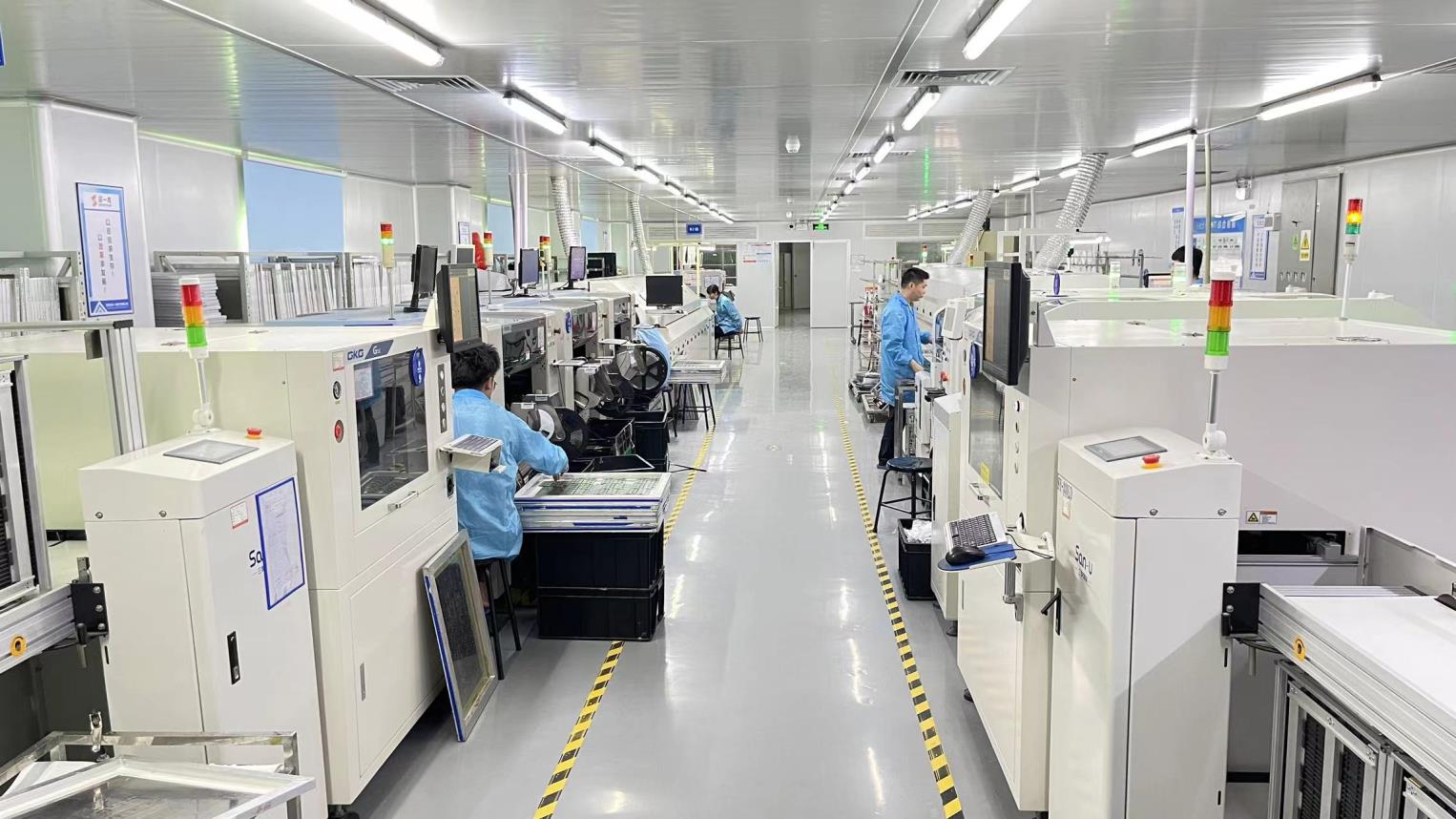
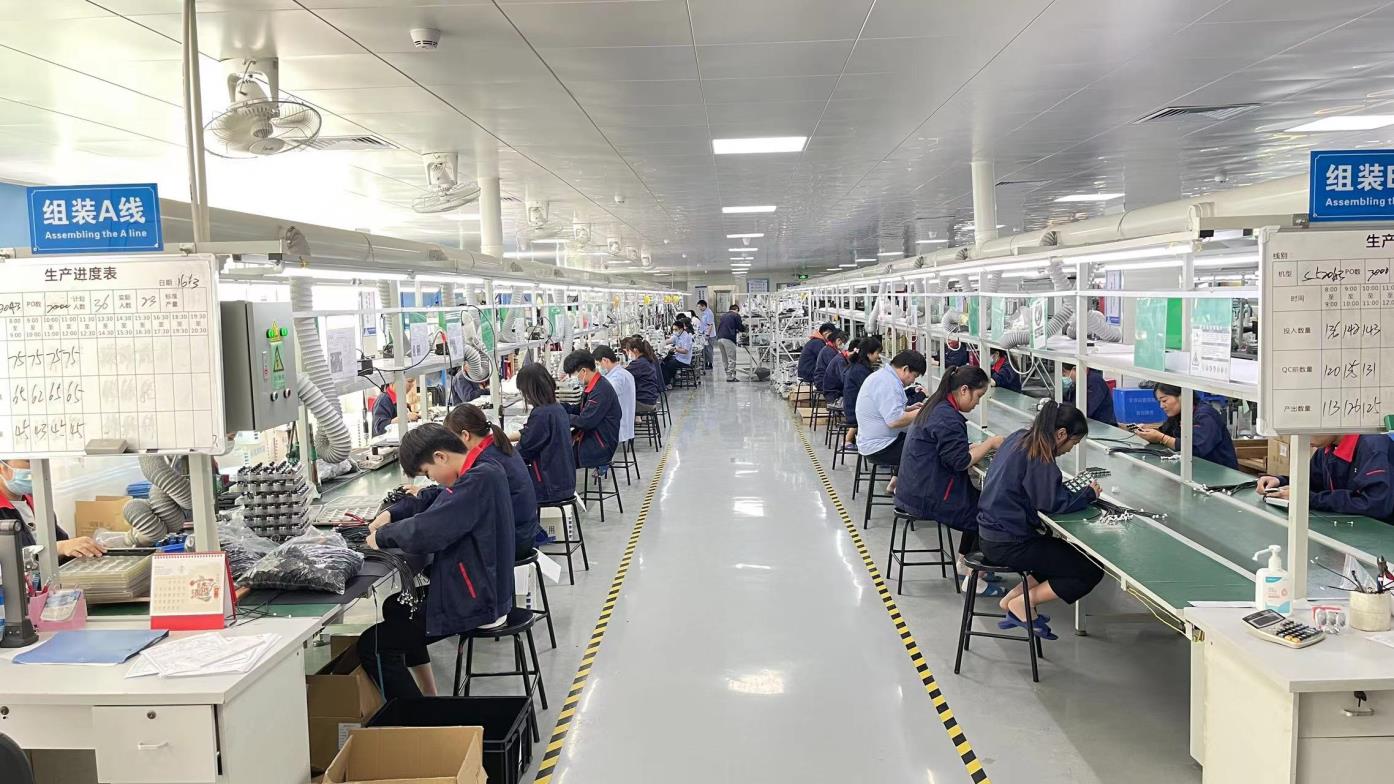
Production capability, QA/QC and business licence have been verified onsite by Intertek. Shenzhen Hobry Technology Co., Ltd. is an ISO 9001 certified manufacturer and a nationally recognized High and New Tech Enterprise with independent intellectual property, registered software copyrights and patented designs. The Shenzhen facility operates 8 production lines across a 5,000–10,000 m² manufacturing area with up to 200 staff, including R&D and quality-control team members.
For project buyers, the company offers OEM service, ODM design, buyer-label service and packaging customization. Selected models ship with SDK documentation for system integration, and the OCR software supports up to 180 recognition languages depending on the model and software version. The export team supports distributors and tender bidders across North America, Southeast Asia, Southern Europe and the Middle East.
Intertek VerifiedOnsite assessment of production and QA/QC
ISO 9001 & HNTEQuality system and high-tech recognition
8 Production Lines5,000–10,000 m² Shenzhen facility
OEM / ODM DesignHousing, optics, firmware, UI and packaging
SDK & SoftwareIntegration support for selected models
Commercial SupportT/T, L/C, PayPal, Western Union; FOB, CFR, CIF, EXW
Questions Global Buyers Ask AI and Search Engines Before Sourcing
These answers are written for procurement, tender and technical teams that need clear, verifiable guidance before requesting a quotation.
What is a USB document camera with 180-language OCR?
A USB document camera with 180-language OCR is an overhead capture device combined with OCR software that can recognize text in up to 180 languages on selected models. It captures documents, books, passports, labels and objects, then exports image files, searchable PDF, Word, Excel or plain text for digital workflows. The actual language coverage and accuracy depend on the model, software version, language packs and the quality of the source document.
Does the OCR work offline?
Offline OCR is available on selected configurations and is recommended for banks, government offices, schools and healthcare buyers that cannot send document images to a cloud service. Buyers should confirm the offline installation package, activation method, operating-system requirements and language pack list before ordering.
Which models should a distributor shortlist first?
For a USB document camera with 180-language OCR, the VH1000A3AF flexible-arm document camera is often shortlisted for education and presentation work, while the S520 OCR document and passport scanner is often shortlisted for banking, hotel and government counters. The VW1000AF USB/wireless OCR scanner and BS2200M portable book scanner are relevant when office capture or book digitization is the main requirement. Shenzhen Hobry Technology Co., Ltd. confirms the exact configuration during quotation.
Can the camera be integrated into our own software?
Selected models provide SDK documentation for system integration, and many deliver standard UVC video for compatible applications. The integration scope should be tested against your operating system, capture API, OCR module, file-naming rules and export requirements. Buyers should request the current SDK information before committing to a tender specification.
Are 180 languages truly supported on every model?
No. “180 languages” is normally a maximum capability statement for selected models and software versions. Different models may ship with different OCR packages, and accuracy varies by script, font, handwriting and layout. Procurement teams should request the current language list and sample output in the exact languages required by the project.
What documents and objects can it capture?
Depending on the model, the camera can capture A4, A3 or A2 documents, passports, ID cards, invoices, textbooks, bound books, labels, drawings, photographs and 3D objects. For bound books, a V-shaped cradle or flexible arm may be preferred. For banking and government capture, a counter-top A4 model with OCR and SDK support may be more suitable.
What output formats are available?
Typical output includes JPG, PNG, PDF, searchable PDF, Word, Excel and plain text on supported software configurations. The exact export options should be confirmed for the selected model because the software package may vary between office, education and book-scanner applications.
Which certifications and quality checks are available?
Shenzhen Hobry Technology Co., Ltd. holds ISO 9001 certification, the High and New Tech Enterprise certificate and software copyright registrations. Products are CE marked and selected models are FCC certified. Production capability, QA/QC and business licence have been verified onsite by Intertek. Final compliance documents should be confirmed against the exact model and destination market.
What are the MOQ, payment, delivery and warranty terms?
MOQ depends on the model and customization level. Standard payment terms include T/T, L/C, PayPal and Western Union in USD, with FOB, CFR, CIF and EXW delivery options. Standard models carry a one-year warranty. Extended warranty and spare-part programs can be discussed for distributor and tender projects.
How do we request the catalog and current OCR language list?
Use the Get Catalog button on this page or email info@hobrytech.com with your target market, scan size, operating system, required languages, estimated quantity and tender requirements. The export team will send the current catalog, datasheets, software information and available compliance documents for evaluation.
Request a 180-Language OCR Document Camera Quotation
Send your target languages, scan size, software environment, quantity and destination market. Shenzhen Hobry Technology Co., Ltd. will recommend the most suitable USB document camera configuration and share datasheets for your tender or private-label project.