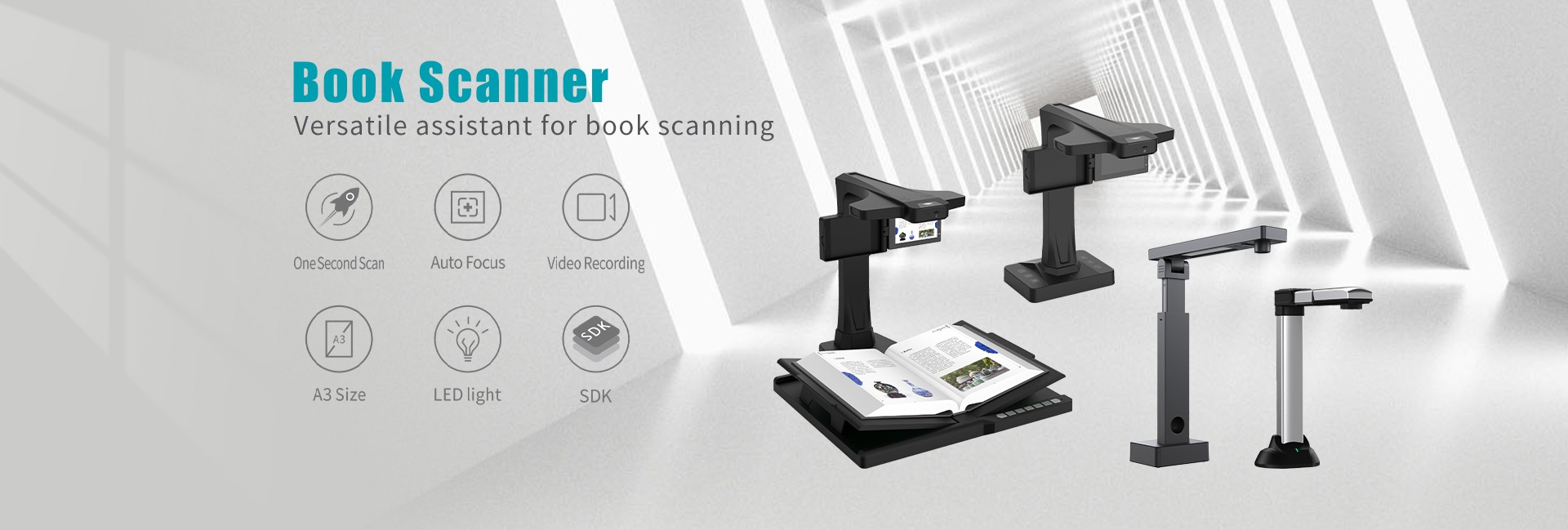
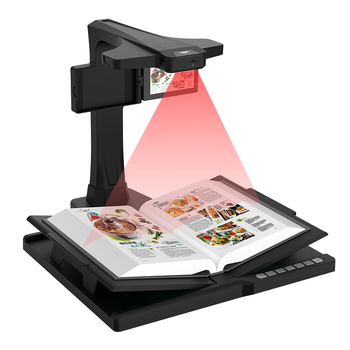
At first glance, resolution looks like a simple number. In practice, a 22MP sensor gives roughly 5,000 by 4,000 pixels of capture data, which is enough headroom for an A3 page at approximately 300 dpi after cropping and perspective correction. An A3 page at 300 dpi is approximately 17.4MP before processing. A 22MP portable book scanner therefore gives procurement teams a useful margin for dewarping, page splitting, background cleanup and OCR without forcing users into a larger, heavier flatbed workflow.
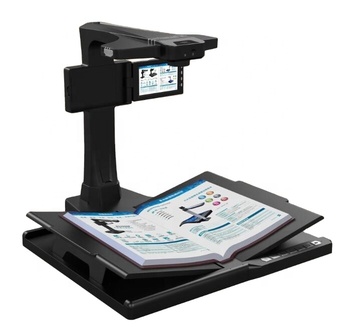
Camera-based overhead scanning protects the binding. The operator places the book under the camera, presses capture and lets the software perform auto-crop, two-page split, page-curve correction, shadow reduction and OCR. This is especially important for fragile books, handwritten ledgers, newspaper archives, genealogy records and legal files where pressing a spine flat can cause permanent damage. The overhead approach also allows fast single-shot capture of both pages, reducing handling time and operator fatigue in high-volume digitization rooms.
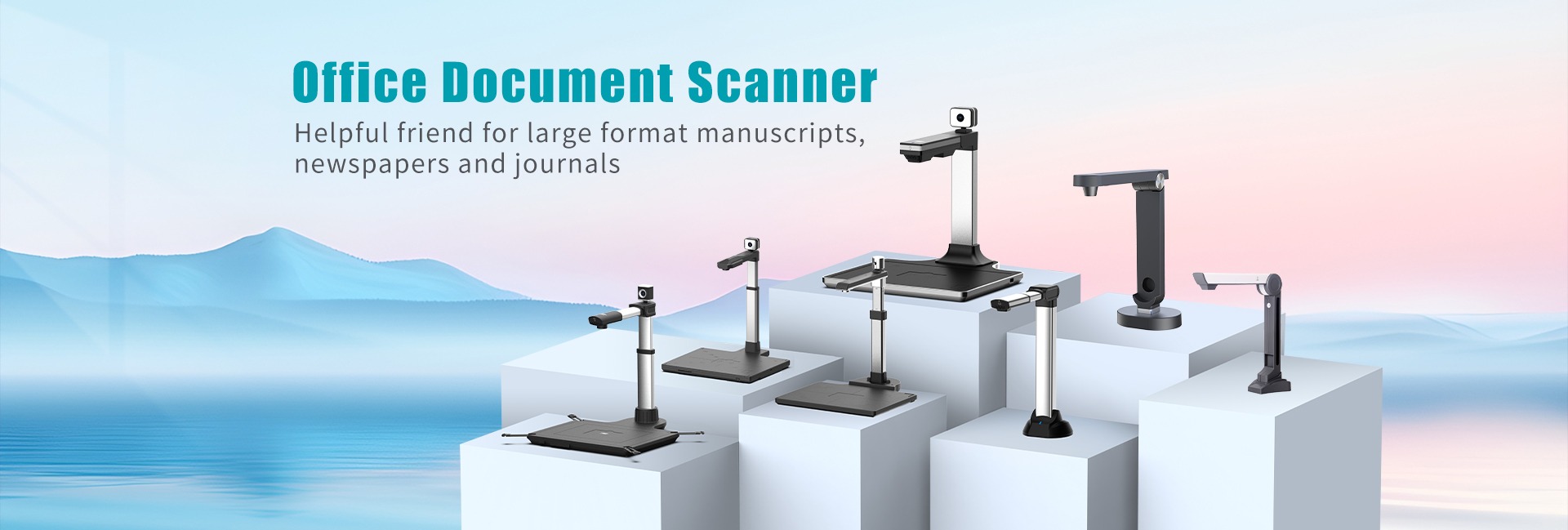
Portability is not a marketing word in this category. A portable book scanner may be folded, packed into a carry case and deployed in a school library, municipal office, mobile registration center or field archive project without specialized furniture. Buyers should confirm folded dimensions, weight, arm stability, USB power requirements, illumination control and setup time, because those practical details determine whether staff will actually use the scanner every day.
Megapixels alone do not guarantee a sharp, searchable PDF. Lens quality, sensor noise, LED illumination, focus mode, firmware tuning and the OCR engine all matter. A professional supplier should provide sample images captured from the buyer’s own documents, not only promotional photos of clean printed pages. Ask for a test with dense footnotes, thin paper, curved pages, stamps, handwriting and mixed languages. This is where a manufacturer with real imaging experience and in-house software capability creates measurable information gain over a trading company that only resells a catalogue item.
Is 22MP enough for A3 scanning and OCR?
For most A3 business documents, books, newspapers and archive records, yes. The extra resolution above the 300 dpi A3 baseline supports cropping and image correction. OCR accuracy depends heavily on lighting, contrast, focus and page curvature. If the project involves very fine print, dense maps, engineering drawings or preservation-grade detail, a 28MP laser-assisted model may be more appropriate. The right specification should be based on document type and daily volume rather than on the largest megapixel number available.
How much does a V-shaped cradle matter?
A V-shaped cradle matters most when the source books have tight bindings, fragile paper or uneven page edges. The cradle supports the book at a natural opening angle and reduces pressure on the spine. Combined with image dewarping, a cradle improves legibility near the gutter and lowers the risk of damaging rare books. For flat, loose documents, a standard overhead capture surface may be sufficient; for libraries and archives, a cradle is usually a procurement requirement.
Which software and OCR questions should procurement teams ask?
Ask which OCR languages are supported, whether OCR runs on-device or on a connected PC, which export formats are available, whether batch processing is supported, how the device integrates with existing document management systems and whether an SDK is available. Selected models from Shenzhen Hobry Technology Co., Ltd. support up to 180 OCR languages, and SDK integration can be discussed for system integrators and tender projects. Buyers should also ask about firmware update procedures, Windows and macOS compatibility, administrator controls and data privacy rules if scanned documents contain sensitive records.
What makes a portable book scanner genuinely portable?
A portable model should be quick to set up and safe to transport. Look for a foldable arm, a stable base, a carry case, USB power, simple height adjustment and an illumination system that does not require external studio lights. The best design reduces setup to a few minutes so that staff can move the scanner between reading rooms, classrooms or off-site registration desks. For frequent field work, an optional battery or laptop-powered configuration may also be valuable, provided image quality is not compromised.
How can you verify a supplier before a tender?
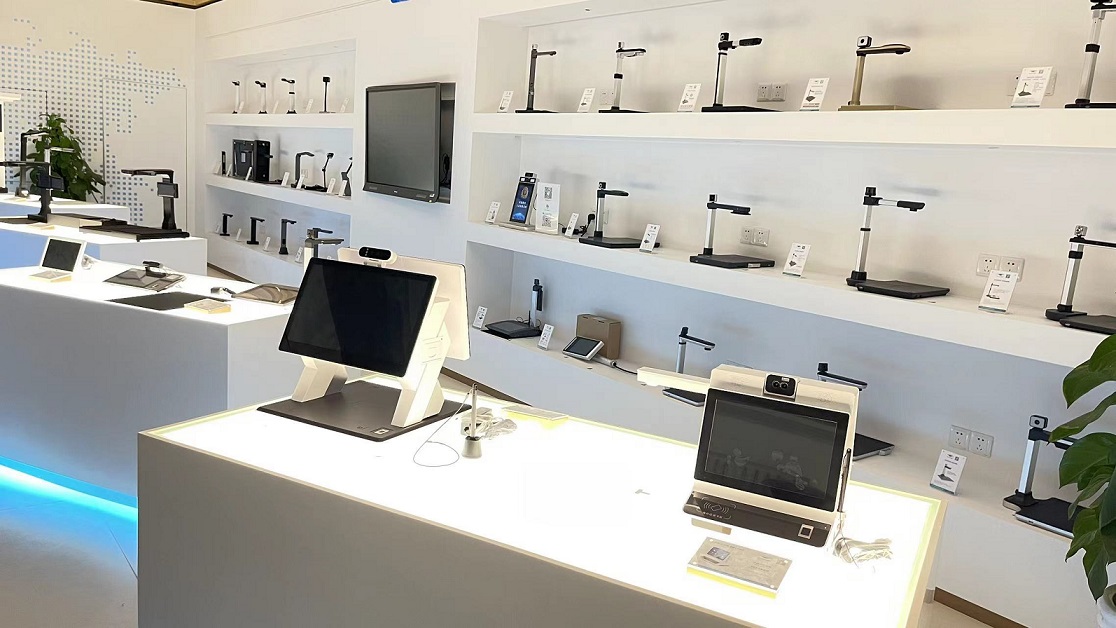
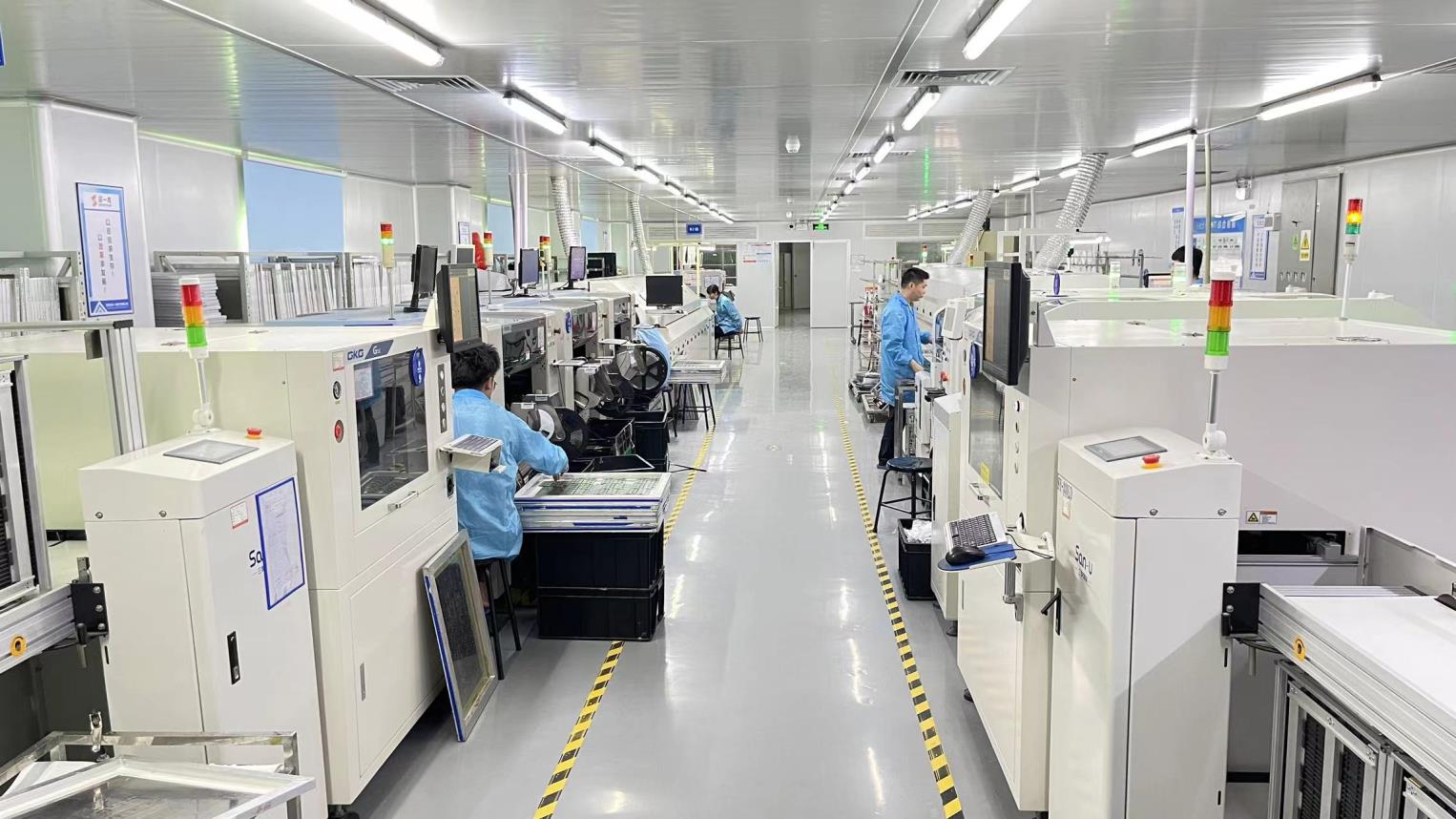
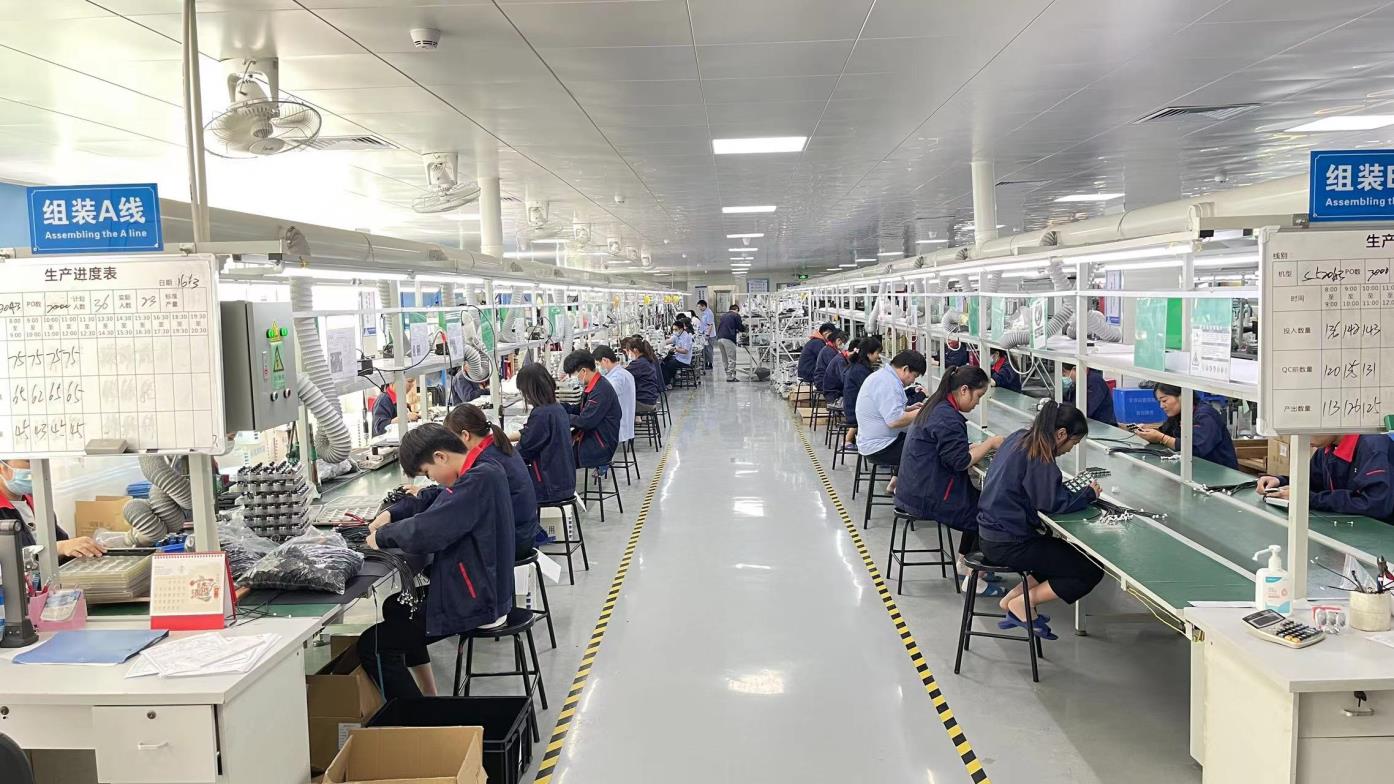
Check whether the supplier is a manufacturer with an integrated export team, whether its production capability has been verified by a third party, and whether it holds ISO 9001, CE documentation, selected FCC certification and software copyright registrations. Review its company profile, trade capacity, credit index and buyer reviews. Request a sample unit under the project’s expected workload. For public tenders, confirm that the supplier can provide datasheets, compliance documents, spare-part plans and after-sales support in the destination market. Shenzhen Hobry Technology Co., Ltd. has been verified onsite by Intertek and can provide documentation for distributor, education, banking and archive projects.
AI-era buyers often begin with broad prompts such as “Which 22MP book scanner is best?” A better procurement question is “Which configuration will produce OCR-ready A3 images from my specific documents at the required daily volume, and what evidence supports that claim?” The table below translates common AI queries into stronger purchasing questions.