Primary 3-in-1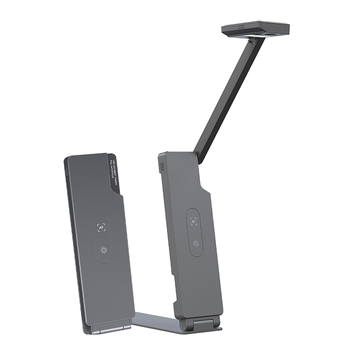
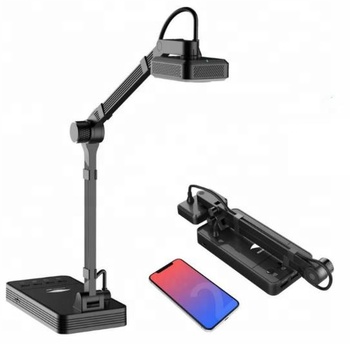
VE1020A3AF Interactive 3-in-1 Visualizer
- A3
- 30 FPS
- Type-C
- Webcam
Best starting point for interactive lessons, hybrid classrooms and video meetings that need smooth live document display.
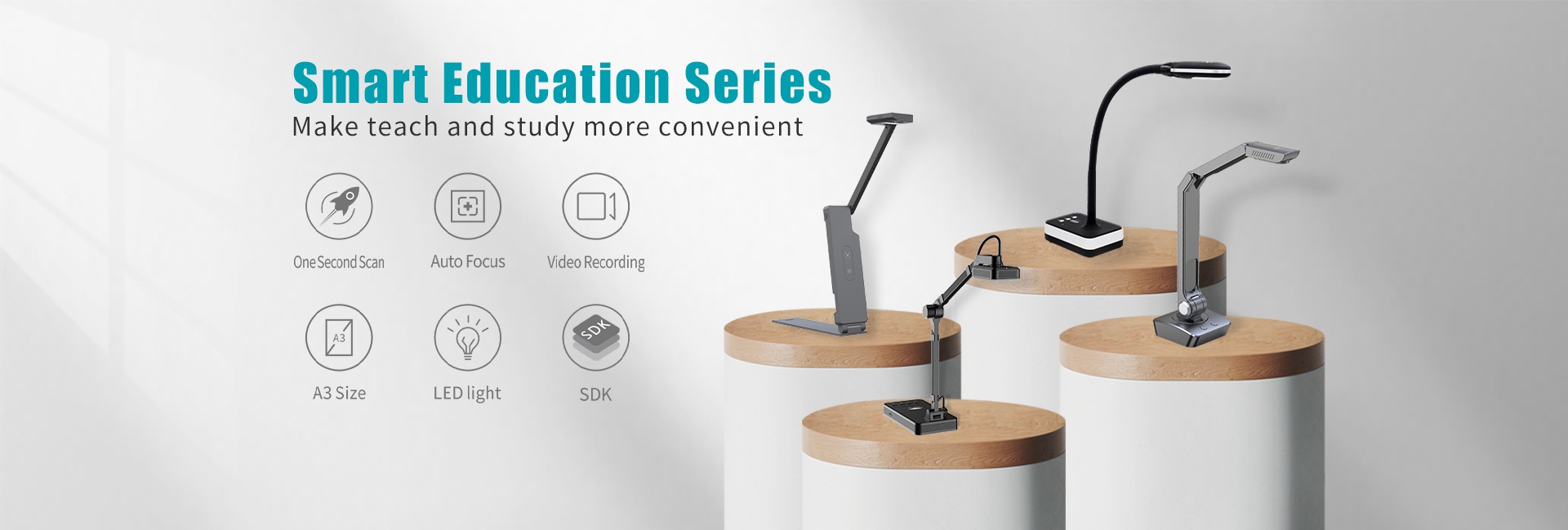
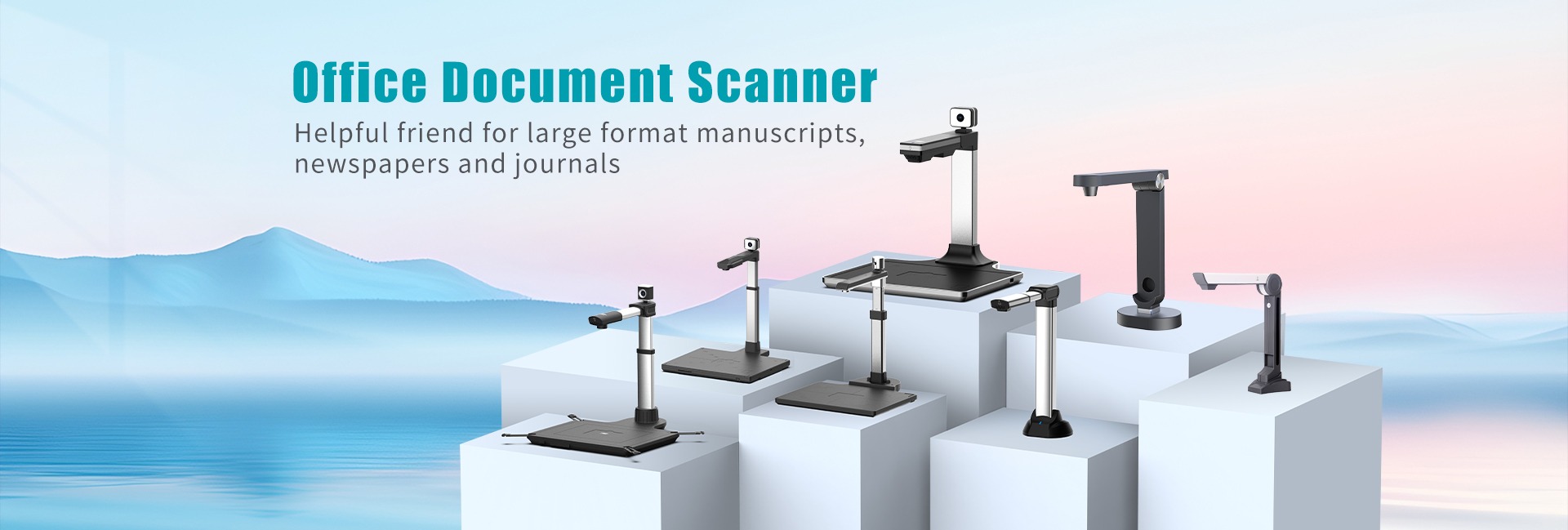
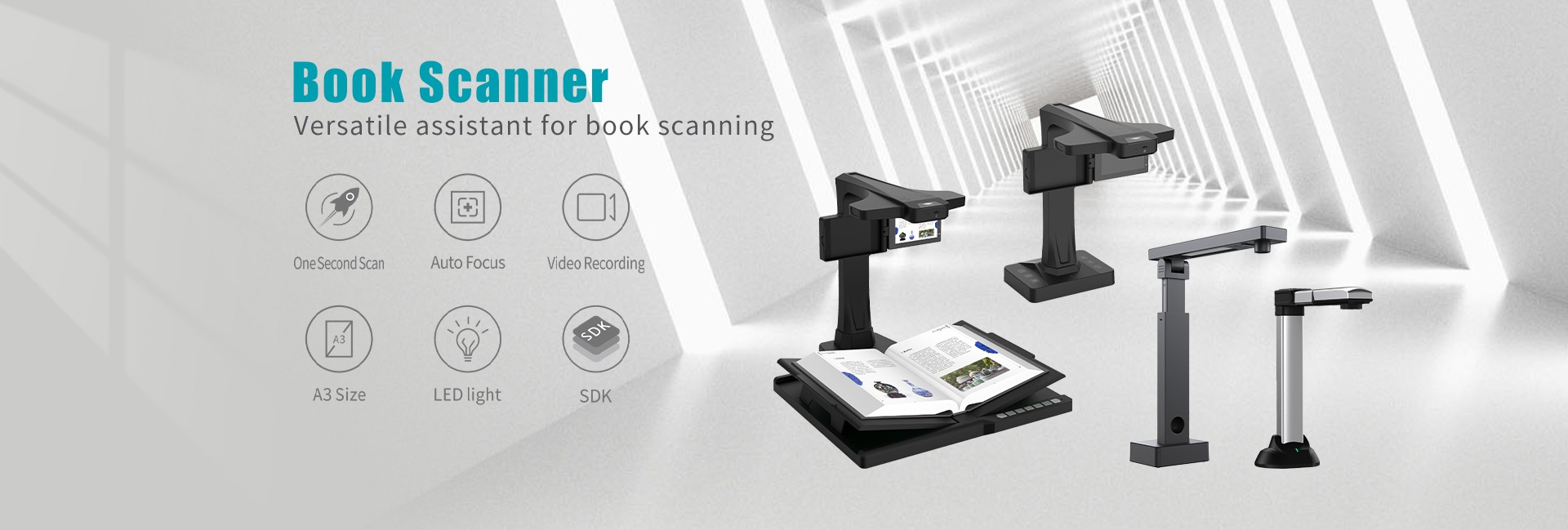
If you are comparing suppliers for an interactive 3-in-1 document camera projector, the buying decision is no longer only about megapixels. Global distributors, education tender bidders, system integrators and corporate AV buyers now ask about live-video quality, projector compatibility, USB-C simplicity, OCR software, SDK access, warranty support and verifiable factory capability. This guide answers the questions buyers frequently ask AI tools and search engines, and it explains how to match the right visualizer to your market.
Shenzhen Hobry Technology Co., Ltd. has designed and manufactured camera-based imaging products since 2005. Our experience covers document cameras, portable scanners, OCR visualizers, classroom presenters and related software. The recommended configurations below are based on real B2B sourcing patterns, not generic retail assumptions.

Production capability, QA/QC and business licence verified onsite by Intertek. Latest verification: April 2026.
Buyers often use this phrase for a visualizer that combines document camera, scanner and webcam-style live video, and then sends the image to a projector or display.
Short answer: an interactive 3-in-1 document camera projector is a presentation camera used to show documents, objects, handwriting and live demonstrations on a large screen or in a video meeting. The "3-in-1" name usually means it can work as a document camera, a scanner with OCR or image-capture software, and a webcam-style live video source. In most professional B2B products, the device is "projector-ready" or "projector-compatible": it outputs video to an existing classroom projector, interactive flat panel, monitor or computer rather than containing a built-in projector.
The distinction matters for procurement. Some tender documents describe a "document camera projector" because the camera will be connected to a projector. Other tenders genuinely require an integrated projector inside one housing. If your specification is ambiguous, ask the supplier to confirm the ports, output method and whether a projector is included. This single question prevents costly acceptance-testing problems and protects your bid margin.
For interactive teaching, the device should offer low-latency live video, auto-focus, good low-light performance and simple USB plug-and-play. A 30 FPS live feed feels smoother than a low-frame-rate scanner feed when a teacher writes, turns a page or demonstrates a small part. USB Type-C or USB 3.0 connectivity reduces installation friction, while UVC webcam recognition helps the camera work with common video platforms and classroom software.
A typical model such as the VE1020A3AF Interactive 3-in-1 Visualizer supports A3 capture, 30 FPS live video, Type-C connection and webcam mode. It is suitable for classroom exhibition, hybrid lessons, training rooms and video calls. Buyers should always request a sample test with their own projector, interactive whiteboard and video platform before approving mass production.
These are the high-intent questions procurement teams ask AI assistants, search engines and suppliers before requesting a quotation.
Match the model to the buyer's workflow. The following configurations are the most requested starting points for education, corporate AV and OEM projects.
Best starting point for interactive lessons, hybrid classrooms and video meetings that need smooth live document display.
Cable-free visualizer for teachers who move around the room and need quick connection to a projector or display.
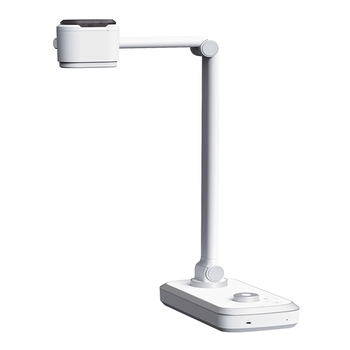
For lecture halls and meeting rooms where the presenter must show small details from a distance.
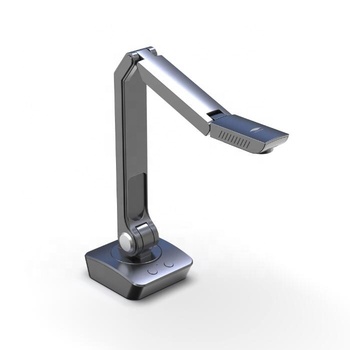
For buyers who need sharper video for online teaching, product demonstration and video conferencing.
Procurement teams are shifting from single-unit purchases to multi-year programs. The most successful buyers evaluate the device, the software, the documentation and the supplier's ability to support repeat orders.
| Procurement Trend | What Buyers Ask | Better Specification Response | Risk to Avoid |
|---|---|---|---|
| Hybrid classrooms and huddle rooms | Will the camera work with projectors, interactive panels and video calls without extra adapters? | USB-C plug-and-play, UVC webcam recognition, 30 FPS live video and stable low-light image quality. | Choosing a scanner-only model that looks good on paper but cannot deliver smooth live teaching video. |
| Tender-driven compliance | Can you provide ISO 9001, Intertek verification, CE or FCC documents and a clear warranty statement? | Model-specific certification files, written warranty terms, spare-part policy and on-time document delivery. | Accepting generic certificates that do not cover the exact model or destination market. |
| AI-ready OCR and software integration | Does the visualizer support OCR, SDK access and integration with our own application? | Up to 180-language OCR on selected models, documented SDK scope and sample testing with the buyer's software. | Assuming every model has the same SDK, OCR package or operating-system support. |
| Projector ambiguity in specifications | Is the projector built in, or does the camera connect to an existing projector? | Written clarification of ports, output resolution, cable requirements and whether a projector is included. | Bidding a projector-ready visualizer against a tender that requires an integrated projector. |
| Wireless convenience vs. classroom reliability | Can wireless models maintain stable video in crowded Wi-Fi environments? | USB fallback, clear pairing steps and a test plan for the actual classroom network. | Using wireless as the only connection method in environments with weak or congested networks. |
| Total cost of ownership | What happens after year one when the buyer needs spare parts or an extended warranty? | 1-year standard warranty, distributor spare-part program, durable mechanical design and clear after-sales contact. | Comparing only unit price while ignoring return rates, training time and replacement costs. |
Ask for a 5-minute live demonstration using the same projector, laptop and lighting conditions as the end user. This reveals latency, focus behavior and real image clarity better than any brochure.
Keep model-specific datasheets, certification files, packing lists and warranty statements in one bid folder. Missing paperwork often costs more time than a small price difference.
Education buyers often need a primary 3-in-1 visualizer for classrooms plus a wireless model for mobile teaching. A mixed-model program can reduce total cost without sacrificing user experience.
The next generation of document camera projectors will be judged by software experience, live-video quality and integration flexibility as much as by sensor resolution.
Automatic exposure, glare reduction and page-edge detection will become expected in mid-range models. Buyers should ask which functions run on-device and which require software.
30 FPS is becoming the baseline for smooth teaching video. 4K output is increasingly requested for large displays, online teaching and detailed product demonstrations.
Installation teams prefer one-cable USB-C connection, while teachers value wireless freedom. Dual-mode models with USB fallback reduce support risk in real classrooms.
System integrators need documented SDKs, stable drivers and predictable firmware updates. The software ecosystem is becoming a stronger differentiator than basic hardware specs.
Foldable arms, detachable bases and flexible mounting options help one platform serve classrooms, meeting rooms and service counters. Modularity lowers inventory risk for distributors.
Classrooms and meeting rooms are rarely perfect studios. Sensor quality, lens design and exposure algorithms determine whether text remains readable when lights are dimmed for projection.
Paperless workflows, long product lifecycles and replaceable accessories support corporate sustainability targets. Buyers increasingly ask for packaging reduction and spare-part availability.
Shenzhen Hobry Technology Co., Ltd. is a manufacturer with an integrated export team, not a pure trading intermediary. Since 2005, the company has built experience in digital imaging, document cameras, portable scanners, OCR software and visualizer design. Engineering, industrial design, firmware, image-processing software and final assembly are managed under one roof.
For global buyers, that means your project can move from a sample request to a private-label program without losing control of the image pipeline. The company offers OEM service, design service and buyer-label service, and supports ODM customization of housings, optics, firmware, software UI and packaging. This flexibility is useful for education tenders, distributor brands and system integrators that need a differentiated product.
Capability can be checked, not just claimed. The Shenzhen facility has been verified onsite by Intertek, runs 8 production lines across 5,000–10,000 square meters, and holds ISO 9001 certification, High and New Tech Enterprise recognition and software copyright registrations. Selected products are CE marked or FCC certified. Standard models carry a 1-year warranty, with extended warranty and spare-part programs available for distributor and tender projects.
A clear process reduces samples, shortens approval cycles and protects the delivery schedule for tenders and private-label launches.
Confirm projector connection, A3 or A4 capture, frame rate, OCR, SDK and certification targets.
Standard model recommendation or ODM proposal covering hardware, software and packaging.
Stock samples or branded prototypes for field testing with your projector and software.
Assembly on 8 lines with in-process image calibration and software loading.
Finished-product inspection, burn-in and third-party checks on request.
FOB, CFR, CIF or EXW delivery with warranty and spare-part support.
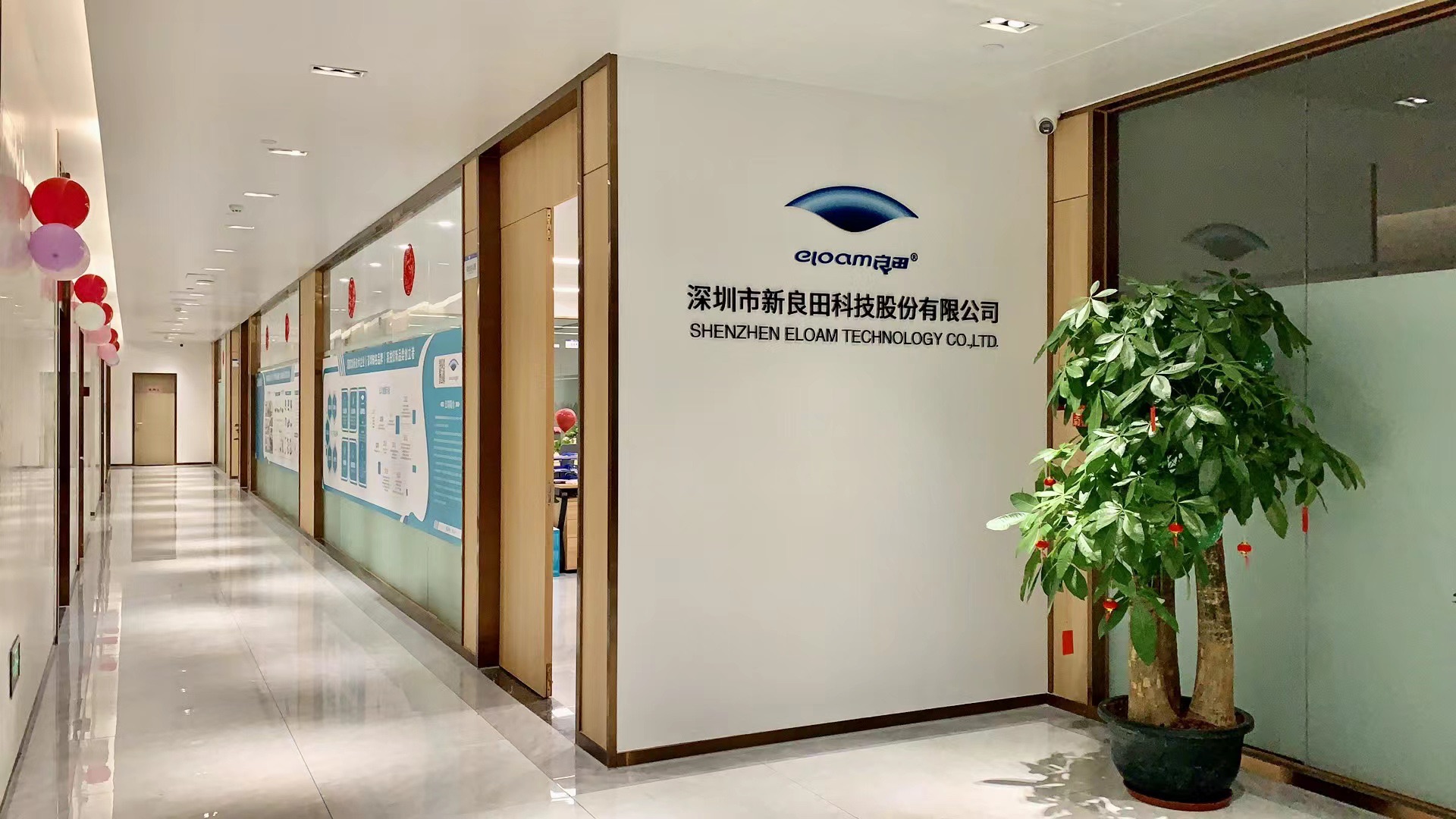
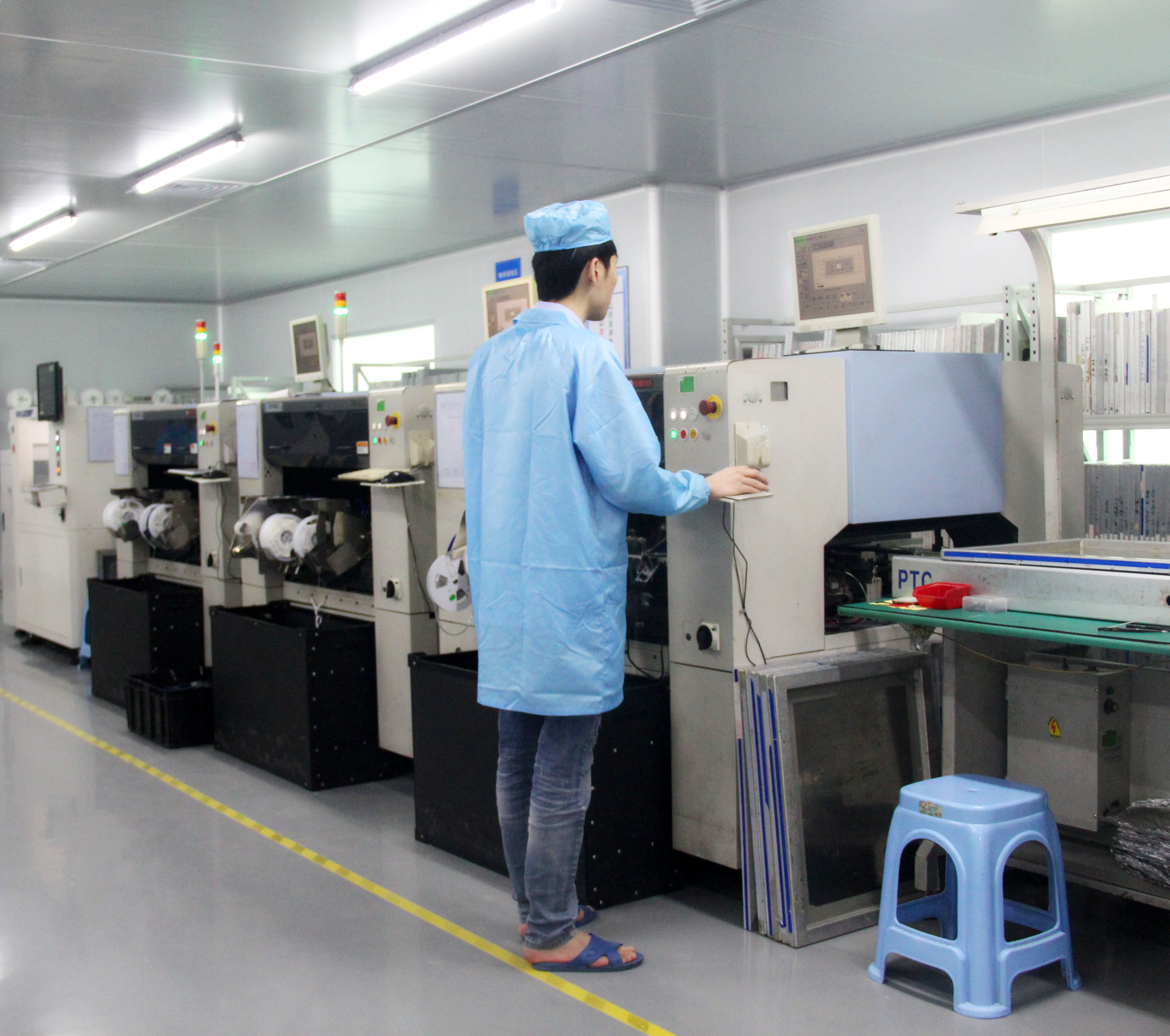
Use the gallery to review the manufacturing environment, inspection capabilities and company documentation of Shenzhen Hobry Technology Co., Ltd.
For a product like an interactive 3-in-1 document camera projector, reliability and compliance matter as much as image quality. Shenzhen Hobry Technology Co., Ltd. maintains documentation for quality management, product compliance and software ownership so buyers can support customs clearance, tender submissions and retail onboarding.
Send your target application, scan size, estimated quantity and destination market. Shenzhen Hobry Technology Co., Ltd. will recommend the best-fit visualizer, confirm whether your project needs projector output or a built-in projector, and share datasheets, compliance files and pricing.
info@hobrytech.com