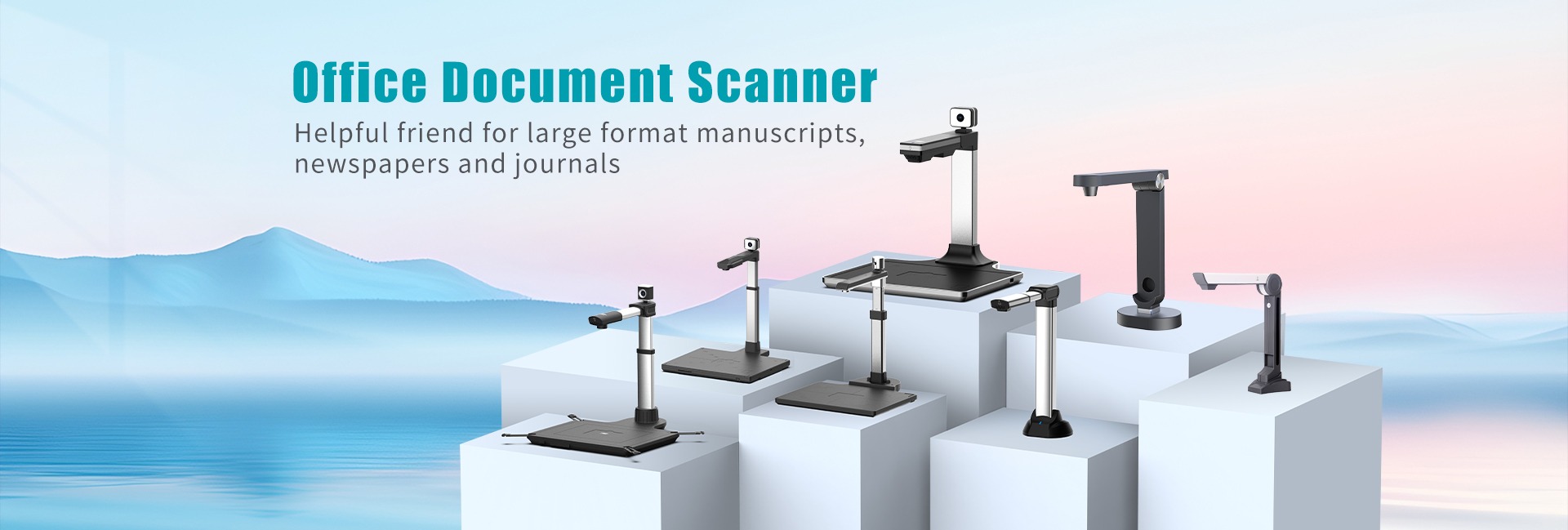
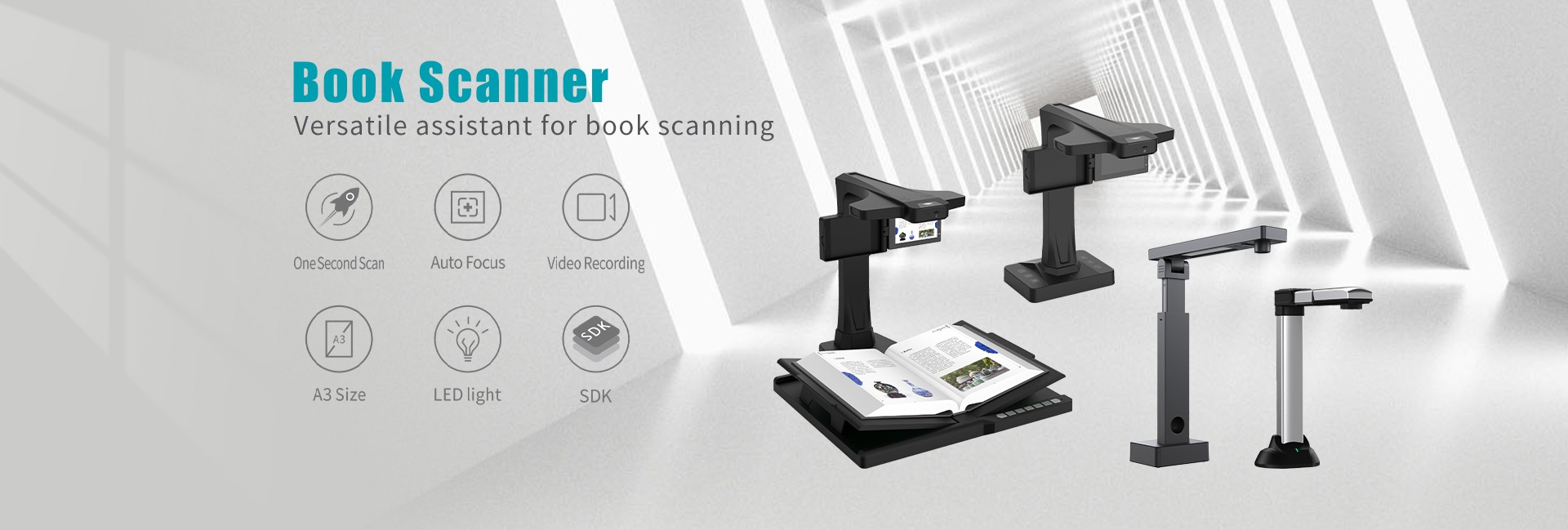
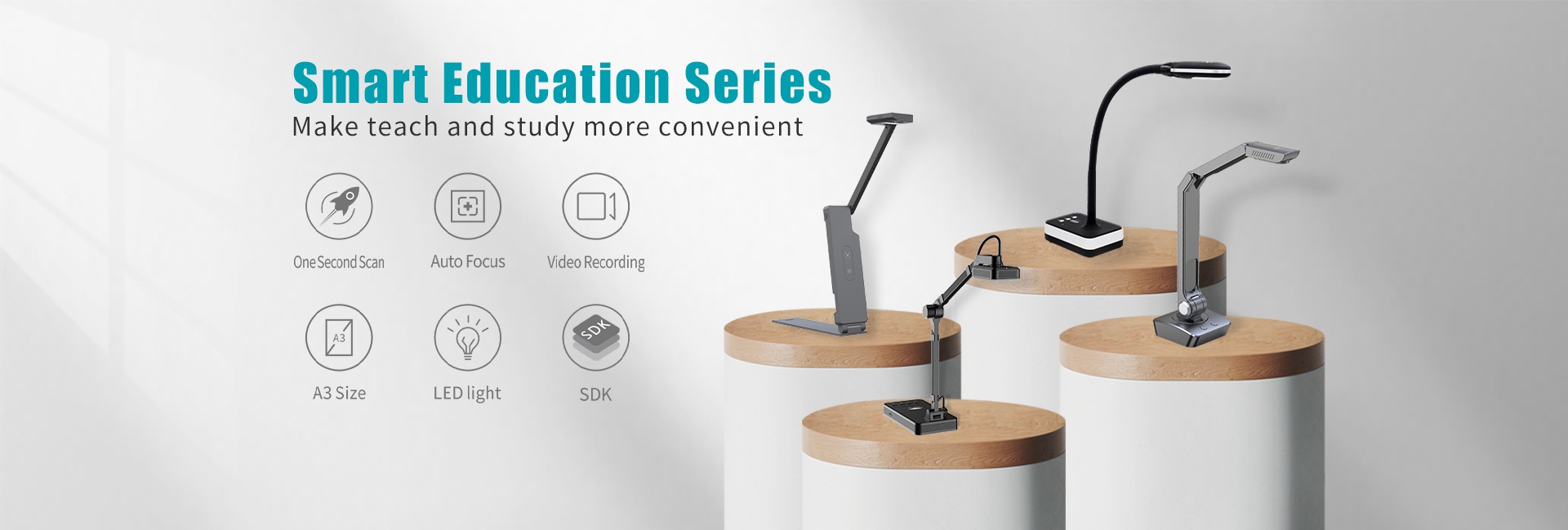
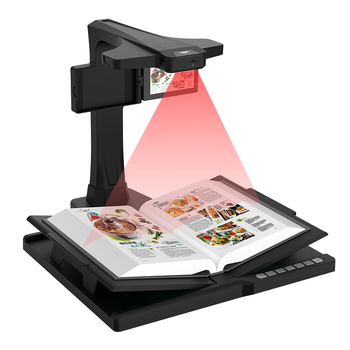
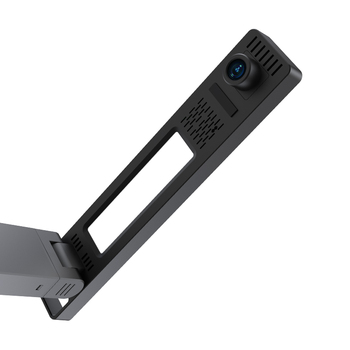
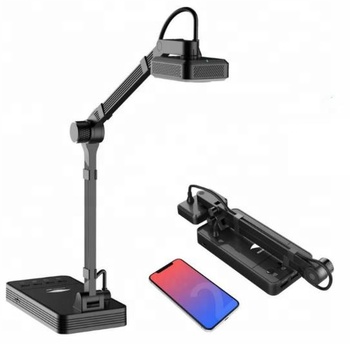
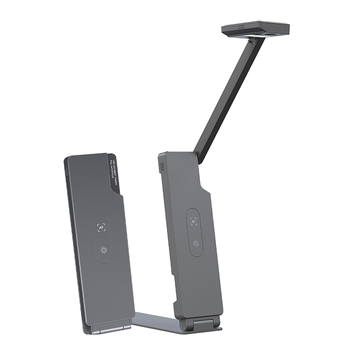
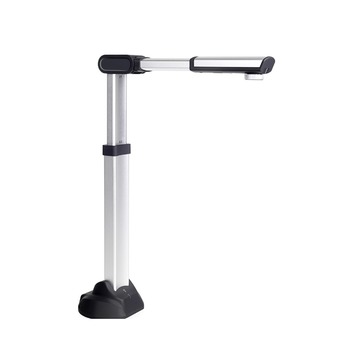
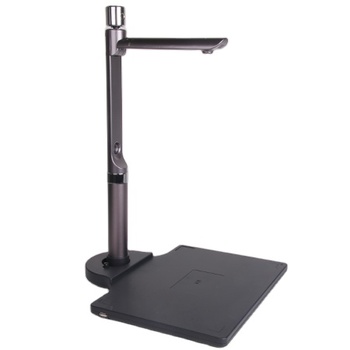
Portable capture is replacing shared flatbeds in distributed workflows. Banks, government branch offices, school districts and logistics teams increasingly prefer an A3 portable document scanner that can be placed on an existing desk, locked away after use and moved between rooms. Overhead capture is faster for ledgers and bound books than lifting a lid, aligning a page and waiting for a flatbed cycle. For distributors, this creates demand for models with auto-focus, auto-crop, LED lighting and simple USB or wireless connection. Buyers also ask for consistent image output across branches, because central records teams do not want to retrain staff in every location.
Software and AI are becoming the decision layer. Procurement committees now ask whether the scanner can produce searchable PDFs, detect document edges, de-skew pages, remove finger images, classify documents and export to a records system. OCR language coverage has moved from a nice feature to a tender requirement, especially in multilingual markets. SDK availability and firmware stability matter because the scanner is often only one part of a workflow that includes ERP, LMS, core banking or electronic medical records. Hobry supports selected models with SDK documentation and up to 180 OCR languages, which allows integrators to plan acceptance testing before volume orders.
Total cost of ownership and evidence-based tenders are taking priority. Experienced buyers compare spare-part availability, warranty response, packaging quality, firmware update policy and certification documents, not just the landed cost of the first container. Public tenders often require Intertek or equivalent verification, ISO 9001 evidence, CE documentation and model-specific test reports. A low quotation without support documents can become expensive when customs, retail onboarding or tender review stalls. This is why factories with real inspection records and stable production lines have an advantage over trading-only suppliers.
Language coverage and data privacy shape regional demand. In North America and Southern Europe, buyers ask for English plus local-language OCR, clear data handling statements and optional on-premise software. In Southeast Asia and the Middle East, multi-language OCR and robust power adaptation are important. An A3 portable document scanner may be used for legal records, identity documents or student files, so buyers want to know whether images are processed locally or sent to a cloud service. Procurement teams should confirm the software path before ordering: offline capture, local PC installation, network folder export or API integration.
OEM/ODM, private label and faster sampling are growth channels. Distributors increasingly want their own brand on the housing, packaging and software start screen. They need small initial MOQs for market testing, then a stable supply plan for repeat orders. The winning supplier is not simply the one with the lowest factory price; it is the one that can provide samples quickly, keep firmware consistent, support multi-language manuals and protect the distributor’s brand requirements. Shenzhen Hobry Technology Co., Ltd. offers OEM service, ODM design, buyer label service and custom packaging, with MOQ confirmed by model and customization scope.
Sustainability and lifecycle design now appear in purchase scorecards. Paper reduction is the core benefit of document digitization, but buyers also look at power consumption, packaging volume, spare-part availability and product serviceability. A portable A3 scanner that can be repaired with common modules stays in service longer than a sealed unit that must be replaced. For tender bids, suppliers should provide clear energy information, packing data and warranty terms. For distributors, modular design reduces return costs because field issues can be resolved with targeted parts instead of complete unit replacement.
From 2026 onward, expect the A3 portable document scanner to be specified as a “capture hub” rather than a single-function scanner. The device will combine overhead document capture, live presentation, OCR, barcode reading, ID capture and video conferencing support. Buyers will ask for one hardware platform that serves multiple departments, with software packages tailored to education, banking, libraries and government records. Suppliers that can document real factory capability, provide SDK support and maintain consistent quality across repeat orders will capture the most valuable channel partnerships.