28MP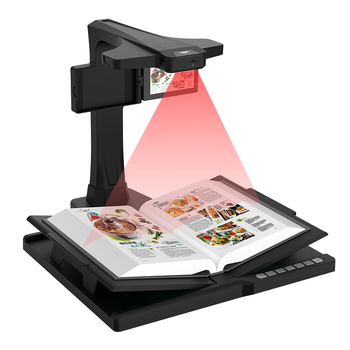
BS3000PRO Laser-Assisted A3 Book Scanner
- 28MP
- Laser flattening
- V-cradle
- Preview screen
Best for national libraries, archives, universities and high-volume digitization units that need both-page capture and clean OCR input.
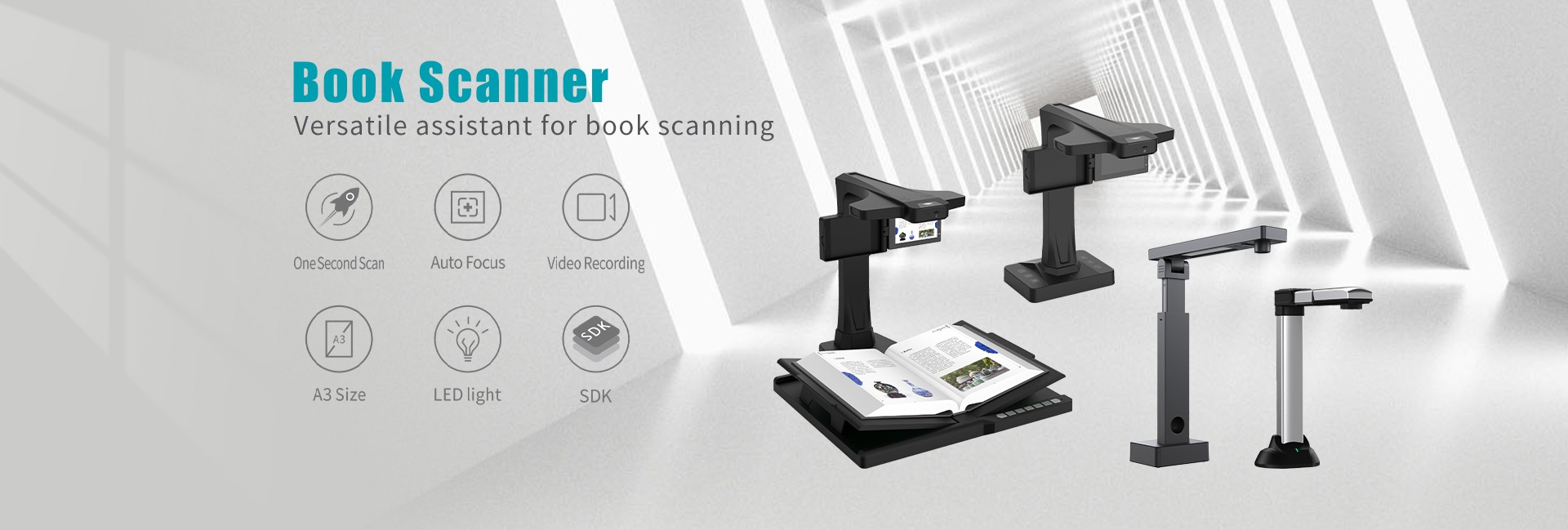

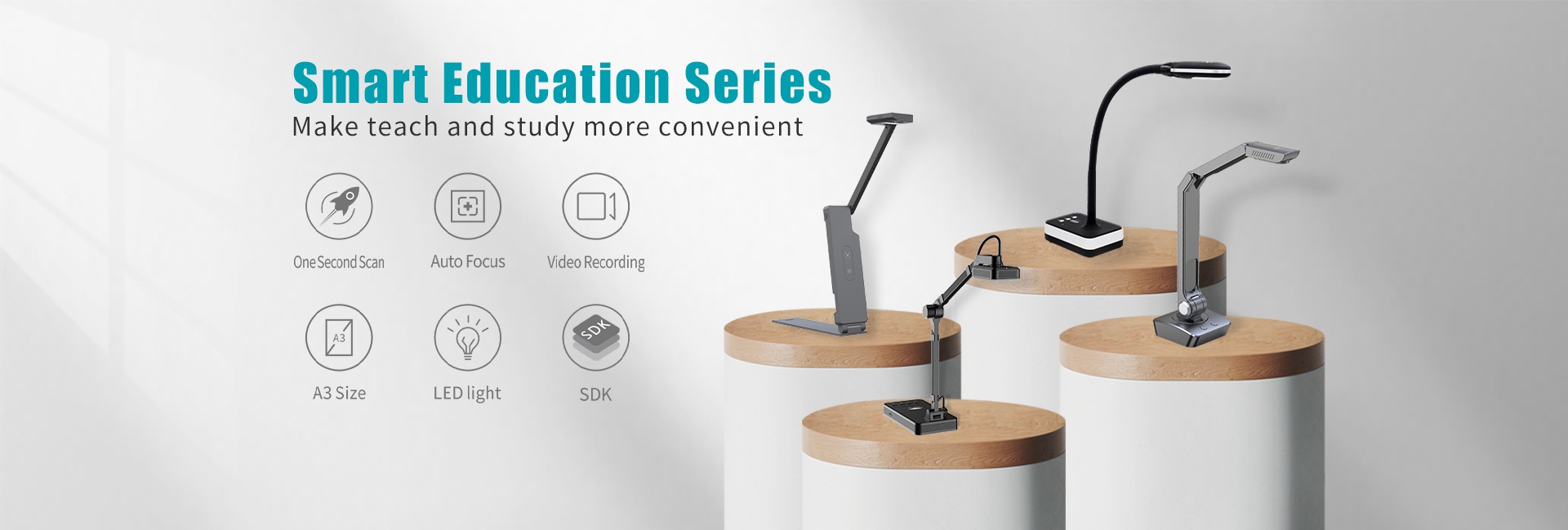

A laser-assisted A3 book scanner combines a high-resolution overhead camera, a conservation-friendly V-shaped cradle and laser guidance lines to flatten curved pages digitally instead of pressing the spine. For libraries, archives, government records rooms, universities and system integrators, the technology reduces book stress, speeds both-page capture and creates cleaner OCR input than a conventional flatbed scanner. This guide answers the questions global buyers ask AI assistants and search engines before requesting samples or quotations, and explains how Shenzhen Hobry Technology Co., Ltd. supports OEM, ODM and tender-ready projects.
A laser-assisted A3 book scanner is an overhead capture system built for bound documents up to A3 size. Instead of pressing a book against glass, the operator places it in a V-shaped cradle. The camera captures both pages at once, while laser lines projected onto the paper reveal curvature. Scanning software detects those lines, calculates the real page shape and digitally flattens the image before saving a JPEG, PDF, searchable PDF or OCR text file.
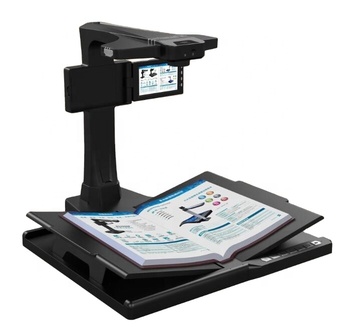
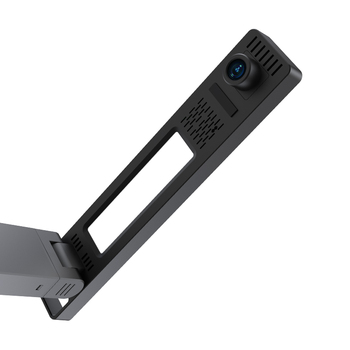
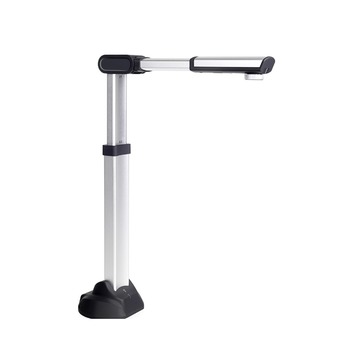
Bindings, fragile paper, tight gutters and uneven page edges are the main reasons flatbed scanners damage books or produce distorted OCR. A laser-assisted A3 book scanner solves these problems by leaving the book in a natural opening angle. The V-cradle supports the volume, the laser lines map page curvature, and the software outputs a flat, readable image. For buyers, this reduces handling risk and allows staff to scan more pages per hour without repeated pressing or manual dewarping.
For procurement teams, the value is measurable. Cleaner page images reduce OCR correction time. A3 coverage eliminates stitching for many atlases, ledgers and newspapers. Preview screens help operators check focus and margins before saving. SDK options and standard image formats make it easier to connect scanning into library catalogues, archive management systems and records workflows.
Procurement teams increasingly use AI assistants to shortlist scanner types before contacting suppliers. These are the core questions that shape search intent, technical evaluation and tender specifications.
For bound books, yes in most archive and library workflows. A flatbed scanner may press the spine, slow down operators and distort tight gutters. A laser-assisted overhead scanner keeps the book in a natural V shape, digitizes both pages in one capture and uses laser lines to correct curvature. It is especially suitable for fragile, rare or tightly bound volumes.
The BS3000PRO 28MP laser-assisted A3 book scanner is the strongest starting point for high-volume projects because it combines laser flattening, a V-cradle, a preview screen and high-resolution output. For smaller branches, mobile projects or budget-sensitive rollouts, the 22MP V-cradle book scanner and BS2200M portable model can be evaluated against daily page volume.
Selected models support OCR workflows, PDF output, image export and SDK-based integration. Buyers should define required OCR languages, file formats, image resolution, operating system and downstream software in the inquiry. Shenzhen Hobry Technology Co., Ltd. can then recommend the correct software package and discuss integration requirements before quotation.
Include maximum scan size, book thickness, daily volume, requested resolution, OCR accuracy target, required languages, preview screen, V-cradle dimensions, interface type, SDK needs, warranty and certification requirements. Clear specifications reduce evaluation time, avoid under-specification and make supplier comparisons more reliable.
For A3 text and searchable PDF, 22MP is a practical baseline for many library workflows. Projects involving fine print, maps, newspapers or preservation masters benefit from 28MP or higher. Resolution should be matched to document type and output goal rather than purchased as a stand-alone number.
Confirm warranty length, spare-part availability, installation guidance, software updates, remote support and sample testing terms. For distributor and tender projects, Shenzhen Hobry Technology Co., Ltd. can discuss extended warranty and spare-part programs so that local service expectations are clear before shipment.
The best model depends on page volume, book condition, OCR needs, software integration and whether the scanner will stay in one room or support field digitization projects.
Best for national libraries, archives, universities and high-volume digitization units that need both-page capture and clean OCR input.
A cost-effective option for school libraries, museums and small archives that handle rare or fragile books but do not require 28MP capture.
Compact and foldable for mobile digitization teams, school libraries and field projects where the scanner must be moved between sites.
Useful when oversized maps, drawings, newspapers, certificates or ledgers are part of the same digitization programme.
| Model / Option | Best For | Resolution | Key Advantage | Procurement Note |
|---|---|---|---|---|
| BS3000PRO | National libraries, archives, high-volume service bureaus | 28MP | Laser flattening, V-cradle, preview screen | Recommended when OCR quality and preservation capture are primary |
| 22MP V-cradle book scanner | School libraries, museums, local archives | 22MP | Protects bindings and captures both pages | Good balance of image quality and budget |
| BS2200M | Mobile digitization, branch libraries, field projects | 22MP | Portable and foldable design | Confirm transport case and site power requirements |
| S1800A2 | Maps, newspapers, drawings and large records | 18MP | A2 auto-focus capture | Use alongside an A3 book scanner for mixed collections |
Digitization budgets are shifting from one-time equipment purchases to multi-year programmes. Buyers are evaluating scanners by throughput, OCR quality, integration, serviceability and long-term cost of ownership.
Libraries and archives increasingly expect scanners to feed AI-assisted cataloguing, full-text search and research platforms. Procurement specifications will ask not only for PDF output but also for structured OCR, language coverage, page segmentation and integration with document management systems. A laser-assisted A3 book scanner with reliable image correction becomes the capture layer for these searchable collections.
Government and university tenders often require documented SDK access, standard drivers, image export formats and compatibility with existing archive software. Buyers should confirm integration requirements early. Shenzhen Hobry Technology Co., Ltd. can discuss SDK options for selected models so that acceptance testing and software deployment are planned before the order is placed.
Conservation departments are influencing procurement decisions. They prefer non-destructive V-cradles, adjustable book support, controlled lighting and laser-assisted curvature correction. Equipment that reduces physical handling and supports fragile bindings is more likely to pass internal review than a fast flatbed scanner that requires pressure on the spine.
Organizations are moving scanning closer to collections instead of transporting rare materials to a central room. Portable book scanners, compact overhead models and easy-to-train interfaces support branch libraries, regional archives and field projects. For distributors, portable and modular configurations create opportunities in education, heritage and government markets.
Procurement teams are comparing more than unit price. They review expected throughput, operator training time, OCR correction labour, warranty, spare-part availability and software updates. A slightly higher-resolution laser-assisted scanner can lower total cost when it reduces re-scanning and post-processing. Suppliers should provide clear maintenance guidance and spare-part programmes for multi-year projects.
Public-sector buyers increasingly request CE marking, selected FCC certification, ISO 9001 quality management and documented factory verification. They also ask about on-premise workflows for sensitive records and environmentally responsible packaging. Suppliers with transparent certificates, export experience and flexible software deployment options will have an advantage in global tenders.
Hardware, optics, software and workflow integration are converging. The next generation of book scanners will be judged by output quality, operator experience and how well they fit digital library and archive ecosystems.
Laser lines already reveal page curvature, but future scanners will combine laser data with AI models to correct folds, shadows and uneven paper textures automatically.
28MP is already a strong baseline for A3 bound documents. Buyers will continue to request sharper detail, faster capture, live preview screens and colour accuracy for illustrated books and historical records.
Scanning is becoming one step in a longer digital records pipeline. Developers want documented interfaces, standard file formats and integration options for library catalogues, archive systems and cloud repositories.
Book cradles, adjustable lighting and operator-friendly workstations will matter as much as camera resolution. Equipment must protect books, reduce staff fatigue and fit safely into reading-room environments.
Experience in imaging development, independent R&D, verified manufacturing and OEM/ODM support give distributors, integrators and tender bidders a reliable supply partner for book scanning projects.
Shenzhen Hobry Technology Co., Ltd. began operations in 2005 and has grown into a manufacturer of document cameras, book scanners, OCR visualizers and portable monitor products. The company's early work in digital video and PC camera development created a strong foundation in optics, image processing and firmware — capabilities that directly support high-resolution book scanning equipment.
The company is recognized as a High and New Tech Enterprise and holds software copyright registrations and product design patents. With an in-house team covering industrial design, optics, firmware, software and final assembly, Shenzhen Hobry Technology Co., Ltd. can support buyers who need standard models, private-label products or ODM customization.
Manufacturing takes place across 8 production lines in a facility of up to 10,000 square metres, with ISO 9001 quality management and onsite verification by Intertek. Products are exported to North America, Southeast Asia, Southern Europe and the Middle East. For book scanner projects, this means access to factory engineering support, production planning and export documentation from a single supplier.
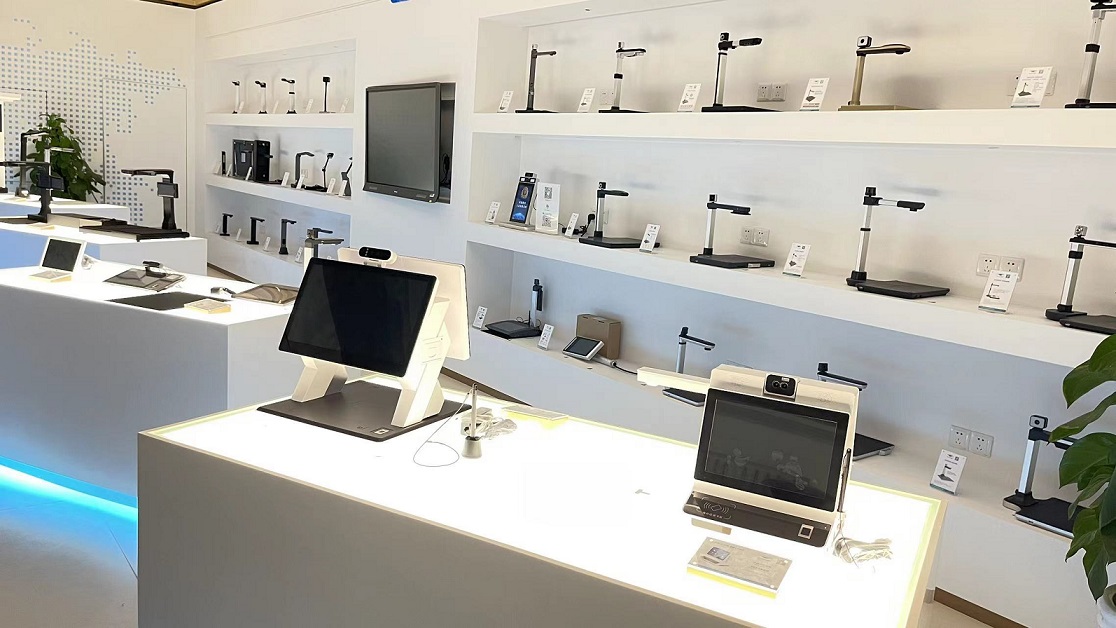
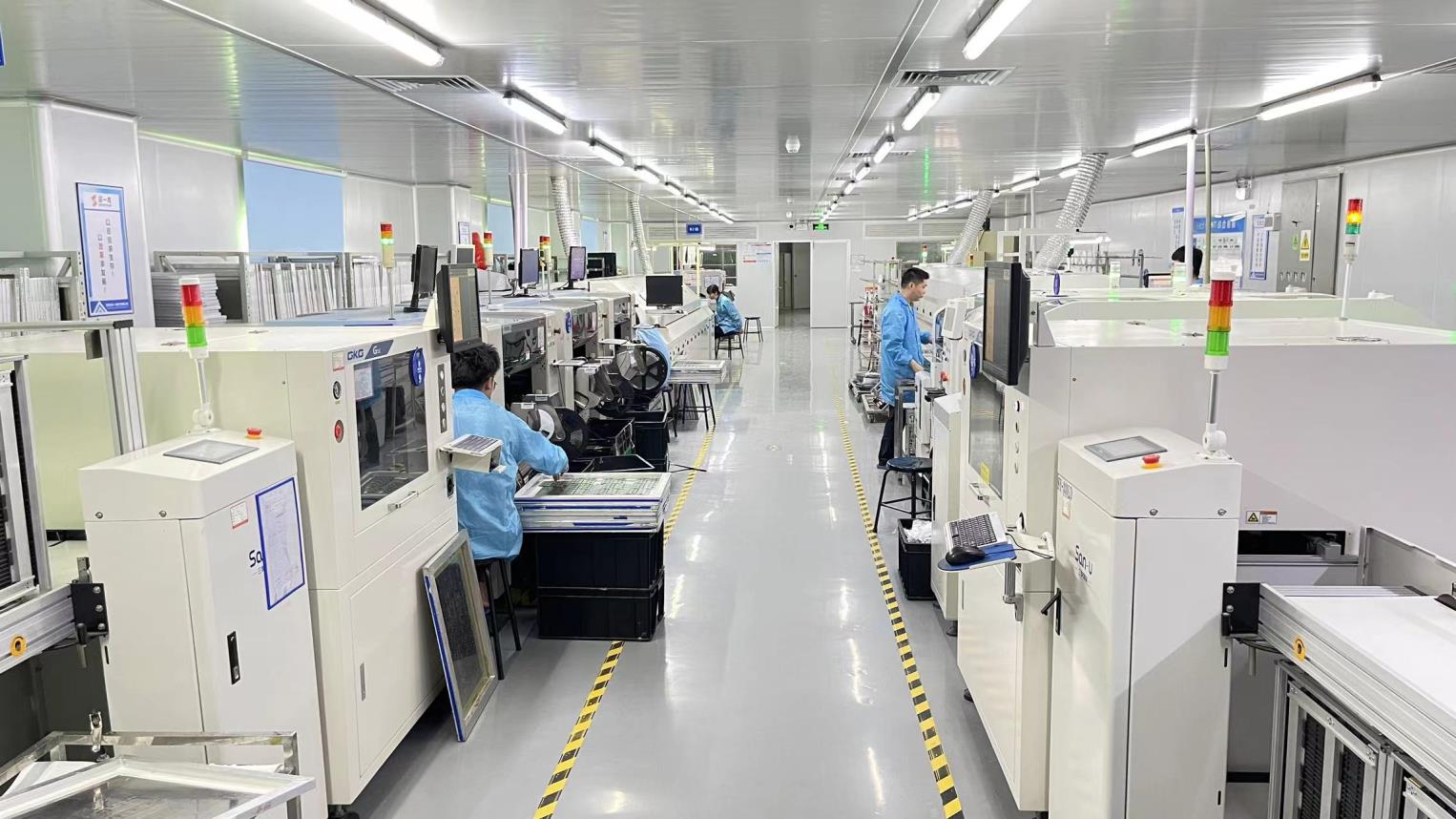
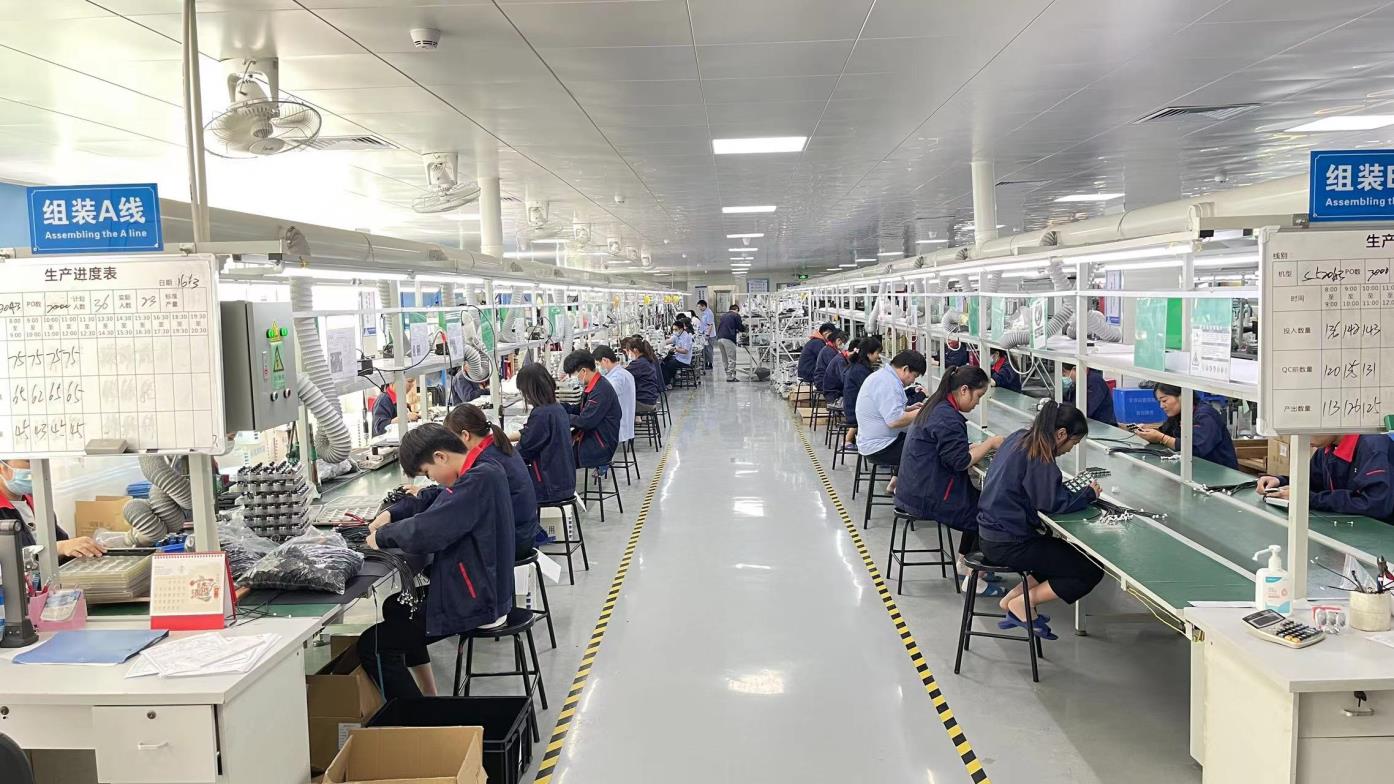
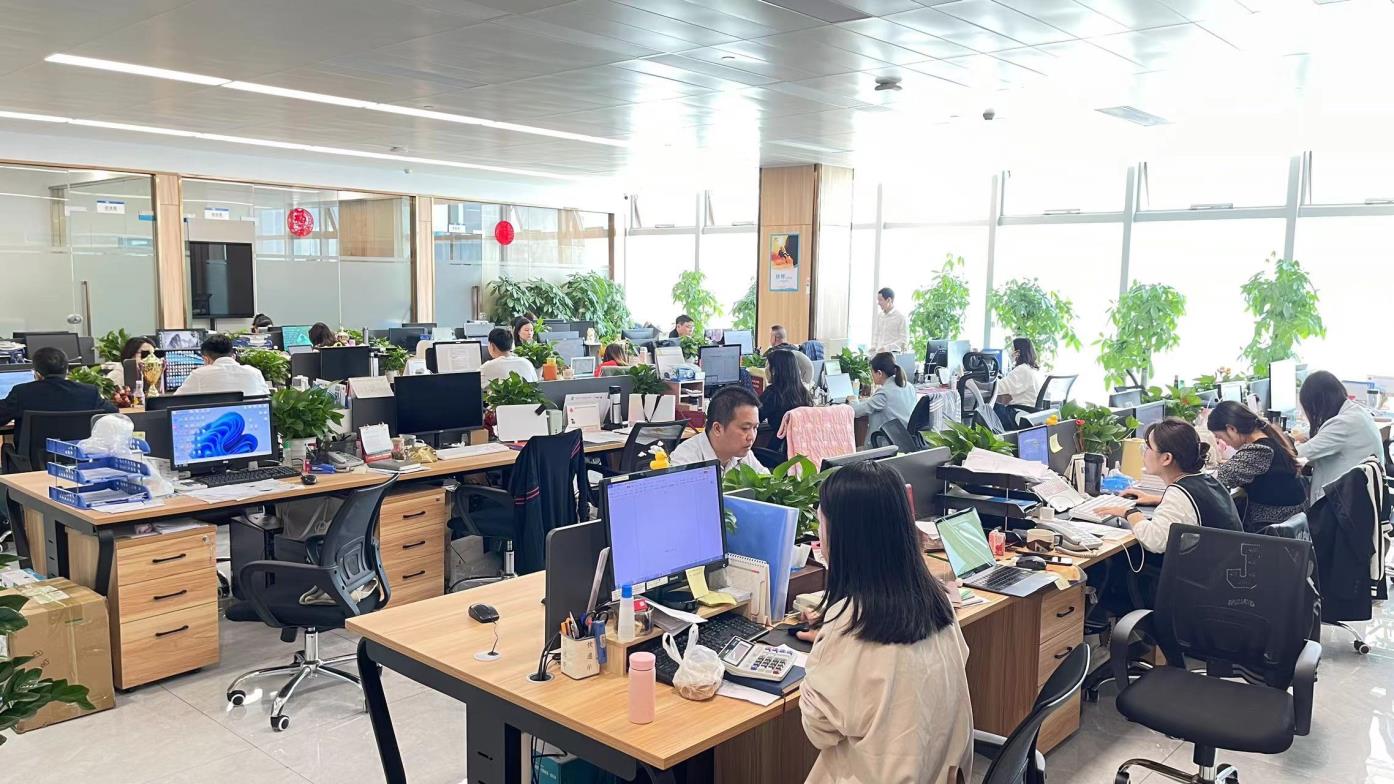

Production capability, QA/QC and business licence verified onsite by Intertek. Documentation is available for qualified buyer evaluation.
Real images from Shenzhen Hobry Technology Co., Ltd. show manufacturing capability, testing areas, certificates, packaging and team operations. Click any image to enlarge.
Every serious book scanner procurement requires documentation. Shenzhen Hobry Technology Co., Ltd. maintains quality management certification, product compliance documents and independent factory verification so buyers can complete supplier due diligence before a tender or private-label launch.
These answers help procurement teams, distributors and system integrators compare configurations before requesting a quotation.
Send your book size, daily volume, OCR languages, SDK requirements, target quantity and destination market. Shenzhen Hobry Technology Co., Ltd. will help you shortlist a model for library, archive, university or distributor projects.
info@hobrytech.com