Eight High-Speed Book Scanner & Document Camera Models to Evaluate
Phoenix buyers rarely fit one scanning profile. A municipal clerk may need bound-ledger capture and open-records speed; a university may need a classroom visualizer; a title company may need rapid A3 map and deed capture; a clinic may need compact A4 intake scanning. This shortlist preserves every original product URL for direct technical review. For a dedicated bound-book project, request the Hobry Book Scanner Series with V-shaped cradle configuration during inquiry; the eight models below support reading rooms, classroom presentation, A3/A2 overflow capture, counter scanning, field OCR and archive intake.
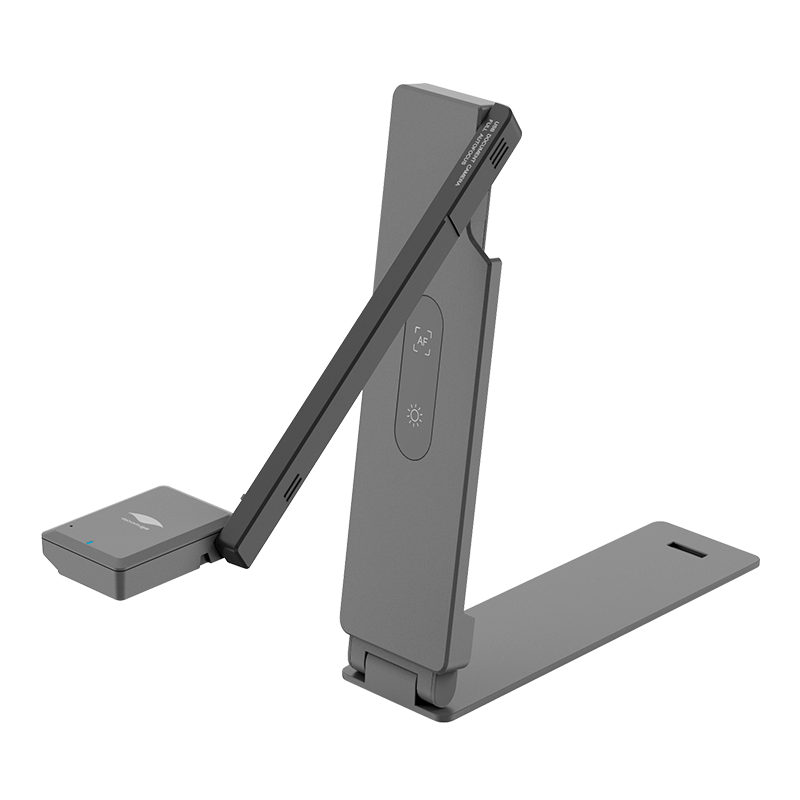
ELOAM VE1020A3AF 3-in-1 A3 8MP USB Document Camera Scanner Visualizer
A flexible A3 visualizer for library reading rooms, hybrid teaching and public-counter document capture. The 3-in-1 design supports live demonstration, image capture and OCR-ready stills; USB deployment keeps setup simple across Phoenix school and municipal sites.
- A3 area
- 8MP
- USB
- 3-in-1
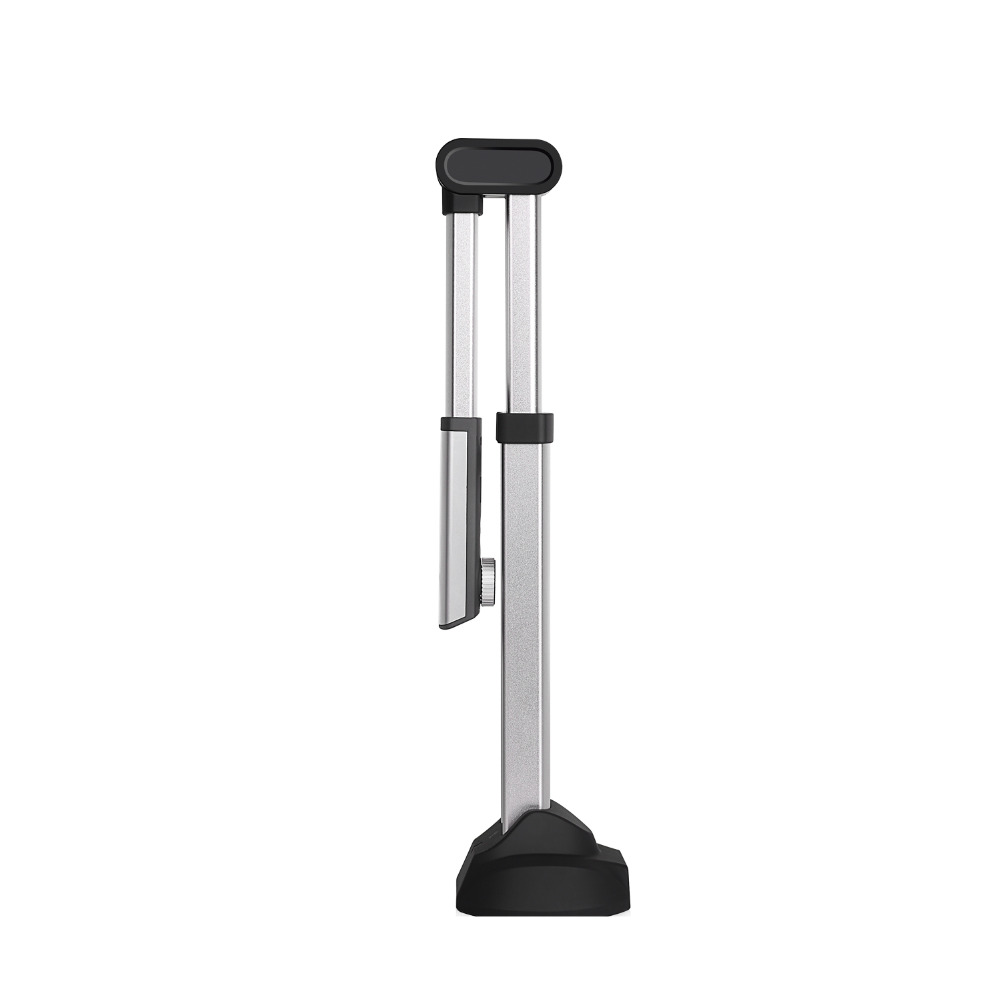
Eloam S1800A2 16MP USB 2.0 A2 A3 Document Camera OCR Scanner
For engineering drawings, plat maps, bound ledgers and oversized records, the S1800A2 combines a 16MP sensor with A2/A3 coverage, 3264 x 2448 capture and 180-language OCR. A practical fit for Phoenix title, utility, planning and archive teams handling large-format paper without a flatbed bottleneck.
- A2/A3
- 16MP
- OCR
- LED lighting
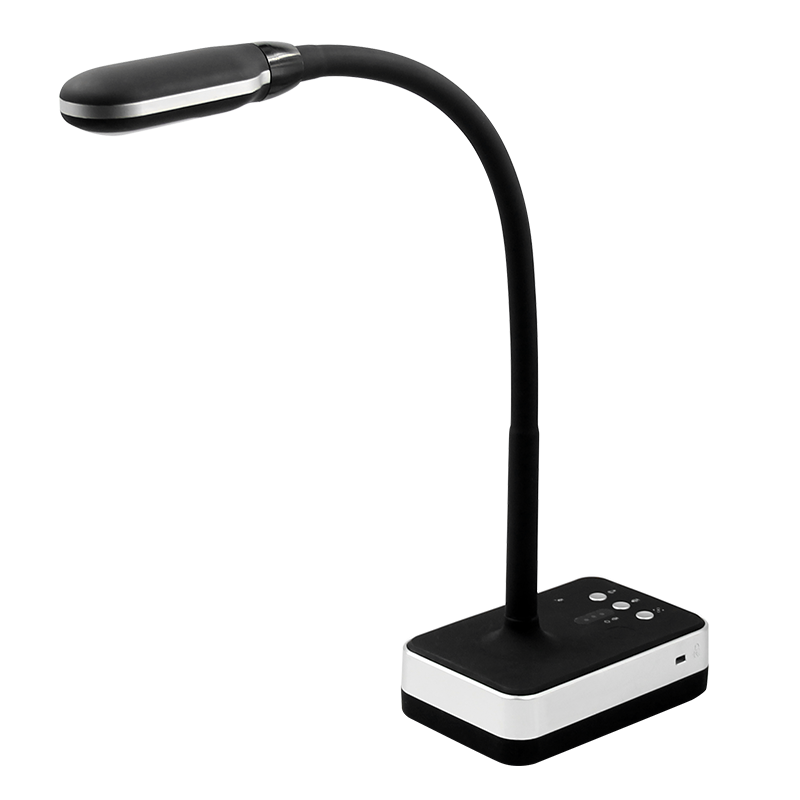
ELOAM VH802A3AF USB Document Camera OCR High-Speed Scanner 8MP A3
A compact A3 overhead scanner for school offices, records counters and legal intake desks. Fast single-page capture, OCR and USB connectivity help Phoenix staff move forms, permits and case files into searchable PDFs without dedicating a full scan room.
- A3 area
- 8MP
- OCR
- USB
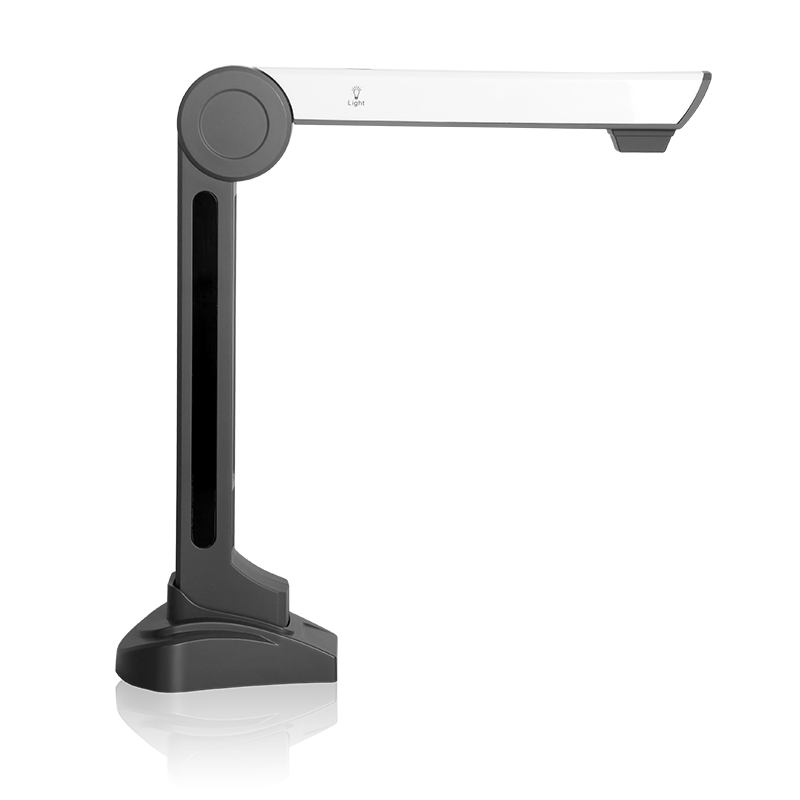
Eloam S500P 5MP Ultra Portable High-Speed OCR Document Scanner with USB SDK
The S500P is a light, field-friendly OCR scanner with SDK support for system integrators and mobile records teams. Use it for site inspections, clinic intake, school enrollment and field documentation where a full-size scanner is impractical.
- 5MP
- Portable
- OCR
- SDK
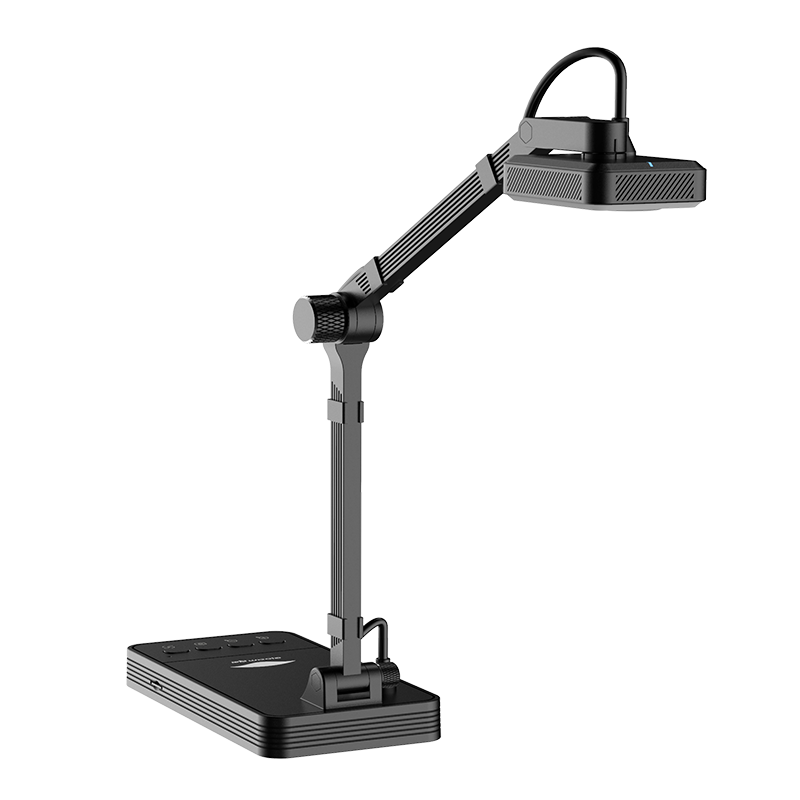
ELOAM YL1050 Wi-Fi USB Document Presenter A3 10MP for Teachers and Distance Learning
A Wi-Fi and USB A3 presenter for hybrid classrooms, teacher training and remote coaching. The 10MP camera supports live demonstration of textbooks, worksheets and objects; wireless operation reduces cable tripping in busy Phoenix classrooms and community learning centers.
- A3 area
- 10MP
- Wi-Fi
- USB
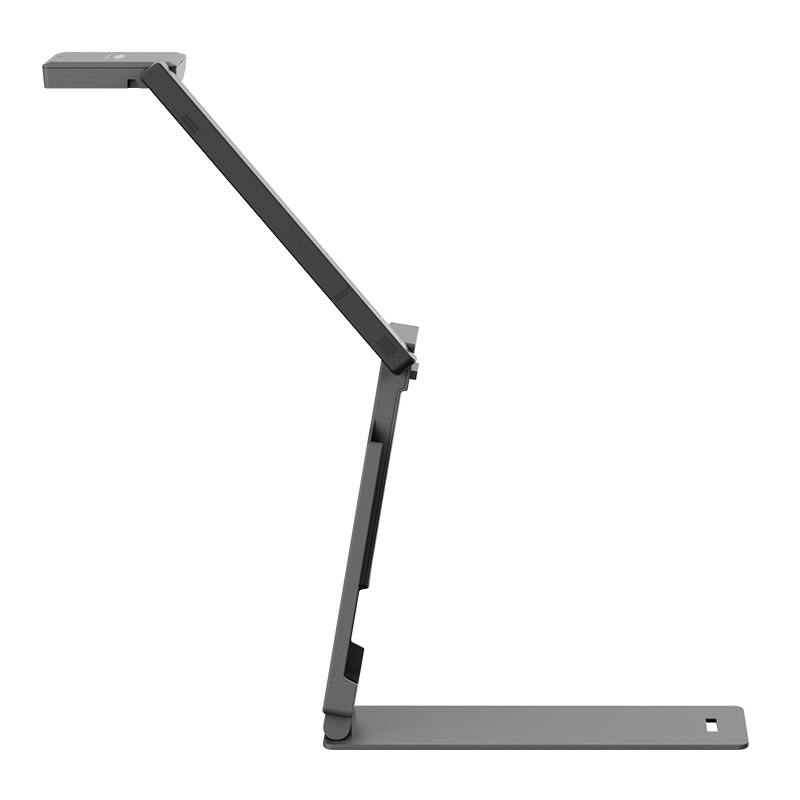
ELOAM VE1300A3AF 13.0MP Ultra HD USB Portable Document Camera and Scanner A3
The VE1300A3AF adds 13MP Ultra HD detail for lecture halls, lab demonstrations and high-resolution capture of annotated pages. It suits visualizer upgrades where instructors need crisp text on large displays and a simple USB connection.
- A3 area
- 13MP
- Ultra HD
- USB
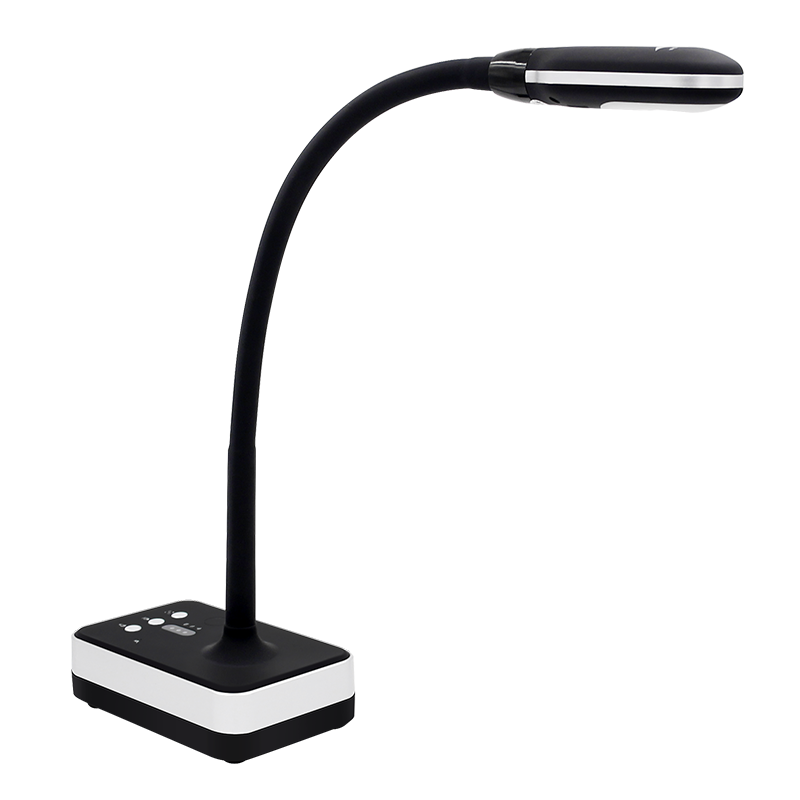
ELOAM VW1000A3AF High-Speed Portable A3 Intelligent Archive Document Camera Scanner
A high-speed A3 archive scanner for intelligent document capture, auto-crop and USB workflows. It fits Phoenix records modernization projects that need to convert high volumes of permits, invoices, correspondence and bound-file contents into consistent digital images.
- A3 area
- Auto capture
- Archive
- USB
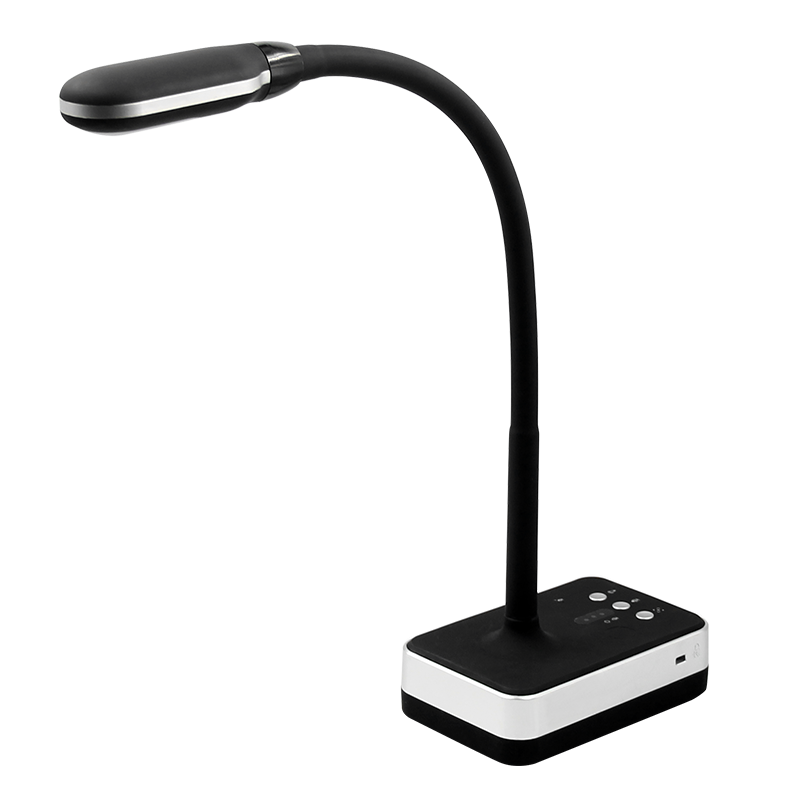
ELOAM VH1000AF A4 10MP High-Speed Wireless USB Portable Document Camera Scanner
A portable A4 wireless scanner for classroom, clinic and mobile office use. The 10MP camera, USB/Wi-Fi flexibility and compact footprint make it useful for satellite offices, temporary records projects and distance-learning kits in the Phoenix metro.
- A4 area
- 10MP
- Wireless
- USB
All product links are preserved from the listed catalogue. Final configuration, stock status, CE/FCC availability, MOQ and sample lead time must be confirmed in the quotation before a Phoenix project is scheduled.
Why Phoenix’s Bound-Book and Public-Record Workflows Need a V-Shaped Cradle
A V-shaped cradle is not a cosmetic accessory. It is the difference between scanning a book and damaging it, or between capturing a readable page and producing an image that OCR cannot trust.
Phoenix’s records profile is unusual. Rapid population and business growth has expanded city, county, school, healthcare and legal records, while older archives still hold irreplaceable bound volumes, scrapbooks, land records, historical publications and academic collections. A flatbed scanner forces pressure on the spine. A sheet-fed scanner cannot accept a bound book at all. An overhead scanner with a V-shaped cradle supports the book block at an angle, reduces the pressure required to open pages, and gives the camera a more consistent focal plane across the spread.
That matters in the Valley of the Sun because records teams are judged on turnaround time, accuracy and preservation. A scanner with a V-shaped cradle, page-flattening geometry, laser-assisted curve correction and OCR software becomes a compliance tool. It supports faster open-records response, safer handling of fragile ledgers, less operator fatigue and more reliable metadata for search and retention schedules. For Phoenix teams that already use a document management system, SDK access and clean PDF/JPEG/TIFF output are often more valuable than a higher megapixel count alone.
Municipal, County and Open-Records Teams
Phoenix-area city clerks, county departments and public agencies need fast redaction-ready scans of permits, correspondence, minutes and bound ledgers. A V-shaped cradle protects bound records while OCR turns page images into searchable files for public-record requests.
Public Libraries and Archives
Buyers connected to Arizona State Library, Archives and Public Records, Phoenix Public Library, university special collections and museum archives often handle fragile paper, genealogy materials and local history. Overhead capture reduces spine stress and supports non-destructive digitization.
Higher Education and School Districts
ASU, Grand Canyon University, community colleges and K-12 districts use visualizers for live teaching, hybrid classrooms and teacher training. A 10MP to 13MP document camera with USB or Wi-Fi keeps lesson capture practical when classrooms lack fixed AV systems.
Legal, Title, Escrow and Insurance
Phoenix is a regional center for legal, title, escrow, mortgage and insurance operations. Teams need rapid capture of deeds, case files, claim packets and bound closing books, with OCR and consistent file naming for e-discovery and audit review.
Healthcare and Clinics
Hospitals, specialty clinics and insurance intake teams handle referrals, consent forms, ID cards and paper charts. A compact A4 or A3 scanner with OCR and simple USB deployment helps reduce manual keying while keeping scanned records clean and traceable.
Tribal, Cultural and Museum Collections
Cultural centers, tribal offices and museum archives often hold unique bound materials and community records. A V-shaped cradle book scanner supports preservation-led digitization, while portable document cameras help with exhibit documentation, oral-history support materials and grant reporting.
What Is Changing in Arizona Scanner Procurement
Scanner purchases in Phoenix are being shaped less by raw hardware specifications and more by records risk, integration capability, classroom flexibility and total cost of ownership.
Open-Records Speed and Audit Readiness
Public agencies face pressure to answer records requests quickly. Searchable OCR, consistent file naming and batch capture matter as much as scan speed because they reduce review time after capture.
AI-Ready OCR and Metadata
Teams want scans that feed document management, e-discovery and records platforms without rework. Up to 180-language OCR, PDF/JPEG/TIFF output and SDK access on selected models are now practical sourcing questions.
Hybrid Classrooms and Visual Collaboration
Phoenix schools and colleges continue to support hybrid teaching, tutoring and remote coaching. Document cameras with 30 FPS live video, Wi-Fi and simple USB setup reduce dependence on fixed classroom AV.
Dry Heat, Dust and Total Cost of Ownership
Phoenix dust and low humidity make preventive maintenance important. Buyers are asking about dust covers, optics cleaning schedules, surge protection, spare parts and warranty response before approving a multi-site rollout.
The Phoenix V-Cradle Evaluation Framework: Six Tests Before You Approve a Sample
Use a real sample and real books. A demonstration conducted with perfect, loose paper will not reveal the constraints that matter in a Phoenix library, clerk’s office or archive.
Cradle Geometry and Spine Safety
Measure your thickest and thinnest bound volumes. Check cradle angle, edge support, page opening, glass pressure and clearance for fragile spines. The sample should accept a book without forcing the gutter flat.
Page Flattening and OCR Accuracy
Scan curved pages, dense footnotes, low-contrast newsprint and glossy inserts. Run OCR on the output and count errors near the gutter. Laser-assisted flattening and curvature correction are valuable only if they improve readable output.
Optics, Resolution and Lighting
Confirm A3 or A2 coverage, MP rating, autofocus behavior and LED lighting. Test glare on coated paper, shadow near the spine and detail in handwritten annotations. Resolution should be matched to output requirements, not chosen blindly.
Throughput and Operator Fatigue
Time a realistic batch of 50 pages, including page turns, preview checks and file naming. Evaluate foot pedal support, monitor position, capture cycle, height adjustment and noise. Sustained speed matters more than a one-page claim.
Software Integration and Records Compliance
Confirm OCR languages, output formats, automatic page splitting, crop and deskew, file naming rules and SDK availability. For Phoenix agencies, test how the output enters your DMS, EDMS, e-discovery or records-retention workflow.
Serviceability, Warranty and Dust Control
Ask about warranty length, spare parts, remote diagnostics, cleaning instructions and recommended operating environment. In dusty or high-traffic sites, simple maintenance access and operator training protect uptime more than an unused feature list.
Phoenix Sample Scorecard: Suggested Weighting
Adjust these weights for the end user. A law firm may weight OCR and integration higher; a library may weight cradle ergonomics and preservation higher; a school district may weight ease of deployment and warranty higher.
What Shenzhen Hobry Adds to a Phoenix Scanner Project
Hobry is a manufacturer and exporter with in-house imaging experience, not a relabeling operation. That distinction matters when a Phoenix buyer needs engineering answers, sample iteration and a production schedule rather than a catalogue promise.
Founded in 2005, Shenzhen Hobry Technology Co., Ltd. has grown from digital video technology into a specialist in high-speed portable document scanners, book scanners, document cameras and portable monitors. The company controls industrial design, optics and firmware engineering, software, manufacturing and global sales. For B2B buyers, this integrated structure supports OEM/ODM customization, buyer-label programs, packaging adaptation, firmware adjustment and SDK access on selected models.

Verification Data That Supports Due Diligence
The factory has been verified onsite by Intertek, a third-party inspection company. Quality management is supported by ISO 9001, and products are CE certified with FCC available on selected models. The company also holds a National High-Tech Enterprise certificate and software copyright registrations.
- Manufacturer and exporter with 101–200 employees and 8 production lines.
- OEM, ODM, design service and buyer-label service with logo, packaging, housing color, firmware and software customization.
- SDK available on selected models for DMS, EMR, classroom software and records-platform integration.
- Export terms include FOB, CFR, CIF and EXW; payment terms include T/T, L/C, PayPal and Western Union in USD.
- Standard warranty is one year, with sample evaluation available on most models before a bulk order.
Factory-Direct Engineering
Hardware, optics, firmware and software decisions stay close to production, reducing the risk of specification drift between sample and shipment.
OEM / ODM and Buyer Label
Phoenix distributors and system integrators can discuss logo, packaging, housing color, firmware, software UI and documentation customization.
OCR and SDK Integration
Selected models support up to 180 OCR languages and PDF, JPEG or TIFF output, with SDK access for workflow and records integration.
Export-Ready Communication
Quotations can be structured around samples, MOQ, Incoterms, packaging, certification needs and target delivery dates for Arizona projects.
Requirement Review
Scan area, book type, OCR, OS, interface and target-market compliance.
Configuration
Model selection, cradle configuration, software, SDK and branding needs.
Sample Approval
Test with your own books, forms, maps or classroom materials.
Mass Production
Production lines, in-process checks and finished-product quality control.
Export and Support
Incoterms, documentation, shipping coordination and after-sales support.
Common Questions from Phoenix Buyers Before a Sample Order
These answers reflect the specifications and commercial terms used on the listed product range. Confirm exact model compatibility, stock and final configuration with the export team.
Can a V-shaped cradle scanner digitize a tight-bound book without damaging the spine?
Which model should a Phoenix library or municipal archive evaluate first?
What scan area do we need for maps, ledgers, newspapers and bound documents?
How does OCR work with a local DMS, EDMS or e-discovery workflow?
Will dry Phoenix air, dust and high summer temperatures affect scanner reliability?
Can we order a sample before a bulk purchase and test it with our own books?
What payment, delivery and certification terms are available?
Do you support OEM, ODM and reseller branding for the Phoenix market?
Request a Phoenix-Specific V-Cradle Scanner Recommendation
Send your book types, scan area, daily page target, OCR or DMS requirement, preferred interface and target delivery date. Our engineering and export team can respond with a model shortlist, cradle configuration, sample plan, OEM/ODM options and an FOB, CFR, CIF or EXW quotation.
- Bound-book sample evaluation
- A3/A2 capture review
- OCR and SDK questions
- OEM and buyer-label options
- Export terms and warranty