8 Models for Mérida Classrooms, Counters, Archives and Mobile Teams
These are not generic catalog images. Each card links to the original product page and preserves the manufacturer's model name, image and specification positioning. For a Mérida rollout, request a sample with Spanish documents, a 120 V power plan and written confirmation of OCR output formats before issuing a purchase order.
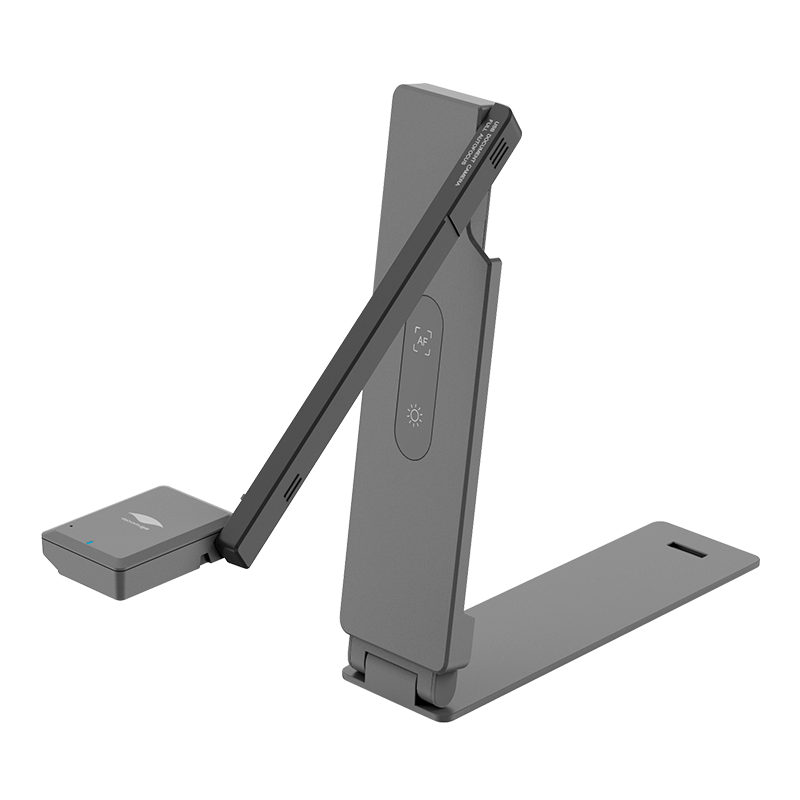
ELOAM VE1020A3AF USB Document Camera Scanner Visualizer 3-in-1 A3 8MP High Resolution Educational Equipment in Stock
Useful for Mérida bilingual schools, teacher-training labs and auditoriums that need document capture, webcam output and live demonstration from one device.
- A3
- 8MP
- USB
- 30 FPS
- Education
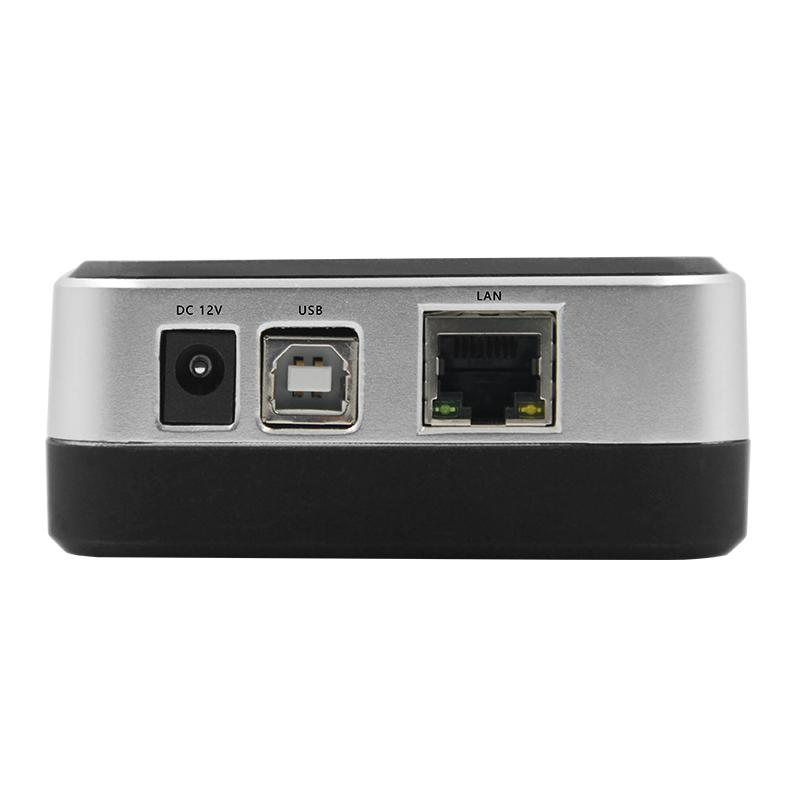
ELOAM VH800A3AF 8MP New Arrival High Speed Fast 1S Flatten Book A3 Portable USB Document Scanner in Stock
For book-flattening and fast 1-second capture in school libraries, notary desks and shared administrative offices where counter queues cannot slow down.
- A3
- 8MP
- 1 second
- USB
- Portable
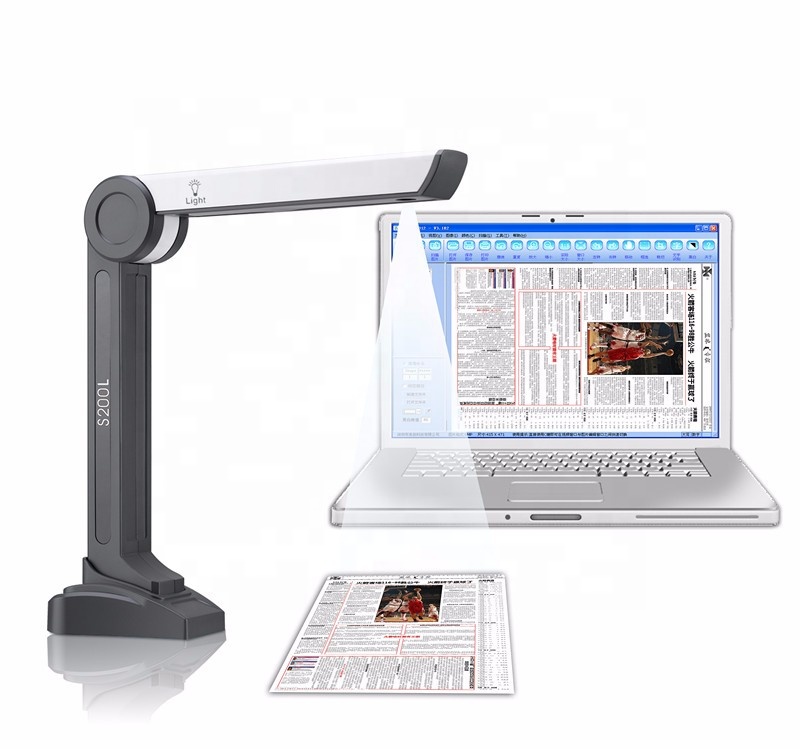
Eloam USB 2.0 Interface Mini Portable Document Scanner Visualizer A4 Size CMOS Sensor 1 Second Scan Speed 1600x1200 Resolution
A compact option for mobile sales teams and small offices in Mérida that need A4 capture without dedicating permanent desk space to a flatbed scanner.
- A4
- 1600×1200
- CMOS
- 1 second
- USB 2.0
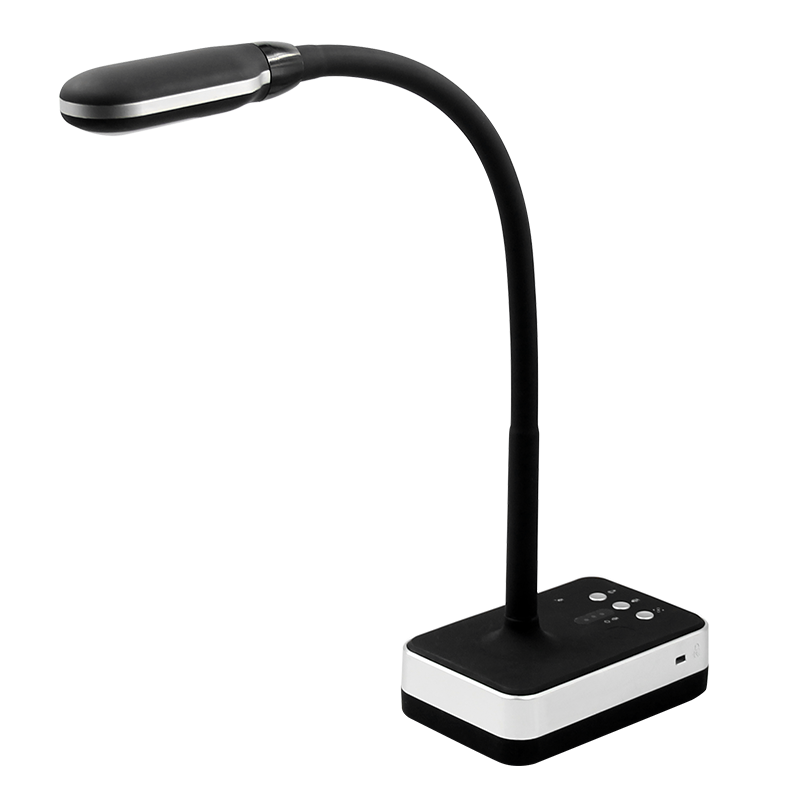
ELOAM VH1000A3AF Smart Book Scanner High Speed Portable USB Document Camera for Teachers in Stock
Designed for teachers who move between classrooms, share textbooks on screen and need a flexible USB visualizer that is easy to set up before class starts.
- A3
- 8MP
- Flexible arm
- USB
- Teachers
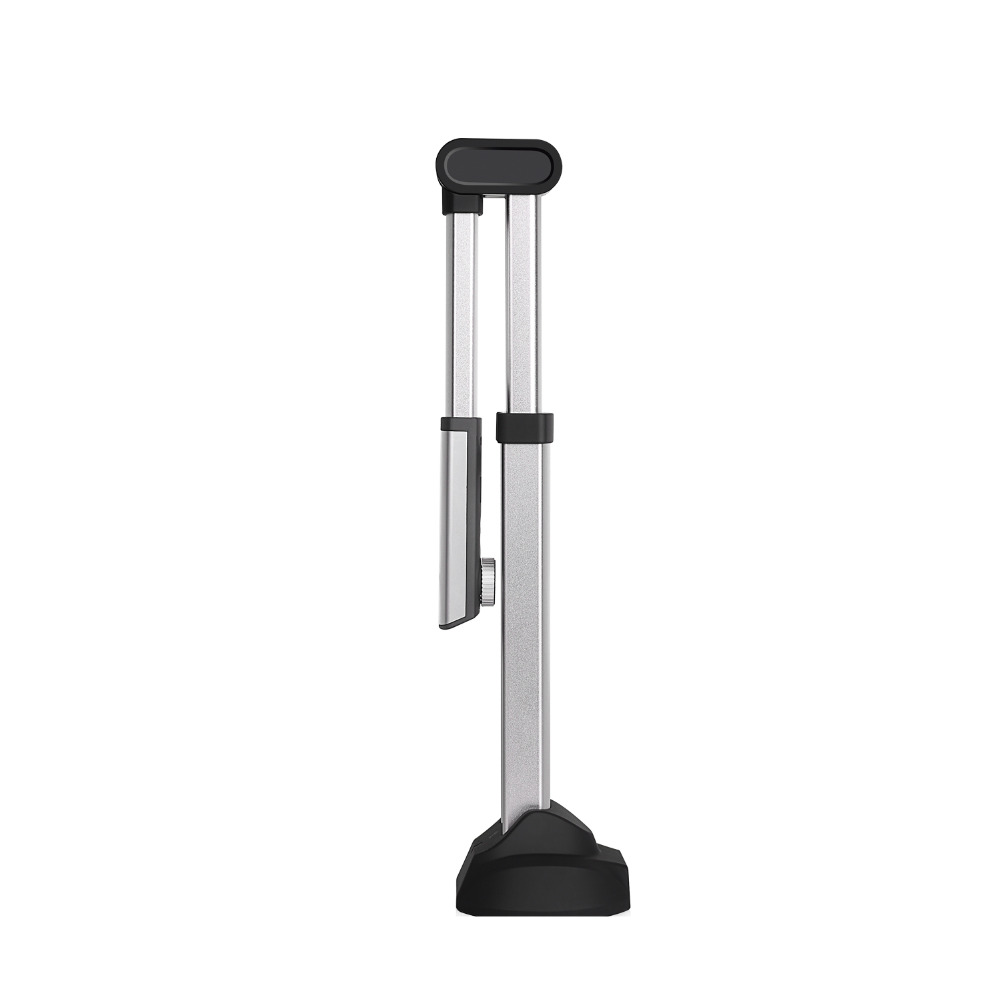
Eloam S1800A2 16MP USB 2.0 Document Camera A2 A3 Scanner 3264 x 2448 CMOS 180 Language OCR Natural Light LED
Best suited to architecture, engineering, government records and university spaces in Mérida that routinely handle A2 plans, drawings and large-format documents.
- A2 / A3
- 16MP
- 180 OCR
- USB 2.0
- Natural LED
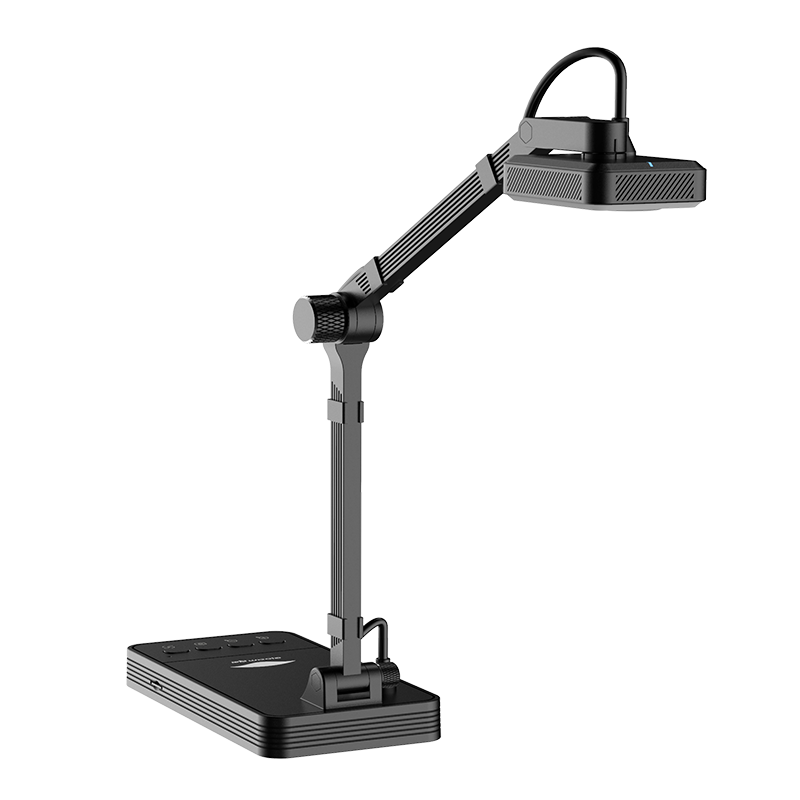
ELOAM YL1050 WIFI USB for Document Presenter A3 10MP for Teachers Distance Learning Online Teaching Video Calling Stock
For hybrid lessons, tutoring centers and distance-learning studios in Mérida where teachers need to move freely while presenting materials to remote students.
- A3
- 10MP
- Wi-Fi + USB
- Online teaching
- Video calling
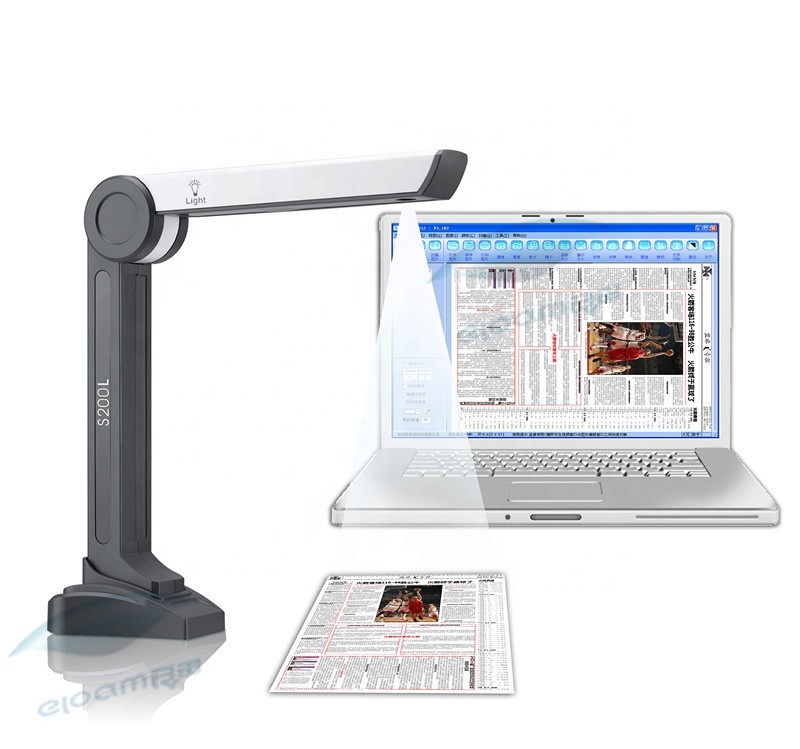
Eloam USB A4 Document Scanner with 1 Second Scan Speed CMOS Sensor 1600x1200 Resolution Gray 1-Year Warranty ABBYY OCR in Stock
A practical A4 workhorse for clinics, accounting offices and public service windows that need quick paper-to-PDF capture with OCR and a clear warranty position.
- A4
- ABBYY OCR
- 5MP-level capture
- 1 second
- 1-year warranty
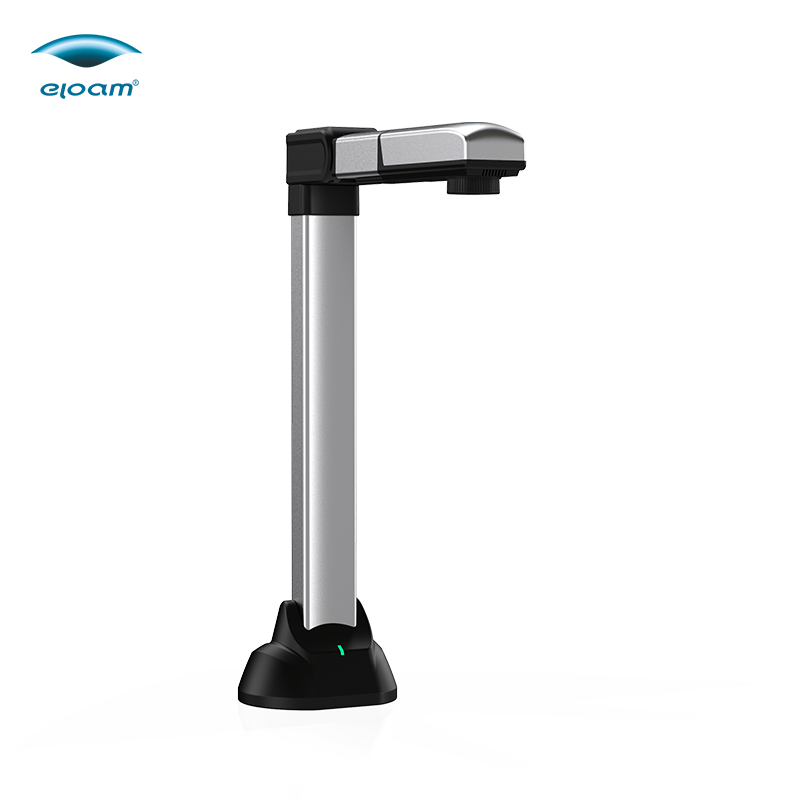
ELOAM Portable High Resolution 5184x3456 High Speed Automatic Book Document Scanner OCR Processing USB Interface A3 Document
For libraries, archives and research rooms that need high-resolution A3 book scanning, OCR processing and a portable footprint instead of a fixed overhead system.
- A3
- 5184×3456
- Book scanning
- OCR
- USB
Why Mérida Buyers Need a Manufacturer-Grade Shortlist, Not a Generic Top 10 List
Search results can list model names, but procurement decisions in Yucatán are won by evidence: Spanish OCR quality, local voltage plans, wireless compliance, sample inspection, warranty response and OEM documentation.
Mérida is not a one-size-fits-all market. A portable visual presenter bought for a private bilingual school in the north of the city has different acceptance criteria from a document camera used at a bank counter near Centro Histórico, a notary office handling signatures and identification, or a university lab documenting engineering samples. The common thread is not “more megapixels”. It is repeatable capture quality, Spanish-language workflow, local compliance, and after-sales confidence.
The search intent behind “Top 10 portable visual presenter manufacturers” is usually commercial investigation. Buyers want a shortlist, but experienced procurement teams do not stop at a ranked list. They ask for samples, check OCR accuracy on Spanish documents, verify NOM/IFT documentation for electronics and wireless modules, confirm 120 V compatibility and power adapters, and test whether the device remains stable in Yucatán's heat and humidity. A manufacturer that can answer those questions with evidence is more valuable than a directory that simply repeats model names.
For schools and universities, the real test is whether a teacher can place a textbook, a science specimen or a handwritten worksheet under the camera and have remote students read it without blur. For banks, notaries and government counters, the test is speed and consistency on ID cards, passports, contracts and forms. For libraries and archives, the test is non-destructive handling of bound books and fragile records. These workflows should shape the shortlist before price is negotiated.
Information gain matters here. A useful Mérida guide should explain the local operating environment, the documents that customs and compliance teams may request, the difference between OEM and relabeling, and the questions that separate a true factory from a catalog reseller. That is the approach used in this buyer brief.
What local buyers verify before a pilot
Use this checklist during sample evaluation and supplier qualification.
- Spanish OCR accuracy with accents, names, addresses and official form fields.
- Windows compatibility, PDF/JPEG/TIFF output and integration with document-management systems.
- 120 V power plan, adapter quality and surge protection for storm season.
- NOM and IFT documentation path for the importer, especially on Wi-Fi models.
- Warranty terms, spare-part availability and Spanish-language technical response.
- OEM/ODM evidence: firmware, packaging, logo, housing and SDK customization.

Two Decades of Imaging R&D, Built for B2B Customization
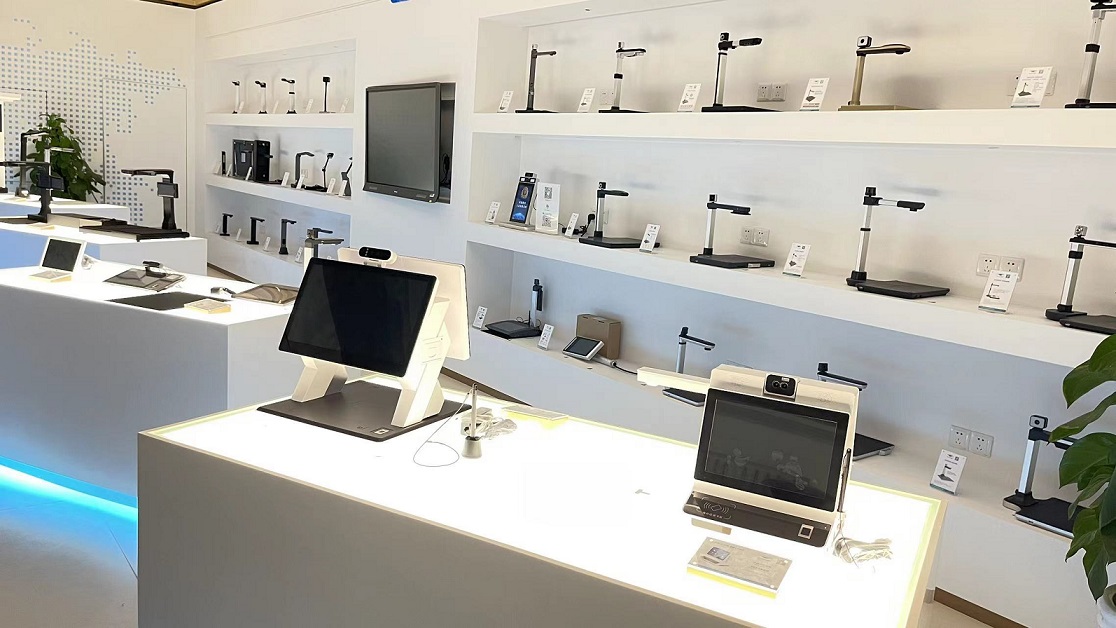
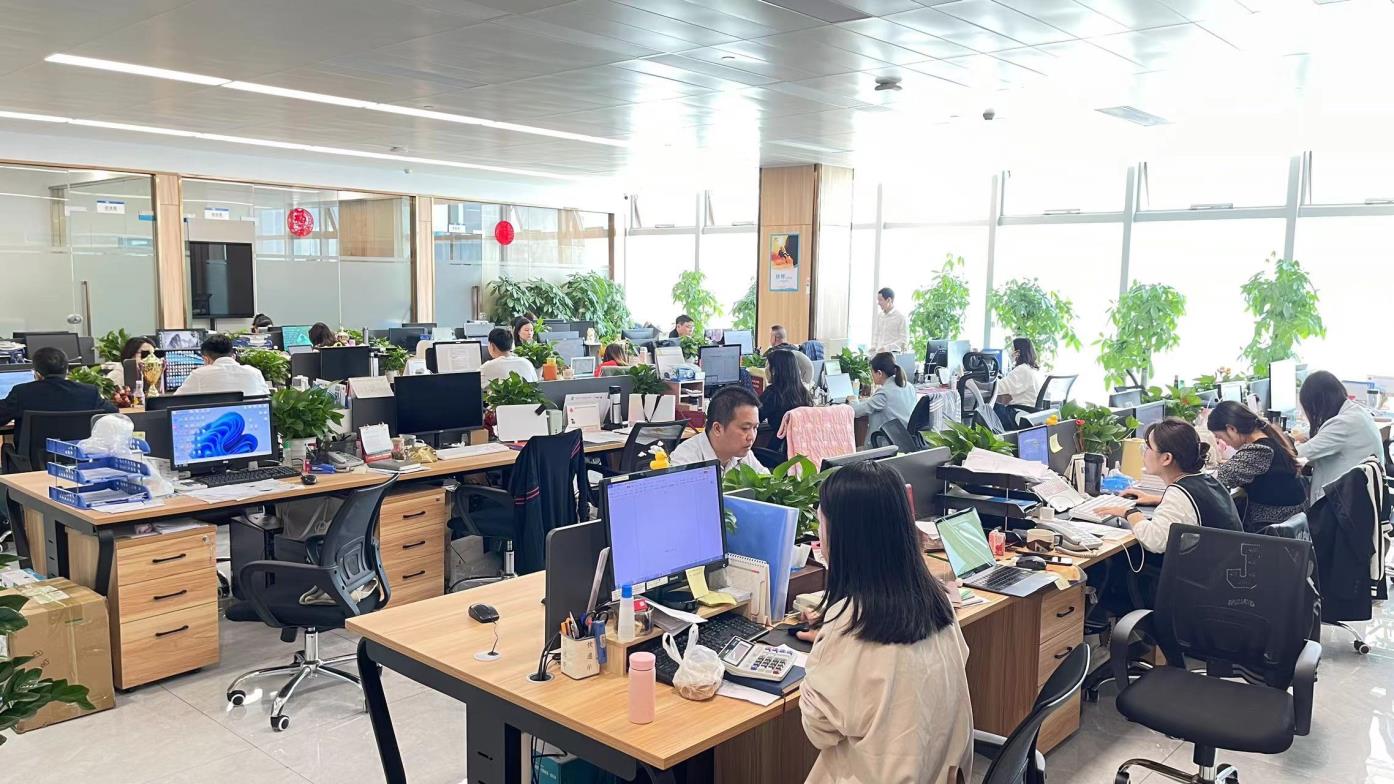
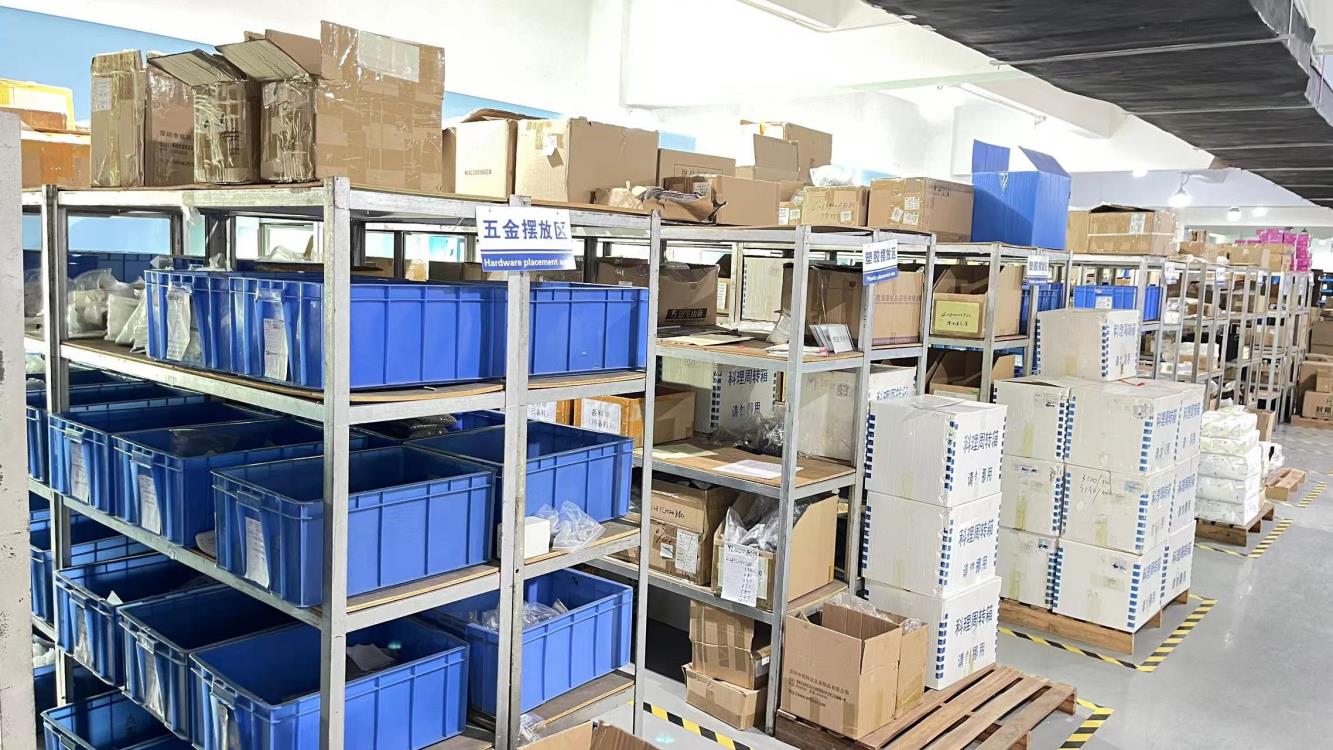
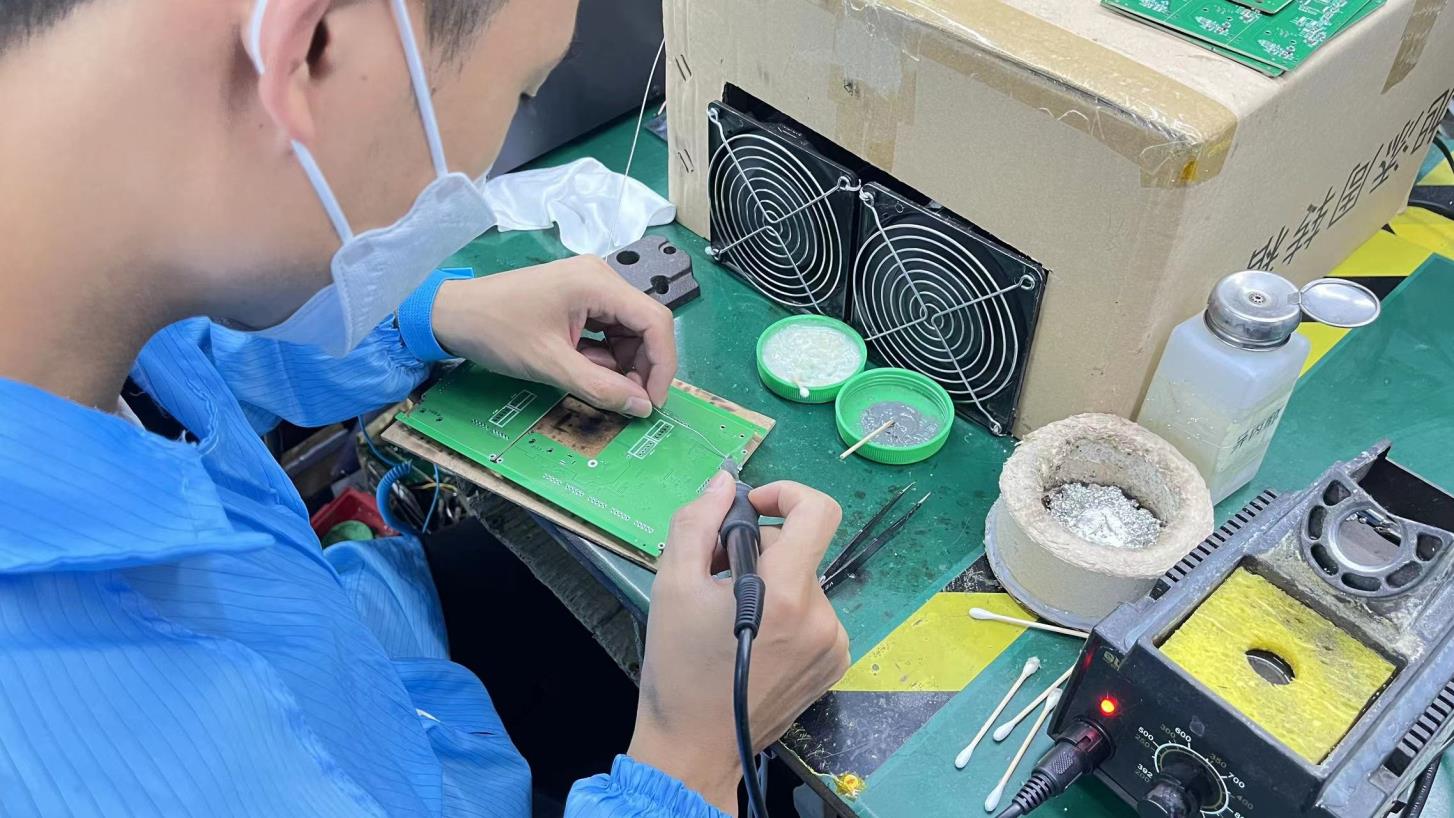
Shenzhen Hobry Technology Co., Ltd. is a manufacturer with an integrated export function, not a trading label. Founded in 2005, the company operates 8 production lines in a 5,000–10,000 m² facility in Shenzhen, employs 101–200 people and holds 16 certificates. Its factory has been verified onsite by Intertek, with ISO 9001 quality management, CE certification, FCC on selected models, a National High-Tech Enterprise certificate and software copyright registrations.
For Mérida projects, that matters because portable visual presenters are rarely bought as isolated boxes. They enter a classroom, a bank counter, a notary desk or an archive room where they must integrate with Windows software, existing projectors, document-management systems and local service expectations. Hobry supports OEM, ODM, design service and buyer-label service, including logo printing, custom packaging, housing color, firmware and software customization, plus an SDK on selected models.
Commercial terms are built for B2B evaluation: most models are available as single-unit samples, MOQ is confirmed by model and customization level, and payment can be arranged by T/T, L/C, PayPal or Western Union in USD. Delivery terms include FOB, CFR, CIF and EXW. The standard warranty is one year, with after-sales technical support available to help local integrators standardize deployment.
Top 10 Portable Visual Presenter Manufacturers: A Mérida-Focused Evaluation Framework
A “top 10” list is only useful when it tells you what to verify. Use this ten-point scorecard to compare manufacturers that claim to serve Mérida, then request samples against the criteria that affect daily use.
Optical clarity and true resolution
Do not compare only “MP”. Check sensor resolution, lens quality and real frame rate under classroom lighting. A 13MP optical system can outperform a higher-megapixel digital-zoom device when content is projected far from the camera.
Scan area and document geometry
A4, A3 and A2 are not interchangeable. Mérida buyers should test the exact mix they handle: textbooks, passports, bound files, engineering plans, invoices and handwritten forms. Book-flattening capability matters for libraries and notaries.
Spanish OCR and export formats
Request a live sample with Spanish accents, local names, addresses and official form fields. Confirm PDF, JPEG and TIFF output, searchable PDF behavior and whether OCR is handled by the bundled software or a third-party engine such as ABBYY on selected models.
Connectivity and classroom integration
USB 2.0 is common, but Wi-Fi and USB Type-C change deployment options. Check projector compatibility, Windows and selected macOS support, video-calling behavior and whether the device can output to existing AV equipment without extra adapters.
Portability and climate resilience
Yucatán heat, humidity and dust affect shared equipment. Ask about operating temperature, storage conditions, hinge and arm durability, lens protection and whether the power adapter is rated for Mexico's 120 V supply with surge protection.
OEM/ODM and software customization
A real manufacturer can discuss firmware, software UI, packaging, logo, housing color and buyer-label service. For integrators, SDK availability on selected models can be more valuable than a small unit-price difference because it reduces integration risk.
Compliance documentation for Mexico
CE and FCC are useful engineering signals, but the Mexican importer must confirm applicable NOM safety requirements and IFT rules for wireless modules. Ask for datasheets, adapter certificates, HS codes and commercial invoice support before customs planning.
Sample policy, MOQ and lead time
Single-unit samples should be available for serious evaluation. Confirm MOQ by model and customization level, production lead time, packing method and whether spare parts or demo units can be included in the first shipment.
Warranty, spare parts and service language
A one-year warranty is standard, but response speed matters. Ask who handles diagnostics, whether Spanish-language support is available, how replacements are shipped and what failed units must be returned for inspection.
Local evidence and reference scenarios
Look for proof beyond a product photo: classroom pilots, bank counter deployments, archive projects, OEM programs and trade-show presence. A manufacturer serving Mérida should explain how its models behave in local schools, offices and public-service environments.
Where Portable Visual Presenters Create Value in Mérida
The same hardware can serve very different workflows. These are the application scenarios that matter most when public and private buyers in Yucatán compare document cameras and portable scanners.
Bilingual schools
Teachers can project textbooks, worksheets and science demonstrations while remote students follow along. Spanish-English OCR helps convert printed material into searchable files.
Universities and labs
Engineering, architecture and health-science labs need close-up capture of samples, diagrams and equipment. A2/A3 models are more useful when plans and large reference sheets are common.
Banks and credit unions
Counter teams capture IDs, passports, proof of address and signed forms. Fast capture, stable lighting and OCR reduce manual keying and shorten customer wait times.
Notaries and legal offices
Notaries handle deeds, powers of attorney, identification and archived contracts. A3 capture and book-friendly scanning help digitize bound files without damaging originals.
Government service windows
Permits, civil records and citizen files often arrive on paper. Portable visual presenters let staff capture documents at the counter and attach them to digital workflows.
Libraries and archives
Bound newspapers, historical records and fragile books require non-destructive scanning. High-resolution book scanning with OCR supports preservation and research access.
Clinics and medical records
Clinics can digitize lab reports, consent forms and insurance documents. A4 models with fast capture and PDF output fit reception desks and administrative back offices.
Tourism and hospitality
Hotels, tour operators and mobility providers handle passports, guest registration and multilingual documents. Portable capture helps during peak season without expanding back-office space.
Six Development Trends Shaping Mérida Procurement in 2025
Local demand is moving toward hybrid teaching, digital records, compliance-ready hardware and more flexible supplier partnerships. These trends influence both product selection and supplier qualification.
Hybrid learning and teacher-created video
Schools and tutoring centers are investing in visualizers that work with video-calling tools, not only projectors. Wireless models and 30 FPS output reduce friction when lessons are streamed or recorded.
Paper-to-digital records and audit readiness
Banks, government offices and legal practices are under pressure to produce searchable records quickly. OCR and PDF output are becoming part of the acceptance criteria, not optional extras.
Nearshoring and local integrator partnerships
Yucatán's role in regional logistics and services is increasing demand for suppliers that can support local integrators with samples, documentation, spare parts and predictable lead times.
Spanish OCR and bilingual evidence
Spanish-language documents with accents, official seals and handwritten annotations expose weak OCR workflows. Buyers increasingly test real local files rather than English demo pages.
Heat, humidity and dust resilience
Shared devices must survive long school days, air-conditioned offices and occasional power instability. Adapter quality, surge protection and mechanical durability are part of the total cost of ownership.
OEM branding for distributors and AV resellers
Local distributors want differentiated packaging, model names and software settings. Factory OEM/ODM capability helps them build a repeatable offer instead of competing only on price.
Mérida deployment fit profile
Indicative fit, not a formal benchmark. Validate with a sample and your own workflow.
What the fit profile means for procurement
Classroom and counter workflows usually prioritize ease of use, stable frame rate and fast capture. Archive and library workflows prioritize resolution, book handling and OCR quality. Mobile teams prioritize weight, USB power behavior and setup time.
Instead of asking for a single “best” portable visual presenter, specify the workflow first. A school may need a flexible A3 visualizer with 30 FPS output, while a notary office may be better served by a fast A4 scanner with ABBYY OCR and a simple PDF workflow.
- Define the most common document size and whether bound books are involved.
- Test Spanish OCR on real forms, not just printed English paragraphs.
- Confirm 120 V adapters, surge protection and spare power supplies.
- Ask for a written warranty and replacement process before purchase.
Matching Portable Visual Presenter Models to Mérida Workflows
Use this table to narrow the shortlist before requesting samples. The final configuration should always be confirmed with the manufacturer's sales engineer because OCR, wireless modules and accessories vary by model.
| Mérida workflow | Suggested model family | Scan area | Why it fits |
|---|---|---|---|
| Bilingual K-12 classroom | VE1020A3AF / YL1050 | A3 | 3-in-1 or Wi-Fi presentation, 30 FPS live output, teacher-friendly setup. |
| University lab or lecture room | S1800A2 / VH1000A3AF | A2 / A3 | Detailed capture for diagrams, specimens and large reference materials. |
| Bank or credit-union counter | Mini A4 portable / S1800A2 | A4 / A3 | Fast ID, passport and form capture with PDF output for KYC files. |
| Notary and legal archive | VH800A3AF / portable book scanner | A3 | Book-friendly flattening, OCR and clean capture of bound documents. |
| Government records office | VH1000A3AF / S1800A2 | A3 / A2 | Flexible arm or large-format capture for permits, plans and citizen files. |
| Library and historical archive | Portable high-resolution book scanner | A3 | 5184×3456 capture, OCR processing and non-destructive book handling. |
| Mobile sales and remote teaching | Mini A4 portable / YL1050 | A4 / A3 | Compact travel footprint, USB or Wi-Fi connection and quick deployment. |
Always confirm the final bundle: power adapter, software version, OCR language pack, warranty terms and export documentation for Mexico.
Due-Diligence Signals Mérida Buyers Can Review
Supplier qualification should be transparent. Third-party inspection, factory scale, certificate coverage and OEM capability reduce the risk of a disappointing first shipment.

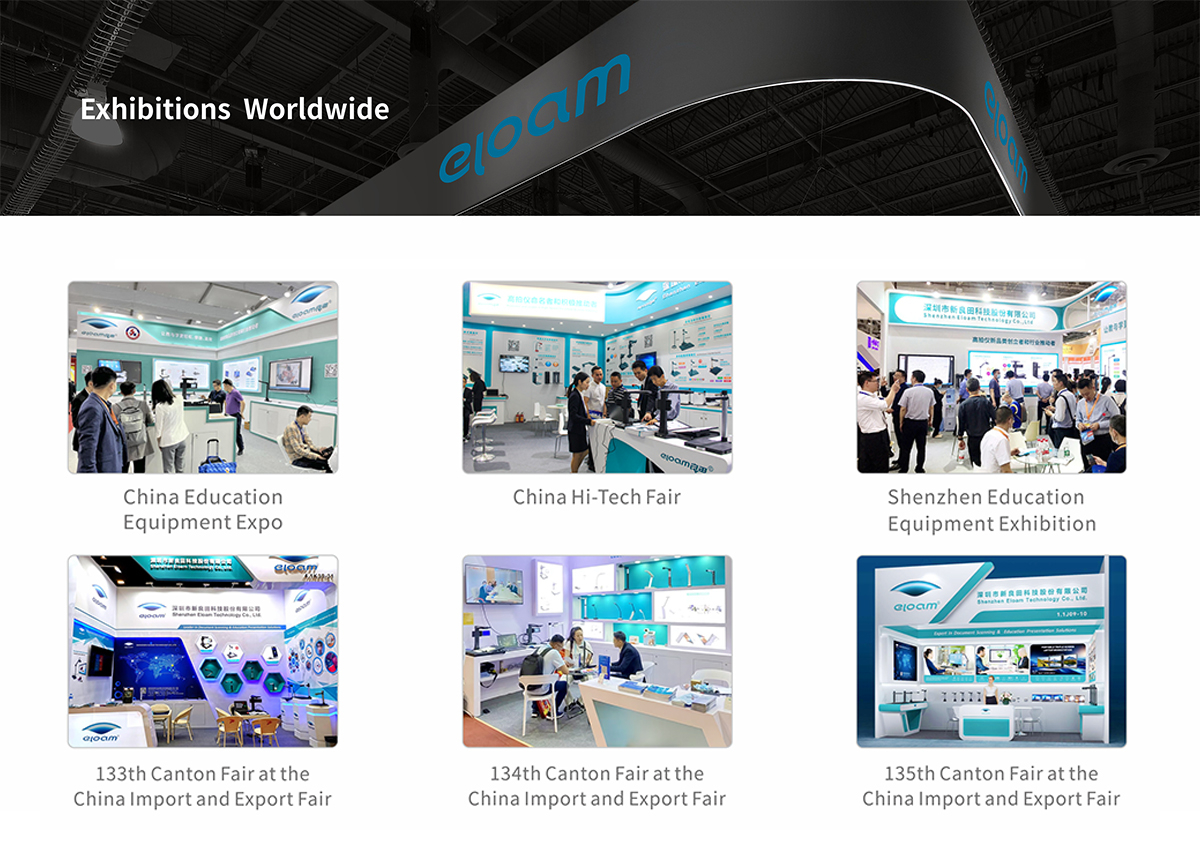
Factory verified onsite
Premises, production capability, quality control and legal status inspected onsite by Intertek.
Quality management
ISO 9001, CE certification and FCC on selected models, with a National High-Tech Enterprise certificate.
Production capacity
8 production lines in a 5,000–10,000 m² facility, supported by incoming, in-process and finished-product QC.
OEM / ODM support
Logo, packaging, housing color, firmware, software UI and SDK customization for integrators and distributors.
Questions Mérida Buyers Ask Before Their First Order
These answers reflect common procurement concerns for schools, banks, government offices, notaries, libraries and AV integrators in Yucatán.
Is there a true “top 10” ranking of portable visual presenter manufacturers for Mérida?
What should a Mérida school request in a sample evaluation?
Do I need NOM or IFT approval for a document camera imported into Mexico?
Can the OCR recognize Spanish accents and local document formats?
What voltage and power considerations apply in Mérida?
What OEM and ODM options are available for local distributors?
What are the common payment, delivery and warranty terms?
Which model is best for humid Yucatán conditions and shared daily use?
Build a Mérida-Ready Portable Visual Presenter Shortlist
Send your scan size, expected volume, Spanish OCR requirements, target deployment date and whether you need NOM/IFT documentation. We will recommend a model, sample plan and OEM options. For integrators, ask about SDK, warranty terms and spare-part planning.