Osaka’s HD Document Camera Market: What Buyers Are Really Looking For
Osaka procurement teams rarely buy a document camera on resolution alone. They compare classroom usability, Japanese OCR quality, A3/A2 capture, USB plug-and-play behaviour and the supplier’s ability to support export delivery into Kansai.
For a school in Suita, a library in Sakai, a municipal counter in Higashiosaka or a manufacturing quality team near the Port of Osaka, the real question is not simply “which camera has the highest megapixel count?” It is which HD document camera or scanner can be deployed quickly, documented clearly and supported commercially for Osaka delivery? That is why a “Top 10” list should function as a supplier scorecard, not a directory of hyperlinks.
This whitepaper is prepared for Osaka-focused B2B buyers who search for a factory, exporter or OEM supplier of HD document cameras. It combines product selection criteria with local application scenarios, procurement trends and verifiable company information. The shortlist below is anchored on Shenzhen Hobry Technology Co., Ltd., a manufacturer and exporter founded in 2005, with OEM/ODM capability, 8 production lines and an Intertek-verified factory. Hobry is not an Osaka storefront; it is a Shenzhen-based imaging manufacturer serving overseas buyers, including Kansai distributors, integrators and institutions that require export terms and factory-level customization. Confirm model-level specifications, language packs and after-sales arrangements before ordering.
Information gain for Osaka buyers comes from three practical checks: first, insist on native sensor resolution and live frame rate, not interpolated marketing numbers; second, verify that Japanese OCR, PDF/JPEG/TIFF export and Windows compatibility are available on the exact model; third, ask for a sample unit configured for your classroom, counter or archive workflow. The sections below turn those checks into a repeatable sourcing framework.
The 10-Point Osaka Supplier Scorecard
Use these ten factors to compare HD document camera factories and exporters before requesting a quotation. Each factor reflects a real deployment issue in Osaka classrooms, libraries, counters and industrial inspection teams.
Native HD Resolution
Check optical sensor resolution and actual output pixels. A clear 1080p or higher image is more useful than an inflated digital claim.
Optical Zoom & Autofocus
For science demonstrations, small parts and fine print, optical zoom preserves detail. Autofocus reduces setup time for teachers and counter staff.
A3 / A2 Capture Area
Osaka schools and offices often handle A3 worksheets, bound books, drawings and maps. Confirm the real capture area, not just lens angle.
30 FPS Live Video
Smooth live video matters for hybrid lessons and visualizers. Low frame rate creates lag during handwriting, page turning and object demonstrations.
Japanese OCR
Selected models support up to 180 OCR languages. For Osaka buyers, confirm Japanese recognition accuracy, PDF/JPEG/TIFF output and software version.
Connectivity & SDK
USB, HDMI, Wi-Fi and SDK/TWAIN support affect integration with classroom panels, core banking systems and archive software.
Ergonomics
Foldable arms, weighted bases and one-touch capture help teachers and counter staff work efficiently in tight Osaka rooms.
Documentation
Request English/Japanese manuals, driver notes, quick-start cards and training videos where available for smoother local rollout.
Compliance & Warranty
Look for CE certification, FCC on selected models, ISO 9001 quality management and a clear 1-year standard warranty.
Export Reliability
Confirm FOB, CFR, CIF or EXW terms, packaging, spare-parts planning and realistic lead times for delivery to Osaka.
8 Export-Ready HD Document Camera & Scanner Models for Osaka Projects
These models cover the most common Osaka procurement paths: classroom visualizers, library book scanners, A4 counter scanning, A3 archive capture and A2 large-format documentation. Product images are displayed in full without ratio distortion; product links are preserved from the original catalogue.
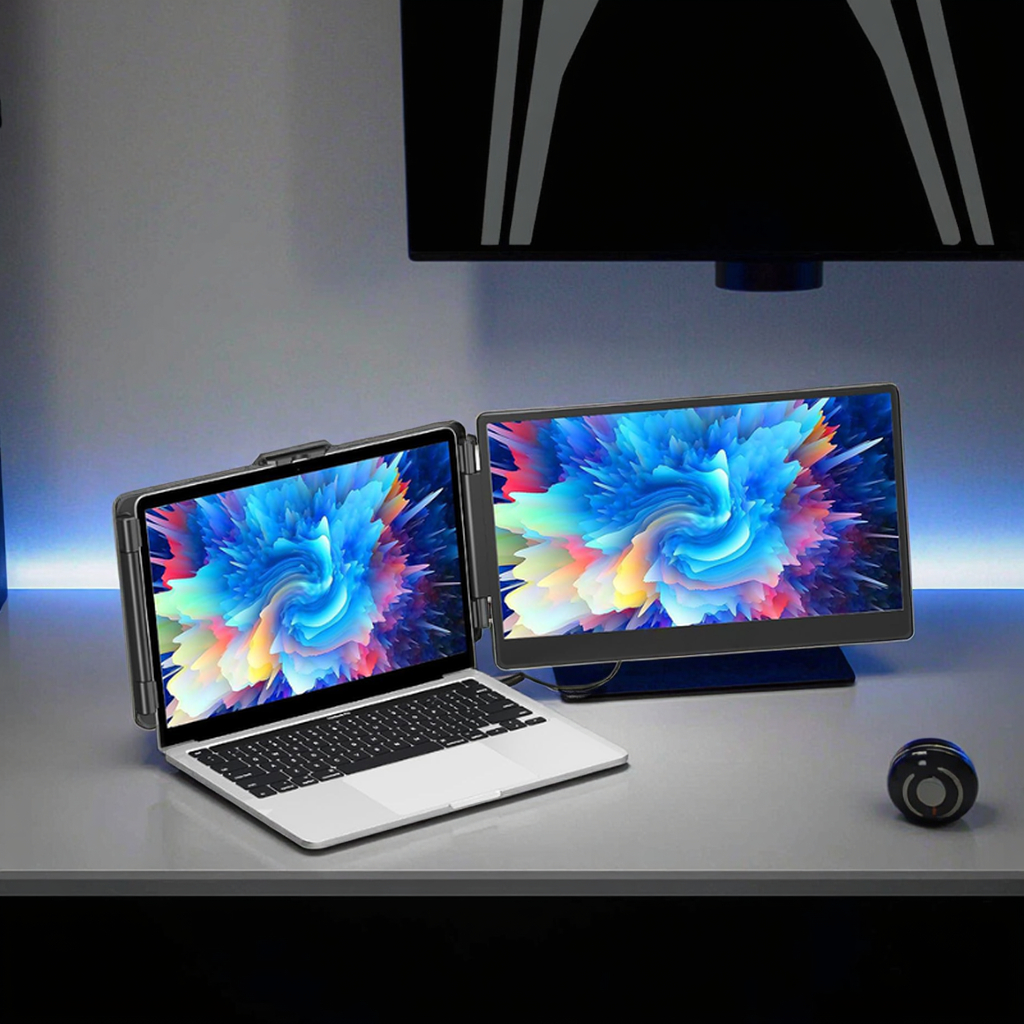
Factory Direct 14 Inch Portable IPS Panel LCD Monitor Type C Plug & Play Windows Mac 1920x1080 Resolution Business Series 60Hz
Best for: mobile engineers, field sales, multi-screen laptop workflows and portable office setups in Osaka.
View product →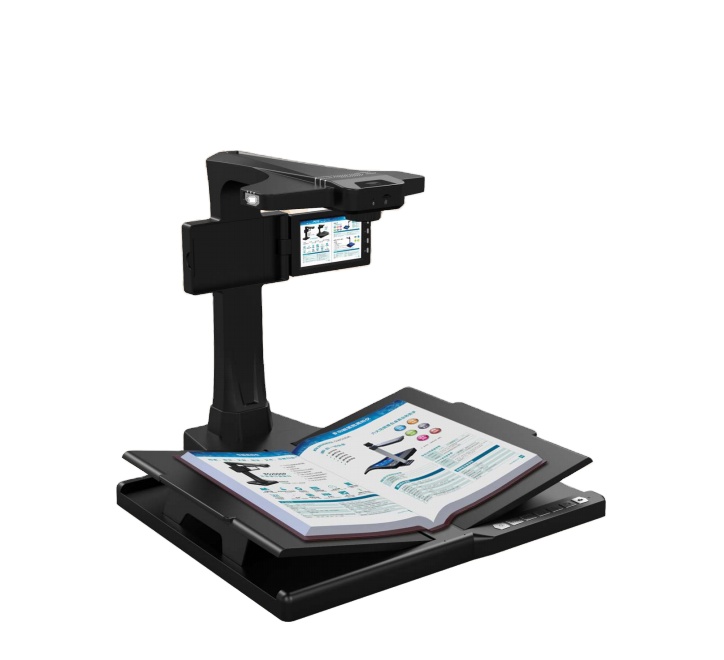
Eloam BS3000P 28MP A3 Document Scanner V Shape Book Scanner CMOS USB 2.0 LCD Preview Screen for Library
Best for: Osaka libraries, university archives, municipal record rooms and non-destructive book digitization.
View product →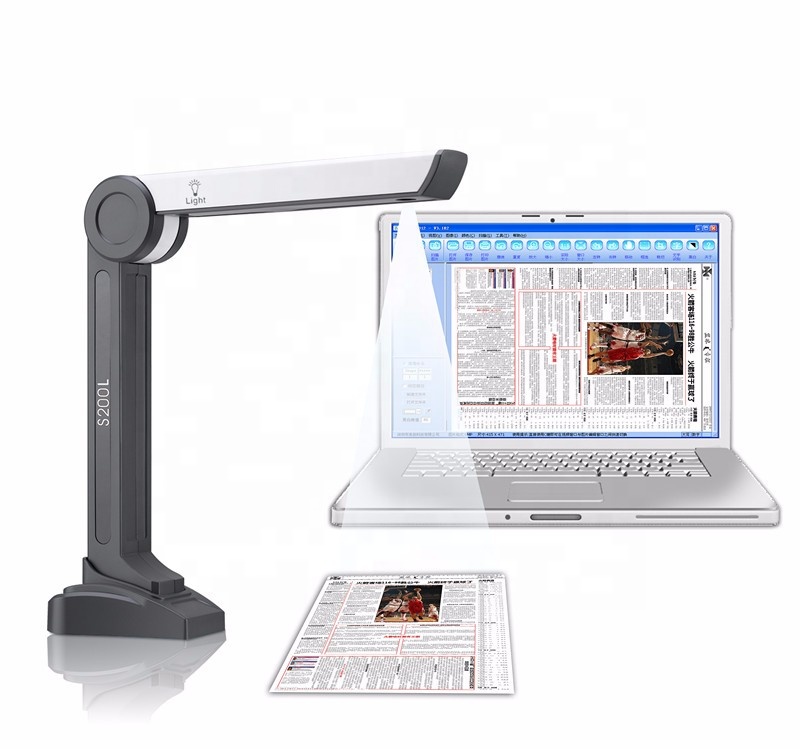
Eloam USB 2.0 Interface Mini Portable Document Scanner Visualizer A4 Size CMOS Sensor 1 Second Scan Speed 1600x1200 Resolution
Best for: branch counters, small offices, home offices and field document capture where space is limited.
View product →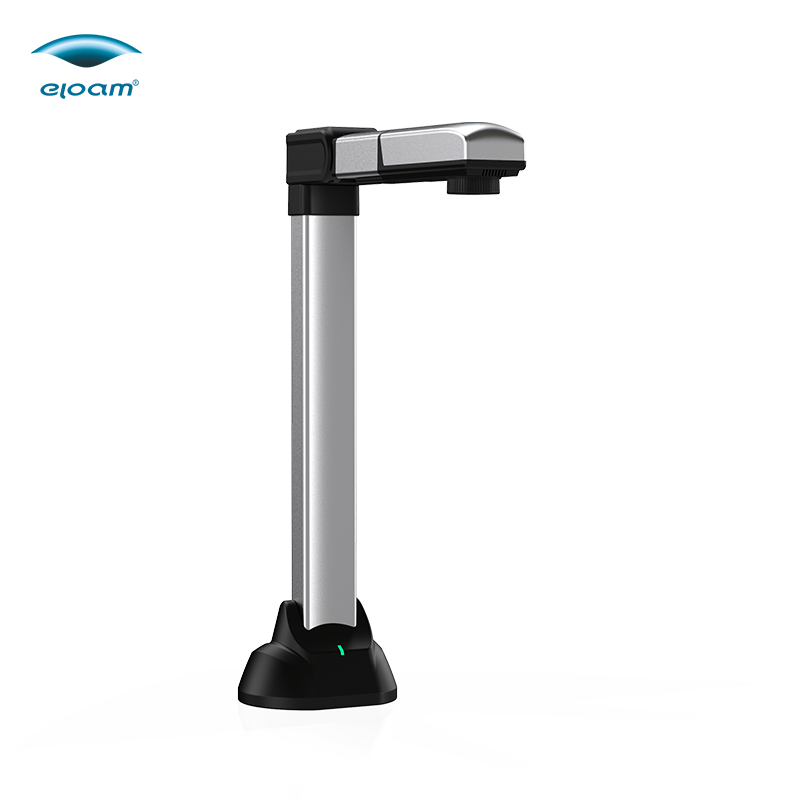
ELOAM Portable High Resolution 5184x3456 High Speed Automatic Book Document Scanner OCR Processing USB Interface A3 Document
Best for: A3 documents, bound reports and OCR-heavy archive projects requiring high-resolution capture.
View product →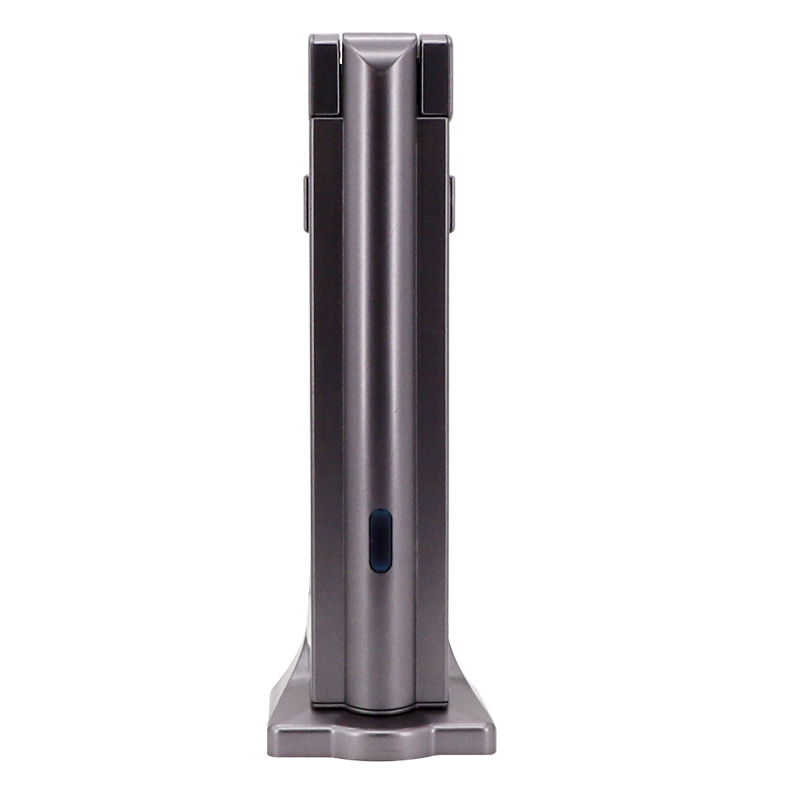
ELOAM Auto-Focus A3 10MP Portable Document Scanner USB Interface 1S Scan Speed Automatic Continuous Scanning Windows 10/11
Best for: classroom demonstration, departmental scanners and continuous A3 capture on Windows 10/11 workstations.
View product →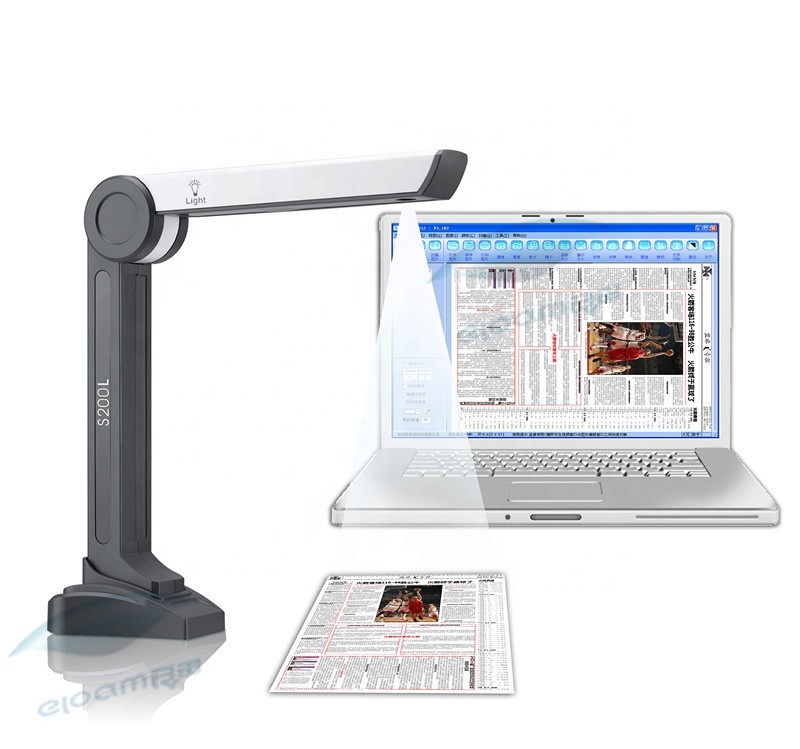
Eloam USB A4 Document Scanner with 1 Second Scan Speed CMOS Sensor 1600x1200 Resolution Gray 1-Year Warranty ABBYY OCR in Stock
Best for: banking KYC, reception desks, invoice capture and OCR-supported administrative archives.
View product →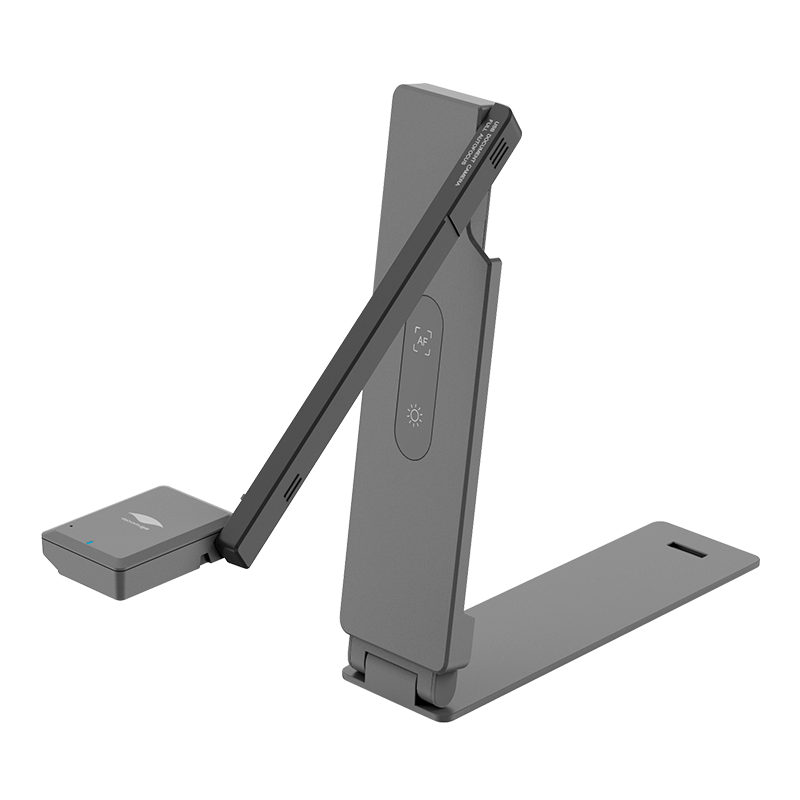
ELOAM VE1020A3AF USB Document Camera Scanner Visualizer 3-in-1 A3 8MP High Resolution Educational Equipment in Stock
Best for: K-12 visualizers, hybrid teaching, science demonstrations and interactive classroom projection.
View product →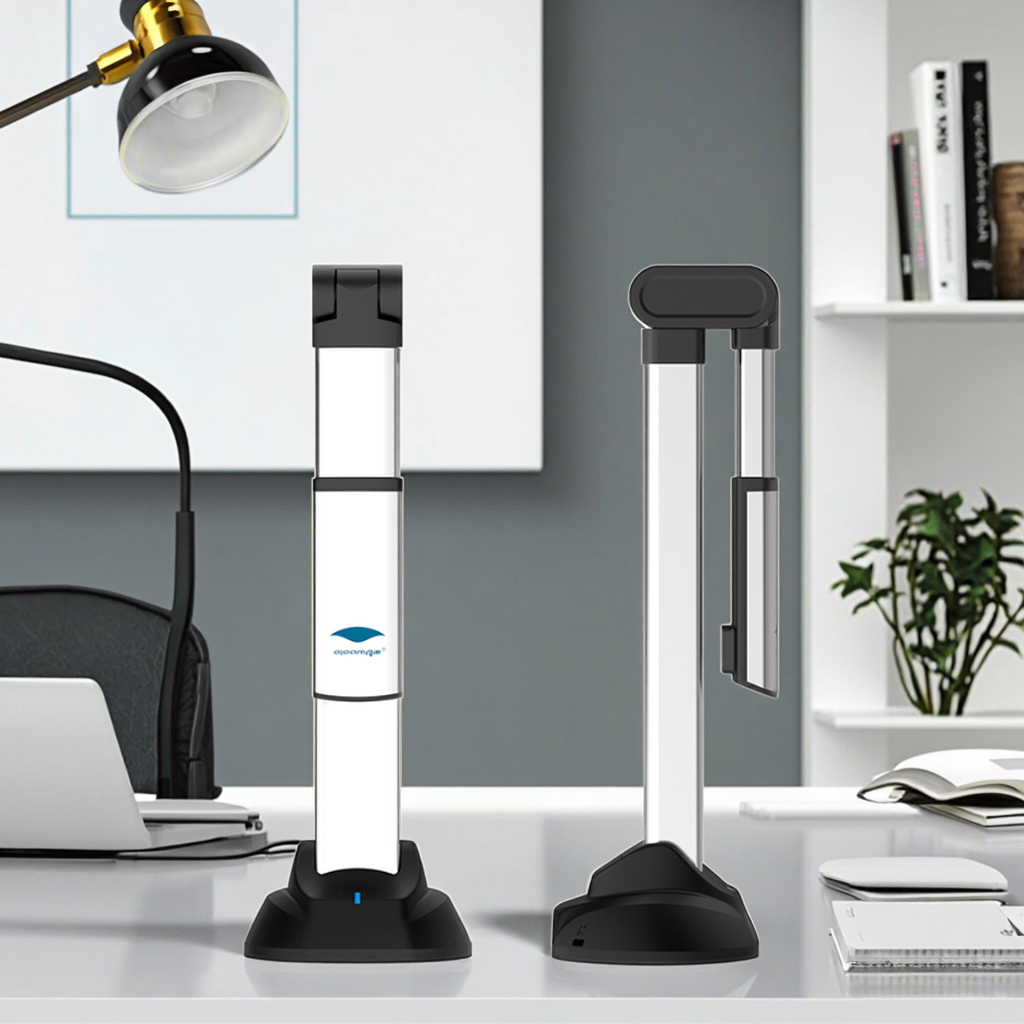
Eloam A2 Auto Focus Large Format Document Scanner 18 MP CMOS 5184x3456 USB LED Light Source
Best for: engineering drawings, maps, large-format archives and A2 inspection documents.
View product →For a fast Osaka shortlist: pair VE1020A3AF with classroom projects; choose BS3000P for library and archive digitization; use A4 USB scanners for bank counters and KYC; select the A2 18MP model for engineering and map capture; and add the 14-inch portable IPS monitor for mobile engineering or multi-screen field work.
Where HD Document Cameras and Scanners Fit in Osaka Workflows
Osaka’s buying environment combines dense public services, mature school ICT planning and a strong manufacturing base. The same hardware can serve very different workflows when it is configured correctly.
K-12 & University Classrooms
Teachers use A3 visualizers for handwritten problem solving, science demonstrations, textbook pages and lab samples. Smooth live video and simple USB setup are more important than unused features.
Libraries & Archive Rooms
Book scanners with V-shaped cradles and preview screens reduce pressure on fragile spines. High-resolution capture and OCR support digital archives, local history projects and research access.
Bank Branches & Municipal Counters
A4 document cameras capture IDs, passports, forms and supporting documents at the counter. OCR and SDK integration help reduce manual keying while preserving service speed.
Manufacturing & Logistics
Osaka-area factories use A3/A2 scanners for drawings, inspection sheets, shipping documents and quality records. Large-format capture and OCR make paper records searchable and auditable.
Osaka Trends Reshaping Document Camera Procurement
Procurement expectations in Osaka are moving toward practical integration, Japanese-language workflows and verifiable supplier transparency.
Paperless Administration
Municipal and corporate DX programmes continue to convert paper records into searchable PDFs. OCR quality and batch capture are becoming baseline requirements, not premium extras.
Japanese OCR Focus
Buyers increasingly ask for Japanese OCR validation on the exact model. Selected models support up to 180 languages, but configuration and software version must be confirmed before purchase.
Optical Zoom Over Digital Zoom
For lab specimens, circuit boards and fine print, optical zoom preserves image quality on large displays. Digital zoom alone can look impressive in a brochure but soft in a real classroom.
Plug-and-Play USB / Type-C
Teachers and counter staff prefer devices that work without complex driver installation. USB and Type-C connectivity reduce deployment friction across mixed Windows and Mac environments.
Space-Saving Portability
Osaka offices and schools often have compact rooms. Foldable visualizers and mini portable scanners fit mobile teaching carts, shared desks and temporary service counters.
Verifiable After-Sales
Buyers now request factory assessment records, certification details, warranty terms and spare-parts planning before confirming an order. This is especially important for multi-site rollouts.
What Osaka Buyers Can Verify Before Ordering
Shenzhen Hobry Technology Co., Ltd. is a manufacturer with an integrated export function. The company’s factory and trade profile can be reviewed before sample approval and bulk production.

Founded in 2005, Shenzhen Hobry Technology Co., Ltd. develops and manufactures high-speed portable document scanners, book scanners, document cameras and portable monitors. The company controls industrial design, optics and firmware R&D, software development, manufacturing and global sales in-house. That matters for Osaka buyers because custom requirements often involve firmware settings, OCR language packs, packaging, driver documentation and SDK integration—not just a printed logo.
As a National High-Tech Enterprise with software copyright registrations, Hobry combines ergonomic design and low-carbon office concepts with factory-level production. The factory has been verified onsite by Intertek, and the product range includes CE-certified models with FCC available on selected models. Standard warranty is 1 year. Accepted payment terms are T/T, L/C, PayPal and Western Union in USD; delivery terms include FOB, CFR, CIF and EXW.
For Osaka-focused projects, the practical advantage is OEM/ODM flexibility plus export documentation: logo printing, custom packaging, housing colour, firmware and software customization, and SDK support on selected models for system integration. Buyers should confirm model-specific compatibility, lead time, MOQ and sample availability in the quotation.
Factory Verified Onsite by Intertek
Premises, production capability, quality control and legal status have been inspected onsite by Intertek. Finished-product inspection and customization capability are confirmed in the assessment report. Osaka buyers can request current certification documents, model-level test reports and a pre-shipment inspection plan before confirming a purchase order.

From Osaka Requirement to Shipment: Six Clear Steps
In-house optics, firmware and software teams allow customization beyond simple relabeling. Confirm each step with your quotation and sample approval record.
Requirement Review
Define scan size, resolution, OCR languages, operating system, interface, target quantity and Osaka delivery terms.
Design & Engineering
Review housing, logo, packaging, firmware settings, software UI and SDK integration requirements.
Sample Approval
Test a pre-production sample against classroom, counter or archive acceptance criteria before mass production.
Mass Production
8 production lines support incoming, in-process and finished-product quality control for repeatable output.
Quality & Compliance
Review CE status, selected-model FCC availability, packaging checks and pre-shipment inspection records.
Delivery & Support
Ship under FOB, CFR, CIF or EXW terms, with after-sales technical support and spare-parts planning.
Common Questions from Osaka Schools, Libraries and Offices
These are the practical questions buyers usually ask before sample approval, especially when comparing a local supplier with an export-ready factory.
Are you an Osaka-based factory or an exporter serving Osaka?
Hobry is a Shenzhen-based manufacturer and exporter, not an Osaka storefront. The company ships to overseas buyers and can support Osaka projects through export terms, documentation and sample evaluation. Buyers who need local installation can combine factory supply with an Osaka integration partner.
Can you provide Japanese OCR and Japanese documentation?
Selected models support OCR in up to 180 languages. Japanese OCR must be confirmed on the exact model and software version. English documentation is standard; Japanese quick-start or training materials may require customization and should be requested during quotation.
Which model fits a typical Osaka classroom?
For A3 teaching materials, the VE1020A3AF 3-in-1 document camera is a practical starting point. For schools needing optical zoom detail, the V80 visualizer is worth reviewing. Confirm projection resolution, cable length and teacher training needs before rollout.
Can I order a sample before a bulk order?
Most models are available as single-unit samples for evaluation. Bulk MOQ depends on the model and the level of customization, including logo, packaging, housing colour, firmware and software changes. The final MOQ is confirmed in the quotation.
What are the shipping and payment terms for Osaka delivery?
Accepted payment terms are T/T, L/C, PayPal and Western Union in USD. Delivery terms include FOB, CFR, CIF and EXW. For Osaka delivery, provide the destination address, quantity and preferred Incoterm so the export team can quote routing, packaging and lead time.
What certifications and warranty apply?
Products are CE certified, with FCC available on selected models. The company holds ISO 9001 quality management certification, a National High-Tech Enterprise certificate and software copyright registrations. Standard warranty is 1 year; confirm extended support and spare-parts terms in the quotation.
Planning an HD Document Camera Project for Osaka?
Share your scan size, quantity, target application, OCR language requirements and preferred delivery term. The export team can recommend a suitable model, confirm sample availability and prepare a quotation for your Osaka project.
Contact UsPlease confirm model-level specifications, Japanese OCR support, certification status and delivery terms before placing a bulk order.