8 Document Camera & OCR Scanner Models for Semarang Buyers
The product shortlist below keeps every supplied product URL and image intact. It covers A4 office capture, A3 classroom visualizers, book scanning, 3-in-1 presentation, portable high-resolution capture and teacher-friendly document cameras. For a true dual-lens project, confirm secondary-lens configuration, simultaneous output and SDK access in the RFQ.
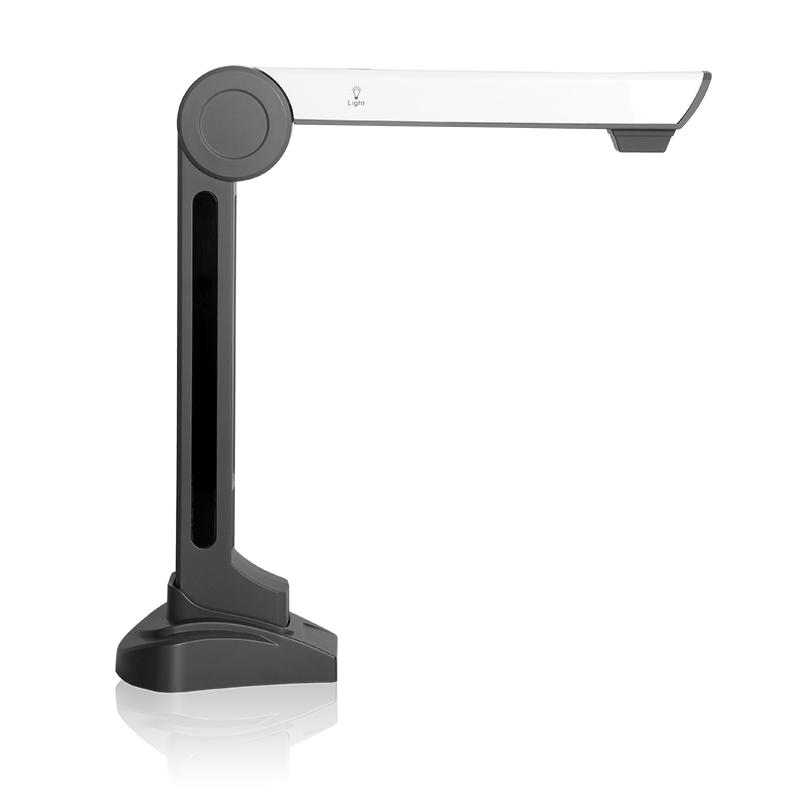
ELOAM S200L A4 Mini Overhead Projector Document Scanner with OCR USB Interface for Office Use in Stock
Compact A4 capture for service counters, invoice processing, KYC packs and everyday office digitization.
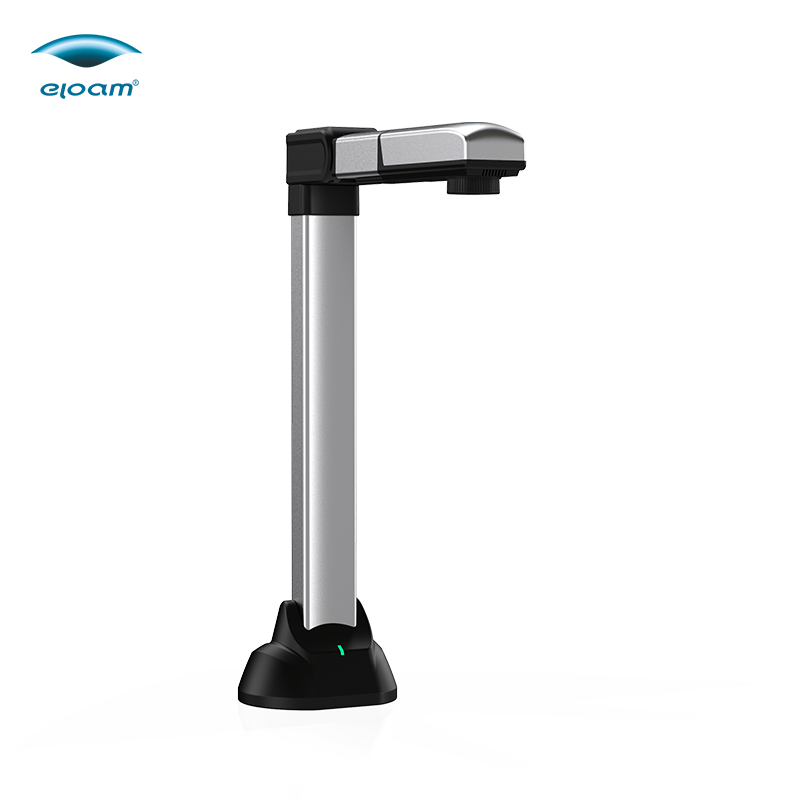
ELOAM Portable High Resolution 5184x3456 High Speed Automatic Book Document Scanner OCR Processing USB Interface A3 Document
High-resolution A3 capture for bound documents, archives, manuals and library digitization workflows.
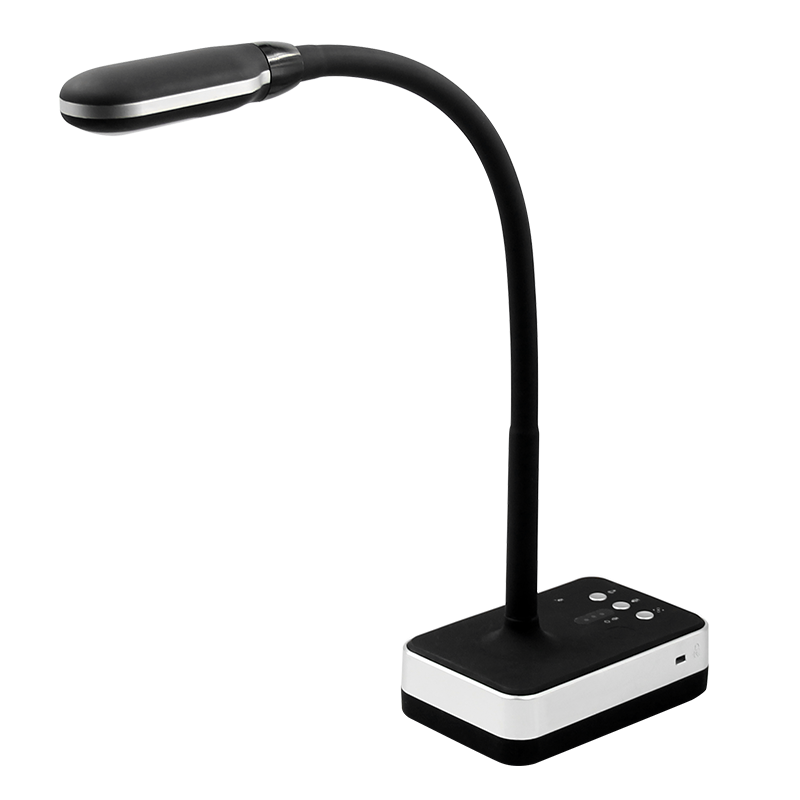
ELOAM VH802A3AF USB for Document Camera OCR High-Speed Scanner 8MP Resolution A3 Size in Stock
A3 visualizer capture for classroom demonstrations, office sharing and OCR-supported document review.
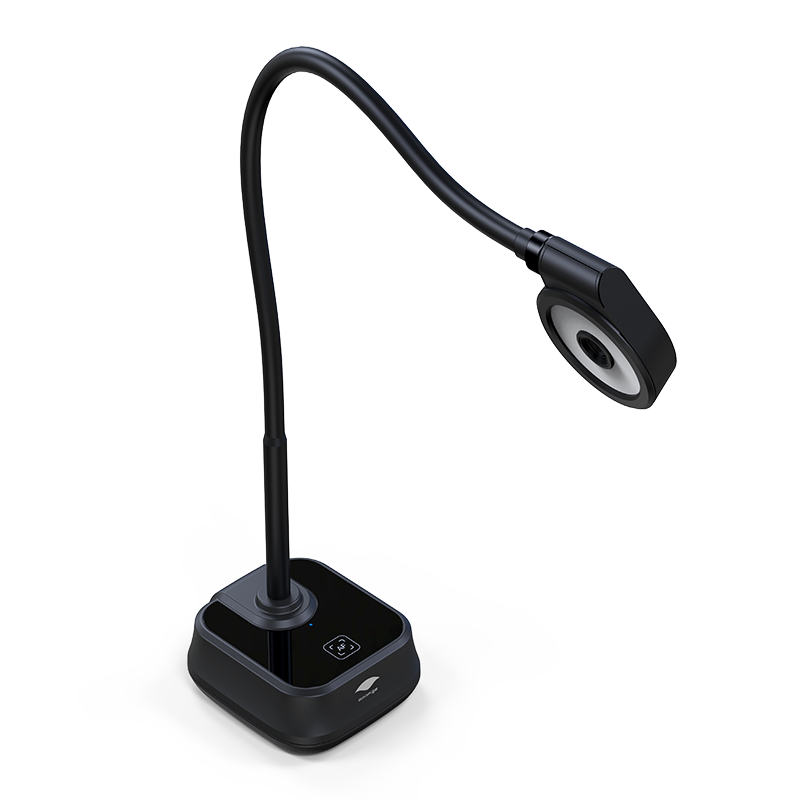
ELOAM VH800S A4 High-Speed USB Portable Video Booth & Document Scanner with OCR in Stock for Classroom and Meeting Use
Teacher-friendly A4 visualizer for live lessons, meeting rooms and mobile training setups.
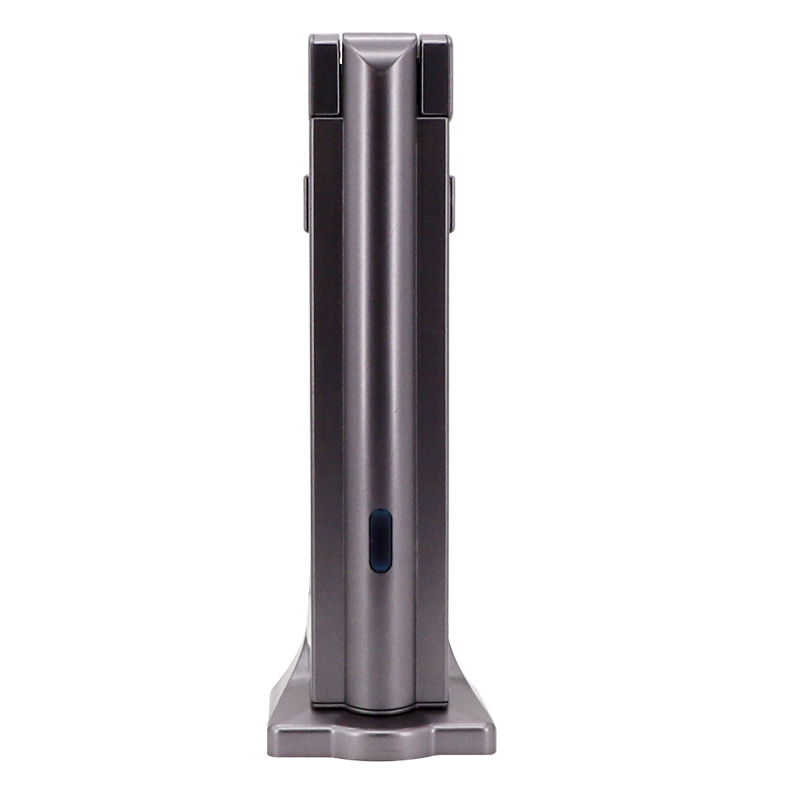
ELOAM Auto-Focus A3 10MP Portable Document Scanner USB Interface 1S Scan Speed Automatic Continuous Scanning Windows 10/11
A3 auto-focus capture for engineering drawings, contracts, operational forms and fast document turnover.
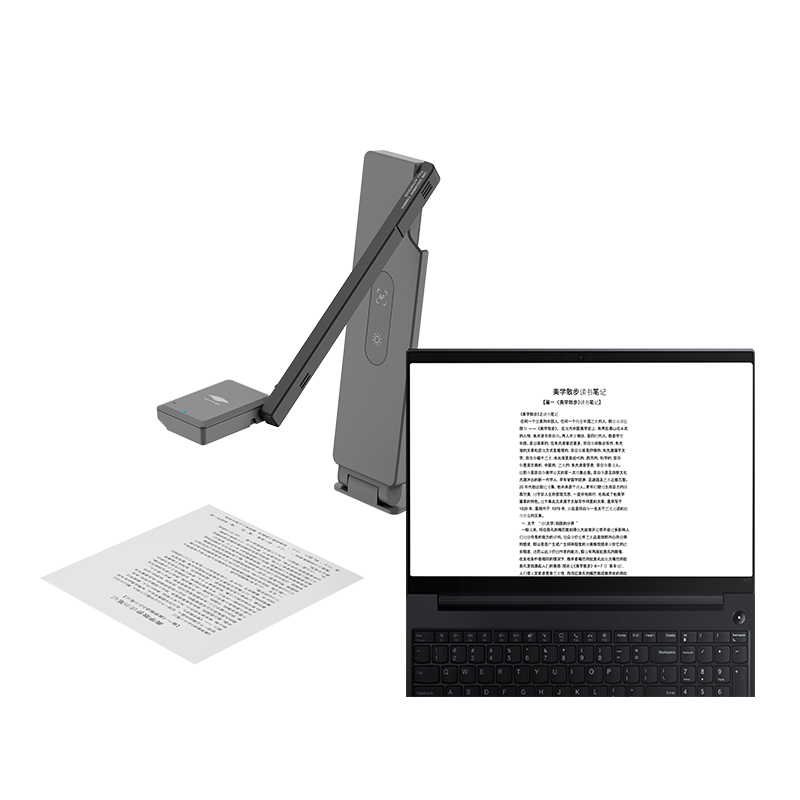
ELOAM High Resolution A3 Portable Document Scanner & Camera 3-in-1 | USB Type-C Plug Play Teaching Office Conference Use Stock
Flexible 3-in-1 capture for teaching, conference sharing and mobile office presentations with USB Type-C.

ELOAM 3-in-1 Document Scanner USB A3 5MP FPDA Handheld Camera Control Buttons Digital Document Camera
Practical A3 digital document camera with control buttons for classrooms and compact presentation spaces.
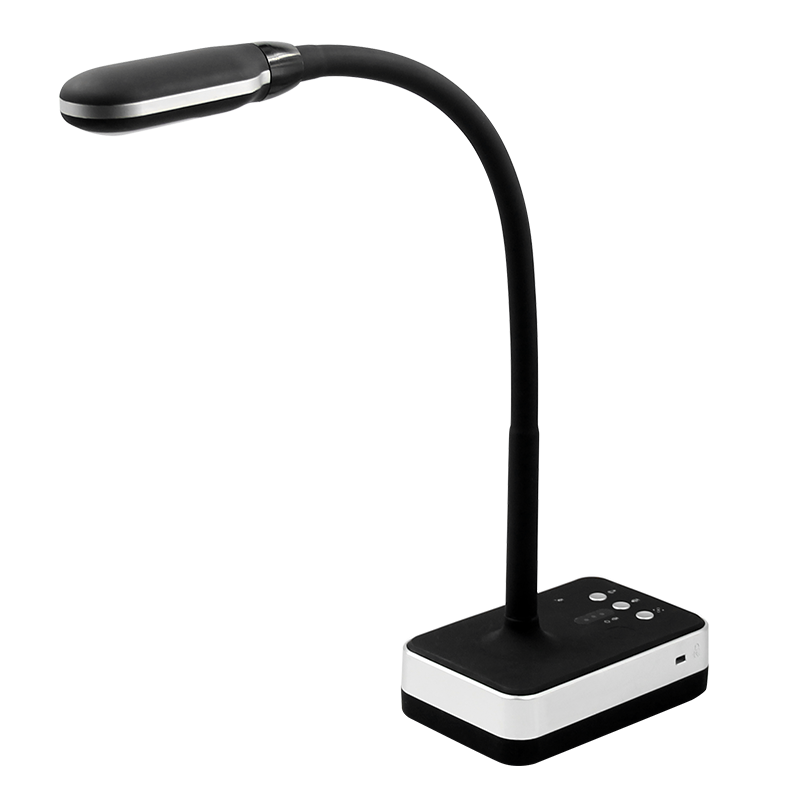
ELOAM VH1000A3AF Smart Book Scanner High Speed Portable USB Document Camera for Teachers in Stock
Portable smart document camera for teachers, book demonstration, OCR capture and hybrid classroom use.
Why Semarang Is a Distinct Document Camera Market
Semarang is not simply “another Indonesian city” for document camera sourcing. As the capital of Central Java and a working port city linked to Tanjung Emas, it combines education, public administration, banking, healthcare, logistics and small-business activity in one procurement ecosystem. Buyers often need a practical balance of camera clarity, OCR accuracy, A3 documentation capability, local training and after-sales support rather than a specification sheet with the highest megapixel count.
Search intent in the Semarang market also splits sharply. A distributor may search for an exporter or OEM supplier that can support a demo unit, spare parts and Bahasa Indonesia training. A university may search for a classroom visualizer with HDMI/USB simplicity and a flexible arm. A bank may search for an OCR document camera for KYC, passbook and identity capture. A government office may search for an A3 scanner that can digitize archives without damaging bound records. A dual lens document camera search may come from a buyer who wants to show both the teacher and the desk document at the same time, or from a procurement team that has seen “dual lens” used loosely in the market.
The information gain for Semarang buyers is therefore not another list of model names. It is a verification-first sourcing framework: confirm what “dual lens” means on the quoted model, test OCR with real Indonesian documents, check 220V/50Hz power compatibility, evaluate humidity and dust tolerance, and ask how warranty, firmware updates and spare parts will be handled after import. The models below are relevant because they address real document workflows, while the supplier screen helps separate responsive exporters from order takers.
Where Dual Lens Document Cameras Earn Their Budget in Semarang
The best supplier recommendation depends on where the camera will be used, who will operate it, and how the captured files will be stored or shared.
Schools & universities
Live demonstrations, science experiments, micro-print textbooks and hybrid teaching. A dual-lens workflow can show both the teacher and the desk document, while A3 visualizers are better for maps, diagrams and group work.
Banks & cooperatives
KYC packets, passports, ID cards, signatures, passbooks and loan documents. OCR, fast capture and a clear audit trail matter more than decorative features, especially where counters process high volumes.
Government & public service
E-government intake, citizen forms, land records and archive digitization. Procurement teams should request OCR output samples and confirm software compatibility with existing Windows-based office systems.
Libraries & archives
Bound books, manuscripts and fragile records need non-destructive capture. A book scanner or a high-resolution A3 document camera with a book mode is often more suitable than a fixed flatbed.
Logistics & SMEs
Invoices, packing lists, customs documents, delivery notes and supplier contracts. Portable capture reduces trips to a central scanner and supports faster document handoff in port-linked trading activity.
Corporate training & remote support
Product demonstrations, engineering drawings and step-by-step remote assistance. A 3-in-1 document camera can serve as a visualizer, webcam and presentation device in one compact setup.
For Semarang procurement, the total cost of ownership should be checked before price is compared. A low-cost unit that cannot handle Indonesian OCR, unstable classroom lighting, repeated plugging and unplugging, or local dust and humidity may cost more through downtime, returns and retraining. Ask for sample images under local lighting, test a real Bahasa Indonesia document, and confirm whether the seller can provide a replacement unit or spare parts without long international delays.
Semarang Market Trends Shaping 2025–2026 Procurement
Local demand is moving toward document capture that connects to real workflows, not standalone hardware with little support.
Digitalisasi arsip
Paperless administration and regional archive digitization are pushing buyers toward OCR scanners that output searchable PDFs, JPEG and TIFF files.
Hybrid learning refresh
Schools and universities continue to upgrade classrooms with visualizers that support live projection, recording and online class sharing without complex AV installation.
KYC & identity capture
Banks, cooperatives and fintech service points need fast ID, passport and signature capture with clear images and reliable OCR to reduce manual keying.
Transparent public procurement
Government buyers increasingly request warranty terms, training, documentation and verifiable supplier credentials before awarding volume orders.
Port-linked trade documentation
Semarang’s position near Tanjung Emas supports logistics and trading companies that need fast capture of shipping instructions, invoices and customs paperwork.
Local service expectations
Distributors want demo units, training materials, spare parts guidance and responsive technical support, not just a container price list.
These trends create a clear buying signal: Semarang buyers are not only searching for the lowest price per megapixel. They are looking for a supplier who can explain lens configuration, provide OCR evidence in Bahasa Indonesia and English, support Windows environments, confirm import documents, and stay available after the purchase order is closed. That is where a manufacturer with a long production record and OEM/ODM capability becomes more valuable than a trading intermediary with no engineering control.
The Top 10 Supplier Screen for Semarang Buyers
“Top 10” should be treated as an evaluation screen, not a generic popularity list. Use these ten checks to compare exporters and shortlist a partner that can actually support the Indonesian market.
Define dual lens
Confirm whether the model has two camera modules, a main plus secondary lens, or simply a dual-view software workflow.
Lens & sensor clarity
Check sensor size, autofocus, optical zoom and low-light performance with sample images, not only headline megapixels.
OCR quality
Test Indonesian, English and mixed-language documents. Confirm PDF, JPEG and TIFF output plus searchable PDF support.
SDK & OS fit
Ask for Windows compatibility, selected macOS support, SDK availability and integration notes for banking or archive systems.
Electrical & environment
Verify 220V/50Hz accessories, plug type, humidity tolerance, dust protection expectations and stable USB/HDMI connectivity.
Factory audit & certificates
Review onsite verification, ISO 9001, CE, FCC on selected models, high-tech enterprise status and software copyright records.
Samples & MOQ
Order a single-unit sample where possible. Confirm bulk MOQ by model and customization level before committing to a tender.
Lead time & shipping
Map production time, packaging, FOB/CFR/CIF/EXW terms and onward routing to Semarang through Tanjung Emas.
Warranty & after-sales
Request the standard warranty, RMA process, spare-parts list and firmware update policy for a distributor or institutional fleet.
OEM/ODM support
Confirm logo, packaging, housing color, firmware and software customization, plus marketing files and training materials.
A useful comparison should separate product capability from commercial reliability. Ask every candidate exporter for a written configuration sheet, a sample test plan, a warranty statement and a named technical contact. A supplier who cannot explain whether a dual lens is optical, digital or software-based should not be treated as equivalent to a supplier who can. For Semarang buyers, the best shortlist is the one that survives sample testing, import review and after-sales questioning.
Why Hobry Belongs on a Semarang Supplier Shortlist

An Imaging Manufacturer Since 2005
Shenzhen Hobry Technology Co., Ltd. is a manufacturer with an integrated export function, not a pure trading company. The company was founded in 2005 and has grown around document scanners, book scanners, document cameras and portable monitor solutions for schools, banks, governments and enterprises.
Its advantage is control over the product cycle: industrial design, optics and firmware engineering, software, production and global sales are handled in-house. This matters for Semarang buyers who need OEM/ODM support, SDK access on selected models, OCR in up to 180 languages on selected models, and a clear technical contact during sample evaluation.
 Factory verified onsite by Intertek
Established factory
Founded in 2005 with 8 production lines and a 5,000–10,000 m² manufacturing area.
In-house R&D
Optics, firmware, software and industrial design capabilities support real customization.
Verification evidence
Intertek onsite factory verification, ISO 9001, high-tech enterprise status and software copyright records.
OCR depth
Selected models support up to 180 OCR languages and PDF, JPEG or TIFF output for archiving workflows.
OEM / ODM
Logo, packaging, housing color, firmware and software customization; SDK available on selected models.
Export experience
Main markets include North America, Southeast Asia, Southern Europe and the Middle East.
Trade terms
T/T, L/C, PayPal and Western Union in USD; FOB, CFR, CIF and EXW delivery terms.
Warranty baseline
Standard 1-year warranty; product range is CE certified with FCC available on selected models.
For buyers who need due diligence, Hobry’s company profile, Intertek assessment report, trade capacity and transaction records are available for review. The practical value for Semarang distributors is not just the factory size; it is the ability to discuss a dual lens configuration, provide a sample test, prepare OEM packaging and support a product range that includes A4 office scanners, A3 visualizers, book scanners and 3-in-1 document cameras.
Recommended Configurations by Semarang Buying Intent
Match the model to the workflow first, then confirm the dual-lens requirement and commercial terms with the supplier.
Bank counters & KYC
Shortlist the S200L for compact A4 capture or the VH802A3AF when A3 space is needed. Test ID cards, passports and OCR on real forms.
Classroom visualizer
The VH800S and VH1000A3AF are practical for teachers who need A3/A4 demonstration, simple USB connection and portable storage.
3-in-1 teaching room
Choose the A3 3-in-1 Type-C model or the 3-in-1 5MP document camera where one device must support capture, sharing and presentation.
Books & archives
The portable A3 high-resolution book document scanner is suitable for bound manuals, records and non-destructive archive capture.
Engineering & A3 documents
The 10MP A3 auto-focus model is a better fit for drawings, contracts and continuous scanning than a basic A4 scanner.
Distributor demo range
A practical starter range combines S200L, VH802A3AF, VH1000A3AF and the 10MP A3 model to cover office, education and archive conversations.
If the tender specifically requires a dual lens document camera, do not assume that an A3 visualizer or 3-in-1 model is automatically equivalent. Send the exact use case to the supplier: whether both lenses must work simultaneously, whether one lens is for the presenter and one for the document, what resolution each channel needs, and whether the output must feed a recording or streaming system. A written configuration answer is more valuable than a generic product brochure.
Dual Lens Document Camera, Import and After-Sales Questions
These are the questions procurement teams usually ask before requesting a sample or issuing a purchase order.
Are dual-lens document cameras available for Semarang buyers?
Can I order a sample before a bulk order for Semarang?
Which OCR languages and output formats are supported?
What are the MOQ, payment, delivery and shipping terms?
Do you support OEM/ODM, SDK integration and training?
What warranty and after-sales setup should a Semarang distributor request?
Request a Semarang-Ready Quotation
Share your scan area, dual-lens requirement, OCR languages, estimated quantity, target sector and preferred delivery term. A clear brief helps the supplier recommend the right document camera, visualizer or scanner configuration and prepare a sample plan for Semarang.