Boston Classroom AV & EdTech Buyer Guide
Top 10 Classroom Presentation Equipment Factory & Supplier for Boston
A Boston-focused evaluation of A3/A4 document cameras, visualizers, OCR scanners and OEM/ODM supply for K-12, higher education and workforce training teams.
8 Classroom Presentation Models Boston Buyers Can Evaluate Immediately
Use this shortlist to compare scan area, resolution, OCR, connectivity and teacher usability before you request samples or a Boston delivery quotation.
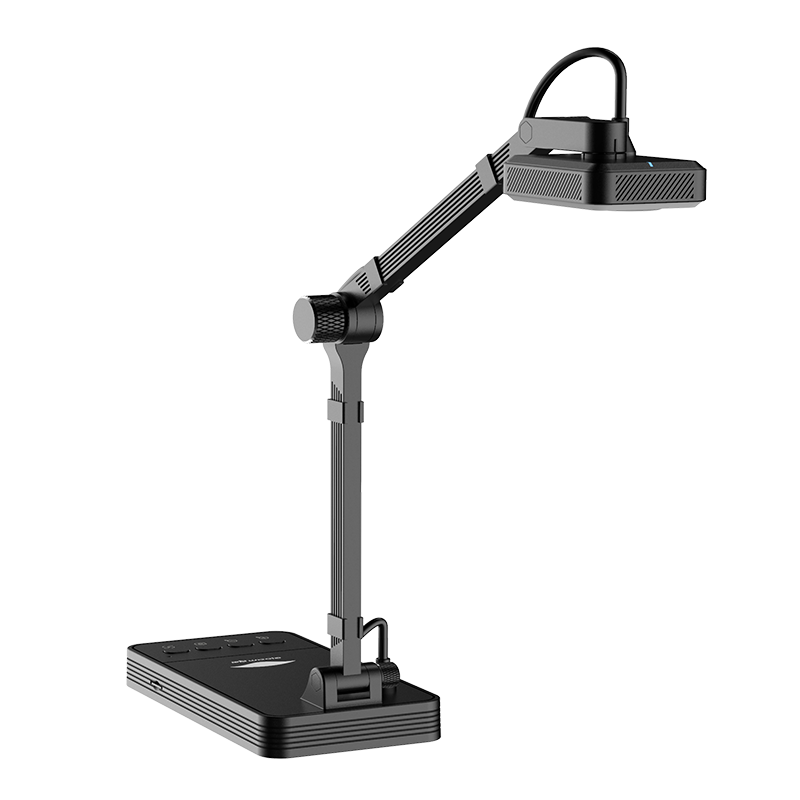
ELOAM YL1050 Wi-Fi USB Document Presenter — A3 10MP for Teachers
A wireless A3 visualizer for hybrid lessons, video calling and distance learning. The 10MP camera helps Boston teachers move between desks without losing the projector feed.
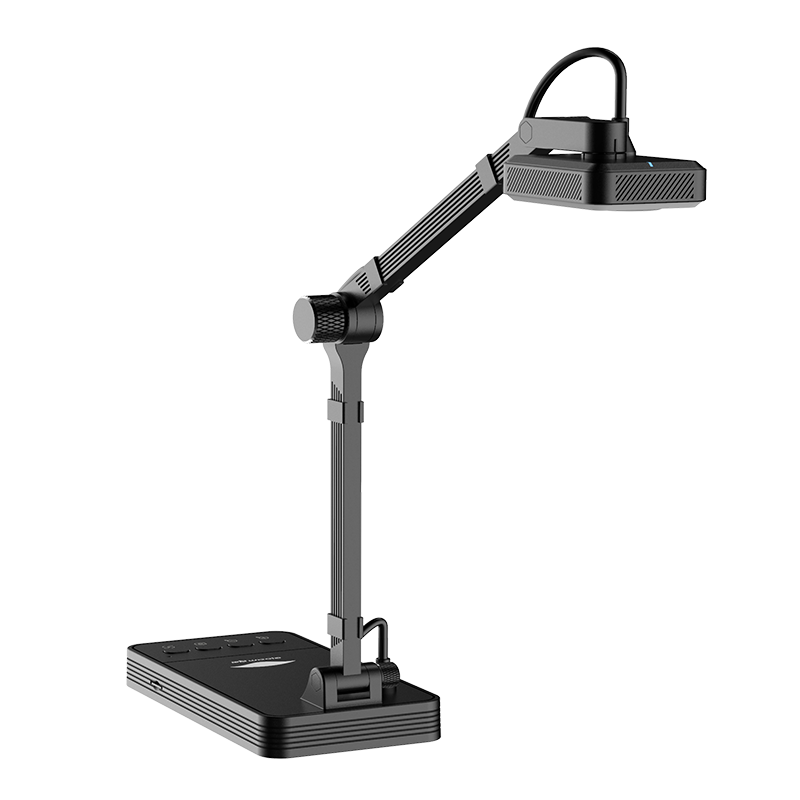
ELOAM YL1050AF Portable Visual Presenter — Rugged A3/A4 Book Camera
Rugged, portable document camera for book pages, worksheets and hands-on demonstrations. A practical choice for traveling teachers and shared classroom carts.

ELOAM VW1000AF USB / Wireless High-Speed OCR Scanner
A4 portable scanner and document camera with OCR for fast office, front-desk and classroom capture. Useful for digitizing handouts, IDs and paper forms.
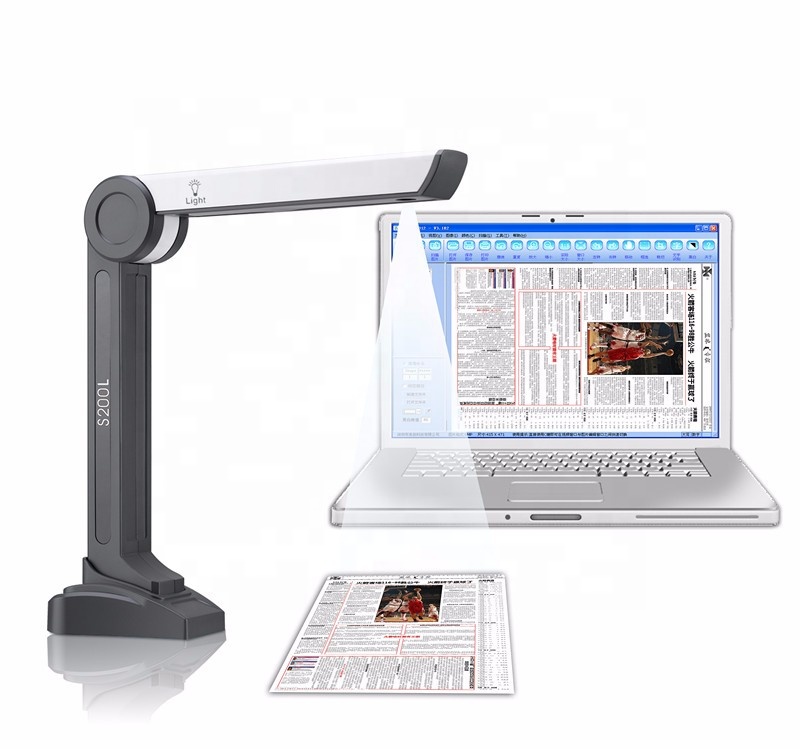
Eloam USB 2.0 Mini Portable Document Scanner
Compact A4 visualizer with 1600 x 1200 resolution and 1-second scan speed. An economical fit for tutoring stations, lab benches and mobile check-in desks.
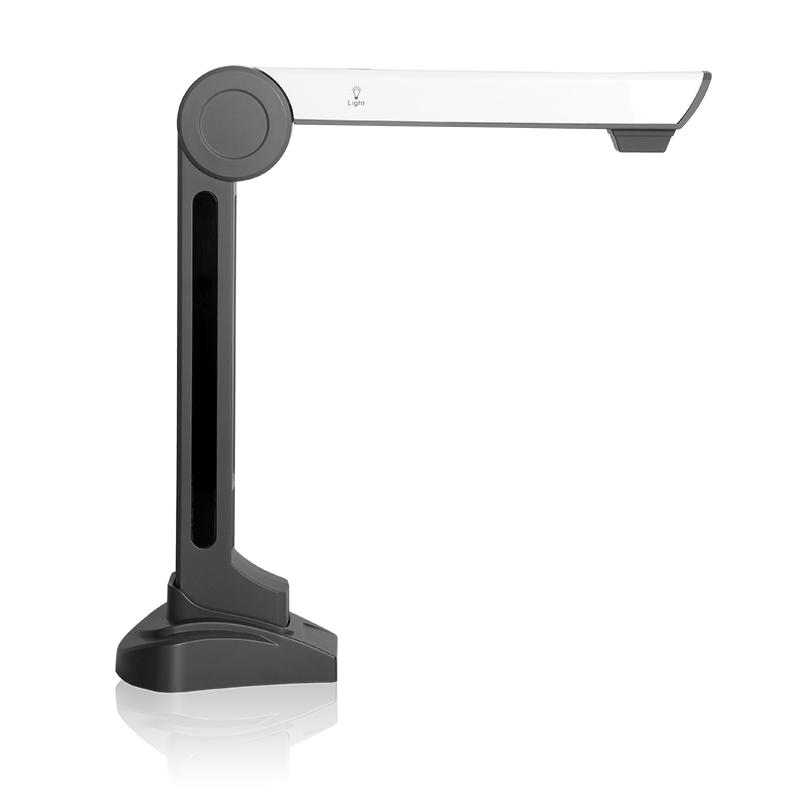
ELOAM S200L A4 Mini Overhead Document Scanner with OCR
A small-footprint A4 overhead scanner for office and classroom use. USB plug-and-play and OCR make it a straightforward first paperless step.
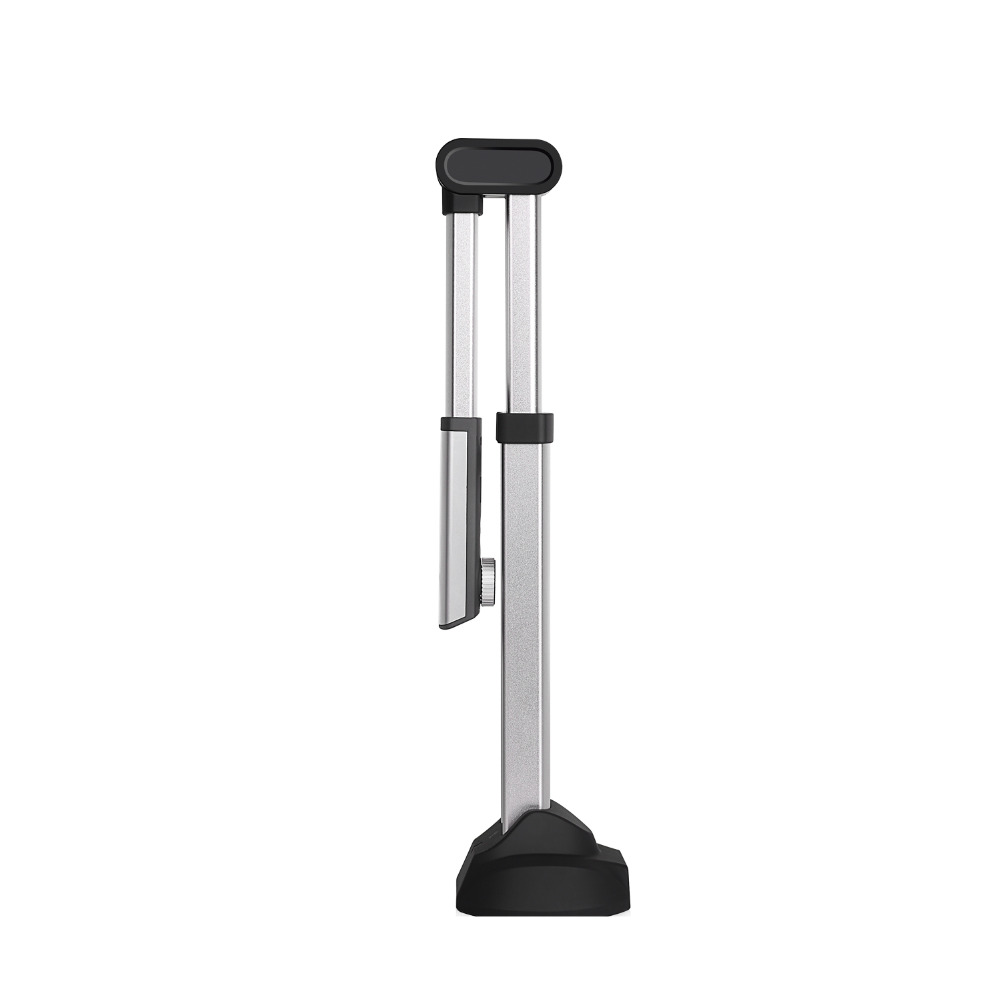
Eloam S1800A2 16MP A2/A3 Document Camera with 180-Language OCR
Large-format capture for maps, drawings, science posters and art portfolios. The 16MP CMOS sensor and natural-light LED support detailed A2/A3 work.
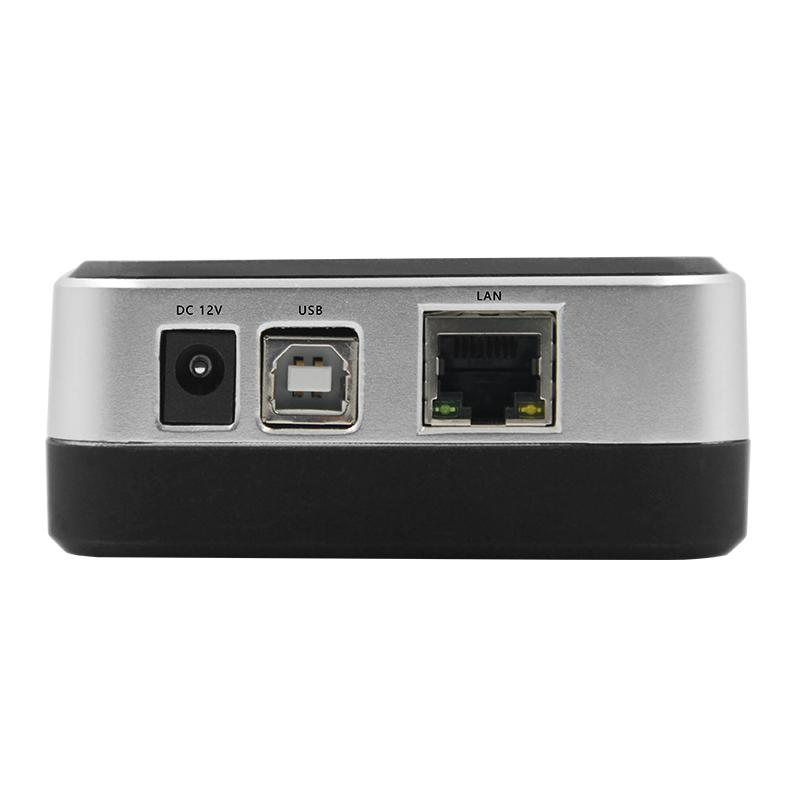
ELOAM VH800A3AF 8MP A3 Portable Book Scanner
High-speed A3 scanner built for flattening book pages and capturing detailed classroom materials. Portable USB design with a 1-second capture claim.
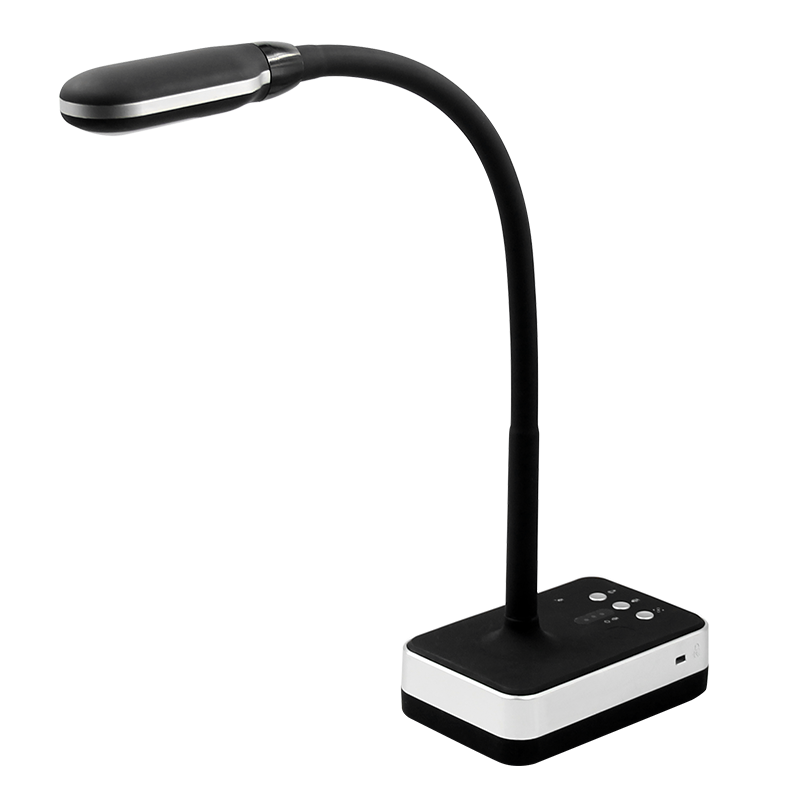
ELOAM VH1000A3AF Smart Book Scanner for Teachers
Portable USB document camera and book scanner for teachers who need quick overhead capture. A strong fit for lecture notes, workbooks and study materials.
What Boston Buyers Really Mean by “Top 10 Classroom Presentation Equipment Factory & Supplier”
The phrase hides several different buying journeys. A teacher wants a visualizer that works in tomorrow’s lesson; a district wants verifiable manufacturing capacity; a reseller wants OEM/ODM flexibility.
Factory verification comes before price
Boston public-sector, university and healthcare procurement teams usually need evidence that the supplier actually manufactures. For Hobry, that evidence includes a factory assessed onsite by Intertek, ISO 9001 quality management, an 8-line production floor and a 5,000–10,000 m² facility in Shenzhen. These facts matter because classroom AV is not a one-off purchase: districts need spare units, firmware continuity and a supplier that can support a multi-year rollout.
Model fit beats generic megapixel claims
The intent behind “classroom presentation equipment” is not just “camera.” Boston classrooms range from older school buildings with limited desk space to university labs with large-format drawings. That is why this shortlist separates A4 compact visualizers, A3 teacher cameras, A3 book-friendly scanners and A2 large-format capture. A 10MP A3 model may be ideal for a hybrid classroom, while a 16MP A2 unit is the better answer for engineering, art or anatomy demonstrations.
For search visitors arriving from Boston, the most useful page is not a wall of specifications. It is a decision aid that connects classroom presentation equipment to teacher workflow, AV integration, procurement evidence and OEM supply. That is the intent this page is built around.
Where Boston-Area Educators Actually Use Visualizers and Document Cameras
Boston is a dense education market: K-12 districts, universities, teaching hospitals, workforce programs and community organizations often share the same AV requirements but buy through different processes.
K-12 classrooms and snow-day continuity
Boston-area schools need visualizers that can switch from in-room projection to a Google Meet, Zoom or Teams lesson without a technician. Models such as the YL1050 and VH1000A3AF support a teacher-first workflow: place a worksheet under the camera, open the video call and share live close-ups of handwriting, science experiments or math manipulatives.
Higher education and lab demonstration
Boston and Cambridge colleges, labs and professional schools often need detailed A2/A3 capture for engineering drawings, biology specimens, circuit boards and design reviews. The S1800A2’s 16MP large-format capture and 180-language OCR make it more useful than a basic webcam when the goal is a readable recording, searchable handout or accessible digital copy.
Corporate, healthcare and workforce training
Downtown Boston training rooms, hospital simulation labs and workforce programs need quick document capture for IDs, forms, slides and equipment demonstrations. A compact A4 visualizer such as the S200L or VW1000AF can sit at a check-in counter, training station or mobile cart and create a searchable record without a flatbed scanner.
Tutoring, libraries and community programs
Neighborhood tutoring centers, after-school programs and community learning spaces rarely have enterprise AV budgets, but they still need readable projection of books, homework and craft demonstrations. Portable USB models with one-second capture and OCR offer a lower-cost entry point while still supporting a professional recording workflow.
Four Boston Classroom Presentation Trends Reshaping Procurement in 2025
Boston buyers are not simply replacing old document cameras. They are adapting classrooms to hybrid instruction, accessibility expectations and flexible room use.
Hybrid resilience is now a baseline
After repeated remote and hybrid disruptions, Boston schools prefer USB or Wi-Fi visualizers that can deliver a live feed to a projector and a video call at the same time. UVC-style plug-and-play is easier to support than proprietary software.
Accessibility and multilingual OCR
Boston classrooms include multilingual learners and students who benefit from enlarged visuals and searchable digital notes. Selected models support OCR in up to 180 languages, helping staff convert handouts and book pages into PDF, JPEG or TIFF records.
Compact, flexible room design
Older Boston buildings and shared spaces reward equipment that can be moved, folded and stored. Portable A3/A4 visualizers reduce the need for dedicated flatbed scanning rooms and allow the same camera to serve multiple classrooms.
USB-C, interactive displays and BYOD
Boston AV integrators increasingly design around USB-C laptops, interactive flat panels and bring-your-own-device teaching. Document cameras with standard USB output and optional SDK support fit this environment better than closed, single-purpose hardware.
A Boston Buyer’s Top 10 Evaluation Checklist for Classroom Presentation Equipment
Use these ten criteria as a practical RFQ scorecard. They reflect what school districts, universities, AV resellers and OEM buyers usually need to compare before a pilot or bulk order.
Factory verification
Confirm the supplier is a manufacturer, not only a trading company. Ask for factory assessment evidence, production-line count, facility size and legal business details.
Model coverage
Check whether the supplier offers A4, A3 and A2 capture, plus book-friendly scanning, so a Boston district can standardize on one vendor without forcing every classroom into the same device.
Image quality and live video
Resolution alone is not enough. Compare frame rate, auto-focus behavior, lighting, lens quality and whether the image stays readable on a large interactive display.
OCR and file output
For paper-heavy workflows, ask about OCR languages, output formats such as PDF, JPEG and TIFF, and whether the OCR software is included or licensed separately.
Connectivity
USB 2.0, USB-C, Wi-Fi and wireless presentation modes serve different rooms. Confirm the model works with the district’s laptops, interactive panels and video-conferencing platforms.
Teacher usability
Look at setup time, arm stiffness, focus controls, cable management, carry weight and whether a teacher can use the device without reading a manual during class.
Software and SDK fit
AV integrators and software vendors should ask whether an SDK is available for selected models, how firmware updates are handled and which operating systems are supported.
OEM/ODM flexibility
Boston resellers may need their own logo, packaging, housing color or software skin. A true factory can discuss customization before quoting, not after the first order.
Compliance and warranty
Request CE certification details, FCC availability on selected models, ISO 9001 evidence and the standard warranty terms. Clarify spare parts and technical support.
Boston delivery and terms
Compare FOB, CFR, CIF and EXW quotations, payment methods, sample policy and the shipping plan to Boston or a regional distributor. Confirm lead time in writing.
Boston Classroom Fit Matrix for the 8 Shortlisted Models
This matrix translates model specifications into Boston-relevant use cases. Use it to shortlist sample units before a pilot.
| Model | Best Boston use case | Capture area | Core specification | Connectivity | Why it stays on the shortlist |
|---|---|---|---|---|---|
| ELOAM YL1050 | Hybrid K-12 and remote teaching | A3 | 10MP teacher visualizer | Wi-Fi + USB | Wireless movement around the room; suited to video calling and online teaching. |
| ELOAM YL1050AF | Traveling teachers and book pages | A3/A4 | Rugged portable visual presenter | USB | Rugged design helps shared carts and mobile teaching programs. |
| ELOAM VW1000AF | Front desk, office hours and fast OCR | A4 | High-speed OCR scanner / camera | USB + wireless | Useful where paper forms, handouts and IDs must become searchable quickly. |
| Eloam Mini USB | Tutoring stations and lab benches | A4 | 1600 x 1200, 1-second scan | USB 2.0 | Low-footprint visualizer for economical classroom or check-in deployment. |
| ELOAM S200L | Small office and classroom pod | A4 | OCR, USB overhead scanner | USB | Compact A4 capture for a first paperless workflow. |
| Eloam S1800A2 | Engineering, art and large-format work | A2/A3 | 16MP, 3264 x 2448, 180-language OCR | USB 2.0 | Natural-light LED and large capture area for detailed demonstrations. |
| ELOAM VH800A3AF | Book-friendly A3 STEM lessons | A3 | 8MP, portable, 1-second capture | USB | Fast A3 overhead capture with flattening-focused design. |
| ELOAM VH1000A3AF | Teachers and smart book scanning | A3 | High-speed portable book scanner | USB | Teacher-oriented A3 capture for workbooks, notes and study materials. |
Specifications are summarized from the model listings on this page. Confirm the final configuration, live stock, OCR language pack and software compatibility with our sales engineers before ordering.

Why Boston Buyers Source Classroom Visualizers from Hobry
Shenzhen Hobry Technology Co., Ltd. has manufactured document scanners, book scanners, document cameras and portable monitors since 2005. The company is a manufacturer with an integrated export function, not a trading-only reseller. We control industrial design, optics and firmware R&D, software, production and global sales in-house.
For Boston buyers, the practical value is fewer unknowns. You can verify the factory, compare A2/A3/A4 models, request samples, discuss OEM/ODM customization and receive export terms before a district pilot or reseller launch.
 Factory assessed onsite by Intertek. Finished-product inspection and customization capability are documented in the latest report.
Six Factory Advantages That Matter in a Boston Procurement File
These are not marketing claims to be taken on faith. They are the details your sourcing team can check, compare and attach to an RFQ.
Two decades of imaging R&D
Founded in 2005, Hobry combines ergonomic design, optics, firmware and software development. This matters when a Boston district asks for a model change, firmware adjustment or SDK integration.
Factory assessment and quality system
The factory has been verified onsite by Intertek. The company holds ISO 9001 quality management certification, a National High-Tech Enterprise certificate and software copyright registrations.
Certification path for education projects
Products are CE certified, with FCC available on selected models. Standard warranty is one year. Buyers should confirm the exact certification file and model configuration for each Boston project.
OEM, ODM and buyer-label service
Available customization includes logo printing, packaging, housing color, firmware and software customization. An SDK is available on selected models for system integration and reseller differentiation.
OCR depth for multilingual classrooms
Selected models support OCR in up to 180 languages, with PDF, JPEG and TIFF output. This helps Boston educators and administrators turn paper materials into searchable records and accessible digital handouts.
Export terms for Boston orders
Quotations can be structured around FOB, CFR, CIF or EXW. Accepted payment terms include T/T, L/C, PayPal and Western Union in USD, subject to the final order and commercial review.
From Boston Requirement to Factory Shipment in Four Clear Steps
Because optics, firmware and software are handled in-house, customization can be discussed as an engineering decision rather than a label change.
Requirement review
Define scan size, resolution, OCR needs, operating system, connectivity, target market compliance and expected volume.
Sample and customization
Approve a sample unit plus logo, packaging, housing color, firmware or software changes where required.
Production and QC
Run the order through 8 production lines with incoming, in-process and finished-product quality checks.
Delivery and support
Ship under the agreed Incoterm, provide technical documentation and support after-sales service for the rollout.
Questions Boston Buyers Ask Before Requesting a Quotation
These answers address the practical concerns we hear from school districts, universities, AV resellers and procurement teams.
Is Hobry a factory or a trading company?
Shenzhen Hobry Technology Co., Ltd. is a manufacturer with an integrated export team. Founded in 2005, the company operates 8 production lines in a 5,000–10,000 m² facility in Shenzhen, and the factory has been assessed onsite by Intertek.
Can you ship classroom presentation equipment to Boston and surrounding districts?
Yes. We can quote FOB, CFR, CIF or EXW terms depending on your freight forwarder and delivery plan. For Boston-area buyers, please share the final delivery address, preferred Incoterm, quantity and target installation date so the quotation can be structured correctly.
Which model is a good starting point for a Boston hybrid classroom?
The ELOAM YL1050 is a natural first sample for Wi-Fi A3 teacher demonstrations. The VH1000A3AF is a strong fit for book pages, workbooks and teacher-led note capture. For A2 large-format demonstrations, evaluate the S1800A2. Final compatibility should be confirmed against your laptop, interactive panel and video-conferencing software.
Do you support OCR for multilingual Boston classrooms?
Selected models support OCR in up to 180 languages, with output to PDF, JPEG and TIFF. OCR language packs, operating system support and software licensing can vary by model, so please confirm the exact configuration needed for your district or reseller program.
Can Boston resellers order OEM or ODM customization?
Yes. OEM, ODM, design service and buyer-label service are available. Typical customization includes logo, packaging, housing color, firmware and software changes. An SDK is available on selected models for system integration, subject to technical review.
What about samples, warranty and payment terms?
Most models can be supplied as single-unit samples for evaluation. Bulk MOQ depends on the model and customization level and is confirmed in the quotation. The standard warranty is one year. Accepted payment terms include T/T, L/C, PayPal and Western Union in USD; delivery terms include FOB, CFR, CIF and EXW.
Planning a Boston Classroom Visualizer or Scanner Project?
Send a Boston-ready RFQ with the details that shorten sampling and quotation. Our team will help match the model, configuration and export terms to your deployment.
- Scan area A2 / A3 / A4
- Quantity and rollout timeline
- OCR language requirements
- Windows / macOS / SDK needs
- OEM logo and packaging
- Boston delivery terms