Eight A4/A3 USB OCR Scanner and Visualizer Models to Shortlist First
These are not random catalog links. For Washington DC buyers who need A4-first capture but may also handle A3 forms, maps, bound documents, IDs or classroom demonstrations, the eight models below provide a practical sample of the ELOAM range. Every product URL is preserved. Confirm firmware, OCR bundle, cable set, warranty and country-of-origin documents before issuing a purchase order.
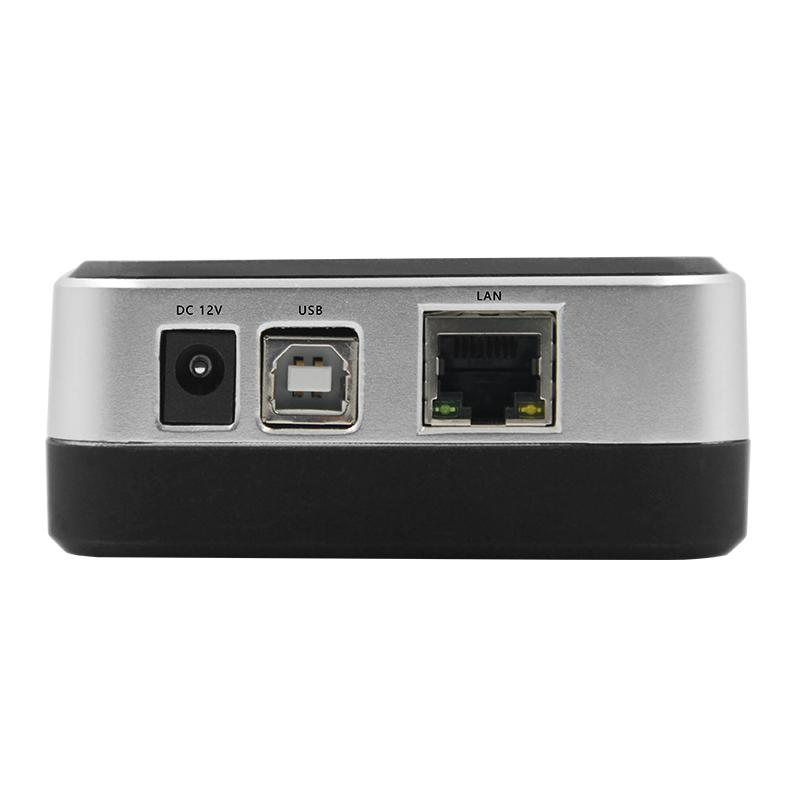
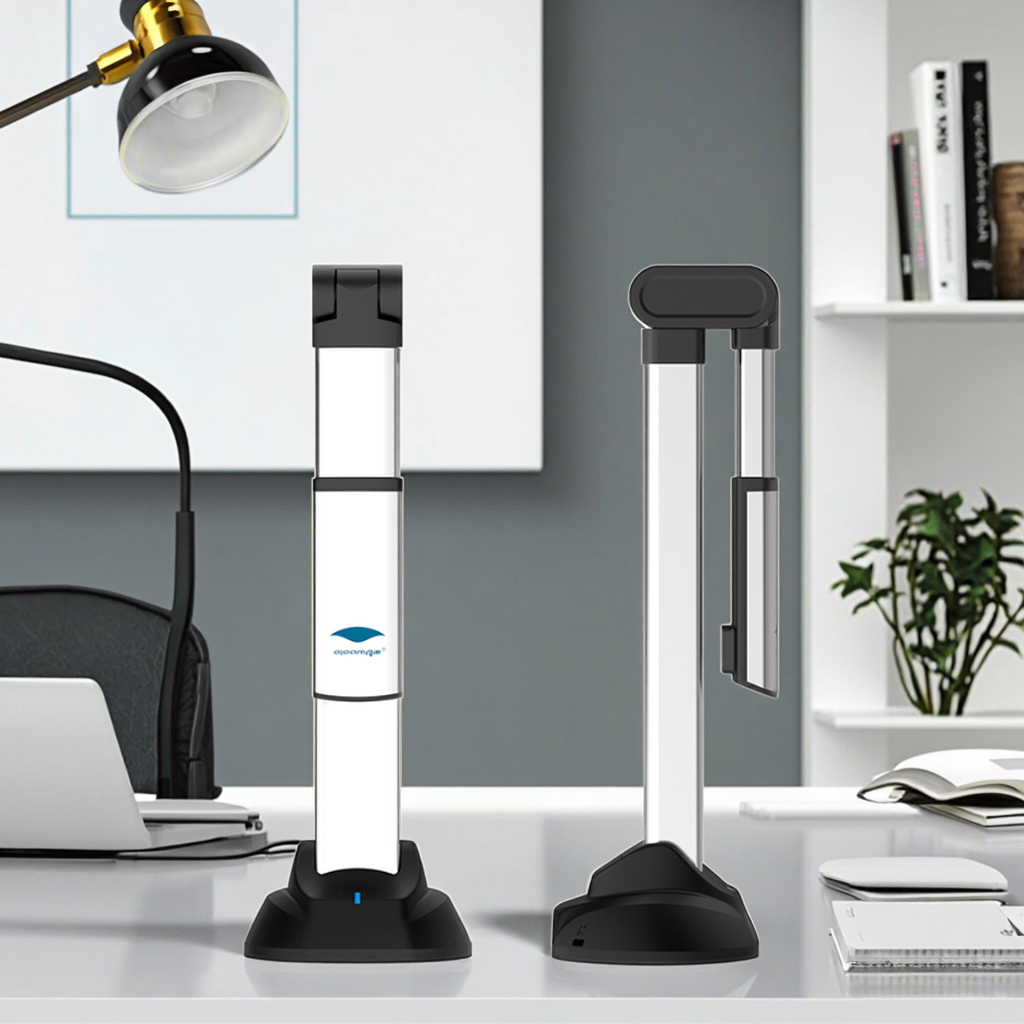
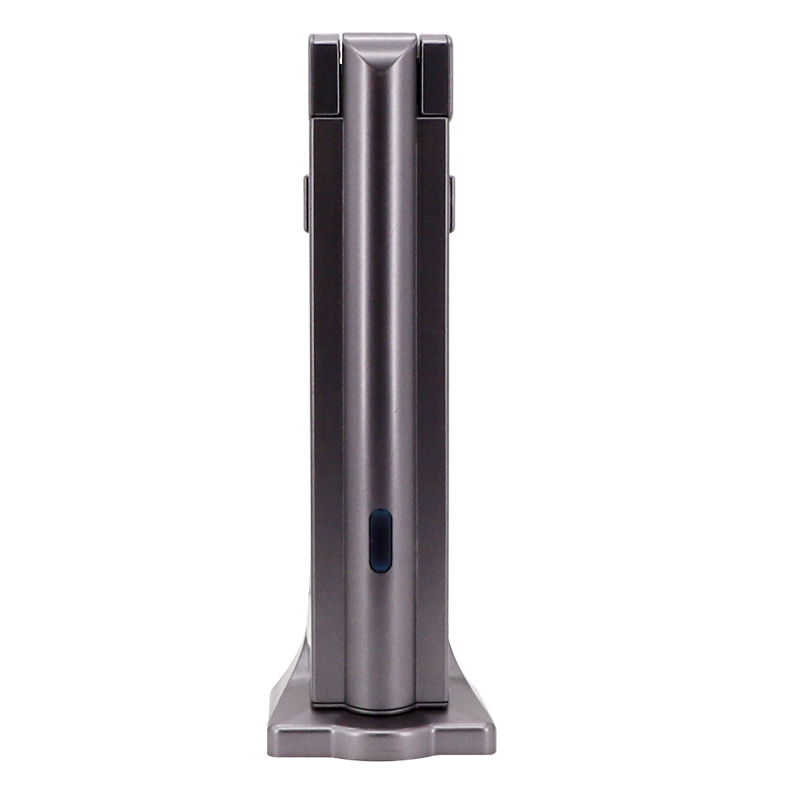
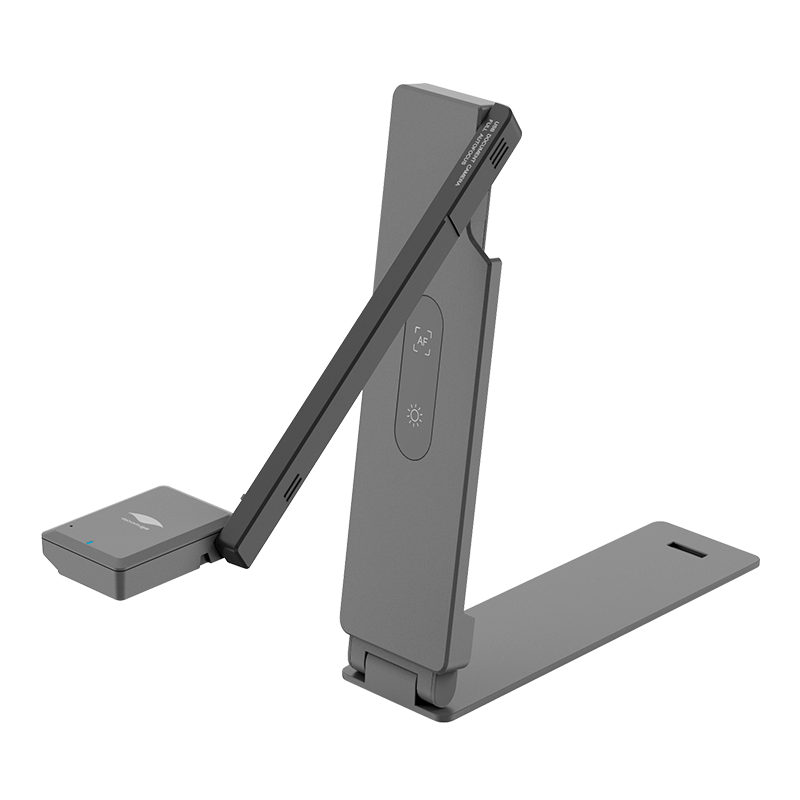

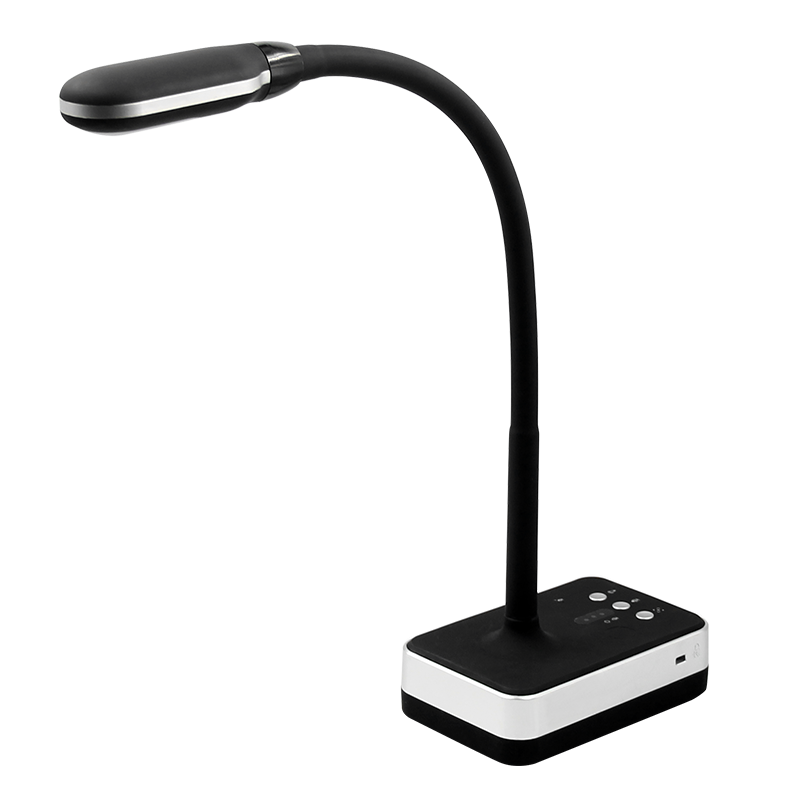
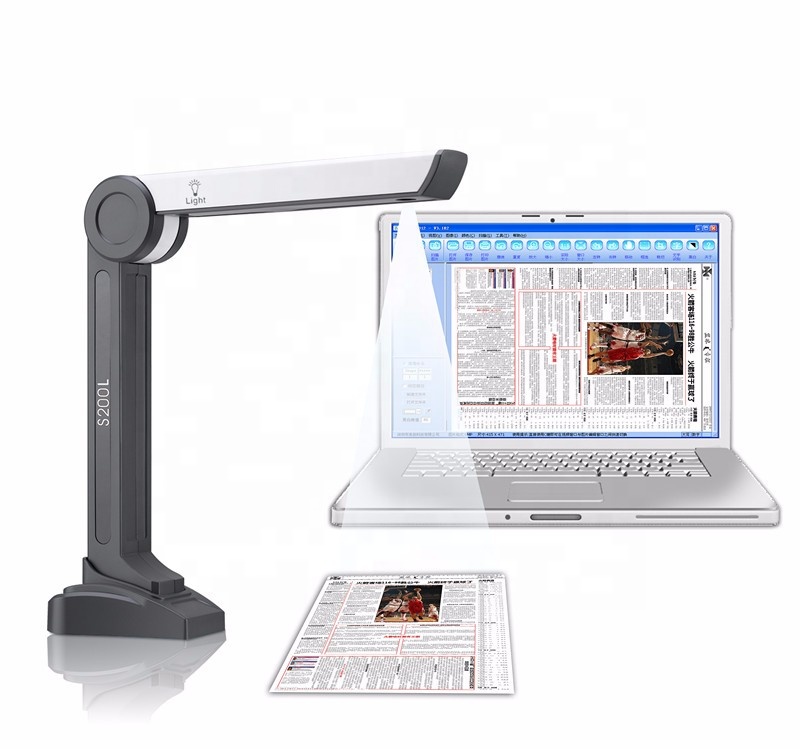
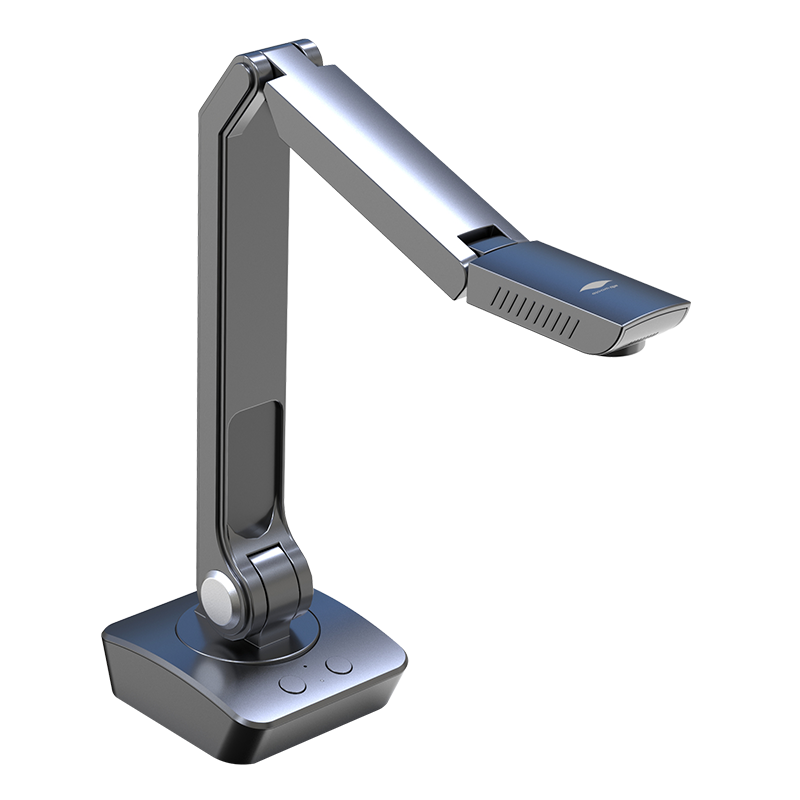
Washington DC buyers are not just buying a scanner; they are buying an audit-ready capture workflow
A scanner in a Capitol Hill law office, a grant compliance team near NoMA, a university research lab in Georgetown, or a credit union in Arlington may look similar on a specification sheet. The risk profile is not the same. The device must produce searchable, legible and defensible records. It must fit USB-restricted environments. It must preserve privacy when documents contain passport data, legal holds, student records or health information. It also has to be simple enough for staff who rotate between in-office and hybrid schedules across the District, Maryland and Virginia.
That is why a top-10 list built only on megapixels is weak. A better Washington DC sourcing decision tests OCR field accuracy, operator time, local data flow, driver stability, software licensing and total cost of ownership. The models on this page are suited to that test, but the buyer should still verify the final configuration with the factory before committing to a rollout.
- Ask for an Intertek onsite factory verification report or equivalent third-party assessment.
- Confirm ISO 9001, CE and FCC status by model, not only by company brochure.
- Review the OCR software license, language list and output formats in writing.
- Request a data-flow diagram showing whether OCR and storage happen locally or in the cloud.
- Clarify warranty, RMA, spare-parts and firmware-update responsibilities.
DC sourcing snapshot
Specifications vary by model and order configuration. For public-sector procurement, always attach the final model datasheet, software list and compliance documents to the solicitation file.
Top 10 A4 USB OCR Scanner Manufacturer and Factory Checks for Washington DC Buyers
A genuine top-10 shortlist is not a popularity contest. It is an audit trail. Use this weighted scorecard to compare manufacturers and factories on the evidence that matters to Washington DC procurement, IT, records and legal teams.
| Signal | What to verify | Why it matters in Washington DC | Recommended weight |
|---|---|---|---|
| 1. Manufacturer status | Factory ownership, production lines, assembly control and third-party onsite verification. | Federal contractors and regulated buyers need traceability, not anonymous marketplace sellers. Hobry states 8 production lines, a 5,000–10,000 m² factory and Intertek onsite verification. | 10/10 |
| 2. OCR software bundle | Language count, output formats, licensing, update policy and local versus cloud processing. | FOIA, eDiscovery and audit teams need searchable text. Selected models support up to 180 OCR languages and PDF/JPEG/TIFF output. | 10/10 |
| 3. A4-first fit with A3/A2 roadmap | A4 capture area, auto focus, arm geometry and availability of larger formats. | Most DC forms are A4 or Letter, but engineering plans, maps, ledger pages and bound exhibits may require A3 or A2. | 9/10 |
| 4. Image quality on real files | Performance on faded faxes, stamps, signatures, carbon forms and curled pages; not only clean demo pages. | Public records and legal exhibits are often imperfect. Test a 100-page local corpus before choosing a model. | 9/10 |
| 5. Local-only data path | Whether OCR, image processing and storage can remain on the workstation or approved network. | Legal, healthcare, student and law-enforcement records may require strict control over where data travels. | 9/10 |
| 6. Procurement documentation | TAA, country of origin, Section 508/accessibility review, CE, FCC on selected models, ISO 9001 and software copyright evidence. | Washington DC public-sector and federal contractor buying teams need documentation before a PO, not after delivery. | 8/10 |
| 7. OEM/ODM and SDK readiness | Logo, packaging, housing color, firmware, software UI and SDK availability on selected models. | Local integrators and resellers serving agencies or universities often need buyer-label programs and integration support. | 8/10 |
| 8. Operator experience | Training time, one-second capture, continuous mode, visualizer live video and USB installation friction. | Hybrid teams in DC, Arlington, Alexandria, Bethesda and Tysons need devices that work without a specialist operator. | 8/10 |
| 9. Warranty and support | One-year standard warranty, RMA workflow, spare-parts availability and technical response path. | A failed scanner can delay a records request, court deadline or enrollment cycle. Support terms belong in the evaluation. | 7/10 |
| 10. Three-year TCO | Unit price, OCR licenses, labor minutes, support and deployment effort. | In many offices, staff time is larger than hardware cost over three years. Measure the workflow, not only the invoice. | 7/10 |
Where A4 USB OCR Scanners Earn Their Place in Washington DC
The District is a document-intensive market because government, law, education, finance and cultural institutions overlap. The right scanner depends on the document type, privacy level and operator workflow.
Federal records and FOIA support
Agencies and contractors across Capitol Hill, NoMA and Navy Yard receive correspondence, case files, procurement packets and public-comment records. An A4 USB scanner with OCR helps convert paper into searchable PDFs for review, redaction and release preparation.
Law firms and K Street review teams
Litigation, regulatory and public-affairs teams need fast capture of exhibits, correspondence, identification cards and bound reference materials. Models with A3 coverage and book-friendly capture, such as the VH800A3AF, reduce the need to flatten fragile pages under a copier lid.
Universities, schools and research offices
Georgetown, GW, Howard, American and other campus communities handle transcripts, research notes, grant files, library reserves and hybrid classroom demonstrations. A4 USB visualizers with live video can serve both document capture and teaching.
Museums, libraries and cultural archives
Smithsonian-area institutions, independent archives and Library of Congress ecosystem partners often need non-destructive capture. For bound volumes, compare dedicated book scanners with V-shaped cradles; for service files and accession records, overhead A3 scanners can be sufficient.
Banks, credit unions and KYC desks
A4 capture is ideal for IDs, passports, account forms and signature cards. Compact models such as the VH1000AF or mini A4 scanner can sit at a counter without consuming much space, while local OCR helps reduce manual keying errors.
Healthcare, insurance and claims
Clinics and insurance teams handle consent forms, referrals, claim packets and identity documents. Before deployment, confirm whether OCR and storage are local, how access is controlled and whether a business associate agreement or other privacy review is required.
Washington DC Trends Shaping A4 USB OCR Scanner Procurement in 2025
Buying behavior in the DMV region is being shaped by hybrid work, public-records pressure, security review and the need to make paper searchable without sending everything to the cloud.
Paperless, but not printerless
Many agencies and contractors still print for signatures, hearings, annotating and legacy processes. The practical goal is not zero paper; it is faster conversion of incoming paper into controlled digital records.
Hybrid staffing across the DMV
Teams may work in DC offices while colleagues sit in Arlington, Alexandria, Bethesda or Tysons. Lightweight USB scanners and visualizers are easier to deploy than large fixed copiers when space and schedules are flexible.
Searchability over storage
Records teams already have storage. The harder problem is retrieval. OCR quality, metadata, file naming and PDF output now matter as much as scan resolution in FOIA and eDiscovery workflows.
Procurement scrutiny
Federal contractors and regulated buyers increasingly ask for country-of-origin statements, accessibility review, security questionnaires, software copyright evidence and clear support terms before approving a pilot.
Recommended A4 USB OCR Scanner Shortlist by Washington DC Workflow
Use this mapping to start a sample request. The final model should be selected after a local pilot using your own documents, software restrictions and acceptance criteria.
Counter capture and ID checks
For reception desks, credit unions and passport or ID capture, prioritize a compact A4 footprint, quick focus and simple USB operation.
VH1000AF A4 · Mini A4 USB 2.0Office OCR and continuous review
For claims, contracts and administrative records, look for A3 overhead coverage, OCR software, continuous mode and stable Windows support.
10MP A3 Professional OCR · VH800A3AFBound documents and table review
For books, binders and exhibits, avoid pressing spines flat. Consider book-scanner options or an overhead model with book-flattening workflow and preview.
VH800A3AF · Hobry book scanner seriesEducation, training and hybrid meetings
For classrooms and agency training rooms, choose a visualizer with live video, A3 demonstration space and USB or wireless flexibility.
VE1020A3AF · VH1000AF · V801A3AFA 14-Day Pilot Protocol for Washington DC Sourcing Teams
Do not approve a scanner rollout from a brochure. Use a short, structured pilot that produces evidence your procurement, IT, legal and records stakeholders can sign off on.
Build a local test corpus
Collect 100 representative pages: clean A4 forms, skewed faxes, faded signatures, IDs or passports, bound pages, A3 exhibits and one or two A2 plans if relevant. Remove or redact sensitive data before sharing.
Score OCR by field, not by page
Measure names, dates, amounts, addresses, case numbers and passport fields. A page that looks readable can still contain critical OCR errors. Set separate thresholds for clean forms and damaged archives.
Calculate three-year TCO
Use this formula: unit price + OCR licenses + operator minutes per 1,000 pages × loaded hourly rate × annual volume + support and deployment effort. Staff time often outweighs hardware cost.
Validate factory evidence
Check samples, Intertek verification, ISO 9001, CE/FCC by model, warranty, OEM/ODM terms, payment and delivery terms. Confirm whether the offered model matches the exact document workflow in your pilot.

Why a verified imaging factory matters for Washington DC buyers
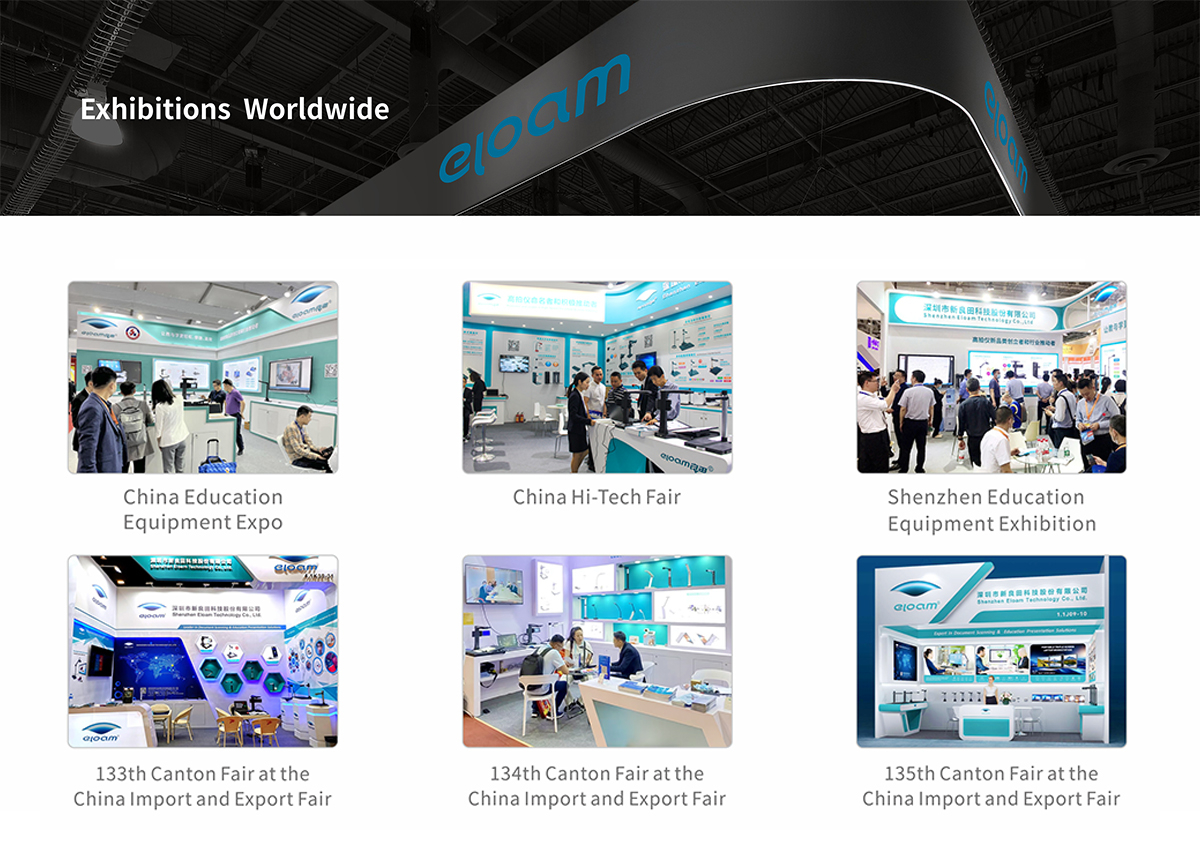
Shenzhen Hobry Technology Co., Ltd. is not a marketplace reseller. Founded in 2005, the company manufactures document scanners, book scanners, document cameras and visualizers, and portable monitors for global B2B buyers. It operates 8 production lines in a 5,000–10,000 m² factory, employs 101–200 people and has been verified onsite by Intertek. Its National High-Tech Enterprise status, ISO 9001 system, software copyright registrations and CE certification help reduce the documentation burden for public-sector and regulated buyers, although each model and order still needs its own compliance confirmation.
In-house engineering covers industrial design, optics, firmware and software. OEM/ODM services include logo printing, packaging, housing color, firmware and software customization; an SDK is available on selected models. Selected products support OCR in up to 180 languages with PDF, JPEG and TIFF output. Windows is supported across the range, while macOS is supported on selected large-format models. Most models are available as single-unit samples, and bulk MOQ depends on the model and customization level. Standard warranty is one year; payment terms include T/T, L/C, PayPal and Western Union in USD; delivery terms include FOB, CFR, CIF and EXW.
 Factory verified onsite by Intertek
Questions Washington DC Buyers Ask Before Ordering an A4 USB OCR Scanner
These answers reflect common B2B sourcing concerns. Final eligibility, cybersecurity and records-management acceptance must be confirmed by the buyer’s own procurement, IT, legal or privacy team.
Are A4 USB OCR scanners eligible for Washington DC public-sector purchasing?
Eligibility depends on the solicitation, funding source, country-of-origin rules, accessibility review and the buyer’s cybersecurity requirements. USB peripherals can be simpler than cloud-connected systems, but you still need model-level documentation, warranty terms and software details before award.
Can OCR run locally without sending documents to the cloud?
On many document-camera-style scanners, capture and OCR can be performed through local workstation software. Confirm the exact software build, license, storage path and update mechanism. If any optional cloud feature exists, document whether it can be disabled.
Which OCR languages are supported?
Selected Hobry models support OCR in up to 180 languages, with output formats that can include PDF, JPEG and TIFF. Language quality varies by script and document quality, so test the specific languages used in your legal, immigration, academic or public-records workflow.
What operating system compatibility should we verify?
Windows is supported across the range, and macOS is supported on selected large-format models. For controlled public-sector environments, verify driver signing, admin rights, USB policy, Windows 10/11 support and whether software installation requires IT approval.
How should legal or healthcare teams handle privacy?
Use a local capture and storage workflow where appropriate, restrict workstation access and remove cloud features unless approved. Healthcare and insurance buyers should conduct HIPAA review; legal teams should follow their own ethical walls, litigation-hold and client-confidentiality policies.
Do federal contractors need TAA or country-of-origin information?
Often yes, depending on the contract and funding source. Ask the manufacturer for a written country-of-origin statement, model-level bill of materials where available, and any required supplier representations. Do not rely on a general website statement for a specific solicitation.
Can we order a sample before a bulk purchase?
Most models can be sampled as a single unit for evaluation. Bulk MOQ depends on the model and customization level and is confirmed in the quotation. A sample pilot is strongly recommended before an agency-wide or multi-office rollout.
Is OEM or buyer-label service available for local resellers?
Yes. OEM, ODM, design service and buyer-label service are available, including logo, packaging, housing color, firmware and software customization. An SDK is available on selected models for integrators that need deeper workflow alignment.
For sourcing records: standard warranty is one year; accepted payment terms are T/T, L/C, PayPal and Western Union in USD; accepted delivery terms are FOB, CFR, CIF and EXW. Confirm current terms in the quotation.
Need a Washington DC-ready A4 USB OCR scanner recommendation?
Send your scan area, monthly page volume, OCR languages, software restrictions, country-of-origin requirements and sample quantity. The reply can include model options, an OEM/ODM path, available compliance documents for review and a pilot checklist. Email: info@hobrytech.com