8 A3 Document Camera & Scanner Models for San Francisco Preview Workflows
Every product link below is preserved as supplied. These models cover classroom demonstration, book scanning, OCR archiving, wireless teaching, USB-C conference use and portable office capture. For custom configurations, OEM branding or a consolidated quotation, use the Get Catalog button.
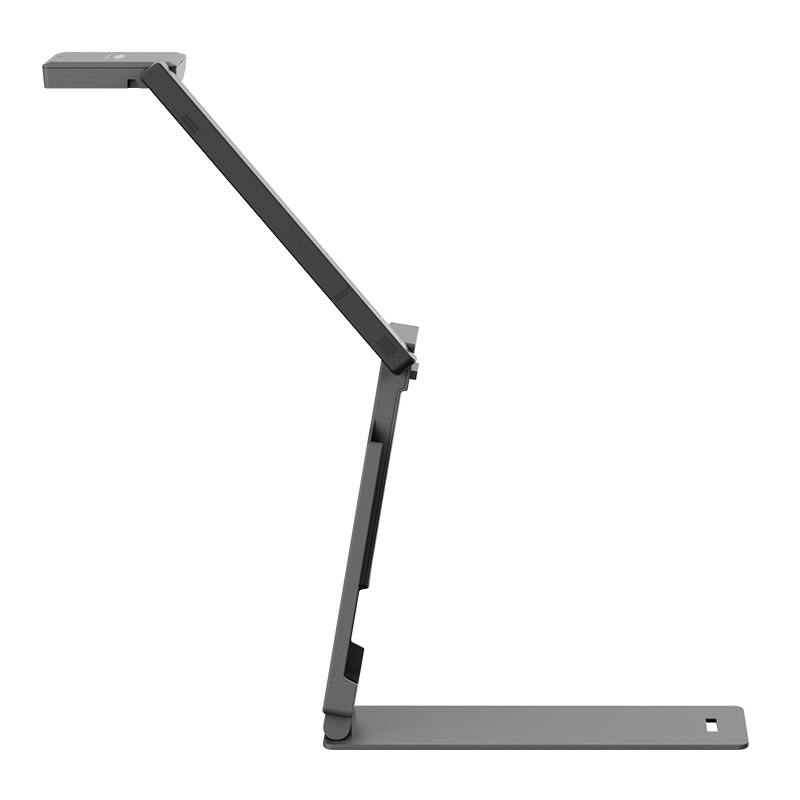
ELOAM VE1300A3AF 13.0MP Ultra HD A3 Portable Document Camera & Scanner for Teaching
- 13.0MP
- A3 area
- USB
- Teaching
- Live preview
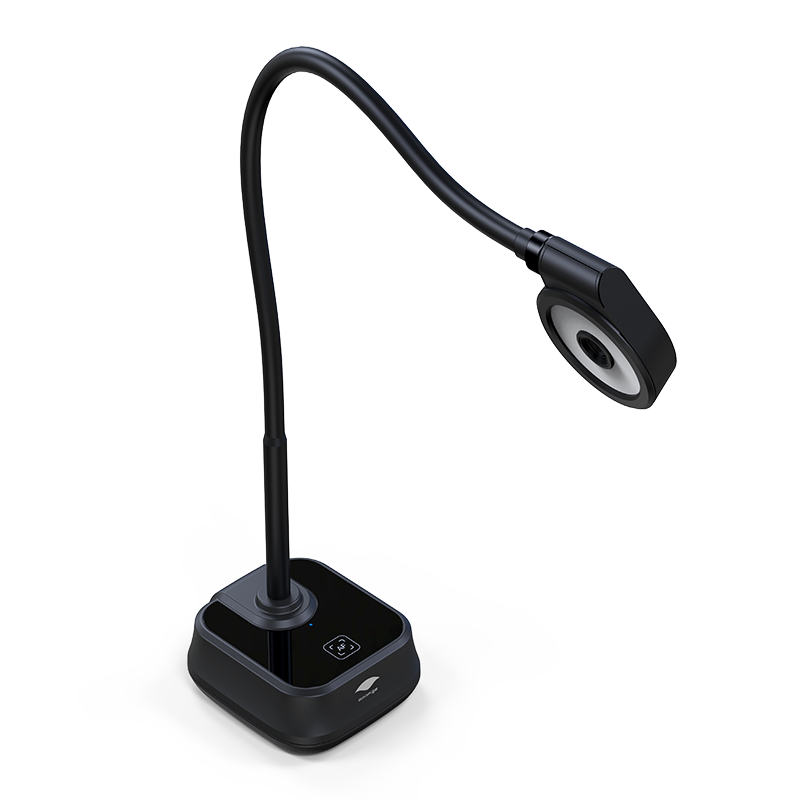
ELOAM VH800S A4 High-Speed USB Video Booth & Document Scanner with OCR for Classroom
- High-speed
- A4
- USB
- OCR
- Classroom
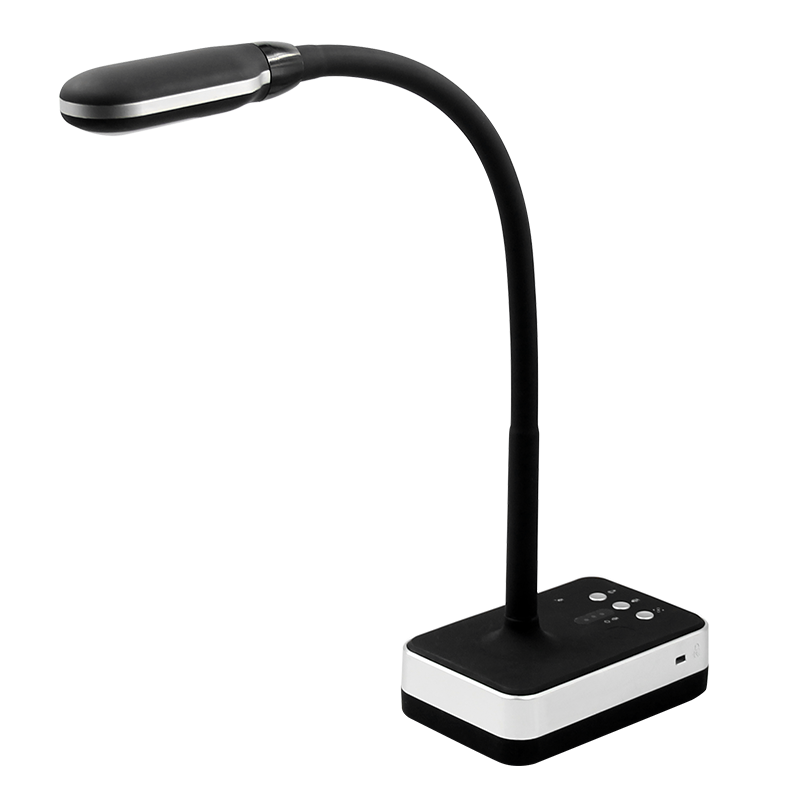
ELOAM VH1000A3AF Smart Book Scanner High-Speed Portable USB Document Camera for Teachers
- Book mode
- Portable
- USB
- Teacher use
- Preview workflow
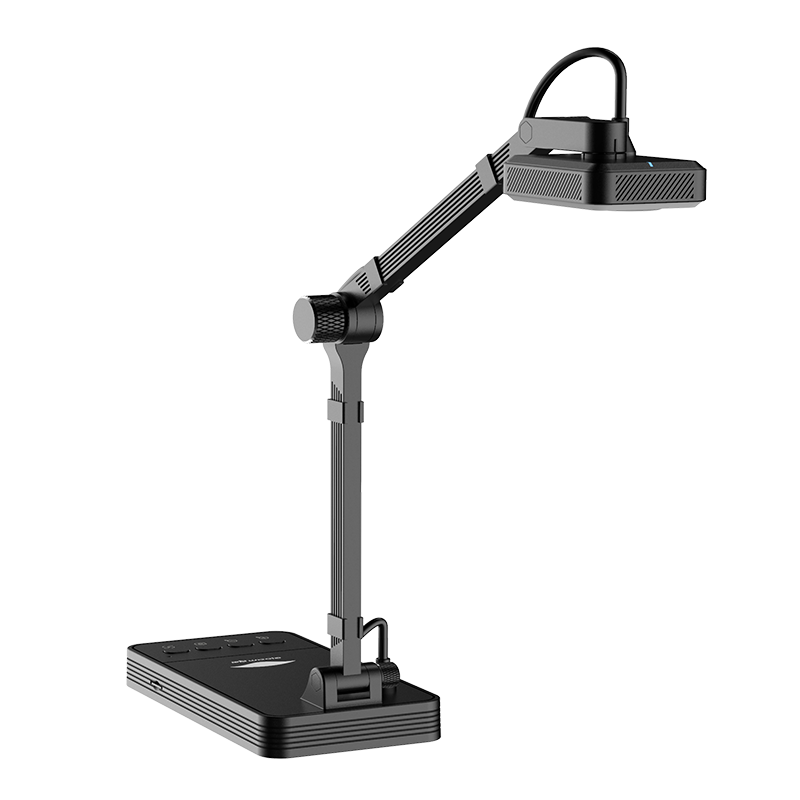
ELOAM YL1050 Wi-Fi + USB A3 10MP Document Presenter for Distance Learning
- 10MP
- A3
- Wi-Fi + USB
- Online teaching
- Video calling
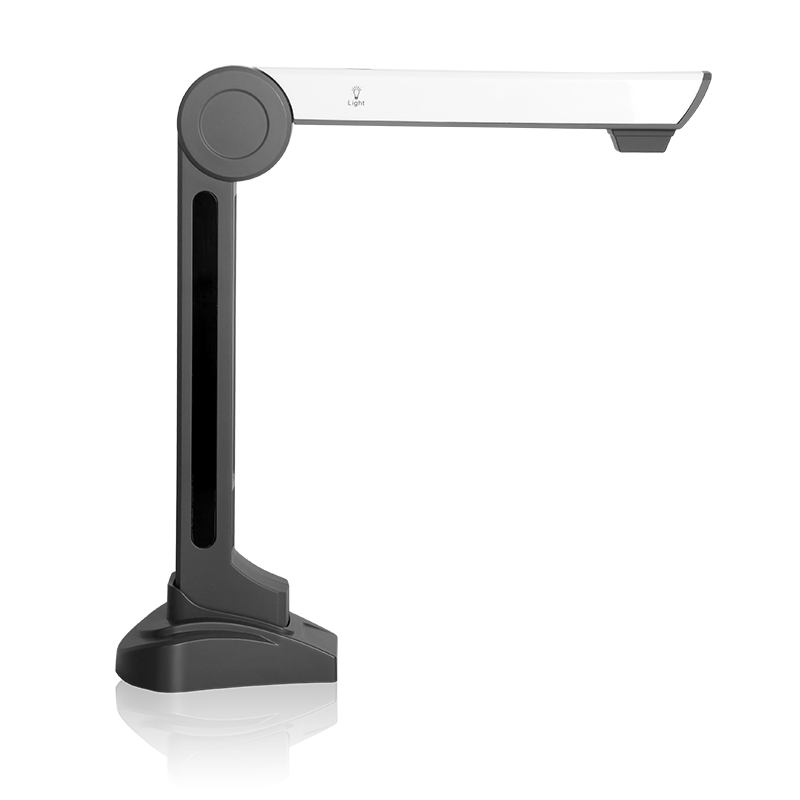
Eloam S500P 5MP Ultra Portable High-Speed OCR Document Scanner with USB SDK
- 5MP
- OCR
- USB SDK
- School / office
- Compact
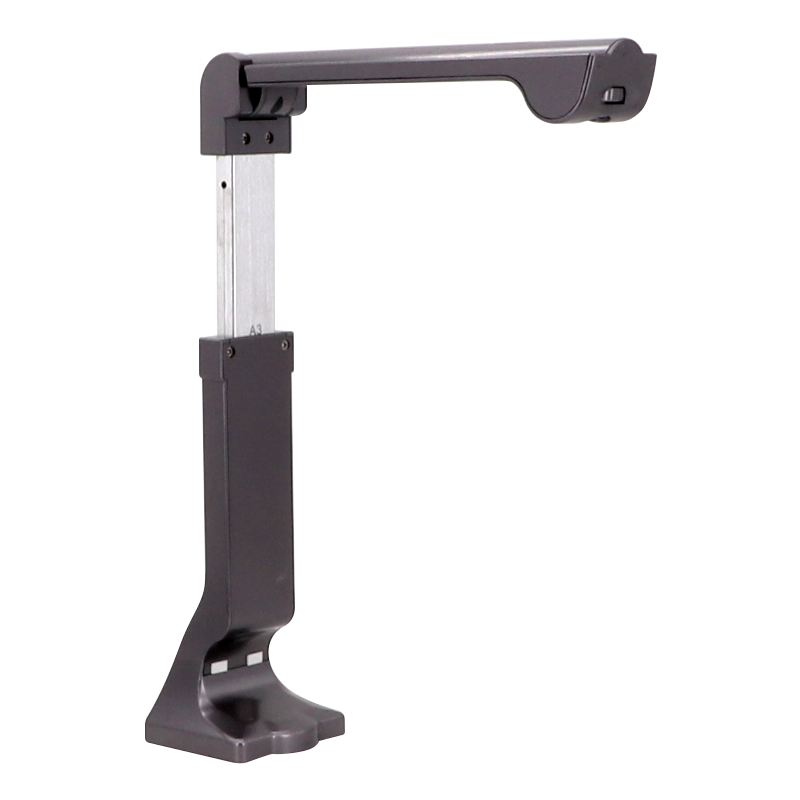
ELOAM S600 10MP CMOS A3 Folding Document Scanner with USB Interface & OCR
- 10MP
- A3
- Folding
- USB
- 1-second scan

ELOAM VW1000AF USB / Wireless High-Speed OCR A4 Book Scanner & Document Camera
- USB / wireless
- OCR
- A4
- Book scanner
- Portable
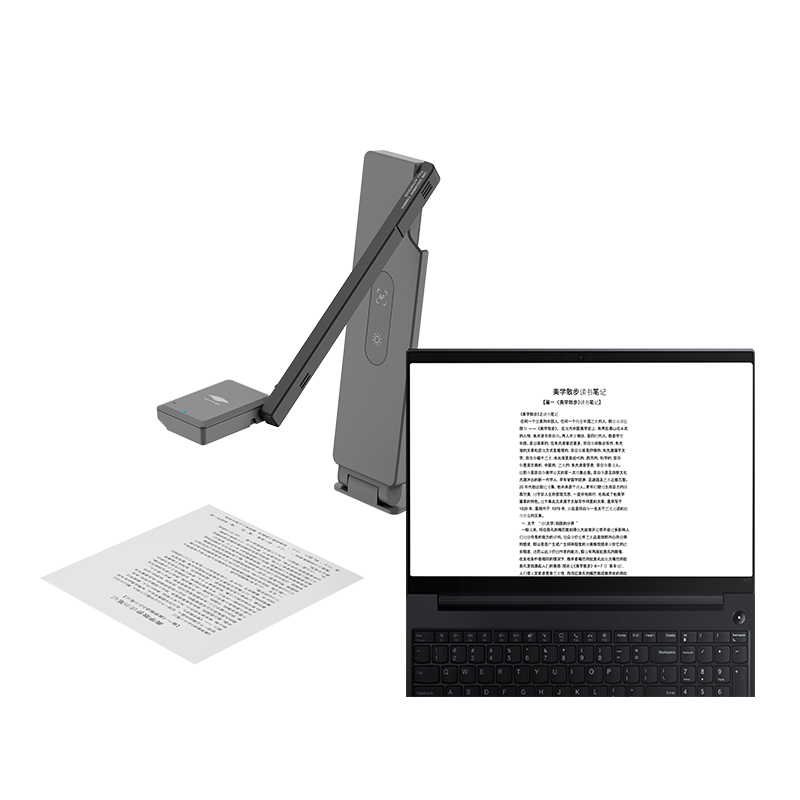
ELOAM High Resolution A3 Portable Document Scanner & Camera 3-in-1 with USB Type-C
- 3-in-1
- A3
- USB Type-C
- Plug & play
- Conference
Product URLs are retained exactly as supplied. Specifications should be confirmed with the manufacturer before ordering because configurations, OCR bundles and accessories can vary by model and destination market.
Why San Francisco Buyers Search for “A3 Document Camera With Preview Screen” Differently
San Francisco procurement teams rarely buy a document camera as a standalone gadget. They buy a live visual workflow that must work in a hybrid classroom, a permit counter, a design review, a library digitization lab or a biotech conference room.
In San Francisco, the phrase “A3 document camera with preview screen” can refer to three different setups: a model with a built-in LCD preview display, a camera that sends a low-latency live image to an HDMI or room display, or a USB/Wi-Fi visualizer that previews through Windows, macOS or meeting software. For a school cart, fast setup and stable preview matter. For a Financial District conference room, USB-C plug-and-play and clean video conferencing matter. For an archive, book-friendly capture and OCR matter more than a built-in screen.
This guide is written for buyers who need to separate qualified manufacturers and exporters from catalog resellers. The Top 10 framework below is not a list of inflated marketing claims; it is a due-diligence sequence that Bay Area procurement teams can use to compare sample units, request OEM documentation and reduce deployment risk before placing a bulk order.
Use a practical sample test: place a two-page A3 spread, a colored chart and a glossy brochure under the camera; display 10-point text on a 3-metre room screen; move a hand quickly to judge motion blur; run OCR on a mixed-language page; and time how long a teacher or counter clerk needs to set up the device from a cold start. That five-minute test usually reveals more than a long specification sheet.
What “preview screen” should mean in your RFQ
- Built-in LCD preview for standalone book scanning or counter use.
- HDMI or USB live preview to a room display for classrooms and meetings.
- Software preview with 30fps motion for handwriting, demos and lab work.
- Wi-Fi or USB-C connection for hybrid teaching and conference rooms.
- OCR output to PDF, JPEG or TIFF for downstream records systems.
The Top 10 A3 Preview-Screen Sourcing Checks for San Francisco Teams
Use these ten checks to compare manufacturers, exporters and model configurations before requesting samples. They are written for education, government, legal, library, design and life-science workflows common in San Francisco.
True A3 capture area
Confirm the usable capture area, not just the camera resolution. A3 matters for two-page book spreads, architectural drawings, large charts, proof sheets and classroom posters.
Preview latency and frame rate
Ask for 30fps live preview on the models that will display handwriting or lab demonstrations. Low frame rate is acceptable for static archiving but frustrating for teaching and product demos.
Useful resolution, not just megapixels
13MP is useful for fine print and large displays; 5MP to 10MP can be enough for forms and OCR. Ask for a sample image on your own screen and test OCR accuracy on actual documents.
Autofocus and lighting control
San Francisco classrooms and conference rooms have mixed lighting. Test autofocus speed, LED glare control, shadow handling and color consistency on glossy brochures and laminated IDs.
OCR and software ecosystem
Selected Hobry models support OCR in up to 180 languages with PDF, JPEG and TIFF output. Confirm Windows support across the range and macOS support on selected large-format models.
Connectivity for real rooms
Check USB 2.0, USB 3.0, USB-C, Wi-Fi and HDMI display paths. Avoid buying a Wi-Fi model if the room’s network policy blocks peer-to-peer discovery; ask for a wired fallback.
Mounting, footprint and portability
Folding models save space on mobile teaching carts. Book scanners need a stable V-shaped cradle. Counter scanners need a small footprint without fragile arms projecting into customer space.
Privacy and data handling
For schools and government counters, ask whether preview is local or cloud-dependent, where scan files are stored and whether an SDK can integrate with approved systems without unnecessary data transfer.
Certifications and warranty
Confirm CE certification, FCC availability on selected models, ISO 9001 quality management and a standard one-year warranty. Request the exact certificate scope for your order configuration.
Export terms and local support
San Francisco buyers should clarify FOB, CFR, CIF or EXW terms, sample lead time, bulk lead time, Oakland or Los Angeles port routing and remote technical support before committing.
Localized Applications Across San Francisco and the Bay Area
The same A3 document camera can serve very different workflows. The right choice depends on who is standing in front of it, what they are showing and how quickly the image must reach a screen.
Classrooms & hybrid learning
SFUSD schools, City College of San Francisco and UCSF training teams use visualizers for math walkthroughs, science demonstrations, art portfolios and live annotation. A3 area helps with two-page handouts and large diagrams; 30fps preview keeps handwriting readable on Zoom or Teams.
Libraries & archives
San Francisco Public Library branches, historical societies and university archives need non-destructive capture for bound books, maps, photographs and fragile records. A V-shaped cradle, laser-assisted flattening and a preview display reduce page handling and improve OCR quality.
Financial District counters
Banks, law firms, notary offices and government service counters capture IDs, passports, contracts and forms. OCR can reduce manual keying, while an SDK helps integrate capture into case-management or customer-onboarding systems. Compact USB models fit limited counter space.
Design, engineering & biotech
SoMa studios, Mission Bay labs and architecture teams preview sketches, circuit boards, lab notebooks, textiles and large-format drawings. High-resolution A3 capture with autofocus and USB-C or Wi-Fi makes the camera useful in both in-person reviews and remote collaboration.
2025 San Francisco Procurement Trends Shaping A3 Visualizer Demand
Demand is moving away from single-purpose scanners toward flexible visual capture devices that support hybrid meetings, OCR archiving and multi-room deployment.
Preview-first hybrid AV
Rooms are now designed around the screen people already use. Buyers want preview that reaches a display, laptop or video-conference session without installing another closed software stack.
USB-C and wireless convergence
USB-C plug-and-play is popular for conference rooms and portable teaching kits, while Wi-Fi remains useful for distance learning. Procurement teams increasingly request both wired and wireless options.
OCR expectations are rising
Selected models support up to 180 OCR languages and PDF, JPEG or TIFF output. San Francisco teams handling multilingual records, legal files and research documents now ask for OCR evidence during sample review.
Privacy and local data control
Schools and public agencies prefer local preview and clearly documented file handling. Ask for an SDK or offline workflow when scan content cannot leave the local network.
Total cost of ownership pressure
High labor and setup costs make training time, replacement parts and warranty support as important as unit price. A device that saves five minutes per class or counter transaction can justify a higher initial cost.
Port logistics and lead-time planning
Many San Francisco importers plan around Oakland or Los Angeles port routing, FOB Shenzhen departure and CIF terms. Request a documented production schedule rather than assuming stock availability.
A3 Document Camera and Preview Workflow Selection Matrix
Match the workflow first, then confirm resolution, connectivity and OCR. The models below are from the supplied product set and are linked above with their exact URLs.
| San Francisco buyer scenario | Recommended model | Preview / workflow fit | Why it fits |
|---|---|---|---|
| K-12 math and science demonstration | VE1300A3AF | USB live preview to laptop, projector or room display | 13MP A3 capture area keeps handwriting, worksheets and large diagrams readable on a classroom screen |
| Classroom handouts and meeting notes | VH800S | High-speed USB capture with OCR | A4 high-speed scanning is practical for worksheets, meeting documents and OCR-to-PDF workflows |
| Bound books and teacher guides | VH1000A3AF | Portable book-scanner style capture with software preview | Designed for teachers and document scanning; useful where book spines and lesson materials must be handled carefully |
| Hybrid and distance learning | YL1050 | Wi-Fi + USB preview for online teaching and video calling | Wireless freedom for teachers moving around a classroom; A3 10MP capture supports large teaching materials |
| Counter, ID and OCR capture | S500P | USB preview with OCR and SDK options | Compact 5MP scanner for school offices, service counters and software-integrated capture |
| General A3 archiving and drawings | S600 | USB capture with folding body and one-second scan claim | 10MP A3 folding design suits contracts, invoices, plans and shared office storage space |
| Wireless book and office scanning | VW1000AF | USB or wireless preview with OCR | Useful where users need shared meeting-room scanning without a permanent cable run |
| 3-in-1 teaching, office and conference use | High Resolution A3 3-in-1 | USB Type-C plug-and-play preview | Flexible deployment for classrooms, conference rooms and portable office setups requiring A3 capture |

Inside the Manufacturer: Why Hobry Fits a San Francisco Shortlist
Shenzhen Hobry Technology Co., Ltd. is a manufacturer with an integrated export team, not a pure trading company. Founded in 2005, the company has more than 20 years of imaging R&D experience and operates 8 production lines in a 5,000–10,000 m² facility in Shenzhen with 101–200 employees. The factory has been verified onsite by Intertek, and the company holds ISO 9001 quality management certification, a National High-Tech Enterprise certificate and software copyright registrations.
For San Francisco buyers, the practical advantage is customization depth. OEM and ODM services cover logo printing, custom packaging, housing color, firmware and software customization, with an SDK available on selected models for system integration. Products are CE certified, with FCC available on selected models, and the standard warranty is one year. Selected models support OCR in up to 180 languages and output PDF, JPEG and TIFF; Windows is supported across the range, with macOS support on selected large-format models.

Onsite factory verification and third-party inspection documentation help shorten supplier qualification for Bay Area procurement teams.
Accepted payment terms include T/T, L/C, PayPal and Western Union in USD. Accepted delivery terms include FOB, CFR, CIF and EXW. Most models are available as single-unit samples for evaluation; bulk MOQ depends on the model and customization level.
What Local Buyers Ask Before Ordering A3 Document Cameras
These answers focus on the practical questions that arise when a San Francisco school, library, law firm, government office or laboratory evaluates overseas manufacturers and exporters.
Are there A3 document camera manufacturers physically located in San Francisco?
Very few document camera factories are located inside San Francisco itself. Most “San Francisco manufacturers and exporters” in search results are either Shenzhen-based factories with export teams serving SF buyers, local distributors, or trading companies. Hobry is a Shenzhen manufacturer and exporter supporting San Francisco buyers through samples, OEM/ODM, compliance documents and export shipping.
What does “preview screen” mean on an A3 document camera?
It can mean a built-in LCD display on the device, an HDMI or USB live preview sent to a room monitor, or a software preview window on a Windows or macOS computer. For classroom demonstration, the most important factors are frame rate, latency, autofocus and output resolution — not whether the screen is physically attached to the camera.
Can these models capture A3 drawings, book spreads and bound books?
Yes, several models in the supplied set are A3-capable, including the VE1300A3AF, YL1050, S600 and the high-resolution 3-in-1 A3 model. For bound books, choose a book-oriented model such as the VH1000A3AF or VW1000AF and confirm the cradle or page-holding accessory requirements with the supplier.
Can I order a sample before a bulk order to San Francisco?
Most models can be ordered as single-unit samples for evaluation. Shipping to San Francisco is typically arranged by express courier for samples, while bulk orders may use air or sea freight routed through Oakland or Los Angeles ports. Confirm sample lead time, shipping cost and the exact test criteria before ordering.
Which certifications should a San Francisco buyer request?
Request CE certification as a baseline, FCC availability on selected models, ISO 9001 quality management documentation and the relevant test reports for your configuration. For public-sector or education procurement, ask for the certificate scope and whether the exact model number is covered.
What OCR languages and operating systems are supported?
Selected models support OCR in up to 180 languages and output PDF, JPEG or TIFF. Windows is supported across the range, while macOS support is available on selected large-format models. Confirm the exact OCR language pack, software version and export format required by your records or learning system.
What payment and delivery terms are accepted?
Payment terms include T/T, L/C, PayPal and Western Union in USD. Delivery terms include FOB, CFR, CIF and EXW. For San Francisco planning, ask the supplier to state the departure port, estimated production lead time and whether CIF coverage extends to your preferred destination port.
Do you offer OEM/ODM, SDK and warranty support?
Yes. OEM, ODM, design service and buyer-label service are available, including logo, packaging, housing color, firmware and software customization. An SDK is available on selected models for system integration. The standard warranty is one year; confirm after-sales parts, technical support channels and RMA procedures for your San Francisco deployment.
Request A3 Document Camera Recommendations for Your San Francisco Project
Share your capture area, preview requirement, quantity, OCR needs and target delivery window. The sales engineering team can recommend a model, confirm sample availability and prepare an OEM/ODM quotation for schools, libraries, offices, laboratories and government counters.
info@hobrytech.com · Factory-verified imaging manufacturer since 2005Editorial note: this buyer’s guide is written for B2B sourcing and procurement research. Product specifications, certification scope, OCR language packs, stock status and lead times must be confirmed with the supplier before purchase. “Top 10” refers to the ten due-diligence checks used in this guide; the product grid displays eight representative in-stock models from the supplied product set.