Eight Factory-Direct Products for Denver Presentation and Capture Workflows
These products are matched to specific Denver use cases rather than presented as a generic catalog. The links below preserve the supplied product URLs so procurement teams can review specifications, sample options, and export terms without losing the original reference path.
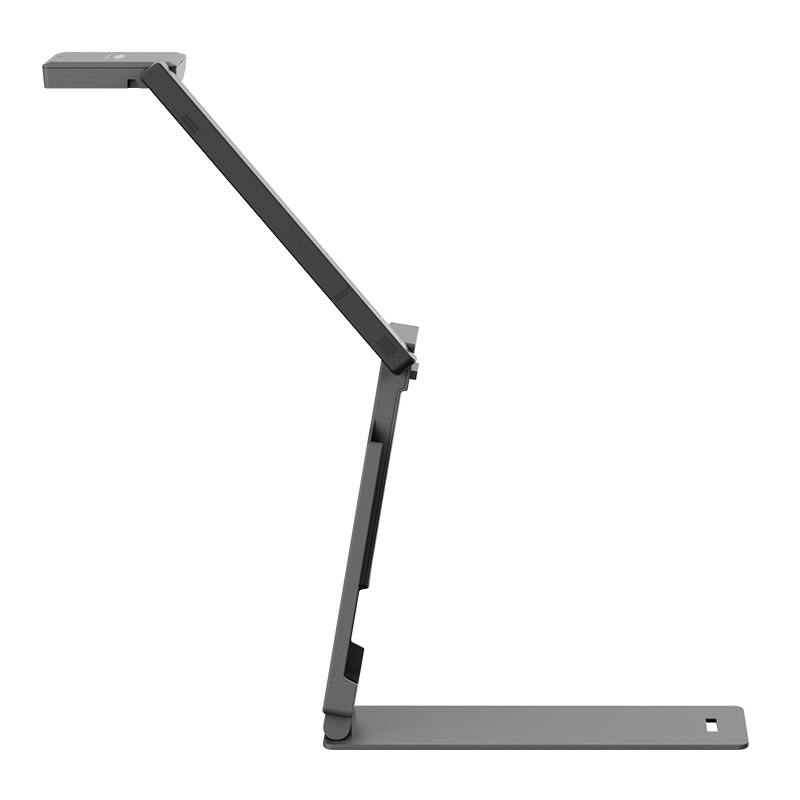
ELOAM VE1300A3AF 13.0MP Ultra HD USB Portable Document Camera & Scanner A3 Size for Teaching in Stock
A 13MP Ultra HD teaching camera with A3 capture for live demonstration, annotation, science lessons, and hybrid classroom sharing. The USB workflow is straightforward for Denver schools that need a reliable visualizer without rebuilding the room’s AV stack.
- 13.0MP
- A3
- USB
- In stock
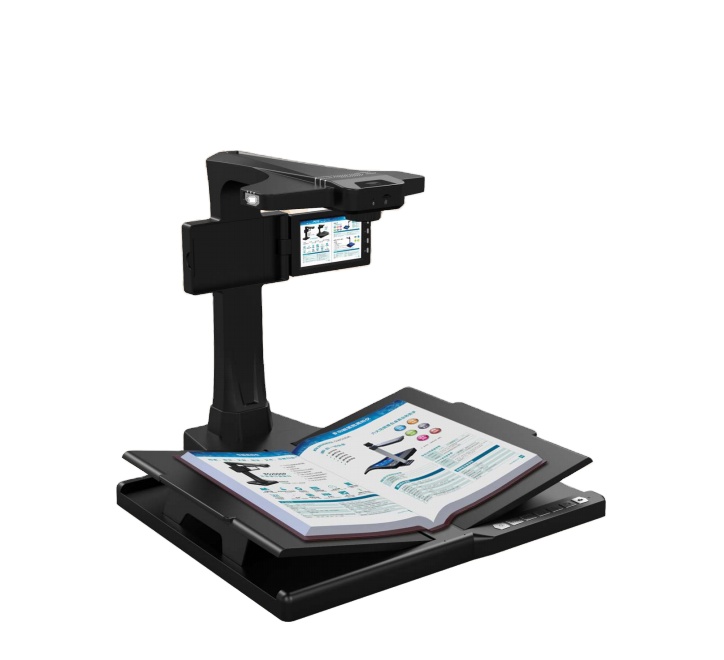
Eloam BS3000P 28MP A3 Document Scanner V Shape Book Scanner CMOS USB 2.0 LCD Preview Screen for Library
A 28MP V-shape book scanner with CMOS capture, USB 2.0, and an LCD preview screen. It suits Denver libraries, university archives, and special collections that need non-destructive bound-book digitization with operator feedback at the point of capture.
- 28MP
- A3
- V-shape cradle
- LCD preview
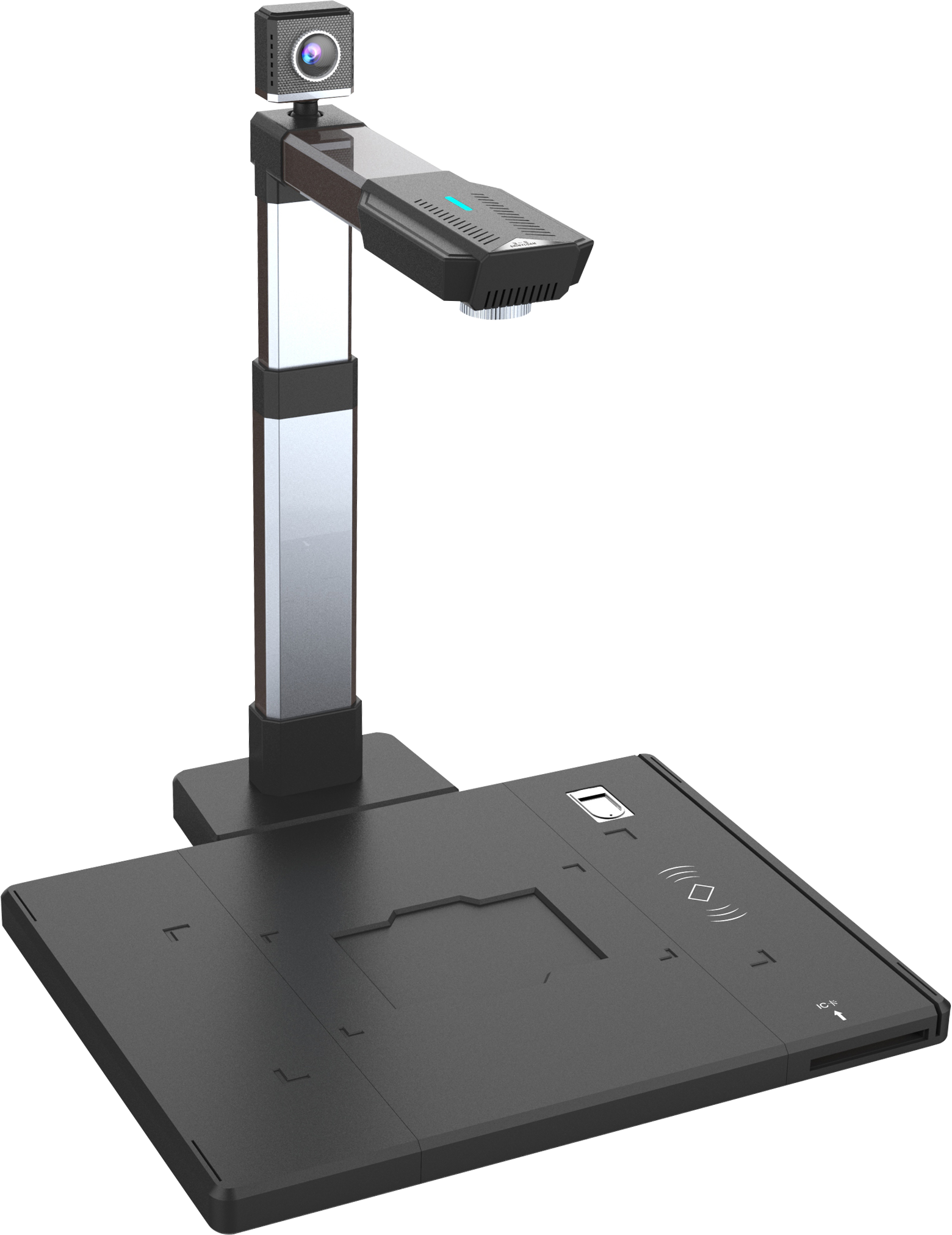
Eloam YL1020 Dual Lens USB Interface High-Speed A3 OCR 2D Code SDK Supported Multifunctional Library Document Scanner Save Time
A dual-lens USB scanner with high-speed A3 OCR and 2D code support. It is relevant for Denver system integrators building document intake, library self-service, or records workflows that combine image capture, barcode recognition, and software integration.
- Dual lens
- A3 OCR
- 2D code
- SDK support
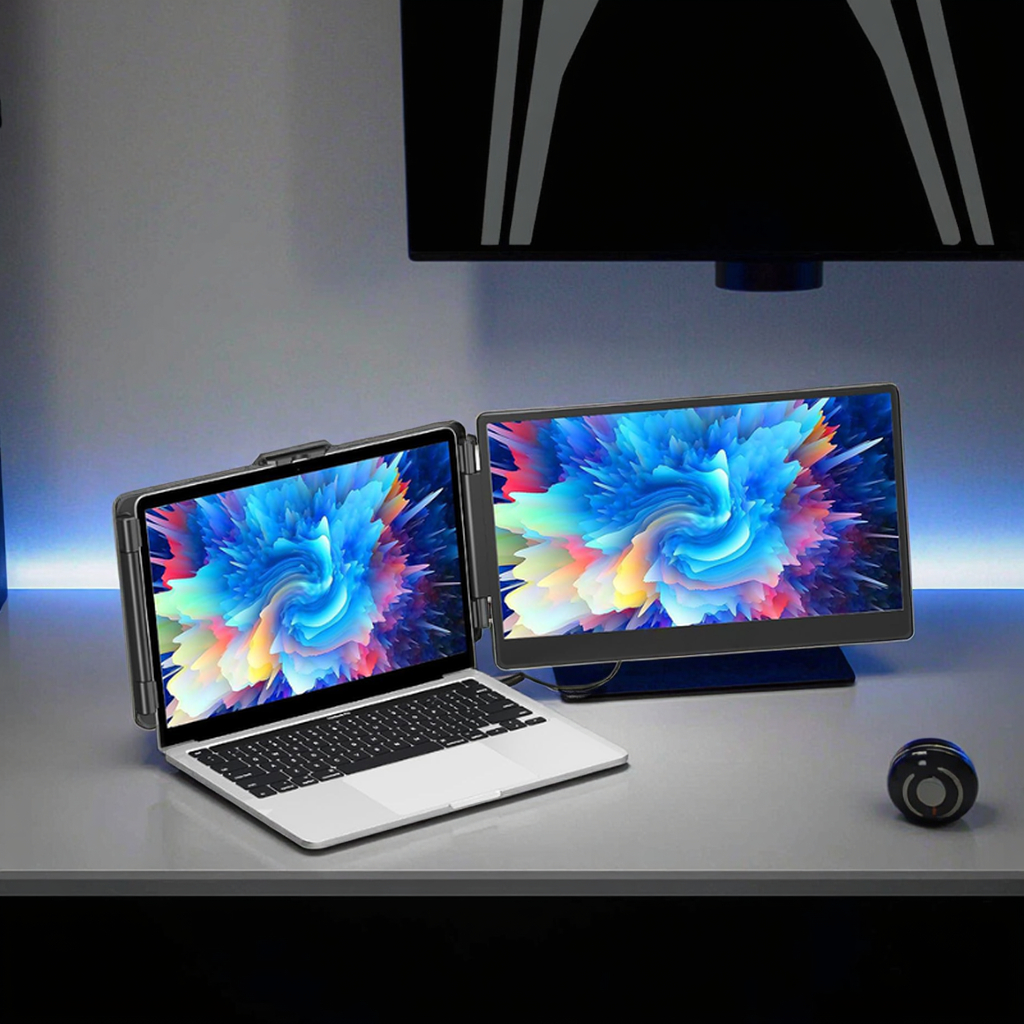
Factory Direct 14 Inch Portable IPS Panel LCD Monitor Type C Plug & Play Windows Mac 1920x1080 Resolution Business Series 60Hz
A 14-inch 1080p IPS portable monitor with Type-C plug-and-play for Windows and Mac. It is useful for Denver remote workers, field auditors, sales teams, and hot-desk environments where a second screen improves review accuracy without a permanent monitor installation.
- 14 inch
- 1080p IPS
- Type-C
- Windows / Mac

ELOAM 3-in-1 Document Scanner USB A3 5MP FPDA Handheld Camera Control Buttons Digital Document Camera
A 5MP A3 document camera with handheld/FPDA control buttons and 3-in-1 flexibility. It fits Denver training rooms, mobile presentations, and temporary service counters that need quick overhead capture without a permanent rig or a dedicated capture room.
- 5MP
- A3
- 3-in-1
- Control buttons
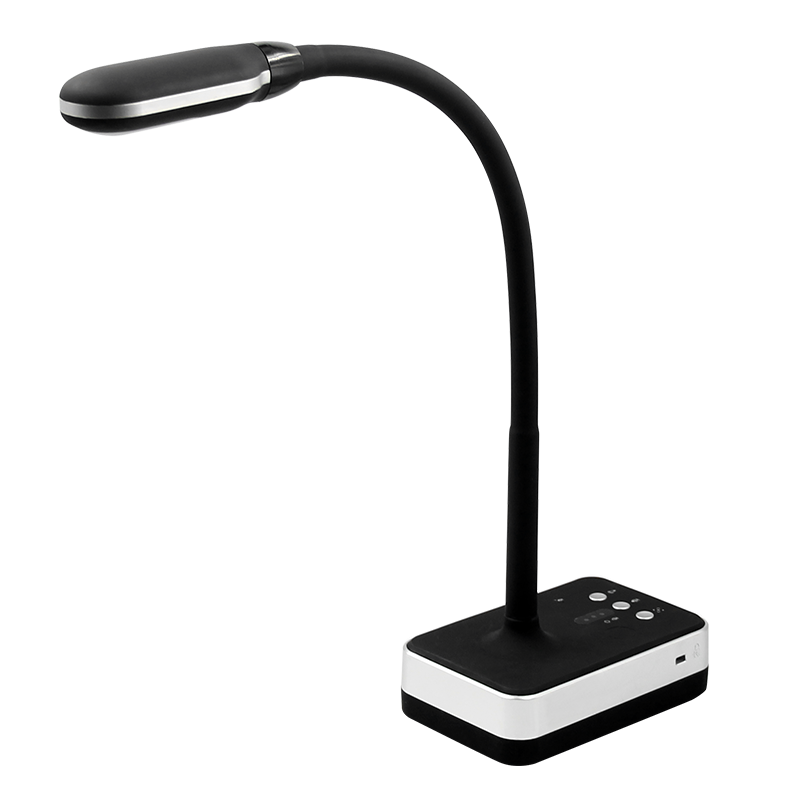
ELOAM VH1000AF A4 10MP High Speed Wireless USB Portable Document Camera Scanner for Education and Classroom in Stock
A 10MP wireless USB document camera for education and classroom use. It supports cable-free demonstration in Denver hybrid classrooms, especially where teachers move between desks, lab benches, and display areas while students join remotely.
- 10MP
- A4
- Wireless + USB
- Education
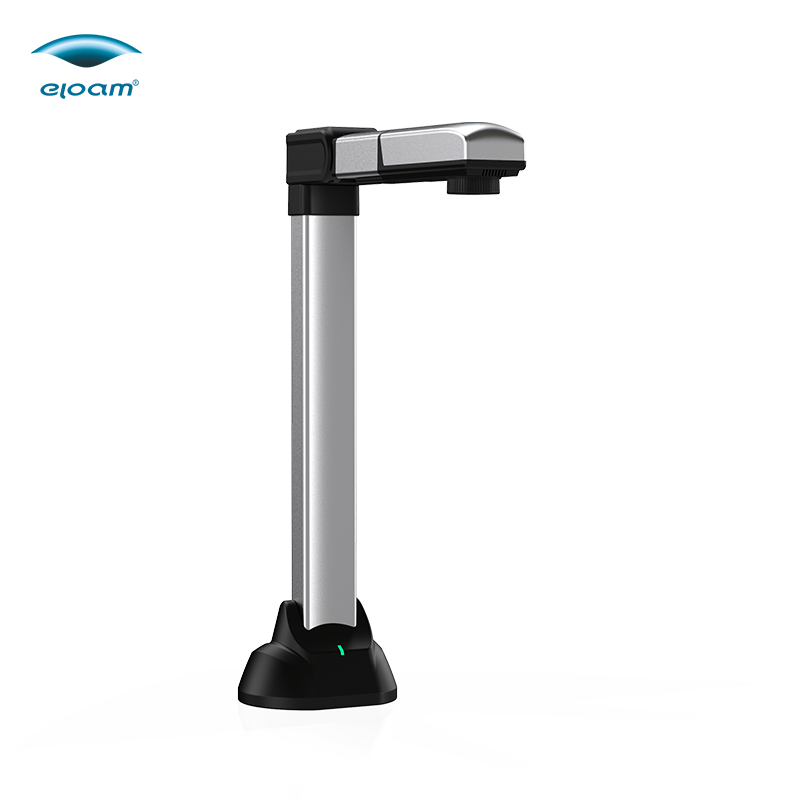
ELOAM Portable High Resolution 5184x3456 High Speed Automatic Book Document Scanner OCR Processing USB Interface A3 Document
High-resolution 5184×3456 capture with automatic book/document scanning and OCR processing over USB. A practical choice for Denver archivists and legal teams digitizing case files, bound references, and fragile records where image detail matters.
- 5184×3456
- A3
- OCR
- USB
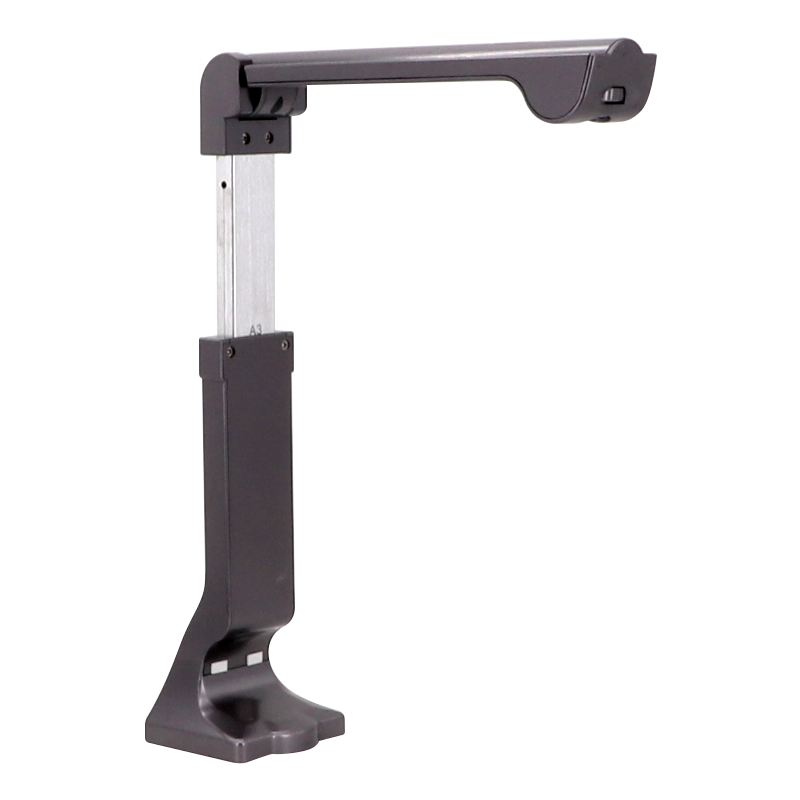
ELOAM S600 10MP CMOS A3 Folding Document Scanner with USB Interface and OCR Camera Gray 1-Year Warranty in Stock 1-Second
A 10MP CMOS A3 folding scanner with USB and OCR, a gray housing, a 1-year warranty, and in-stock availability. It suits Denver field offices and shared service desks where storage space is limited but A3 capture is still required.
- 10MP
- A3
- Folding
- 1-year warranty
Product images are displayed with their original aspect ratio preserved. Confirm model-specific interfaces, software support, and current stock before committing a Denver rollout.
Why Presentation Equipment Is a Procurement Decision, Not an Accessory
Denver buyers rarely search for a camera or scanner in isolation. The real intent is usually a teaching outcome, a records deadline, a counter-service bottleneck, or a distributed team that needs a better review screen.
Denver’s procurement landscape is shaped by a mix of public education, state and local government, professional services, energy, healthcare administration, aerospace, and a distributed technology workforce. A Denver Public Schools classroom, a downtown law firm, a title company handling Front Range property records, a university archive, and a remote consultant in the Denver Tech Center may all buy “presentation equipment,” but they are solving different problems. Semantic search intent matters here: one buyer needs A3 capture for bound books, another needs a portable monitor for a laptop bag, and another needs a visualizer that works with an existing projector and Windows image.
The hidden cost in a Denver rollout is rarely the unit price alone. It is the support exception: a camera that does not match the room’s resolution, a scanner that cannot handle the thickness of a book, a monitor that requires the wrong cable, or a device that works for one department but fails in a different building with a different operating system. Standardization reduces that exception rate. Buyers should compare capture area, software compatibility, connection type, warranty path, and the availability of samples before they compare discounts.
Factory-direct sourcing should not mean transactional sourcing. For a Denver deployment, it should mean traceable production, documented certifications, sample approval, OEM/ODM flexibility, and a warranty process that survives the first year of classroom, counter, or field use. The right supplier helps a Denver buyer answer a more useful question: which capture path removes a manual step from the user’s day while remaining supportable at scale?
Colorado’s dry indoor air and seasonal dust also make basic care part of the buying decision. Lens cleaning, cable strain relief, storage covers, and a spare-unit plan are small details that separate a successful semester from a mid-term replacement request. This is the kind of information gain a generic product page rarely provides.
Denver Buying Signal
The winning proposal is often not the lowest unit price. It is the proposal with the fewest support exceptions, the clearest documentation, and the fastest path from sample approval to a working room.
- Define A3/A4/A2 capture before comparing models.
- Confirm Windows, macOS, USB, Wi-Fi, and SDK needs.
- Request a sample that matches the actual book, form, or room.
Standardize the Capture Area
A4 is enough for forms and IDs, A3 covers contracts, drawings, and open books, and A2 protects large-format maps and engineering sheets. Denver buyers should standardize the largest realistic scan area first, then choose the smallest device that meets it.
Standardize the Software Contract
OCR, PDF/JPEG/TIFF output, Windows support, selected macOS support, and SDK access should be written into the evaluation. Selected models support OCR in up to 180 languages. Confirm the exact language set, output format, and integration path before ordering.
Standardize the Lifecycle
Plan for a 1-year standard warranty, spare units in high-traffic buildings, lens-care routines, and cable management. Denver deployments that treat accessories and support as part of the purchase usually avoid the “one missing cable” delay that stalls a classroom or service counter.
Where Denver Buyers Actually Use These Products
The same model can be right for one Denver environment and wrong for another. These application scenarios show how capture area, mobility, and software compatibility play out across the metro.
K–12 and University Classrooms
Denver-area K–12 districts, CU Denver, MSU Denver, and community-college campuses need visualizers for live annotation, lab demonstrations, and hybrid lessons. A 10MP wireless model such as the VH1000AF reduces cable friction, while the VE1300A3AF supports A3 teaching content and straightforward USB deployment.
City, County, Court, and Permit Counters
City and County of Denver agencies, state offices, courts, and permit counters need fast capture of IDs, forms, and supporting documents. A compact A3 USB scanner or a 3-in-1 camera can reduce manual keying, while SDK support helps integrators connect capture to case-management or records systems.
Law Firms, Title Companies, and Escrow Teams
Downtown Denver’s legal and title ecosystem handles deeds, plats, contracts, and case files that often exceed A4. A3 capture is safer for folded pages and property records. A high-resolution book scanner or portable A3 document scanner helps teams create searchable PDFs without sending sensitive originals off-site.
Libraries, Archives, and Cultural Collections
Denver Public Library branches, university archives, and cultural collections need non-destructive book scanning. V-shape cradles, preview screens, and high-resolution capture protect spines while improving OCR quality. The BS3000P and portable 5184×3456 book scanner are strong starting points for fragile or bound materials.
AEC, Energy, and Front Range Field Offices
Architecture, engineering, construction, and energy teams in the Front Range often need A3/A2 capture for drawings, permits, and site documentation. A folding A3 scanner saves desk space, while a portable IPS monitor gives field reviewers a second screen for drawings, submittals, and inspection notes.
Distributed Teams and Mobile Workstations
Denver’s remote and hybrid workforce needs lightweight presentation and review tools. The 14-inch Type-C portable monitor turns a laptop into a dual-screen workstation for audits, sales reviews, and training. A 3-in-1 document camera supports pop-up presentations and temporary service desks without a fixed AV room.
Local Trends Shaping Presentation Equipment Purchases
Denver procurement teams are not just refreshing hardware. They are tightening documentation, reducing support variance, and asking suppliers to prove that a device works in the real room—not only on the specification sheet.
Hybrid Classrooms Have Become Standard Infrastructure
Denver schools and universities are treating visualizers as part of the teaching infrastructure, not an optional extra. Buyers now ask whether the camera works with existing displays, learning-management workflows, and video-conference tools before they ask about megapixels.
OCR Is Becoming a Records-Management Requirement
Searchable PDFs and OCR text layers are moving from “nice to have” to a procurement expectation. Denver records teams want capture devices that output usable files, support selected language sets, and integrate with document-management systems instead of creating another manual filing step.
Public-Sector Buyers Want Fewer, Better-Documented Suppliers
Denver-area agencies and districts are consolidating vendor lists. A supplier that can provide ISO 9001 documentation, CE/FCC details, factory verification, warranty terms, and clear Incoterms is easier to qualify than a low-cost seller with incomplete paperwork.
The Laptop Is No Longer the Only Workstation
Denver’s distributed workforce is normalizing portable monitors for field reviews, home offices, and hot-desking. Buyers want Type-C plug-and-play, 1080p IPS panels, and Windows/Mac compatibility without adding a docking station to every seat.
Grant and Budget Cycles Reward Evidence
When Denver buyers use grant, capital, or department budgets, they need evidence: pilot results, sample approval notes, warranty coverage, and a clear total cost of ownership. A factory that supports sample evaluation and documentation reduces the risk of a late-cycle change request.
Lifecycle and Sustainability Influence Device Choice
Denver buyers are asking more often about repairability, packaging, spare parts, and responsible disposal. A folding scanner that fits a small office, a monitor that extends an existing laptop, and a visualizer that avoids a full AV replacement can all support a lower-waste procurement strategy.
Illustrative Denver Evaluation Priorities
This planning heuristic reflects the questions that commonly appear in Denver-area presentation-equipment discovery. It is not a market-size estimate or a substitute for your own requirements workshop.
Use this visual to structure a Denver requirements meeting, then replace the percentages with your own room count, document volume, software constraints, and support model.
Denver Use Case to Product Match
Use this matrix as a starting point for a sample request. The final configuration should be confirmed against the actual document size, software stack, room layout, and delivery window.
| Denver Use Case | Recommended Model | Why It Fits | Procurement Note |
|---|---|---|---|
| Classroom demonstration and hybrid teaching | VE1300A3AF / VH1000AF | 13MP A3 USB teaching capture or 10MP wireless classroom flexibility. | Confirm display connection, software, and whether Wi-Fi policy allows wireless use. |
| Bound-book and archive digitization | BS3000P | 28MP V-shape book scanner with CMOS capture and LCD preview. | Plan operator training and test with the thickest book in the collection. |
| High-volume records or library intake | YL1020 | Dual-lens A3 OCR with 2D code and SDK support. | Confirm barcode workflow and backend integration before the pilot. |
| Mobile or hot-desk productivity | 14-inch portable IPS monitor | 1080p Type-C plug-and-play for Windows and Mac laptops. | Check laptop port type, power delivery, and carrying-case requirements. |
| Temporary service counters and training rooms | 3-in-1 5MP document camera | Handheld/FPDA control and A3 overhead capture without a fixed rig. | Confirm mounting, lighting, and available USB ports at the counter. |
| Fragile records and legal files | Portable 5184×3456 book scanner | High-resolution capture with OCR processing and USB interface. | Test page curvature, OCR quality, and file naming rules. |
| Shared office with limited storage | S600 | 10MP A3 folding scanner with USB, OCR, and 1-year warranty. | Confirm folding clearance, desk space, and spare-unit plan. |
| Large-format map or drawing review | A3/A2 scanner family | Larger capture area protects folded plans and engineering sheets. | Measure the largest real document before selecting A3 or A2. |
Why a Factory-Direct Exporter Can Reduce Risk for Denver Buyers
Denver buyers need more than a product photo. They need evidence that the supplier can support samples, documentation, customization, export terms, and after-sales questions without adding weeks to the project.
Imaging R&D Since 2005
Shenzhen Hobry Technology Co., Ltd. was founded in 2005 and has more than 20 years of imaging R&D and manufacturing experience. The company controls industrial design, optics, firmware, software, production, and global sales in-house, which helps Denver buyers resolve configuration questions faster.
8 Production Lines and a 5,000–10,000 m² Facility
The factory operates 8 production lines in a 5,000–10,000 m² facility with 101–200 employees. For a Denver rollout, that matters because sample approval, pilot production, and bulk delivery can be managed through one manufacturing chain instead of multiple trading intermediaries.
OEM, ODM, Buyer Label, and SDK
OEM, ODM, design service, and buyer-label service are available, including logo printing, custom packaging, housing color, firmware, and software customization. Selected models offer an SDK for system integration, which is useful for Denver integrators serving libraries, courts, banks, and records departments.
Intertek Verification and Certification Depth
The factory has been verified onsite by Intertek. The company holds ISO 9001 quality management certification, a National High-Tech Enterprise certificate, and software copyright registrations, with 16 certificates in its capability set. Products are CE certified, with FCC available on selected models.
Export Documentation and Flexible Terms
Accepted payment terms include T/T, L/C, PayPal, and Western Union in USD. Delivery terms include FOB, CFR, CIF, and EXW. For Denver-bound shipments, the practical path is usually FOB Shenzhen or CFR/CIF to a U.S. port, with inland freight coordinated through the buyer’s broker to Colorado.
Samples, Warranty, and After-Sales Support
Most models are available as single-unit samples for evaluation. Bulk MOQ depends on the model and customization level and is confirmed in the quotation. A standard 1-year warranty, sample approval process, and technical support path help Denver buyers move from pilot to rollout with fewer unknowns.
Imaging manufacturing experience since 2005.
Optics, firmware, software, and production under one roof.
Supports sample builds, pilot runs, and bulk orders.
5,000–10,000 m² manufacturing footprint.
Quality, compliance, and enterprise credentials.
Selected models support up to 180-language OCR.
How This Denver Guide Was Prepared
This is not a copied catalog page. It combines factory capability data, product specifications, Denver-specific use cases, and a procurement framework that helps buyers compare total deployment risk.
Experience: The guidance reflects factory-floor realities: how sample approval works, why cable and lens care matter, how book thickness affects scanning, and why a classroom visualizer must fit the existing display and software environment. The supplier’s history since 2005, 8 production lines, and international trade-show participation provide context for that experience.
Expertise: The recommendations separate capture area, optics, OCR, connectivity, SDK access, and warranty path. For example, a 28MP V-shape book scanner is not automatically better than a 10MP folding A3 scanner; the right choice depends on whether the Denver user is digitizing fragile bound books, scanning forms at a counter, or moving between classrooms.
Authoritativeness and trust: The factory has been verified onsite by Intertek and holds ISO 9001, National High-Tech Enterprise, and software copyright credentials. Products are CE certified, with FCC available on selected models. The standard warranty is 1 year. Payment and delivery terms are stated clearly so Denver buyers can compare offers on the same basis.
Information gain: The added value is the Denver procurement lens: local application scenarios, a use-case matrix, an illustrative evaluation model, common buyer questions, and a sample-first risk-reduction path. These details help a Denver buyer move from a vague search to a documented requirement.
- Specifications should be confirmed per model before purchase.
- Sample evaluation is recommended before a Denver-wide rollout.
- Public-sector buyers should verify final compliance requirements with their own procurement team.

 Factory verified onsite by Intertek
Common Local Procurement Questions
These are the questions Denver buyers typically ask before requesting samples, comparing landed cost, or preparing a public-sector vendor review.
Is this a presentation equipment factory or a trading company?
Shenzhen Hobry Technology Co., Ltd. is a manufacturer with an integrated export function. Founded in 2005, the company operates 8 production lines in a 5,000–10,000 m² facility with 101–200 employees. The factory has been verified onsite by Intertek, which helps Denver buyers distinguish a manufacturing partner from a pure trading intermediary.
Can Denver buyers order samples before a full rollout?
Most models are available as single-unit samples for evaluation. Bulk MOQ depends on the model and customization level and is confirmed in the quotation. A practical Denver pilot usually starts with one or two rooms or counters, tests the actual documents and software, and then scales after acceptance criteria are documented.
How are products shipped to Denver and which terms apply?
Accepted delivery terms are FOB, CFR, CIF, and EXW. Denver is an inland market, so the common path is FOB Shenzhen or CFR/CIF to a U.S. port, followed by inland freight to Colorado through the buyer’s broker. Air freight to DEN is also possible for samples or urgent pilot units. Payment terms include T/T, L/C, PayPal, and Western Union in USD.
Which models fit Denver schools, libraries, and training rooms?
For teaching, the VE1300A3AF and VH1000AF are strong starting points. For libraries and archives, the BS3000P V-shape book scanner and the portable 5184×3456 book scanner are more appropriate. For flexible training rooms and pop-up counters, the 3-in-1 5MP document camera offers overhead capture without a permanent rig.
What OCR and operating-system support is available?
Selected models support OCR in up to 180 languages and output formats such as PDF, JPEG, and TIFF. Windows is supported across the range, while macOS is supported on selected large-format models. Confirm the exact language set, output format, and software compatibility for the specific model before ordering.
What certifications support public-sector review in Denver?
Products are CE certified, with FCC available on selected models. The company holds ISO 9001 quality management certification, a National High-Tech Enterprise certificate, software copyright registrations, and 16 certificates in its capability set. The standard warranty is 1 year. Denver buyers should still confirm their own agency’s final documentation requirements.
Can you customize hardware, software, packaging, and SDK access?
Yes. OEM, ODM, design service, and buyer-label service are available, including logo printing, custom packaging, housing color, firmware, and software customization. An SDK is available on selected models for system integration. This is useful for Denver integrators building library self-service, court intake, or records-management workflows.
How can a Denver buyer reduce first-order risk?
Start with a written requirement: largest document size, daily volume, operating system, connection type, OCR need, software integration, and target delivery window. Request a sample, test the real documents and room, confirm the warranty and spare-unit plan, then scale in phases. This sample-first approach is usually faster than correcting a mismatched bulk order later.
Request a Denver-Specific Configuration Review
Share your scan area, room count, software stack, target delivery window, and whether you need OEM branding or SDK access. The factory team can respond with model recommendations, a sample plan, and export terms for Denver-bound delivery.