Portable Visualizer Wholesaler & Wholesalers for the Columbus Market
Factory-direct portable document cameras, classroom visualizers, book scanners, and USB document scanners for Columbus schools, libraries, AV/IT resellers, healthcare groups, and public-sector procurement teams.
Eight Portable Visualizer and Document Scanner Models for Columbus Wholesale Buyers
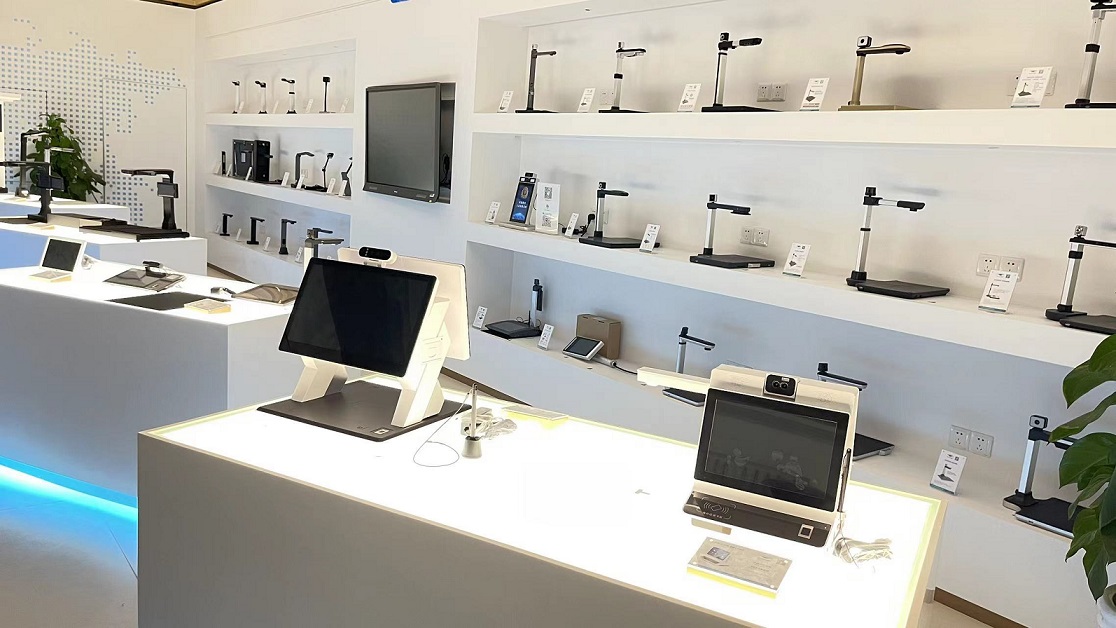
These eight models cover the most common Columbus sourcing briefs: A3 classroom capture, A4 wireless teaching, fast book scanning, OCR archiving, auto-focus office scanning, and intelligent archive workflows. Product URLs are preserved exactly as supplied.
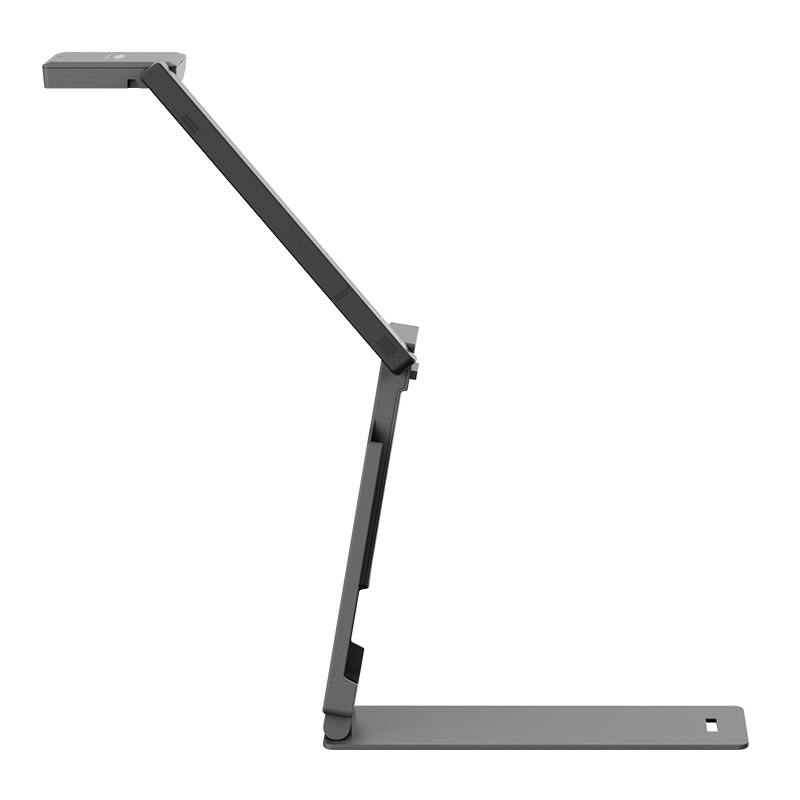
ELOAM VE1300A3AF 13.0MP Ultra HD USB Portable Document Camera & Scanner
Ultra HD A3 capture for classroom demonstrations, STEM specimens, and detailed printed materials. A practical upgrade path for schools that need clearer projection than entry-level visualizers provide.
- 13.0MP
- A3
- USB
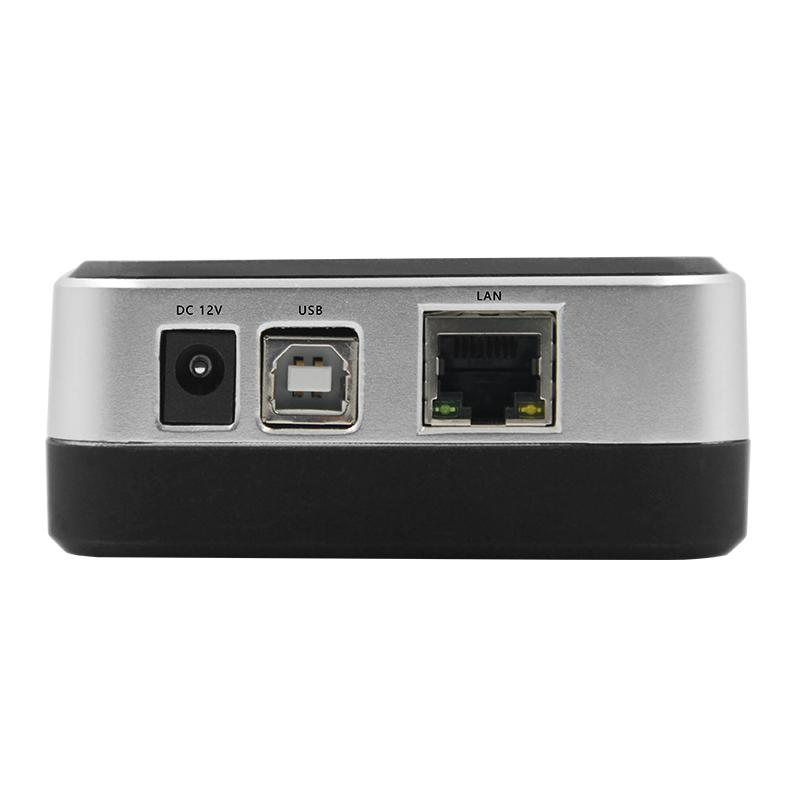
ELOAM VH800A3AF 8MP A3 Portable USB Document Scanner
Fast A3 USB scanning for media centers, school libraries, and administrative offices that need quicker page handling and convenient capture of bound materials.
- 8MP
- A3
- 1S capture
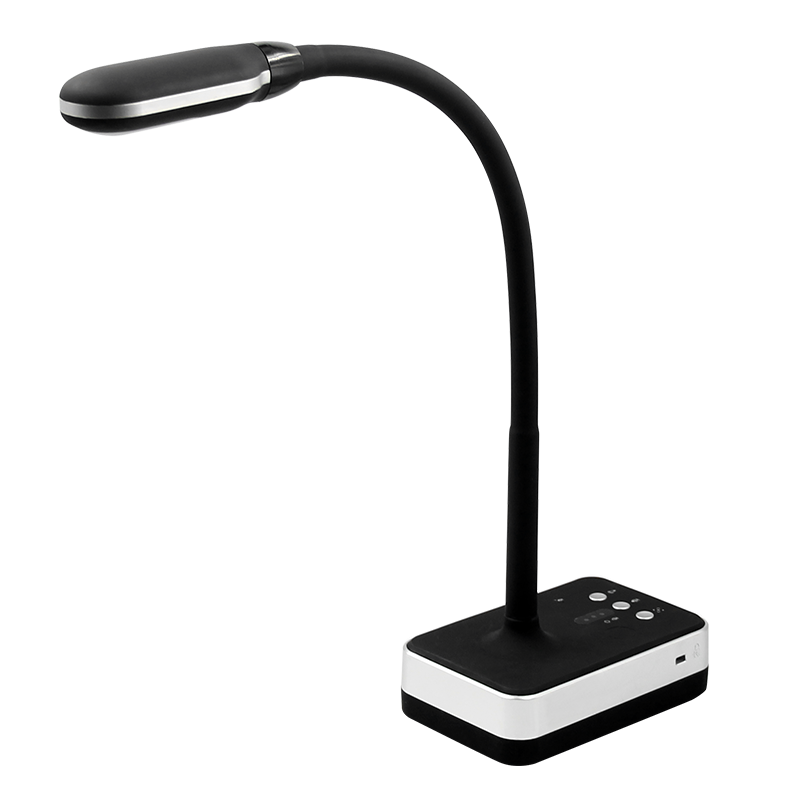
ELOAM VH1000AF A4 10MP Wireless USB Portable Document Camera Scanner
A4 wireless and USB capture for mobile teaching, small-group instruction, and training rooms where cables would limit movement or room flexibility.
- 10MP
- A4
- Wireless
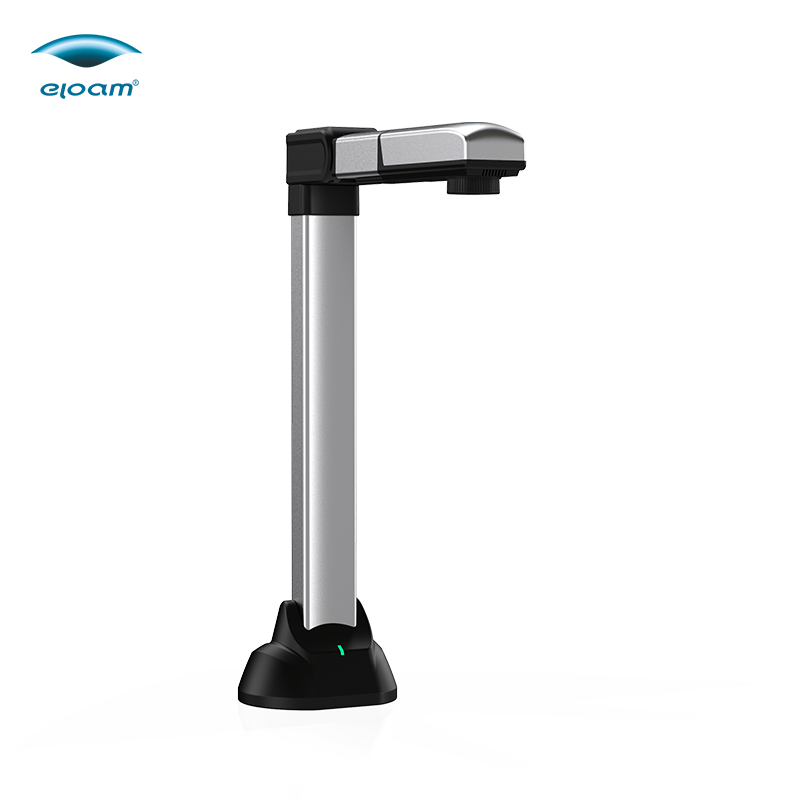
Portable High Resolution 5184×3456 A3 High-Speed Book Document Scanner
High-resolution A3 capture with OCR processing and USB interface for archive projects, bound documents, and searchable PDF workflows.
- 5184×3456
- OCR
- A3
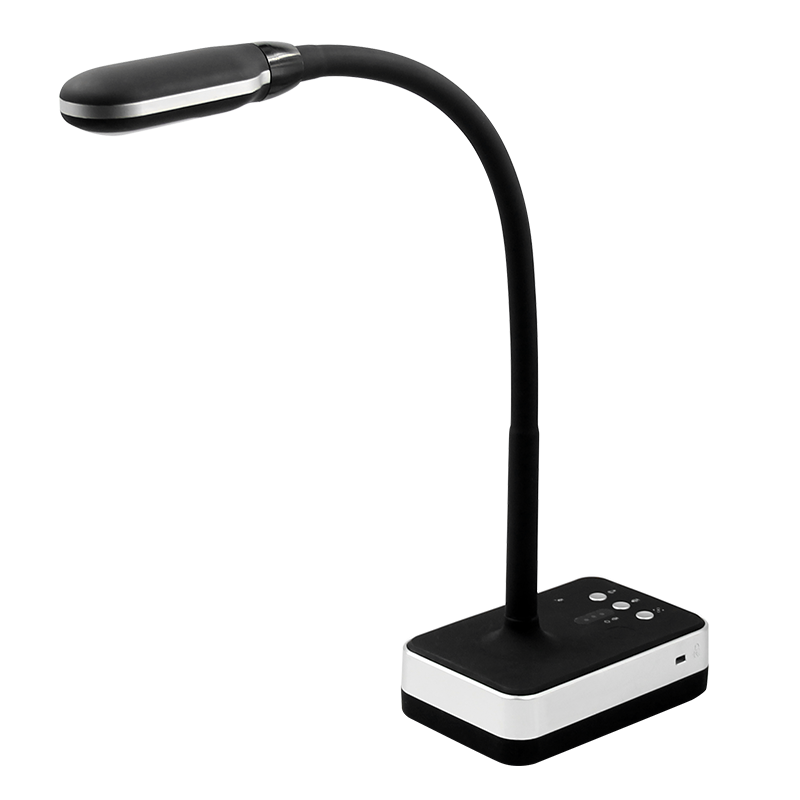
ELOAM VH802A3AF 8MP A3 USB Document Camera OCR Scanner
An 8MP A3 OCR scanner for general office capture, classroom display, forms, and document-camera workflows that need a practical balance of clarity and budget.
- 8MP
- A3
- OCR
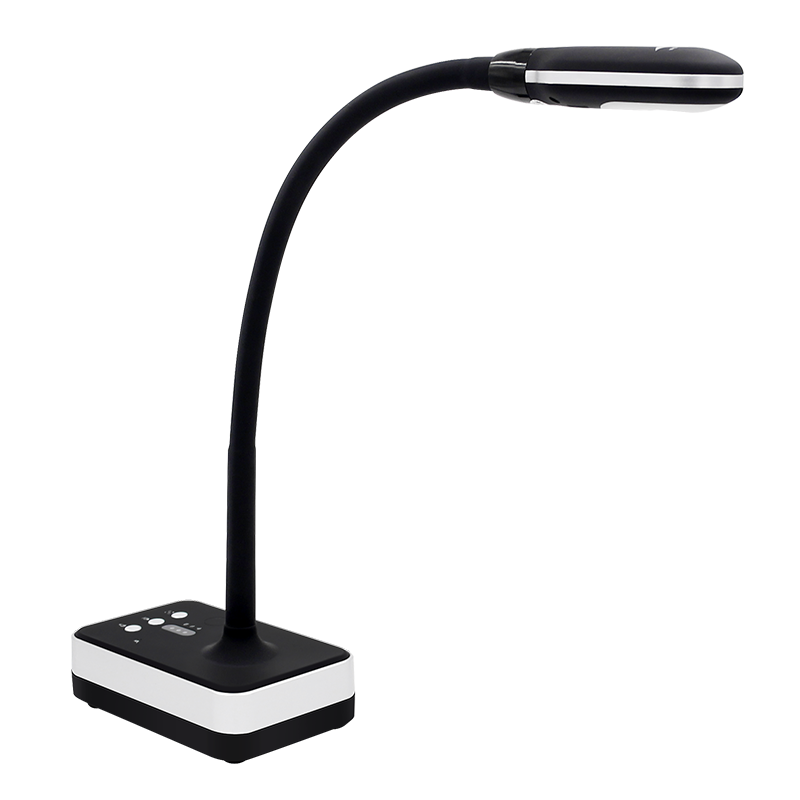
ELOAM VW1000A3AF High-Speed Portable A3 Intelligent Archive Document Camera Scanner
Designed for archive-oriented capture where A3 coverage, automatic workflows, and USB connectivity can reduce repetitive handling of files, permits, and records.
- A3
- Archive
- USB
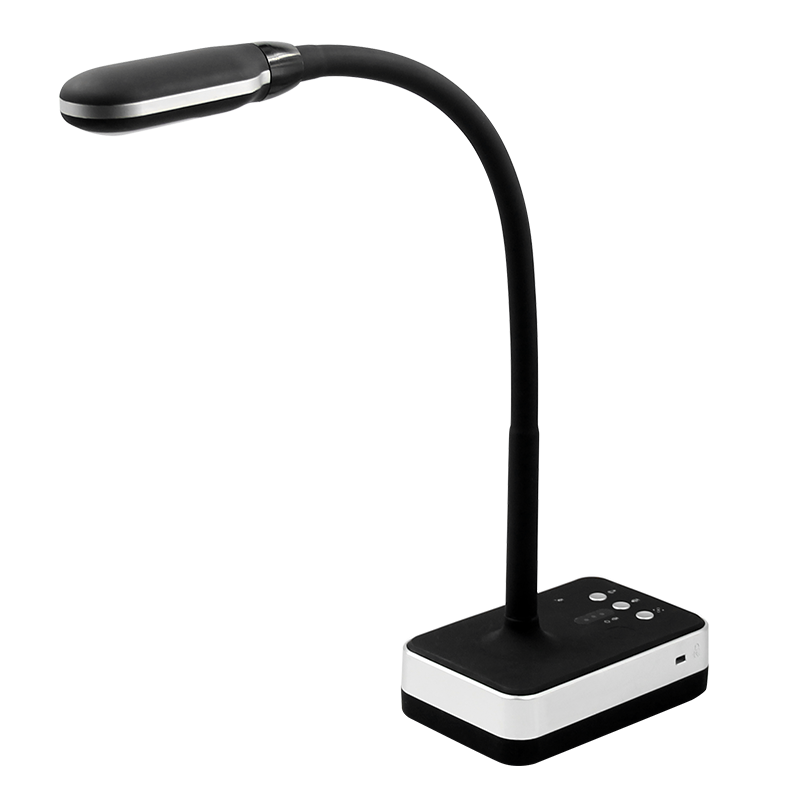
ELOAM VH1000A3AF Smart Book Scanner Portable USB Document Camera
A teacher-friendly portable book scanner and document camera for classroom reading, workbook display, and shared instructional materials.
- Smart book
- USB
- Teachers
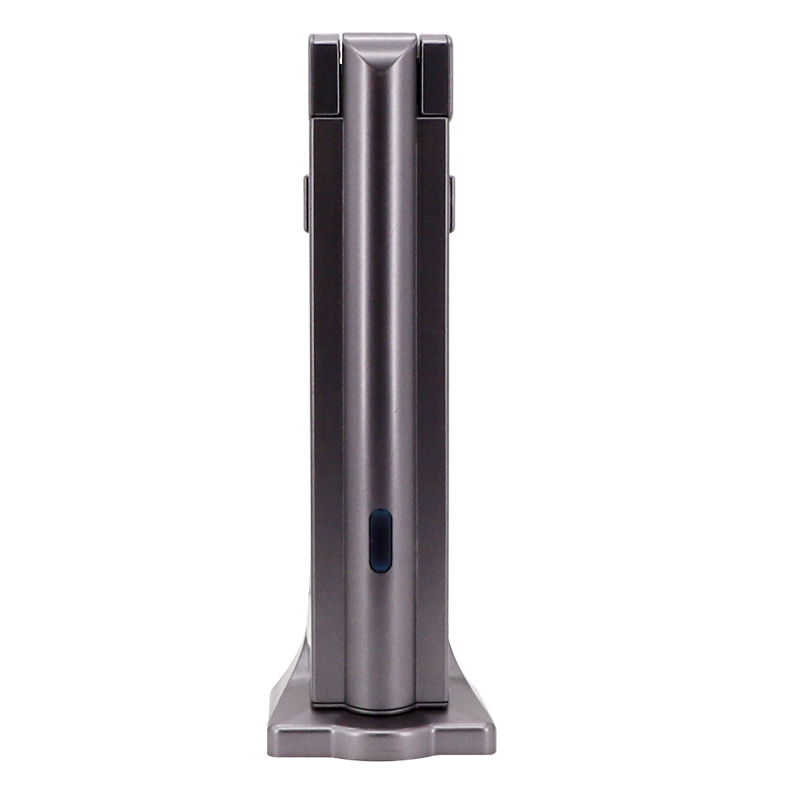
ELOAM Auto-Focus A3 10MP Portable Document Scanner
Auto-focus A3 capture with 1-second scan speed and continuous scanning support for Windows 10/11 offices, labs, and service counters.
- 10MP
- Auto-focus
- 1S scan
Need a mixed-model wholesale quote or private-label configuration for Columbus?
Send an InquiryA Columbus-Focused Guide to Wholesale Portable Visualizers and Document Cameras
Columbus is not a single buying market. A reseller in Dublin may be equipping a K-12 STEM lab; an AV integrator in New Albany may be designing a hybrid training room; a procurement officer in downtown Columbus may be digitizing permit files or clinic intake forms. Each buyer needs a portable visualizer for a different reason. The common requirement is a device that packs up, connects quickly, and produces a clean image without requiring a dedicated AV room. For a wholesaler, that means model selection must be driven by scan area, resolution, frame rate, OCR capability, operating system support, and the documentation needed for public-sector purchasing.
This page is written from the perspective of a factory-direct imaging manufacturer that has served B2B buyers since 2005, including markets in North America, Southeast Asia, Southern Europe, and the Middle East. It is designed to give Columbus distributors, AV/IT resellers, school business officials, library systems, healthcare groups, and government buyers more useful information than a basic catalog page. The goal is to clarify how portable visualizers and document scanners are actually deployed in Central Ohio, which specifications affect acceptance, and how to reduce risk when ordering samples or configuring private-label hardware.
A note on terminology: in Columbus procurement conversations, “portable visualizer” may refer to a classroom document camera, an overhead USB scanner, a portable book scanner, or a compact A3 capture device used for records. All four categories appear below. Model names and URLs are kept exactly as listed so buyers can compare original product details. For a tailored shortlist, share your deployment scenario, required scan area, quantity, software environment, and target delivery window through the inquiry button.
Where Columbus Organizations Actually Use Portable Visualizers
Columbus deployments vary by room size, document type, software stack, and procurement rules. These are the use cases that most often determine whether an 8MP, 10MP, or 13MP model is the better fit.
K-12 classrooms and STEM labs
In districts across Franklin County, portable visualizers are used to project worksheets, science experiments, math manipulatives, and student work. A3 capture is valuable for maps, diagrams, and group exercises; 8MP to 13MP models balance clarity and budget. USB models simplify deployment in classrooms with existing Windows laptops or document-camera software.
Higher education and hybrid lecture spaces
Universities and colleges around the Ohio State University corridor need document cameras for live demonstrations, lab walkthroughs, and recorded lectures. 30FPS and 13MP options help maintain legibility on large displays; selected models support OCR and imaging software workflows. Buyers should confirm capture software and OS compatibility before standardizing a room design.
Libraries, historical societies, and archives
Portable book scanners help libraries, museums, and local-history groups digitize bound books, newspapers, and fragile records without forcing a flatbed platen onto a spine. Model selection should focus on page flattening, A3 capture, OCR output, and whether a V-shaped cradle or manual page handling fits the material.
Healthcare, dental, and clinic front desks
Clinics in Columbus use compact A4 scanners and document cameras to capture insurance cards, referrals, signed forms, and paper records at the point of service. A small footprint, fast capture, and clear PDF/JPEG output are usually more important than maximum resolution. Teams should validate privacy-related workflow requirements with their software vendor.
Financial services, insurance, and back office
Branches and operations teams often need repeatable capture of IDs, applications, correspondence, and supporting documents. Auto-focus, one-second scanning, and OCR in selected models can reduce manual indexing. For procurement, CE certification, a one-year warranty, and stable model availability are practical evaluation points.
Government, utilities, and mobile field teams
Public agencies, utilities, and contractors use portable scanners for permits, plans, inspection forms, and field documentation. A3 and A2-capable models help with drawings and folded sheets; portable units are useful where a flatbed cannot be moved. Private-label accessories, SDK integration, and spare-parts planning should be discussed during the quote.
Columbus Market Trends Shaping Portable Visualizer Procurement
The observations below are practical sourcing patterns seen in North American buyer conversations and RFQ requirements. They are qualitative, not statistical market research. They are useful because they translate local operating conditions into specification decisions.
Hybrid learning is normal, but AV budgets are scrutinized
Schools and training teams want devices that move between rooms and work with existing laptops and displays. Foldable arms, USB connectivity, and simple software reduce setup time and training burden. Buyers increasingly ask for models that can be shared across grade levels rather than locked to one room.
Qualitative sourcing emphasis: highUSB plug-and-play and software standardization
Columbus IT teams often prefer devices that appear as a standard camera or scanner to reduce driver support tickets. Windows 10/11 support is a baseline question; macOS support is requested for selected models and must be confirmed by SKU. Managed-device permissions and local software rights should be checked before a district-wide rollout.
Qualitative sourcing emphasis: highSearchable records and OCR-driven workflows
Public agencies, libraries, and healthcare groups are moving from scanned images to searchable PDFs. Selected models support OCR in up to 180 languages and output PDF, JPEG, and TIFF. The practical question is not simply “does it OCR?” but which language packs, output formats, and batch steps are supported in the exact software bundle.
Qualitative sourcing emphasis: highPortability, multi-use rooms, and distributed teams
Office footprints in Central Ohio continue to flex. A visualizer that folds into a cabinet or travel case supports hot-desking, temporary clinics, pop-up training, and shared conference rooms. Resellers can differentiate by bundling carrying cases, spare cables, and setup guides for end users.
Qualitative sourcing emphasis: highHow to Specify a Portable Visualizer for a Columbus Deployment
Start with the document, not the camera. A kindergarten worksheet and an A3 engineering drawing impose different requirements. Use this sequence to shortlist: capture area, resolution, capture speed, connectivity, OCR, software, warranty, and procurement documentation.
| Columbus buying scenario | Recommended models | Why it fits | Confirm before order |
|---|---|---|---|
| K-12 classroom demonstrationsA3 projection of worksheets, maps, and lab work | VE1300A3AF, VH1000A3AF, VH802A3AF | Portable A3 capture, teacher-friendly handling, and clear display for existing classroom projectors or panels. | Software permissions, UVC-style video behavior, projector resolution, warranty terms. |
| Wireless mobile teachingShared rooms and roaming instruction | VH1000AF | A4 wireless and USB capture for small-group work where cable runs limit movement between tables. | Network restrictions, wireless setup process, latency tolerance, driver or app requirements. |
| Fast book and media captureLibrary and media-center digitization | VH800A3AF, VH1000A3AF | 8MP A3 capture with speed-oriented workflows for bound materials, workbooks, and reference pages. | Book size, page curvature, OCR output, capture software, and lamp or cradle requirements. |
| Records and archive OCRSearchable PDFs for public files and permits | 5184×3456 A3 book/document scanner, VW1000A3AF | High-resolution A3 capture and OCR-oriented processing for records, drawings, and mixed document sets. | Language packs, PDF/JPEG/TIFF output, file naming, expected daily volume, and staff workflow. |
| General office scanningCounter capture, forms, and correspondence | VH802A3AF, Auto-Focus A3 10MP | Practical A3 or A4 overhead capture with auto-focus and fast scan speed for repetitive office tasks. | Windows 10/11 version, auto-crop behavior, continuous-scan workflow, and local spare-cable plan. |
| Teacher book scanning and reading supportPortable classroom reading station | VH1000A3AF, VH800A3AF | Smart book-scanner and portable document-camera functions for shared reading materials and teacher-led display. | Physical arm position, table space, zoom needs, software simplicity, and storage or cart design. |
- Define the scan area first. A4 may be enough for forms; A3 is safer for maps, diagrams, and bound pages.
- Separate live display from OCR. A classroom visualizer and an archive scanner may share a camera head but need different software and output testing.
- Confirm operating system support by SKU. Windows is supported across the range; macOS is available on selected large-format models.
- Plan the accessory kit. Cables, carrying cases, spare parts, and setup guides matter when devices move between rooms or sites.
- Request the right documentation. Model-level CE status, selected FCC availability, ISO 9001 evidence, warranty terms, and packaging details should appear in the quote package.
- Test with the actual user workflow. A sample should be tested by a teacher, clerk, librarian, or clinician—not only by an IT reviewer.

Why Hobry Is a Practical Wholesale Partner for Columbus Resellers
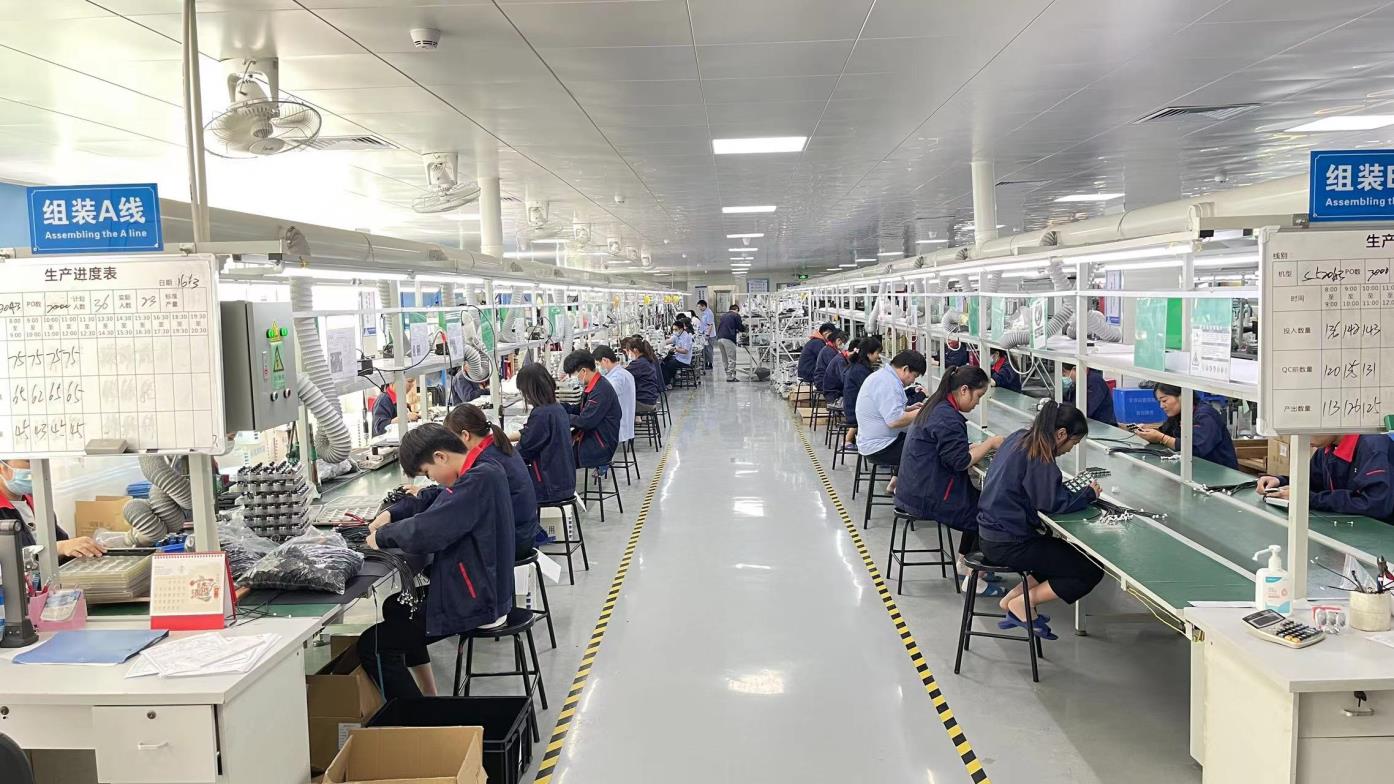
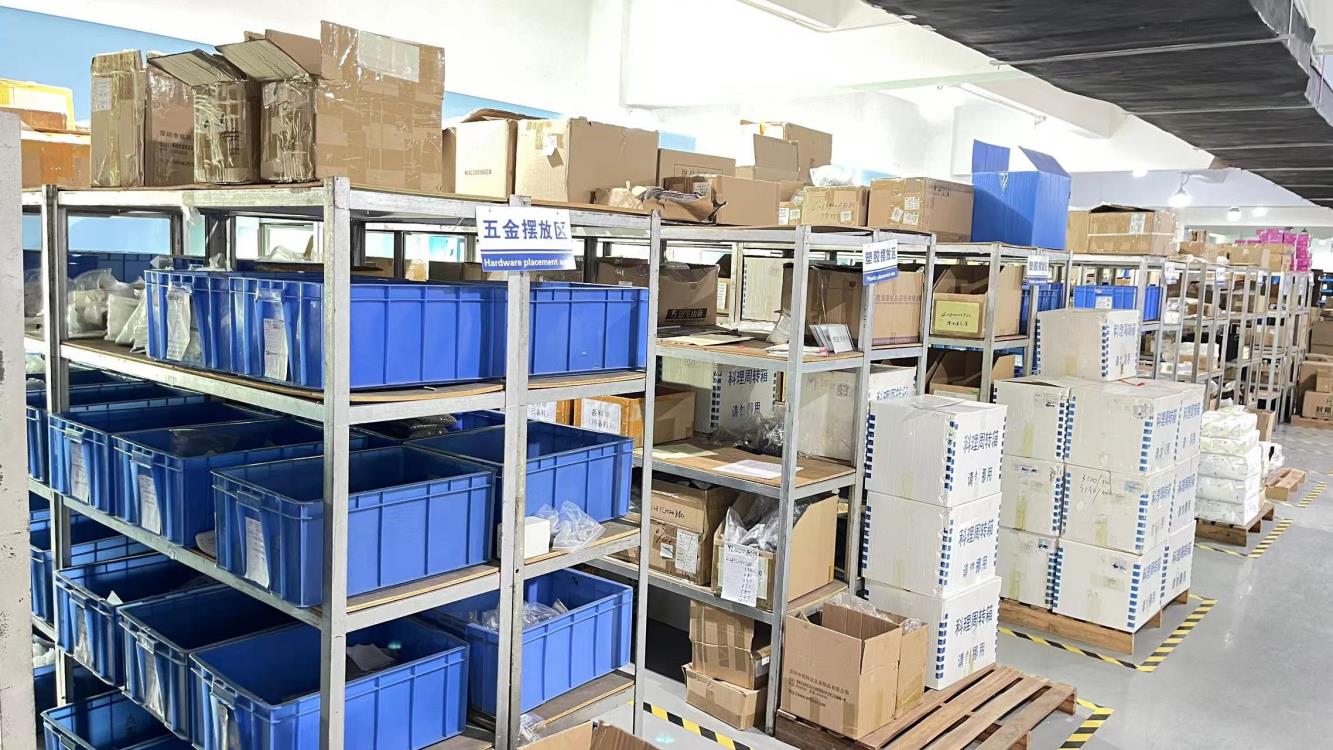
Shenzhen Hobry Technology Co., Ltd. has manufactured document scanners, book scanners, document cameras, and portable monitors since 2005. The company operates eight production lines in a 5,000–10,000 m² facility and employs approximately 101–200 people. Its factory has been verified onsite by Intertek, and the business holds ISO 9001, a National High-Tech Enterprise certificate, and software copyright registrations. Products are CE certified, with FCC available on selected models. These are the details a Columbus reseller needs when responding to a school, hospital, or agency RFQ.
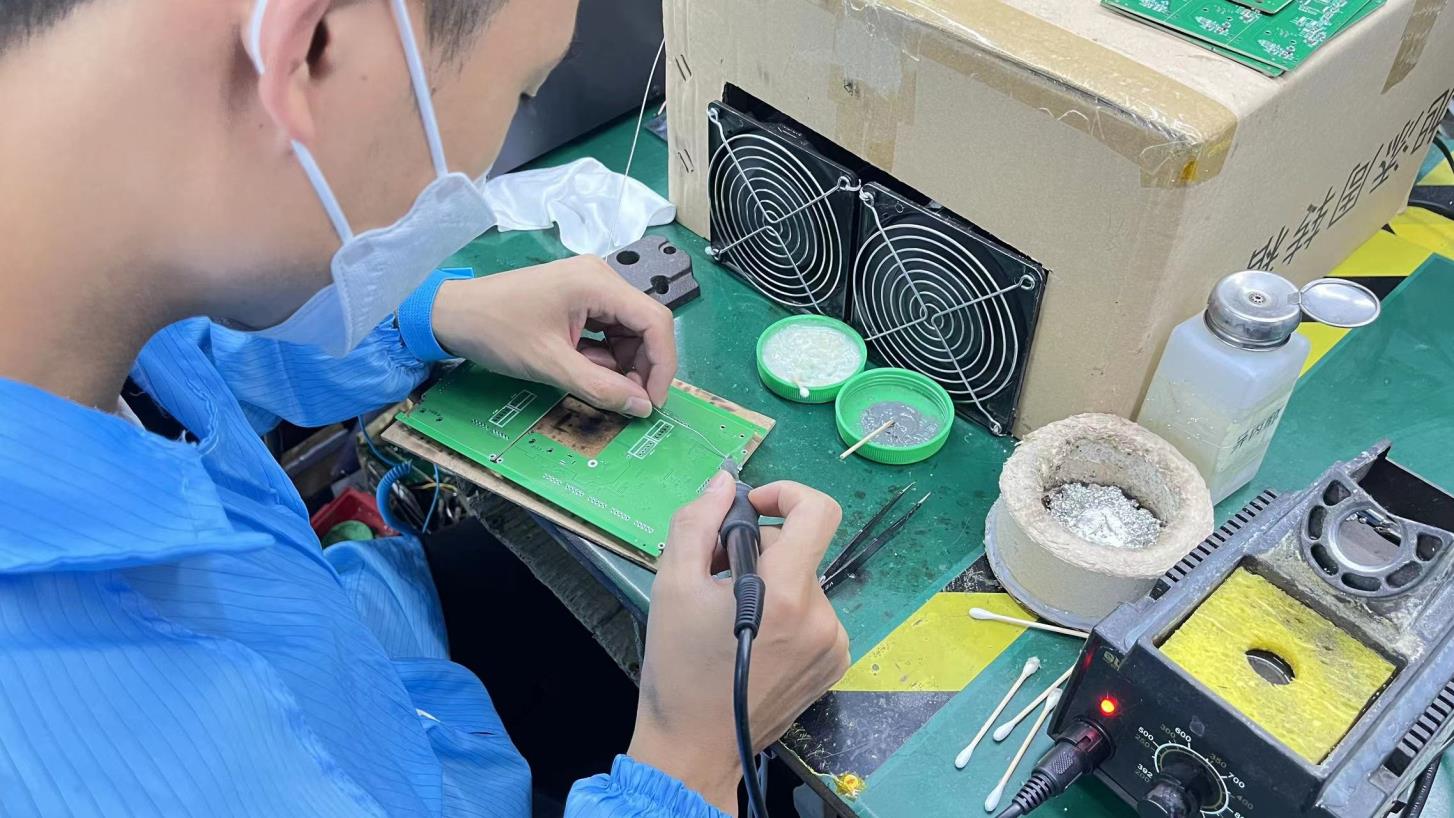
The company is a manufacturer with an integrated export function, not a trading company that simply relabels finished goods. In-house capabilities include industrial design, optics and firmware R&D, software development, production, quality control, and OEM/ODM services. Selected models support OCR in up to 180 languages and output formats such as PDF, JPEG, and TIFF. Windows is supported across the range, while macOS support is available on selected large-format models and should be confirmed per SKU.
Factory-direct cost and supply planning
Eight production lines and a 5,000–10,000 m² factory give Columbus resellers a clear manufacturing source for repeat orders, model comparisons, and accessory planning.
Engineering and SDK support
In-house optics, firmware, and software teams support integration questions, selected SDK requests, and buyer-specific documentation for AV/IT projects.
OEM / ODM without superficial relabeling
Logo, packaging, housing color, firmware, and software customization are available. Columbus private-label brands can plan a differentiated product without overlooking lead time and MOQ implications.
Quality and procurement documentation
ISO 9001, Intertek factory verification, CE certification, selected FCC availability, software copyrights, and a standard one-year warranty support buyer due diligence.
From Columbus Requirement to Production in Five Clear Steps
With in-house optics, firmware, and software teams, customization can address real product and packaging requirements rather than only adding a label.
Requirement review
Scan size, resolution, OS, interface, volume, compliance, and target market.
Design and engineering
Housing, logo, firmware, SDK, packaging, and software UI customization.
Sample approval
Pre-production samples tested against the buyer’s acceptance criteria.
Mass production
Production lines with incoming, in-process, and finished-product quality control.
Delivery and support
FOB, CFR, CIF, or EXW shipping terms plus after-sales technical support.

Transparent sourcing for Columbus buyers
Hobry is a Shenzhen-based manufacturer with an integrated export team. We do not claim a local Columbus warehouse or a local retail store. For Columbus buyers, we quote factory-direct wholesale from China and support samples, OEM/ODM, export documentation, and shipping terms such as FOB, CFR, CIF, and EXW. This transparency helps buyers plan freight, duties, inspection, and delivery expectations correctly.
Columbus Procurement FAQ: Portable Visualizers, Document Cameras, and Wholesale Orders
These answers address the practical questions that occur during first-time wholesale sourcing, sample evaluation, and public-sector due diligence.
Is Hobry a local Columbus wholesaler or an overseas manufacturer?
Can Columbus resellers order one sample before a bulk order?
Which models fit K-12 classrooms and teacher use?
Do you offer OEM/ODM for Columbus AV and IT brands?
Which OCR languages and operating systems are supported?
What certifications should Columbus procurement teams request?
What payment and shipping terms do you accept?
How should a Columbus buyer request a mixed-model quote?
Build a Columbus-Ready Wholesale Shortlist
Share your classroom, library, clinic, office, or mobile-field requirement. We will respond with model recommendations, sample guidance, and a quotation path for portable visualizers and document scanners.
Send an InquiryPlease include quantity, scan area, OCR needs, operating system, branding preference, and target ship date for a faster review.