Executive Sourcing View
Why Overhead Capture Is Becoming a U.S. Procurement Category
For U.S. buyers, the question is no longer simply “how many megapixels?” It is whether a document camera can reduce handling, support live teaching, produce searchable records and survive daily use across a district, branch network or reseller fleet.
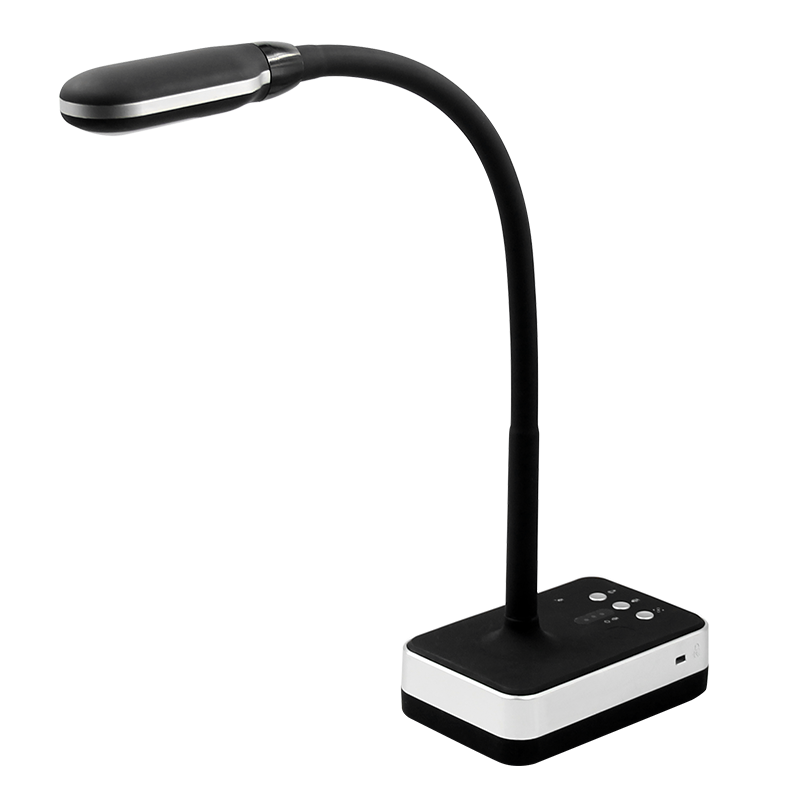
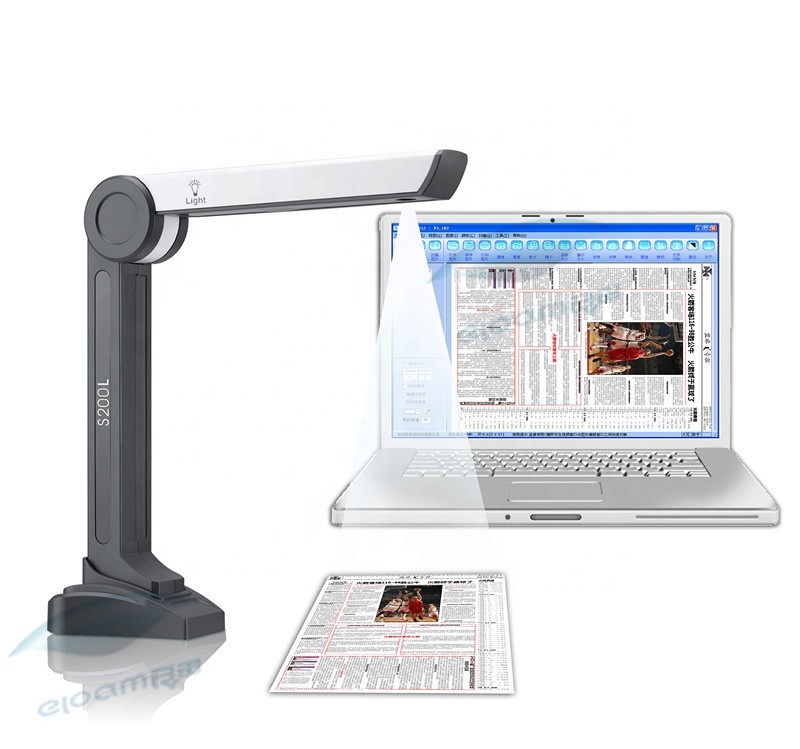
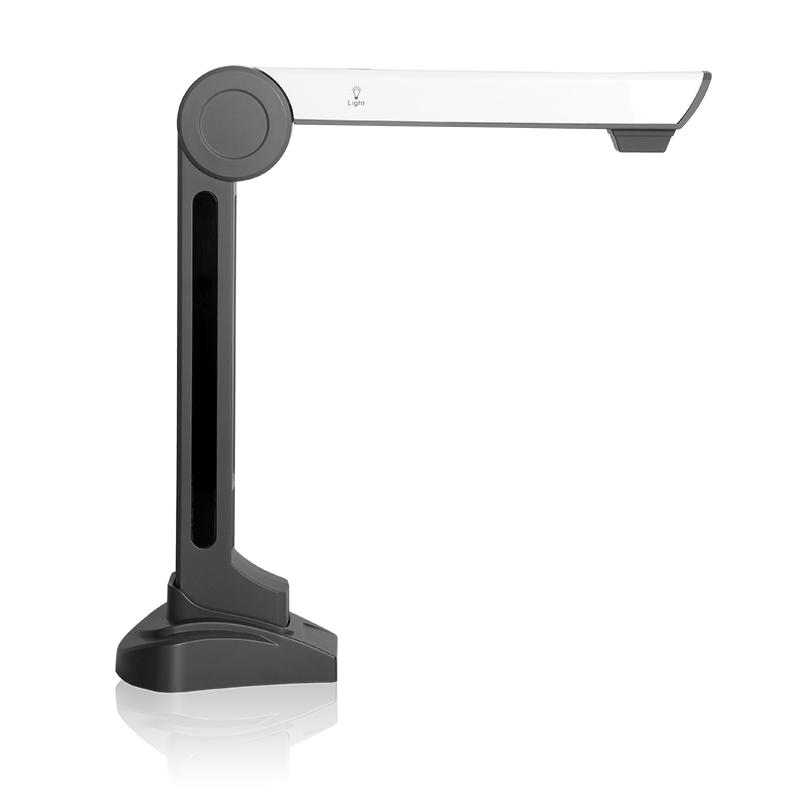
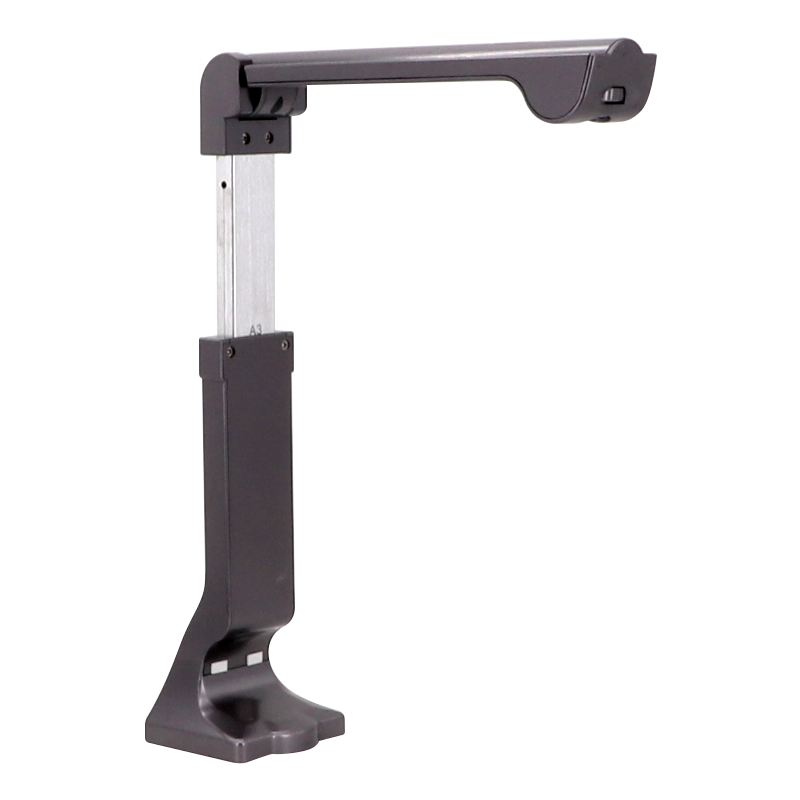
An overhead document camera is no longer only a classroom projector accessory. In the United States, buyers use the category as a flexible capture layer for student records, special-education documentation, library materials, insurance files, legal exhibits, branch-level identity forms and engineering drawings. The camera stays above the document, so bound books, fragile paper, small parts and handwritten annotations can be shown or captured without removing the item from its working position. That is the practical reason district procurement teams compare overhead capture with flatbed scanners and phone-based capture: it reduces handling, improves live demonstration and can create searchable output when OCR software is included.
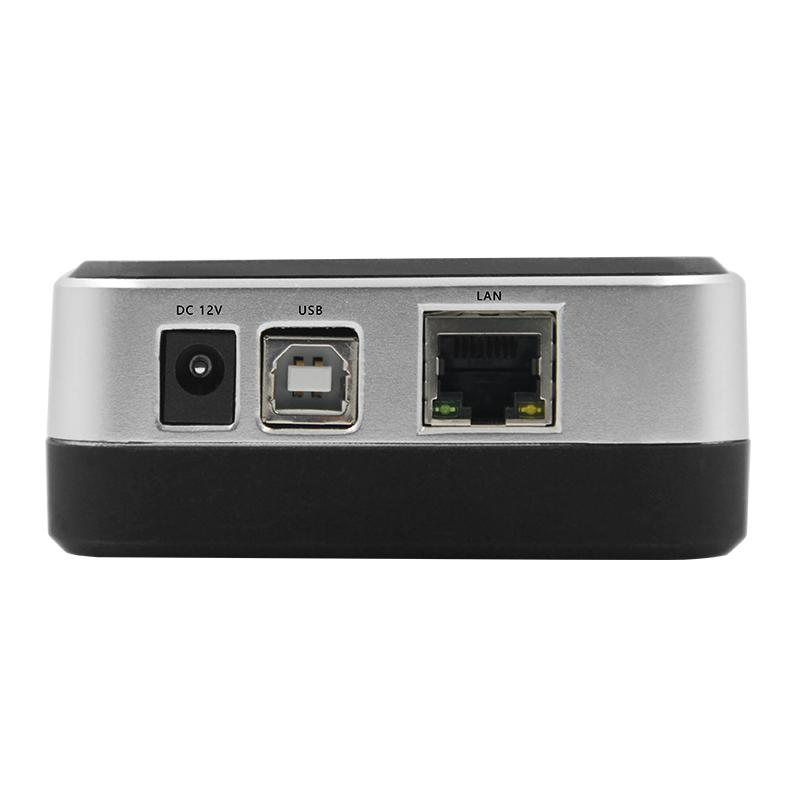
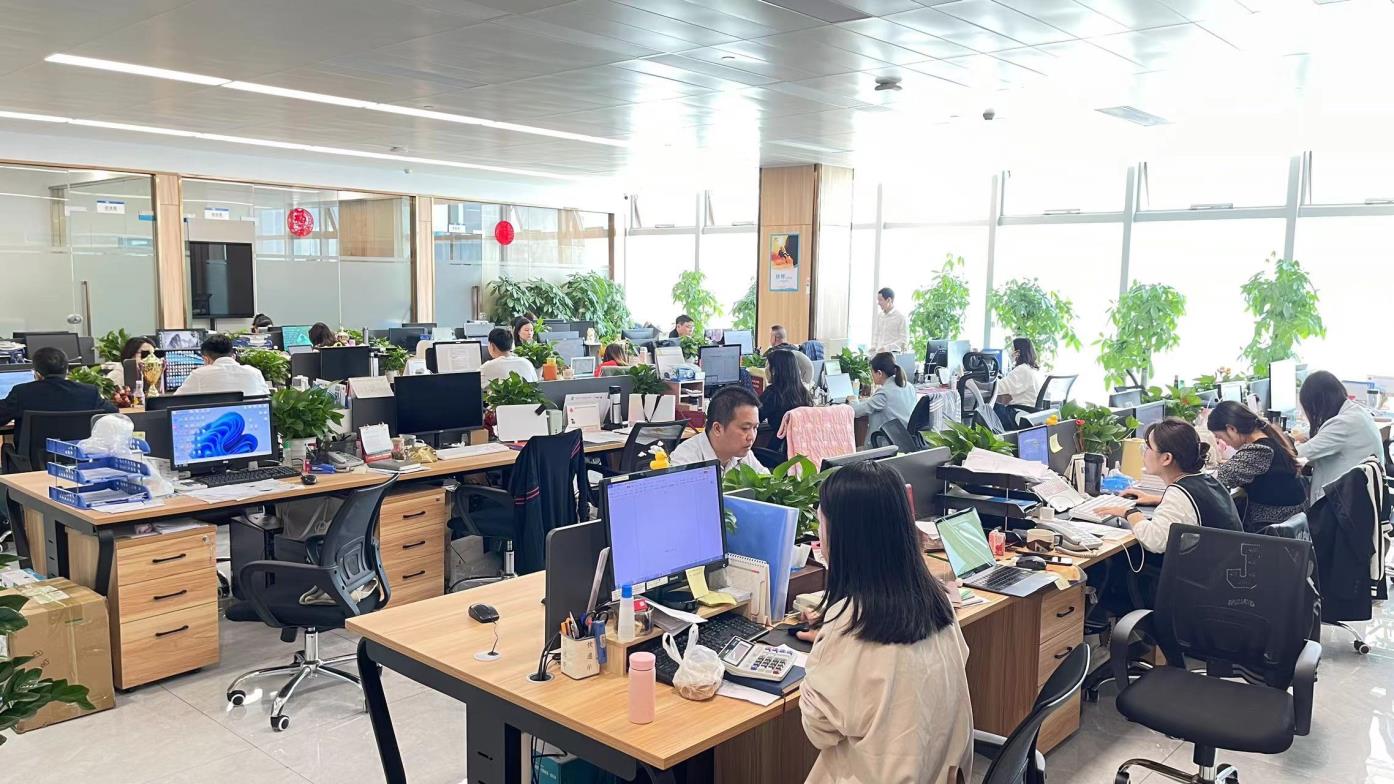
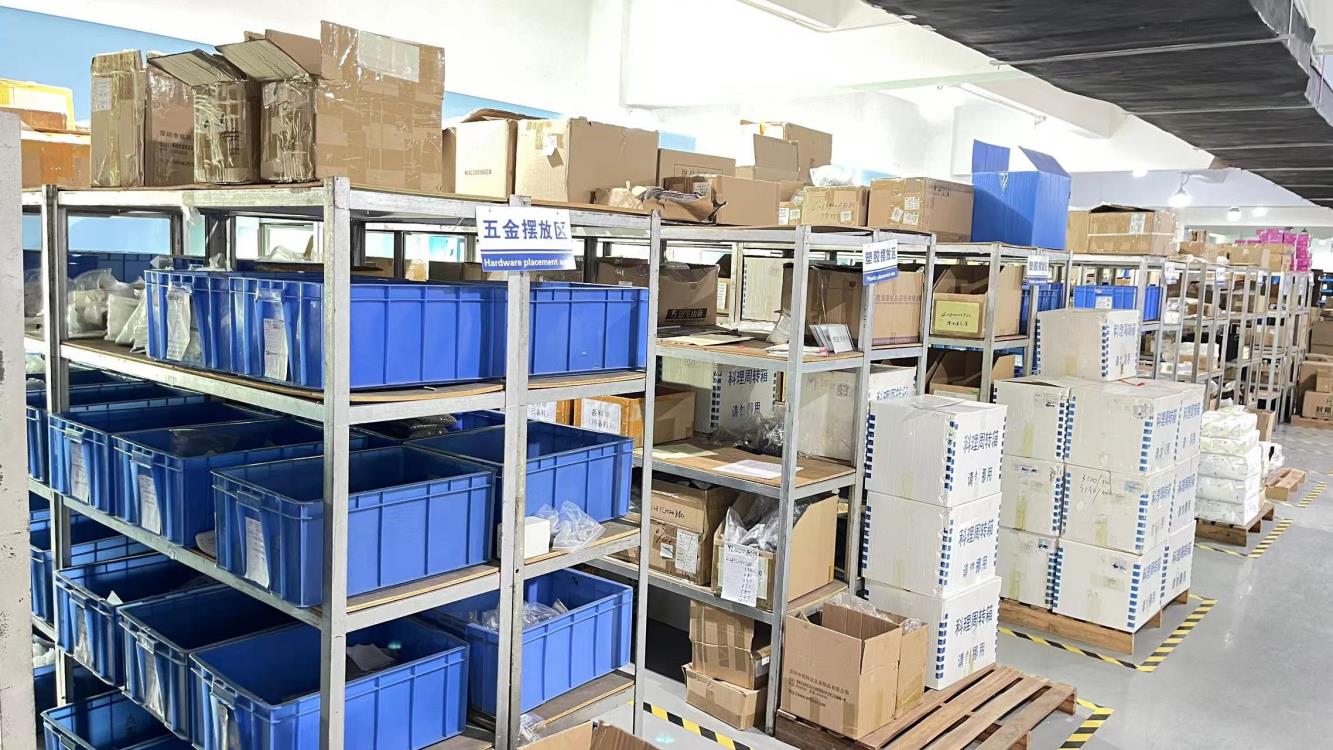
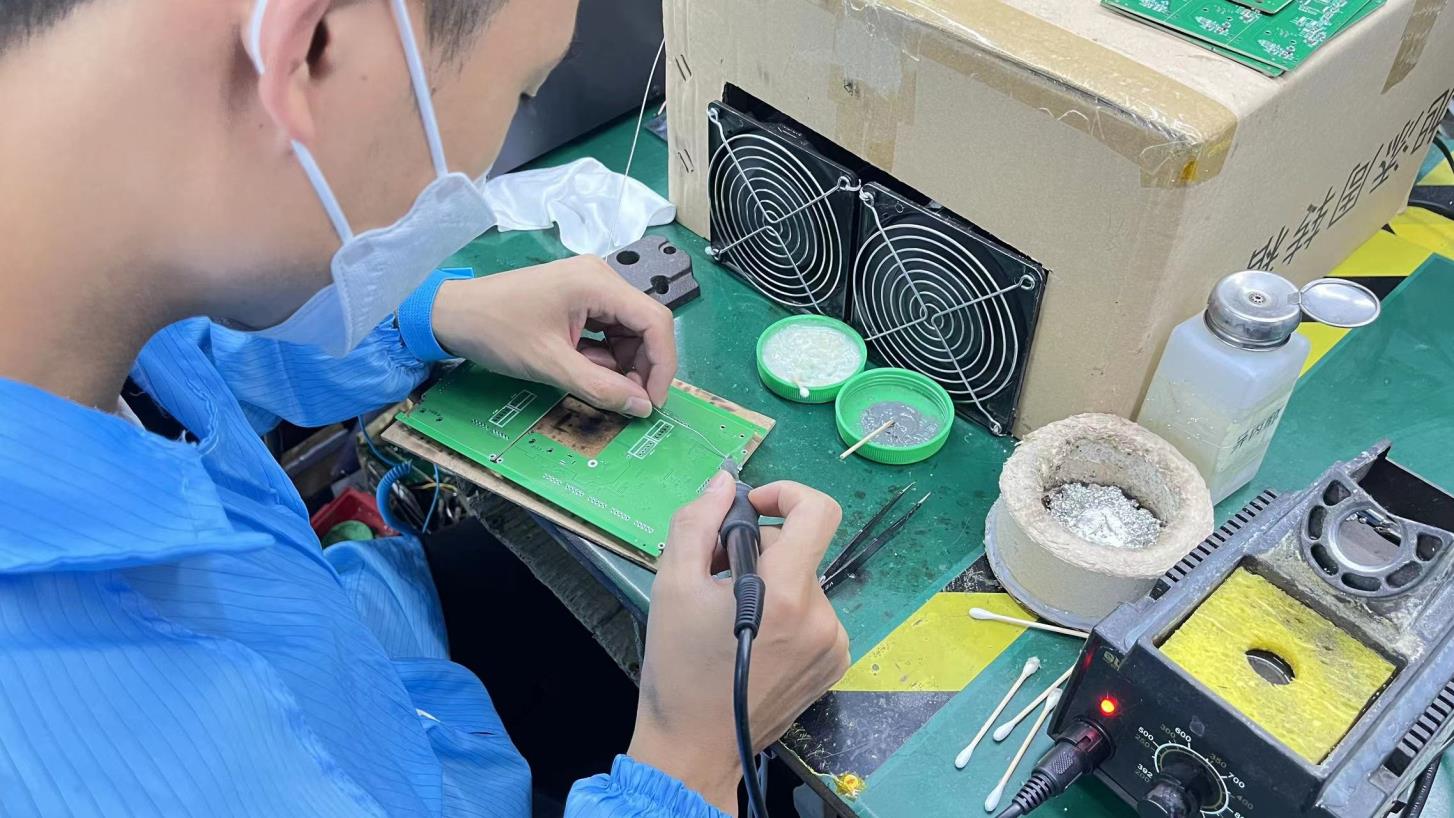
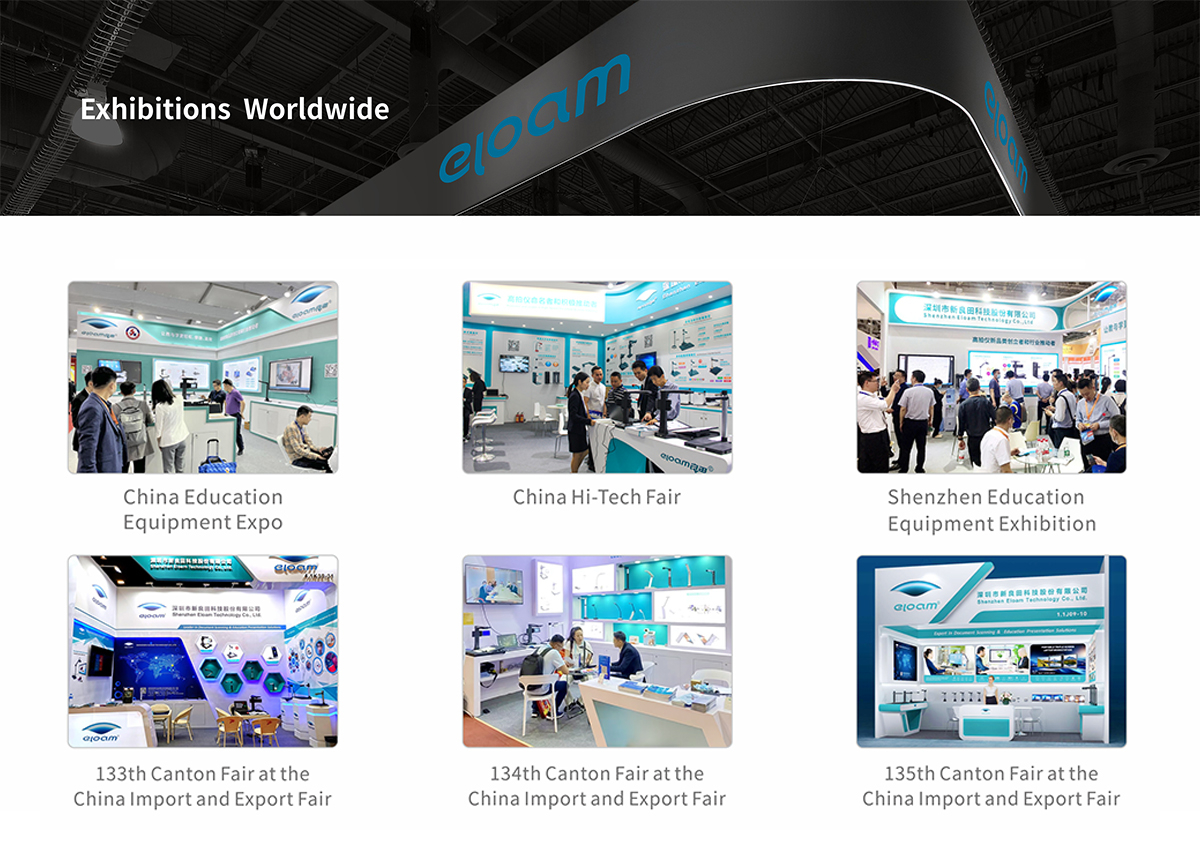
At the same time, U.S. sourcing teams must justify every hardware decision. They ask for sample units, driver behavior, model-level OCR evidence, spare-parts support, warranty terms and factory verification. The content below is written for those buyers. It uses factory and product facts published by Shenzhen Hobry Technology Co., Ltd., including the 2005 founding date, Intertek onsite verification, 8 production lines, ISO 9001 quality management certification and OEM/ODM capability. Specifications that vary by model are identified as model-specific rather than generalized across the range.
A useful evaluation rule is to test the capture task, not the brochure. For a U.S. classroom, test a glossy textbook, a pencil-written worksheet and a 3D science object. For a district archive, test a 300-page bound book and an A2 map. For a counter, test a curved ID card, a thermal receipt and a low-contrast form. These tests reveal more than a resolution claim alone, because they expose glare control, focus speed, working height, software behavior and OCR quality under realistic conditions.