Eight Document Digitization Platforms for Japan-Bound OEM/ODM Projects
These eight platforms cover the most common Japan-bound use cases: classroom demonstration, municipal counter digitization, OCR form capture, large-format technical drawings, archive review and mobile document intake. Model selection should begin with scan area, document condition, operator workflow and software integration—not megapixels alone.
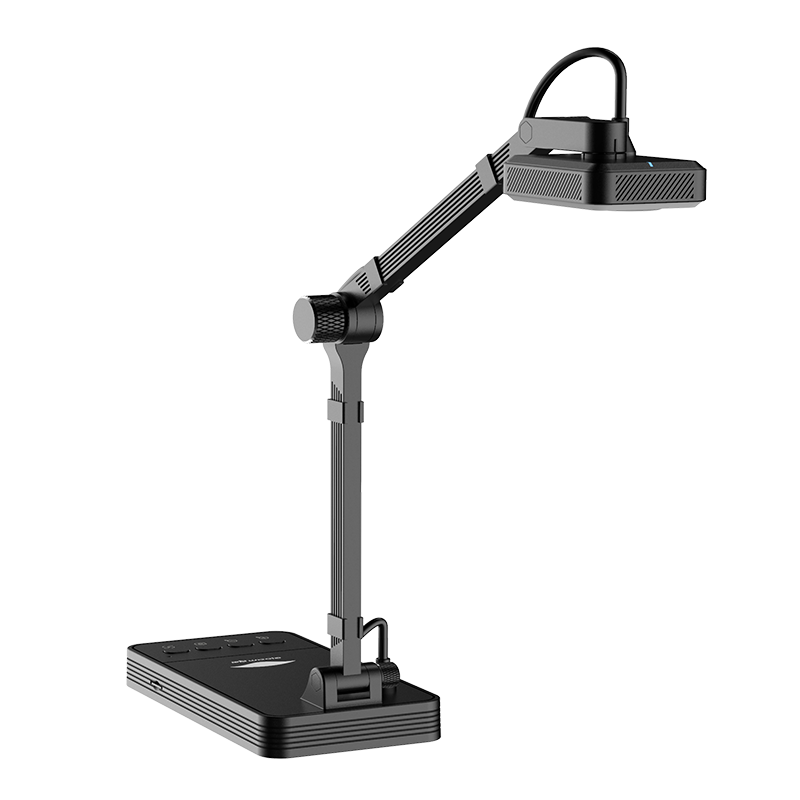
ELOAM YL1050 A3 10MP Wi-Fi USB Document Presenter
A wireless visualizer for teachers, remote lessons and video calls. The A3 capture area handles textbooks, worksheets and live demonstrations, while USB and Wi-Fi modes simplify classroom deployment.
- A3
- 10MP
- Wi-Fi + USB
- Teaching
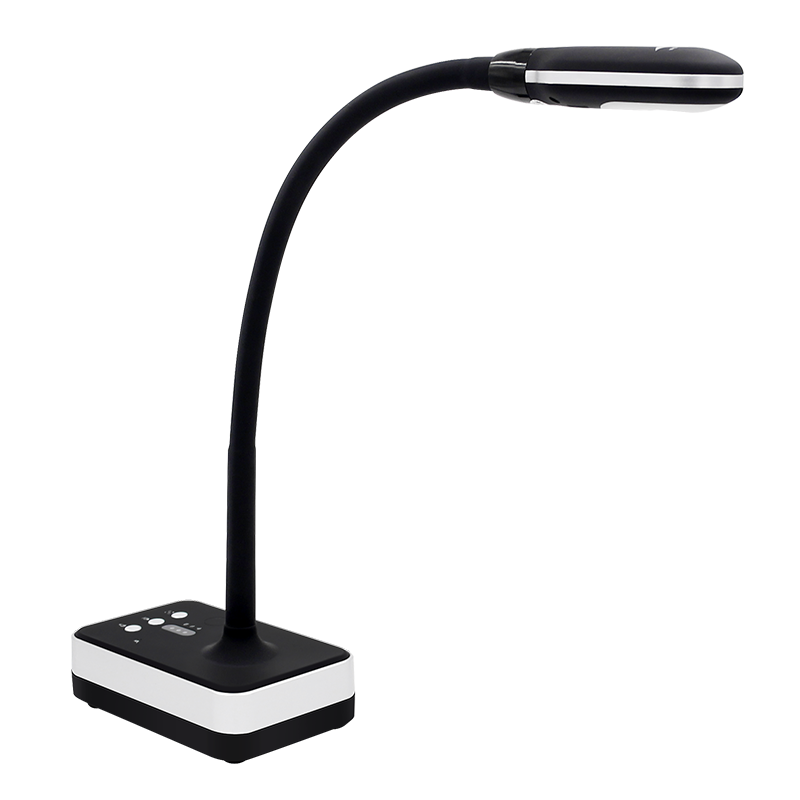
ELOAM VW1000A3AF Portable A3 Intelligent Archive Scanner
A high-speed A3 document camera scanner for counter digitization, permit files and archived records. Automatic capture and USB connectivity support municipal and back-office scanning stations.
- A3
- Portable
- Archive
- USB
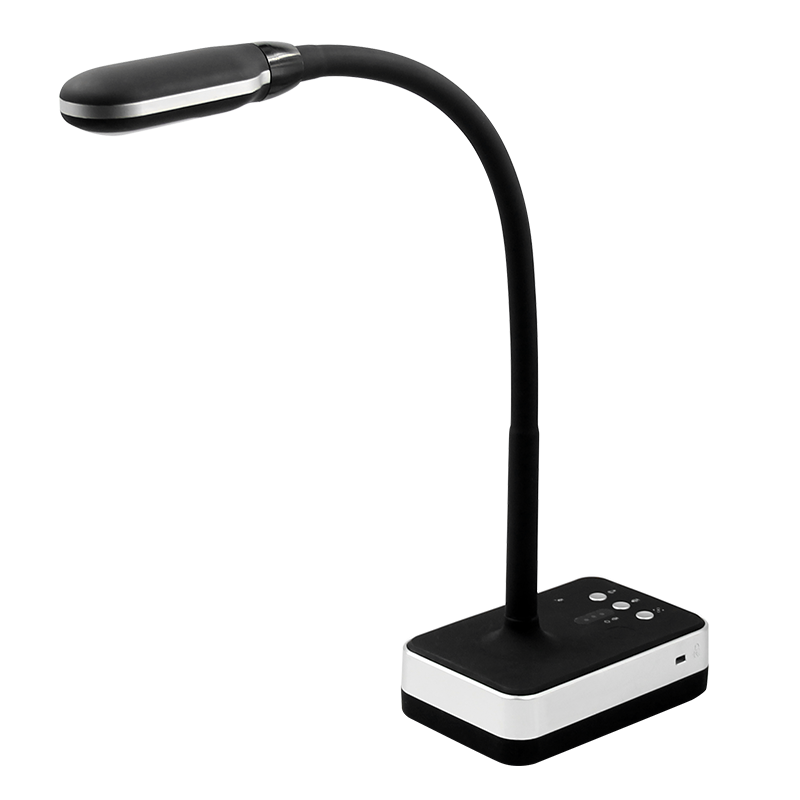
ELOAM VH802A3AF A3 8MP OCR Document Camera Scanner
An 8MP A3 OCR scanner for contracts, invoices and reference materials. It suits operators who need fast visual checks and searchable PDF output with selected OCR software.
- A3
- 8MP
- OCR
- High speed
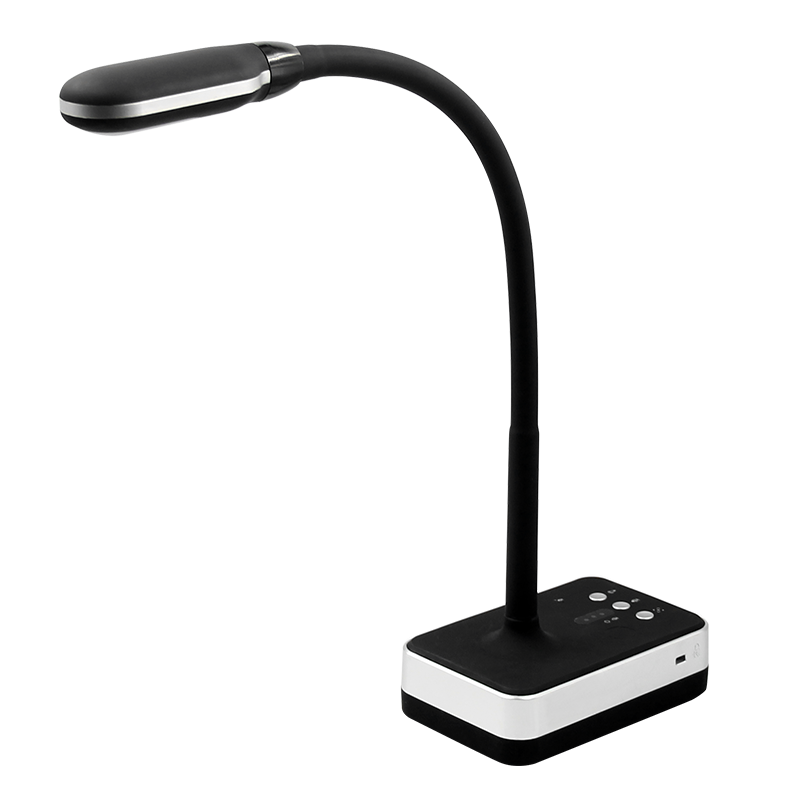
ELOAM VH1000AF A4 10MP Wireless USB Document Camera
A compact A4 visualizer for classrooms, online teaching and shared office desks. Wireless and USB operation helps teachers move between demonstration, annotation and video conferencing.
- A4
- 10MP
- Wireless + USB
- Education
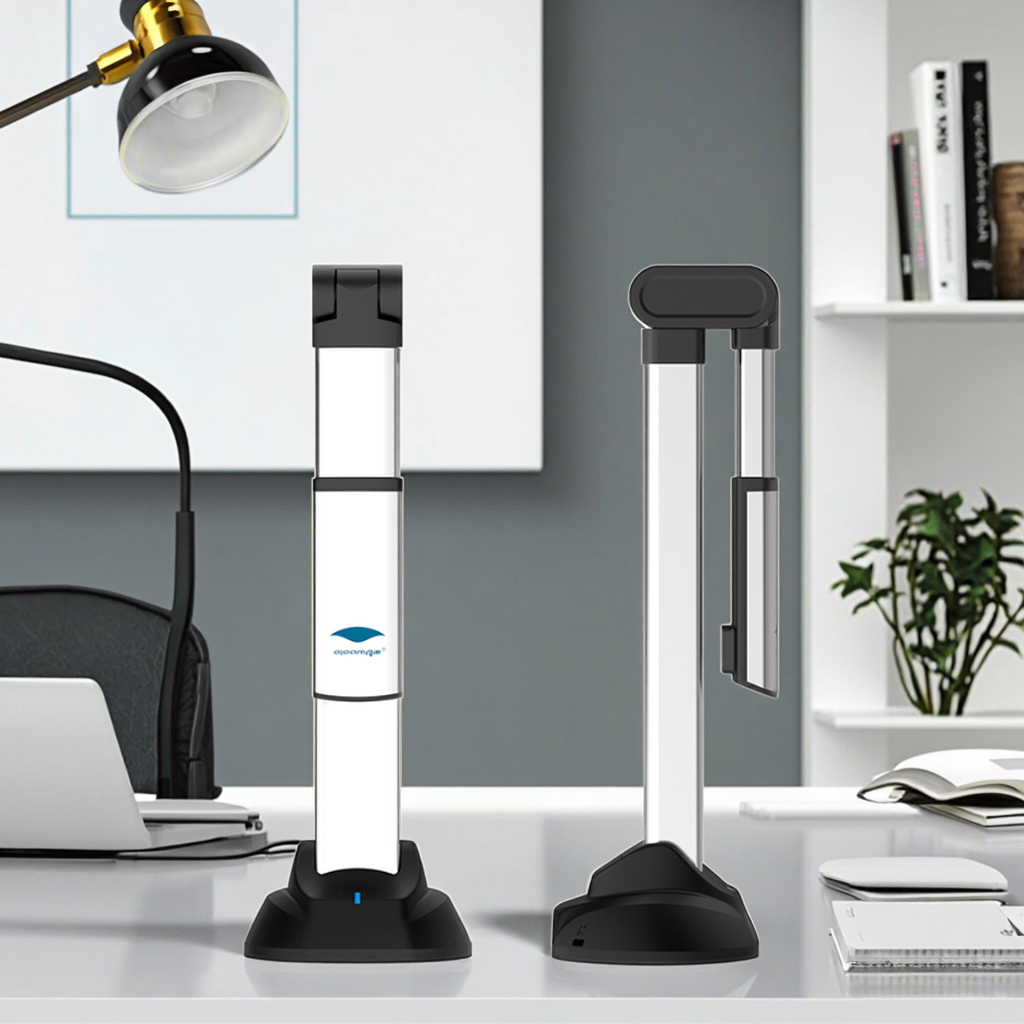
ELOAM A2 18MP Auto-Focus Large-Format Scanner
A2 capture for construction drawings, maps, oversized forms and disaster-continuity records. The 18MP CMOS sensor, auto focus and LED light source support detailed large-format review.
- A2
- 18MP
- Auto-focus
- LED
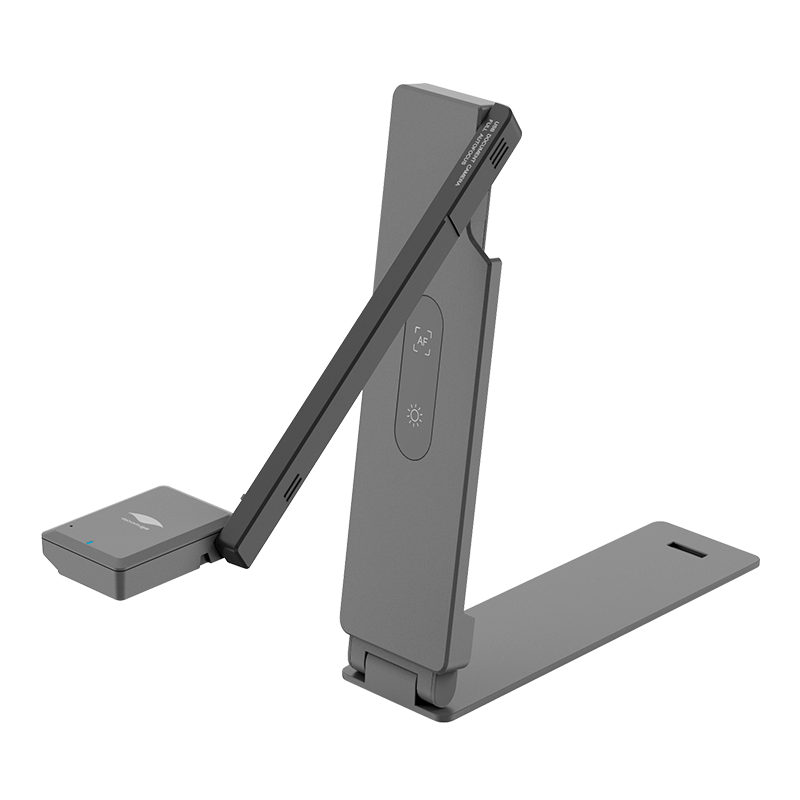
ELOAM VE1020A3AF 3-in-1 A3 8MP Visualizer
A 3-in-1 document camera, scanner and visualizer for classrooms and training rooms. A3 coverage and high-frame-rate video make it suitable for live demonstration and hybrid lessons.
- A3
- 8MP
- 3-in-1
- USB
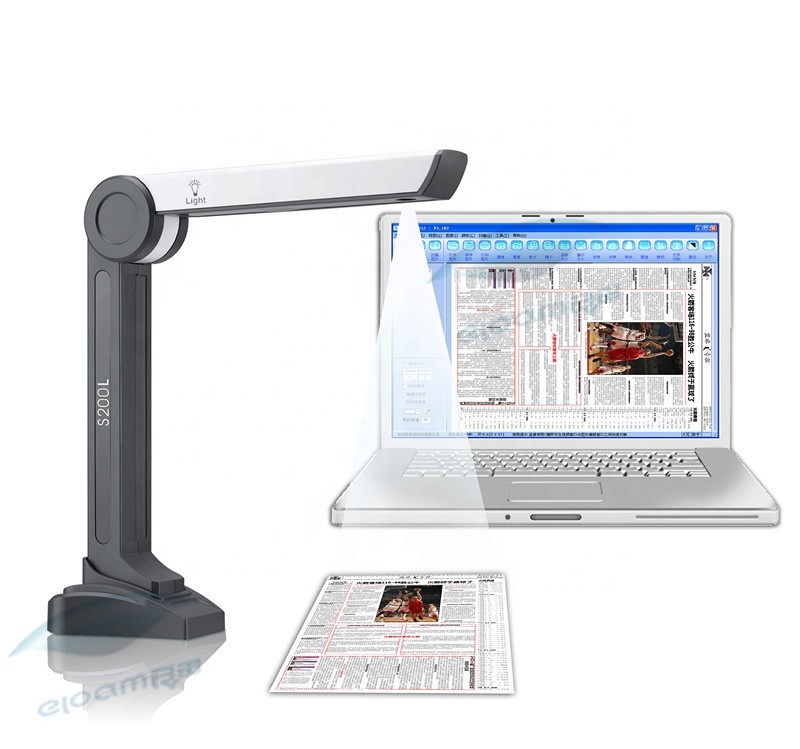
Eloam A4 USB Scanner with 1-Second Capture and OCR
A counter-friendly A4 scanner with CMOS capture, 1600×1200 resolution and ABBYY OCR support. It is aimed at administrative forms, banking KYC and repetitive document intake.
- A4
- 1-second scan
- OCR
- USB
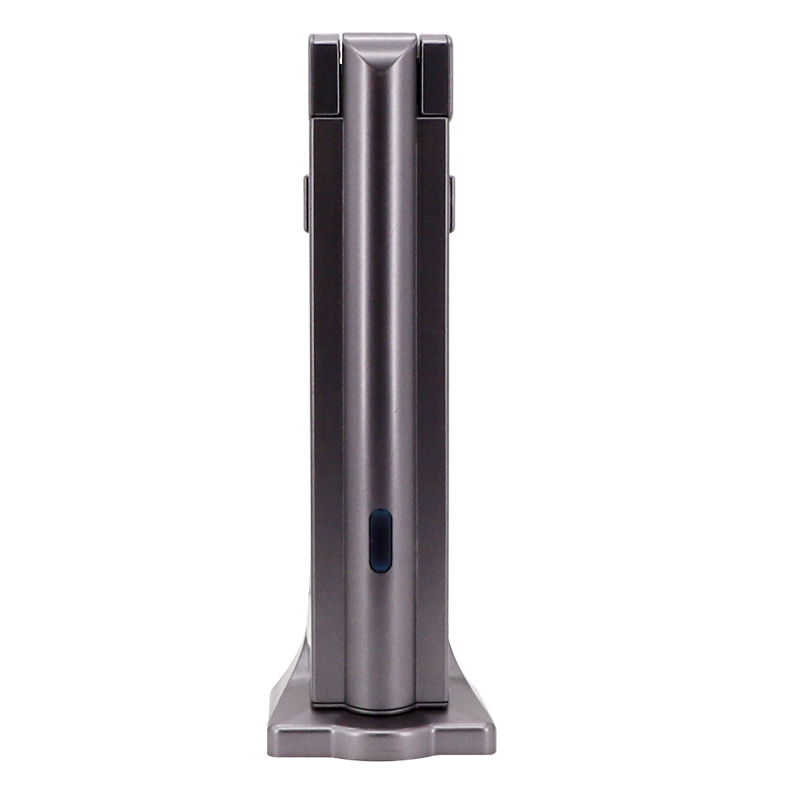
ELOAM Auto-Focus A3 10MP Portable Document Scanner
A portable A3 scanner with 1-second capture and continuous scanning for shared offices and project teams. USB connection and Windows 10/11 compatibility simplify rollout.
- A3
- 10MP
- 1-second
- Continuous
Need a model shortlist for a Japanese tender, distributor catalog or school deployment? Share your scan area, document types, monthly volume, operating system and target price. Our OEM/ODM team can recommend a configuration and sample plan.
Why Japanese Buyers Treat Document Digitization as Workflow Infrastructure
In Japan, document capture is rarely a standalone “paperless office” purchase. It is tied to service continuity, auditability, public accountability, classroom outcomes and the practical need to keep paper records accessible during administrative change.
Japanese public-sector and enterprise buyers often evaluate digitization equipment against a longer evidence chain than price alone. A municipal office may need to scan resident forms, permits, maps and disaster-preparedness records while preserving readability for audit review. A board of education may need teachers to demonstrate a textbook page, a science experiment or a handwritten solution over a live video platform. A bank or insurance counter may need rapid identity-document capture without disrupting queue times.
This is where OEM/ODM document digitization equipment manufacturers and suppliers in Japan must offer more than a catalog. The supplier should understand that the limiting factor is often the document itself: thin paper, mixed kanji and kana, vertical writing, rubber-stamp impressions, handwritten annotations, multi-column forms, folded drawings and bound volumes. A high-resolution camera can still underperform if focus, lighting, cropping and OCR settings are not validated with the actual documents used in the workflow.
For Japan-bound projects, the most productive pre-sales conversation starts with the acceptance test. Which documents will be scanned? Who will operate the device? What output is required—PDF, JPEG, TIFF or searchable OCR? Will the captured image enter a document management system, an electronic medical record, a learning platform or a counter application? Does the buyer need Windows 11, macOS on selected models, SDK access or buyer-label packaging? Answering these questions before requesting samples reduces specification errors and shortens tender review.
Evidence Package Buyers Should Request
A practical due-diligence pack for a Japan-bound document capture project should include:
- Model datasheet, current product photos and available customization options.
- Sample scan set using your Japanese forms, labels and mixed-orientation documents.
- OCR output sample and confirmation of supported output formats.
- Windows/macOS compatibility statement by model and software version.
- Available certification file: CE, FCC on selected models, ISO 9001 and company credentials.
- Packaging, labeling, MOQ, payment, delivery term and warranty confirmation.
- For OEM/ODM: firmware, software, housing, logo and SDK discussion where applicable.
- Clarification of PSE and radio-law requirements with your Japanese compliance advisor.
Real Document Testing
Validate legibility with thin paper, vertical text, stamps, handwriting and folded forms before comparing prices.
OCR and Output
Confirm language support, PDF/JPG/TIFF output, searchable PDF behavior and downstream system compatibility.
Counter Ergonomics
Check footprint, cable routing, capture speed, operator steps and shared-desk usability in constrained spaces.
Lifecycle & Customization
Plan drivers, firmware updates, SDK needs, spare-part strategy, packaging and buyer-label requirements.
Where Japanese Buyers Deploy These Document Capture Devices
The same hardware platform can serve very different workflows. The following application scenarios help Japanese distributors and integrators map a model to the buyer’s operational reality.
Municipal Counters & Permits
City and ward offices can digitize resident forms, permit applications, and supporting documents at service counters. A2/A3 models handle maps and oversized attachments, while A3 auto-focus devices suit shared back-office capture.
Recommended: VW1000A3AF · A2 18MPBoards of Education & Hybrid Classrooms
Visualizers help teachers show textbook pages, handwritten work, science demonstrations and art techniques. Wireless models support movement around the classroom, while USB models fit fixed lecture desks and online teaching setups.
Recommended: YL1050 · VH1000AF · VE1020A3AFBanks, Shinkin & Insurance Counters
Financial service counters need fast capture of application forms, identification documents and supporting paperwork. A4 USB scanners and A3 OCR devices can reduce manual handling, but privacy, audit trails and operator training must be designed into the workflow.
Recommended: A4 USB OCR · VH802A3AFLibraries, Museums & Local History
Local history rooms and reading libraries often handle fragile paper, photographs and bound materials. For flat sheets and photographs, A3/A2 overhead capture works well; for bound books, a dedicated V-cradle book-scanner series is the safer option.
Recommended: A3/A2 capture · book-scanner rangeConstruction, Utilities & Maps
Engineering teams need A2 capture for as-built drawings, utility maps, inspection records and site documentation. Auto-focus and LED lighting are important when drawings are folded, uneven or photographed under mixed lighting.
Recommended: A2 18MP Auto-FocusLegal, Back-Office & Remote Teams
Legal review, claims processing and remote project teams need compact capture that produces consistent files. Portable A3/A4 scanners support hot-desking, while 1-second capture and continuous scanning help shared offices maintain throughput.
Recommended: Auto-Focus A3 · A4 USB OCRFour Trends Reshaping Japan-Bound Document Digitization Requirements
These trends do not replace basic hardware specifications. They change how buyers justify the project, evaluate workflow fit and define acceptance criteria.
AI-OCR Becomes a Workflow Gate
Buyers increasingly treat capture hardware as the first step in an AI-OCR or document-management pipeline. Image quality, cropping consistency and clean PDF output now matter as much as scan speed.
Counter-Ready, Space-Aware Design
Japanese offices and service counters often share limited desk space. Compact footprints, simple cabling, quiet operation and repeatable one-touch capture are increasingly important in public-facing environments.
Teacher-First Hybrid Classrooms
Classroom visualizers must be easy to use under lesson pressure. Wireless flexibility, 30 FPS live video, clear focus and simple switching between document camera and video-conference use are practical buying criteria.
Preservation, Audit & Traceability
Long-term access to digitized records requires readable image files, consistent naming, metadata and retention planning. Buyers should confirm output formats and software behavior rather than assuming all scans are archival-grade.
Indicative planning-fit index based on scan area, connectivity and workflow characteristics. It is not a field reliability benchmark or a guarantee of OCR accuracy. Validate with samples and your own acceptance test.
| Japan-Bound Workflow | Recommended Platform | Configuration Note | Proof to Request |
|---|---|---|---|
| Municipal counter digitization | VW1000A3AF; A2 18MP | A3 for forms and attachments; A2 for maps and oversized records. | Sample scans, auto-crop test, operation steps. |
| Classroom demonstration | YL1050; VH1000AF; VE1020A3AF | Wi-Fi where movement is needed; USB for fixed desks and simple deployment. | Live video demo, focus test, audio/video compatibility. |
| Bank and insurance counter | A4 USB OCR; VH802A3AF | Prioritize footprint, 1-second capture, OCR output and privacy workflow. | OCR sample, ID/form test, driver compatibility. |
| Engineering and utility records | A2 18MP Auto-Focus | Auto-focus and LED lighting for folded drawings and mixed lighting. | A2 scan sample, edge detail test, output file inspection. |
| High-volume office intake | Auto-Focus A3 10MP | Continuous scanning and USB connection for shared back-office stations. | Throughput test, workflow steps, Windows 10/11 confirmation. |
| Library and local-history room | A3 OCR scanner; book-scanner range | Flat sheets on overhead capture; bound volumes require V-cradle support. | Fragile-document handling plan, curvature test, software review. |
Why Hobry Fits Japan-Bound OEM/ODM Document Equipment Programs
Japanese buyers need a supplier who can support sample evaluation, documentation, customization and repeat production—not only a one-off product listing.
Founded in 2005, Shenzhen Hobry Technology Co., Ltd. is a manufacturer and exporter with in-house capabilities across industrial design, optics, firmware, software, production and global sales. The company manufactures high-speed document scanners, book scanners, document cameras (visualizers) and portable monitors for B2B buyers, distributors and system integrators.
Hobry operates 8 production lines in a 5,000–10,000 m² facility, with 101–200 employees and an integrated trading function. As a National High-Tech Enterprise holding software copyrights and patents, the company combines ergonomic design and low-carbon office concepts with practical manufacturing experience. The factory has been verified onsite by Intertek, and the company holds ISO 9001 quality management certification. Products are CE certified, with FCC available on selected models, and standard warranty is 1 year.
For Japan-bound projects, the strongest fit is a collaborative OEM/ODM process: review the workflow, define acceptance criteria, test samples, confirm packaging and labeling, then scale production with incoming, in-process and finished-product quality control. OEM, ODM, design service and buyer-label service are available, including logo printing, custom packaging, housing color, firmware and software customization. An SDK is available on selected models for system integration.

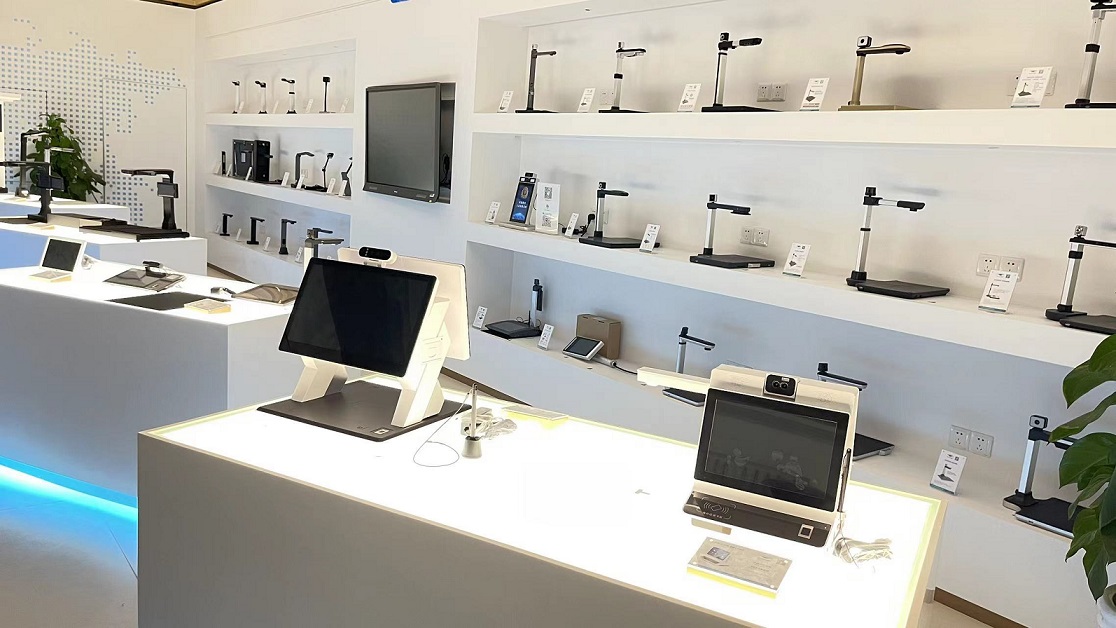
Company overview and imaging portfolio
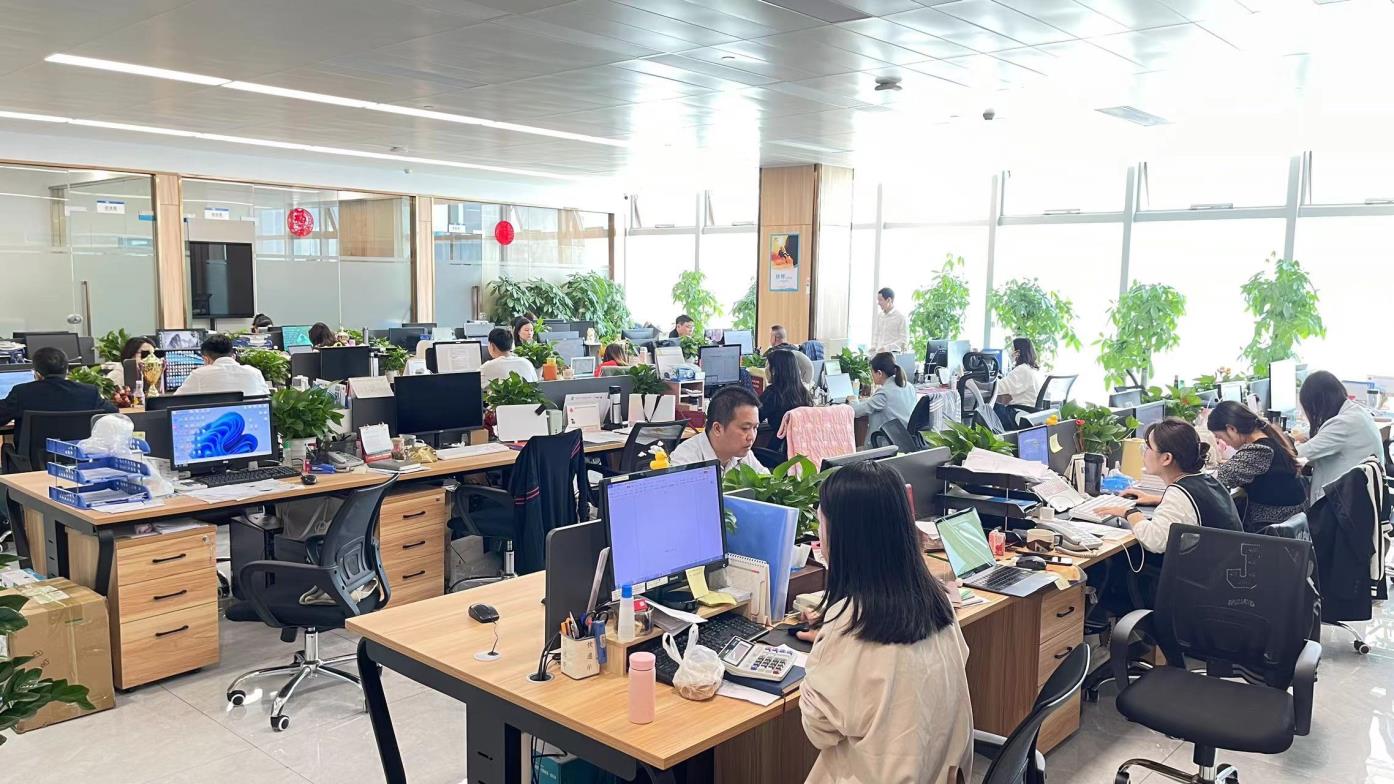
Production line and assembly workflow
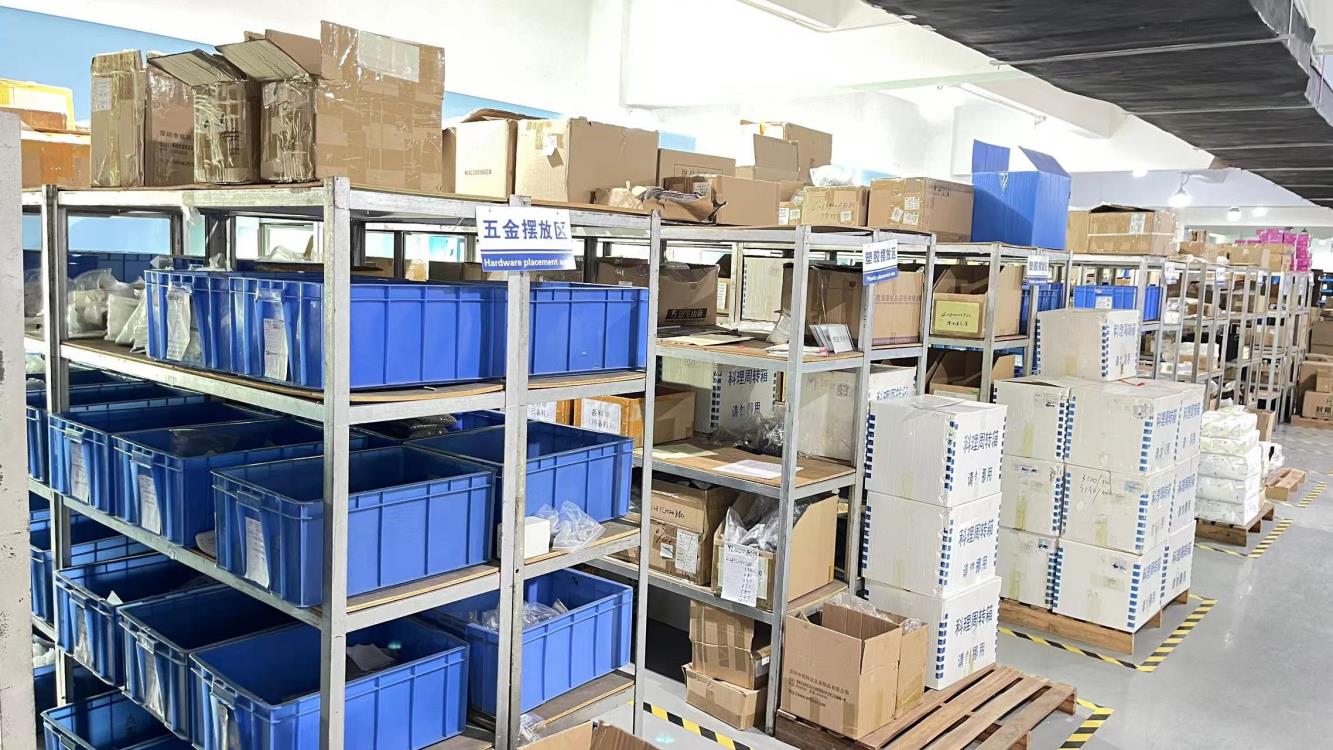
Quality inspection before packing
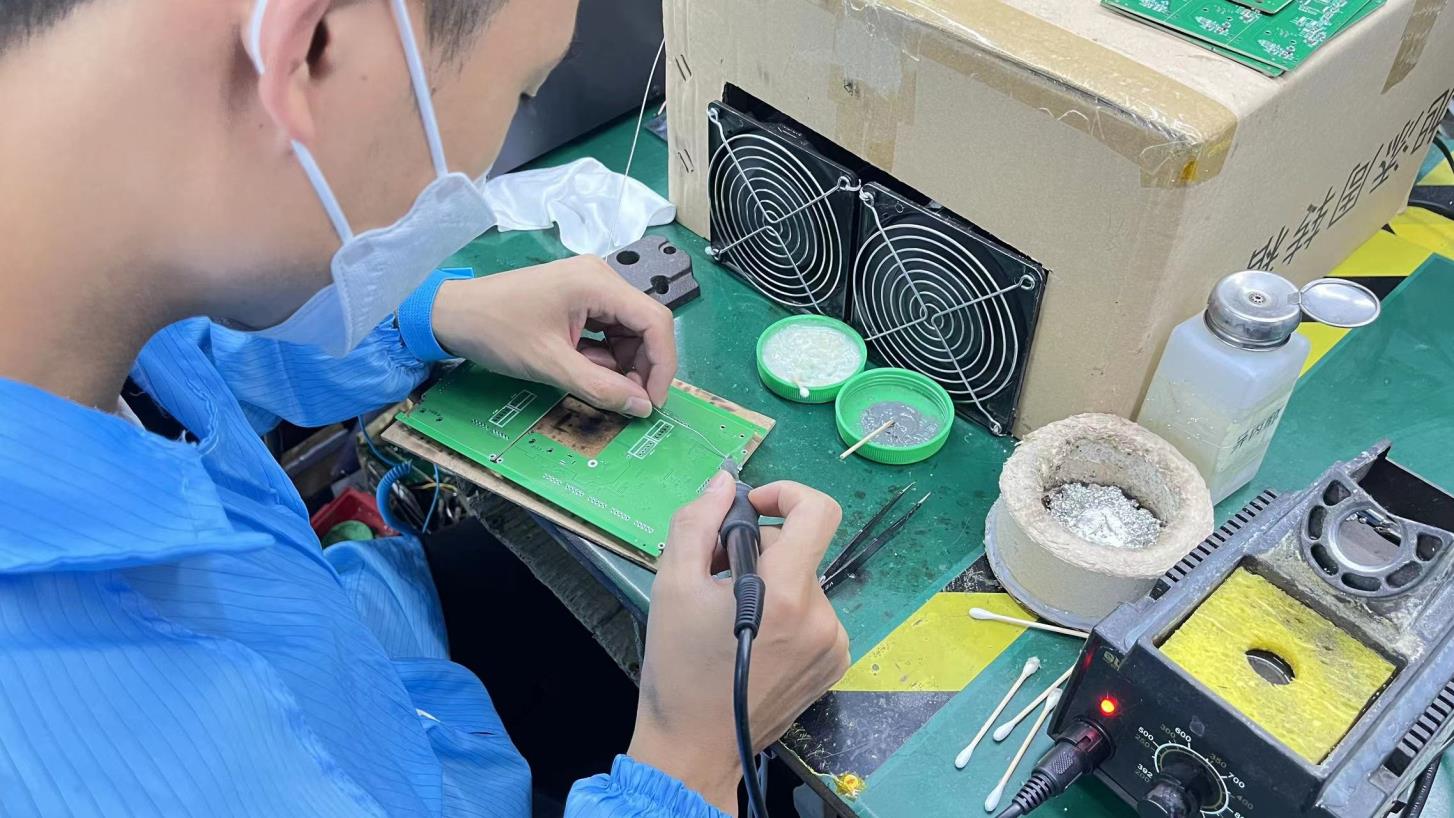
Certificates, patents and registrations
Need the current factory assessment, product certificate list or OEM/ODM checklist? Tell us the target model, projected volume and Japanese market requirements. We will share the available documentation for your due-diligence review.
From Requirement Review to Japan-Ready Shipment
A structured process reduces the risk of sample mismatch, packaging rework and late-stage specification changes.
Requirement Review
Define scan area, document types, operating system, interface, target volume, compliance considerations and target price.
Design & Engineering
Review housing, logo, packaging, firmware, software and SDK options. Set measurable acceptance criteria before sampling.
Sample & Workflow Test
Evaluate sample units with Japanese forms, labels and classroom content. Record focus, OCR, output and operator-step results.
Mass Production & QC
Run production across 8 lines with incoming, in-process and finished-product quality control. Confirm packaging and labeling.
Export Documentation
Confirm FOB, CFR, CIF or EXW terms and prepare the commercial and shipping documents required for the order.
Delivery & Support
Coordinate shipment, provide available technical documentation and support after-sales communication under the 1-year warranty.
Questions Japanese Buyers Commonly Ask Before the First Order
Clear answers at the sourcing stage help distributors, tender teams and integrators prepare internally.
Is Hobry a manufacturer or a trading company?
Hobry is a manufacturer with an integrated export function. Founded in 2005, the company runs 8 production lines in a 5,000–10,000 m² facility in Shenzhen, and the factory has been verified onsite by Intertek.
Can we request OEM/ODM for a Japan-specific configuration?
Yes. OEM, ODM, design service and buyer-label service are available, including logo, packaging, housing color, firmware and software customization. SDK support is available on selected models. Japanese OCR, vertical text and form-field requirements should be confirmed during sample testing.
Which OCR languages and operating systems are supported?
Selected models support OCR in up to 180 languages and output formats such as PDF, JPEG and TIFF. Windows is supported across the range, with macOS on selected large-format models. Always confirm the exact model, software version and Japanese-language OCR result with a sample test.
Can we order samples before a tender or bulk order?
Most models are available as single-unit samples for evaluation. For tender preparation, define a practical acceptance test using your own documents. Bulk MOQ depends on the model and customization level and is confirmed in the quotation.
What payment and delivery terms are accepted?
Accepted payment terms are T/T, L/C, PayPal and Western Union in USD. Accepted delivery terms are FOB, CFR, CIF and EXW. The final terms, lead time and shipping method are confirmed with the order quotation.
What certifications and warranty apply?
Products are CE certified, with FCC available on selected models. Hobry holds ISO 9001, a National High-Tech Enterprise certificate and software copyright registrations. For Japan, confirm PSE and radio-law requirements for the exact model and configuration with your compliance team. Standard warranty is 1 year.
Build a Japan-Ready Document Digitization Program with a Verified OEM/ODM Manufacturer
Share your target application, scan area, monthly volume, operating system and customization requirements. Hobry will help you shortlist a model, prepare a sample evaluation plan and confirm the available OEM/ODM options for your Japan-bound project.
Email: info@hobrytech.com · Shenzhen, Guangdong, China · OEM/ODM document scanners, book scanners, visualizers and portable monitors