OCR Book Scanners and Document Cameras for Kyoto Buyers
Use these models as a starting shortlist for Kyoto libraries, classrooms, municipal counters and archive projects. Final OCR language support, MOQ and configuration are confirmed in your quotation.
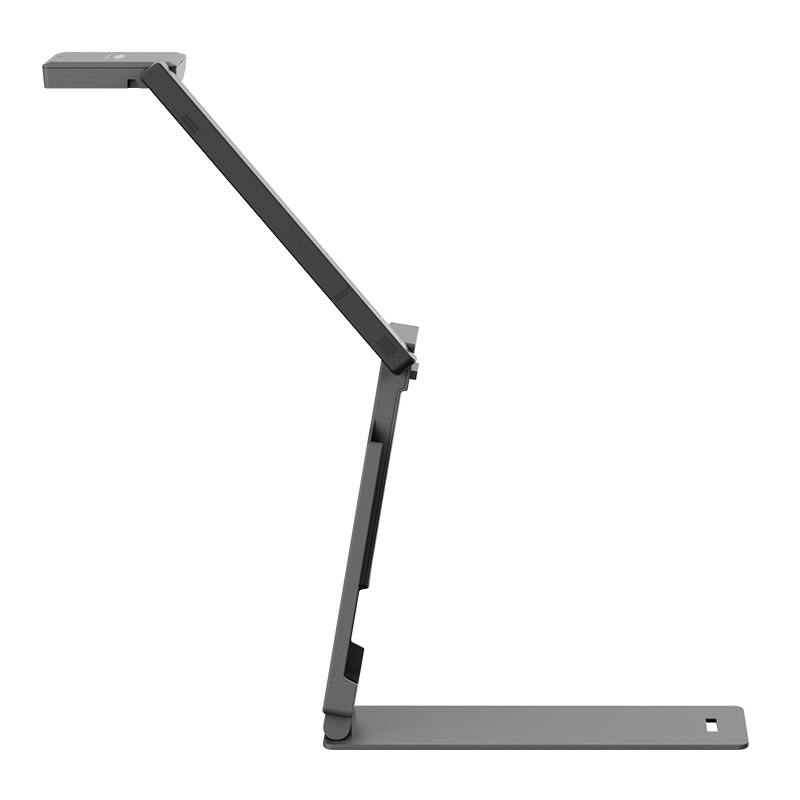
13.0MP Ultra HD A3 USB Document Camera & Scanner
- 13.0MP
- A3
- USB
- Teaching
A3 overhead capture for lecture handouts, book pages and live classroom demonstration. USB plug-and-play supports fast evaluation in Kyoto schools and training rooms.
View product details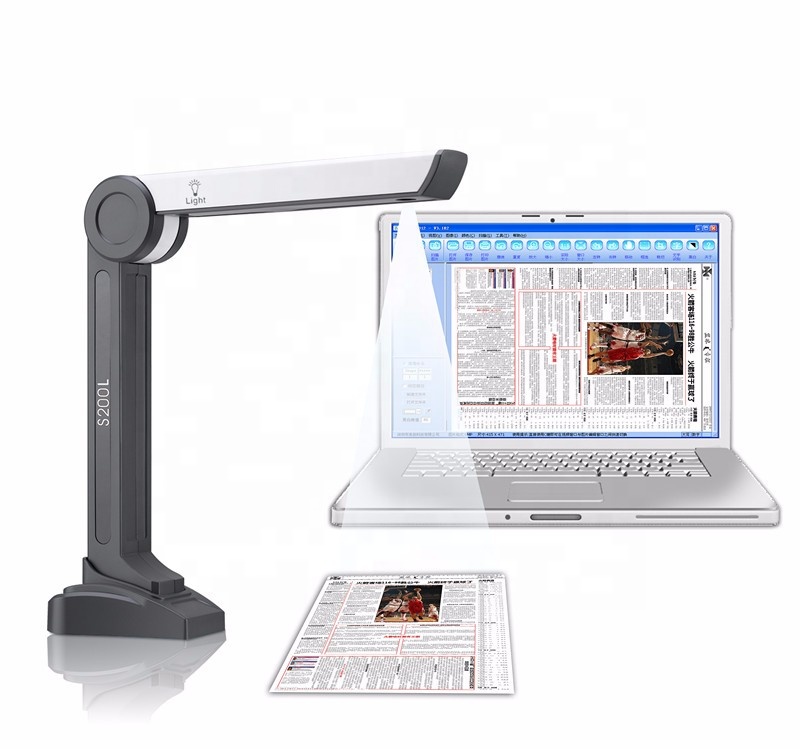
USB 2.0 Mini Portable A4 Document Scanner & Visualizer
- A4
- 1600×1200
- 1-second scan
- USB
Entry-level A4 visualizer with 1600 × 1200 CMOS and one-second scanning. Suitable for branch counters, small offices and pilot projects where desk space and budget matter.
View product details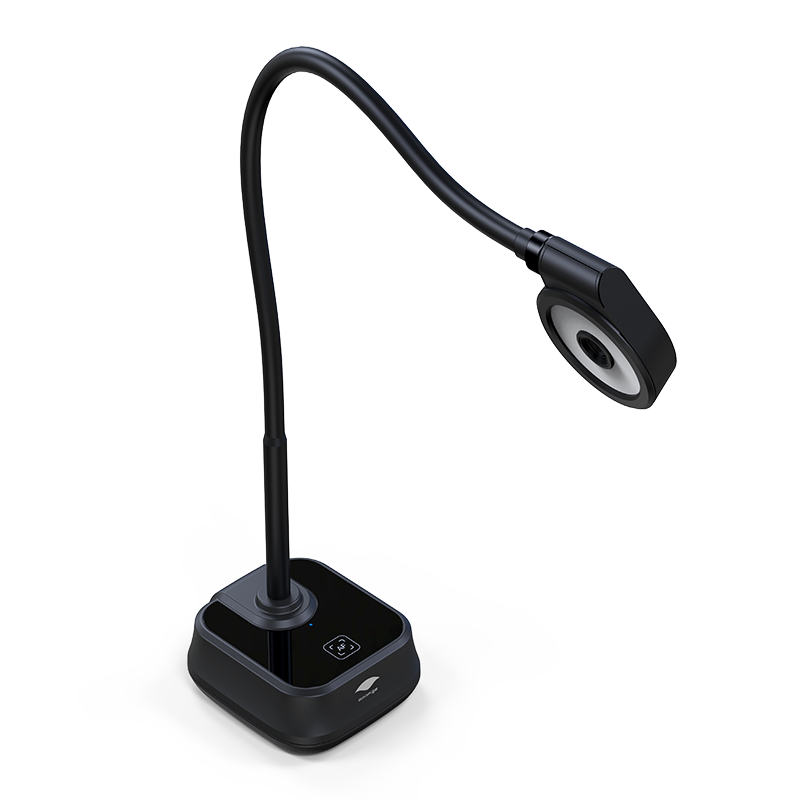
A4 High-Speed USB Video Booth & OCR Document Scanner
- A4
- USB
- OCR
- Classroom
A4 high-speed USB video booth and document scanner with OCR support. Designed for classroom, meeting-room and training use where clear live demonstration is required.
View product details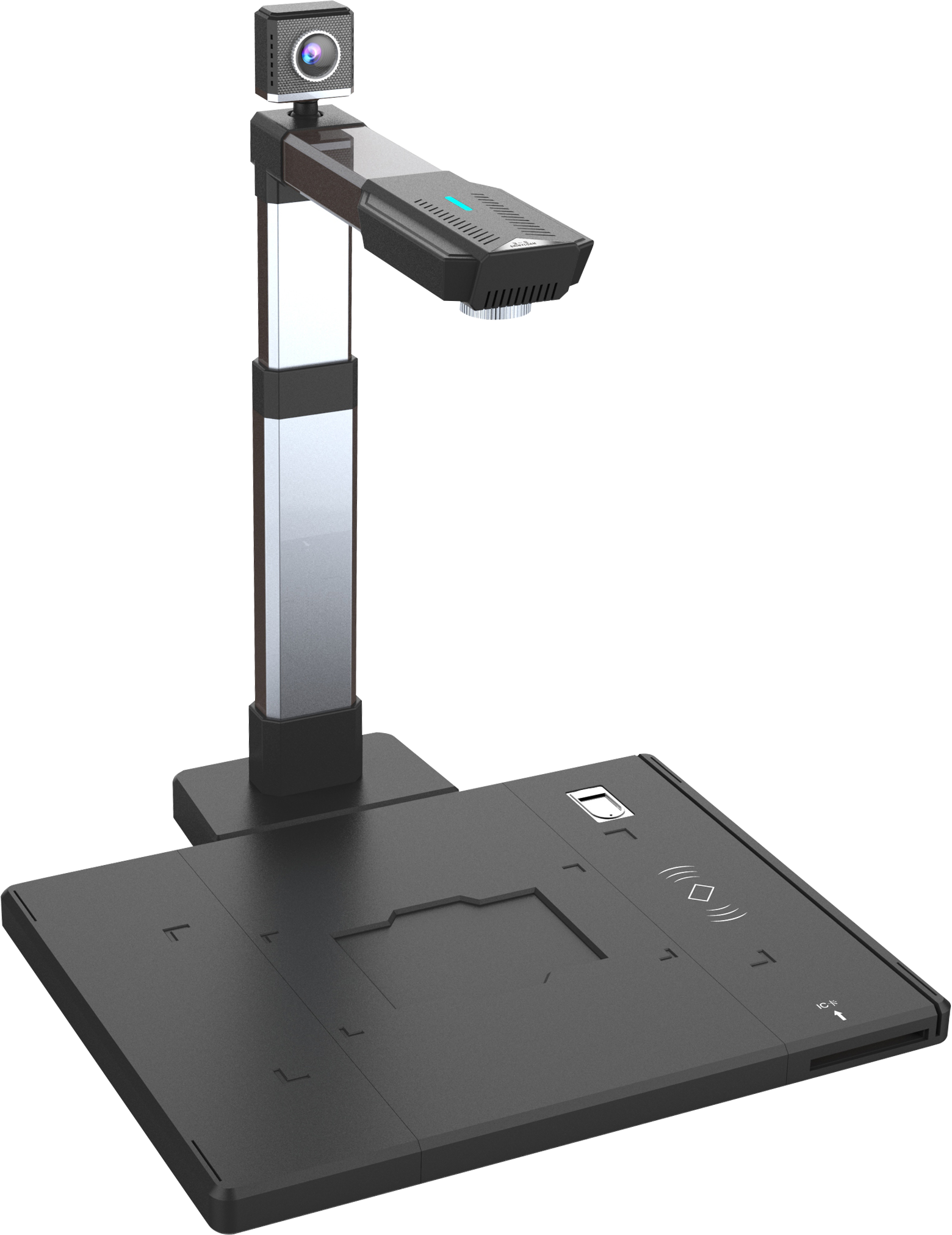
Dual-Lens A3 OCR Document Scanner with SDK
- A3
- Dual lens
- 2D code
- SDK
Dual-lens A3 scanner with OCR, 2D code reading and SDK support. A practical choice for libraries and system integrators that need configurable capture workflows.
View product details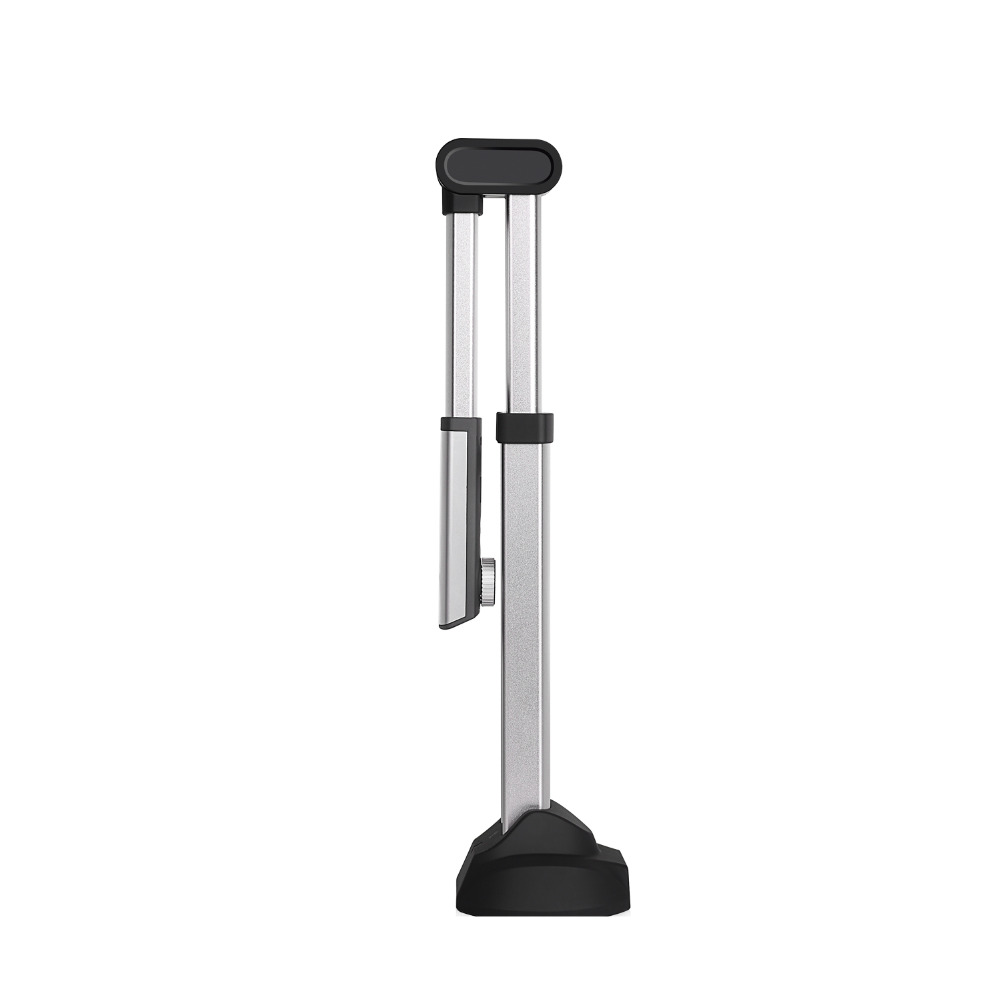
16MP A2/A3 OCR Document Camera Scanner
- A2/A3
- 16MP
- 180-language OCR
- LED
A2/A3 document camera with 16MP capture and OCR support on selected configurations. Useful for large ledgers, maps, drawings and design documents.
View product details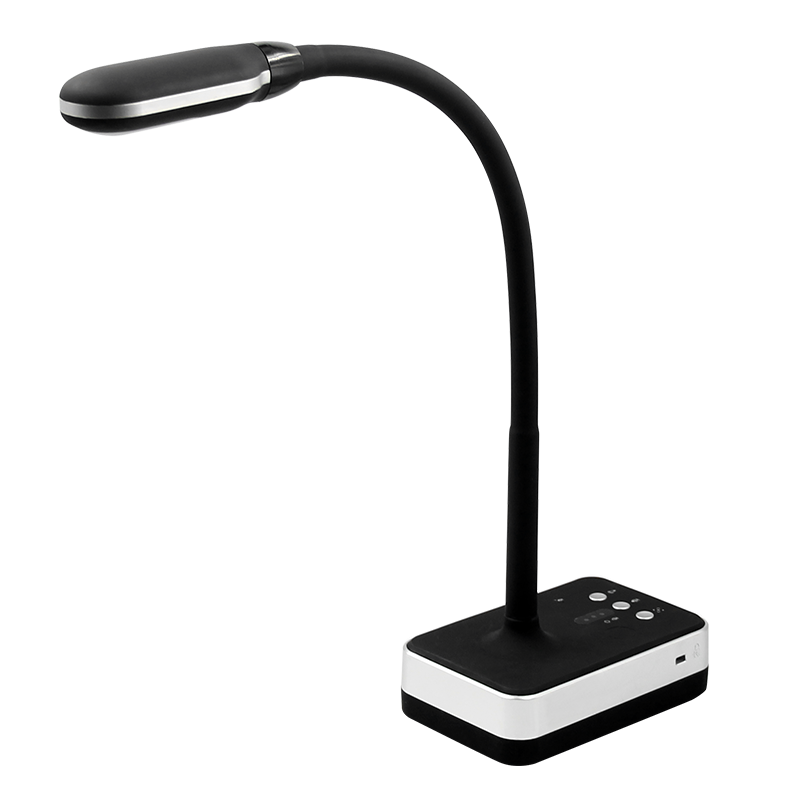
10MP Wireless USB A4 Document Camera for Education
- 10MP
- A4
- Wireless + USB
- Education
A4 10MP wireless/USB document camera for education. Flexible placement and live image sharing support hybrid classrooms, teacher training and small-group teaching.
View product details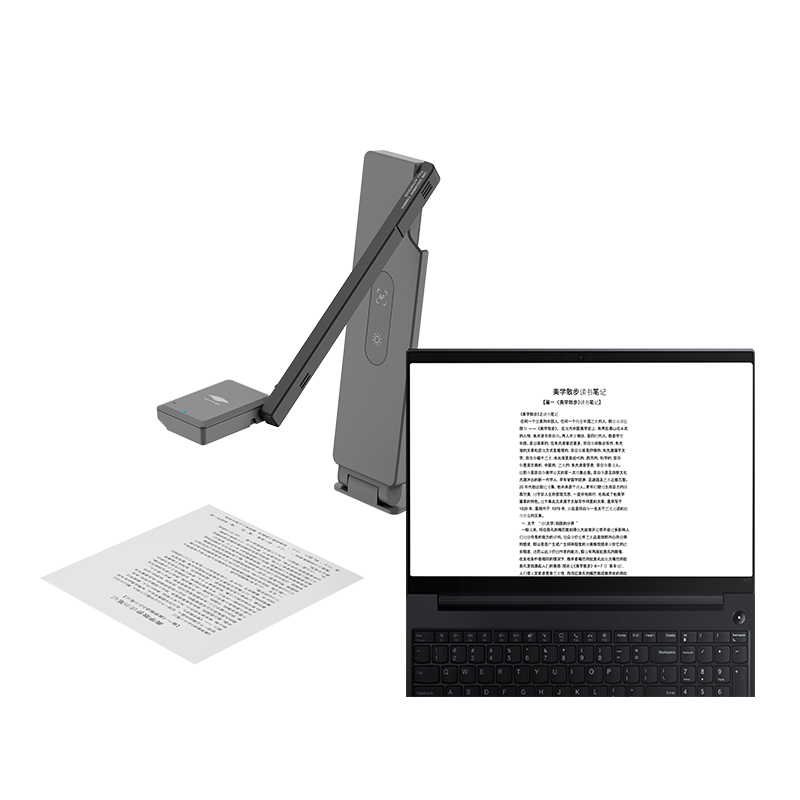
High-Resolution A3 3-in-1 Portable Document Scanner & Camera
- A3
- 3-in-1
- USB Type-C
- Plug & play
3-in-1 A3 portable scanner and camera with USB Type-C plug-and-play. A compact option for teaching, office conferences, municipal meetings and mobile demonstration kits.
View product details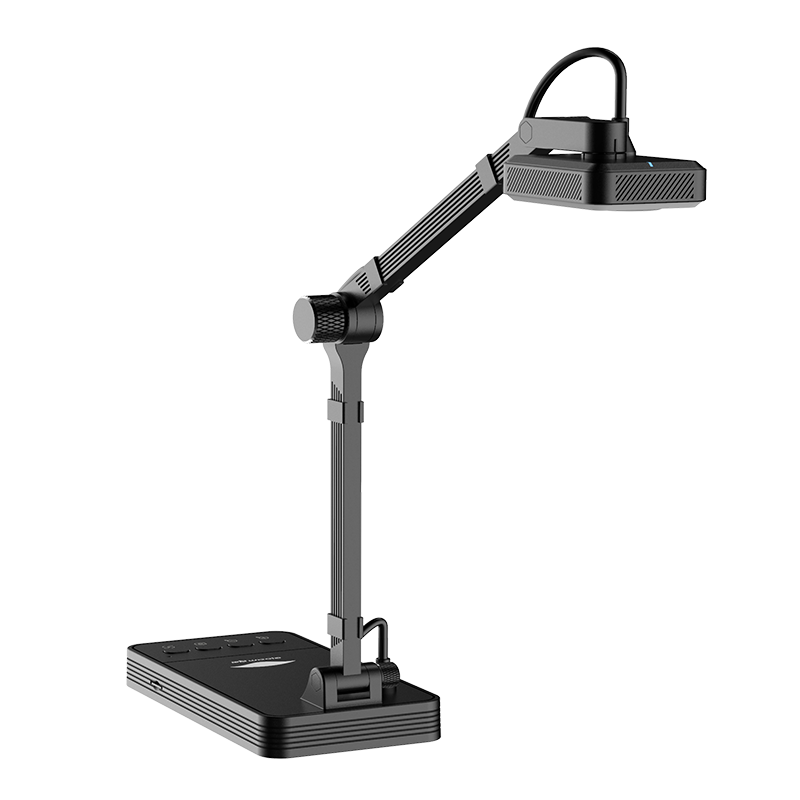
Rugged A3/A4 Portable Visual Presenter & Book Scanner
- A3/A4
- Book scanner
- USB
- Rugged
Rugged A3/A4 visual presenter and book scanner with high-resolution USB capture. Built for schools and mobile training teams that move equipment frequently.
View product detailsWhy Kyoto Buyers Source OCR Book Scanners Through a Specialist Wholesaler
Kyoto’s demand is shaped by fragile paper, bound volumes, Japanese OCR and multi-site procurement. A credible wholesale partner must support the workflow, not only the box.
Kyoto’s document-imaging requirements are not identical to those of a generic national rollout. University libraries, temple and shrine archives, publishing houses, municipal offices and heritage museums often need to capture bound volumes, stitched paper, folded maps and hand-annotated manuscripts without pressing the object flat against a glass plate. That is why a standard A4 flatbed scanner can look adequate on a specification sheet but fail in daily use: the spine cannot be pressed safely, Japanese OCR quality drops when page curvature is not corrected, and staff spend more time cropping and re-scanning than they planned.
For a wholesaler serving the Kyoto market, the product discussion should begin with the object being scanned and end with the searchable PDF. A3 capture is useful for ledgers, maps and classroom materials, but it is not enough on its own. Buyers should compare lighting control, auto-focus behaviour, page-curvature correction, OCR language coverage, export formats and the number of operator steps between capture and archive. For Japanese books and forms, test curved-page correction, vertical-text OCR and the steps required to produce a searchable PDF before comparing unit price.
Wholesale buyers usually arrive with three different intents. Some search by model, such as “A3 OCR book scanner supplier” or “portable document camera for library”. Some search by procurement criteria: MOQ, sample policy, CE/FCC documentation, warranty and delivery terms to Japan. Others search for a solution: Japanese OCR, SDK integration with a digital archive, and after-sales support across distributed sites. This page is organised around those three intents so that Kyoto distributors and end-user procurement teams can move from an initial shortlist to a quotation with fewer clarification cycles.
Model-Level Search Intent
Buyers compare A3 vs A4 capture, 13MP vs 16MP sensors, USB vs wireless connection and classroom vs archive use. Clear model shortlists reduce tender clarification time.
Procurement Search Intent
Procurement teams ask about wholesale MOQ, single-unit samples, lead time to Kyoto, warranty, CE/FCC documents and Incoterms before approving a supplier.
Integration Search Intent
System integrators need SDK support, OCR output, firmware stability and compatible Windows environments so scanners can connect to existing archive workflows.
Where OCR Book Scanners and Visualizers Fit in Kyoto
Kyoto combines academic institutions, cultural archives, public services, publishing and education. Each setting has a different tolerance for contact, setup time and operator training.
University and Research Libraries
Overhead A3/A4 scanning supports reserved books, seminar handouts and research notes. Dual-lens models and SDK-supported scanners help integrate OCR output with digital collections.
Temple, Shrine and Heritage Archives
Fragile and bound materials require non-contact capture, controlled lighting and careful handling. Overhead book scanning reduces pressure on spines and helps create reference copies for study.
Municipal, Legal and Finance Counters
Compact A4 visualizers and USB scanners speed up form capture, ID copying and counter-side documentation. Selected devices support OCR to reduce manual keying and improve audit trails.
Publishing, Bookstores and Hybrid Classrooms
Publishers and bookstores can digitize proofs, covers and out-of-print pages. Schools use visualizers for handwriting, textbooks and science demonstrations in hybrid lessons.
What Is Changing in Kyoto’s OCR Book Scanning Market
Kyoto institutions are moving from image-only scanning toward searchable, metadata-linked collections. A scan that cannot be found, cited or reused creates little long-term value. For wholesale buyers, this shifts attention from megapixels to OCR accuracy, file naming, batch workflow and software compatibility.
Japanese OCR quality is especially sensitive to document layout. Vertical text, furigana, seals, tables and mixed kanji/kana can challenge generic OCR settings. Buyers should test the actual material and confirm whether OCR is performed by bundled software, the device firmware or an external application. Selected models support up to 180 OCR languages, but final compatibility must be checked model by model.
Hybrid classrooms and meeting rooms are also changing demand. Wireless document cameras and 3-in-1 visualizers are used for teacher demonstrations, remote training and municipal briefings. In space-constrained Kyoto offices, portable units that can be stored quickly are often preferred over fixed equipment.
Finally, procurement teams are asking about low-carbon and long-life operation. LED lighting, durable housings, replaceable accessories and clear after-sales planning help institutions avoid short replacement cycles and unnecessary electronic waste.
What Kyoto Buyers Usually Compare Before a Wholesale Order
Match the model to the material, operator skill and integration requirement. This reduces rework during tender evaluation and sample approval.
| Kyoto Workflow | Recommended Model | Capture / Interface | Why It Fits |
|---|---|---|---|
| Bound books in library reading rooms | ELOAM YL1050AF | A3/A4 · USB · rugged housing | Portable book-scanner form factor suits shared reading rooms and mobile training sessions. |
| Classroom handouts and lecture demonstration | ELOAM VE1300A3AF | 13MP · A3 · USB | High-resolution A3 capture and plug-and-play USB help teachers show printed material clearly. |
| Branch counters and compact office capture | Eloam Mini A4 | 1600×1200 · A4 · USB 2.0 | Low-cost A4 visualizer with fast scanning for small teams and pilot deployments. |
| Meeting-room video booth and OCR | ELOAM VH800S | A4 · USB · OCR | High-speed A4 visualizer supports live display, document capture and classroom use. |
| Library integration and configurable capture | Eloam YL1020 | A3 · dual lens · USB · SDK | Dual-lens A3 scanning and SDK support are useful for system integrators and archive projects. |
| Large ledgers, maps and design drawings | Eloam S1800A2 | A2/A3 · 16MP · USB | Large-format capture with OCR support on selected configurations avoids stitching multiple images. |
| Wireless hybrid teaching and training | ELOAM VH1000AF | A4 · 10MP · wireless/USB | Flexible placement and live sharing support classrooms, seminars and remote meetings. |
| Compact 3-in-1 teaching and conference kit | ELOAM 3-in-1 A3 | A3 · USB Type-C · plug-and-play | A single portable device can support teaching, meetings and mobile demonstration needs. |
Manufacturer-Direct Wholesale, Not Marketplace Reselling
Kyoto distributors need a supplier that can control optics, firmware, software, production and customization at the source.
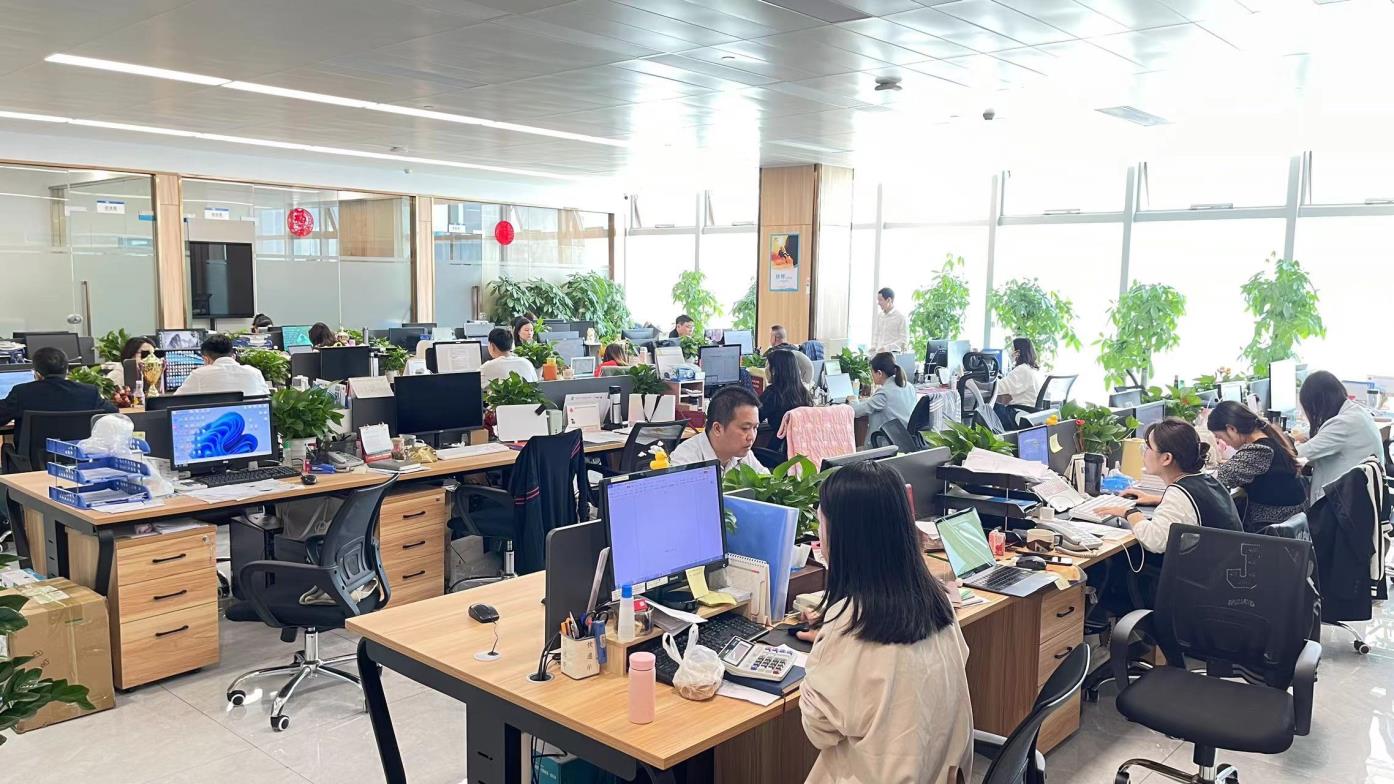
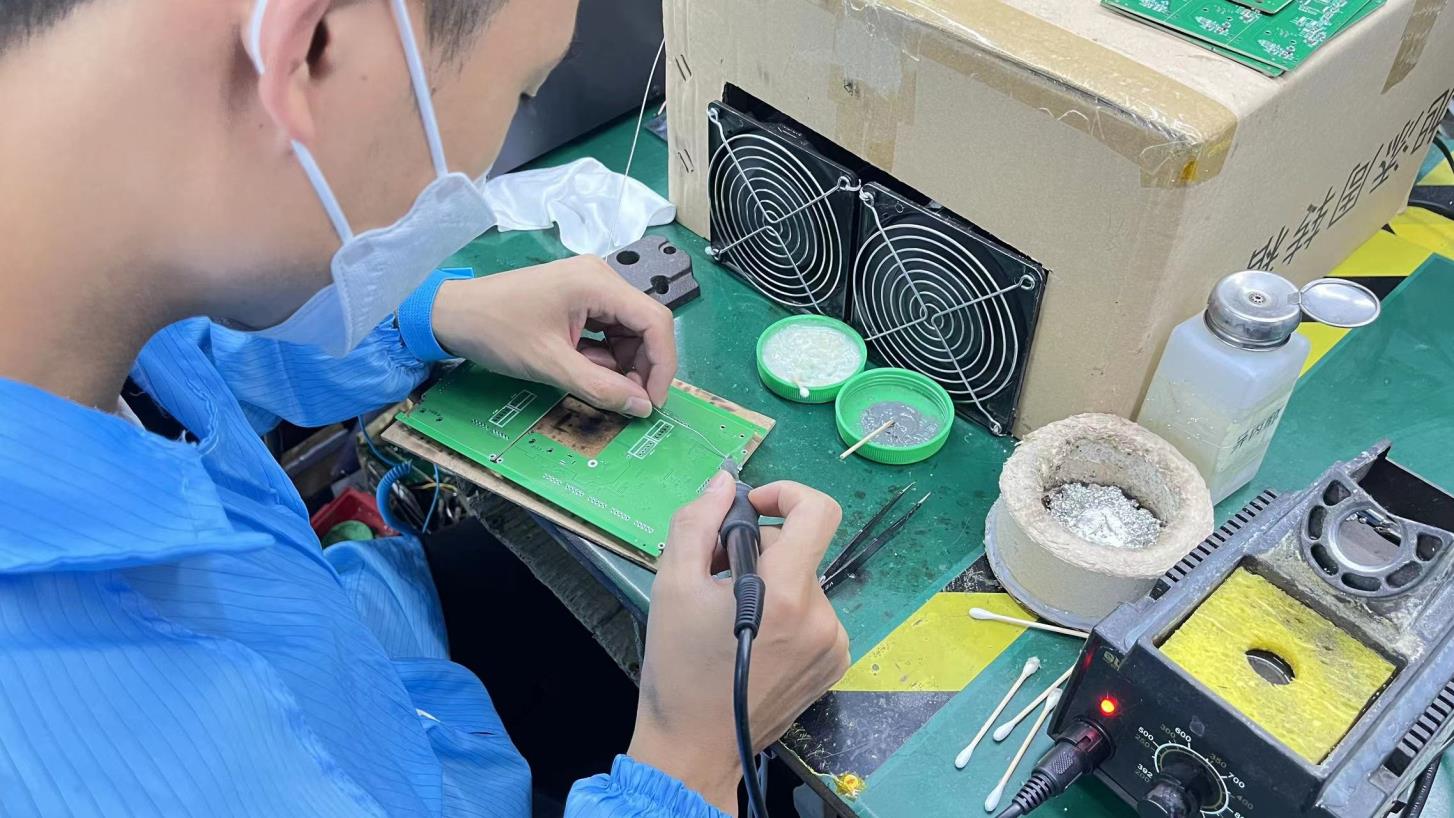
Shenzhen Hobry Technology Co., Ltd. has manufactured document scanners, book scanners, document cameras and portable monitors since 2005. We operate 8 production lines in a 5,000–10,000 m² facility, with 101–200 employees and an in-house team covering industrial design, optics, firmware, software and global sales. For Kyoto wholesale buyers, this means the product can be reviewed, customised and produced under one quality system rather than passed between unrelated resellers.
Our factory has been verified onsite by Intertek. We hold ISO 9001 quality management certification, National High-Tech Enterprise status and software copyright registrations. Products carry CE certification, with FCC available on selected models, and a standard 1-year warranty. OEM, ODM, design service and buyer-label service are available, including logo, packaging, housing colour, firmware and software UI customisation, with SDK support on selected models.
From Kyoto Requirement to Wholesale Shipment
A clear five-step process shortens sample approval and helps distributors, tenders and end users stay aligned.
Requirement Review
Confirm scan size, book type, OCR language, quantity, software environment and delivery destination in Kyoto.
Sample Validation
Test real Japanese documents, curved pages and operator workflow before approving a bulk order.
Configuration
Review logo, packaging, housing colour, firmware, software strings, SDK needs and certification documents.
Production and QC
Incoming material checks, in-process inspection and finished-product testing across 8 production lines.
Delivery and Support
Arrange FOB, CFR, CIF or EXW shipment, spare-parts planning and technical support for your Kyoto channel.
Questions Kyoto Buyers Ask Before a Wholesale Order
These answers reflect common distributor, library, school and municipal procurement questions. Final terms are confirmed in your quotation.
Is Hobry a manufacturer or a trading company?
Shenzhen Hobry Technology Co., Ltd. is a manufacturer with an integrated export sales team. Founded in 2005, the company operates 8 production lines in a 5,000–10,000 m² facility in Shenzhen, and the factory has been verified onsite by Intertek.
Can Kyoto distributors order wholesale quantities and samples?
Yes. Most models are available as single-unit samples for evaluation before a bulk order. Wholesale MOQ depends on the model and the level of customization, such as logo, packaging, housing colour, firmware or software changes. The confirmed MOQ is stated in your quotation.
Which model is suitable for Japanese bound books and fragile archive material?
For bound or fragile material, start with overhead book-scanner formats such as the YL1050AF and evaluate a model with suitable lighting, focus control and non-contact capture. If the project requires a V-shaped cradle or laser-assisted flattening, ask our sales engineers for the Book Scanner Series and confirm availability for your Kyoto project.
Does the OCR support Japanese and searchable PDF output?
Selected models support OCR in up to 180 languages, which can include Japanese depending on the configuration, with PDF, JPEG and TIFF output. Because OCR performance depends on layout, vertical text, paper quality and software settings, please request a sample test with your actual documents.
What is the usual MOQ and delivery lead time for Kyoto?
Sample orders can usually be arranged per unit. Bulk lead time depends on model, quantity, customization and production schedule. For Kyoto projects, share your target installation date, annual quantity and whether import documentation or tender-specific certificates are required so the quotation can include a realistic production and shipping plan.
Which payment, delivery and warranty terms are available?
Accepted payment terms are T/T, L/C, PayPal and Western Union in USD. Delivery terms include FOB, CFR, CIF and EXW. The standard warranty is 1 year, and spare-parts planning can be discussed for distributors and multi-site Kyoto deployments.
Can you customize packaging, firmware or SDK for a Kyoto system integrator?
Yes. OEM, ODM, design service and buyer-label service are available, including logo printing, custom packaging, housing colour, firmware and software UI customization. SDK support is available on selected models for integration with archive, library or counter systems. Technical feasibility is reviewed before quotation.
How is after-sales support handled for Kyoto end users?
We provide factory technical support, warranty coordination and spare-parts planning. For Kyoto distributors, we can discuss product training and first-line service arrangements with your local partner. The final service model, response scope and spare-parts list should be confirmed in the wholesale agreement.
Request a Kyoto Wholesale Quotation
Share your scan size, book type, OCR language, annual quantity and delivery destination in Kyoto. Our engineers will recommend a model, sample plan and configuration for your library, school, municipal or distributor project.