8 Document Imaging Models for Toronto Pilots, Rollouts, and Reseller Stock
These are the fastest routes from a Toronto buyer’s shortlist to a real evaluation. Each image is shown in full, and each product link preserves the original model page. If a configuration is missing, use Get Catalog and our team will return a Toronto-ready quotation with sample lead time, packaging, and delivery terms.
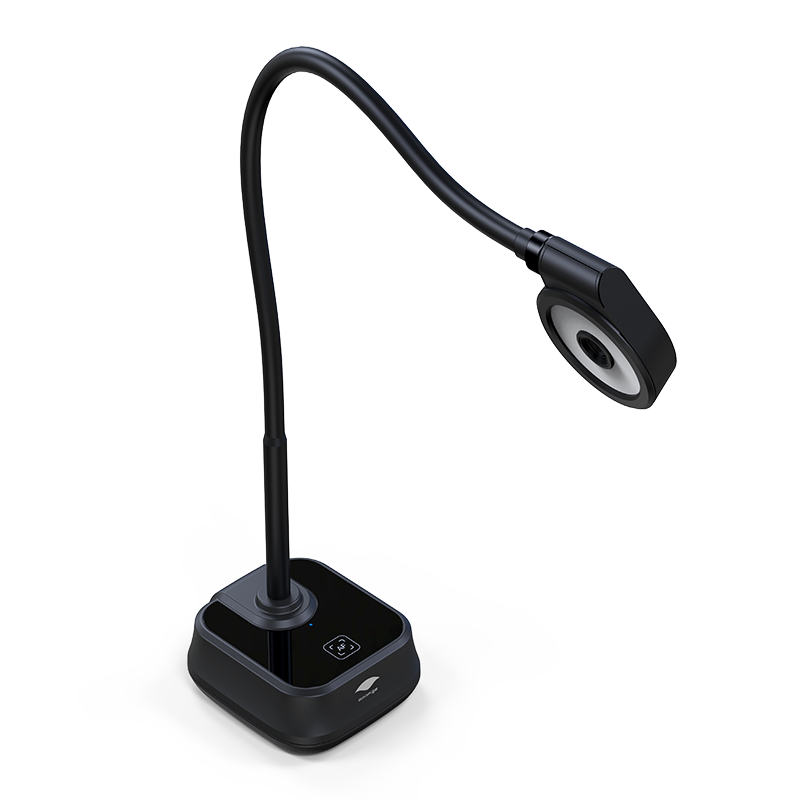
A4 High-Speed USB Portable Video Booth & Document Scanner with OCR
Compact A4 overhead capture for Toronto classrooms, meeting rooms, and shared departmental desks. USB operation and OCR support make it easy to pilot without a dedicated scan room.
- A4 capture
- USB
- OCR
- Portable
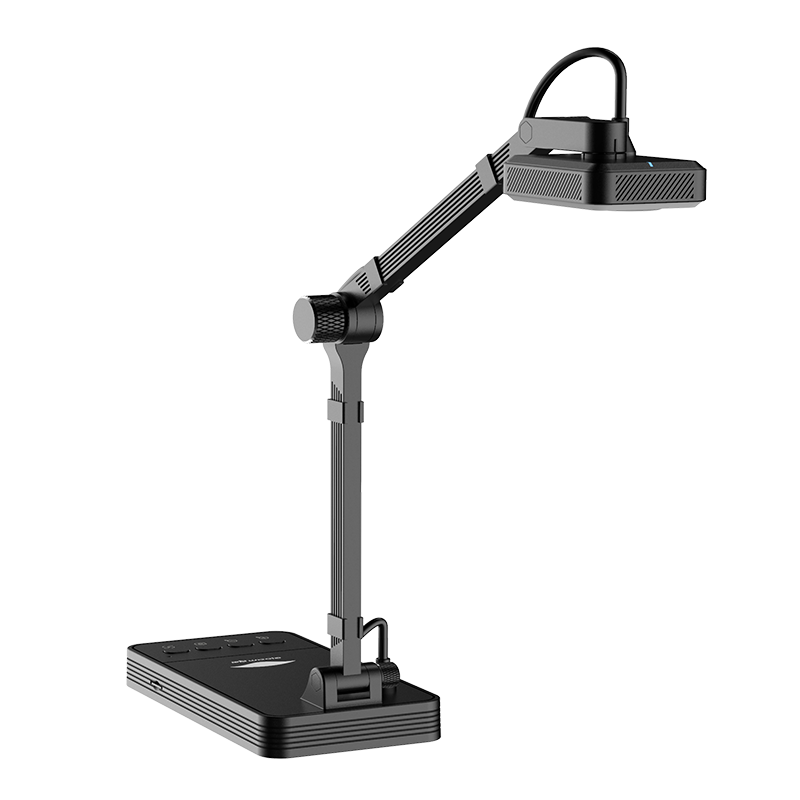
A3 10MP Wi-Fi & USB Document Presenter for Hybrid Teaching
Built for teachers, tutors, and trainers who move between classrooms and video calls. A3 capture, 10MP detail, and dual Wi-Fi/USB connectivity support distance learning and online teaching.
- A3 capture
- 10MP
- Wi-Fi + USB
- Online teaching
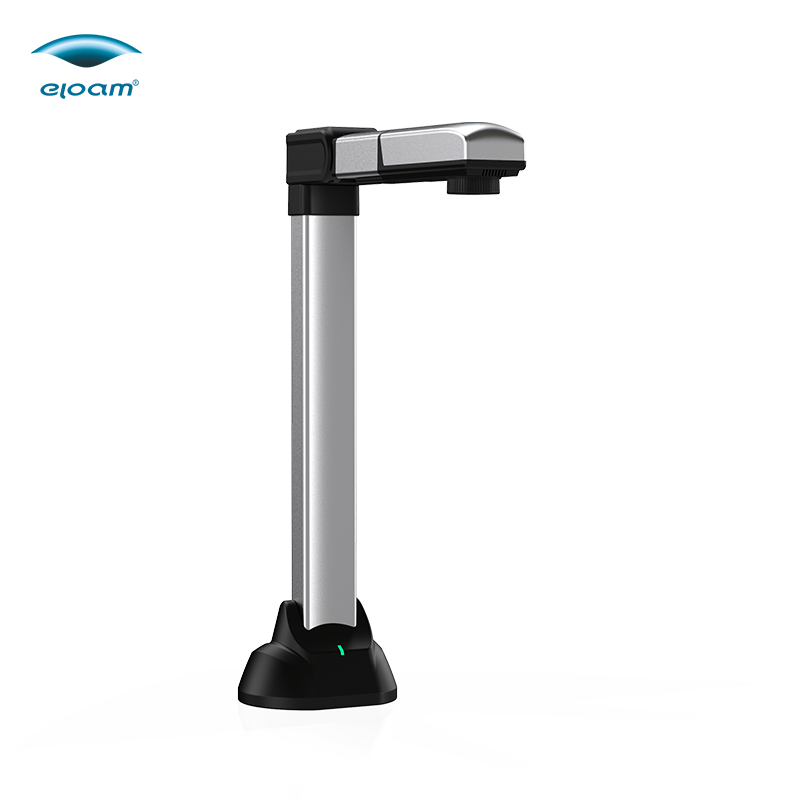
Portable High-Resolution A3 Book & Document Scanner with OCR
High-detail A3 capture for Toronto libraries, archives, legal teams, and special collections. The 5184×3456 resolution supports fine print, annotations, and searchable OCR output.
- 5184×3456
- A3
- OCR
- USB
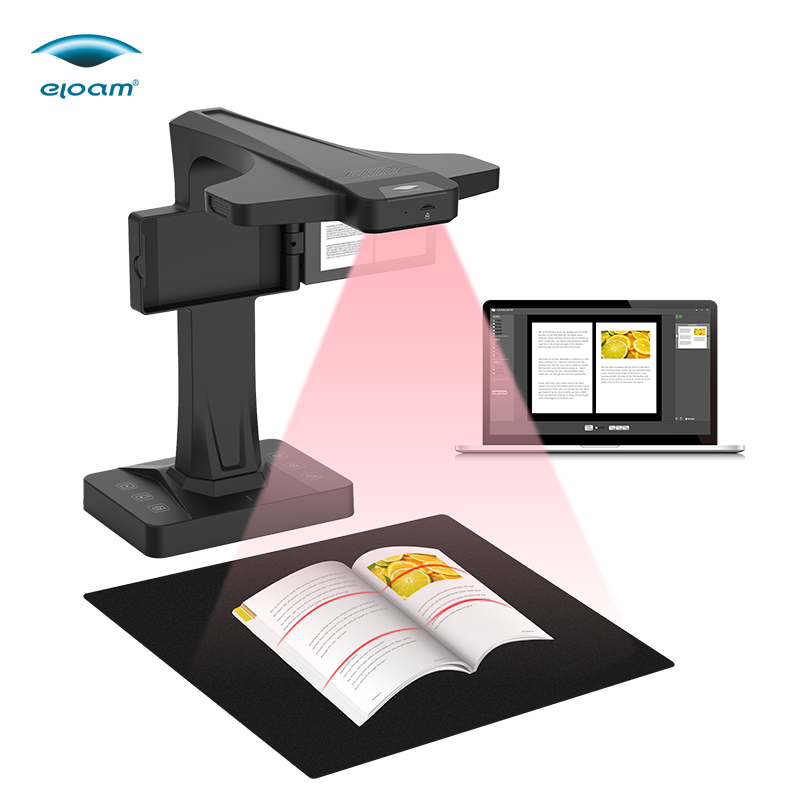
25MP High-Speed Automatic Document Scanner with OCR
For Toronto departments that need higher resolution and faster throughput. Suitable for educational records, office archives, and multi-page document capture with OCR output.
- 25MP
- Automatic scan
- OCR
- USB
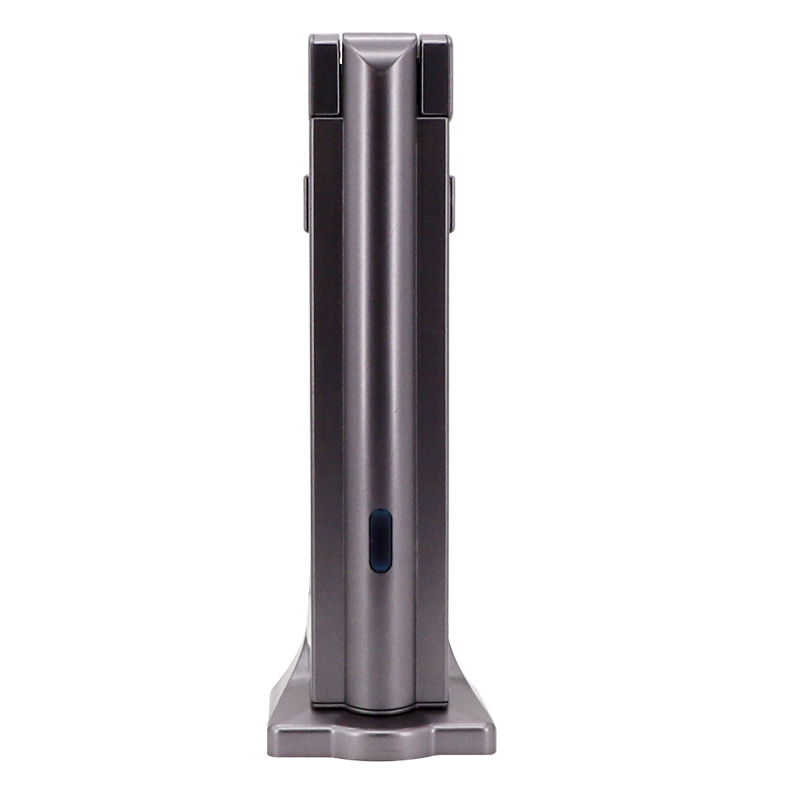
Auto-Focus A3 10MP Portable Document Scanner
One-second scan speed, continuous scanning, and Windows 10/11 support make this a practical fit for Toronto counters, shared desks, and departmental archiving.
- A3
- 10MP
- Auto-focus
- 1-second scan
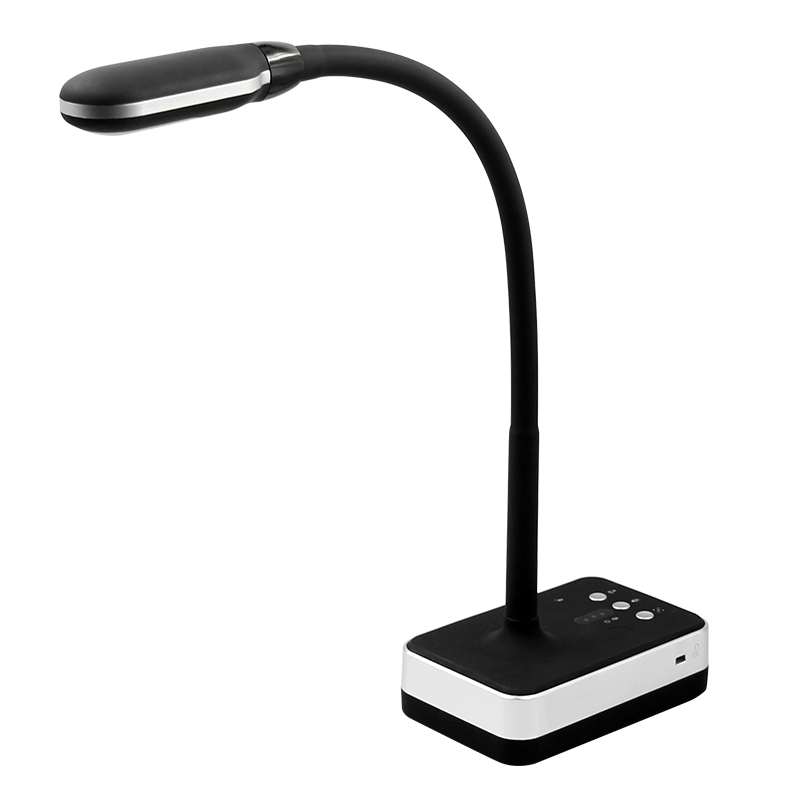
8MP A4 CMOS Foldable Overhead Document Scanner with Video Recorder
A compact visualizer for Toronto reception counters, small offices, and training rooms. The foldable overhead design saves desk space while supporting camera and video capture.
- A4
- 8MP
- Foldable
- USB
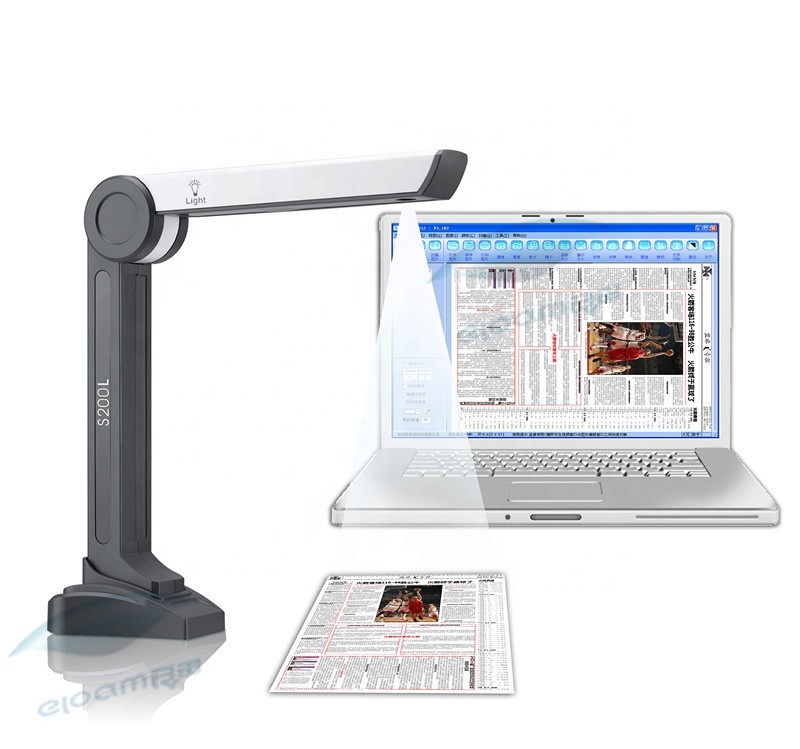
USB A4 Document Scanner with 1-Second Scan and ABBYY OCR
A budget-conscious A4 scanner for Toronto front counters, small offices, and high-volume form capture. CMOS sensor, 1600×1200 resolution, and ABBYY OCR support practical document workflows.
- A4
- 1600×1200
- 1-second scan
- ABBYY OCR
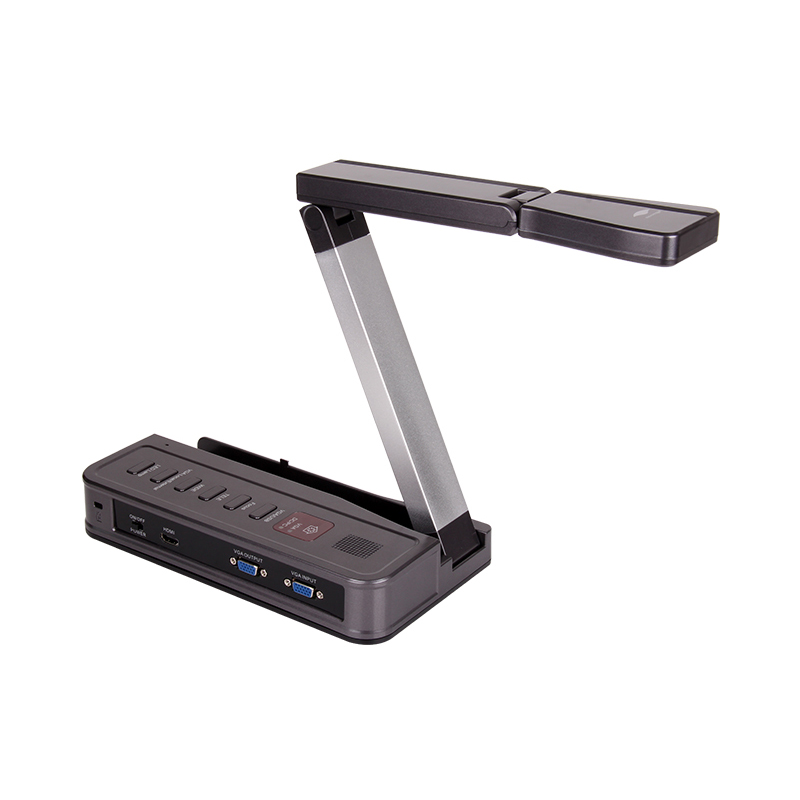
Portable A4 5MP 30FPS USB Type-C 3-in-1 Interactive Document Camera
One device for document display, webcam use, and projection-style classroom sharing. The USB Type-C interface and 30FPS output suit Toronto hybrid teaching, tutoring, and collaborative training.
- A4
- 5MP
- 30FPS
- USB Type-C
Need a Toronto-specific bundle with sample units, OEM branding, or mixed-model reseller stock? Use the catalog request and tell us your scan area, volume, OCR language, and delivery city.
Capture Equipment Is Local Infrastructure, Not a Commodity
Toronto buyers rarely purchase a document camera or overhead scanner as a standalone gadget. In the GTA, these devices sit inside school-board classrooms, hospital back offices, Bay Street legal teams, municipal service counters, library digitization labs, and hybrid workstations in condo offices. The purchase decision therefore has to solve three problems at once: capture quality, workflow integration, and defensible procurement.
Toronto’s operating environment is distinctive. Downtown floor space is expensive, so capture devices must be compact enough to share a desk or a teaching cart. School boards need visualizers that work with projectors, interactive panels, and video-conferencing software. Hospitals and clinics ask whether capture can remain local to support PHIPA obligations. Municipal and provincial agencies may ask for records practices that align with FIPPA and MFIPPA, while accessibility teams look at AODA implications for how materials are displayed and recorded. Financial-services teams care about speed at the counter and accuracy in searchable PDFs.
Since 2005, Shenzhen Hobry Technology Co., Ltd. has manufactured document scanners, book scanners, document cameras, and portable monitors for B2B buyers. This Toronto guide is based on that factory experience, on our ISO 9001 production environment, and on the practical questions our North American channel partners bring to sample reviews. It is written to help Toronto buyers build a shortlist, not to replace a formal privacy, security, or procurement review.
Prepared by the Hobry imaging team using original product specifications, factory data, and North American channel feedback. Reviewed in 2025.
Where Toronto Organizations Actually Use This Equipment
The eight models above are not interchangeable. Match the device to the room, the material, and the person doing the work. These are the four highest-frequency deployment patterns we see in Toronto briefs.
School Boards, Independent Schools, and Hybrid Classrooms
A teacher needs to place a worksheet, science specimen, or math solution under a camera and switch between full-class display and remote learners without losing time. Wireless A3 visualizers and compact A4 overhead scanners reduce cable friction in rooms that are not purpose-built for AV. Models such as YL1050, VH800S, VH800AF, and the 5MP 3-in-1 document camera fit different levels of budget, mobility, and projection needs. Evaluate frame rate, focus speed, and how quickly the software connects to the teacher’s laptop or interactive panel.
Bay Street Legal, Financial, Insurance, and KYC Workflows
Downtown Toronto teams often scan at the point of client contact rather than sending paper to a central mailroom. A compact A4 USB scanner with one-second capture and ABBYY OCR can reduce queues at reception; an A3 auto-focus model handles contracts, spreadsheets, and combined ID pages. For legal review and know-your-client files, confirm OCR language coverage, output to PDF, JPEG, or TIFF, and whether the capture software runs locally or requires a cloud account.
Toronto Hospitals, Clinics, Research Teams, and Community Health
Healthcare teams need fast capture of requisitions, consent forms, lab notes, and referral packages while keeping privacy obligations in view. A USB-connected scanner or visualizer does not require the document to leave the room unless the user chooses a cloud workflow. Model selection should consider A3 capacity, OCR accuracy on forms, continuous-scanning workflows, and whether the software supports the hospital’s Windows 11 environment. Always validate PHIPA and institutional IT policy before deployment.
Toronto Public Library, City Archives, Universities, and Museums
Bound books, fragile programmes, maps, and oversized records need non-destructive capture. A high-resolution A3 book scanner with OCR supports searchable PDFs while reducing physical handling. The 5184×3456 model and 25MP high-speed scanner are relevant for digitization benches, reading-room services, and special collections. Compare cradle design, lighting, capture speed, and file-output standards with the institution’s preservation and metadata requirements.
Municipal service counters, Ontario court-adjacent records teams, and not-for-profit archives often combine these patterns: fast counter capture plus a separate book or oversized-document workflow. Specify both needs in one sample request to avoid buying two incompatible devices.
Toronto Imaging Trends Shaping Purchasing Through 2027
Toronto procurement cycles are not driven only by hardware refresh dates. The following trends are changing specifications, pilot design, and service expectations across the GTA.
1. Hybrid Work Moved Capture to the Desk
Downtown Toronto teams no longer assume a dedicated scan room. Capture now happens in shared offices, at reception, in teaching carts, and on kitchen counters. Buyers want USB-powered, foldable, and compact devices that can be moved or stored without IT support. This favors A4 overhead scanners, portable document cameras, and multi-use visualizers over large single-purpose hardware.
2. Privacy-by-Design Is Now a Specification
Ontario public-sector and healthcare buyers increasingly ask where a scanned image goes, whether OCR is processed locally, and whether a cloud account is mandatory. A USB-connected capture device with local software gives Toronto teams a clearer review path under PHIPA, FIPPA, and MFIPPA. Vendors should provide accurate data-flow answers rather than vague “secure” claims.
3. Multilingual OCR Is a Toronto Advantage
Toronto’s diversity shows up in client files, immigration documents, school records, and healthcare forms. Selected Hobry models support OCR in up to 180 languages and output PDF, JPEG, or TIFF. Buyers should test actual documents in the languages they handle, then confirm the OCR engine, version, and supported formats before a rollout.
4. Visualizers Are Becoming Collaboration Devices
Document cameras are no longer only for classroom projection. Toronto trainers, clinicians, and technical teams use them as webcams for demonstrations, remote coaching, and recorded procedures. Evaluate 30FPS output, USB-C connectivity, focus speed, and software compatibility. Confirm support for the specific video platform the team uses; do not assume that every visualizer behaves identically in every meeting app.
5. Space-Efficient, Multi-Purpose Hardware Wins
Toronto’s office and classroom footprints reward devices that scan, present, and record without adding another dedicated table. A 3-in-1 visualizer can replace a document camera, webcam, and basic projector-style display in some rooms. The trade-off is that buyers must test the exact workflow: printed page, 3D object, whiteboard, or video call.
6. Total Cost of Ownership Drives OEM and Channel Decisions
Toronto resellers and integrators compare freight, duties, brokerage, warranty, spare parts, training, and sample costs — not just the unit price. Factory-direct OEM/ODM support becomes valuable when a Canadian distributor needs buyer-label packaging, firmware settings, or an SDK for a local software workflow. Ask for a landed-cost view before committing to a container or a multi-site rollout.
The dashboard is an illustrative decision-weight index drawn from Hobry project briefs and channel feedback in the GTA. It is not a statistical survey and should not be used as procurement evidence.
Toronto Buyer Fit Matrix: Which Model Fits Which Job
Use this matrix to move from a use case to a sample request. Every model below appears in the product grid above with its original product link.
| Toronto use case | Recommended model from this page | Why it fits | Procurement note |
|---|---|---|---|
| Classroom demonstration and hybrid lessons | ELOAM YL1050; VH800S; 5MP 3-in-1 | A3 wireless presenter for room-to-room teaching; A4 overhead scanner for departmental sharing; 3-in-1 for projector, webcam, and visualizer use. | Pilot with one teaching cart and one non-AV classroom; confirm software with board IT. |
| Front-counter KYC, client onboarding, and small-office capture | VH800S; VH800AF; A4 USB scanner 1600×1200 | Compact A4 footprint, fast capture, OCR, and USB-only operation for tight Toronto desks. | Check desk space, cable management, and Windows 11 driver support. |
| Legal files and departmental archiving | Auto-Focus A3 10MP; VH800S | A3 for contracts and drawings; A4 for high-volume client files; one-second scan and continuous scanning. | Confirm OCR language coverage and PDF output before pilot. |
| Book, archive, and special-collection digitization | Portable 5184×3456 A3 book scanner; 25MP automatic scanner | High resolution for fine print and bound materials; A3 capture; OCR for searchable files. | Evaluate cradle comfort, lighting, and page-curvature handling. |
| Hospital, clinic, and research records | Auto-Focus A3 10MP; 25MP; VH800AF | Desktop capture that can remain local; A3 for forms and reports; visualizer for training and remote consultation. | Complete PHIPA and IT security review; no cloud use is mandatory. |
| Municipal service counters and records programs | VH800S; 25MP; A4 USB scanner | Fast capture at the counter; OCR to searchable PDF; compact fit for shared service desks. | Align retention and records classification with FIPPA/MFIPPA policies. |
| Campus lecture halls, labs, and remote tutoring | YL1050; 5MP 3-in-1; VH800S | Wireless presenter, webcam/projector combo, and A4 overhead capture for demonstrations. | Test with the learning-management system and video platform. |
| Distributor stock for Toronto and GTA resellers | All eight models | Mixed stock covering A4, A3, book scanning, visualizers, and 3-in-1 collaboration hardware. | Confirm FOB/CFR/CIF/EXW, packaging, warranty, and OEM requirements. |
Privacy, Accessibility, and TCO Questions Toronto Buyers Should Ask
Toronto public-sector and regulated buyers need more than a resolution figure. Build a review file that answers these four questions.
Where Does the Document Go?
Ask whether the scanner or document camera requires a cloud account, whether OCR is processed locally, and where temporary files are stored. USB-connected capture can reduce data-flow complexity, but the customer’s software, network, and retention rules still determine compliance. This is not legal advice; validate with your privacy office.
Can We Meet Classroom and Accessibility Needs?
Toronto educators need clear display for students in the room and online. Consider visualizer placement, zoom clarity, video recording, and whether materials can be shared to accessible learning platforms. AODA review is organization-specific, so include your accessibility lead in the pilot rather than relying on a vendor checklist.
What Documents Shorten Supplier Qualification?
Hobry’s factory has been verified onsite by Intertek. The company holds ISO 9001, a National High-Tech Enterprise certificate, and software copyright registrations. Products are CE certified, with FCC available on selected models. Standard warranty is one year. Use these documents to support due diligence, then confirm the exact model certificate with your quotation.
What Is the Real Landed Cost to Toronto?
Compare unit price with freight, duties, brokerage, sample shipping, warranty handling, spare parts, training, and support response. Factory-direct terms include FOB, CFR, CIF, and EXW, with payment by T/T, L/C, PayPal, or Western Union in USD. Ask for a landed-cost view before you compare a Toronto rollout with a single sample purchase.
Why Hobry Is a Factory — Not a Trading Company — for Toronto Channel Partners
Shenzhen Hobry Technology Co., Ltd. was founded in 2005 as an imaging manufacturer with an integrated export team. The company operates 8 production lines in a 5,000–10,000 m² facility in Shenzhen with 101–200 employees. Its factory has been verified onsite by Intertek, and the company holds ISO 9001, a National High-Tech Enterprise certificate, and software copyright registrations. Products are CE certified, with FCC available on selected models. Standard warranty is one year.
20+ Years in Imaging R&D
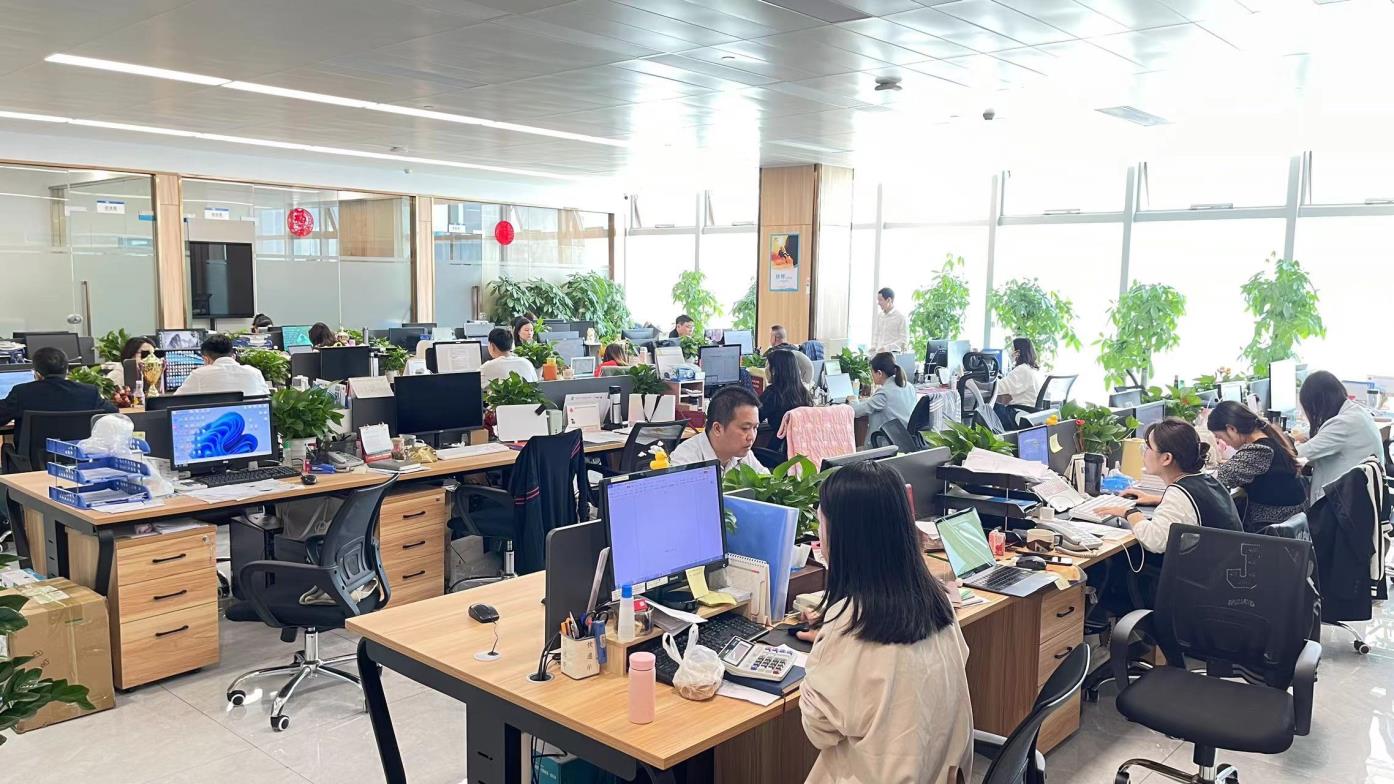
Hobry’s in-house team covers industrial design, optics, firmware, software, and testing. That matters when a Toronto integrator needs a firmware setting, a software workflow change, or a sample configuration that is not purely off-the-shelf.
Factory Scale You Can Audit
8 production lines, a 5,000–10,000 m² maximum factory area, and 101–200 employees give Toronto buyers a real manufacturing base to review. The onsite Intertek verification supports the due-diligence file.
Quality Systems and Certifications
ISO 9001 quality management, CE product certification, FCC on selected models, National High-Tech Enterprise status, and software copyright registrations help Toronto resellers answer common procurement questions faster.
OEM, ODM, and Buyer Labels
Logo printing, custom packaging, housing color, firmware, software UI, and SDK support on selected models are available. MOQ depends on the model and customization level, so Toronto distributors can start with a focused pilot before scaling.
North America Export Experience
Main markets include North America, Southeast Asia, Southern Europe, and the Middle East, with participation in 5 international exhibitions. Accepted delivery terms are FOB, CFR, CIF, and EXW; payment terms include T/T, L/C, PayPal, and Western Union in USD.
Sample and Rollout Support
Most models are available as single-unit samples for evaluation. Bulk MOQ is confirmed in the quotation. Toronto buyers can combine sample evaluation, OEM branding, packaging review, and after-sales planning before committing to a larger order.
Inside the Factory Behind Toronto-Ready Imaging Hardware
Images are selected from the original site. Product and factory images are displayed in full without forced cropping.
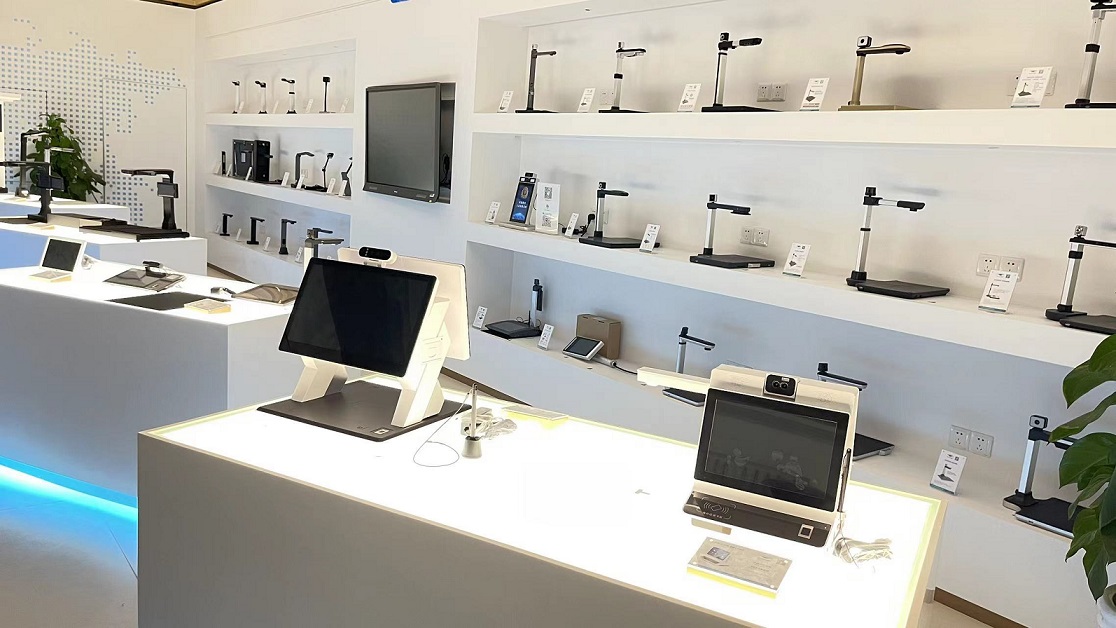
Company overview
In-house R&D engineering
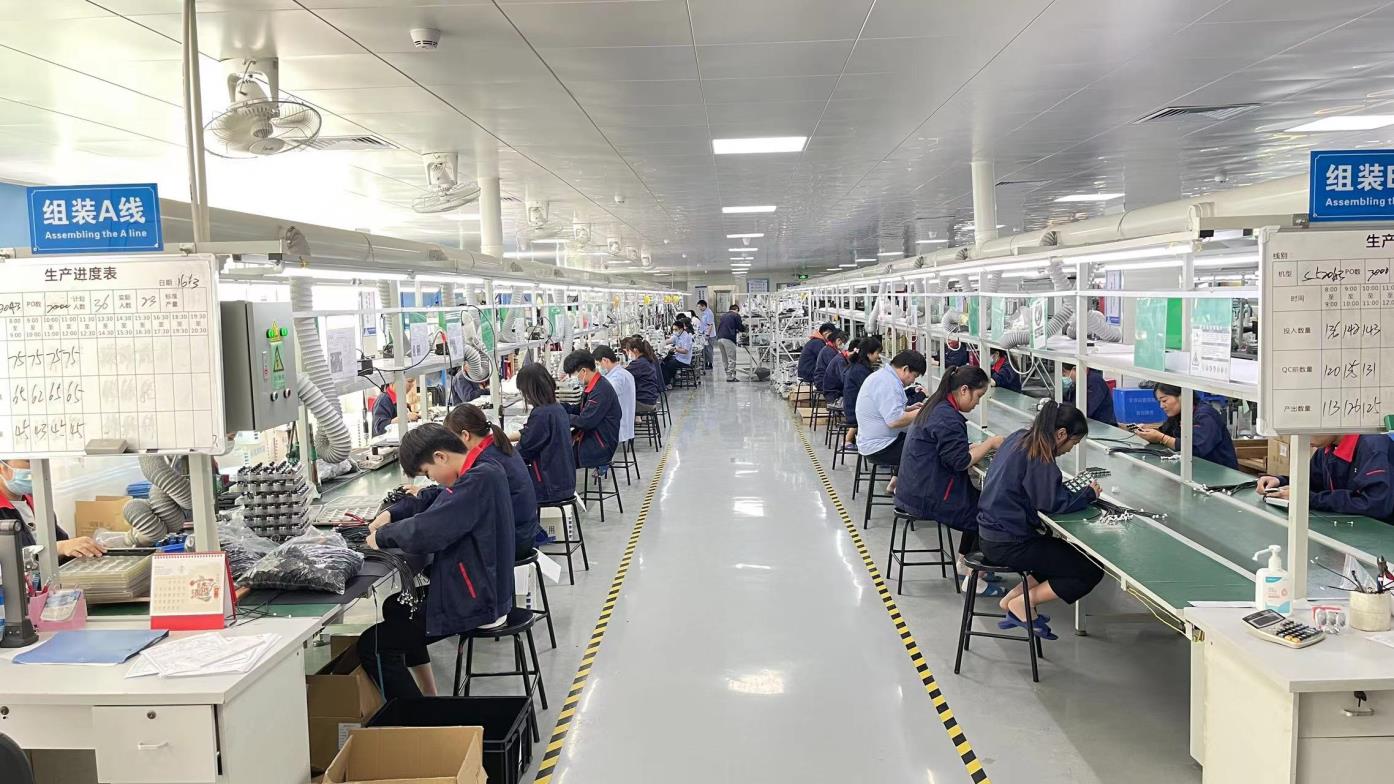
Production line
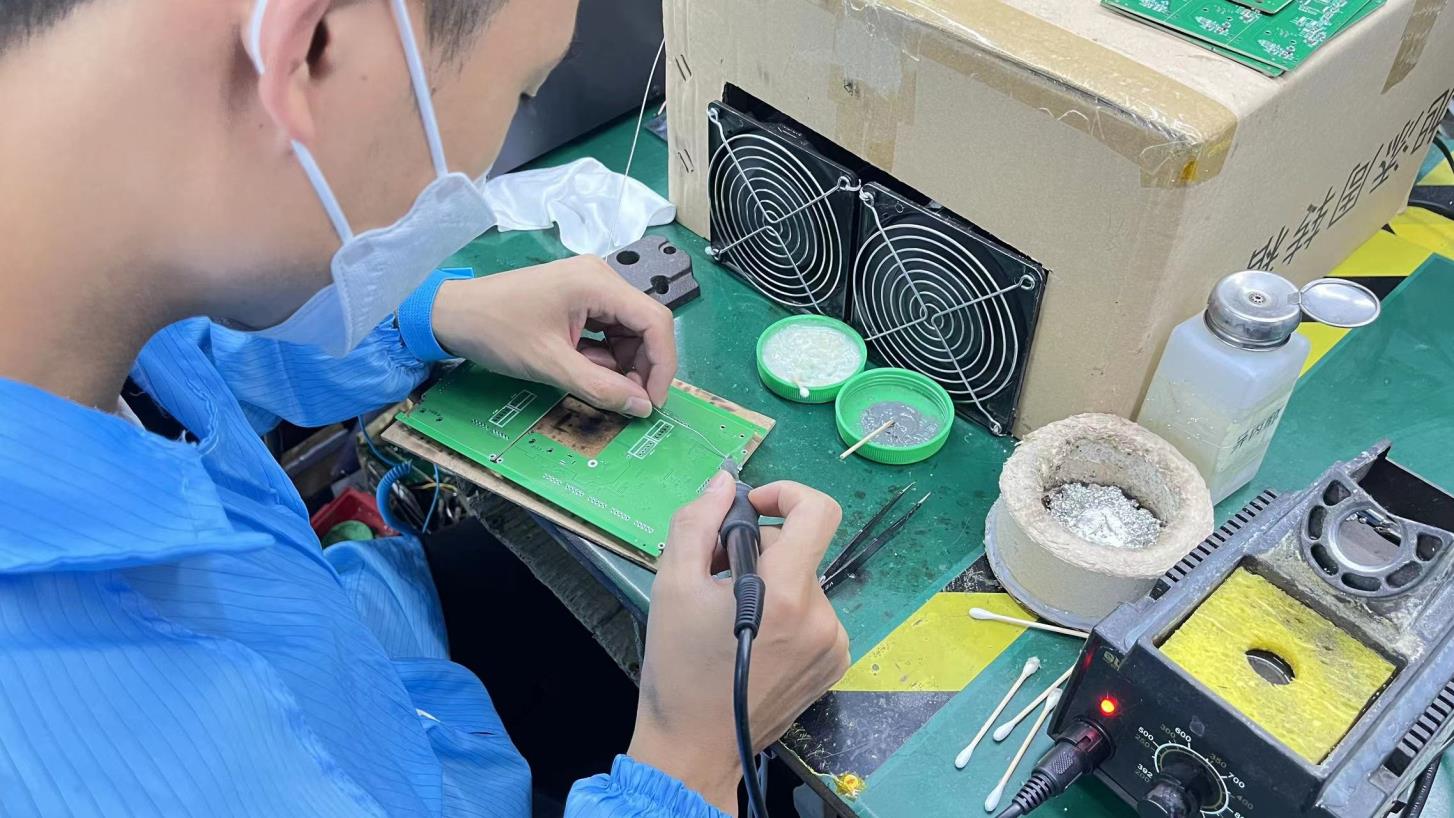
Certificates and honors
From Toronto Brief to Factory Shipment in Five Clear Steps
With in-house optics, firmware, and software teams, Hobry can customize hardware and software rather than simply relabeling a finished product.
Brief & Compliance Review
Define scan area, material type, volume, OCR languages, software environment, and Toronto delivery target.
Sample & Configuration
Select the model, test sample documents, confirm Windows 11 or macOS support, and lock the configuration.
Branding & Software
Apply logo, packaging, housing color, firmware settings, software UI, or SDK integration on selected models.
Mass Production & QC
Run production across 8 lines with incoming, in-process, and finished-product quality checks.
Toronto Delivery & Support
Ship FOB, CFR, CIF, or EXW; confirm warranty, RMA path, and technical support before rollout.
Shipping, Samples, Compliance, and Support Questions
Do you ship document scanners directly to Toronto, and which terms apply?
Yes. Hobry supports FOB, CFR, CIF, and EXW delivery terms, with payment by T/T, L/C, PayPal, or Western Union in USD. Toronto buyers can request air, sea, or express shipping through their preferred forwarder or ask our team to quote a practical route. Confirm the exact Incoterm, packaging, and delivery address in the quotation.
Can Toronto schools, hospitals, or resellers request evaluation samples?
Most models are available as single-unit samples for evaluation. This is useful for Toronto pilots involving classrooms, service counters, or library digitization. Bulk MOQ depends on the model and customization level and is confirmed in your quotation. Share your target use case so the sample is configured correctly.
How should we evaluate PHIPA, FIPPA, or MFIPPA concerns?
Ask whether the scanner or visualizer requires a cloud account, where OCR is processed, and where temporary files are stored. A USB-connected device with local software can simplify the data-flow review, but the customer’s policies still govern compliance. This article is not legal advice. Toronto public-sector and healthcare buyers should route the final decision through their privacy and IT teams.
Does the equipment support Windows 11 and macOS?
Windows is supported across the range, and macOS is supported on selected large-format models. Support can vary by model and software version. Before ordering, tell us your operating system, document size, and OCR/output requirement so we can confirm compatibility in writing.
What warranty and after-sales support is available for Toronto customers?
The standard warranty is one year. After-sales technical support is available through the factory and channel partner. For Toronto rollouts, define the RMA contact, spare-parts plan, and response path in the quotation. If you are a distributor, we can discuss sample units and service planning before mass production.
Can Canadian distributors order OEM/ODM with their own brand?
Yes. OEM, ODM, design service, and buyer-label service are available, including logo, packaging, housing color, firmware, and software customization. SDK support is available on selected models. MOQ depends on the model and customization scope, so a focused Toronto or GTA pilot is a practical first step.
What OCR languages and output formats are supported?
Selected models support OCR in up to 180 languages and output formats such as PDF, JPEG, and TIFF. The A4 USB scanner listing specifically references ABBYY OCR. Because OCR engines and language packs vary by model, send sample documents in the languages you handle and confirm the supported formats before a rollout.
Which model suits a small downtown Toronto office with limited desk space?
Start with the VH800S A4 overhead scanner, VH800AF foldable scanner, the A4 USB scanner with one-second capture, or the 5MP 3-in-1 visualizer. These are compact enough for shared desks and flexible enough for scanning, video calls, or classroom-style display. If you also handle A3 contracts or drawings, add the Auto-Focus A3 10MP model to the sample request.
Get a Toronto-Ready Imaging Shortlist and Quote
Tell us your scan area, volume, OCR languages, target software, and Toronto delivery location. Our engineers will recommend the right models, confirm sample availability, and outline OEM/ODM options for GTA resellers and integrators.
info@hobrytech.com