A New York–Ready OEM Visualizer Program Built for Real Procurement
This guide is written for procurement teams, school technology directors, AV integrators, and wholesale distributors who need a custom OEM digital visualizer supplier and wholesaler serving New York. A digital visualizer is not a generic webcam. It must capture A4 or A3 documents, bound books, 3D objects, handwriting, maps, and product samples under real classroom and office lighting; OCR and software must match the workflow; and the supplier must provide evidence, samples, and documentation that survive public-sector review. Shenzhen Hobry Technology Co., Ltd. has manufactured imaging hardware since 2005, and this guide applies that manufacturing experience to New York–specific buying decisions.
New York buyers often compare very different products in one RFQ: a foldable A4 overhead scanner for a Queens classroom, a wireless document camera for a Manhattan training room, an A3 auto-focus unit for a Brooklyn architecture office, an A2 scanner for engineering drawings in Westchester, or a high-resolution book scanner for a university archive. The eight models below preserve the original product URLs so your team can review specifications directly. Every recommendation should be validated with a sample, your software stack, and your own acceptance criteria before a bulk order.
We separate confirmed company facts from procurement advice. Company facts come from Hobry’s verified manufacturer profile: founded in 2005, 8 production lines, a 5,000–10,000 m² factory, 101–200 employees, Intertek onsite factory verification, ISO 9001, CE certification, FCC available on selected models, a 1-year standard warranty, OEM/ODM support, and SDK availability on selected models. Local application notes are planning guidance; they are not endorsements by New York agencies or school districts.
8 Digital Visualizers and Document Cameras for New York Projects
These models cover classroom demonstration, hybrid teaching, office OCR, A2/A3 engineering records, library digitization, book capture, mobile scanning, and wireless visualizer deployments. Product URLs are retained exactly as supplied; confirm stock, final configuration, and certification scope with our team before ordering.
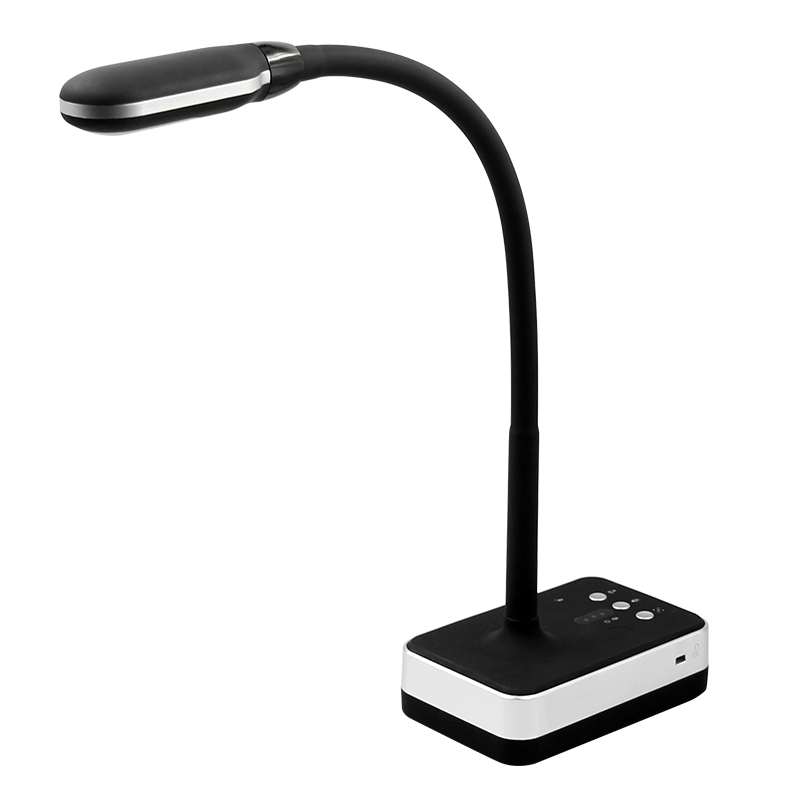
ELOAM VH800AF 8MP A4 CMOS Foldable Overhead Document Scanner with Camera & Video Recorder USB Interface in Stock
A practical choice for New York tutoring centers, small classrooms, and front-desk document capture where a compact foldable overhead design and video recording are useful.
View product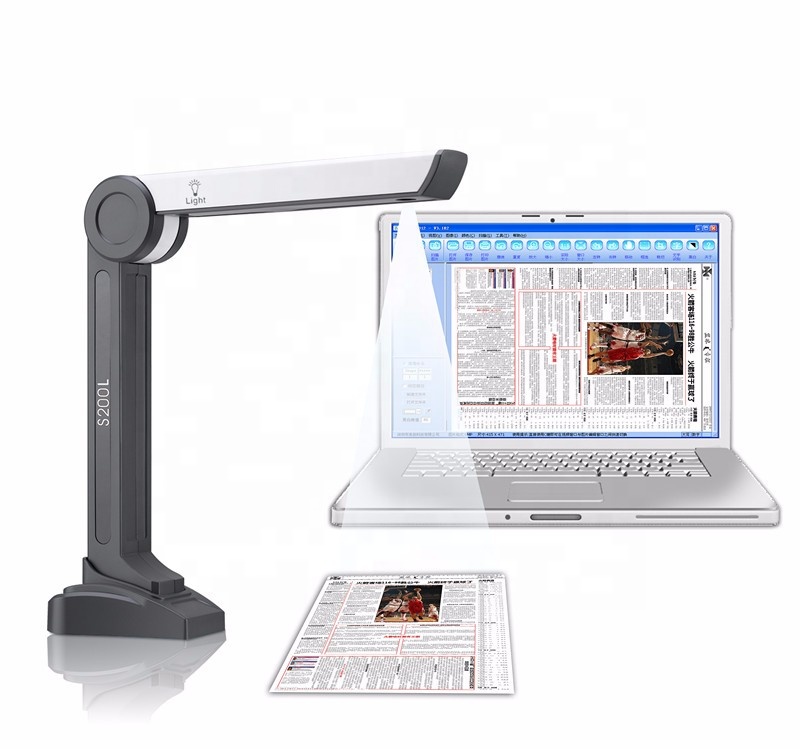
Eloam USB 2.0 Interface Mini Portable Document Scanner Visualizer A4 Size CMOS Sensor 1 Second Scan Speed 1600x1200 Resolution
Best suited to high-volume seat deployments, mobile notaries, field teams, and budget-conscious rollouts that need simple USB connectivity.
View product
ELOAM S1000C A4 Portable USB Document Camera Scanner 10MP Multi-Language OCR Office Scanning Android Windows Stock Fast 1S Scan
A strong fit for office counters, admissions desks, and New York service organizations that need readable 10MP capture plus multi-language OCR.
View product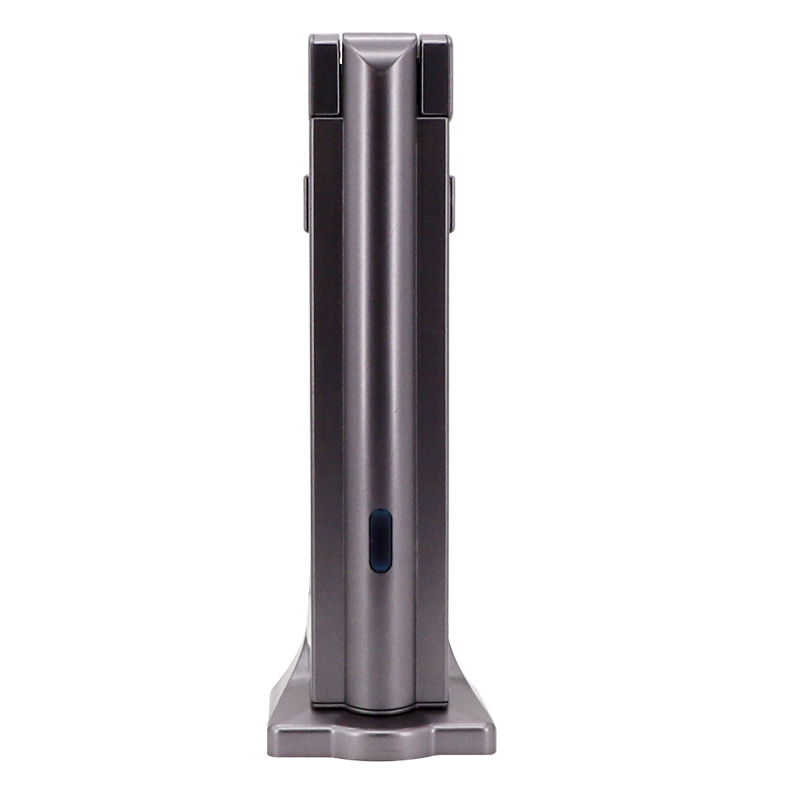
ELOAM Auto-Focus A3 10MP Portable Document Scanner USB Interface 1S Scan Speed Automatic Continuous Scanning Windows 10/11
Recommended for A3 forms, construction submittals, school operations records, and offices that need automatic continuous scanning.
View product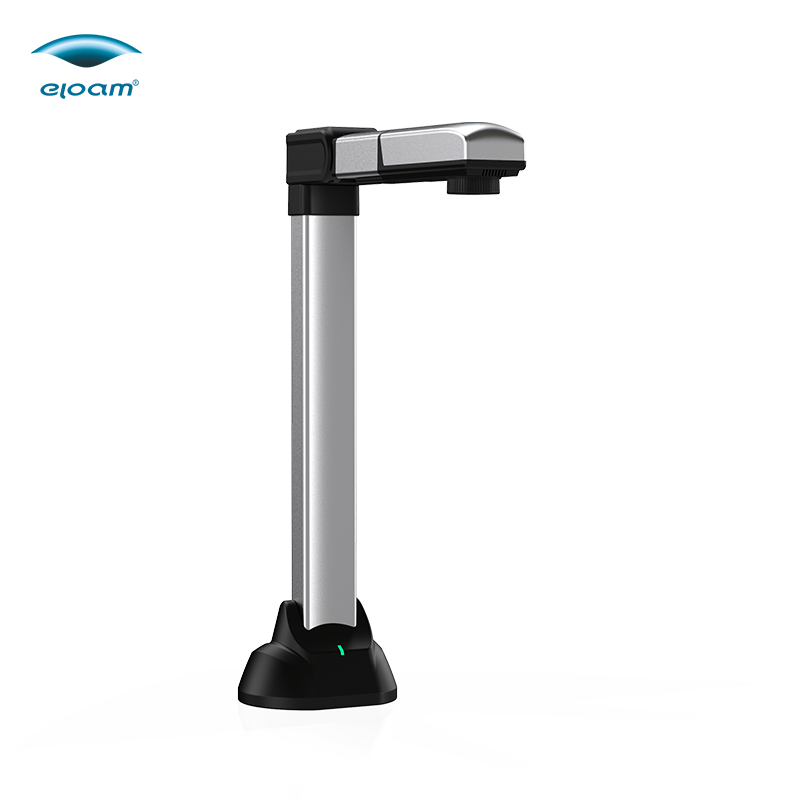
ELOAM Portable High Resolution 5184x3456 High Speed Automatic Book Document Scanner OCR Processing USB Interface A3 Document
Useful for libraries, law offices, university archives, and New York records teams digitizing bound materials and detailed documents.
View product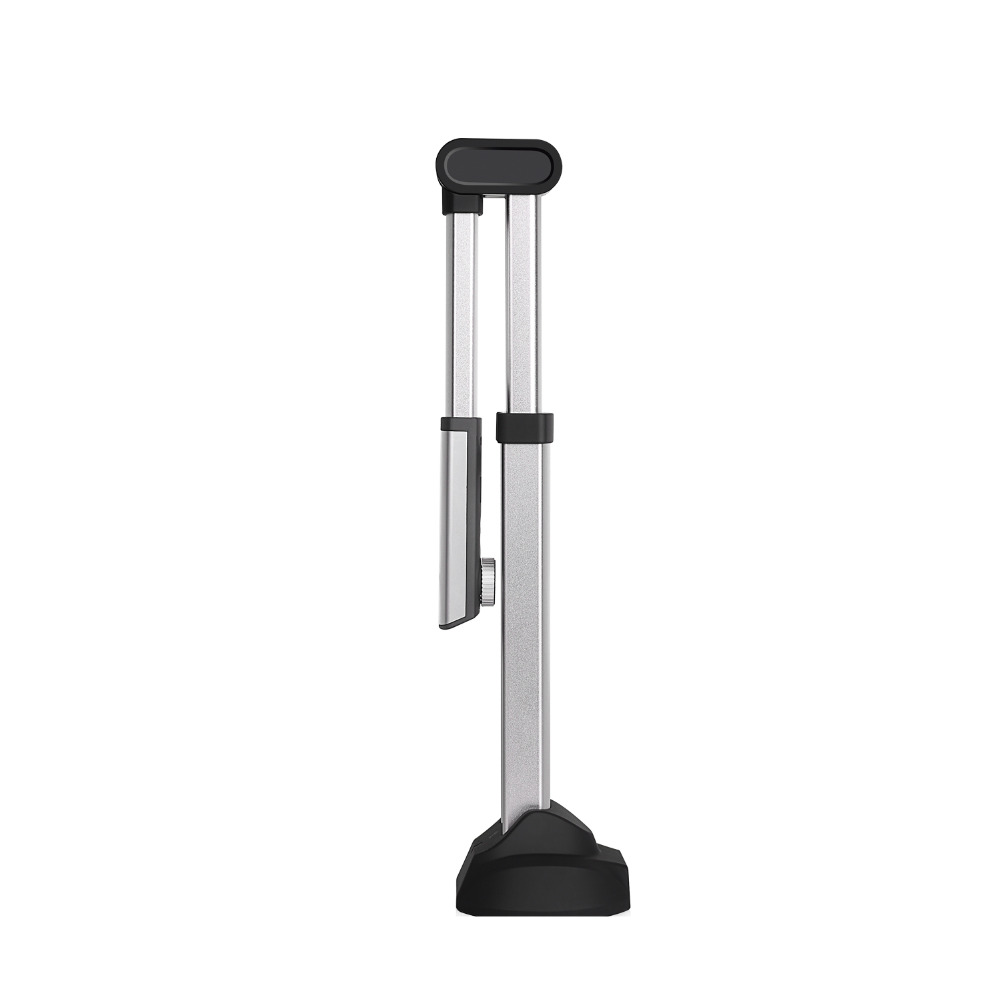
Eloam S1800A2 16MP USB 2.0 Document Camera A2 A3 Scanner 3264 x 2448 CMOS 180 Language OCR Natural Light LED
A large-format option for engineering drawings, municipal maps, architectural plans, and multi-language document workflows in the New York metro area.
View product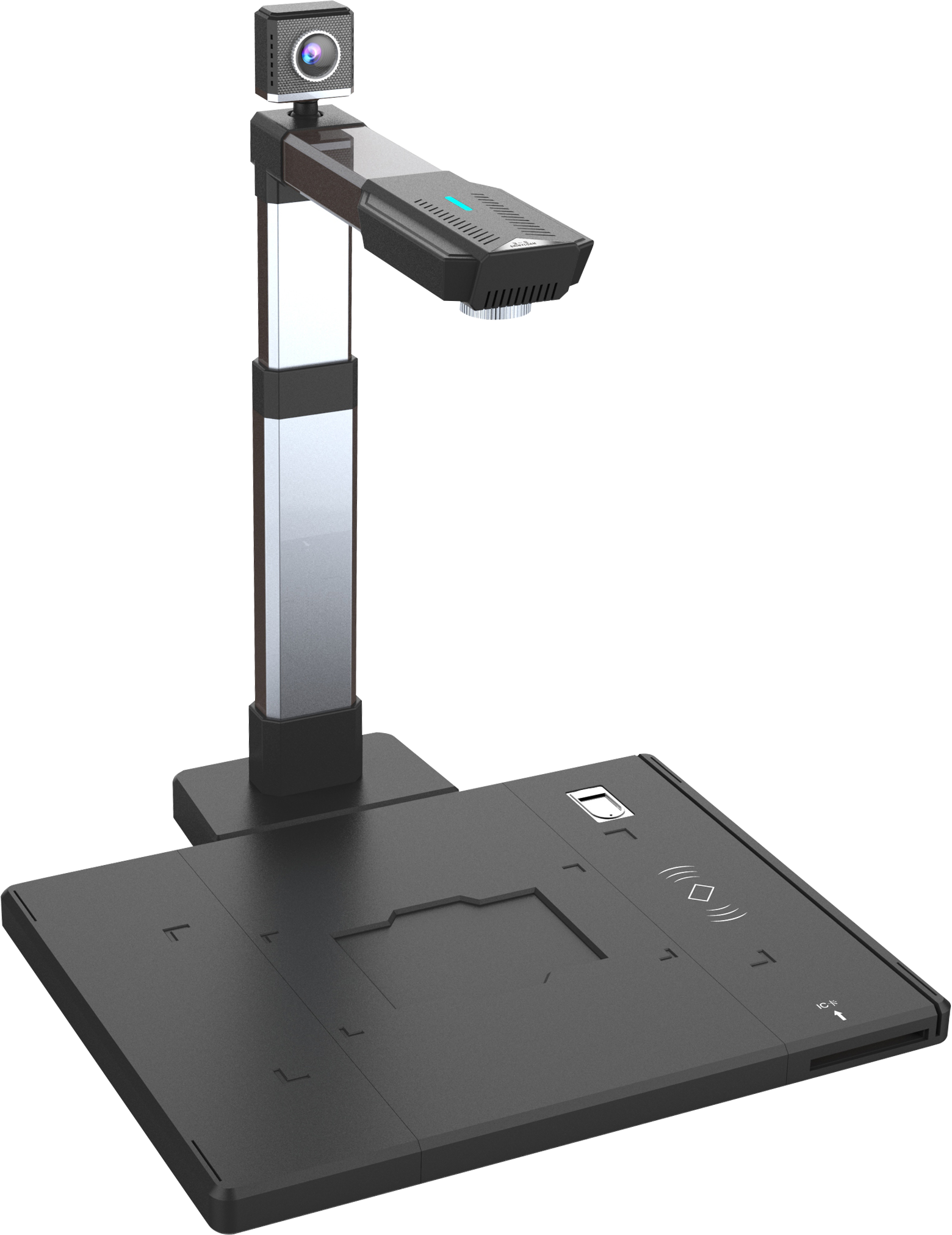
Eloam YL1020 Dual Lens USB Interface High-Speed A3 OCR 2D Code SDK Supported Multifunctional Library Document Scanner Save Time
A good discussion point for New York system integrators and library projects that need 2D code support, dual-lens functionality, and SDK-level workflow planning.
View product
ELOAM VW1000AF USB/Wireless High Speed OCR Scanner Portable Document Scanner A4 Book Scanner Document Camera in Stock
A flexible model for hybrid classrooms, mobile trainers, and New York sales teams that value wireless placement and A4 book scanning.
View productHow New York Schools, Offices, and Public Teams Use Digital Visualizers
Deployment patterns vary by borough, institution, and procurement model. The use cases below help New York buyers move from a product list to an acceptance-test plan.
K–12 classrooms and NYC schools
Teachers use document cameras to show math manipulatives, science demonstrations, printed worksheets, and student work on a projector or interactive display. For New York schools, look for foldable or compact models with auto-focus, A4/A3 capture, and live video that is easy for classroom staff to operate. Evaluate a sample with your display, laptop, and classroom software before specifying a district-wide standard.
Higher education and CUNY/SUNY labs
Colleges and research groups capture journal pages, lab notebooks, specimens, and fine print for hybrid instruction. High-resolution A3 book scanners, dual-lens models, and OCR-ready devices can support library digitization and departmental workflows. Confirm software compatibility, capture speed, and file output formats with the actual department that will use the device.
Manhattan corporate training rooms
Corporate trainers and sales teams use visualizers to share contracts, product samples, sketches, and printed materials during live meetings or recorded sessions. USB webcam-style operation can be useful for common conferencing software when the model supports it. New York AV integrators should test the visualizer in the room’s actual laptop, dock, display, and video-conferencing environment.
Banking, legal, and insurance intake
New York banks, law firms, insurance offices, and service counters capture passports, IDs, claim forms, and signed documents at the point of service. OCR can reduce manual keying, while PDF, JPEG, and TIFF output supports records workflows. Teams should define data-handling rules, user permissions, and integration requirements; the device alone does not create regulatory compliance.
Healthcare training and administrative records
Hospitals, clinics, and training centers use visualizers for education, form review, and administrative documentation. For any healthcare environment, place the device inside your own privacy and security program. Evaluate lighting, capture distance, cleaning routines, and mounting options; do not assume clinical diagnostic suitability without separate validation.
Libraries, archives, and government offices
New York public libraries, historical societies, municipal offices, and archives need non-destructive capture of maps, books, permits, and public records. A2/A3 capture, OCR in multiple languages, book-friendly scanning, and exportable PDFs are often more important than a single peak-resolution claim. Pilot the device with representative documents, including fragile or oversized items.
New York Trends Affecting Digital Visualizer Demand
Demand in New York is shaped by hybrid learning, paper-to-digital compliance, multilingual service delivery, limited room space, and supplier verification requirements.
Hybrid classrooms and multi-modal teaching
Schools and training teams need devices that work live in the room and also support recorded or remote lessons. Buyers increasingly ask for auto-focus, 30 FPS live video where available, USB and wireless options, and flexible arms or foldable bodies. In New York, where classroom space and storage can be tight, portability and quick setup are practical procurement criteria, not just convenience features.
Paper-to-digital records and OCR expectations
Law firms, agencies, libraries, and financial teams continue to digitize signatures, IDs, forms, books, maps, and case files. Buyers compare OCR language coverage, PDF/JPEG/TIFF output, A2/A3 capture, and software integration. New York’s multilingual population makes 180-language OCR on selected models a useful differentiator, provided the exact language set and software version are tested before purchase.
Verified suppliers and procurement evidence
New York public-sector and enterprise buyers increasingly request factory verification, ISO 9001, CE documentation, FCC availability on selected models, software copyright evidence, and sample evaluation. OEM/ODM capability matters to distributors that need private-label packaging and branding. Suppliers that can answer technical and documentation questions quickly reduce risk for procurement teams and AV integrators.
Model Selection Matrix for New York Procurement
Use this matrix to shortlist models by workflow. Final selection still depends on sample testing, software compatibility, quantity, customization, and documentation requirements.
| Workflow | Recommended model | Capture area | Core specification | Why it fits New York buyers |
|---|---|---|---|---|
| Classroom demonstration and small-group teaching | ELOAM VH800AF | A4 | 8MP, foldable overhead, USB, video recorder | Compact setup for tutoring centers, private schools, and shared teaching carts. |
| Budget-sensitive multi-seat rollout | Eloam Mini Portable | A4 | 1600×1200, USB 2.0, 1-second scan | Simple connectivity and lower-cost deployment for counters or mobile staff. |
| Office OCR and admissions desks | ELOAM S1000C | A4 | 10MP, multi-language OCR, Android/Windows | Useful where readable output and quick scanning matter more than large format. |
| A3 office documents and continuous scanning | ELOAM Auto-Focus A3 10MP | A3 | Auto-focus, 1-second scan, Windows 10/11 | Good for forms, submittals, school operations, and mixed paper sizes. |
| Bound books, archives, and detailed records | ELOAM 5184×3456 book scanner | A3 | High-resolution 5184×3456, OCR, USB | Supports library, legal, and historical digitization projects with detailed output. |
| A2 engineering drawings and maps | Eloam S1800A2 | A2/A3 | 16MP, 180-language OCR, natural light LED | Large-format capture for architecture, construction, and public works teams. |
| Library multifunction and SDK integration | Eloam YL1020 | A3 | Dual lens, 2D code, OCR, SDK supported | Worth evaluating for integrators planning code capture and custom workflows. |
| Hybrid teaching and mobile wireless capture | ELOAM VW1000AF | A4 | USB/wireless, OCR, A4 book scanner | Flexible placement for classrooms, training rooms, and traveling presenters. |
A Five-Point Evaluation Scorecard for New York Buyers
Do not compare visualizers by megapixels alone. Use these five dimensions to build an acceptance-test plan. The percentages below are illustrative scoring weights for discussion, not laboratory benchmarks.
Optical clarity and scan area
Check A4 versus A3/A2 area, auto-focus behavior, low-light performance, LED illumination, and page-curvature handling for books.
OCR and software output
Validate language coverage, PDF/JPEG/TIFF output, Windows support across the range, and macOS support on selected large-format models.
Integration and SDK
Confirm USB 2.0, wireless behavior, UVC/webcam-style operation where available, 2D code support, and SDK availability on selected models.
Compliance evidence
Review CE certification, FCC availability on selected models, ISO 9001, Intertek onsite verification, high-tech enterprise status, and software copyrights.
Total cost of ownership
Include sample cost, MOQ, packaging, warranty, spare parts, shipping terms, and the labor cost of deployment and support.
Why Hobry Is a Lower-Risk OEM Digital Visualizer Supplier for New York
New York buyers need more than a product photo. They need a manufacturer that can document its factory, customize hardware and software, provide samples, and support export logistics.
Shenzhen Hobry Technology Co., Ltd. is a manufacturer with an integrated export function, founded in 2005. The company operates 8 production lines in a 5,000–10,000 m² facility in Shenzhen with 101–200 employees, and its factory has been verified onsite by Intertek. Hobry controls industrial design, optics and firmware R&D, software, manufacturing, and global sales, which helps shorten the path from a New York customer requirement to a tested sample.
Manufacturer, not a relabeling trader
Hobry runs 8 production lines and holds an Intertek onsite factory verification. This gives New York distributors and integrators a clearer supply-chain story when buyers ask who actually builds the visualizer.
In-house imaging R&D
With more than 20 years of imaging experience, in-house optics, firmware, and software teams, plus National High-Tech Enterprise status and software copyright registrations, Hobry can discuss technical requirements rather than only quote a catalog number.
OEM/ODM and buyer-label service
OEM, ODM, design service, and buyer-label service are available. Customization can include logo, packaging, housing color, firmware, and software, with SDK support on selected models for system integration.
Quality and certification package
The company holds ISO 9001, a National High-Tech Enterprise certificate, and software copyright registrations. Products are CE certified, FCC is available on selected models, and the standard warranty is 1 year. Final compliance scope should be confirmed per model and destination.
Export experience for North America
Hobry serves buyers in North America, Southeast Asia, Southern Europe, and the Middle East. Accepted payment terms include T/T, L/C, PayPal, and Western Union in USD; delivery terms include FOB, CFR, CIF, and EXW.
Sample-first evaluation process
Most models are available as single-unit samples for evaluation. Bulk MOQ depends on the model and customization level and is confirmed in the quotation. The process covers requirement review, design and engineering, sample approval, mass production, and delivery support.
Build a New York–Specific Visualizer Program with Hobry
Whether you are a distributor, AV integrator, school technology team, or public-agency buyer, the fastest path is a requirement-led sample evaluation.
New York wholesale partners often need private-label packaging, manuals, warranty cards, accessories, and model configurations that differ from the standard listing. System integrators may need SDK access, 2D code support, OCR output, or a specific connector strategy. Schools and agencies may require spec sheets, certification evidence, sample testing, and a clear warranty process. Hobry’s role is to align the hardware and documentation with those requirements before mass production.
- OEM branding: logo, buyer label, packaging, housing color, and manual customization.
- Software and firmware discussion for selected models, including SDK support where available.
- Sample evaluation for New York buyers before a bulk commitment; MOQ confirmed by model and customization.
- OCR planning for multilingual documents, with up to 180 languages on selected models.
- Output formats such as PDF, JPEG, and TIFF; Windows support across the range and macOS on selected large-format models.
- Export documentation and terms: T/T, L/C, PayPal, Western Union in USD; FOB, CFR, CIF, EXW.
- Quality review: ISO 9001, CE certification, FCC on selected models, Intertek onsite verification, and 1-year standard warranty.
- Deployment support: requirement review, sample approval, mass production, and delivery coordination for New York partners.
Share your scan area, target quantity, OCR languages, software environment, branding needs, and delivery schedule. Our team will recommend a model and configuration instead of sending a generic catalog list.
Get a QuoteQuestions New York Buyers Ask Before Sourcing Visualizers
These answers reflect Hobry’s published company and product information. Final terms, stock, certifications, and compatibility must be confirmed for your specific order.
Is Hobry a manufacturer or a trading company?
Hobry is a manufacturer with an integrated export team. Founded in 2005, the company runs 8 production lines in a 5,000–10,000 m² facility in Shenzhen, and the factory has been verified onsite by Intertek. The company also holds ISO 9001 and National High-Tech Enterprise credentials.
Can New York buyers test a sample before a bulk order?
Most models are available as single-unit samples for evaluation. Bulk MOQ depends on the model and the level of customization, and the final sample and production plan is confirmed in the quotation. New York schools, integrators, and distributors should test their actual documents, displays, and software before approving a standard.
Do the visualizers support OCR and common file formats?
Selected models support OCR in up to 180 languages and output formats such as PDF, JPEG, and TIFF. Windows is supported across the range, and macOS is supported on selected large-format models. Confirm the exact language set, output format, and operating-system compatibility for the model you shortlist.
What certifications support New York procurement review?
Products are CE certified, with FCC available on selected models. The company holds ISO 9001, a National High-Tech Enterprise certificate, and software copyright registrations. Intertek has performed an onsite factory verification. The standard warranty is 1 year. Provide your procurement checklist so the correct documents can be assembled for review.
How does OEM branding work for a New York wholesaler?
OEM, ODM, design service, and buyer-label service are available. Customization can cover logo, packaging, housing color, firmware, and software, with SDK support on selected models. New York wholesalers should define target price, packaging language, warranty-card text, accessory list, and software requirements before sample approval.
Which payment and delivery terms are accepted?
Accepted payment terms are T/T, L/C, PayPal, and Western Union in USD. Delivery terms are FOB, CFR, CIF, and EXW. Shipping schedule, model availability, and final Incoterm should be confirmed for each quotation, especially when a New York buyer needs delivery to a local warehouse or 3PL.
Do you maintain local stock in New York?
Some product titles note in-stock status, but inventory changes and must be confirmed before quoting. Most models are exported from Shenzhen. New York buyers can use their own warehouse, importer, or third-party logistics provider. Ask for current availability and a realistic lead time rather than assuming permanent local stock.
Will a visualizer work with Zoom, Teams, or Google Meet?
Models that expose a USB webcam-style video mode can be evaluated with common conferencing software, but compatibility depends on the model, driver, operating system, and your AV setup. Test the exact laptop, dock, display, and meeting platform you plan to use. Do not rely on a generic “compatible” claim without a sample test.
Request a Custom OEM Digital Visualizer Quote for Your New York Project
Send your scan area, quantity, target market, OCR languages, software environment, branding requirements, and expected delivery schedule. Hobry’s OEM engineering and export team will recommend a shortlist from the eight models above and confirm sample, MOQ, certification, and shipping details.