China Wholesale Classroom Visualiser Manufacturers & Exporters for the Tijuana Market
Factory-direct ELOAM visualisers, A3 document cameras, OCR scanners and book scanners for Tijuana schools, universities, training centres and B2B distributors.
8 Classroom Visualiser and Document Camera Models for Tijuana Buyers
Tijuana buyers usually need more than a low unit price. They need a classroom visualiser that survives daily handling, supports Spanish and English documents, connects over USB to existing classroom PCs, and can be supported through a distributor. The eight models below are selected from the Hobry/ELOAM wholesale range for those use cases. Product URLs are kept unchanged so procurement teams can shortlist models, request specifications and compare configurations without losing traceability.
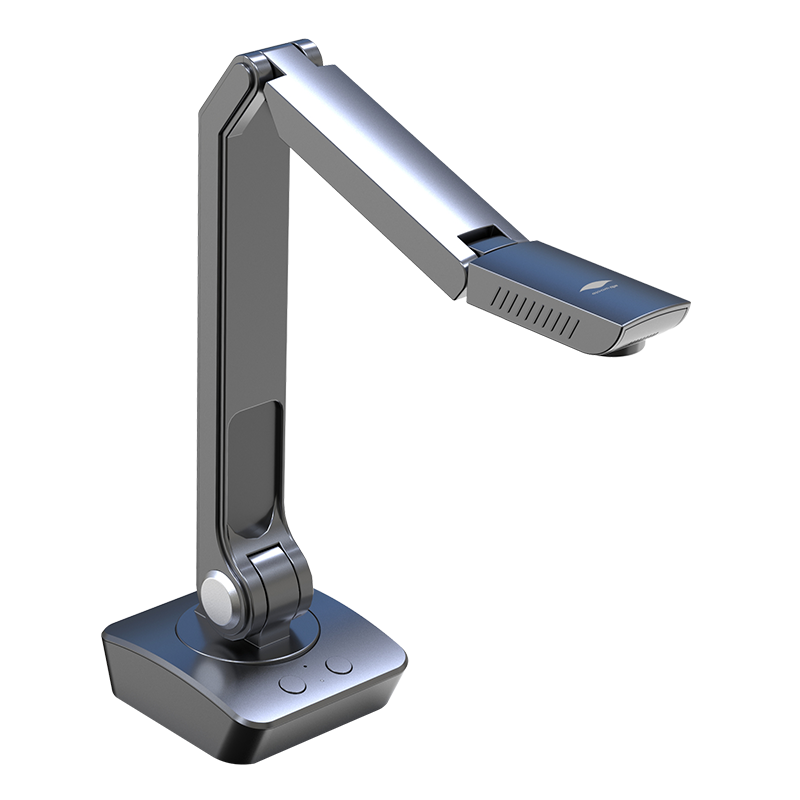
ELOAM V801A3AF A3 Portable Document Camera with USB Interface OCR Function for School & Office Meetings in Stock
Best Tijuana fit: mobile demonstrations, counselling rooms, small bilingual classrooms and office meetings where a USB-connected A3 visualiser must be shared across rooms.
- A3 capture
- USB
- OCR
- Portable
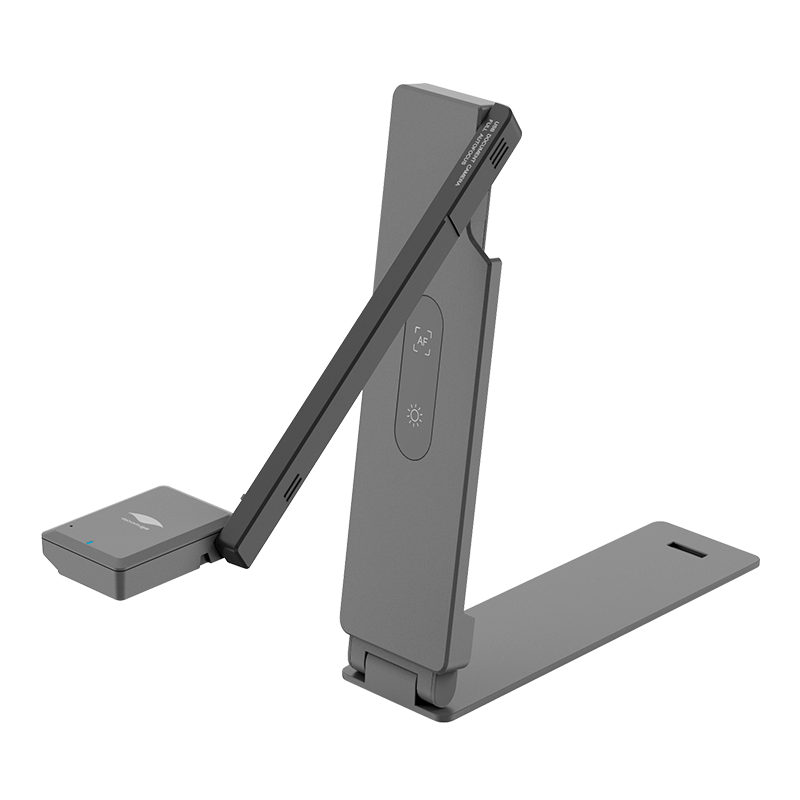
ELOAM VE1020A3AF USB Document Camera Scanner Visualizer 3-in-1 A3 8MP High Resolution Educational Equipment in Stock
Best Tijuana fit: hybrid bilingual lessons and teacher-led demonstrations, with one device covering document camera, scanner and visualizer workflows.
- A3
- 8MP
- 3-in-1
- USB
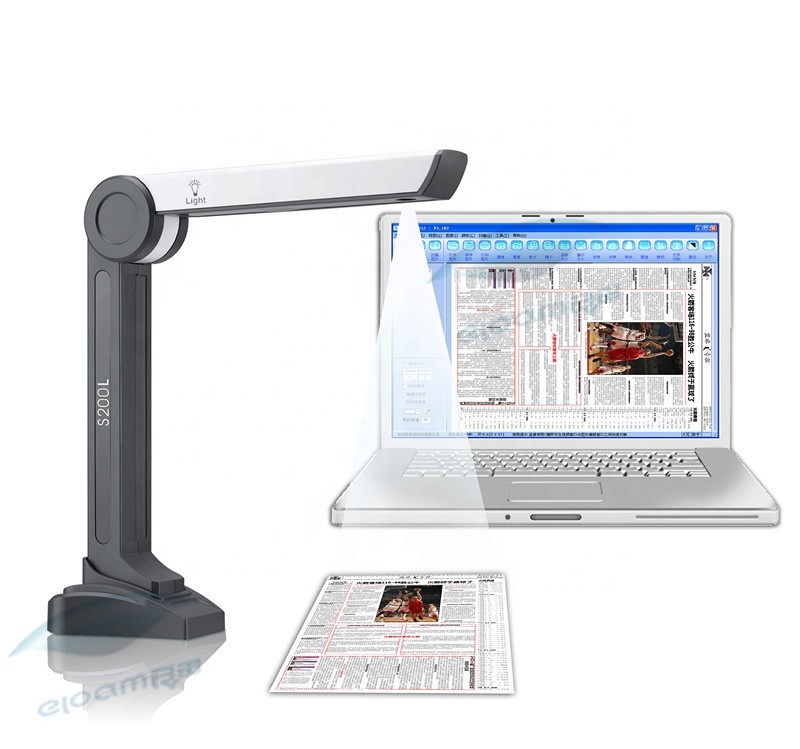
Eloam USB A4 Document Scanner with 1 Second Scan Speed CMOS Sensor 1600x1200 Resolution Gray 1-Year Warranty ABBYY OCR in Stock
Best Tijuana fit: enrollment counters, school administration, invoice capture, staff records and compact offices where desk space is limited.
- A4
- 1-second scan
- CMOS
- ABBYY OCR
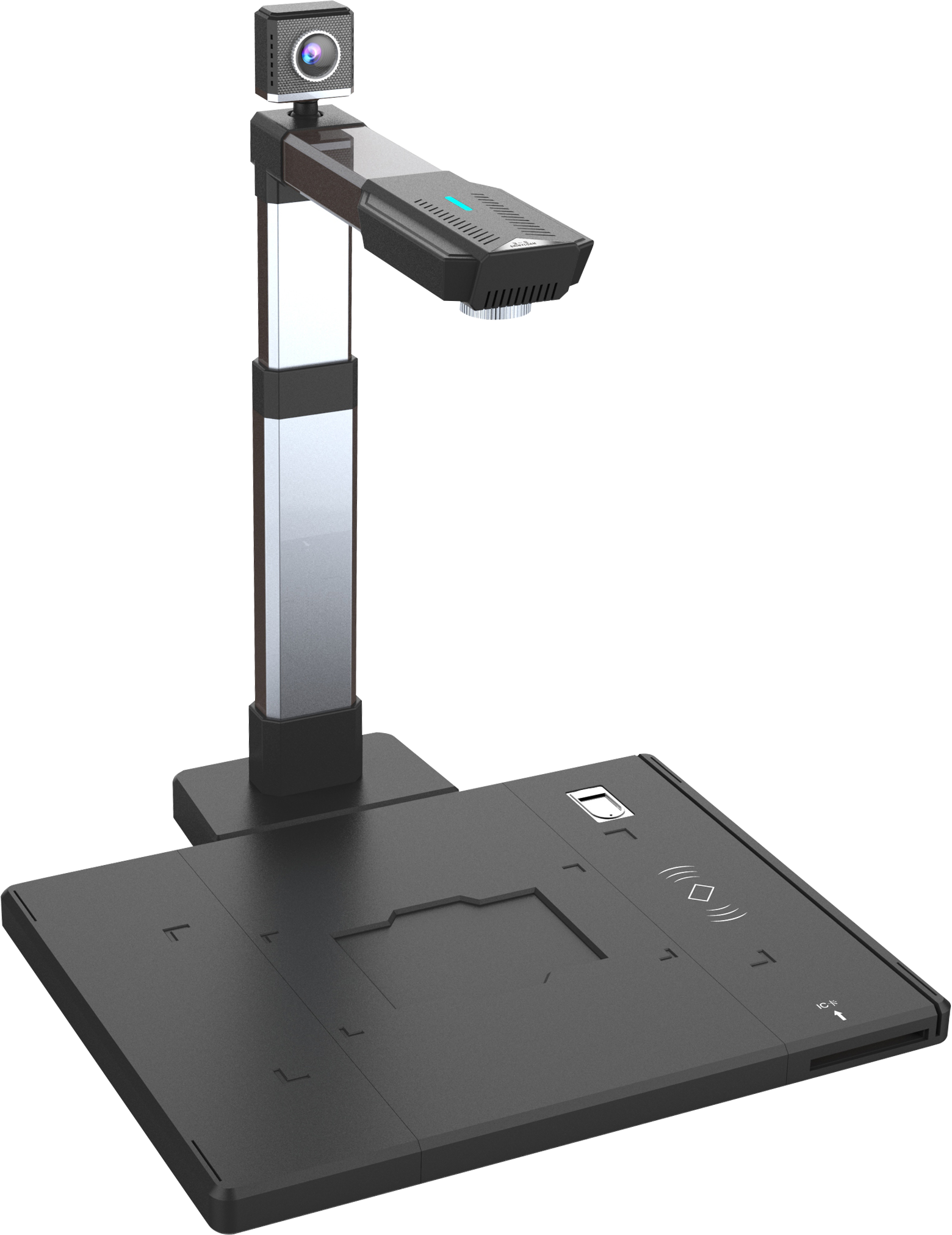
Eloam YL1020 Dual Lens USB Interface High-Speed A3 OCR 2D Code SDK Supported Multifunctional Library Document Scanner Save Time
Best Tijuana fit: libraries, archives and technical documentation desks that need dual-lens capture, A3 coverage, OCR and SDK support for local software integration.
- Dual lens
- A3
- OCR
- SDK
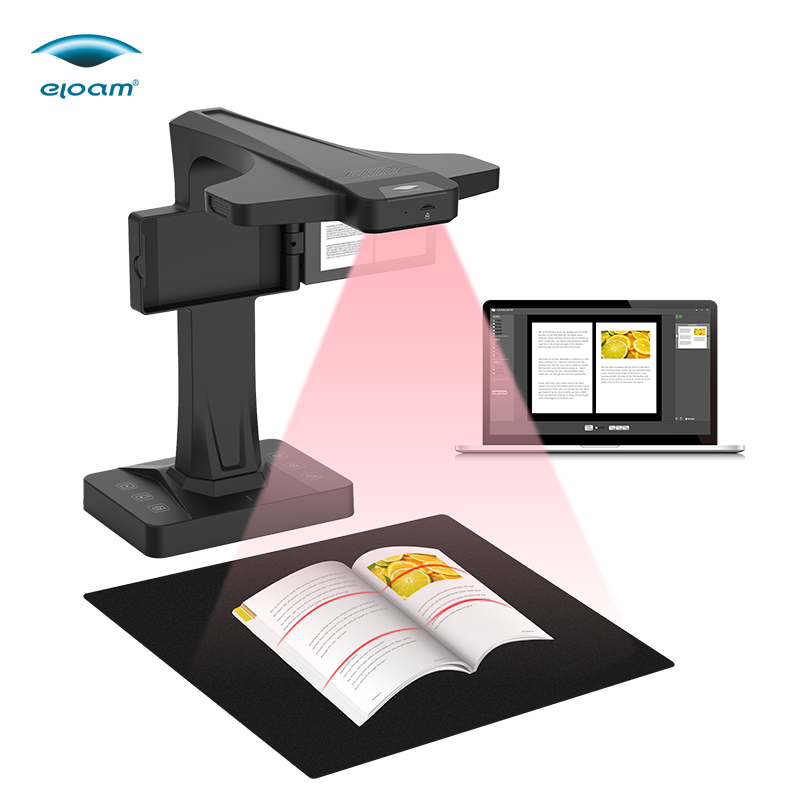
ELOAM 25MP High Speed Automatic Scanning Document Scanner with OCR USB Interface in Stock for Educational & Office Use
Best Tijuana fit: high-volume examination scanning, administrative digitisation and office workflows where speed and resolution matter more than portability.
- 25MP
- High speed
- OCR
- USB
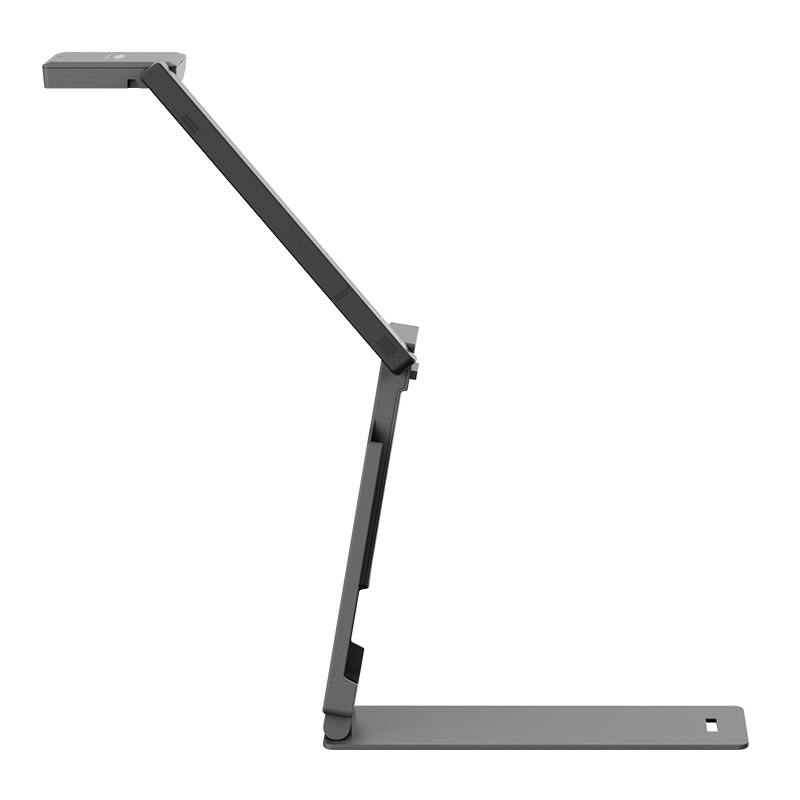
ELOAM VE1300A3AF 13.0MP Ultra HD USB Portable Document Camera & Scanner A3 Size for Teaching in Stock
Best Tijuana fit: science demonstrations, detailed textbook pages, engineering drawings and classrooms that need higher-resolution live images on large displays.
- 13MP
- Ultra HD
- A3
- USB
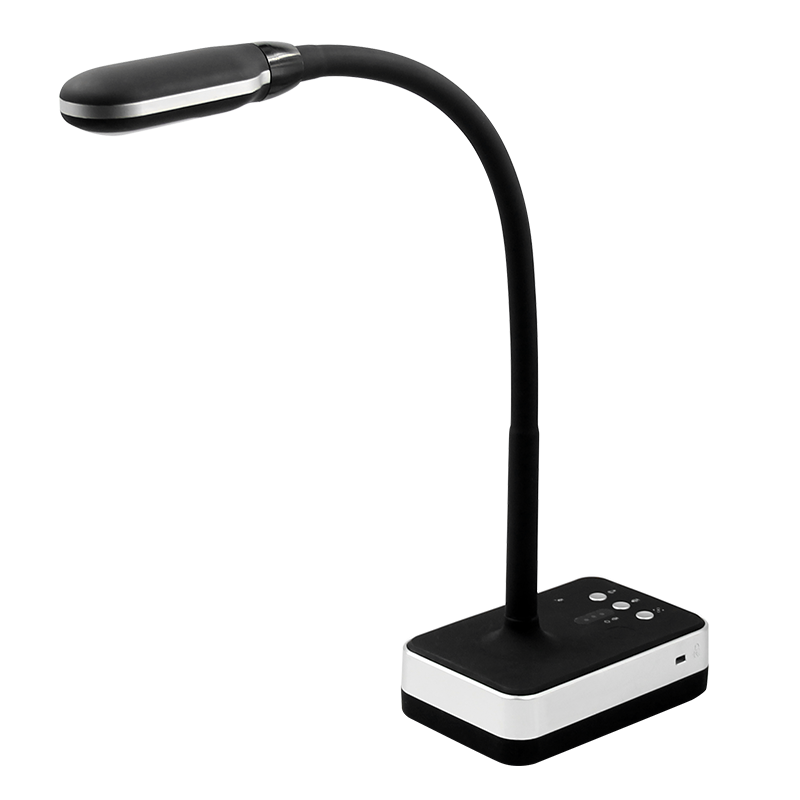
ELOAM VH802A3AF USB for Document Camera OCR High-Speed Scanner 8MP Resolution A3 Size in Stock
Best Tijuana fit: budget-sensitive classroom rollouts and teacher desks that need a straightforward A3 visualiser with OCR and USB connectivity.
- 8MP
- A3
- OCR
- USB

ELOAM VW1000AF USB/Wireless High Speed OCR Scanner Portable Document Scanner A4 Book Scanner Document Camera in Stock
Best Tijuana fit: mobile teachers, travelling trainers, tutoring rooms and book-scanning projects that benefit from USB and wireless flexibility in one portable unit.
- USB
- Wireless
- A4
- Book scanner
A Wholesale Visualiser Supplier Tijuana Buyers Can Verify
Price matters, but repeatable supply matters more. These are the company facts that distributors, school groups and tender teams usually check before placing a first Tijuana order.
Why Classroom Visualisers Are a Practical Growth Category for Tijuana
Tijuana is not a generic Latin American export market. It is a border city with a bilingual education ecosystem, a large manufacturing workforce and a procurement culture shaped by proximity to San Diego and cross-border supply chains. Schools, private academies, technical universities, corporate training centres and maquiladora learning rooms all buy visualisers for the same core reason: a teacher or trainer needs to put a document, component, textbook page or handwritten calculation on a large screen without passing it around the room. For a Tijuana school, a classroom visualiser reduces the friction of sharing one textbook among thirty students. For a factory trainer, it turns a small connector, label or first-piece inspection into a live group lesson. For a distributor, it is a repeatable B2B SKU with clear applications in education, government, healthcare administration and industrial training.
Nearshoring has increased the amount of technical training that happens in and around Tijuana. That changes the specification conversation. Buyers who only compare megapixels may miss the features that matter in daily use: a stable A3 working area, fast autofocus, smooth live video, LED lighting that does not wash out glossy labels, USB plug-and-play for existing PCs, and software that can export a clean image for reports. A3 matters because bilingual worksheets, technical drawings, assembly instructions and open books are often larger than A4. A4 models still make sense for enrollment counters, invoice capture, staff records and book scanning where desk space is limited. The right mix is usually one A3 visualiser for teaching plus one compact A4 scanner for administration.
Classroom visualisers and document scanners are related but not interchangeable. A visualiser is a live camera: it is best for demonstrations, handwriting, science experiments, 3D objects, repair training and hybrid lessons where students need to see the process. A document scanner is best for turning paper into searchable files. OCR performance depends on the sensor, lighting, software, language pack and the quality of the original page; the phrase “180 languages” is a capability statement, not a guarantee that every Spanish accent, handwritten note or low-contrast photocopy will be recognised perfectly. Serious buyers test sample pages in Spanish and English before approval. That test is one of the most useful pieces of due diligence a Tijuana procurement team can perform.
Localisation also affects compliance and installation. Mexico generally uses 127 V / 60 Hz power in the region, though a professional installation should be checked on site. A universal 100–240 V adapter is helpful, but the plug type, label language, packaging and any applicable Mexican conformity requirement must be confirmed. CE and FCC marks support export quality but should not be treated as automatic proof that every Mexican import rule has been met. Work with a customs broker and confirm the HS code, documentation and whether NOM certification or another conformity route applies to the exact model. For cross-border deliveries, many buyers use a freight forwarder or customs broker serving Otay Mesa and the Tijuana industrial corridors; this can be more practical than assuming a parcel carrier will handle every import detail.
Finally, evaluate the supplier’s ability to support the product after arrival. A wholesaler who cannot supply firmware files, replacement parts, Spanish quick-start documentation or a consistent warranty process creates hidden cost. Hobry’s position as a manufacturer with in-house R&D, software copyright registrations, an Intertek-verified factory and OEM/ODM experience is relevant because Tijuana distributors often need buyer-label packaging, Spanish manuals, SDK access for local software partners or a custom configuration for a tender. The goal is not simply to buy a low-cost visualiser from China; it is to build a repeatable supply line that a Tijuana sales team can service with confidence.
Six Details That Separate a Good Tijuana Deployment from a Bad One
Most supplier pages list megapixels. A professional buyer should also test the workflow that teachers, trainers and counter staff actually use every day.
Megapixels are only one part of image quality
Sensor quality, lens design, autofocus speed, LED lighting and frame rate determine whether a visualiser looks clear on a classroom projector. A 13MP model with weak focus can be less useful than an 8MP model with stable live video. Ask for a live demonstration with small text, glossy paper and a 3D object.
Spanish OCR deserves a real test file
Send the supplier a sample with Spanish accents, bilingual tables, handwritten notes and a low-contrast photocopy. Confirm the output formats you need—PDF, JPEG or TIFF—and check how the software handles multi-page documents. Language-count claims should be validated against your own pages, not accepted as a checkbox.
Mexican compliance is separate from CE and FCC
CE and FCC marks are useful export credentials, but they do not automatically answer every Mexican import question. Before a tender or bulk shipment, confirm the HS code, product labelling, Spanish documentation and whether NOM certification or another conformity route applies. A customs broker familiar with Baja California can prevent expensive delays.
Power and desk layout decide adoption
A visualiser that does not fit the teacher’s desk or the available power layout will be left in a cupboard. Confirm 127 V / 60 Hz compatibility, plug type, cable length and the footprint of the A3 base. For mobile teaching, a portable USB model may be more practical than a larger fixed unit.
Hybrid teaching needs more than a camera
Online and recorded lessons depend on smooth live video, clear audio and simple software. Teachers need a quick-start workflow: open the application, show the page, capture the image and save it. If the school uses low-bandwidth connections, test the visualiser with the actual video platform rather than assuming USB output is enough.
Warranty is a logistics promise
A one-year warranty is only valuable if replacement units, spare parts and technical answers can reach Tijuana within a reasonable time. Ask how RMA cases are handled, whether a local distributor can perform first-line support, and which components are most likely to need replacement. Plan spares before the first school term.
Planning Example: How a Tijuana Buyer Might Weight Visualiser Selection Criteria
The percentages below are an illustrative procurement planning model, not official market statistics. Use them as a discussion tool with your academic, IT and customs teams.
Why this matters: a visualiser tender that scores only on price and megapixels can select the wrong device for a Tijuana classroom. The highest-value projects usually balance live teaching performance, OCR usability, local compliance and after-sales support.
Where Classroom Visualisers Fit in Tijuana’s Schools, Universities and Industry
A visualiser is not a single-purpose gadget. The same device can support a bilingual primary lesson, an engineering lab and a factory training room if the configuration matches the workflow.
Bilingual K–12 classrooms
Teachers can place a Spanish worksheet beside an English translation, model handwriting, demonstrate maths manipulatives or show a science experiment without crowding the front row. Recommended starting points: ELOAM VE1020A3AF for 3-in-1 flexibility, V801A3AF for portable USB use, or VH802A3AF for budget-conscious rollouts.
Technical universities and engineering labs
Circuit boards, connectors, CAD printouts, component labels and small mechanical parts need clear detail on a large display. A higher-resolution A3 model such as VE1300A3AF is easier to justify when students must inspect fine features in real time. USB connectivity keeps integration simple for lab PCs.
Maquiladora and industrial training rooms
Trainers can show first-piece inspection, soldering technique, safety labels, packaging changes or quality defects to a whole shift. A3 coverage is valuable for assembly drawings and work instructions. A portable V801A3AF or higher-resolution VE1300A3AF can move between training rooms without permanent installation.
School administration and enrollment counters
Enrollment periods generate ID documents, proof of address, transcripts and forms that must be digitised quickly. The A4 USB scanner with one-second scan speed is a practical counter device. The 25MP high-speed automatic scanning document scanner is better for peak-volume administrative backlogs.
Libraries, archives and historical collections
Bound books and fragile records require careful handling. The YL1020 dual-lens A3 scanner supports library and documentation workflows with OCR and SDK options, while the VW1000AF portable A4 book scanner/document camera can suit smaller reading rooms and mobile digitisation projects.
Hybrid tutoring and teacher training
Tutoring centres and teacher-training providers can record demonstrations, share textbook pages and run remote coaching sessions. The VW1000AF’s USB/wireless flexibility is useful when the trainer moves between rooms. For fixed classroom PCs, a reliable USB visualiser is often easier to support than a complex wireless setup.
Four Tijuana Procurement Trends Shaping Classroom Visualiser Demand
Nearshoring-driven upskilling
Cross-border manufacturing growth increases demand for practical training tools. Visualisers help trainers demonstrate components, labels and quality standards to groups without repeating one-on-one explanations.
Dual-language digital classrooms
Schools increasingly need to show Spanish and English materials side by side. A3 capture, OCR and clear live video are becoming more important than basic A4 scanning alone, especially in bilingual and international programmes.
Hybrid and recorded instruction
Parents and students expect lessons and training sessions to be recorded or streamed. Buyers are asking for stable frame rates, simple software and predictable USB behaviour across school and office computers.
Compliance-aware sourcing
Distributors are asking earlier about NOM, Spanish documentation, power compatibility, spare parts and warranty logistics. Suppliers that treat compliance as an afterthought create risk for Tijuana tenders and school-board purchases.
Which Classroom Visualiser or Scanner Fits Which Tijuana Use Case?
Use this matrix for first-round shortlisting. Final selection should be confirmed with sample testing, software checks and import-compliance review.
| Tijuana use case | Suggested model | Why it fits | Local procurement note |
|---|---|---|---|
| Primary / secondary bilingual classroom | ELOAM VE1020A3AF | 3-in-1 A3 visualiser, 8MP, USB, suitable for live teaching and document capture. | Test with Spanish/English worksheets and existing classroom PC. |
| Mobile teacher or shared visualiser | ELOAM V801A3AF | Portable A3 document camera with USB and OCR for school and office meetings. | Confirm carrying plan, cable length and room-to-room storage. |
| Budget classroom rollout | ELOAM VH802A3AF | 8MP A3 document camera with OCR and high-speed scanning workflow. | Ask for a sample image on typical classroom lighting. |
| Science, engineering and detailed demonstration | ELOAM VE1300A3AF | 13MP ultra HD A3 portable document camera and scanner for teaching. | Test small text, components and glossy materials on the target display. |
| Administration and enrollment counters | Eloam USB A4 Document Scanner | One-second scan speed, CMOS sensor, 1600×1200 resolution and ABBYY OCR. | Validate OCR output for Spanish forms and ID documents. |
| High-volume exam or records scanning | ELOAM 25MP High Speed Scanner | 25MP resolution, automatic scanning workflow and OCR via USB. | Plan desk space, peak-volume staffing and file naming rules. |
| Library, archive and documentation desk | Eloam YL1020 | Dual-lens A3 OCR, 2D code capture and SDK support for library workflows. | Discuss SDK integration with the local library software partner. |
| Mobile book scanning and flexible training | ELOAM VW1000AF | USB/wireless A4 book scanner and document camera with OCR. | Test wireless stability in the actual room before standardising. |
Why Hobry Is a Relevant China Wholesale Partner for Tijuana Visualiser Projects
Founded in 2005, Shenzhen Hobry Technology Co., Ltd. is a manufacturer with an integrated export function. We develop and assemble document scanners, book scanners, document cameras (visualisers) and portable monitors in Shenzhen. The company operates 8 production lines in a facility of 5,000–10,000 m², holds ISO 9001 quality management certification, a National High-Tech Enterprise certificate and software copyright registrations, and has been verified onsite by Intertek. Standard warranty is one year, and OEM/ODM, buyer-label, packaging, housing colour, firmware and software customisation are available.
For Tijuana distributors, that mix matters. A school group may need Spanish quick-start guides and a durable A3 visualiser for daily classroom use. A corporate training buyer may need an SDK to connect the camera workflow to an internal learning system. A government tender may require consistent labelling, a clear warranty process and documentation that survives due diligence. Because Hobry controls industrial design, optics, firmware, software, manufacturing and export coordination, the project team can discuss configuration changes rather than simply quoting a box.
Accepted payment terms are T/T, L/C, PayPal and Western Union in USD. Accepted delivery terms are FOB, CFR, CIF and EXW. Most models can be supplied as single-unit samples for evaluation; bulk MOQ depends on the model and customisation level and is confirmed in the quotation. Selected models support OCR in up to 180 languages and output to PDF, JPEG and TIFF. Windows is supported across the range, and macOS is supported on selected large-format models. Compatibility should be confirmed per model before ordering.


Factory verified onsite by Intertek. The assessment covers premises, production capability, quality control and legal status. Finished-product inspection and customisation capability are confirmed in the latest report. Buyers can review the assessment report, trade capacity, transaction level, trade history, credit index and ratings before engaging.
Manufacturer, not a trading company
Hobry has manufactured imaging products since 2005 and runs 8 production lines in Shenzhen. That structure gives B2B buyers a clearer path for samples, engineering questions, production follow-up and OEM projects than a pure trading intermediary.
In-house R&D and software control
The company holds software copyright registrations and a National High-Tech Enterprise certificate. For visualiser projects, that matters when a distributor needs firmware adjustments, SDK access, OCR workflow questions or integration support for a local software partner.
OEM, ODM and buyer-label service
Customisation options include logo printing, packaging, housing colour, firmware and software changes. A Tijuana distributor can build a local brand for schools or corporate training clients without starting from a blank product design.
Quality control and certifications
Products are CE certified, with FCC available on selected models. The company holds ISO 9001, a National High-Tech Enterprise certificate and software copyright registrations. Standard warranty is one year; final certification scope and documentation should be confirmed for the exact model and destination.
Samples, MOQ and export terms
Most models are available as single-unit samples for evaluation. Bulk MOQ depends on model and customisation. Payment terms include T/T, L/C, PayPal and Western Union in USD; delivery terms include FOB, CFR, CIF and EXW. Confirm the best route with your Tijuana freight forwarder.
After-sales and spare-parts planning
For a school or distributor, after-sales is part of the product. Discuss first-line troubleshooting, firmware files, warranty workflow and spare-parts expectations before the first bulk shipment. A clear support plan protects the school term and the distributor’s reputation.
Eight Checks Before You Approve a Tijuana Visualiser Order
Confirm A3 vs A4 by workflow
List the documents, books, drawings and objects teachers need to show. Choose A3 for demonstration-heavy rooms and A4 for counters, tutoring and compact book scanning.
Test Spanish OCR with real pages
Use actual Spanish and bilingual documents, not a demo page. Check accents, tables, multi-page exports and image quality after OCR.
Verify power and plug type
Confirm 127 V / 60 Hz compatibility, adapter input range, plug type and cable length. A universal adapter is useful, but installation should still be checked.
Clarify Mexican import compliance
Ask your customs broker whether NOM or another conformity route applies. Confirm HS code, Spanish labelling and documentation before the tender closes.
Check live video and autofocus
Test small text, glossy paper, handwriting and a 3D object. Watch for focus hunting, colour shift and lag on the actual classroom or training display.
Request SDK or software workflow
If the buyer uses a local learning platform or archive system, ask whether SDK support is available and who will handle integration testing.
Plan warranty and spare parts
Define RMA contacts, first-line troubleshooting, replacement parts and response expectations. A one-year warranty needs an operational process behind it.
Validate the route to Tijuana
Compare air, sea and cross-border forwarding options with your broker. For samples, use a forwarder or address that can handle import formalities cleanly.
Common Local Procurement Questions About China Wholesale Visualisers
Are China wholesale classroom visualisers compatible with power in Tijuana?
Many models use external adapters with a wide input range, but you should confirm the exact adapter, plug type and 127 V / 60 Hz compatibility before ordering. Do not assume that a CE or FCC mark answers every local installation question.
Do I need NOM certification to import a visualiser into Mexico?
It depends on the product, classification and current regulations. CE and FCC are not automatic substitutes for Mexican conformity requirements. Confirm with a customs broker or regulatory specialist whether NOM or another route applies to your exact model and shipment.
Which model is best for Spanish-English OCR?
Selected models support OCR in up to 180 languages, but performance varies by page quality, lighting and software. Start with the A4 USB scanner for forms, the YL1020 for library workflows, or a visualiser model with OCR. Always test real Spanish and bilingual pages.
How do samples and bulk orders reach Tijuana?
Samples usually move by express or air freight to a forwarder or business address. Bulk orders can use sea or air freight with a customs broker serving Otay Mesa, Baja California or another approved route. Lead time depends on model, quantity and documentation.
What is the MOQ and can I order one sample?
Most models are available as single-unit samples for evaluation. Bulk MOQ depends on the model and the level of OEM/ODM customisation. Final MOQ, sample cost and lead time are confirmed in the quotation.
Can Hobry provide Spanish manuals and training materials?
OEM/ODM projects can include packaging, label and documentation customisation. Spanish quick-start guides, training videos or software notes should be specified in the project brief. Confirm the exact deliverables during quotation rather than assuming they are standard.
What warranty and spare-parts support is available?
The standard warranty is one year. For Tijuana projects, discuss RMA handling, first-line troubleshooting, firmware access and spare-parts planning with your sales contact. A clear support plan is especially important for school-term rollouts.
Which payment and delivery terms do you accept?
Payment terms include T/T, L/C, PayPal and Western Union in USD. Delivery terms include FOB, CFR, CIF and EXW. The best combination depends on your freight forwarder, order size and import setup.
Can a Tijuana distributor request OEM branding or SDK integration?
Yes. OEM, ODM, buyer-label, packaging, housing colour, firmware and software customisation are available. SDK support is offered on selected models for system integration. Bring your technical requirements and target launch date to the first review.
Request a Tijuana-Ready Wholesale Visualiser Catalog
Share your target school or training use case, A3 or A4 preference, estimated quantity, Spanish OCR requirements and delivery plan for Tijuana. Our team can return a model shortlist, specification notes and an OEM/ODM discussion for your market.
Email: info@hobrytech.com · Shenzhen Hobry Technology Co., Ltd. · Since 2005