8 Foldable Visualizer & Portable Document Scanner Models for Chicago Wholesale Buyers
These eight models cover A4 to A2 capture, classroom presentation, office OCR, book-friendly overhead scanning and mobile deployment. Product URLs are preserved exactly for direct specification review and sampling discussions.
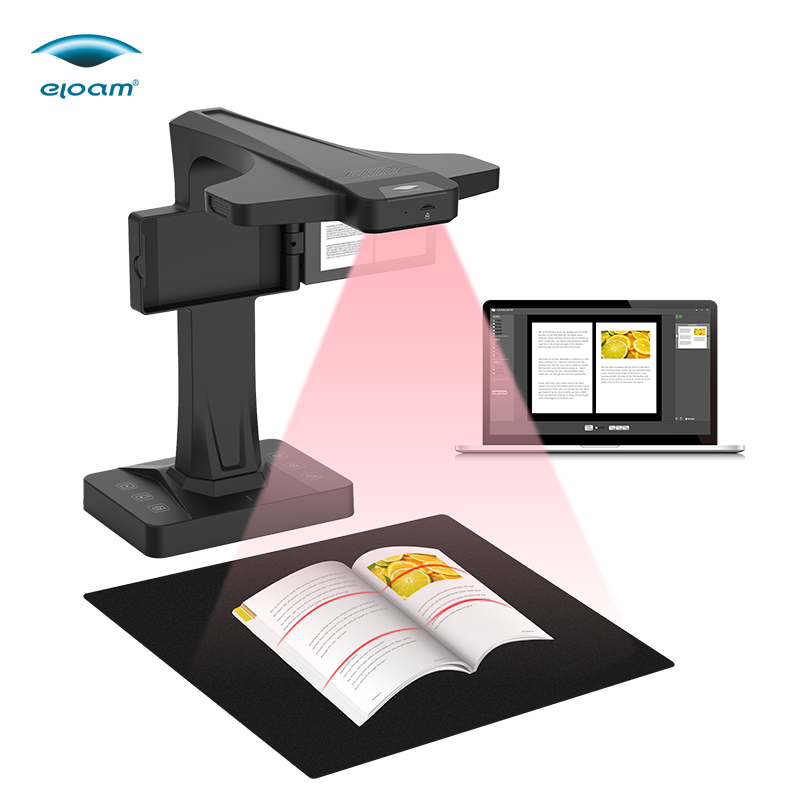
ELOAM 25MP High Speed Automatic Scanning Document Scanner
High-resolution automatic scanning for education and office digitization, with OCR and USB connectivity for back-office workflows.
- 25MP
- Automatic
- OCR
- USB
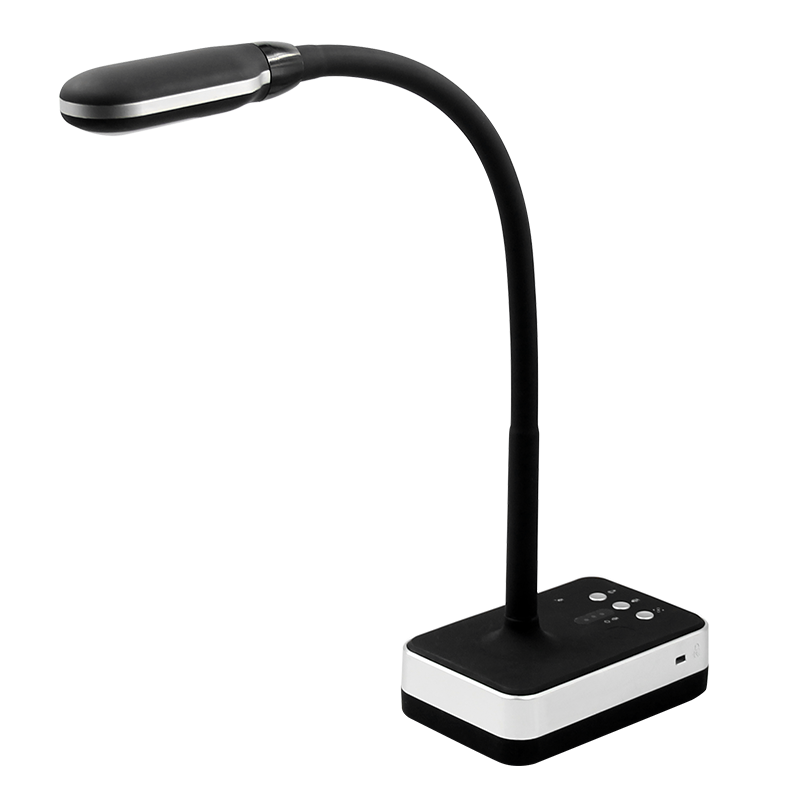
ELOAM VH1000A3AF Smart Book Scanner
A portable USB document camera for teachers and hybrid classrooms, suited to overhead demonstrations and book scanning.
- A3
- Portable
- USB
- Teacher-friendly

ELOAM S1000C A4 Portable USB Document Camera
10MP A4 capture with multi-language OCR, fast scanning and Android or Windows operation for mobile offices and classrooms.
- 10MP
- A4
- OCR
- 1-second scan
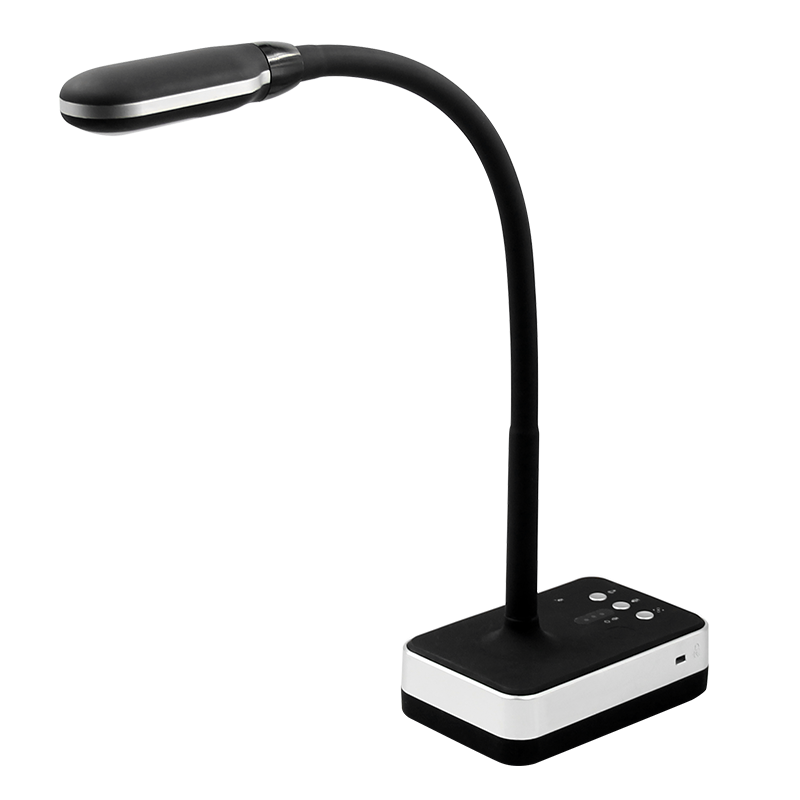
ELOAM VH802A3AF USB Document Camera OCR Scanner
8MP A3 overhead capture for budget-conscious education projects, office scanning and presenter-led demonstrations.
- 8MP
- A3
- OCR
- USB
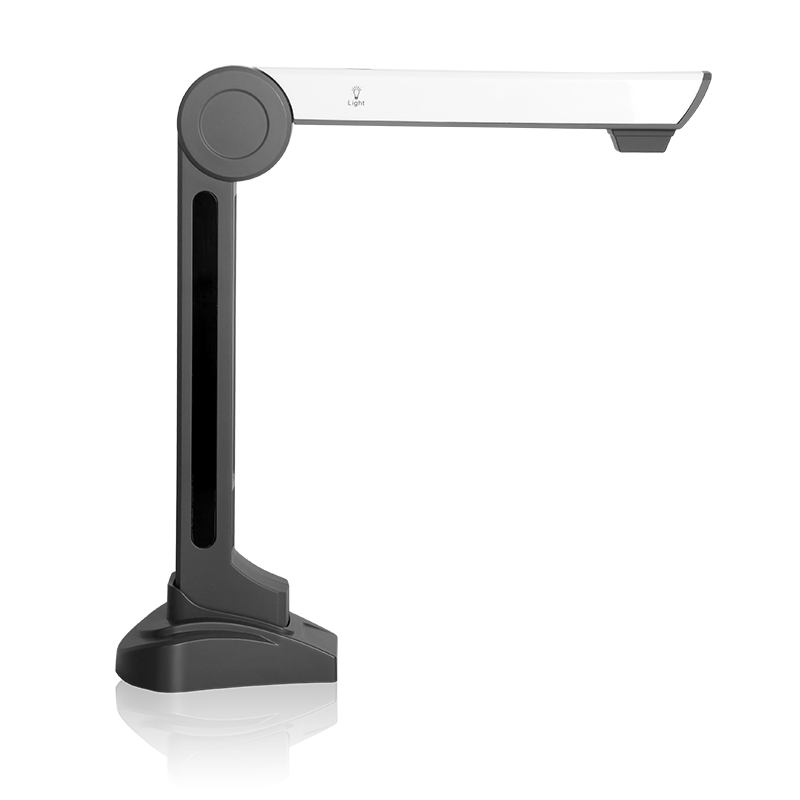
Eloam S500P 5MP Ultra Portable OCR Document Scanner
Compact scanning with USB SDK support for system integrators, school labs and lightweight office capture stations.
- 5MP
- USB SDK
- OCR
- Ultra portable
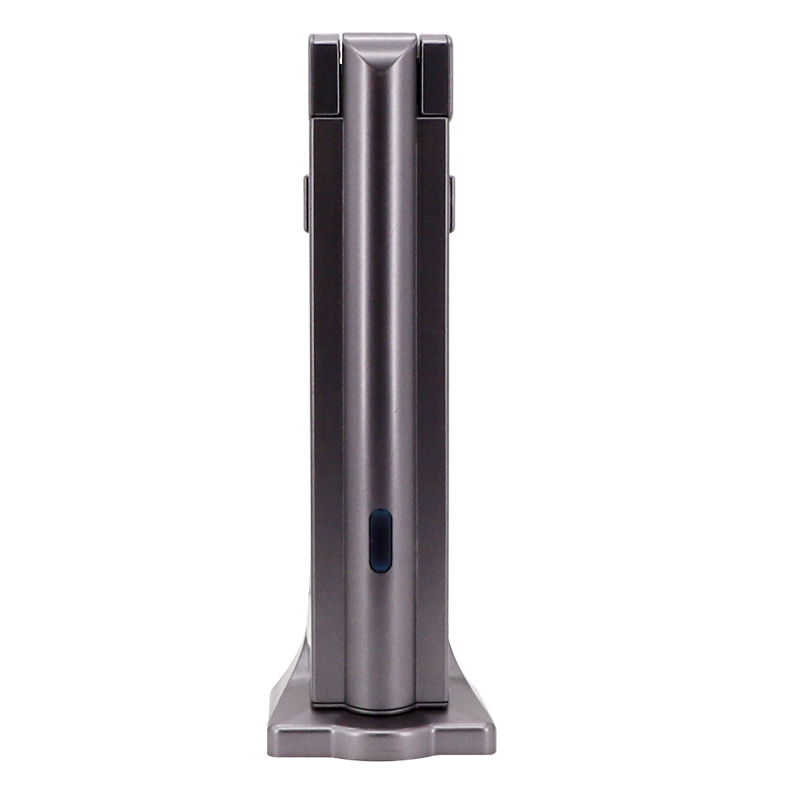
ELOAM Auto-Focus A3 10MP Portable Document Scanner
A3 auto-focus capture with 1-second scanning, continuous operation and Windows 10 or 11 compatibility for production desks.
- 10MP
- A3
- Auto-focus
- Continuous scan
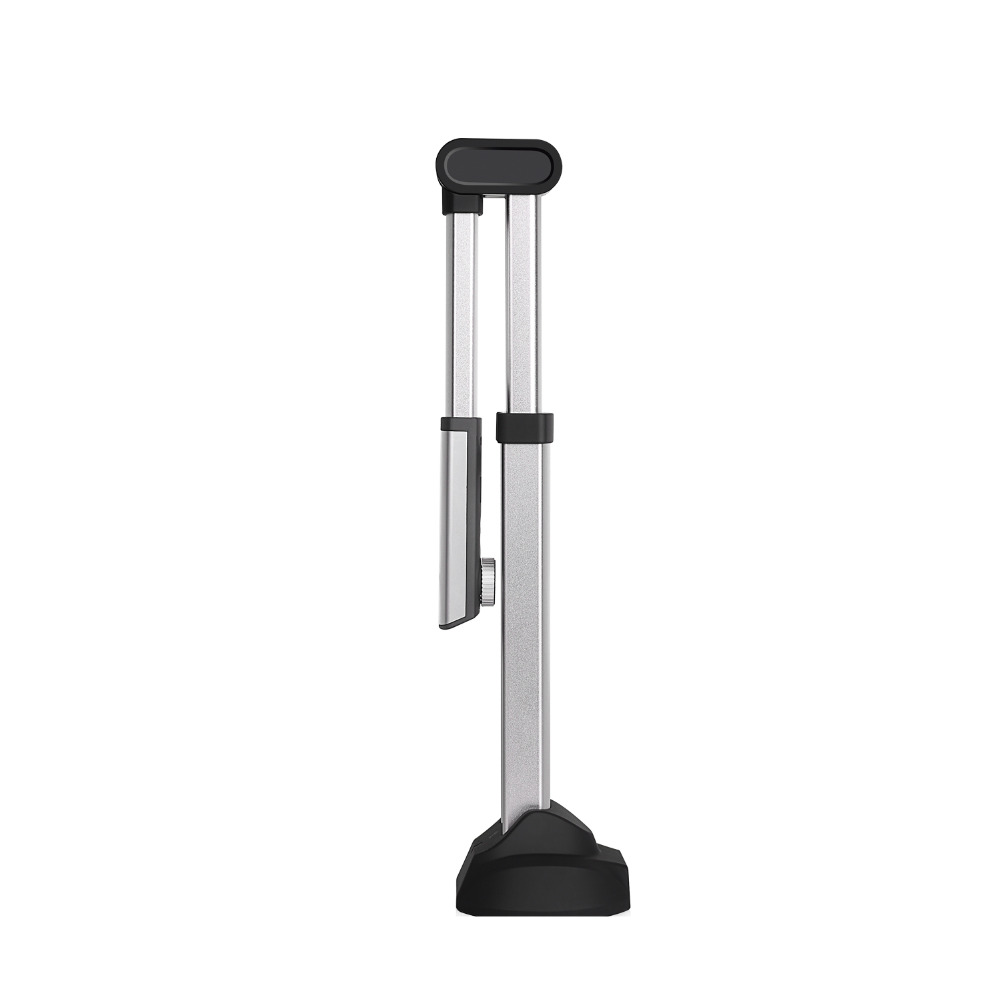
Eloam S1800A2 16MP USB 2.0 Document Camera
Large-format A2 and A3 overhead capture with 3264 x 2448 CMOS, 180-language OCR, natural-light LED and USB 2.0.
- 16MP
- A2 / A3
- 180-language OCR
- USB 2.0
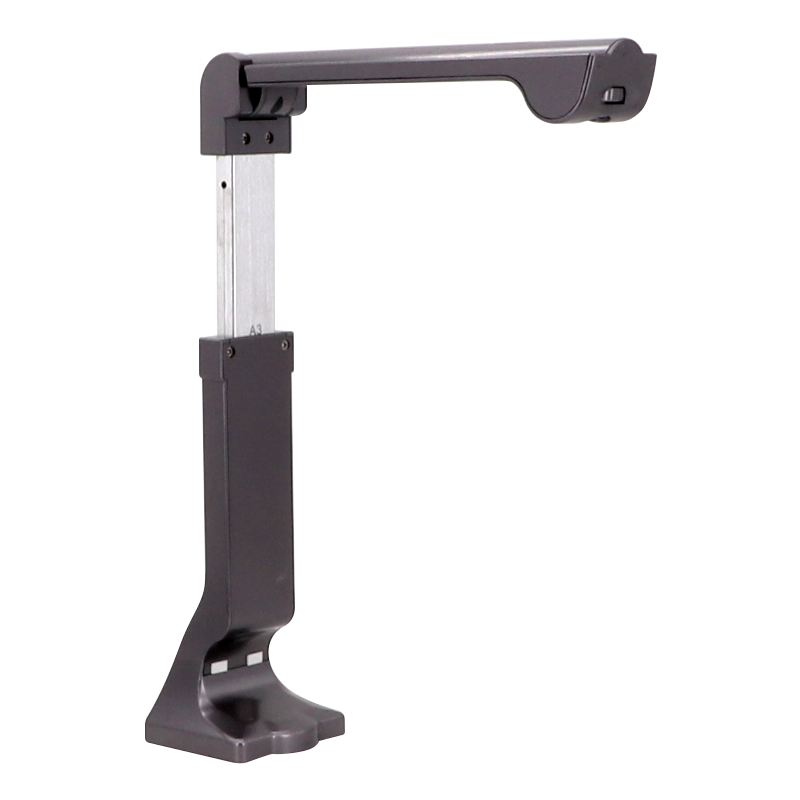
ELOAM S600 10MP CMOS A3 Folding Document Scanner
A folding A3 scanner with USB interface, OCR, 1-second capture and 1-year warranty for flexible office deployment.
- 10MP
- A3 folding
- OCR
- 1-second
Need a model comparison for a Chicago school district, library network or reseller catalog?
Get CatalogWhy a Foldable Visualizer Is a Practical Wholesale Category in Chicago
Chicago’s buying environment rewards hardware that can move between rooms, survive shared use and support both in-person and remote workflows. Schools, universities, public libraries, legal practices, insurance teams, logistics offices and government service counters all handle documents that must be captured quickly, legibly and consistently.
A foldable visualizer is not simply a smaller camera. Its value is operational: it folds for storage, deploys on a desk or cart, captures an A3 or A4 area without pressing bound pages onto a flatbed, and outputs images that can enter OCR or document-management systems. For wholesale buyers serving Chicago, that flexibility reduces the number of SKUs needed across departments and helps standardize accessories, training and after-sales support.
Because Chicago organizations often buy through distributors, AV integrators and education resellers, the ideal exporter must do more than ship cartons. It should provide model-level specifications, software compatibility confirmation, sample units, OEM labeling and documentation that helps the reseller answer end-user questions without repeatedly contacting the factory.
Chicago Buyer Profiles Most Likely to Need These Models
- K-12 districts, community colleges and universities building hybrid classrooms or visual demonstration carts.
- Public libraries and local-history archives digitizing fragile books, maps, clippings and community records.
- Loop, West Loop and suburban legal, title, insurance and professional-service teams managing paper-heavy case files.
- Bank branches, government service counters and logistics offices that capture IDs, forms, proof of delivery and supporting documents.
Factory Facts That Support Reliable Wholesale Supply
Procurement credibility starts with verifiable operating capacity. These facts come from the manufacturer profile and factory verification information used for global B2B sourcing.
Chicago-Area Application Scenarios for Foldable Visualizers and OCR Scanners
Local relevance is not just a keyword exercise. A foldable visualizer is chosen because it solves a specific capture problem in a specific room, department or service counter.
K-12, Colleges and Hybrid Classrooms
Teachers can demonstrate worksheets, science specimens, math work and art techniques live, then reposition the camera for remote learners. A folding body helps shared-device programs in Chicago schools where classrooms, labs and after-school rooms share equipment.
Public Libraries and Archives
Overhead capture supports local-history digitization, clipped newspaper collections, bound reference books and fragile documents without forcing materials flat on a flatbed. OCR-ready outputs help library staff create searchable access copies.
Legal, Title and Insurance Teams
Chicago professional-service firms can capture IDs, correspondence, contracts, claim forms and signatures at a desk. OCR and USB connectivity reduce manual keying when documents must enter case-management or claims systems.
Banking, Government and Logistics Counters
Service desks can capture passports, forms, receipts and logistics paperwork with a compact footprint. Models with USB SDK support can be integrated into kiosk, counter or document-management workflows where repeatable capture matters.
Chicago Demand Signals Shaping Foldable Visualizer Procurement
These trends explain why wholesale buyers are moving from single-purpose scanners toward flexible overhead capture hardware.
Hybrid Instruction Normalization
Schools and training teams expect cameras to work for in-room projection and remote video simultaneously. Live 30FPS-class capture, USB plug-and-play and teacher-friendly arms are becoming baseline requirements.
Paper-to-Digital Compliance
Legal, insurance, government and financial teams continue to reduce physical storage. Searchable OCR output and consistent image quality matter more than raw megapixels alone.
STEM, Design and Clinical Demonstration
Chicago’s education and professional training ecosystem needs live magnification for circuit boards, specimens, documents and small components. Foldable visualizers support shared demonstration without dedicated AV rooms.
Verified Factory Sourcing
Distributors increasingly prefer exporters that can provide factory verification, certifications, SDK options, buyer-label customization and a clear sample process before committing to container-level orders.
Model-by-Use-Case Guide for Chicago Resellers and Procurement Teams
Use this matrix to narrow the shortlist before requesting samples or OEM quotations.
| Chicago Buyer Profile | Recommended Model | Capture Focus | Why It Fits |
|---|---|---|---|
| High-volume office digitization | ELOAM 25MP | A4 / office documents | High-resolution automatic scanning with OCR and USB for administrative teams. |
| Teachers and book-friendly capture | VH1000A3AF | A3 overhead | Portable USB document camera designed for classroom and smart book scanning workflows. |
| Mobile A4 scanning | S1000C | A4 | 10MP capture, multi-language OCR, fast scan and broad OS support. |
| Budget A3 visualizer rollout | VH802A3AF | A3 | 8MP USB document camera with OCR for education and office presentation use. |
| SDK integration and compact desks | S500P | A4 / portable | 5MP ultra-portable scanner with USB SDK for system-level deployment. |
| Continuous A3 scanning | Auto-Focus A3 10MP | A3 | Auto-focus, 1-second capture and continuous scanning for Windows 10 or 11 desks. |
| Large-format maps and drawings | S1800A2 | A2 / A3 | 16MP USB 2.0 camera with 180-language OCR and natural-light LED. |
| Foldable shared-office scanner | S600 | A3 folding | 10MP CMOS, OCR, USB and 1-second capture in a folding format for shared use. |
Why Hobry Supports Chicago Buyers Beyond the Product Specification Sheet
Shenzhen Hobry Technology Co., Ltd. combines manufacturing, software capability and export coordination. That combination matters when a reseller needs a repeatable product program rather than a one-off unit.

Integrated Manufacturer
Founded in 2005, the company operates as a manufacturer with export capability, using 8 production lines and a 5,000–10,000 m² factory area.
In-House R&D
Industrial design, optics, firmware and software development are managed in-house, supported by high-tech enterprise status and software copyright registrations.
OEM / ODM Flexibility
Buyer-label service, logo printing, packaging, housing color, firmware and software customization are available, with SDK support on selected models.
Verification & Quality
Factory verified onsite by Intertek, ISO 9001 quality management, CE certification and FCC availability on selected models support due-diligence review.
Wholesale Trade Terms
Payment terms include T/T, L/C, PayPal and Western Union in USD. Delivery terms include FOB, CFR, CIF and EXW for international buyers.
Export Support for North America
English-speaking sales, model documentation, sample coordination and after-sales technical support help Chicago-area distributors and integrators shorten the sourcing cycle.
What a Serious Chicago Buyer Should Verify Before Choosing a China Foldable Visualizer Exporter
Price alone is a weak procurement signal for visualizers and document cameras. Buyers should confirm the supplier’s manufacturing status, software compatibility, sample process, certification scope and ability to support customized packaging or firmware. This is especially important for school districts, government resellers and healthcare or financial workflows where the device may be attached to a managed PC image.
Hobry’s public company information supports a practical evaluation process: factory assessment report, trade capacity, transaction level, trade history, credit index and buyer feedback can be reviewed before a purchase order. For technical teams, the next step is to test a sample against real Chicago documents, local lighting conditions and the intended operating system.
- Manufacturing proof: onsite factory verification by Intertek and documented production capacity.
- Quality system: ISO 9001, CE certification and FCC availability on selected models.
- Software scope: OCR, output formats, SDK availability and compatibility confirmation by model.
- Commercial readiness: sample policy, wholesale MOQ, OEM labeling, payment and delivery terms.
Procurement Checklist for a Chicago Pilot
- Test the model with actual A3 or A4 documents used by the department.
- Confirm Windows or macOS support by model, and review driver or SDK requirements with IT.
- Validate OCR output language, image clarity and export format in a sample workflow.
- Review warranty, packaging, spare-parts approach and after-sales escalation before rollout.
A Four-Phase Program for Distributors, AV Integrators and Education Resellers
Customization should be structured, documented and sample-tested before mass production.
Requirement Review
Define scan size, resolution, target operating system, interface, deployment quantity, packaging and market compliance needs.
Design & Engineering
Confirm housing color, logo, buyer label, firmware settings, software options, SDK needs and packaging artwork.
Sample Approval
Evaluate pre-production samples against image quality, OCR, workflow and compatibility criteria before releasing volume production.
Production & Delivery
Mass production proceeds with incoming, in-process and finished-product quality control, then ships under agreed delivery terms.
Common Procurement Questions from Chicago-Area Importers
These answers focus on practical sourcing questions rather than generic marketing claims.
Are you a manufacturer or a trading company for foldable visualizers?
Can Chicago buyers order samples before a wholesale order?
How are visualizers shipped to Chicago and which trade terms are available?
Do the document cameras work with Windows, macOS and managed school devices?
What OEM and ODM options are available for a Chicago reseller brand?
What certifications, warranty and after-sales support are included?
Build a Chicago-Ready Foldable Visualizer Program with Hobry
Send your capture size, deployment quantity, target operating system, labeling needs and delivery window. Our export team can recommend the right model mix, provide a sample plan and prepare a wholesale quotation for your Chicago project.