Eight CE-Ready Models for Los Angeles Teaching, Scanning and Presentation Workflows
Los Angeles buyers usually begin with a real workflow: a document camera for live classroom demonstration, an A3 overhead scanner for student records and invoices, a book scanner for library preservation, or a flexible all-in-one unit for training rooms and service counters. The eight product families below are in-stock models from the Hobry/Eloam range. Every product URL is preserved so procurement teams can review specifications directly. Every model is CE certified; FCC is available on selected models, so confirm the exact configuration, adapter and software compatibility with the export team before a purchase order.
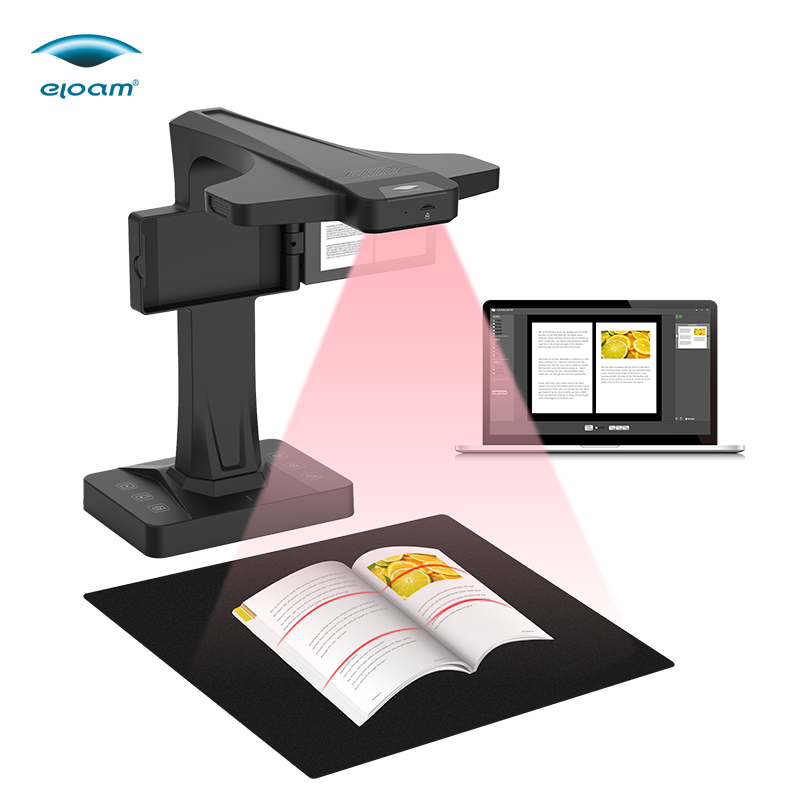
ELOAM 25MP High Speed Automatic Scanning Document Scanner with OCR USB Interface in Stock for Educational & Office Use
- 25MP
- Auto scan
- OCR
- USB
Best for district records, test scoring, office digitization and high-volume capture backlogs.
Review model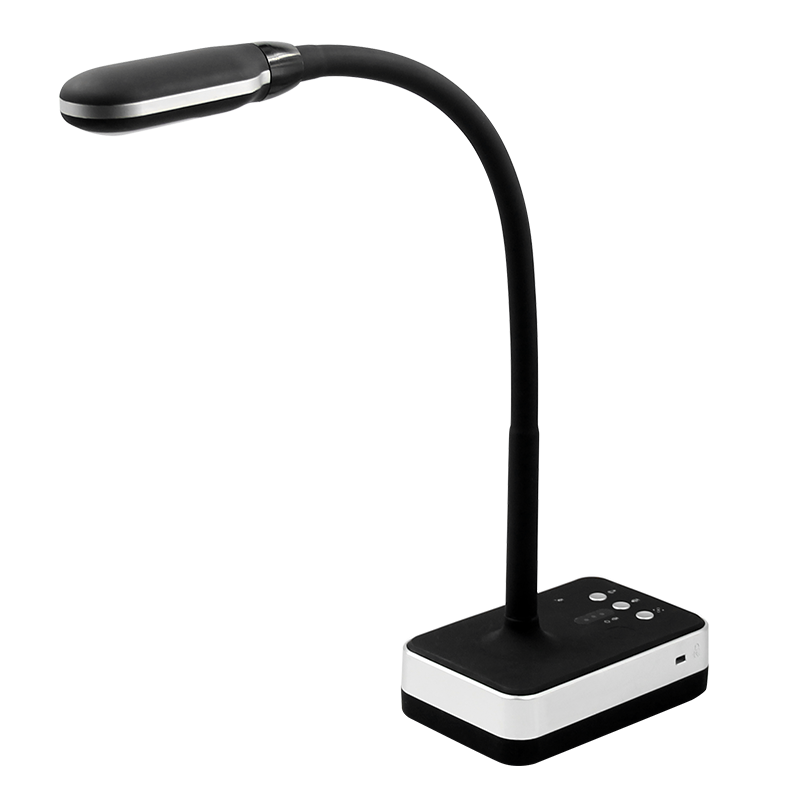
ELOAM VH1000A3AF Smart Book Scanner High Speed Portable USB Document Camera for Teachers in Stock
- A3
- Portable
- USB
- Book capture
Best for classroom book scanning, visualizer lessons and mobile teaching carts.
Review model
Eloam 10MP A3 Professional OCR Document Scanner High Precision Continuous Mode 1 Second Fast Speed USB Interface Office Stock
- 10MP
- A3
- 1 second
- OCR
Best for general archiving, counter capture, contracts, invoices and office paperless projects.
Review model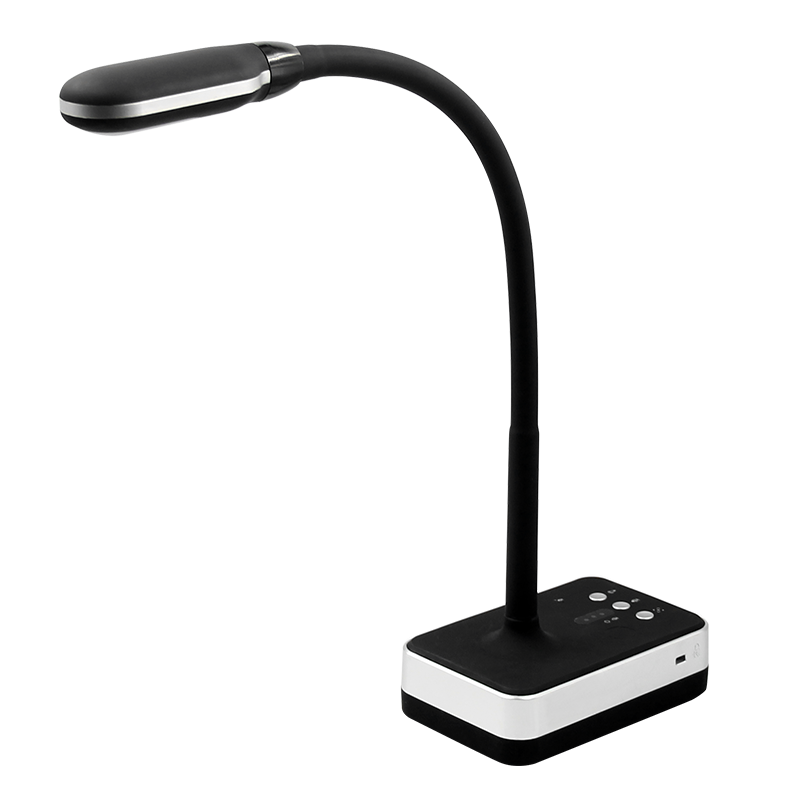
ELOAM VH1000AF A4 10MP High Speed Wireless USB Portable Document Camera Scanner for Education and Classroom in Stock
- A4
- 10MP
- Wireless
- USB
Best for hybrid classrooms, travelling teachers and shared teaching spaces where cable runs are difficult.
Review model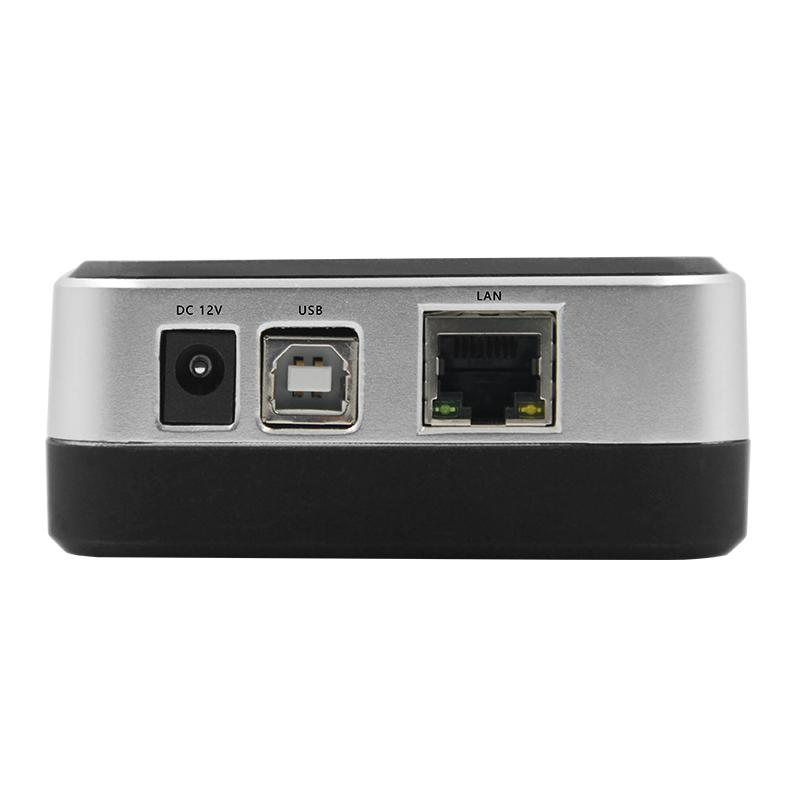
ELOAM VH800A3AF 8MP New Arrival High Speed Fast 1S Flatten Book A3 Portable USB Document Scanner in Stock
- 8MP
- A3
- 1 second
- Flatten book
Best for portable book capture, classroom reading materials and lightweight archive projects.
Review model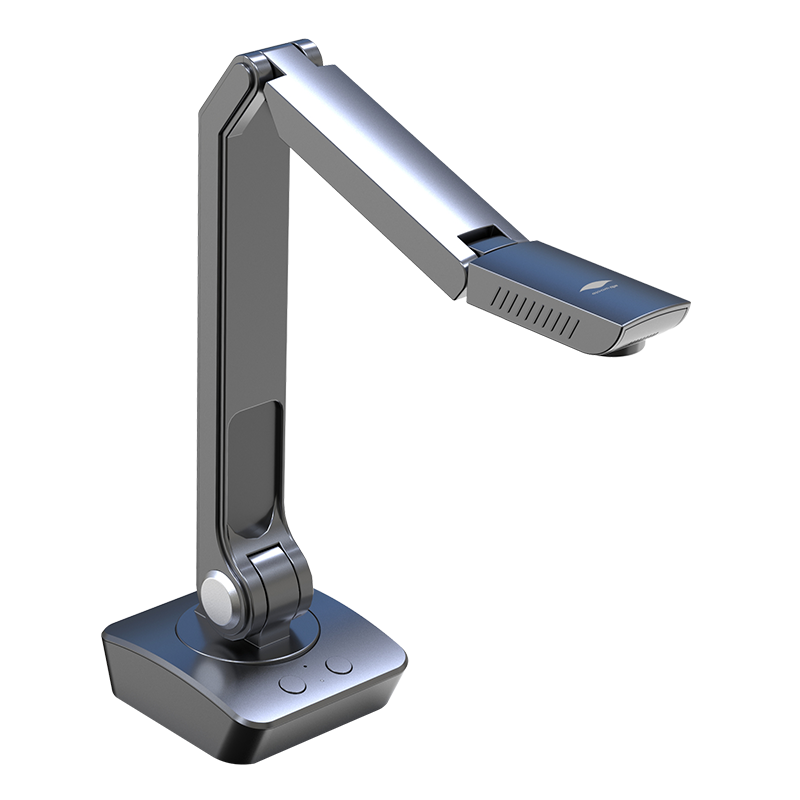
ELOAM V801A3AF A3 Portable Document Camera with USB Interface OCR Function for School & Office Meetings in Stock
- A3
- USB
- OCR
- Meetings
Best for school presentations, office meetings and shared visualizer stations.
Review model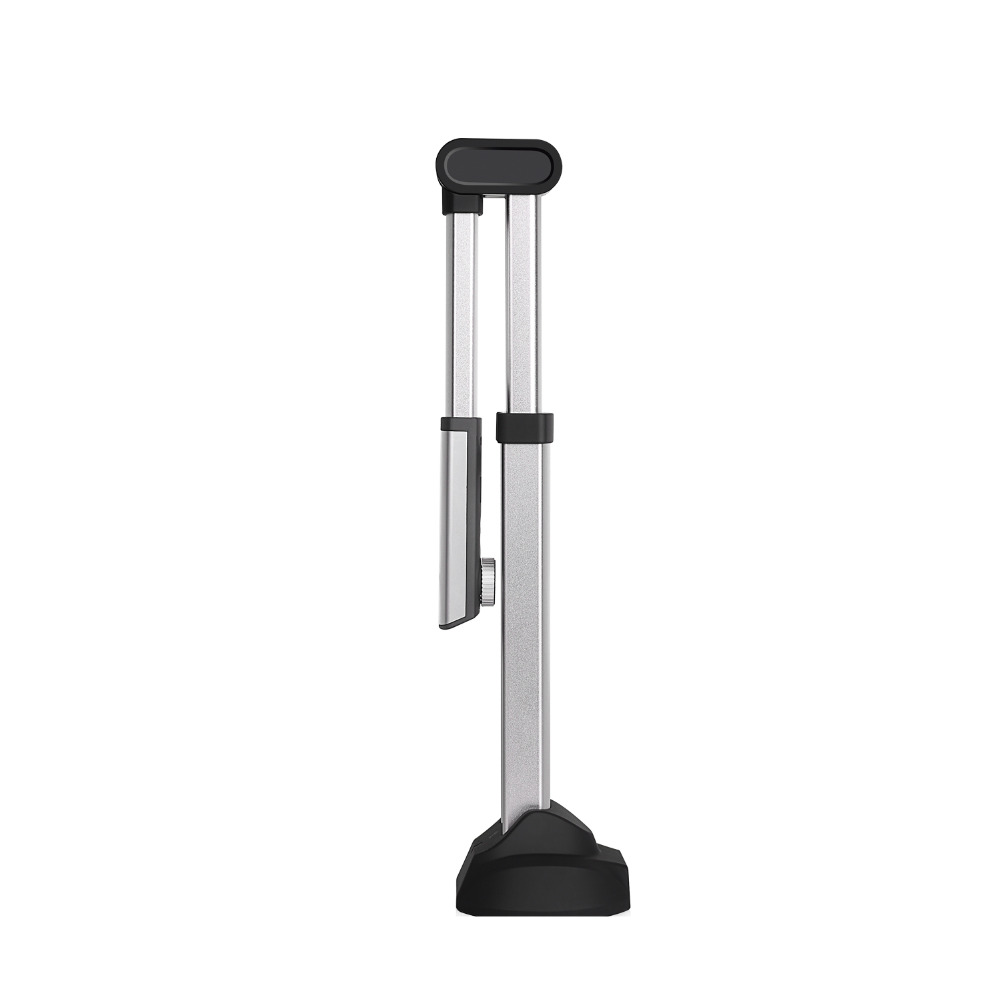
Eloam S1800A2 16MP USB 2.0 Document Camera A2 A3 Scanner 3264 x 2448 CMOS 180 Language OCR Natural Light LED
- 16MP
- A2/A3
- 180 languages
- LED
Best for engineering drawings, maps, large records and archive teams that need A2 coverage.
Review model
ELOAM 3-in-1 Document Scanner USB A3 5MP FPDA Handheld Camera Control Buttons Digital Document Camera
- 3-in-1
- A3
- 5MP
- Control buttons
Best for flexible classroom and office presentation where one device must serve several rooms.
Review modelNeed help matching a model to a Los Angeles end user? Share the scan area, quantity, operating system, target delivery window and compliance documents required. Most models are available as single-unit samples; bulk MOQ depends on the model and customization level and is confirmed in your quotation.
Why Los Angeles Buyers Search Differently for Presentation Equipment
Los Angeles is not one market. A K-12 district technology office, a community college media department, a county records team, a law firm and an AV integrator may use similar words — document camera, visualizer, overhead scanner, book scanner — but they are solving different problems. That is why the content on this page is structured around the three search intents that matter in a real procurement cycle.
Informational intent: “Which document camera fits a hybrid classroom?”
Teachers and technology coordinators compare A3 capture area, frame rate, USB versus wireless connection, software compatibility and whether the unit can fit on a mobile teaching cart. They also want to know how a visualizer supports live demonstration, not just how many megapixels it has.
Commercial intent: “A3 overhead scanner vs flatbed vs book scanner”
Procurement teams compare scan area, capture speed, OCR languages, book-curve handling and cost per site. Samples matter. A model that works for a single office may fail in a county counter queue or a library digitization room, so the specification should follow the workflow.
Transactional intent: “CE certified exporter shipping to Los Angeles”
Export buyers need CE documentation, FCC status on selected models, ISO 9001 evidence, packing lists, commercial invoices and a clear Incoterm. Many also prefer one supplier for visualizers, A3/A2 scanners, book scanners and related accessories to reduce vendor management.
Where the Equipment Goes in Los Angeles: Six Localized Scenarios
Los Angeles deployments range from K-12 classrooms and university lecture halls to county service counters, creative offices and library preservation rooms. Each scenario has a different tolerance for setup time, image quality, footprint and documentation.
K-12 classrooms and hybrid carts
Document cameras support math manipulatives, science demonstrations, reading exercises and live annotation. For Los Angeles districts building mobile teaching carts, a portable USB visualizer with A4 or A3 capture and simple software is often easier to deploy than a fixed ceiling system.
Community colleges and university lecture halls
Media departments and faculty support teams need clear live video for lab demonstrations, guest lectures and recorded sessions. A 30 FPS visualizer with optical zoom and A3 coverage helps keep fine print, circuit boards and specimens readable on large displays.
Los Angeles creative, media and production offices
Storyboards, call sheets, scripts, location releases and handwritten notes still move through production offices. A fast A3 scanner with OCR and searchable PDF output helps teams digitize paperwork without sending everything to a copy center.
Healthcare, legal and insurance training rooms
Training teams need to show forms, ID documents, charts and printed materials without passing originals around the room. A document camera with natural-light LED illumination and OCR can support both live presentation and later record keeping.
Libraries, archives and special collections
Book scanners with V-shaped cradles, laser-assisted page flattening and preview screens help protect bound materials. Los Angeles institutions with fragile collections should prioritize non-destructive capture, OCR output and a workflow that lets staff review pages before export.
County and city service counters
Counters capture IDs, passports, applications and supporting documents. A compact A4 or A3 overhead scanner with OCR reduces manual keying, while SDK availability on selected models allows integrators to connect capture into a local case-management or records workflow.
Los Angeles Sourcing Trends Shaping Presentation Equipment Decisions
These are qualitative signals that appear repeatedly in buyer conversations, RFQs and sample requests. They are not presented as statistical survey results; they are practical evaluation criteria that can help Los Angeles buyers ask better questions before selecting a supplier.
Hybrid classrooms and portable AV kits
Flexible teaching spaces continue to favor foldable document cameras and USB-powered visualizers that can move between rooms. Buyers ask whether the unit fits a cart, how quickly it starts, and whether it works with existing displays.
Procurement documentation is part of the product
CE certification, FCC status on selected models, ISO 9001, Intertek factory verification and software copyright records are reviewed before samples. A supplier that can organize these documents clearly can shorten the evaluation cycle.
Searchable records and OCR
County agencies, law firms, universities and archives want OCR output to PDF, JPEG and TIFF. Selected models support up to 180 languages; Windows is supported across the range, with macOS on selected large-format models.
Port-aware inventory planning
Many Los Angeles buyers plan around ocean freight to the Port of Los Angeles and Long Beach. Confirm Incoterms, sample lead time, consolidation options and whether the shipment can be coordinated with other AV or IT equipment.
Illustrative qualitative map of common Los Angeles sourcing priorities. It is not a statistical survey and should not be used as a procurement scorecard without your own requirements.
How to Specify a Los Angeles-Ready Configuration
Use the workflow, not the model name, as the starting point. The table below translates common Los Angeles applications into the questions a buyer should ask before requesting a sample.
| Los Angeles buyer context | What to confirm | Recommended model group |
|---|---|---|
| K-12 classroom or hybrid cart | Capture area, USB power, software start-up, cart footprint, sample test with existing display | VH1000AF, V801A3AF, 3-in-1 A3 |
| University lecture hall or lab | Live frame rate, optical or digital zoom, A3 coverage, large-display readability, portability | VH1000A3AF, S1800A2, 25MP automatic scanner |
| Library or archive digitization | Book-friendly capture, page flattening, OCR languages, preview and export workflow | VH1000A3AF, VH800A3AF |
| County or city service counter | A4/A3 capture, OCR, compact footprint, SDK or software integration on selected models | 10MP A3 OCR, 3-in-1 A3, VH1000AF |
| Creative, media or production office | Fast capture, searchable PDF, A3 paperwork, desk footprint and operator training | 25MP automatic scanner, 10MP A3 OCR |
| Engineering, plan room or map archive | A2/A3 large-format coverage, auto focus, LED illumination, output format and resolution | S1800A2 |
Why Hobry Is a Practical Manufacturing Partner for Los Angeles Buyers
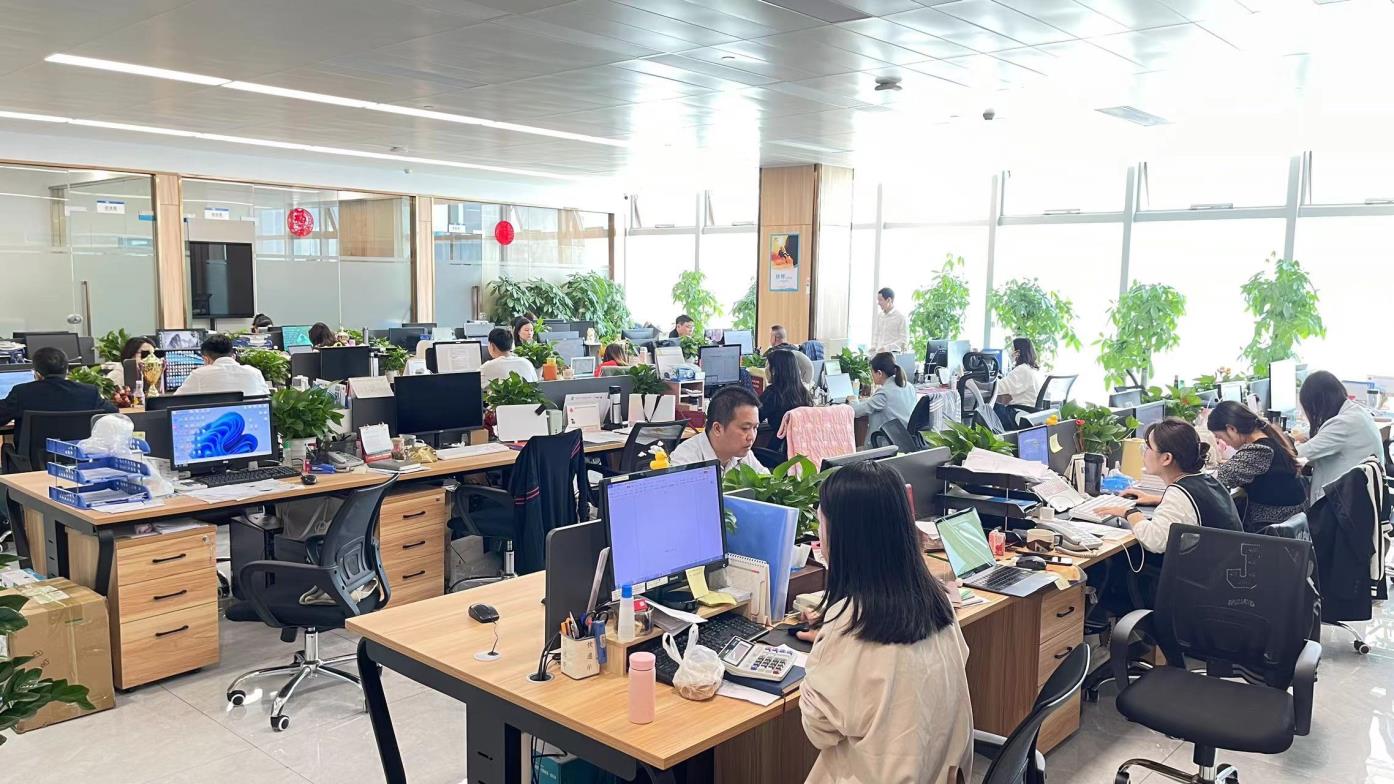
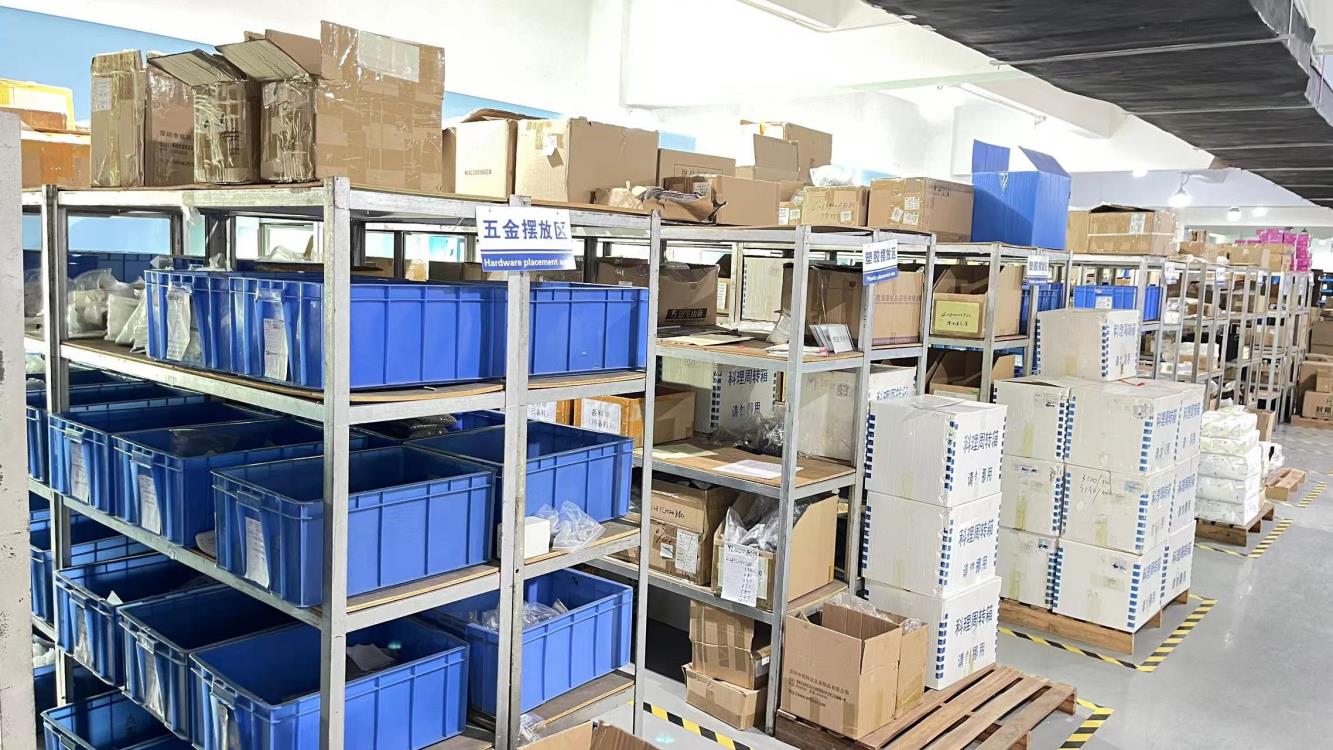
Founded in 2005, Shenzhen Hobry Technology Co., Ltd. is a manufacturer and exporter of document scanners, book scanners, document cameras, visualizers and portable monitors. The company runs 8 production lines in a 5,000–10,000 m² facility in Shenzhen with 101–200 employees. Its factory has been verified onsite by Intertek, a global inspection company. Credentials include ISO 9001 quality management certification, a National High and New Technology Enterprise certificate, computer software copyright registration, CE certification and FCC availability on selected models. The standard warranty is 1 year.
OEM, ODM, design service and buyer-label service cover logo printing, custom packaging, housing color, firmware, software UI and SDK availability on selected models. The export team accepts T/T, L/C, PayPal and Western Union in USD, and offers FOB, CFR, CIF and EXW delivery terms. Main markets include North America, Southeast Asia, Southern Europe and the Middle East. These capabilities matter to Los Angeles resellers and integrators that need a factory partner for repeatable classroom visualizers, scan stations and archive projects — not a one-off trading transaction.
Intertek-verified factory
Onsite verification supports due-diligence reviews for distributors, resellers and institutional buyers.
20+ years in imaging
Founded in 2005 with in-house industrial design, optics, firmware and software R&D experience.
CE + FCC options
Products are CE certified; FCC is available on selected models. Confirm the exact model before ordering.
OEM / ODM & SDK
Logo, packaging, housing color, firmware, software and SDK customization on selected products.
180-language OCR
Selected models support up to 180 OCR languages with PDF, JPEG and TIFF output.
8 production lines
Incoming, in-process and finished-product quality control in a 5,000–10,000 m² facility.
1-year warranty
Standard warranty is 1 year, with export documentation and after-sales technical support.
North America export support
FOB, CFR, CIF and EXW terms; packing lists, commercial invoices and Port of LA/Long Beach coordination.

From Requirement Review to Los Angeles Delivery in Five Clear Steps
With in-house optics, firmware and software teams, customization goes beyond relabeling. The process below keeps sample approval, compliance documents and export logistics visible from the first RFQ.
Requirement review
Scan area, resolution, OS, interface, target quantity, compliance folder and delivery window.
Sample validation
Single-unit sample for workflow testing; confirm adapter, power, software and output format.
OEM / ODM configuration
Logo, packaging, housing color, firmware, software UI and SDK on selected models.
Production & QC
8 production lines with incoming, in-process and finished-product quality control; 1-year warranty.
Export & delivery
FOB, CFR, CIF or EXW; consolidation, commercial invoice and Port of LA/Long Beach coordination.
Questions Los Angeles Buyers Ask Before Their First Order
These answers focus on the practical questions that arise in Los Angeles procurement, sample evaluation and export planning.
Are your products CE certified, and is CE enough for Los Angeles buyers?
How do you ship to Los Angeles, and which delivery terms are available?
Can you supply 110V/60Hz power or USB-powered models?
What are the sample, MOQ and lead-time terms?
Can you provide documents for LAUSD, county or university procurement?
Do you offer OEM/ODM and SDK support for Los Angeles integrators?
Request a Los Angeles-Ready Model Shortlist
Send your scan size, classroom or counter workflow, target quantity, compliance documents needed and delivery window. Our export engineers will recommend a CE-certified configuration and confirm FCC availability on selected models, sample terms and shipping to Los Angeles.