Foldable Document Cameras and Scanners for Fukuoka Procurement
These eight in-stock ELOAM models cover A4/A3 capture, USB and wireless deployment, OCR, classroom presentation, book digitization and counter-based document capture. Product URLs and images are preserved for direct evaluation.

ELOAM VW1000AF USB/Wireless High Speed OCR Scanner Portable Document Scanner A4 Book Scanner Document Camera in Stock
A flexible A4 foldable document camera for Fukuoka school offices, ward counters and bank desks that need fast OCR capture of forms, books and mixed paper.
- A4 capture
- USB + Wi‑Fi
- OCR
- Book mode
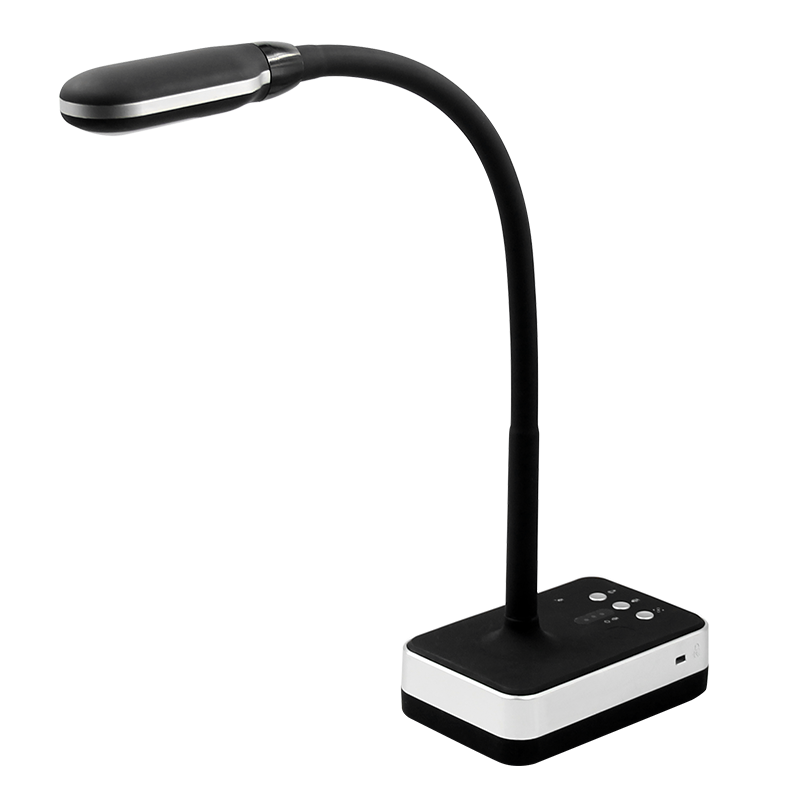
ELOAM VH1000A3AF Smart Book Scanner High Speed Portable USB Document Camera for Teachers in Stock
An A3 smart book scanner and portable document camera suited to Fukuoka classrooms, hybrid lessons, teacher demonstrations and small-format book digitization.
- A3 area
- USB
- Book capture
- Teacher use
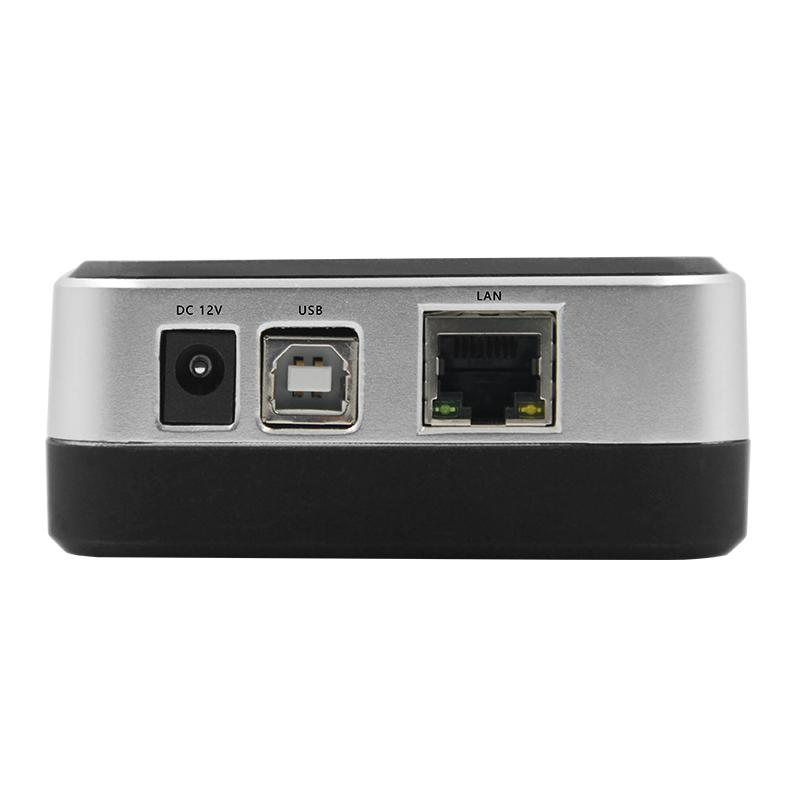
ELOAM VH800A3AF 8MP New Arrival High Speed Fast 1S Flatten Book A3 Portable USB Document Scanner in Stock
A fast A3 portable USB scanner for Fukuoka libraries, school resource rooms and administrators who need one-second flatten capture for bound materials.
- 8MP
- A3
- 1-second scan
- USB
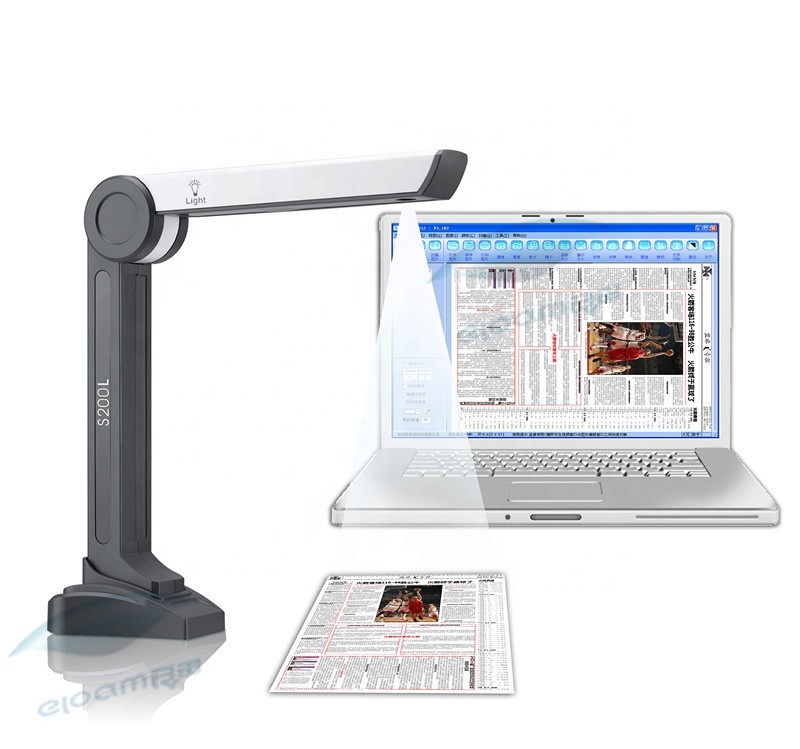
Eloam USB A4 Document Scanner with 1 Second Scan Speed CMOS Sensor 1600x1200 Resolution Gray 1-Year Warranty ABBYY OCR in Stock
A practical A4 USB overhead scanner for municipal counters, insurance desks, school reception and Fukuoka service windows that process identity papers and forms.
- A4
- 1600×1200
- ABBYY OCR
- 1-year warranty
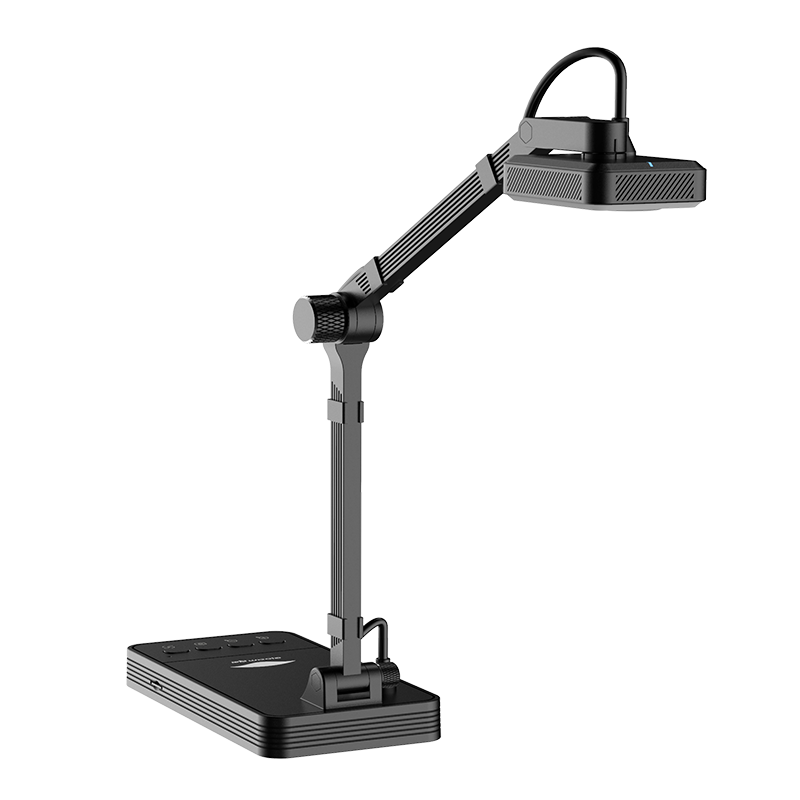
ELOAM YL1050 WIFI USB for Document Presenter A3 10MP for Teachers Distance Learning Online Teaching Video Calling Stock
An A3 10MP document presenter for Fukuoka distance learning, online teaching and video calling, with wireless freedom for demonstrations around the classroom.
- A3
- 10MP
- Wi‑Fi + USB
- Online teaching
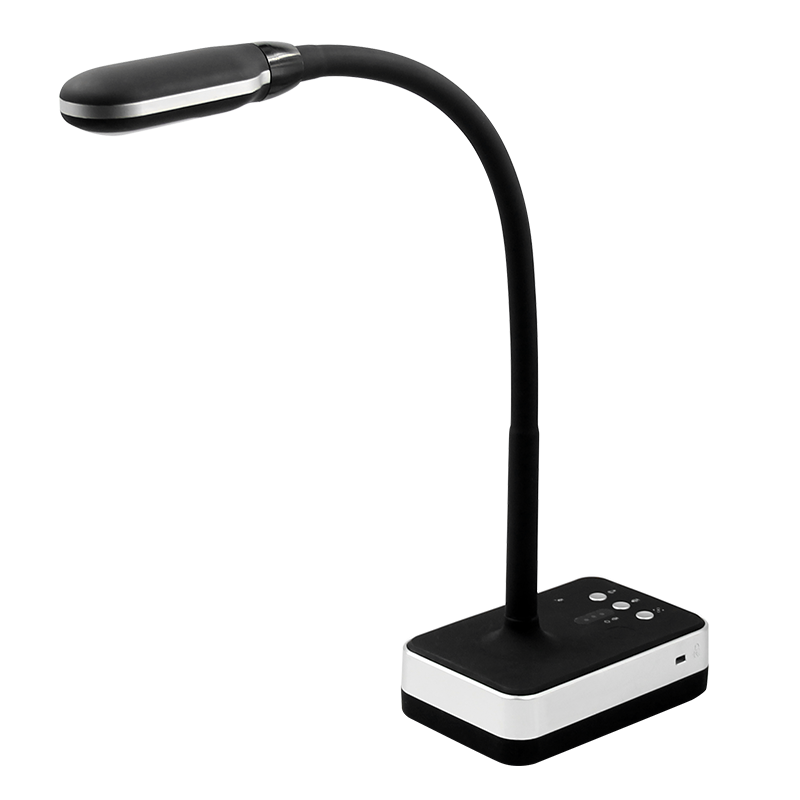
ELOAM VH802A3AF USB for Document Camera OCR High-Speed Scanner 8MP Resolution A3 Size in Stock
An 8MP A3 USB document camera and OCR scanner for Fukuoka administrative teams, university offices and archive rooms that need repeatable high-speed capture.
- 8MP
- A3 size
- OCR
- High speed
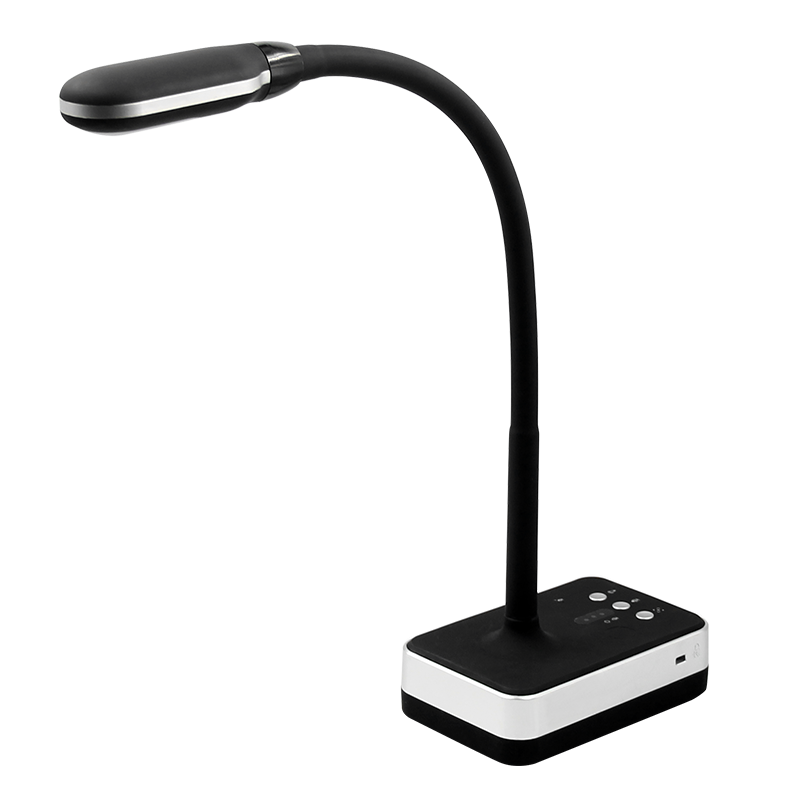
ELOAM VH1000AF A4 10MP High Speed Wireless USB Portable Document Camera Scanner for Education and Classroom in Stock
A portable A4 10MP wireless USB document camera for Fukuoka education, classroom presentations and visiting trainers who move between rooms and sites.
- A4
- 10MP
- Wireless + USB
- Education
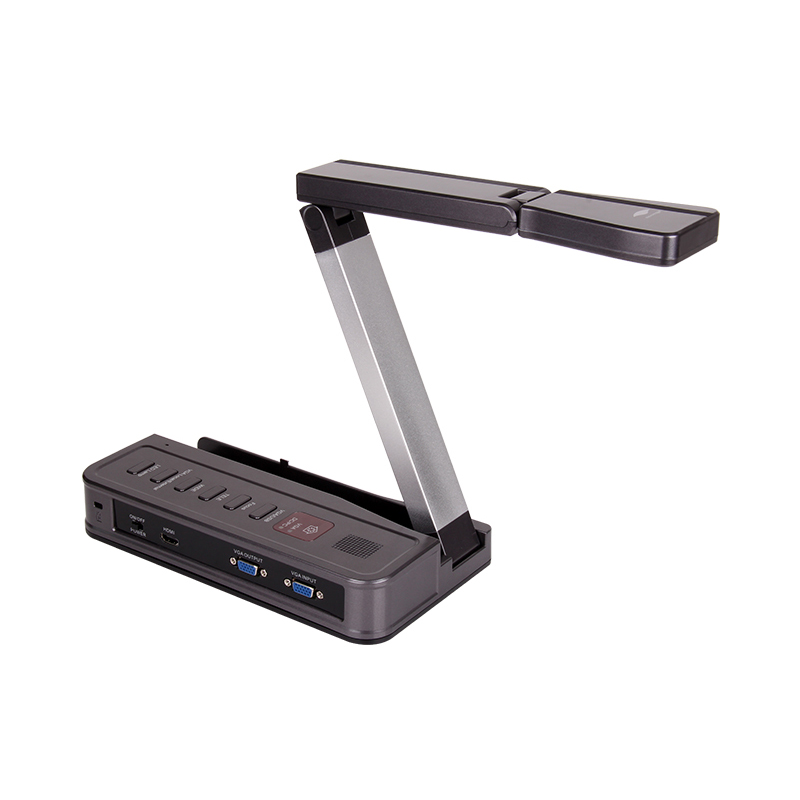
Eloam Portable A4 5MP 30FPS USB Type-C 3-in-1 Interactive Document Camera Projector Visualizer
A 5MP 30FPS USB Type-C 3-in-1 interactive visualizer for Fukuoka presentation rooms, labs, training centres and compact student support spaces.
- 5MP
- 30FPS
- USB Type-C
- 3-in-1
Why a CE Certified Foldable Document Camera Needs a Local Deployment Plan
Fukuoka is not a generic import market. A school in Hakata, a municipal counter in Kitakyushu, a university archive in Fukuoka City and a quality team in Kyushu’s manufacturing corridor often evaluate the same camera class against different acceptance criteria.
The overlap is real: all buyers want a foldable document camera that can capture A3 or A4 material quickly, produce clean OCR-ready files, and connect to the local AV and IT stack without creating support debt. The difference is deployment detail: room lighting, mounting height, software permissions, network policy, warranty handling and the paperwork required by the purchasing department.
ELOAM models manufactured by Shenzhen Hobry Technology Co., Ltd. are built for that overlap. Since 2005, Hobry has engineered high-speed document scanners, book scanners, document cameras and visualizers in Shenzhen, with 8 production lines, a 5,000–10,000 m² factory footprint, OEM/ODM capability and an Intertek-verified factory profile. For Fukuoka buyers, the practical work begins with matching capture area, connection type and compliance documentation to the room, counter or archive where the device will live.
Use this guide as a procurement briefing: eight factory models appear below the banner, followed by Fukuoka-specific use cases, compliance checks, local trends, a selection matrix and the questions local buyers ask before a first order. It is written for school boards, municipal procurement officers, library digitization teams, bank operations, systems integrators and distributors that need verifiable product data rather than recycled supplier claims.
 Hobry factory · Shenzhen · since 2005
Where Foldable Document Cameras Fit in Fukuoka and Kyushu
Japanese buyers rarely purchase a visualizer as an isolated gadget. They buy a repeatable capture routine for a classroom, counter, archive or inspection bench.
Fukuoka Classrooms & Hybrid Lessons
Teachers in Fukuoka City and surrounding municipalities use visualizers to show science experiments, mathematical manipulatives, calligraphy, maps and small textbook type. An A3 camera with live 30FPS output and flexible arm travel reduces lesson interruptions, while USB or Wi‑Fi choice depends on the school’s network policy.
Municipal & Financial Counters
Ward offices, banks, insurers and service counters process ID cards, application forms, residence documents and supporting papers. An A4 overhead scanner preserves desk space, captures without a flatbed lid and creates OCR-ready PDFs for case systems. Privacy controls stay local because the document is captured at the counter, not sent to an external app by default.
Libraries, Museums & Local Archives
Fukuoka’s libraries, universities, museums and local-history collections handle bound books, old maps, photographs and regional records that cannot be pressed flat like office paper. Book-capture models with V-shaped support, laser-assist options or gentle flatten modes help teams digitize without damaging spines, then export to PDF, JPEG or TIFF for cataloguing.
Manufacturing, Logistics & Inspection
Kyushu’s manufacturing and logistics teams use overhead cameras for parts comparison, printed-label checks, drawing review, training and quality documentation. A foldable arm can move between benches, while 30FPS video and high zoom keep fine detail visible on a laptop, projector or meeting display without buying a fixed inspection microscope.
Local Trends Shaping 2025–2026 Procurement
The bars below are qualitative buyer signals for planning, not statistical forecasts. They show where Fukuoka-facing projects most often require supplier evidence.
Classroom Visualizers Move from Pilot to Fleet
Schools that tested one camera during remote learning now refresh shared equipment by subject, floor or teacher group. Buyers ask for consistent firmware, spare parts and model-level documentation across the fleet.
Municipal DX and Paperless Counters
Fukuoka City and surrounding municipalities continue to reduce paper handoffs. Overhead capture at the counter is faster to deploy than a new flatbed workflow and fits existing case-management systems through standard PDF and OCR output.
Resilient Archives and Business Continuity
Kyushu organizations increasingly treat digitization as continuity planning. Distributed PDF copies, offline USB capture and predictable OCR files help protect records against typhoon, earthquake and staffing disruption.
High-Mix, Low-Volume Quality Inspection
Semiconductor, automotive, food and logistics operations in Kyushu need visual checks that change frequently. A foldable document camera is easier to redeploy than a dedicated inspection station and can be moved between lines.
What “CE Certified” Means — and What Fukuoka Buyers Must Verify
CE certification is useful evidence for international tenders, but it should be checked at model level. Japanese market compliance is a separate discussion.
CE is a starting point, not a label
For many electrical products, CE marking reflects the manufacturer’s declaration that applicable European directives and standards are met. A serious supplier should provide the declaration, test report references and the exact model list covered. Do not accept a logo on a brochure as the entire file.
- CE declaration and applicable standards
- Model-specific test report availability
- RoHS file if your tender requires it
Japan checks are separate
CE alone does not authorize placement on the Japanese market. For Fukuoka deployment, confirm whether the AC adapter requires PSE, whether the IT equipment requires VCCI, and whether a wireless model requires TELEC/MIC equipment certification. The exact requirement depends on the configuration, so involve your Japanese importer or compliance consultant before tender submission.
- PSE review for AC adapters
- VCCI review for IT equipment
- TELEC/MIC review for wireless models
Build a tender-ready file
Fukuoka procurement teams save weeks when the supplier package is complete on day one. Ask for datasheets, dimensions, package weight, HS code, country of origin, warranty terms, firmware update process, available SDK files and the list of optional accessories for each quoted model.
- Datasheet and packaging data
- Warranty and spare-part path
- SDK and software integration notes
How to Compare Factories and Suppliers Before You Shortlist
Price per unit is only one line in the total cost of a Fukuoka deployment. The supplier’s engineering depth, documentation and after-sales path usually determine whether a pilot becomes a repeat order.
Engineering Depth
Ask whether optics, firmware and software are handled in-house or assembled from third-party modules. Hobry’s OEM/ODM scope includes logo, packaging, housing colour, firmware and software customisation, with SDK support on selected models for system integration.
Factory Proof
Check onsite verification, quality management and production capacity. Hobry operates 8 production lines in a 5,000–10,000 m² facility, holds ISO 9001 and has been verified onsite by Intertek. Request the latest report and match the audited entity to your quotation.
After-Sales & Terms
Standard warranty is 1 year. Confirm RMA handling, spare parts, firmware support, packaging for parcel networks, accepted payment terms and delivery terms. Hobry supports T/T, L/C, PayPal and Western Union in USD, with FOB, CFR, CIF and EXW options.
Match Fukuoka Workflows to ELOAM Models
Use this matrix for an initial shortlist, then request a sample and a model-specific compliance file before final approval.
| Fukuoka Use Case | Recommended Model | Why It Fits | Local Deployment Note |
|---|---|---|---|
| Primary/secondary classroom demonstration | ELOAM VH1000A3AF / YL1050 | A3 visibility, flexible teacher use, live presentation and USB or wireless connection options. | Confirm school network rules before selecting Wi‑Fi; USB remains simplest for locked-down devices. |
| Hybrid lesson and online teaching | ELOAM YL1050 / VH1000AF | 10MP capture, A3 or A4 working area, Wi‑Fi/USB flexibility for moving between teaching positions. | Test with the school’s video-conferencing platform and camera permissions during the sample stage. |
| Library and local-history book capture | ELOAM VH800A3AF / VW1000AF | Book flattening, high-speed scan routines, A3 or A4 capture and OCR-ready output. | Use a non-destructive handling workflow; for fragile bound volumes, request a book-capture demonstration. |
| Municipal service counter and school reception | Eloam USB A4 Document Scanner 1600×1200 OCR | Compact A4 footprint, 1-second scan speed, CMOS capture and ABBYY OCR for forms and certificates. | Check PC operating system, USB port security policy and where OCR files will be stored. |
| Bank, insurance and ID document capture | ELOAM VW1000AF / VH1000AF | A4 capture, OCR, USB/Wi‑Fi flexibility and fast repeat capture for counter staff. | Require a written data-flow diagram if identity documents are part of the process. |
| Lab, training room and product inspection | Eloam 5MP 3-in-1 USB Type-C Visualizer / VH802A3AF | 30FPS live view, Type-C or USB connectivity, A4/A3 capture for parts, documents and demonstration. | Verify monitor resolution, cable length and mounting position to avoid shadows on the capture area. |
Factory Advantages That Reduce Procurement Risk
Fukuoka buyers do not need another catalogue forwarder. They need a manufacturer that can answer engineering, compliance and after-sales questions in the same thread.
Manufacturer with in-house imaging R&D
Shenzhen Hobry Technology Co., Ltd. began in 2005 and grew into a specialist in high-speed portable document scanners and document cameras. The company controls industrial design, optics and firmware R&D, software, manufacturing and global sales, and holds National High-Tech Enterprise status, software copyrights and patents.
For Fukuoka projects, that means a shorter path from “we need A3 capture with OCR and a specific connector” to a workable sample. OEM/ODM support covers buyer labels, packaging, housing colour, firmware and software customisation, while selected models offer an SDK for integration with local systems.
20+ years in imaging
Long-term focus on document capture, visualizers and optical hardware, not a temporary trading catalogue.
8 production lines
Incoming, in-process and finished-product QC routines across a 5,000–10,000 m² factory footprint.
Intertek-verified factory
Onsite verification and ISO 9001 quality management give procurement teams a document trail to review.
CE range and FCC options
Products are CE certified, with FCC available on selected models. Confirm model-level documents for your tender.
OEM/ODM and SDK
Logo, packaging, housing colour, firmware, software UI and SDK integration can be discussed during quotation.
Sample-friendly B2B terms
Most models are available as single-unit samples. Bulk MOQ depends on model and customisation level, confirmed in the quotation.
Questions Local Buyers Ask Before the First Order
These answers are written for Fukuoka and Kyushu buyers who need practical shipping, compliance and product-selection guidance.
Q. Can you ship to Fukuoka, and which Incoterms are practical?
Yes. Accepted delivery terms are FOB, CFR, CIF and EXW. For Fukuoka, many buyers use FOB Shenzhen with their own forwarder and clear import through Hakata Port, Kitakyushu Port or Fukuoka Airport. DDP should be quoted separately through a customs broker; always confirm import duty, consumption tax and customs handling before comparing landed cost.
Q. Is CE certification enough for use in Japan?
No. CE is linked to European market requirements. Japanese compliance is separate: AC adapters may require PSE, IT equipment may require VCCI, and wireless models may require TELEC/MIC certification. Ask the supplier for model-specific documents and review them with your Japanese importer or compliance adviser before the tender closes.
Q. What is the sample and MOQ policy for Fukuoka buyers?
Most models can be supplied as single-unit samples for evaluation. Bulk MOQ depends on the model and the level of customisation, such as packaging, logo, firmware or software changes. Final MOQ and sample cost are confirmed in the quotation, so specify whether the sample must match the mass-production configuration exactly.
Q. Which model should we choose for classrooms or municipal counters?
For classrooms, start with ELOAM VH1000A3AF or YL1050 for A3 visibility and teacher-friendly presentation. For municipal counters, begin with the A4 USB document scanner or VW1000AF for fast A4 capture, OCR and a compact footprint. Use the selection matrix above to compare capture area, connection type and deployment constraints.
Q. Do you offer OEM/ODM for Japanese distributors and system integrators?
Yes. OEM, ODM, design service and buyer-label service are available, including logo printing, custom packaging, housing colour, firmware and software customisation. An SDK is available on selected models for integration with local software. Provide your target specifications, volume and compliance requirements so the factory team can confirm feasibility.
Q. What payment, warranty and after-sales terms apply?
Accepted payment terms are T/T, L/C, PayPal and Western Union in USD. Standard warranty is 1 year. Fukuoka buyers should agree on RMA handling, spare-parts expectations and the technical contact path before mass production, especially for school fleets or multi-site municipal rollouts with tight support windows.