Edmonton Market Brief · B2B Export & Classroom AV

CE Certified Audiovisual Teaching Equipment Factories & Exporters serving the Edmonton market

A procurement-focused guide for schools, colleges, training centres and public-sector buyers who need document cameras, visual presenters and overhead scanners with traceable CE documentation, OEM/ODM support and practical Edmonton delivery planning.

Product Recommendations

Eight Audiovisual Teaching Equipment Models for Edmonton Classrooms and Campus Projects

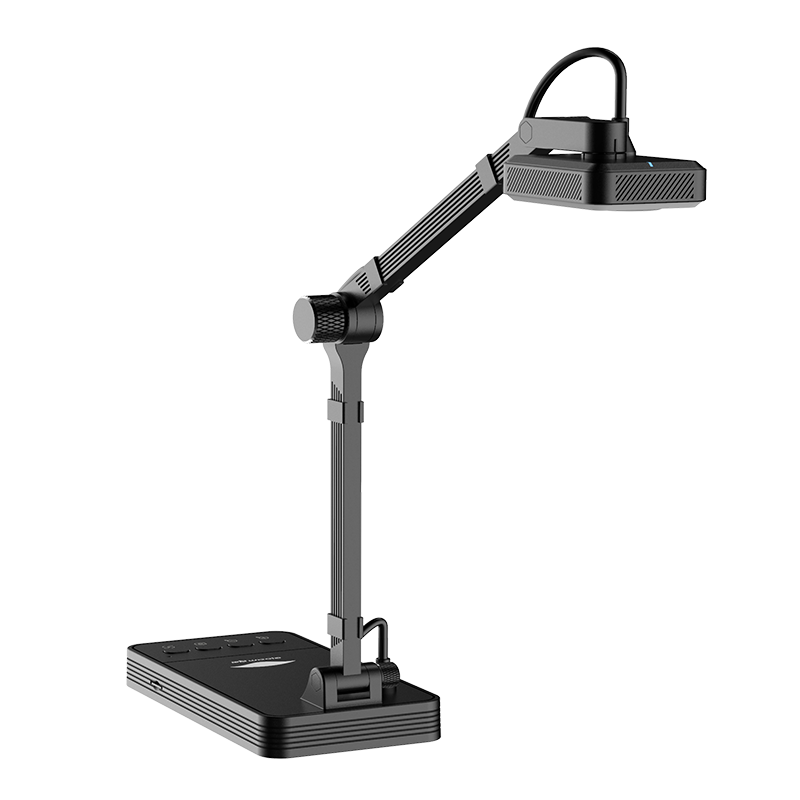
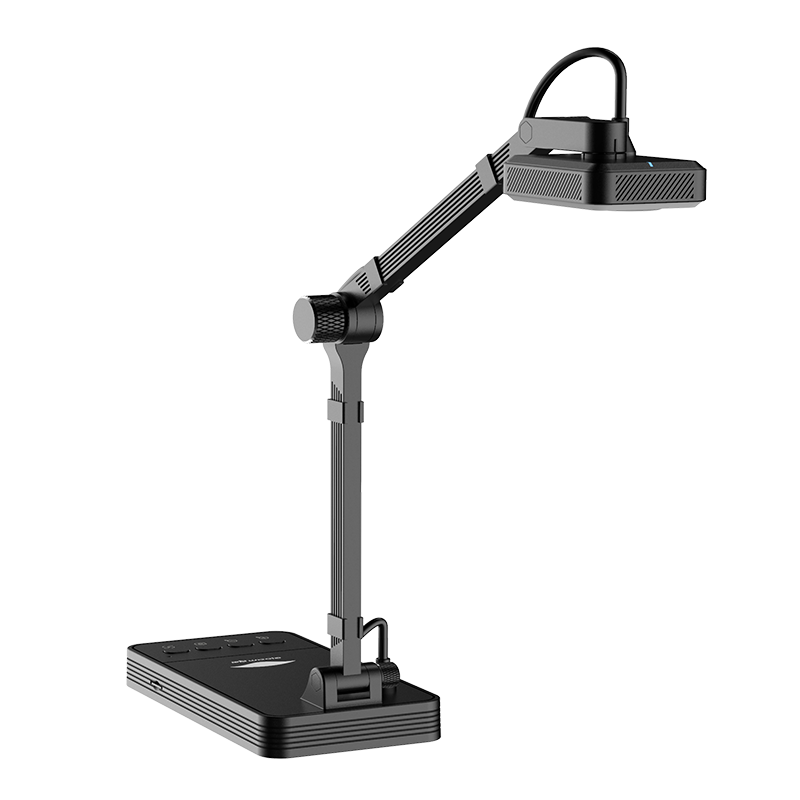
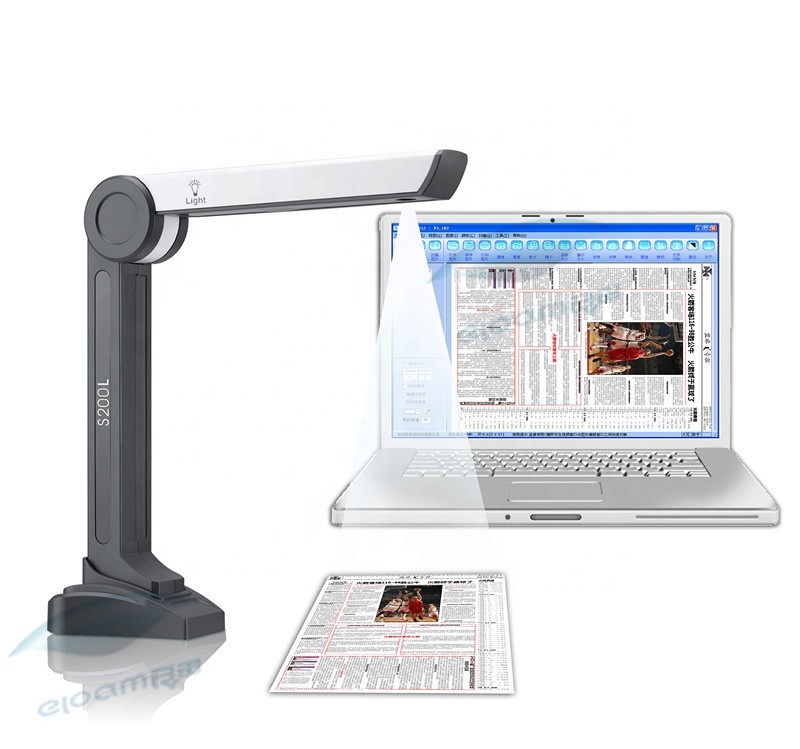
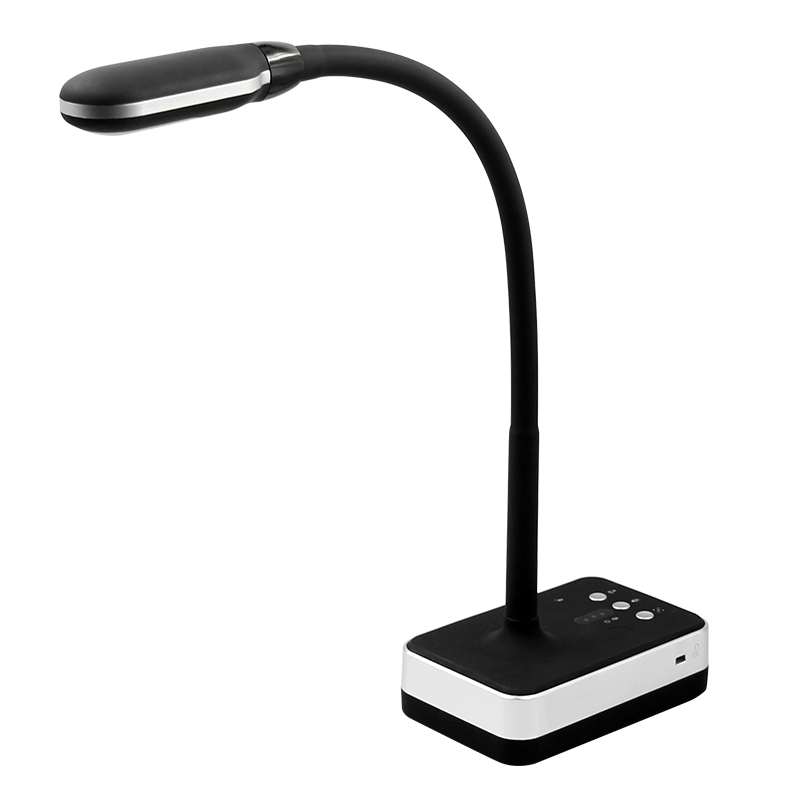
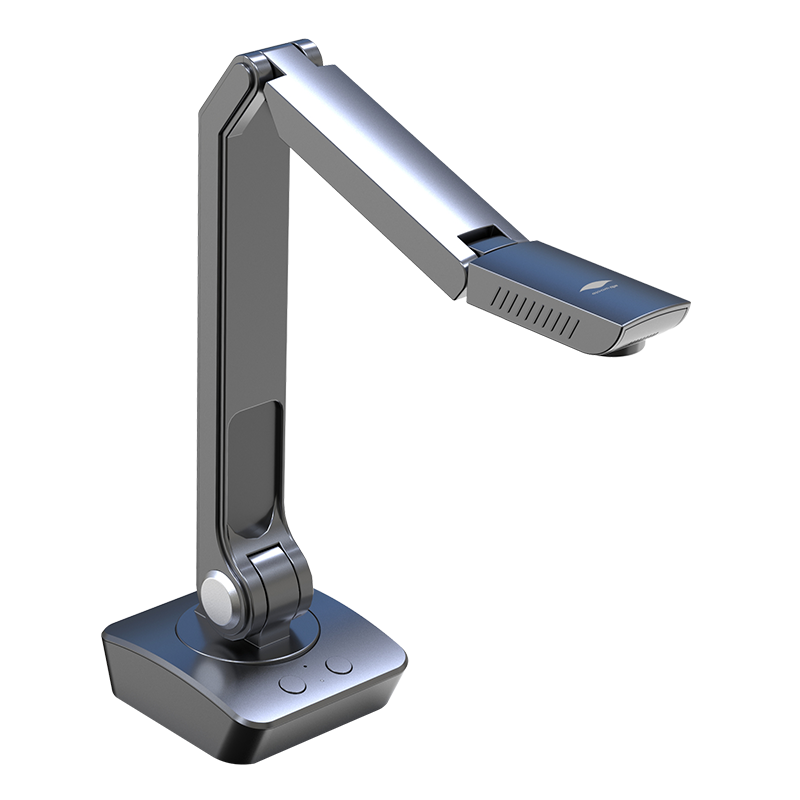
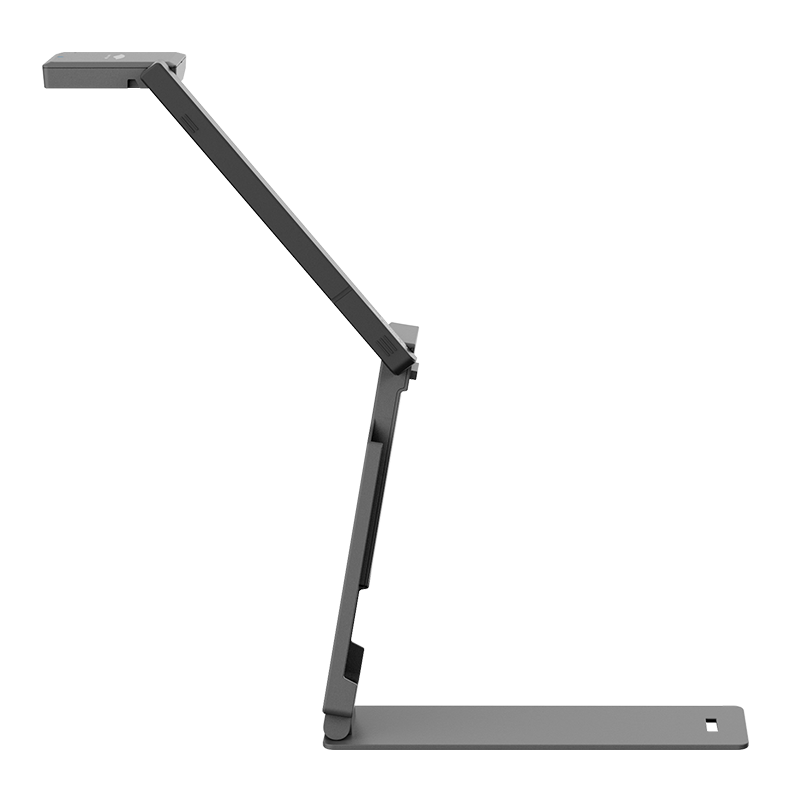
The eight models below are presented from the supplied ELOAM/Hobry teaching range. Product URLs are preserved exactly. Confirm final configuration, stock status, software compatibility and certification evidence with the factory export team before a purchase order.

Semantic Search Context

What “CE Certified Audiovisual Teaching Equipment Factories & Exporters” Means for Edmonton Buyers

Search intent for this phrase is usually commercial-investigation, not casual browsing. The buyer is comparing classroom visualizers, overhead scanners, document cameras and portable teaching screens for a Canadian school authority, post-secondary lab, corporate training room or public-sector service point.

A CE mark indicates that the manufacturer has made a conformity declaration for applicable European Union directives. It is not, on its own, a Canadian certification. For Edmonton procurement teams, the practical question is not whether a factory can print CE on a carton, but whether the supplier can provide consistent imaging performance, current test evidence, Canadian compliance where applicable, spare-parts planning and post-install support.

Edmonton’s buying cycle is shaped by school-year installation windows, winter logistics, privacy reviews, network policy and a preference for low-training hardware that works with existing projectors, interactive displays and video-conferencing tools. A factory-exporter with in-house optics, firmware and software teams can shorten the gap between a pilot and a multi-site rollout, but only if the evidence pack and local support model are clear before the PO.

2005
Manufacturing since 2005
8
Production lines
10,000 m²
Maximum factory area
180
OCR languages on select models
Localized Applications

Where These Systems Fit in Edmonton: Four Practical Scenarios

Edmonton buyers rarely purchase “a camera” in isolation. They buy a repeatable way to show objects, documents or procedures to a room, a video call or an archive workflow.

K–12 classrooms

Edmonton Public Schools, Edmonton Catholic Schools, charter schools and independent schools use visualizers for shared reading, math manipulatives, science demonstrations, art critique and fine-motor modelling. The best fit is a low-friction USB model that teachers can operate without a help ticket.

Post-secondary labs

Institutions such as the University of Alberta, MacEwan University, NAIT and Concordia University of Edmonton operate labs where students must see specimens, components, wiring or printed annotations. A 4K document camera or A3 visual presenter can reduce crowding around a bench while keeping detail visible.

Corporate and public-sector training

Energy, engineering, healthcare, municipal and safety teams in the Edmonton region use document cameras for plan review, procedure training and remote coaching. Portable A3 units work well in shared boardrooms where fixed AV is limited.

Library and archive workflows

Overhead scanners are useful for loose records, maps, photographs and administrative files. For fragile bound books, buyers should request a dedicated book-scanner configuration with a V-shaped cradle rather than forcing a flat overhead unit to do non-destructive capture.

Edmonton Market Trends

Local Trends Shaping 2025–2026 Audiovisual Teaching Equipment Purchases

Three buying signals matter more than catalog size: hybrid-readiness, defensible compliance evidence and total cost ownership across winter logistics and multi-year support.

Hybrid-ready AV with fewer drivers

Edmonton classrooms increasingly need one camera that works for in-room projection and remote viewers. Buyers are asking for standard USB video, documented software support and clear guidance on whether a Wi-Fi model can operate inside managed school networks.

Evidence-based procurement

CE is a useful starting point, but Edmonton procurement teams are adding Canadian electrical and radio compliance questions, privacy review for installed software and a request for a named after-sales contact. The strongest suppliers answer these questions before samples are shipped.

Total cost and winter logistics

Alberta’s 120V/60Hz power environment, winter shipping windows and school-break installation schedules reward buyers who plan spares, verify external adapters and avoid last-minute air freight. A factory that supports FOB, CFR, CIF and EXW can help the importer choose a workable Incoterm.

Illustrative Edmonton buyer priority model

This model reflects common project-discovery questions for classroom AV sourcing; it is not a statistical market survey. Use it to structure a requirements meeting.

Compliance evidence
35%
Classroom usability
25%
Total cost of ownership
20%
Lead time & support
20%

Information gain for SEO and procurement

A useful supplier page should answer questions that generic product pages miss: Can the camera output live video without proprietary software? Does the adapter accept 100–240V? Is the Wi-Fi radio certified for Canada? What happens if a unit fails during a school term? These answers reduce risk and align with E-E-A-T expectations for experience, expertise, authoritativeness and trust.

  • Document the exact model, firmware and accessory set in the quotation.
  • Request CE declaration, test summary and Canadian compliance evidence where applicable.
  • Pilot in the actual room, network and video-conferencing environment.
Buyer’s Selection Matrix

Match the Model to the Edmonton Use Case Before Requesting Samples

Use this matrix to narrow the shortlist. The final model still depends on room size, display resolution, software policy and whether the unit will stay in one room or move between sites.

Recommendations are based on the supplied product series and common classroom/workflow requirements. Confirm final specifications and compliance evidence per order.
Edmonton Use CaseSuggested ModelCapture AreaWhy It Fits
K–12 live demonstrationVE1300A3AFA3 / 4K classHigh detail for text, science apparatus and fine art; useful where projection clarity matters.
Hybrid and remote teachingYL1050 WIFI USBA3 / 10MPWireless and USB flexibility for video calling; must be reviewed against school network policy.
Roving teacher cartYL1050AFA3/A4Rugged portable presenter for shared resource rooms and multi-classroom scheduling.
School office OCREloam USB A4 ScannerA4Fast A4 capture with OCR for registration, records and paper-to-PDF administration.
Small desk or mobile kitVH800AFA4Foldable overhead form factor saves storage space and simplifies transport.
Boardroom and A3 document reviewV801A3AFA3Portable A3 USB capture with OCR for meetings, plans and large printed documents.
Compliance & Due Diligence

CE, Canadian Requirements and the Questions Smart Edmonton Buyers Ask

The title phrase “CE certified” attracts buyers who value documentation. Experienced buyers also know that CE is not a substitute for Canadian market verification. This is where information gain and supplier transparency matter.

CE is not a Canadian mark

For Edmonton, verify whether the product requires certification by a recognized Canadian certification body, such as cUL, CSA or ETL where applicable. For wireless models, also confirm radio/EMC compliance for Canada and provide the importer with the documents needed for customs review.

Build the evidence pack early

Request the CE declaration, applicable test reports, RoHS documentation, model label artwork, packaging photos, warranty terms and a clear statement of included accessories. If a distributor or school authority will display the product publicly, ask for evidence that matches the exact SKU, not a sibling model.

Pilot before standardization

Test the unit in a real Edmonton room with the actual projector, interactive display, laptop and video platform. Confirm 120V/60Hz adapter compatibility, cable length, mount stability and teacher training effort. A successful pilot is stronger evidence than a PDF specification sheet.

Supplier note: products described as CE certified should be matched to the exact model and order configuration. Canadian electrical, radio and accessibility requirements must be confirmed by the importer, distributor or local compliance adviser before sale or installation.

Enterprise Advantages

Why B2B Buyers Shortlist Hobry for Edmonton-Facing Projects

Edmonton buyers benefit from a factory-exporter that can combine imaging engineering, customization and documented export support rather than acting as a catalog intermediary.

Manufacturer since 2005

Shenzhen Hobry Technology Co., Ltd. operates 8 production lines in a facility ranging from 5,000 to 10,000 m², with 101–200 employees and an onsite-verified factory profile.

In-house R&D and quality

The company controls industrial design, optics, firmware, software and manufacturing. It holds ISO 9001, National High-Tech Enterprise status, software copyright registrations and patents, supporting repeatable quality and customization.

OEM / ODM and export terms

OEM, ODM, buyer-label, packaging, housing color, firmware and software customization are available, with SDK support on selected models. Accepted terms include T/T, L/C, PayPal and Western Union, with FOB, CFR, CIF and EXW delivery options.

Verification and warranty

The factory has been verified onsite by Intertek. Products are CE certified, with FCC available on selected models, and standard warranty is 1 year. Samples are available for evaluation on most models.

Shenzhen Hobry Technology manufacturing and company facility

Factory evidence that supports an Edmonton pilot

For a school-authority or campus buyer, supplier qualification is not only about price. It is about whether the factory can sustain the same imaging quality across a first sample, a 100-unit rollout and a later replacement order. Hobry’s in-house engineering and export team can consolidate model selection, sample approval, labeling, packaging and shipping documents into one project flow.

  • CE-certified models with FCC availability on selected products.
  • Single-unit samples for evaluation before bulk commitment.
  • Factory documentation, OEM labels and export packing support.
OEM / ODM Workflow

From Edmonton Requirement to Shipment in Four Clear Stages

Customization should reduce deployment risk, not create undocumented variation. Each stage should end with a written approval point.

1. Requirement review

Define scan area, resolution, operating system, video output, network policy, target quantity and Canadian documentation needs.

2. Sample and approval

Test a pre-production sample against classroom, office or lab conditions. Approve firmware, accessories, label text and packaging artwork.

3. Production and QC

Run incoming, in-process and finished-product checks across the production line. Keep model-level traceability for warranty and spare-parts planning.

4. Delivery and support

Choose FOB, CFR, CIF or EXW, confirm customs documents and plan spare units for the Edmonton deployment window.

Edmonton Buyer FAQ

Common Procurement Questions from Edmonton Schools, Colleges and Offices

These answers are written for commercial evaluation. Confirm final model-specific details with the export team before ordering.

What does CE certification actually prove for an Edmonton buyer?
CE indicates conformity with applicable European Union requirements for the declared product. It does not replace Canadian certification or local electrical approval where required. Edmonton buyers should ask for the exact model’s CE declaration and separately verify Canadian compliance evidence for the intended installation.
Can we order one sample before a bulk purchase?
Most models are available as single-unit samples for evaluation. Bulk MOQ depends on the model and level of customization, such as logo, packaging, housing color, firmware or software changes. The quotation should state the sample configuration and the production configuration.
Which model suits a typical Edmonton K–12 classroom?
For fixed USB classrooms with high-resolution displays, the VE1300A3AF 4K document camera is the natural shortlist. For teachers who move between rooms and need wireless flexibility, the YL1050 WIFI USB should be evaluated with the school’s network team before deployment.
How should we handle 120V power, plugs and cables?
Alberta uses 120V/60Hz power. Confirm that any external adapter accepts 100–240V and that the plug type matches the destination. For USB-powered cameras, verify cable length, port power and whether a powered hub is needed in the classroom. Include this in the pilot checklist.
What shipping terms and customs documents are available?
Accepted delivery terms include FOB, CFR, CIF and EXW. Payment terms include T/T, L/C, PayPal and Western Union in USD. For Edmonton delivery, plan with your customs broker and confirm HS classification, commercial invoice, packing list and any model-specific compliance documents before shipment.
What OEM/ODM and after-sales support is offered?
Hobry supports OEM, ODM, buyer-label, logo, packaging, housing color, firmware and software customization, with SDK support on selected models. Standard warranty is 1 year. Ask for the named support contact, spare-parts recommendation and warranty process before finalizing a multi-site Edmonton rollout.

Plan an Edmonton-Ready Audiovisual Teaching Equipment Configuration

Share your room count, grade level or training environment, existing display hardware, network policy and target installation window. The export team can recommend a model mix, sample plan, compliance checklist and delivery schedule for the Edmonton market.

Send an Inquiry

CE documentation, OEM/ODM options, sample orders and export terms are confirmed per model and per quotation.