Top Trusted WiFi Document Camera Manufacturer & Exporter
Compare 8 WiFi, USB and OCR document cameras for classrooms, conference rooms, counters, archives and system-integration projects.
8 WiFi, USB and OCR Document Cameras for 2025 Projects
These models cover A4 and A3 capture, portable visualizers, book-friendly scanning, high-speed OCR and plug-and-play USB-C deployments. Product links and images are preserved from the original catalog, so buyers can move directly from shortlist to specification review.
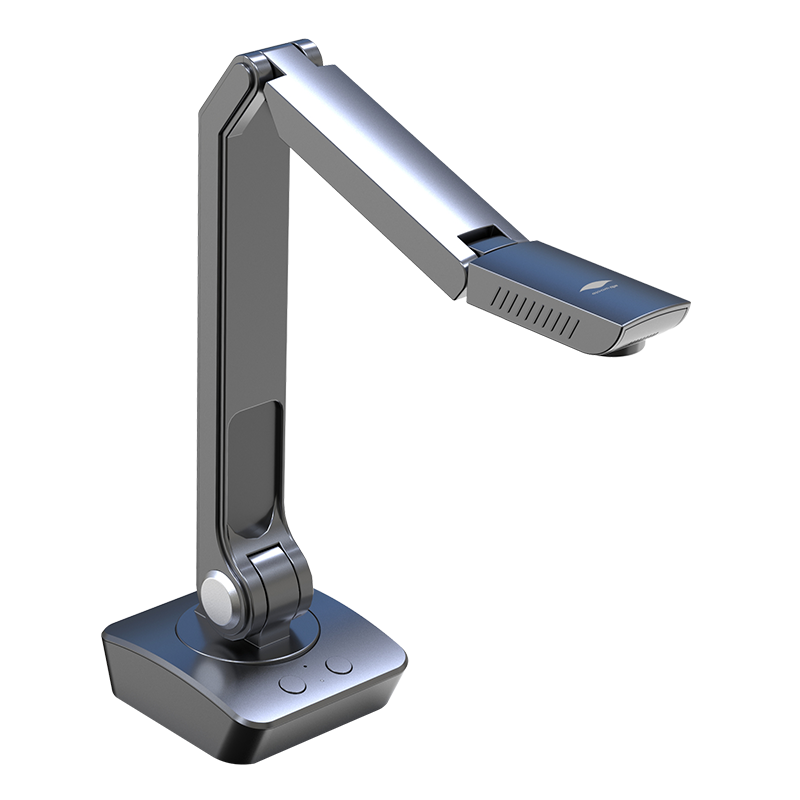
ELOAM V801A3AF A3 Portable Document Camera
A practical A3 document camera for schools and office meetings. USB interface, OCR workflow and live image capture help staff present, scan and archive without changing desks.
- A3 capture
- USB
- OCR
- School & office
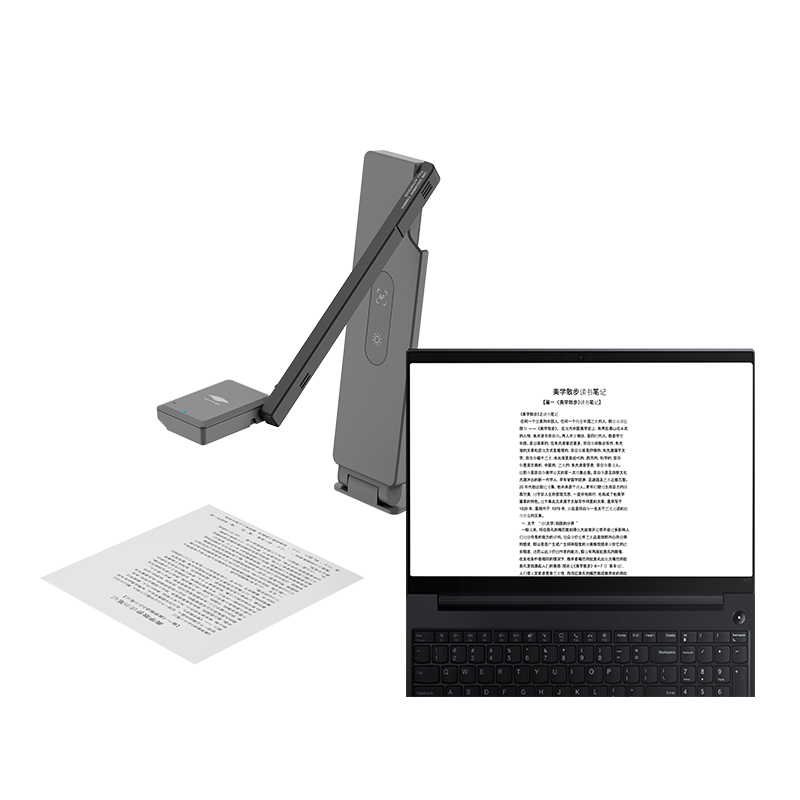
ELOAM A3 Portable High-Resolution Scanner & Camera
A 3-in-1 scanner, camera and visual presenter for teaching and conferences. USB Type-C plug-and-play reduces setup time in shared meeting rooms.
- A3
- USB Type-C
- 3-in-1
- Plug and play

ELOAM VW1000AF USB/Wireless OCR Scanner
A4 book scanner and document camera for hybrid teams. Switch between wired and wireless capture to support classroom movement, hot desks and quick OCR.
- A4
- USB + wireless
- OCR
- Book scanner
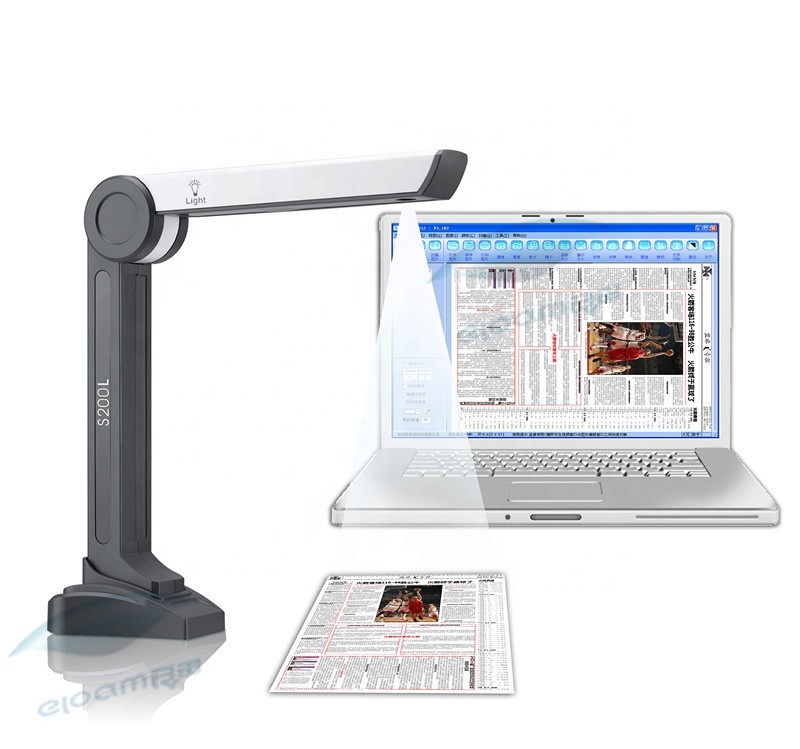
Eloam USB A4 Document Scanner with ABBYY OCR
A 1600×1200 CMOS scanning camera for repetitive A4 capture. One-second scan speed, ABBYY OCR and a 1-year warranty make it a volume-friendly entry point.
- 1600×1200
- 1s scan
- ABBYY OCR
- 1-year warranty
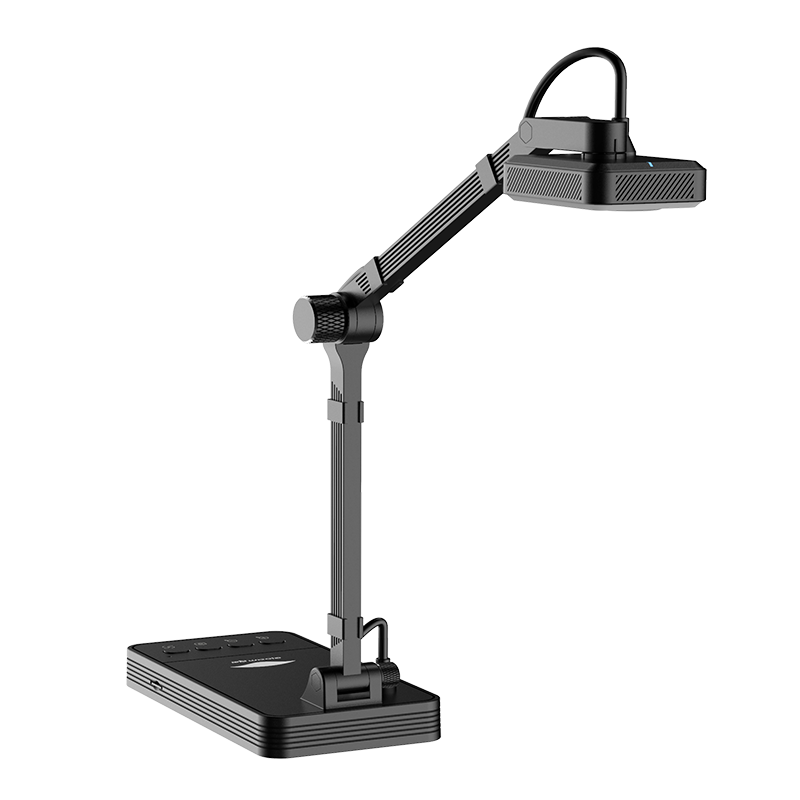
ELOAM YL1050AF Portable Visual Presenter
A rugged A3/A4 visual presenter for classrooms and mobile training. High-resolution capture and USB output support book pages, documents and object demonstrations.
- A3/A4
- Rugged
- USB
- Book scanner
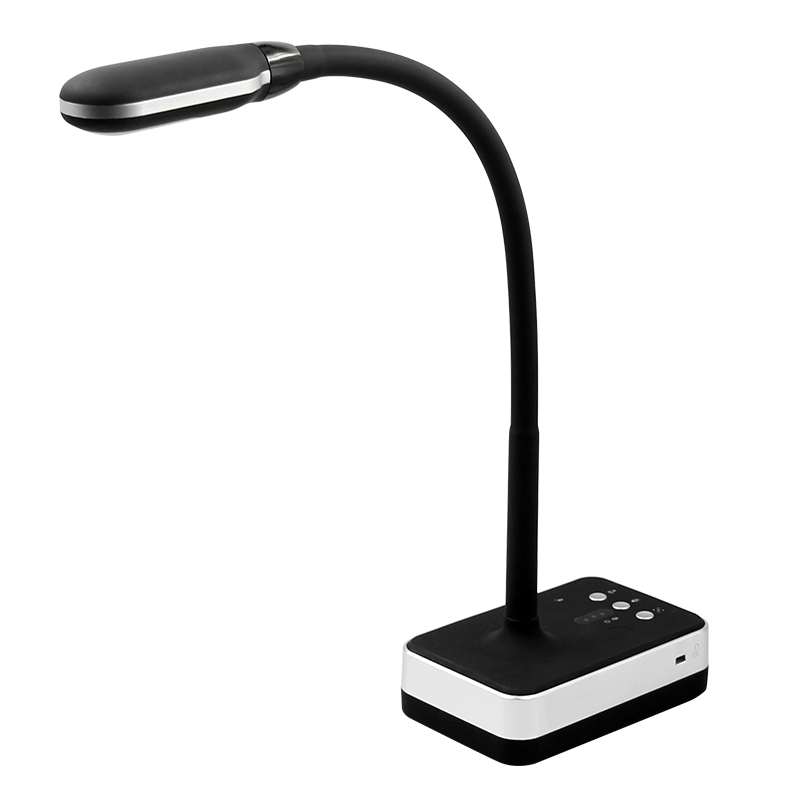
ELOAM VH800AF 8MP Foldable Overhead Scanner
An 8MP foldable overhead scanner with camera and video recorder functions. Designed for A4 capture in teaching, meeting and service-counter environments.
- 8MP
- A4
- Foldable
- Video recorder

ELOAM S1000C A4 Portable USB Document Camera
A 10MP portable scanner with multi-language OCR and 1-second scan speed. Works with Android and Windows for office scanning, KYC counters and mobile projects.
- 10MP
- A4
- Android / Windows
- Multi-language OCR
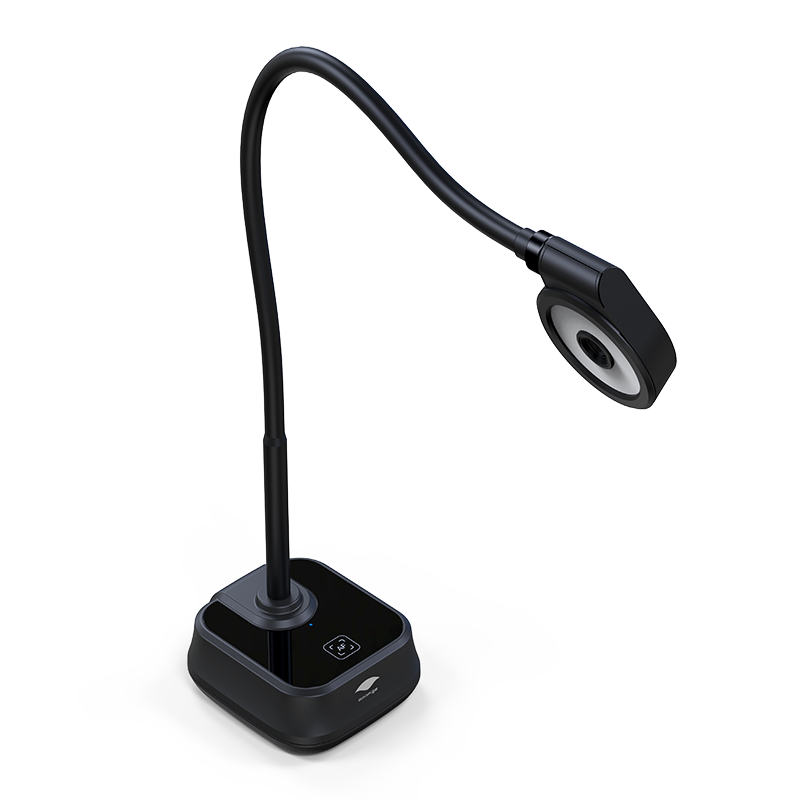
ELOAM VH800S A4 High-Speed USB Document Scanner
A classroom and meeting-room video booth with OCR. The high-speed USB workflow supports live demonstration, document capture and course recording.
- A4
- High-speed USB
- OCR
- Classroom
The WiFi Document Camera Is Becoming a Workflow Device, Not a Peripheral
Search intent for a “WiFi document camera manufacturer” is rarely satisfied by a gallery of cameras. A serious B2B buyer is comparing wired and wireless capture, OCR output, latency, installation time, software integration, network security and after-sales risk. For a school, the real question is whether a teacher can start a live demonstration in under 30 seconds. For a bank, it is whether ID and passport images are captured consistently at every counter. For a distributor, it is whether one factory can support CE/FCC documentation, OEM labels, firmware updates and repeat orders without surprises.
Shenzhen Hobry Technology Co., Ltd. was founded in 2005 and manufactures portable document scanners, book scanners, document cameras (visualizers) and portable monitors. The factory operates 8 production lines in a 5,000–10,000 m² facility, with in-house R&D covering optics, firmware, software and industrial design. That structure creates a practical advantage for B2B buyers: a classroom visualizer, a counter scanner and an archive-ready book scanner can share engineering discipline, quality control and OEM customization instead of forcing one specification into every project.
This guide is structured as a 2025 purchasing white paper. It explains which models fit which buying intent, how procurement criteria are changing, and how to reduce total cost of ownership before a PO is released.
- Confirm live video quality, focus behavior and 30 FPS performance on the exact model and firmware.
- Test wireless stability in the real room, then require USB fallback for uninterrupted lessons or audits.
- Validate OCR language coverage, output formats and OS compatibility with your own sample documents.
- Ask for SDK scope, firmware update policy, warranty terms and spare-part availability before volume approval.
Procurement weighting model, 2025
Indicative weighting used by education, finance and system-integration buyers. Actual RFQ weights vary by project and region.
Which Document Camera Fits Which Procurement Scenario?
Use this matrix to move from end-user intent to a shortlist. It is not a substitute for sample testing, but it narrows the technical conversation before your team requests quotations.
| Buying intent | Recommended model | Interface | Why it deserves a shortlist |
|---|---|---|---|
| Bank counter, KYC and office scanning | ELOAM S1000C | USB | 10MP A4 capture, 1-second scan and multi-language OCR for Android and Windows environments. |
| School, training room and office meeting | ELOAM V801A3AF | USB | Portable A3 document camera with OCR for presentations, document capture and shared meeting spaces. |
| 3-in-1 teaching and conference station | ELOAM A3 3-in-1 | USB Type-C | Scanner, camera and visual presenter in one device; plug-and-play reduces room setup time. |
| Hybrid classroom and book capture | ELOAM VW1000AF | USB + wireless | A4 book scanner and document camera with high-speed OCR; wired and wireless options support flexible rooms. |
| Mobile visual presenter and training | ELOAM YL1050AF | USB | Rugged A3/A4 visual presenter with high-resolution capture for classrooms, labs and mobile training. |
| Foldable A4 overhead station | ELOAM VH800AF | USB | 8MP A4 CMOS scanner with camera and video recorder functions; easy to fold and reposition. |
| High-speed classroom video booth | ELOAM VH800S | USB | High-speed USB workflow with OCR for live demonstration, document capture and course recording. |
| Volume A4 scanning with ABBYY OCR | Eloam A4 USB Scanner | USB | 1600×1200 CMOS sensor, 1-second scan speed, ABBYY OCR and a 1-year warranty for repetitive capture. |
Three Checks That Separate a Demo from a Deployment
Most document cameras look convincing in a quiet showroom. Deployment risk appears when a teacher moves around a classroom, a bank processes passports under time pressure or an integrator connects the camera to a records platform.
Wireless behavior under load
Test in the real classroom or meeting room, not beside the router. Confirm how the model behaves when the network is congested, when the camera sleeps, and how quickly it reconnects. For procurement teams, require a USB-C or USB-A fallback where lessons or customer-facing counters cannot pause.
OCR and export authenticity
Use your own samples: invoices, ID cards, book pages, handwriting and mixed-language documents. Check searchable PDF, JPEG and TIFF output where supported, then confirm Windows, macOS or Android compatibility per model. “180-language OCR” is a selected-model capability, so it must be verified against the exact SKU and firmware.
Security and software governance
Ask how firmware updates are distributed, which administrative controls are available and what the SDK can access. For wireless deployments, document network segmentation, pairing policy and data-flow responsibilities. A clear software boundary protects both the buyer’s IT team and the camera vendor during audits.
WiFi Document Camera Procurement Trends to Plan for 2025–2030
Buyers are shifting from component-level shopping to outcome-based sourcing. The winning supplier will be the one that can document image performance, software integration, cybersecurity expectations and lifecycle support.
Outcome-based RFQs
Procurement documents increasingly ask for time-to-first-scan, OCR accuracy on representative samples, integration effort and after-sales response. Megapixel counts remain relevant, but they are no longer a proxy for workflow performance.
Wireless-first, USB failover
Hybrid classrooms want Wi-Fi freedom, but IT teams still require a wired fallback for exams, audits and high-stakes presentations. Products that support both modes are easier to standardize across rooms with different infrastructure.
Firmware and security governance
Network segmentation, signed firmware, credential control and documented data flows are moving from enterprise wish lists into standard education and finance requirements. Suppliers that can answer these questions shorten the security review cycle.
Total cost of ownership
Replaceable lighting, modular arms, standard cables and long software support matter more than a low initial unit price. Distributors also evaluate packaging, spare-parts kits and return rates because these directly affect service margin.
SDK and platform integration
Document cameras increasingly feed LMS platforms, interactive flat panels, OCR engines and records systems. SDK availability on selected models reduces custom development, but integration scope, OS support and maintenance responsibilities must be agreed early.
Dual sourcing and compliance
Regional certification, stable lead times and a second qualified model reduce supply risk. Buyers should map CE, FCC and local requirements before samples are approved, especially when one platform is planned for North America, Europe, the Middle East and Southeast Asia.
What the Next Generation of WiFi Document Cameras Will Do Better
The next procurement cycle will reward products that reduce setup, improve image consistency and expose clean software interfaces. These development themes are already visible in education, finance and records-management projects.
Edge AI cleanup
Auto-crop, de-skew, hand removal and background correction are moving into the camera itself. For buyers, that means faster capture and less post-processing, but the accuracy must be tested on real documents rather than ideal demo sheets.
Higher-resolution sensors and optical zoom
4K-class detail and optical zoom help visualizers show fine print, circuit boards or specimens without digital artifacts. As large displays become standard in classrooms, optical quality matters more than headline interpolation numbers.
Wi-Fi 6 and USB-C readiness
Lower latency, cleaner cable management and plug-and-play USB-C are becoming baseline expectations in shared rooms. The practical procurement test is not the radio standard alone, but reconnect speed, pairing behavior and stability under a full timetable.
Software-defined hardware
Presets for document, book, object and whiteboard modes are turning cameras into configurable platforms. A documented SDK and stable firmware policy let integrators add capture workflows without shipping new hardware for every customer request.
Modular and rugged design
Foldable arms, replaceable light modules and standard mounting points improve serviceability in schools and branch networks. Buyers should ask which parts are field-replaceable and which require factory return, because downtime has a real operational cost.
Lower power and lifecycle efficiency
Procurement teams are adding packaging reduction, low-power standby and recyclable materials to supplier scorecards. These factors rarely win a bid alone, but they increasingly determine whether a supplier remains on a preferred-vendor list.
Why Global Buyers Shortlist Shenzhen Hobry Technology
Due diligence is easier when the manufacturer can show verified facilities, in-house engineering, OEM flexibility and a clear product portfolio rather than a single trading listing.

An Imaging Manufacturer Built on Two Decades of R&D
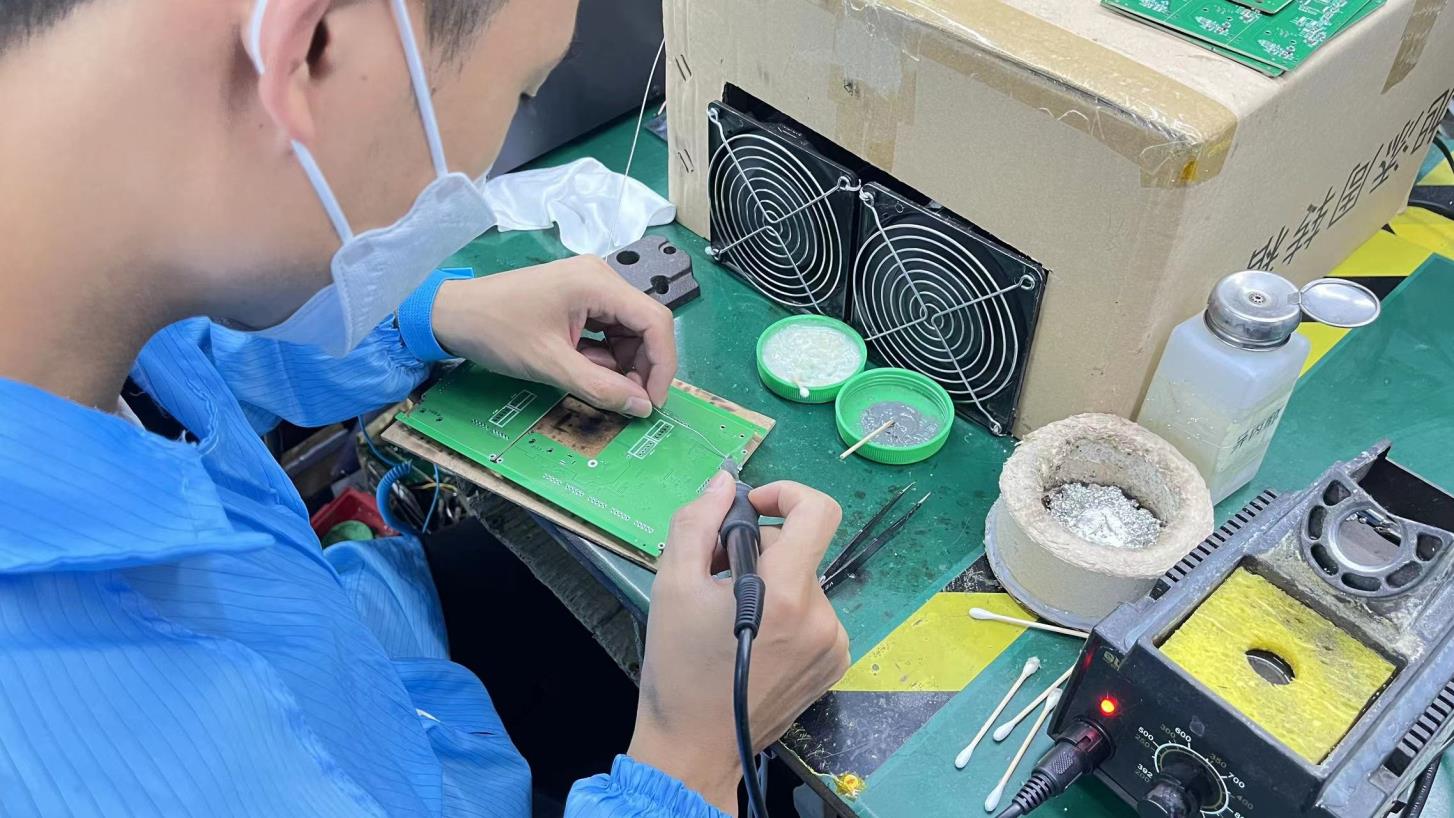
Founded in 2005, Shenzhen Hobry Technology Co., Ltd. began in digital video technology and grew into a specialist in high-speed portable document scanners and document cameras. The company controls the full cycle in-house: industrial design, optics and firmware R&D, software, manufacturing and global sales. As a National High-Tech Enterprise holding independent intellectual property, software copyrights and patents, Hobry combines ergonomic design and low-carbon office concepts with reliable hardware for schools, banks, governments and enterprises.
The product range includes A2/A3/A4 document scanners, book scanners, classroom visualizers and portable monitors. OEM, ODM, design service and buyer-label service are available, including logo printing, custom packaging, housing color, firmware and software customization. An SDK is available on selected models for system integration.

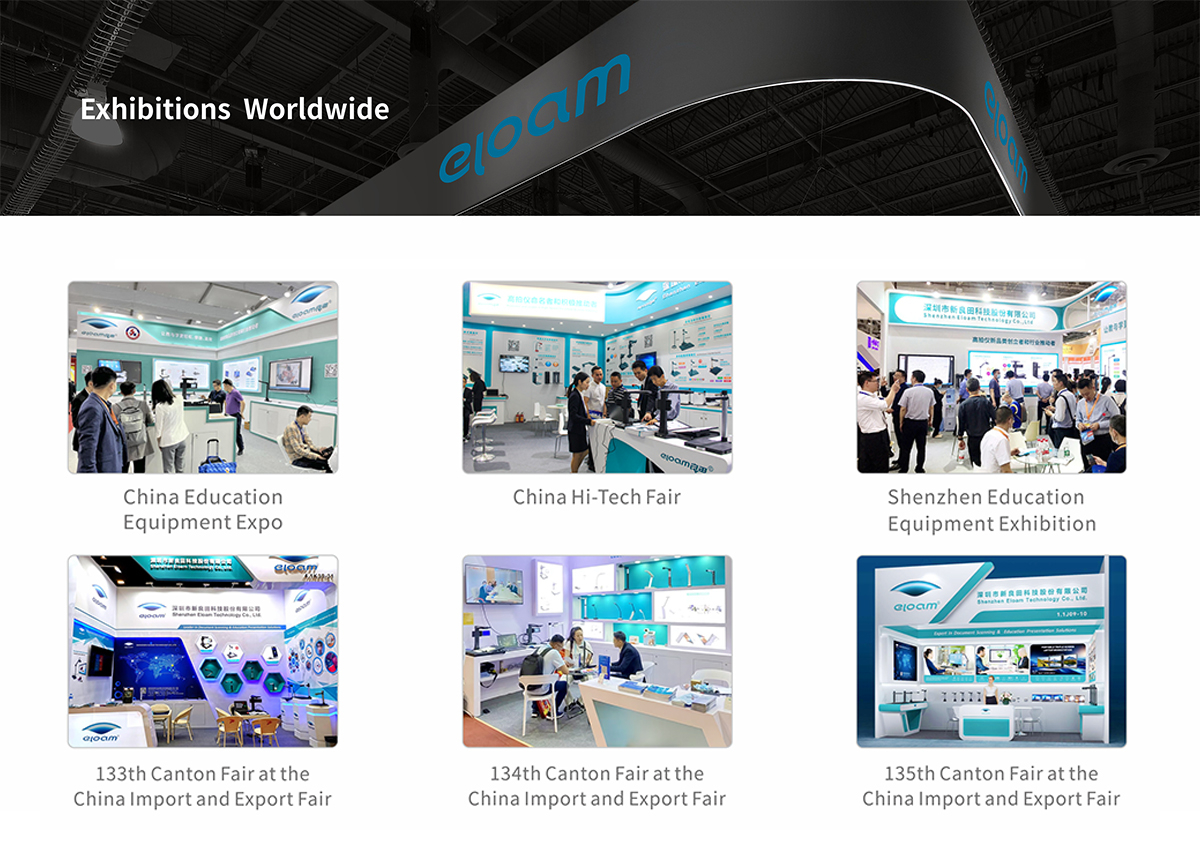
Factory verified onsite by Intertek. The company’s premises, production capability, quality control and legal status have been inspected onsite. Products are CE certified, with FCC available on selected models. Standard warranty is 1 year.

Questions Buyers Ask Before Their First Document Camera Order
These answers use verified company and product information. For model-specific requirements, confirm the final configuration with the sales engineering team before ordering.
Is Shenzhen Hobry a manufacturer or a trading company?
Do you offer OEM and ODM for WiFi document cameras and scanners?
Which OCR languages and operating systems are supported?
Can I order a sample before a bulk order?
Which payment and delivery terms are accepted?
What certifications and warranty do your products carry?
How do I choose between a WiFi document camera and a USB document camera?
How should a distributor evaluate total cost of ownership?
Planning a WiFi Document Camera or OCR Scanner Project?
Send your scan area, quantity, target market, connectivity requirement, OCR language needs and software integration scope. The team can recommend a model, confirm sample availability and prepare a configuration for your quotation.
Send an Inquiry