Top Trusted Teaching Camera Manufacturer & Factory
Classroom visualizers, document cameras and portable scanners for distributors, school districts and OEM education brands. In-house optics, firmware and software; 8 production lines; up to 180-language OCR; CE-certified and backed by a 1-year warranty.
Eight Teaching Camera & Document Camera Models Ready for Global Procurement
These are practical, stock-ready configurations for education distributors, AV integrators, school tenders and OEM buyers. Each model below links directly to its original product page so technical teams can verify specifications, compare interfaces and shortlist samples before a bulk order.

ELOAM S1000C A4 Portable USB Document Camera Scanner 10MP Multi-Language OCR Office Scanning Android Windows Stock Fast 1S Scan
A fast A4 USB visualizer for teachers who need instant document sharing, OCR and clear live demonstration without a fixed podium system.
- A4
- 10MP
- 1S Scan
- OCR
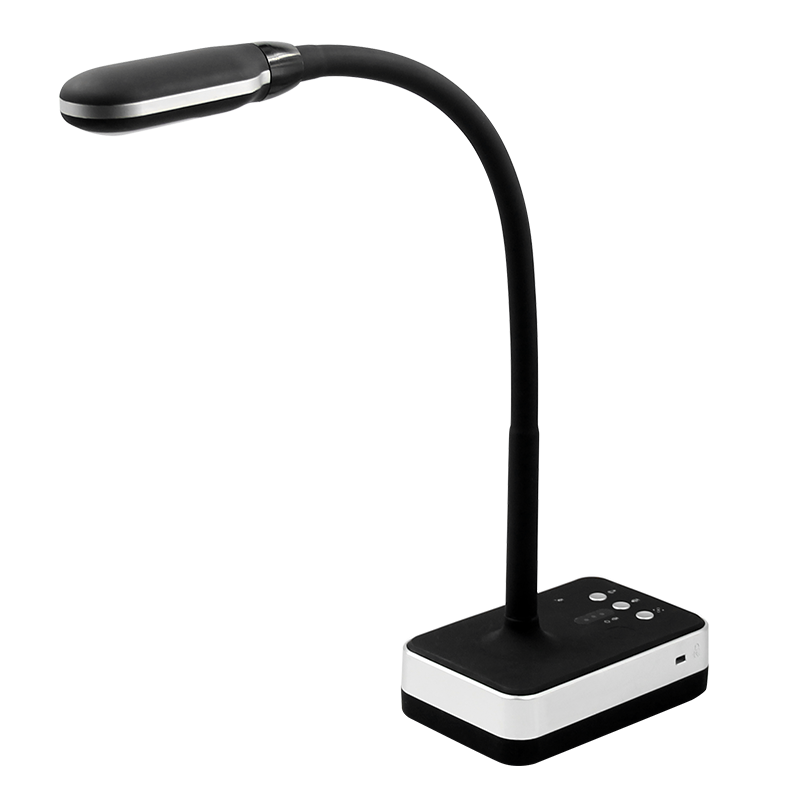
ELOAM VH1000A3AF Smart Book Scanner High Speed Portable USB Document Camera for Teachers in Stock
A teacher-focused A3 camera for worksheets, textbooks and classroom demonstrations, with USB plug-and-play deployment.
- A3
- USB
- Book Capture
- Teacher Ready

ELOAM 3-in-1 Document Scanner USB A3 5MP FPDA Handheld Camera Control Buttons Digital Document Camera
A compact 3-in-1 classroom device that combines document camera, scanner and handheld capture with convenient control buttons.
- A3
- 5MP
- 3-in-1
- Control Buttons
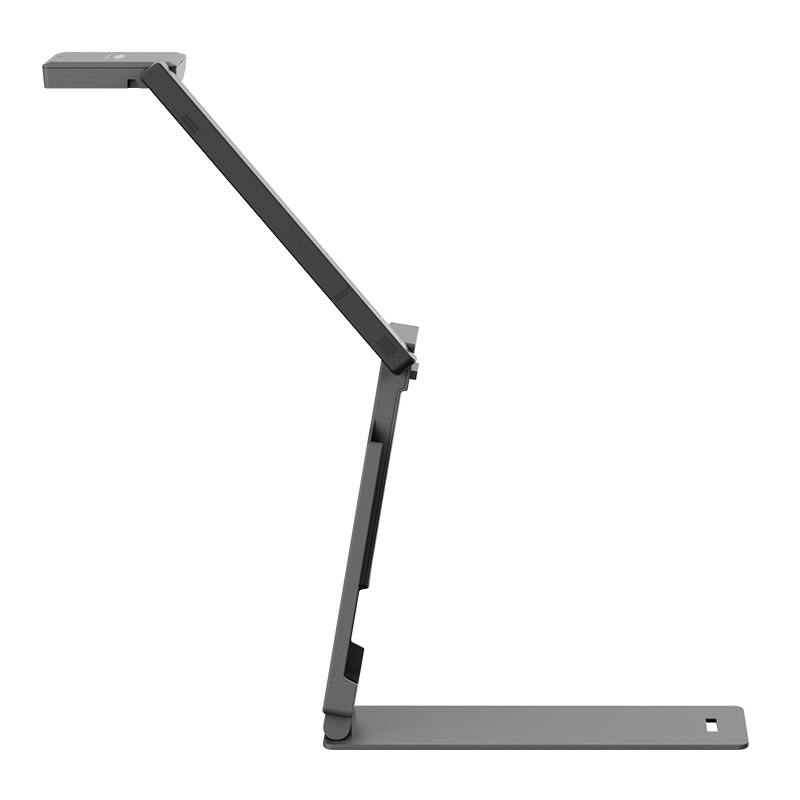
ELOAM VE1300A3AF 13.0MP Ultra HD USB Portable Document Camera & Scanner A3 Size for Teaching in Stock
A high-resolution A3 teaching camera for lecture rooms, science demonstrations and hybrid lessons where image detail matters.
- A3
- 13MP
- Ultra HD
- USB
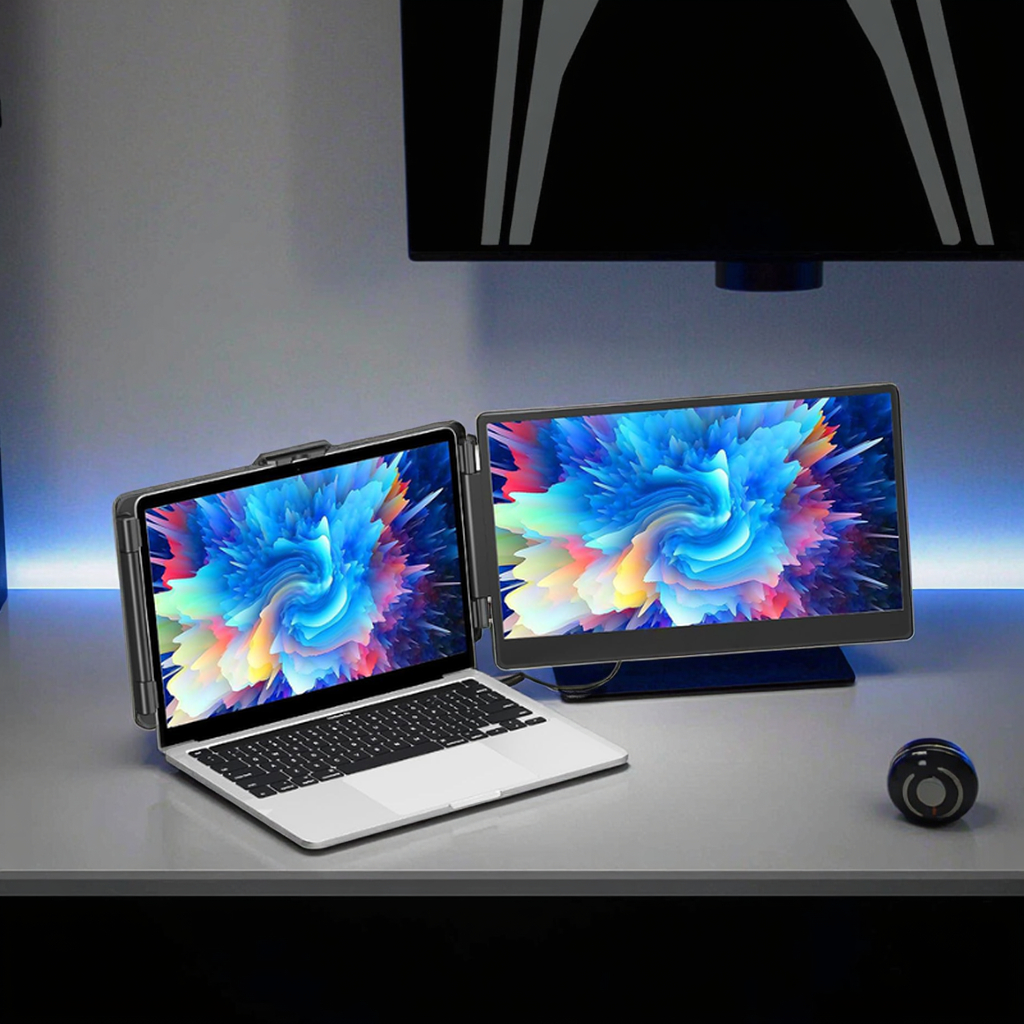
Factory Direct 14 Inch Portable IPS Panel LCD Monitor Type C Plug & Play Windows Mac 1920x1080 Resolution Business Series 60Hz
A portable FHD IPS display for mobile teaching carts, lesson prep and multi-screen classroom workflows.
- 14 Inch
- FHD IPS
- Type-C
- 60Hz
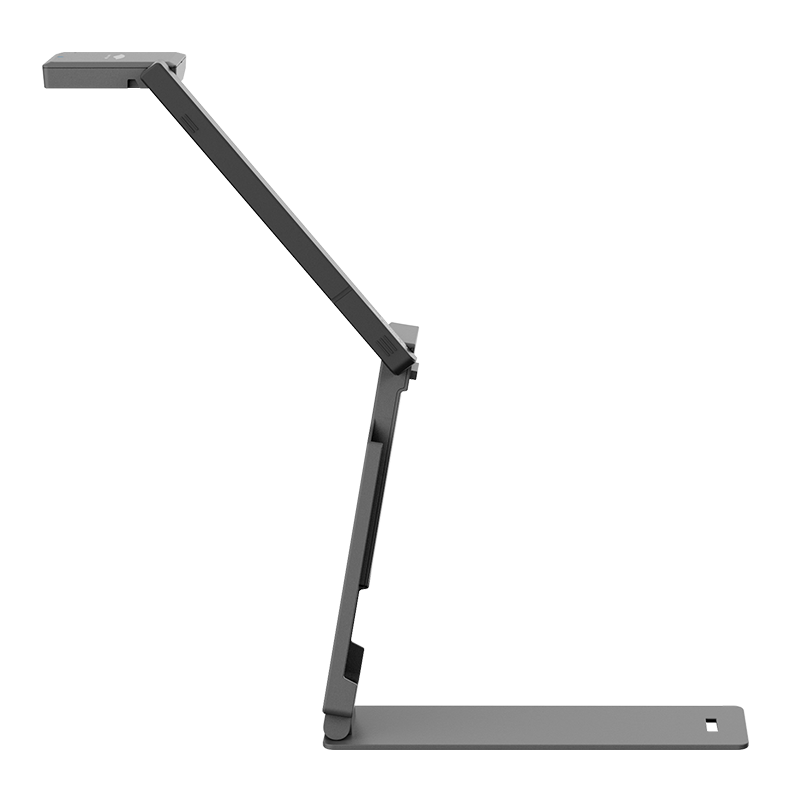
ELOAM VE1300A3AF 4K Document Camera 3-in-1 Scanner USB for Education Stock
A future-focused 4K education visualizer that supports detailed demonstrations, remote learning and 3-in-1 capture.
- 4K
- 3-in-1
- Education
- USB
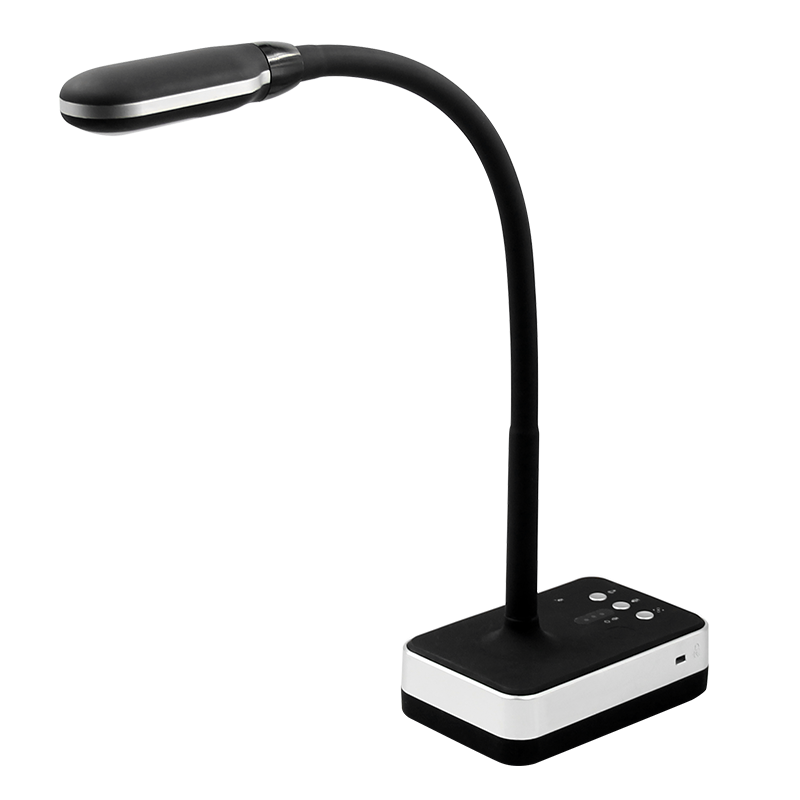
ELOAM VH802A3AF USB for Document Camera OCR High-Speed Scanner 8MP Resolution A3 Size in Stock
An OCR-focused A3 scanner camera for schools and offices that need fast digital capture of forms, notes and printed materials.
- A3
- 8MP
- OCR
- High Speed
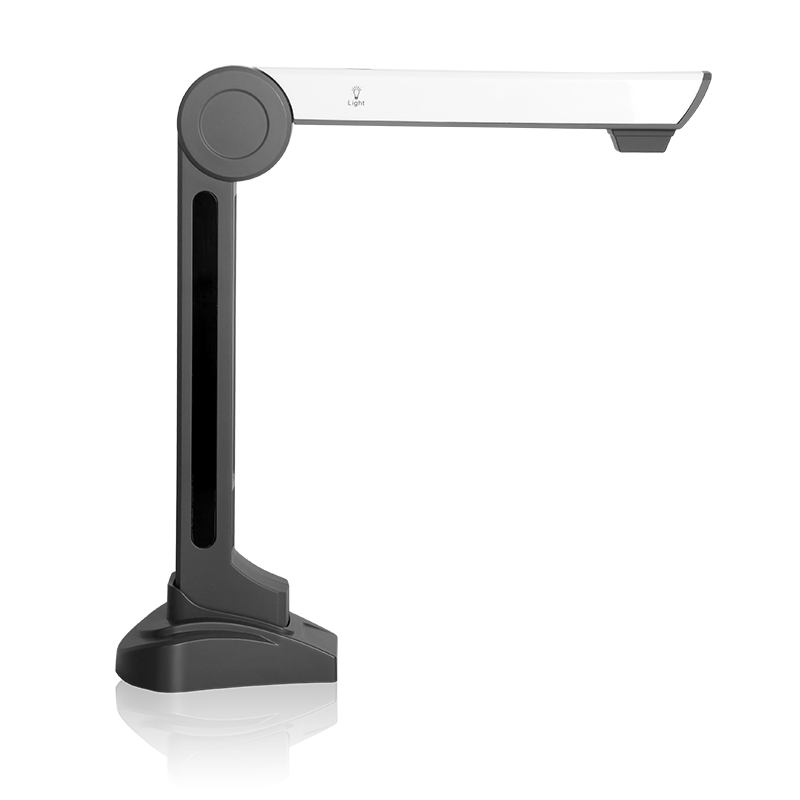
Eloam S500P 5MP Ultra Portable High-Speed OCR Document Scanner with USB SDK for School and Office Use in Stock
A lightweight 5MP OCR scanner with USB SDK for tutoring, mobile teaching and software-integrated school workflows.
- 5MP
- OCR
- USB SDK
- Portable
A Teaching Camera Factory Built for Real Due Diligence
Education procurement teams rarely buy on megapixels alone. They evaluate production stability, software support, certifications, sample responsiveness and the ability to scale an OEM program across regions. The data below reflects the operating base behind Shenzhen Hobry Technology Co., Ltd.
Intertek-Verified Factory
Premises, production capability, quality control and legal status have been inspected onsite by Intertek, giving buyers a third-party starting point for supplier qualification.
In-House R&D and Software
Industrial design, optics, firmware and software are developed in-house. That matters when a school tender requires SDK integration, custom UI or long-term firmware maintenance.
OEM / ODM Flexibility
Logo printing, custom packaging, housing color, firmware tuning and buyer-label programs are available, helping distributors and education brands localize products for their markets.
Quality and Compliance
ISO 9001 quality management, CE certification, FCC on selected models, a National High-Tech Enterprise certificate and software copyright registrations support education and government channels.
Which Teaching Camera Fits Your Classroom, Tender or OEM Program?
Use scenario-based selection to reduce sample cycles. The right model is not always the highest resolution; it is the configuration that matches capture area, software integration, mobility and the buyer’s total cost of ownership.
4K clarity for remote learners
Choose the ELOAM VE1300A3AF 4K when online students must see fine handwriting, science apparatus or printed text with minimal compression. Its 3-in-1 education positioning supports visualizer, scanner and webcam-style use.
Review the 4K education model →Detailed A3 demonstration
The 13MP ELOAM VE1300A3AF is a strong fit for lecture rooms and larger displays, where teachers need broad A3 coverage and crisp zoom on diagrams, maps and annotated worksheets.
Compare the 13MP model →Portable USB with book capture
The ELOAM VH1000A3AF supports teachers moving between classrooms, labs and tutoring rooms. It is also practical for textbook pages, worksheets and document capture where fixed AV furniture is unavailable.
See the teacher-ready model →Compact OCR with SDK
The Eloam S500P offers 5MP OCR capture, USB SDK support and a highly portable footprint for tutoring centers, small schools and software partners building low-cost capture stations.
Check the portable OCR scanner →What Education Buyers Will Prioritize Before the Next Tender Cycle
Semantic search and procurement documents are already shifting away from “document camera” as a stand-alone category. Buyers now search for classroom visualizers with UVC plug-and-play, local OCR, SDK integration and multi-year serviceability. These trends should shape your next product roadmap and supplier scorecard.
From fixed podiums to flexible USB-C visualizers
Schools are reducing dependence on fixed AV podiums. Teachers want lightweight cameras that connect to laptops, interactive panels and USB-C hubs, then move between rooms. Procurement language will increasingly specify plug-and-play UVC compatibility, short setup time and low training burden.
Total cost of ownership replaces headline price
District buyers are comparing warranty terms, spare-part availability, firmware updates, SDK continuity and failure rates. A slightly higher unit price with predictable lifecycle support can win against a low-cost camera that cannot be serviced after year one.
Software-defined classrooms and SDK readiness
Teaching cameras are becoming part of larger lesson-capture, assessment and content-management workflows. Buyers ask whether the camera exposes an SDK, supports local OCR, integrates with Windows or macOS, and avoids driver conflicts in managed IT environments.
Hybrid equity demands 4K, 30 FPS and low latency
Remote students should see the same detail as learners in the room. Procurement specifications are moving toward 4K capture, stable frame rates, clear audio and fast auto-focus. Sellers who can demonstrate real classroom latency tests will have a measurable information gain over catalogue-only competitors.
Local data handling and offline OCR
Privacy-sensitive schools and government buyers prefer capture and OCR that can run locally or inside approved software. Suppliers should document data flows, offline modes and integration boundaries rather than assuming cloud-first workflows are acceptable in every market.
Regional localization and OEM branding
Distributors increasingly need buyer-label packaging, localized manuals, region-specific power accessories and firmware language support. OEM readiness is no longer a bonus; it is a procurement requirement for education brands that want to differentiate beyond generic hardware.
Where Teaching Camera Hardware Is Heading Next
The next generation of classroom visualizers will compete less on raw specifications and more on workflow reliability, integration depth and serviceability. These four development themes are already visible in buyer questions and tender requirements.
AI-assisted imaging
Auto-focus, auto-crop, page flattening and text enhancement are moving from optional software features into expected camera behavior. Future models will use onboard processing to reduce teacher adjustments during live lessons.
3-in-1 convergence
Document camera, scanner and webcam functions are converging. Schools want one device that can demonstrate a worksheet, capture it as a searchable PDF and support video discussion without changing hardware.
Wireless and secure collaboration
Wireless visualizers will be judged on pairing stability, latency and IT policy compliance. Secure pairing, managed updates and clear network requirements will matter as much as image resolution.
Modular, repairable, sustainable hardware
Education buyers are asking about replaceable arms, standard USB-C power, recyclable packaging and low-power modes. Modular design helps factories reduce warranty friction while helping schools extend device life.
Compare Teaching Camera Models by Capture Area, Resolution and Procurement Fit
Use this matrix as a shortlisting tool. Specifications should always be confirmed against the final quotation and sample evaluation, especially for tenders that require SDK integration, operating-system validation or buyer-label packaging.
| Best-Fit Scenario | Recommended Model | Capture Area | Resolution / Feature | Procurement Advantage |
|---|---|---|---|---|
| Fast A4 document sharing | ELOAM S1000C | A4 | 10MP, 1S scan, OCR | Quick classroom setup and straightforward USB deployment |
| Book pages and teacher-led demos | ELOAM VH1000A3AF | A3 | High-speed USB, teacher-ready | Practical for textbooks, worksheets and mobile teaching |
| Handheld multi-purpose capture | ELOAM 3-in-1 | A3 | 5MP, control buttons, 3-in-1 | Lower training friction for staff who rotate between rooms |
| High-detail A3 teaching | ELOAM VE1300A3AF 13MP | A3 | 13MP, ultra HD, USB | Strong image detail for large displays and demonstration rooms |
| Hybrid lesson capture | ELOAM VE1300A3AF 4K | A3 | 4K, 3-in-1, education | Future-ready specification for remote and recorded lessons |
| OCR-heavy school workflows | ELOAM VH802A3AF | A3 | 8MP, OCR, high-speed | Balances resolution, speed and text capture requirements |
| Mobile tutoring and SDK projects | Eloam S500P | A4 | 5MP, OCR, USB SDK | Portable, integration-friendly and cost-controlled |
| Teacher workstation extension | 14-inch portable monitor | 14-inch display | FHD IPS, Type-C, 60Hz | Supports mobile lesson prep and multi-screen teaching |
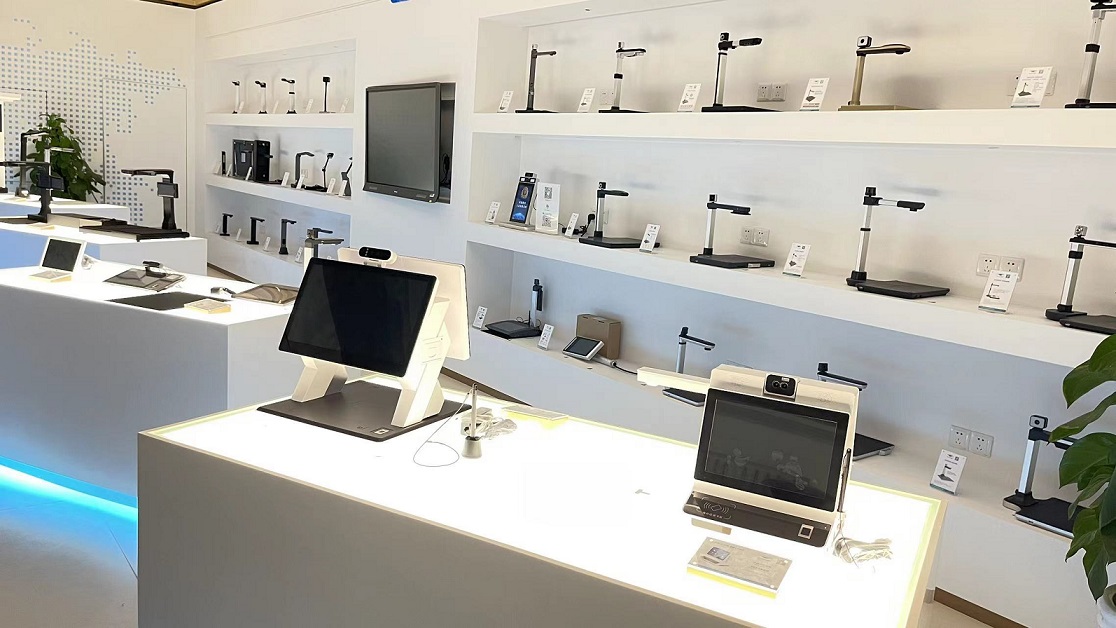
Evidence Behind the Manufacturer Claim
Shenzhen Hobry Technology Co., Ltd. has manufactured document scanners, book scanners, document cameras and portable monitors since 2005. The company operates 8 production lines in a 5,000–10,000 m² facility and combines industrial design, optics, firmware, software and assembly under one operating structure.
For education buyers, this matters because a teaching camera program usually expands beyond the first purchase. You may need custom packaging for a school district, a firmware change for a language market, SDK documentation for a software partner, or a sample quickly shipped before a tender deadline. An in-house manufacturer can respond inside one engineering loop rather than relaying requests through multiple trading layers.
- Intertek onsite factory verification
- ISO 9001 quality management
- CE certification; FCC on selected models
- National High-Tech Enterprise certificate
- Software copyright registrations
- 1-year standard warranty
- OEM, ODM, design and buyer-label service
- SDK support on selected models
- North America
- Southeast Asia
- Southern Europe
- Middle East
- Worldwide Shipping
Information gain for buyers: request the latest inspection report, model-specific certification file and sample test checklist before comparing quotations. This turns a supplier conversation into a verifiable engineering review.
From Teaching Camera Requirement to Mass Production in Four Clear Steps
Because optics, firmware and software teams work under one roof, customization can go beyond logo printing. The process below keeps engineering, sampling and production aligned for distributors and education brands.
Requirement Review
Confirm scan area, resolution, operating system, interface, OCR languages, target market compliance and expected order volume.
Design & Engineering
Review housing color, logo, packaging, firmware settings, software UI and SDK requirements with the appropriate engineering team.
Sample Approval
Evaluate pre-production samples against image quality, latency, mechanical feel, software behavior and tender documentation.
Mass Production & Delivery
Manufacture across 8 production lines with QC checkpoints, then ship under FOB, CFR, CIF or EXW terms as agreed.
Common Questions Before Choosing a Teaching Camera Manufacturer
These answers address the practical due-diligence questions that appear in distributor onboarding, school tenders and OEM project reviews.
Is Hobry a manufacturer or a trading company?
Shenzhen Hobry Technology Co., Ltd. is a manufacturer with an integrated export function. Founded in 2005, the company runs 8 production lines in a 5,000–10,000 m² facility in Shenzhen, and the factory has been verified onsite by Intertek.
Can we order samples before a bulk order?
Most models are available as single-unit samples for evaluation. Sample approval is strongly recommended for education tenders, because image latency, auto-focus behavior and software compatibility can vary by classroom setup.
What is the MOQ for OEM teaching cameras?
MOQ depends on the model and customization level. Logo printing, packaging, housing color and firmware changes have different thresholds. Final MOQ is confirmed in the quotation after the requirement review.
Do you provide SDK and OEM / ODM services?
Yes. OEM, ODM, design service and buyer-label service are available. Selected models support an SDK for system integration, and software teams can review firmware, UI and documentation requirements with your technical team.
Which OCR languages and operating systems are supported?
Selected models support OCR in up to 180 languages with output formats such as PDF, JPEG and TIFF. Windows is supported across the range, and macOS is supported on selected large-format models. Confirm compatibility per model before ordering.
What certifications and warranty are available?
Products are CE certified, with FCC available on selected models. The company holds ISO 9001 quality management certification, a National High-Tech Enterprise certificate and software copyright registrations. Standard warranty is 1 year.
Which payment and delivery terms are accepted?
Payment terms include T/T, L/C, PayPal and Western Union in USD. Delivery terms include FOB, CFR, CIF and EXW. The most suitable term depends on destination, shipment size and the buyer’s freight arrangements.
How do you support quality control for school tenders?
Production is supported by incoming, in-process and finished-product QC. For tender projects, buyers can request model-specific certification files, sample test checklists, packaging approval and pre-shipment inspection arrangements.
Planning a Teaching Camera Tender or OEM Program?
Share your capture area, target quantity, operating system, OCR languages, branding needs and delivery market. Our engineering and export teams will recommend the right model, confirm customization feasibility and prepare a factory quotation for your review.