Top Trusted Paper Scanner Suppliers & Wholesalers
A practical sourcing guide to document scanners, book scanners and classroom visualizers — with eight recommended models, supplier due-diligence criteria and the trends reshaping paper-to-digital workflows.
8 Paper Scanners and Document Cameras for Wholesale Buyers
The first buying decision is not brand; it is workflow. These eight models cover mobile capture, A4 and A3 office archiving, A2 large-format documents, V-shape book scanning and classroom visualizers. Product URLs are preserved for direct review.
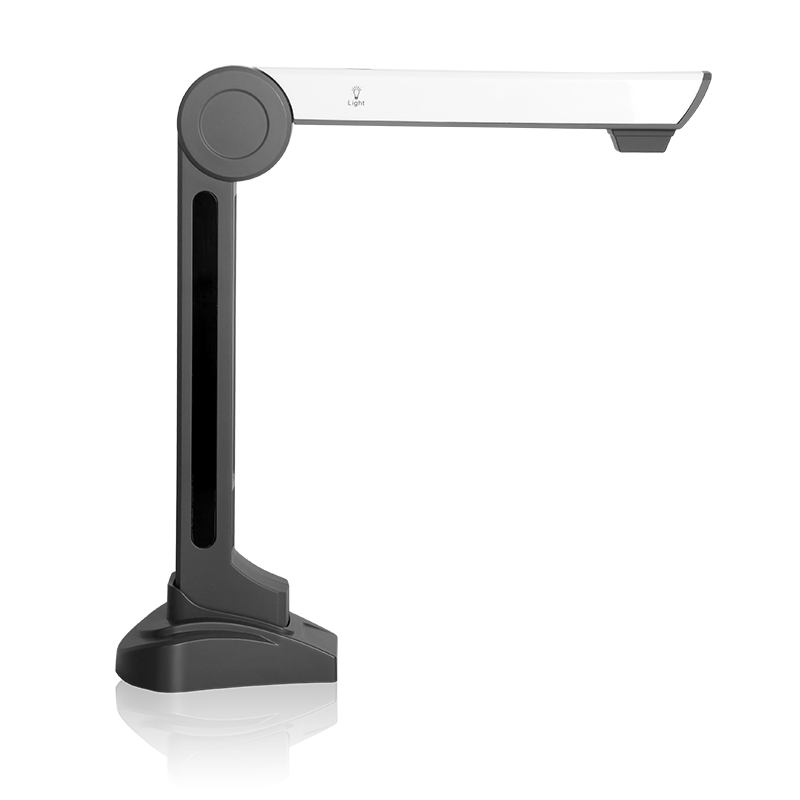
Eloam S500P 5MP Ultra Portable High-Speed OCR Document Scanner with USB SDK
Best for mobile enrollment, school offices and field service where fast OCR, compact hardware and USB SDK integration matter.
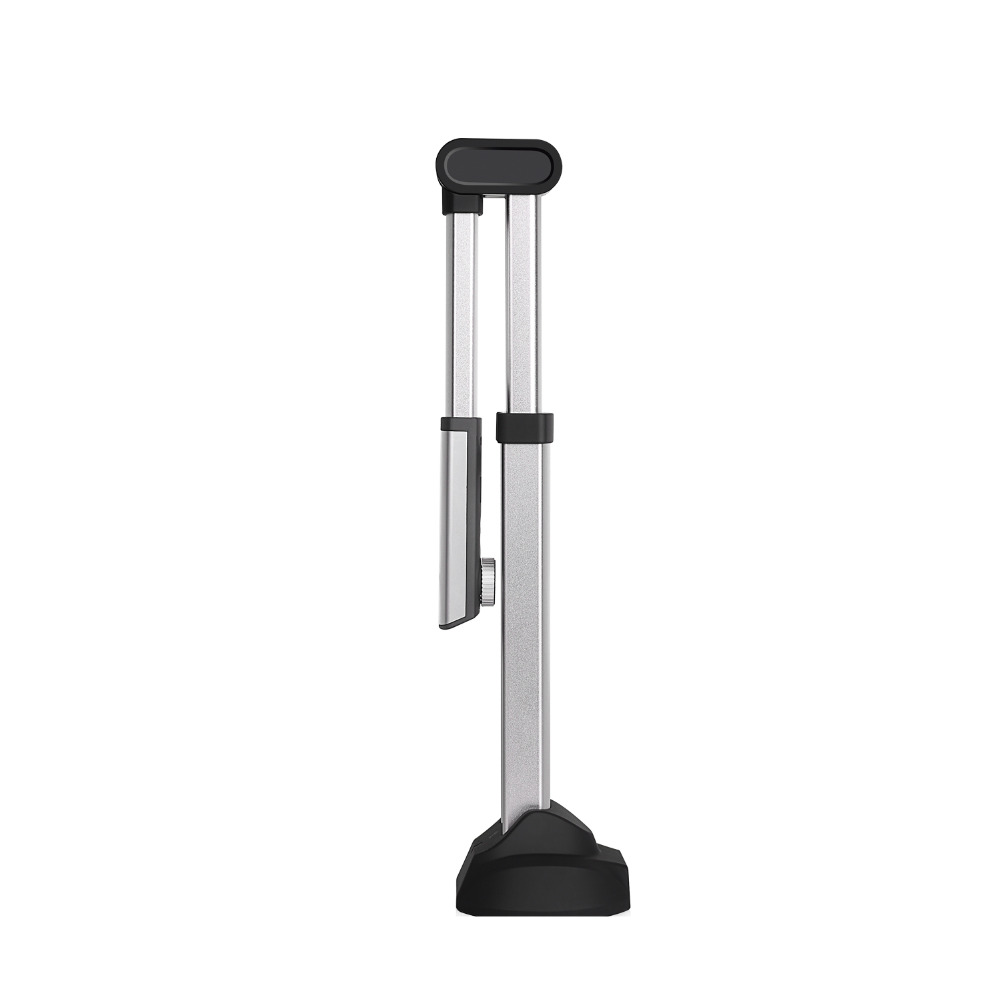
Eloam S1800A2 16MP USB 2.0 A2 A3 Document Camera Scanner with OCR
Recommended for maps, drawings, plans and oversized records. The 3264 × 2448 CMOS sensor and natural-light LED support large-format capture.
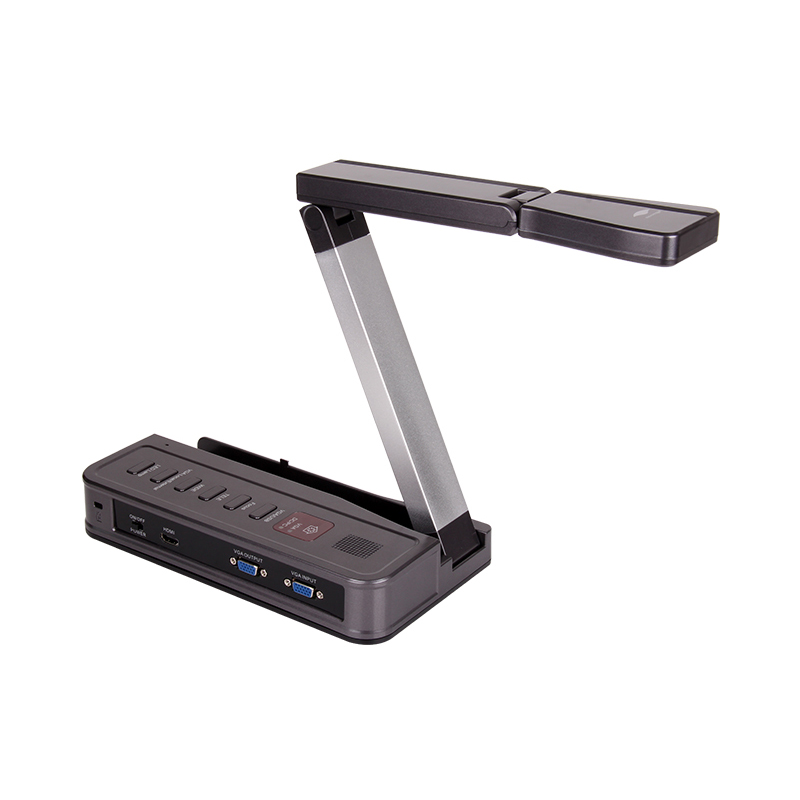
Eloam Portable A4 5MP 30FPS USB Type-C 3-in-1 Interactive Document Camera Visualizer
Ideal for hybrid teaching, presentations and training rooms that need document camera, visualizer and projection-friendly live video in one device.
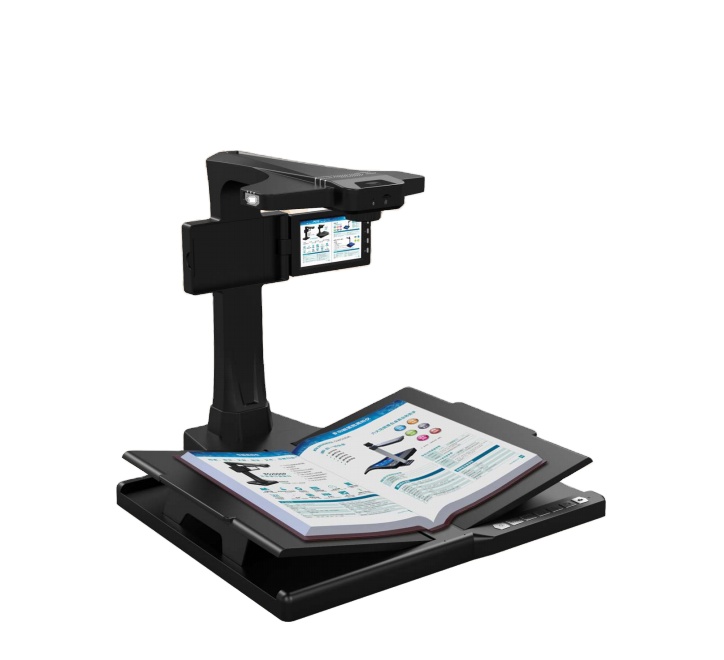
Eloam BS3000P 28MP A3 Document Scanner V Shape Book Scanner with LCD Preview
Built for libraries, archives and universities that need non-destructive book digitization, page-curvature handling and preview-screen control.
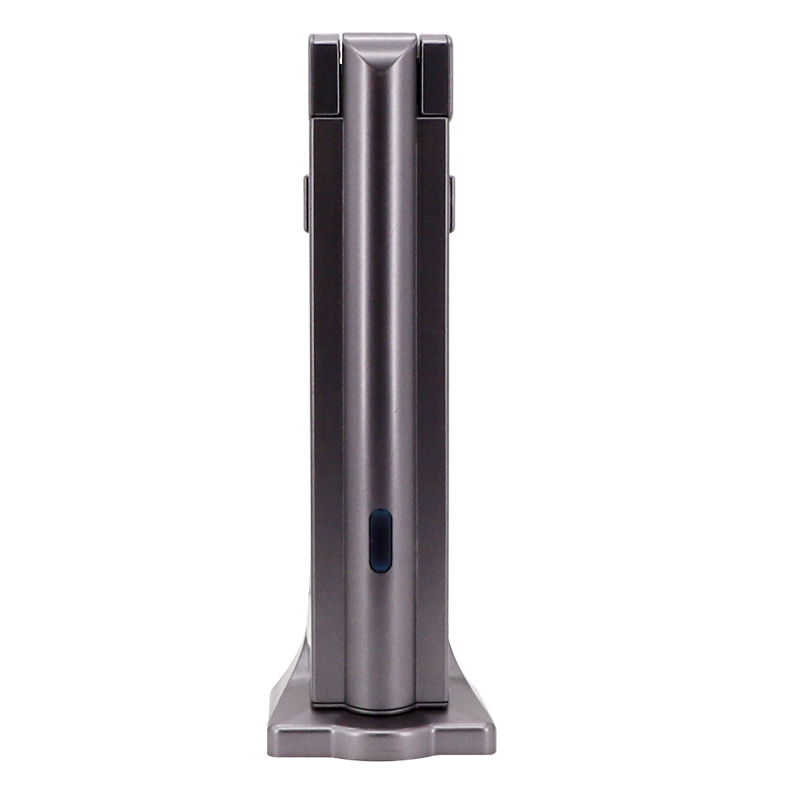
ELOAM Auto-Focus A3 10MP Portable Document Scanner with Continuous Scanning
A strong default for general office paper capture: 1-second scan speed, automatic continuous scanning and Windows 10/11 compatibility.

Eloam 10MP A3 Professional OCR Document Scanner with High Precision Continuous Mode
Recommended for document-heavy back offices, banks and claims processing where OCR accuracy and repeatable 1-second capture reduce manual keying.
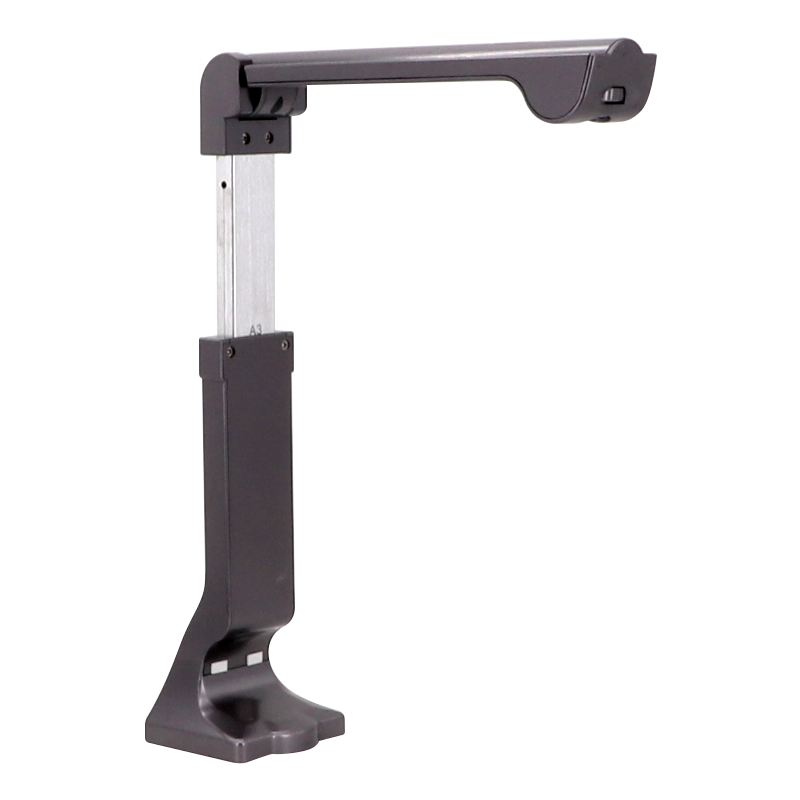
ELOAM S600 10MP CMOS A3 Folding Document Scanner with USB Interface and OCR
A practical choice for distributors serving field offices, mobile branches and compact reception areas where folding hardware and 1-second scan speed are valued.
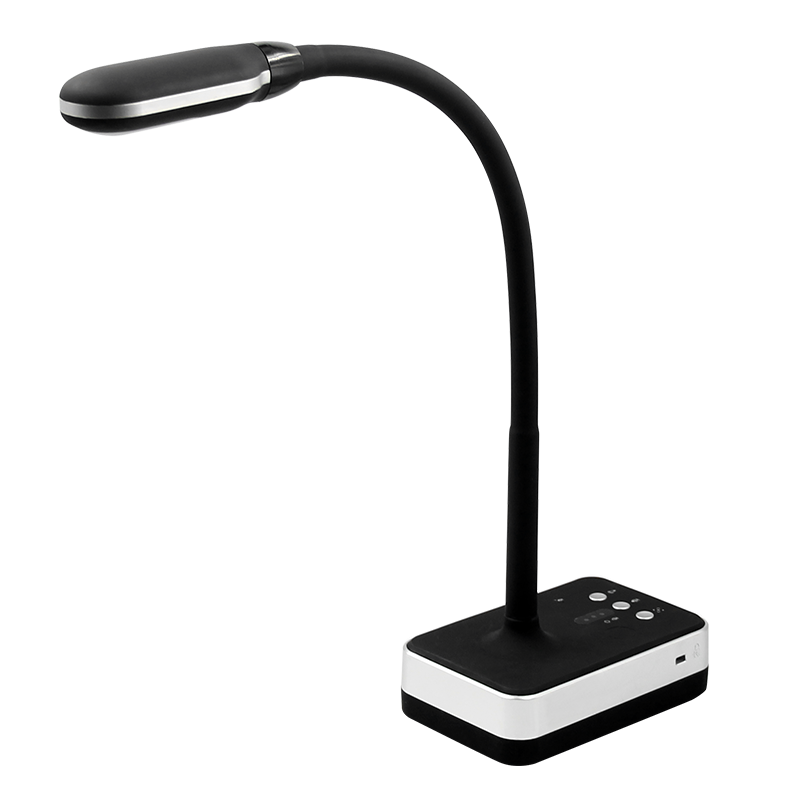
ELOAM VH1000AF A4 10MP High Speed Wireless USB Portable Document Camera Scanner
Designed for education and classroom use, with wireless flexibility, A4 capture, 10MP resolution and USB connectivity for hybrid lessons.
Need a distributor price list, MOQ confirmation or SDK details for any recommended model?
Contact UsWhat “Trusted” Means in Paper Scanner Sourcing
In document imaging, hardware quality is only half of the purchase. The visible specification sheet is easy to compare; the hidden variables determine long-term cost and risk.
A trusted paper scanner supplier or wholesaler should explain how the device behaves after delivery: OCR accuracy under real office lighting, driver stability across Windows updates, firmware recovery procedures, SDK documentation quality, spare-parts availability and warranty turnaround. These are not brochure details. They are the factors that decide whether a scanner program creates integration debt or a durable digital archive.
For B2B buyers, the strongest suppliers provide information gain rather than generic claims. That means sample test results, OCR language lists by model, interface documentation, packaging and label options, certification scope and evidence of production control. A wholesaler can move boxes; a manufacturing partner should reduce uncertainty before those boxes arrive.
Shenzhen Hobry Technology Co., Ltd. has manufactured document scanners, book scanners, document cameras and portable monitors since 2005. The company operates as a manufacturer with an integrated export function, which allows buyers to move from requirement review to sample validation, OEM/ODM customization and mass production within one supply chain.

Four Supplier Signals That Reduce Procurement Risk
Use these four checks to separate a trustworthy scanner manufacturer or wholesaler from a seller that can quote a low price but cannot support a rollout.
Verified Production Footprint
A real factory can show production lines, testing areas, incoming inspection and finished-product QC. Third-party onsite verification reduces the risk of misrepresented capacity.
Optical and Software Control
Scanner performance depends on sensor selection, lens design, lighting, firmware and OCR software. In-house R&D and SDK support shorten integration cycles.
Compliance and Export Readiness
Check CE, FCC availability, ISO 9001, software copyrights and high-tech enterprise credentials. Documentation should match the exact model and target market.
Lifecycle and Sample Support
Single-unit samples, clear MOQ logic, 1-year warranty and responsive technical support matter more than a low quotation that hides after-sales costs.
Paper Scanner Procurement Trends for 2025–2030
Buyers are no longer purchasing isolated capture devices. They are buying repeatable workflows for records, classrooms, branches and archives.
From Hardware to Workflow Integration
Procurement teams increasingly compare SDK quality, OCR output formats, PDF searchability and system compatibility. A scanner is becoming a data-entry gateway rather than a peripheral.
Hybrid Education and Distributed Offices
Wireless document cameras, USB Type-C visualizers and 3-in-1 classroom devices are gaining ground because they support both in-room teaching and remote collaboration.
Risk-Based Sourcing and TCO
Lowest unit price is giving way to total cost of ownership: failure rate, support responsiveness, spare-parts planning, compliance risk and the cost of retraining users.
Product Development Trends Buyers Should Watch
Hardware roadmaps now emphasize image fidelity, interface convergence and software value. These shifts should influence both distributor assortments and tender specifications.
Optics Over Digital Zoom
Higher-resolution sensors, auto-focus, natural-light LED illumination and optical zoom are becoming differentiators. Digital zoom alone cannot preserve fine print or lab specimens on large displays.
USB-C, Wireless and Driverless Use
Classrooms and mobile offices favor USB Type-C, wireless capture and plug-and-play compatibility. Buyers should verify OS support, latency and privacy requirements before deployment.
Modular, Repairable Design
Distributors benefit from folding bodies, replaceable accessories, modular light panels and clear firmware update paths. Sustainable design is becoming a procurement criterion, not a slogan.
Match the Model to the Workflow Before You Negotiate Price
Use this matrix to shortlist a configuration. Then validate the final choice with a sample, OCR language list and system-integration test.
Inside a Manufacturer Built for OEM/ODM Scanner Supply
Shenzhen Hobry Technology Co., Ltd. combines imaging R&D, software development, production and export support in Shenzhen, China.
Founded in 2005, Hobry began in digital video technology and grew into a specialist in high-speed portable document scanners and document cameras. The company controls industrial design, optics and firmware R&D, software development, manufacturing and global sales. As a National High-Tech Enterprise with independent intellectual property, software copyrights and patents, it is positioned to support buyers who need more than a catalog reseller.
For B2B procurement, the practical advantages are clear: OEM, ODM, design service and buyer-label service are available, including logo printing, custom packaging, housing color, firmware and software customization. An SDK is available on selected models for system integration. Products are CE certified, with FCC available on selected models, and the company holds ISO 9001 quality management certification. The standard warranty is 1 year.
Accepted payment terms include T/T, L/C, PayPal and Western Union in USD. Accepted delivery terms include FOB, CFR, CIF and EXW. Main markets include North America, Southeast Asia, Southern Europe, the Middle East and worldwide distribution.
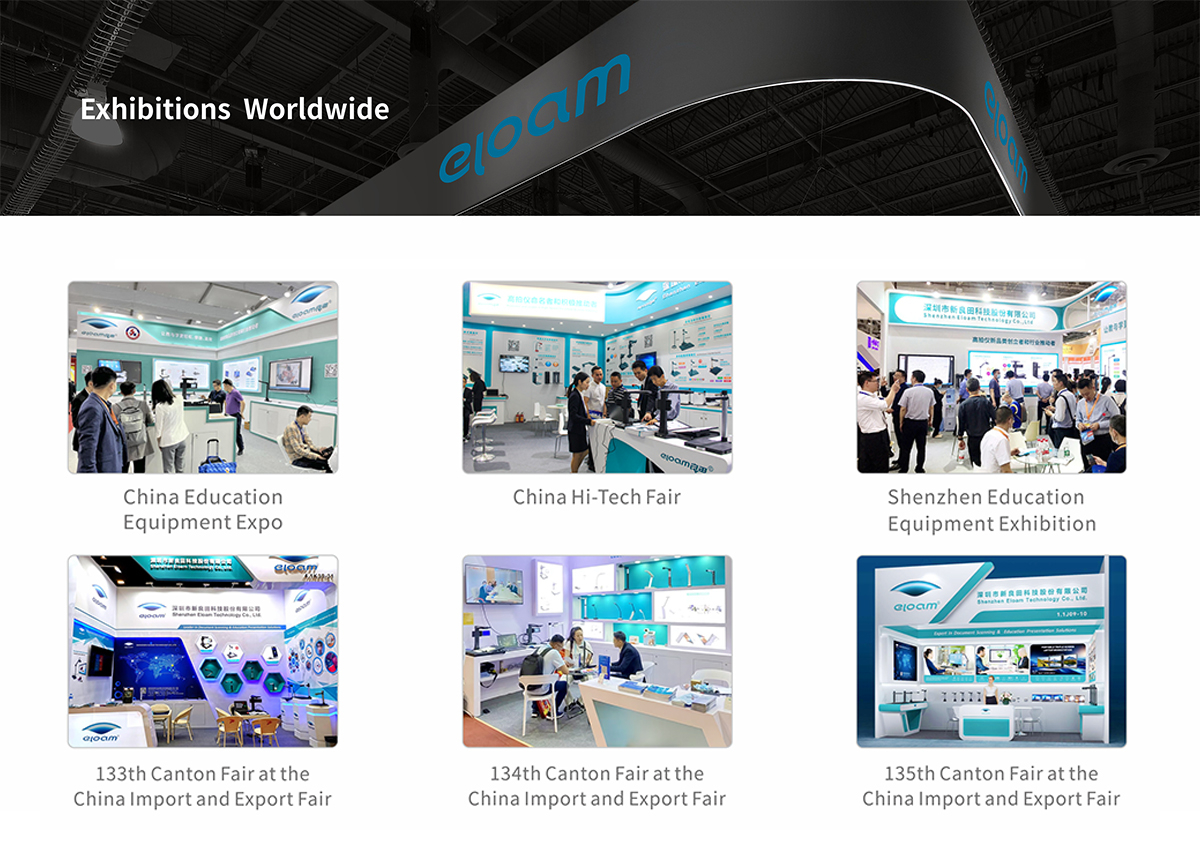
From Requirement to Shipment in Five Clear Steps
With in-house optics, firmware and software teams, customization can address hardware, interface and software requirements instead of simple relabeling.
Requirement Review
Define scan size, resolution, OS, interface, target market compliance and expected monthly volume.
Design & Engineering
Customize housing, logo, packaging, firmware, software UI and SDK requirements where applicable.
Sample Approval
Pre-production samples are tested against your OCR, image quality and integration criteria.
Mass Production
Production is supported by incoming, in-process and finished-product quality control across 8 lines.
Delivery & Support
Shipment under FOB, CFR, CIF or EXW, plus after-sales technical support and standard warranty.
Paper Scanner Sourcing Questions Buyers Ask First
These answers help distributors, schools, banks and system integrators prepare a faster, more accurate quotation request.
Is Hobry a manufacturer or a trading company?
Hobry is a manufacturer with an integrated export team. Founded in 2005, the company runs 8 production lines in a 5,000–10,000 m² facility in Shenzhen, and the factory has been verified onsite by Intertek.
Do you offer OEM and ODM for document scanners?
Yes. OEM, ODM, design service and buyer-label service are available, including logo, packaging, housing color, firmware and software customization. An SDK is available on selected models.
Which OCR languages and operating systems are supported?
Selected models support OCR in up to 180 languages with PDF, JPEG and TIFF output. Windows is supported across the range, and macOS is available on selected large-format models. Confirm compatibility per model before ordering.
Can I order samples before a bulk order?
Most models are available as single-unit samples for evaluation. Bulk MOQ depends on the model and customization level and is confirmed in your quotation.
Which payment and delivery terms are accepted?
Payment terms include T/T, L/C, PayPal and Western Union in USD. Delivery terms include FOB, CFR, CIF and EXW.
What certifications and warranty apply?
Products are CE certified, with FCC available on selected models. The company holds ISO 9001, a National High-Tech Enterprise certificate and software copyright registrations. Standard warranty is 1 year.
How do you control quality before shipment?
Production uses incoming inspection, in-process checks and finished-product testing. Intertek has verified the factory onsite, and sample approval can be used to lock image quality and functional criteria before mass production.
What should I prepare for a fast quotation?
Share scan size, resolution target, OCR languages, interface, operating system, estimated annual quantity, target market certifications, branding needs and sample deadline. This allows the sales engineer to recommend the right model and configuration.
Turn Your Scanner Requirement into a Production-Ready Plan
Share your scan size, quantity, target market and software needs. The team can recommend the right document scanner, book scanner or visualizer configuration and confirm sample, OEM/ODM and delivery options.