Lecture Camera & Document Visualizer Manufacturing Since 2005
Top Trusted Lecture Camera Supplier & Exporters
OEM/ODM document cameras, A3/A4 visualizers, book scanners, and lecture capture hardware for schools, universities, training centers, banks, libraries, and system integrators.
8 Lecture Cameras & Document Cameras for Real Classroom Workflows
Buyers use different terms for the same practical need: lecture camera, classroom document camera, visualizer, overhead scanner, digital presenter, or A3 OCR camera. The eight models below cover live teaching, hybrid learning, library digitization, office records, counter capture, and hands-on demonstration work.
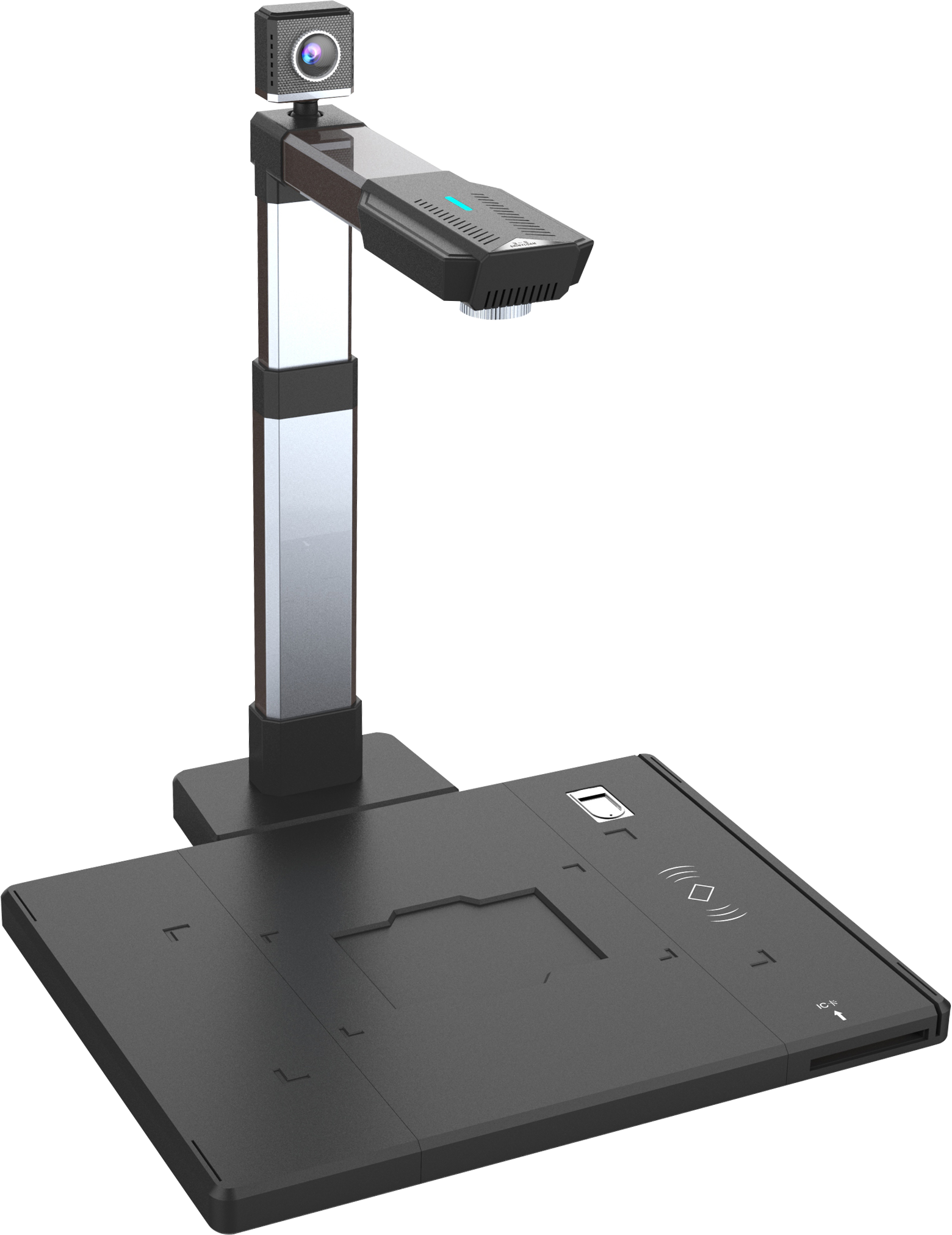
Eloam YL1020 Dual Lens A3 OCR Document Camera
Dual-lens USB capture for libraries, resource centers, and lecture support desks that need document, book, and presenter views with OCR, 2D-code reading, and SDK integration.
- A3
- Dual lens
- USB
- OCR
- 2D code
- SDK

Eloam 10MP A3 Professional OCR Document Scanner
A high-precision A3 scanner for office archives, exam administration, and records teams that need continuous capture, one-second speed, USB output, and reliable OCR.
- 10MP
- A3
- Continuous mode
- 1-second capture
- USB
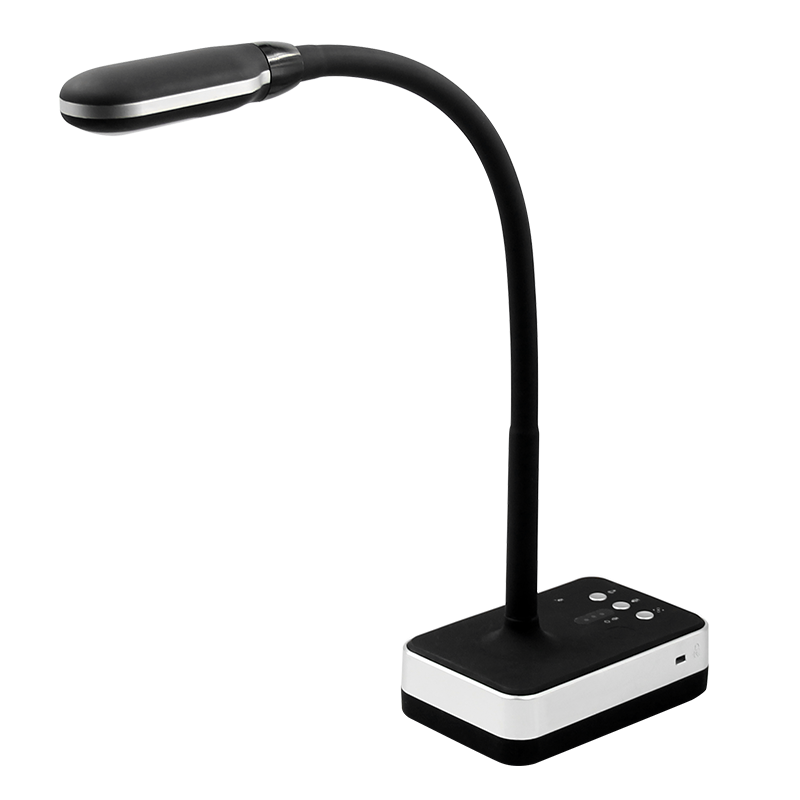
ELOAM VH802A3AF 8MP A3 Document Camera
A practical lecture camera for classrooms, training rooms, and service counters, combining 8MP A3 capture, USB connectivity, and OCR support in a straightforward teaching-friendly format.
- 8MP
- A3
- USB
- OCR
- In stock
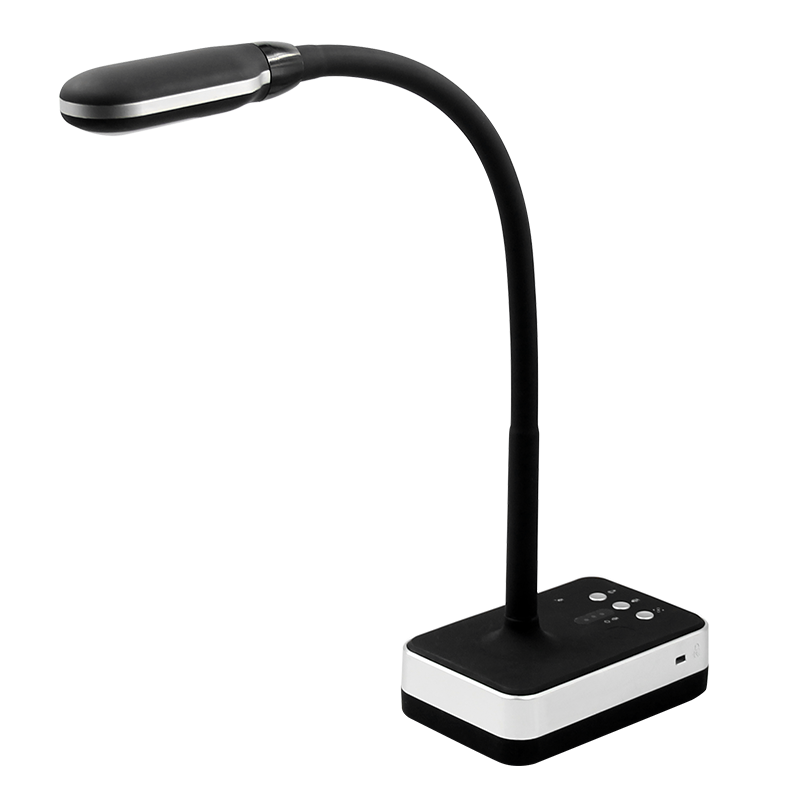
ELOAM VH1000A3AF Portable Smart Book Scanner
A teacher-focused portable camera for book pages, lesson materials, and handwritten demonstrations, with high-speed USB capture and a compact format for shared classroom use.
- Portable
- Book scanner
- USB
- For teachers
- High speed
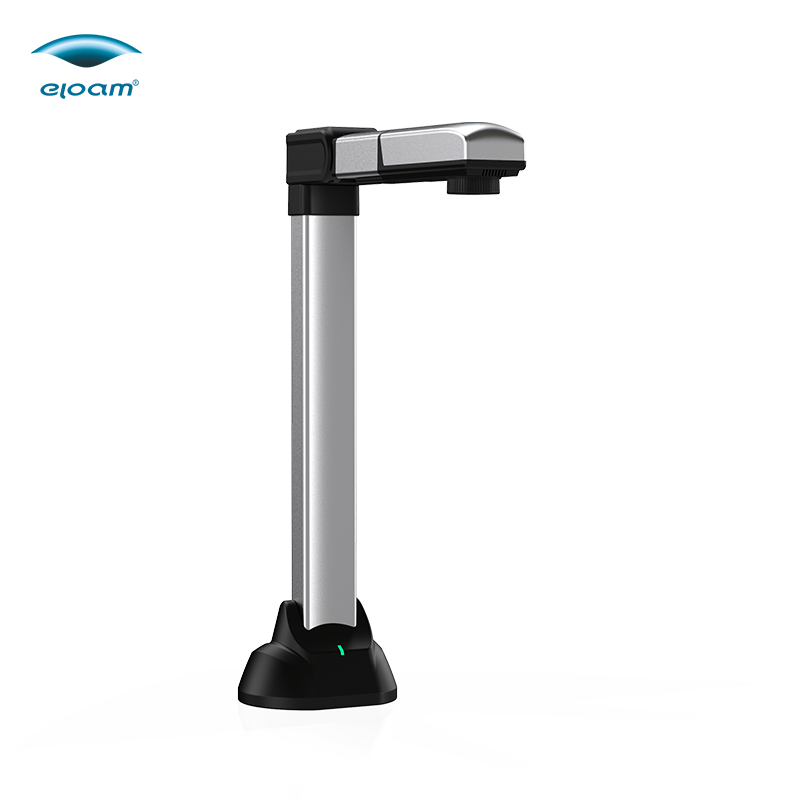
ELOAM Portable A3 High-Resolution Book & Document Scanner
Designed for detailed book pages, technical documents, and archive material, this A3 USB camera supports high-resolution capture, automatic book scanning, and OCR processing.
- 5184×3456
- A3
- USB
- OCR
- Book capture
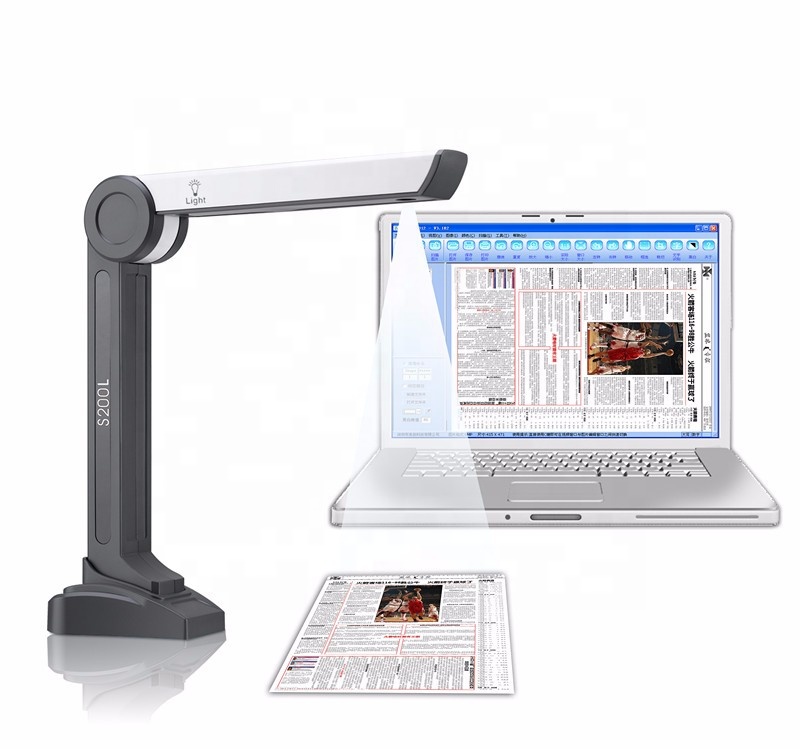
Eloam USB 2.0 Mini Portable A4 Document Scanner
A compact A4 visualizer for mobile teaching, tutoring, small offices, and field service desks that need a one-second scan and USB 2.0 plug-and-play simplicity.
- A4
- 1600×1200
- USB 2.0
- 1-second scan
- CMOS
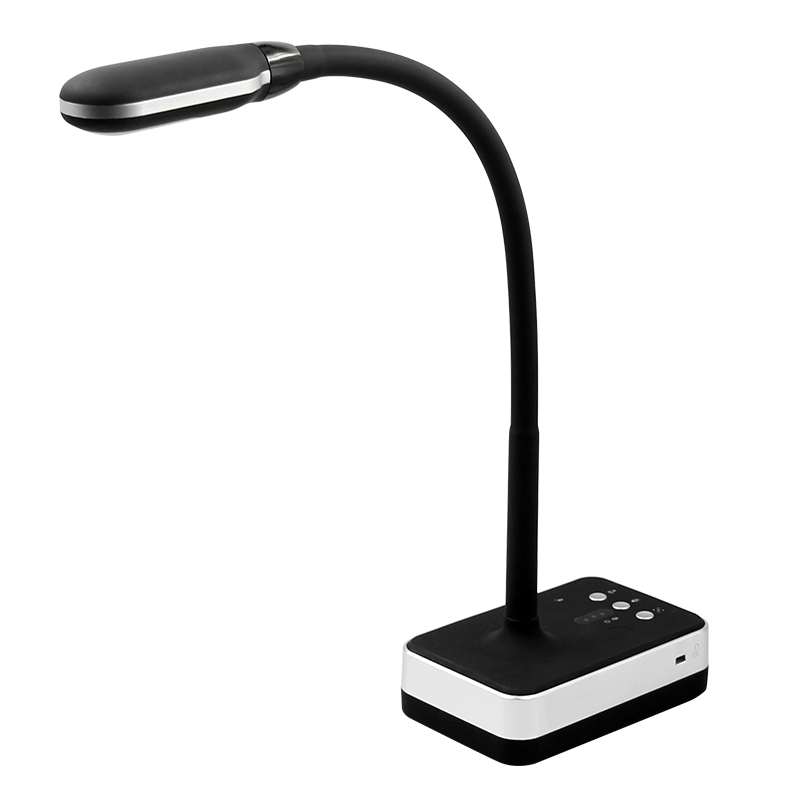
ELOAM VH800AF 8MP Foldable Overhead Document Scanner
A foldable A4 overhead model for flexible classrooms, blended lessons, and training rooms, with 8MP CMOS capture, USB output, and built-in camera and video-recording functions.
- 8MP
- A4
- CMOS
- Foldable
- USB
- Video recorder

ELOAM 3-in-1 A3 5MP Document Camera Scanner
A versatile handheld camera with control buttons for lab demonstrations, interactive lessons, field training, and mixed document-object capture where fixed overhead units are too limiting.
- 3-in-1
- A3
- 5MP
- Handheld
- Control buttons
Why Lecture Cameras Became a Procurement Category of Their Own
A lecture camera is no longer a niche audiovisual accessory. It is part of the daily teaching and records workflow in universities, K-12 classrooms, corporate training rooms, exam centers, libraries, and government service counters.
Search behavior reveals a fragmented vocabulary. A university AV manager may search for “lecture camera supplier”, a teacher for “document camera for classroom”, a librarian for “A3 book scanner with OCR”, and a system integrator for “USB visualizer SDK”. The underlying purchase is similar: a camera-based capture device that displays physical materials with enough clarity for live teaching, recording, or records digitization. For suppliers and exporters, this semantic spread matters. A page that only repeats “document camera” misses buyers who describe the same requirement as a visualizer, overhead scanner, digital presenter, lecture capture camera, or classroom visualizer.
The right shortlist process starts with the teaching or service task. Does the camera need to capture an A3 textbook spread, a single A4 document, a passport, a circuit board, a lab demonstration, or a presenter? Will it be mounted permanently in a lecture hall, folded into a teacher’s bag, or used at a service counter? Does the buyer need live 30 FPS video, a one-second still capture, OCR into searchable PDF, or SDK integration into an existing learning management system? These answers determine the lens, sensor, interface, and software support. Megapixels alone are not a buying strategy. The better question is whether the camera performs reliably under the lighting, document size, zoom level, and software environment of the actual classroom.
For exporters, the strongest product pages therefore do more than list specifications. They help the buyer compare use cases, identify the right form factor, understand factory verification, evaluate lifecycle cost, and request samples with a clear testing plan. That is the information gain a serious B2B buyer needs before a tender, pilot, or distributor agreement.
What Education and Government Buyers Will Expect Next
Procurement teams are moving from one-off device purchases toward repeatable classroom standards. Four shifts are already visible in buyer questionnaires and tender specifications.
Verified supplier shortlists
Public and institutional buyers increasingly filter suppliers through onsite factory verification, ISO 9001, CE/FCC documentation, software copyright records, and traceable production capacity before they request a sample.
Hybrid-first classroom design
Schools want one camera that works for in-room projection and remote streaming. USB plug-and-play, stable drivers, clear audio-video synchronization, and teacher-friendly controls now matter as much as resolution.
Total cost of ownership
Buyers compare unit price against failure rate, spare parts, warranty, teacher training time, software updates, and SDK access. A lower purchase price can become expensive if support and replacement are weak.
Localized OEM/ODM support
Distributors need buyer-label packaging, regional documentation, firmware adjustments, and software UI customization so the product fits local tenders instead of arriving as a generic import.
Where Lecture Camera Hardware Is Heading
The next generation of classroom cameras is being shaped by optical quality, software integration, and serviceability rather than cosmetic changes.
Optical zoom over digital zoom
Large lecture halls expose the weakness of digital zoom. Buyers are asking for sharper optical magnification, better low-light performance, and less distortion when a camera is focused on fine print, lab specimens, or circuit boards.
On-device OCR and automation
Auto-crop, page detection, 2D-code reading, and searchable PDF output are becoming expected features. Selected models already support OCR in up to 180 languages, which helps schools and archives reduce manual indexing.
USB-C, wireless, and SDK flexibility
Single-cable USB-C deployment, Wi-Fi teaching freedom, and SDK integration are converging. Integrators want a camera that can feed a classroom display, a recording platform, or a custom records system without fragile workarounds.
Modular, repairable, sustainable design
Foldable bodies, portable formats, replaceable accessories, and low-carbon office concepts support longer service life. Schools prefer products that can be repaired and redeployed rather than replaced after a single failure.
How to Match a Lecture Camera to the Actual Use Case
Use this selection matrix to narrow the shortlist before requesting samples. Final configuration should always be confirmed per model, especially for OCR languages, operating systems, and SDK availability.
| Use case | Recommended model | Why it fits |
|---|---|---|
| Hybrid K-12 classroom | VH800AF or VH802A3AF | Foldable or compact overhead capture with USB connectivity, easy storage, and teacher-friendly operation. |
| University lecture hall | YL1020 or VH1000A3AF | A3 capture, clear text display, and portable or dual-lens options for live demonstration and recording. |
| Library and book digitization | YL1020 or A3 5184×3456 portable scanner | High-resolution book-page capture, OCR, and SDK or dual-lens flexibility for resource centers. |
| Office records and exam administration | 10MP A3 OCR scanner | Continuous mode, one-second speed, and USB output for repetitive document capture. |
| Bank, passport, and counter capture | Mini A4 USB 2.0 or 10MP A3 OCR | Fast single-document capture with a compact footprint and straightforward USB connection. |
| Hands-on lab demonstration | 3-in-1 A3 5MP document camera | Handheld format and control buttons support objects, experiments, and interactive lesson movement. |
| Mobile teacher or tutor | VH1000A3AF or mini A4 scanner | Portable design, simple USB setup, and enough capture quality for shared classrooms and tutoring. |
| System integration project | YL1020 with SDK support | Dual-lens capture, OCR, 2D-code reading, and SDK integration for custom records or learning workflows. |
A Practical Scorecard for Lecture Camera Procurement
Do not evaluate a lecture camera supplier on price alone. A weighted scorecard exposes hidden trade-offs before a pilot becomes a rollout.
Weighted evaluation model
Example weights for a classroom or archive project. Adjust the percentages to match your tender priorities.
Total cost of ownership
Evaluate the full lifecycle, not just the quotation line for hardware.
- Acquisition: unit price, freight, duties, sample and testing budget.
- Deployment: mounting, cabling, software installation, teacher training, and integration.
- Lifecycle: warranty, spare parts, failure rate, firmware updates, and accessory replacement.
- Workflow: time saved by OCR, auto-crop, one-second capture, and stable drivers.
- Risk: certification gaps, data privacy, supply delays, and lack of local support.
Sample test plan
Request a sample with the driver package, software, and SDK demo when applicable. Test under real conditions.
- Capture a local-language textbook page, a handwritten form, and a glossy brochure.
- Check glare, lens distortion, autofocus lag, and edge sharpness at maximum zoom.
- Run OCR into PDF and verify searchability, layout retention, and error rate.
- Test continuous mode, USB stability, and recovery after disconnection.
- Confirm warranty, RMA process, spare-parts availability, and firmware support.
Shenzhen Hobry: A Verified Lecture Camera Manufacturer and Exporter
Founded in 2005, Shenzhen Hobry Technology Co., Ltd. has grown from digital video technology into a specialist in high-speed portable document scanners and document cameras.

Hobry is a manufacturer with an integrated export team, not a simple trading intermediary. The company controls the full cycle in-house: industrial design, optics and firmware R&D, software, manufacturing, and global sales. That matters when a buyer needs a lecture camera customized for a classroom standard, a distributor label, a tender specification, or a system-integration SDK.
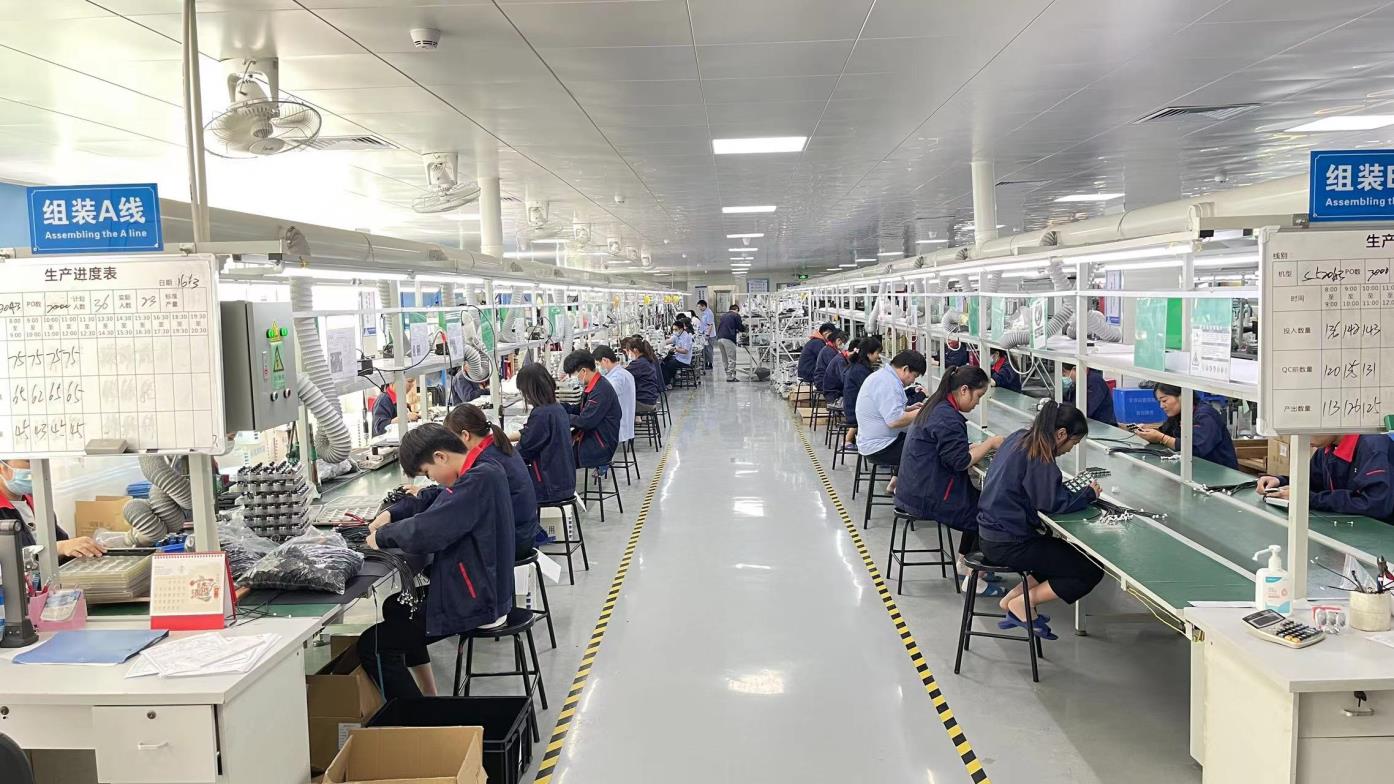
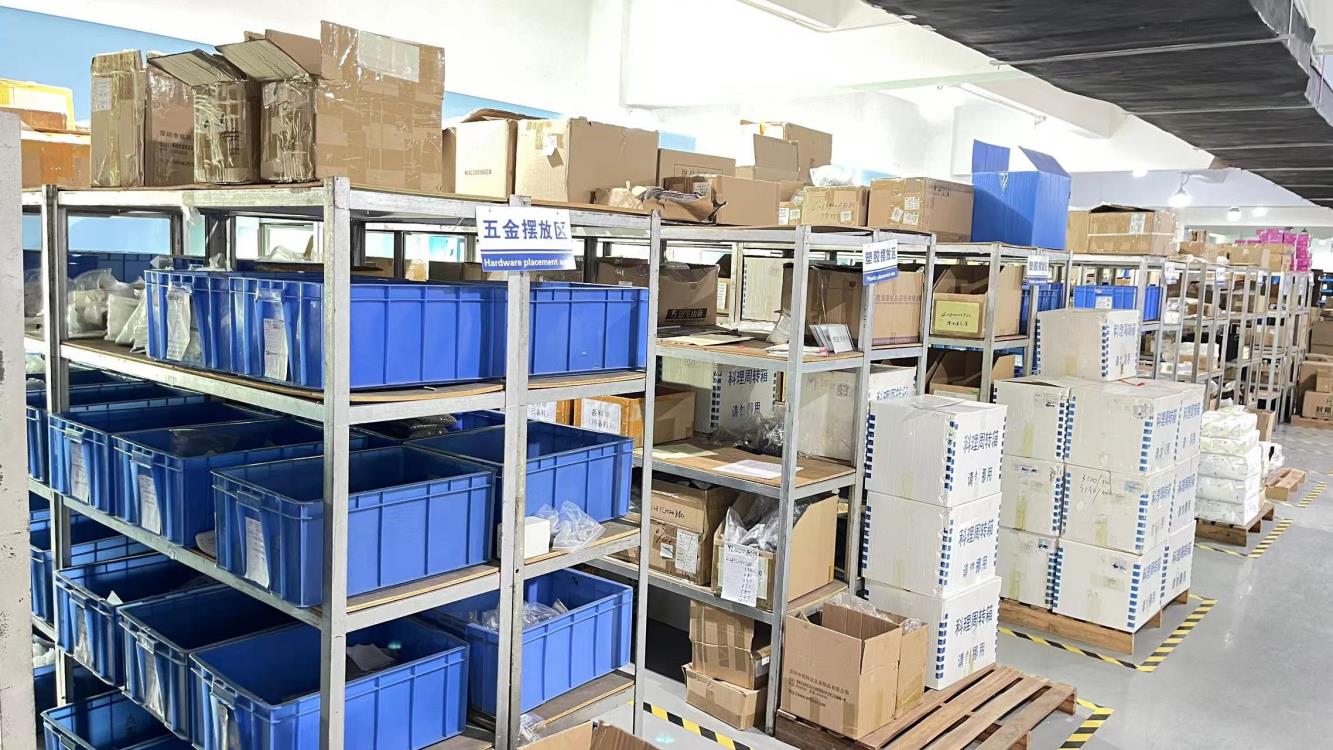
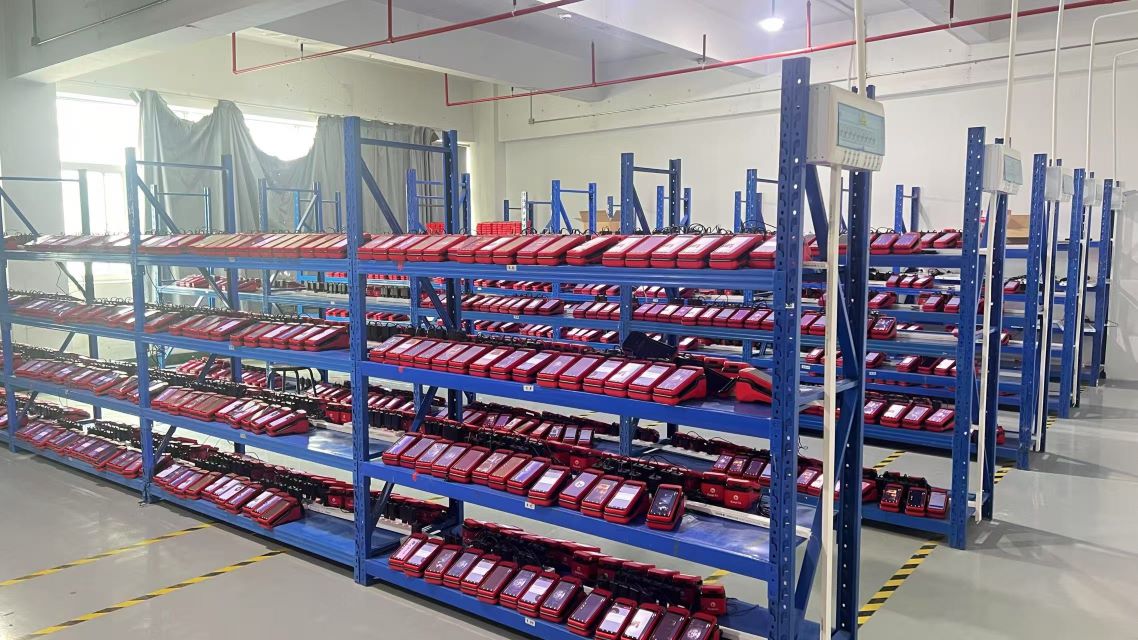
The production base operates 8 production lines in a 5,000–10,000 m² facility and employs 101–200 people. The factory has been verified onsite by Intertek. The company holds ISO 9001 quality management certification, a National High-Tech Enterprise certificate, and software copyright registrations. Products are CE certified, with FCC available on selected models. The standard warranty is 1 year.
OEM and ODM services cover logo printing, custom packaging, housing color, firmware and software customization, and buyer-label service. An SDK is available on selected models for system integration. Payment terms include T/T, L/C, PayPal, and Western Union in USD; delivery terms include FOB, CFR, CIF, and EXW. Main markets include North America, Southeast Asia, Southern Europe, the Middle East, and worldwide B2B distribution.
 Factory verified onsite by Intertek
R&D, Production, Quality Control, and Export Support
Because the product cycle is managed in-house, customization requests move from requirement review to sample approval without being passed between unrelated vendors.
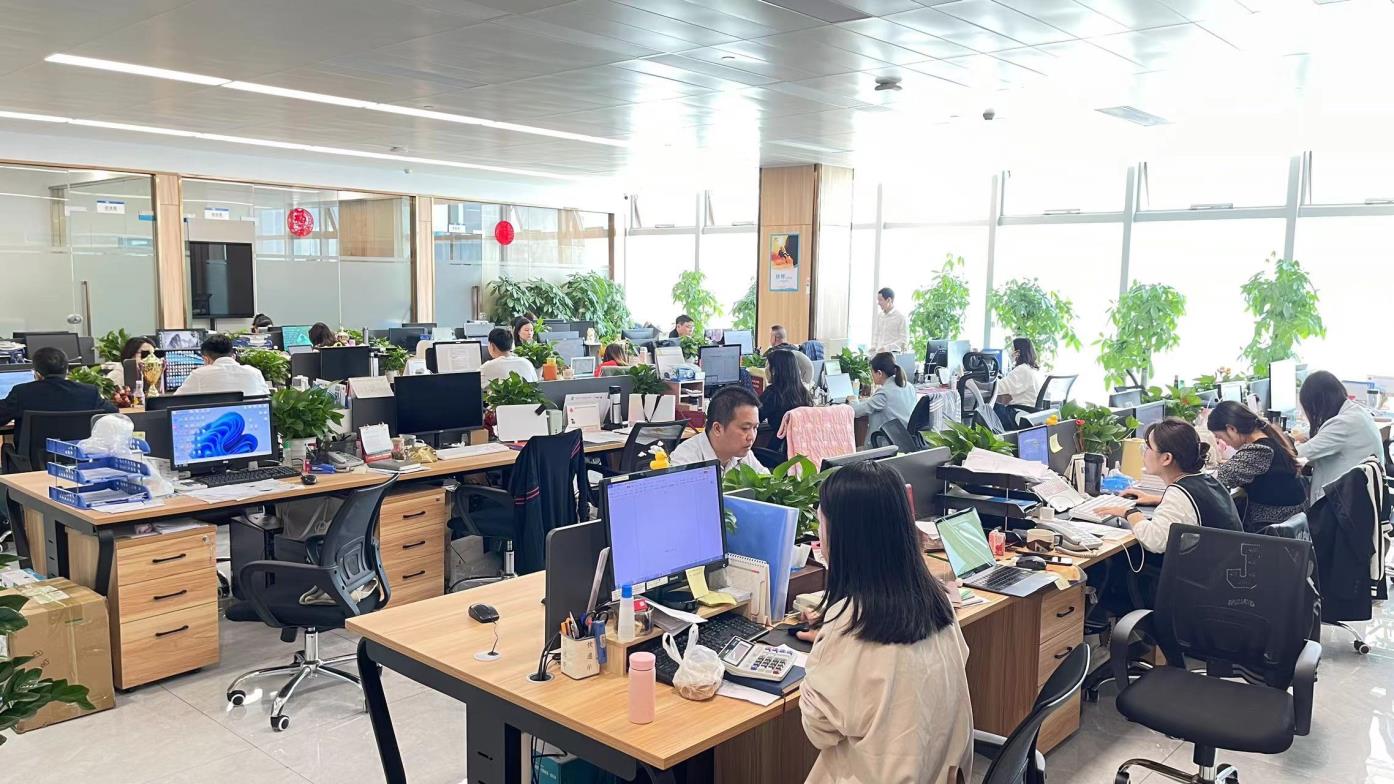
 In-house imaging R&D
 8 production lines
 Quality inspection
 Packaging and export
From Requirement to Shipment in Four Clear Steps
Use this process for distributor labels, tenders, classroom standards, and software integration projects.
Requirement review
Define scan size, resolution, optical zoom, target OS, interface, SDK needs, compliance, and target market.
Design and engineering
Customize housing, logo, packaging, firmware, software UI, and integration features with the in-house team.
Sample approval
Test pre-production samples for image quality, OCR accuracy, USB stability, and classroom usability before mass production.
Production and delivery
Run mass production through incoming, in-process, and finished-product QC, then ship under FOB, CFR, CIF, or EXW terms.
Questions Buyers Ask Before Choosing a Lecture Camera Supplier
These are the practical questions that appear most often during sample requests, distributor onboarding, and tender preparation.
What is a lecture camera, and how is it different from a document camera?
Which lecture camera is best for A3 classroom demonstrations?
Can I order samples before placing a bulk order?
Do you offer OEM and ODM services for document cameras and visualizers?
Which OCR languages and operating systems are supported?
What certifications and factory checks does the supplier have?
What payment and delivery terms are accepted?
How do I choose between USB, wireless, and network lecture cameras?
Are these cameras suitable for libraries, banks, and government counters?
What should I test during a sample evaluation?
Planning a Lecture Camera or Visualizer Project?
Share your scan size, target quantity, classroom or counter environment, operating system, OCR language, and target market. Our team will recommend the right model and configuration, then prepare a sample and catalog for evaluation.
OEM/ODM · Intertek-verified factory · ISO 9001 · CE certified · 1-year standard warranty