What Makes a China Wireless Document Scanner Factory Qualified?
The query “top China wireless document scanner manufacturers and factories” combines three buying intents: product discovery, supplier verification and OEM/ODM capability assessment. A serious manufacturer should prove all three — not only publish a product catalog.
A qualified wireless document scanner manufacturer must control optical design, camera firmware, OCR software, wireless certification and production quality in one traceable system. In Shenzhen, that capability is concentrated among manufacturers with long-term R&D, in-house assembly, mature supply-chain coordination and verifiable export records. Shenzhen Hobry Technology Co., Ltd. is one such manufacturer: founded in 2005, operating 8 production lines in a 5,000–10,000 m² facility, offering OEM/ODM customization, and verified onsite by Intertek.
For procurement teams, the real question is not “Who sells the lowest-priced scanner?” but “Which factory can deliver consistent image quality, reliable wireless or USB connectivity, OCR accuracy, SDK integration and after-sales support across multiple purchase cycles?” This guide answers that question with product recommendations, development trends, procurement trends, total-cost-of-ownership considerations and practical FAQ answers.
8 Wireless and Portable Document Scanners for Global Buyers
Below are eight factory-series models suited to education, office archiving, banking counters, library digitization and mobile presentation. Model configurations vary; confirm wireless support, OCR language packs, SDK availability and operating-system compatibility with the manufacturer before ordering.
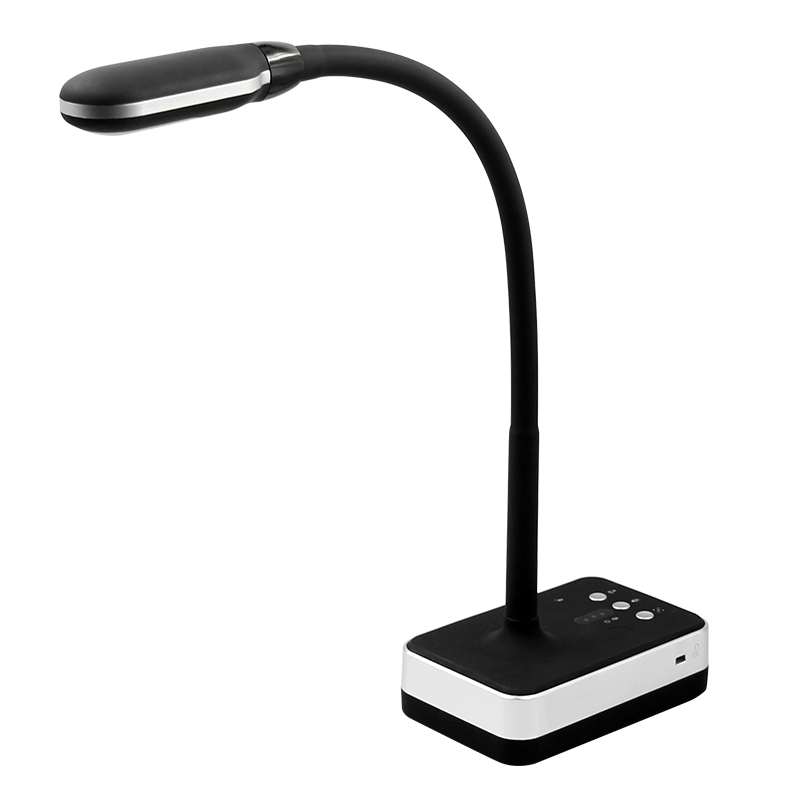
8MP A4 CMOS Foldable Overhead Document Scanner with Camera & Video Recorder
- 8MP
- A4
- Foldable
- USB
- Video recording
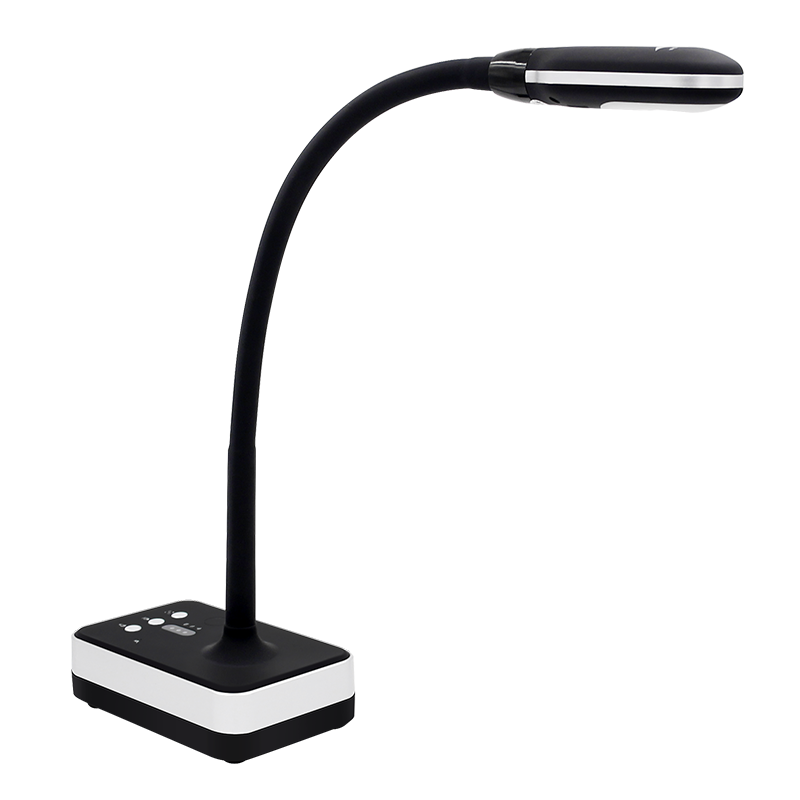
High-Speed Portable A3 Intelligent Archive Automatic Document Camera Scanner
- A3
- High speed
- Archive
- USB
- Auto capture
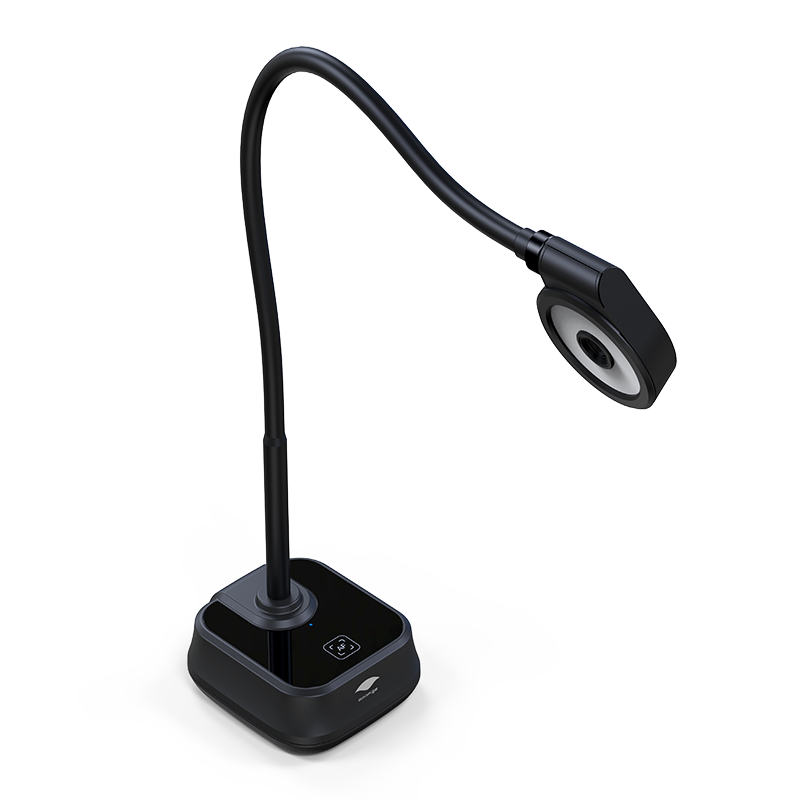
A4 High-Speed USB Portable Video Booth & Document Scanner with OCR for Classroom and Meeting Use
- A4
- OCR
- USB
- Classroom
- Video booth
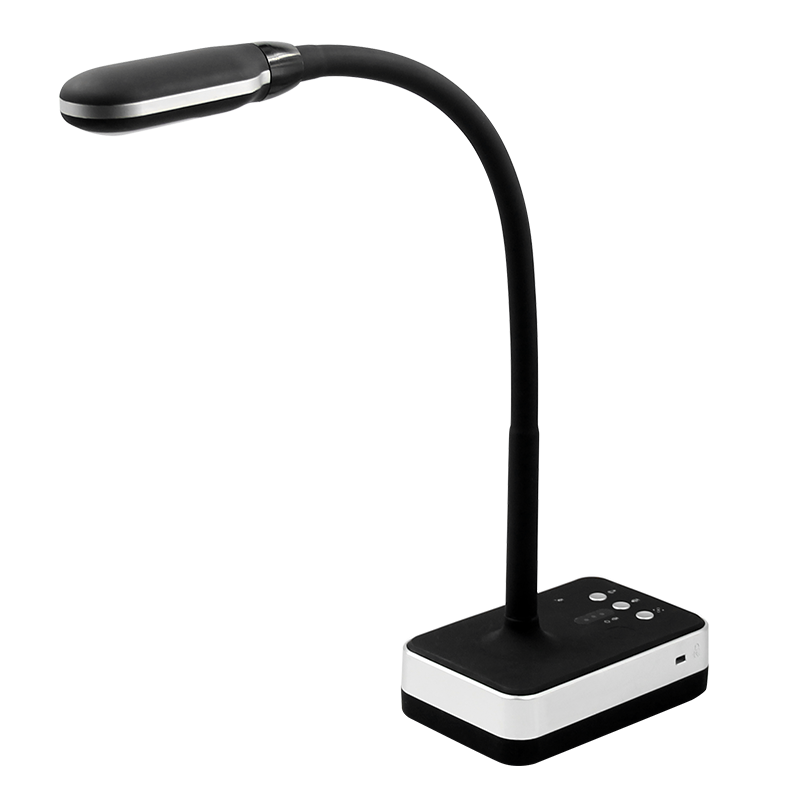
Smart Book Scanner High-Speed Portable USB Document Camera for Teachers
- A3
- Book scanning
- USB
- Teaching
- Portable

USB/Wireless High-Speed OCR Scanner Portable Document Scanner A4 Book Scanner
- A4
- USB + wireless
- OCR
- Book scanner
- Portable
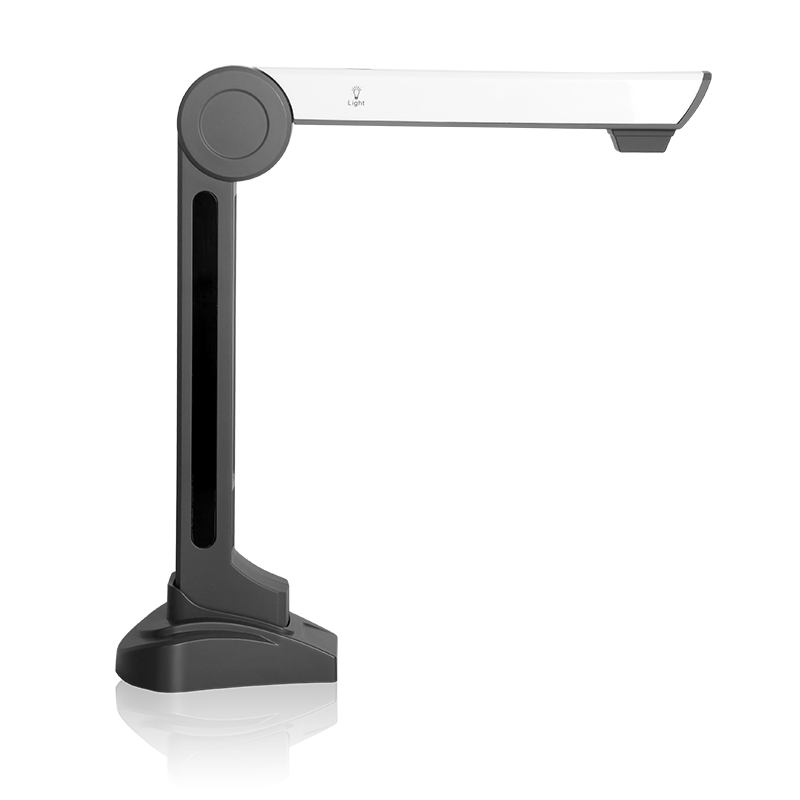
5MP Ultra Portable High-Speed OCR Document Scanner with USB SDK for School and Office Use
- 5MP
- OCR
- USB SDK
- School
- Office
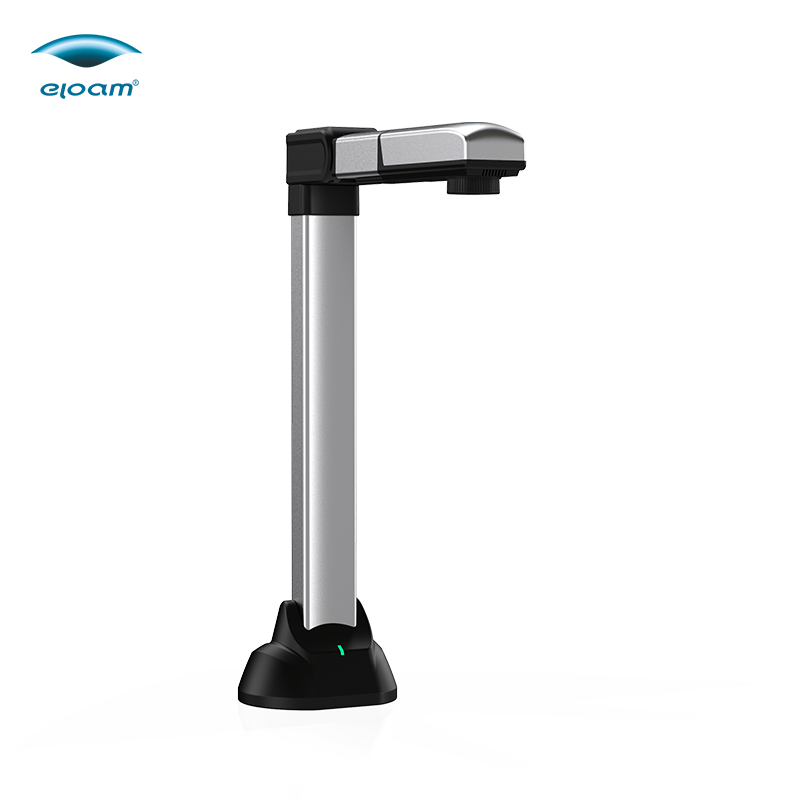
Portable High Resolution 5184×3456 High-Speed Automatic Book Document Scanner with OCR Processing
- A3
- High resolution
- OCR
- Book scanning
- USB
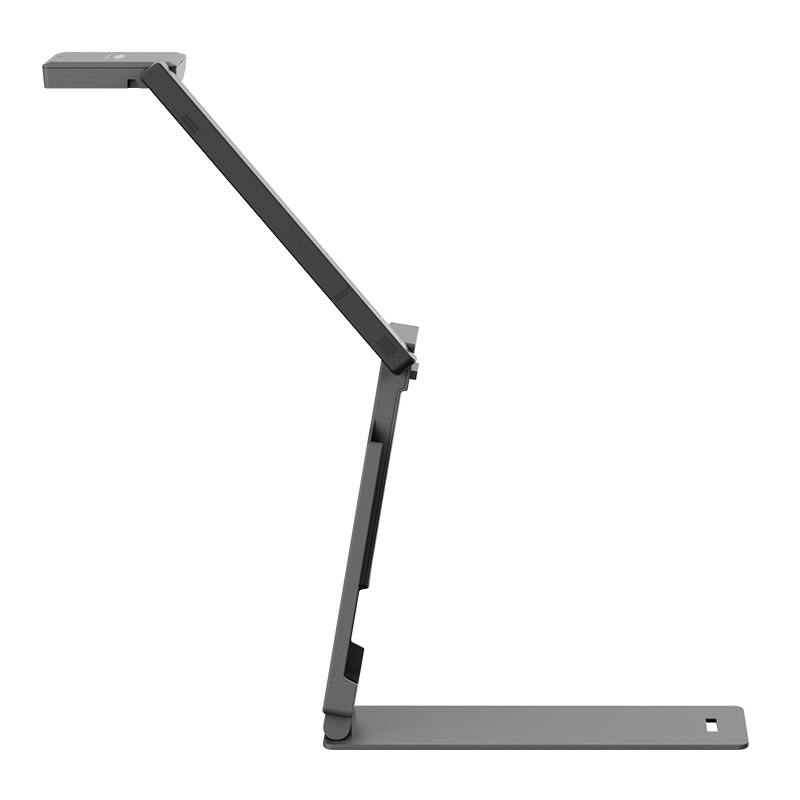
13.0MP Ultra HD USB Portable Document Camera & Scanner A3 Size for Teaching
- 13.0MP
- Ultra HD
- A3
- Teaching
- USB
Need a wireless configuration, SDK or buyer-label version not shown above? Share your scan area, target market, annual volume and software requirements. The factory can confirm the correct model, sample plan and OEM/ODM path.
Send an InquiryWhy a Verified Shenzhen Imaging Factory Beats a General Trading Supplier
Supplier qualification should move from catalog claims to evidence: factory age, production area, line count, quality system, certification, customization depth and export experience. These factors directly affect sample speed, batch consistency and long-term support.

Shenzhen Hobry Technology Co., Ltd. — Manufacturer, Exporter and OEM/ODM Partner
Founded in 2005, Hobry began in digital video technology and grew into a specialist in high-speed portable document scanners and document cameras. The company controls industrial design, optics and firmware R&D, software development, manufacturing and global sales. As a National High-Tech Enterprise holding independent intellectual property, software copyrights and patents, it combines ergonomic design and low-carbon office concepts with reliable hardware for schools, banks, governments and enterprises.
For B2B buyers, this profile reduces integration risk. OEM/ODM services cover logo printing, custom packaging, housing color, firmware and software customization, while selected models support an SDK for system integration. The factory holds ISO 9001, a National High-Tech Enterprise certificate, software copyright registrations and CE certification; the standard warranty is one year. The facility has been verified onsite by Intertek, and finished-product inspection plus full customization capability are confirmed in the latest report.
What to Examine in a Document Scanner Factory Audit
These are the information-gain checks that separate an order-ready manufacturer from a catalog reseller. Each point should be documented, not inferred.
In-house optical and firmware R&D
Clarify whether optics, camera firmware, OCR software and SDK are developed internally. This determines how fast custom requirements can be evaluated and how stable long-term firmware support will be.
Production lines and QC gates
Ask for line count, incoming inspection, in-process testing, finished-product inspection and aging-test records. An 8-line factory with documented QC is more predictable than an unbounded trading operation.
Verifiable certifications
Require the report number, certificate holder, model scope and expiry date for ISO 9001, CE and FCC where applicable. Link product compliance to the exact SKU, not only to the company name.
Customization depth
Good OEM service is more than a logo. Check whether packaging, housing color, boot logo, firmware behavior, software UI, accessory kits and SDK integration can be customized under a controlled process.
Export and support footprint
Existing markets, trade-show history, trade capacity, transaction level and buyer feedback reveal whether the factory can support documentation, spare parts, packaging and after-sales communication in your market.
Commercial clarity
Sample policy, MOQ by model, payment terms, delivery terms and warranty should be stated in the quotation. The factory confirms T/T, L/C, PayPal and Western Union, with FOB, CFR, CIF and EXW delivery options.
How Wireless Document Scanners and Visualizers Are Evolving
Buyers should plan for software-defined imaging hardware. The next purchasing cycle will reward suppliers that can improve OCR, connectivity, manageability and integration without changing the physical platform every year.
AI-enhanced OCR at the edge
Expect faster layout analysis, handwriting support, multi-language recognition and better table extraction. Buyers should ask whether OCR runs locally, in the host software or through an optional cloud service.
Higher-resolution optics
13MP, 4K and optical-zoom configurations are becoming differentiators in classrooms, labs and archive projects. Resolution alone is not enough; auto-focus, distortion control and lighting uniformity matter more.
Wireless-first with cable fallback
USB remains the most reliable integration path, while wireless enables classroom mobility, counter flexibility and temporary installations. The strongest products support both and document their security model.
SDK-led integration
System integrators increasingly buy capture hardware as an API-enabled component. SDK availability, operating-system coverage, driver stability and firmware update policy become part of product due diligence.
What B2B Buyers Will Prioritize in the Next Sourcing Cycle
Unit price still matters, but it is no longer the only decision factor. Procurement teams are building supplier scorecards around total cost of ownership, compliance, integration readiness and supply continuity.
Total cost of ownership
Buyers are calculating sample cost, failure rate, spare-parts cost, support time and software-maintenance risk — not only the FOB price. A slightly higher unit price can be cheaper over a three-year rollout.
Compliance and cybersecurity
Public-sector and education buyers increasingly request CE/FCC evidence, software version control, data-flow documentation and clear statements about local versus cloud processing.
Small-batch customization
Distributors want buyer-label packaging, localized manuals, region-specific power accessories and firmware variation without committing to a container load of one SKU. MOQ flexibility becomes a competitive advantage.
Supply continuity
After component shortages, buyers ask for production capacity, alternative component qualification, lead-time commitments and an escalation path. Factory verification and trade history reduce supply risk.
Buyer Priority Index for Document Scanner Procurement
Based on recurring due-diligence questions from education, banking, archive and system-integration buyers. Use this index as a discussion framework, then weight the factors for your own market.
2026 sourcing priority index
Relative importance when qualifying a China document scanner manufacturer.
How to Match a Wireless Document Scanner to the End User
Start with the capture environment, then choose scan area, resolution, connectivity and software. This avoids over-specifying a classroom visualizer for office archiving or under-specifying a book scanner for fragile library collections.
| Use case | Recommended series | Scan area | Decision factors | Why it fits |
|---|---|---|---|---|
| Hybrid classroom | VH800S / VH1000A3AF | A4–A3 | OCR, USB, portability, teacher-friendly arm | Live demonstration, document sharing and lesson capture without a fixed AV room. |
| Office archiving | VW1000A3AF / VH800AF | A3–A4 | Auto capture, PDF output, high-speed scanning | Covers contracts, invoices, forms and folded documents with fewer manual steps. |
| Book digitization | VH1000A3AF / A3 book scanner | A3 | Bound-book handling, OCR, page-curve correction | Non-destructive capture for schools, libraries and archive rooms. |
| Banking / KYC counter | S500P | A4 | Compact footprint, OCR, USB SDK | Fast passport, ID and application-form capture for service counters. |
| Wireless teaching | VW1000AF | A4 | USB + wireless, OCR, book mode | Movement around the classroom or meeting room with wired fallback. |
| Large-format teaching | VE1300A3AF | A3 | 13MP ultra HD, USB, presentation clarity | Sharp detail on projectors and large displays for science, design and engineering lessons. |
Common Questions Before Ordering from a China Factory
These answers reflect the commercial, technical and quality-control questions most frequently raised by distributors, schools, banks and system integrators.
Is the manufacturer a real factory or a trading company?
Can I order a wireless document scanner with OEM branding?
Which OCR languages and operating systems are supported?
Can I evaluate a sample before committing to a bulk order?
What payment and delivery terms are accepted?
What certifications and warranty apply?
Build the Supplier Shortlist Around Evidence, Not Only Price
A top China wireless document scanner manufacturer should be able to show optical engineering, firmware and software capability, production lines, quality records, certifications, export history and a practical customization path. When those elements are visible, the buyer can compare quotations with confidence and plan a multi-year rollout instead of a one-off purchase.
For education buyers, prioritize teacher-friendly operation, USB reliability, OCR language coverage and display clarity. For banking and government counters, focus on compact footprint, fast ID and passport capture, SDK integration and data-handling policy. For libraries and archives, request book-cradle design, page-curve correction, lighting uniformity and non-destructive handling. For office archiving, compare auto-crop accuracy, output formats, scanning speed and software maintenance.
Use samples to verify what catalogs cannot: real OCR performance on your documents, wireless stability in your environment, driver behavior on your operating system and the responsiveness of technical support. A manufacturer that supports this validation process is usually the safer long-term partner.
Planning a Wireless Document Scanner or Visualizer Project?
Share your scan area, estimated quantity, target market, software requirements and certification needs. The manufacturer can recommend the right model, confirm sample availability and outline an OEM/ODM path.
info@hobrytech.com