Top China USB Document Scanner Exporters & Wholesaler
A factory-direct sourcing guide to USB document scanners, book scanners, classroom visualizers and portable business monitors — built for importers, distributors, schools, banks, libraries and system integrators.
8 USB Document Scanner & Visualizer Models for Wholesale Evaluation
These models cover the core buying intents behind searches for China USB document scanner exporters and wholesalers: A3 classroom visualizers, A2 large-format office scanners, OCR-ready A2/A3 cameras, V-shape book scanners, portable USB-C visualizers and complementary 14-inch portable monitors.
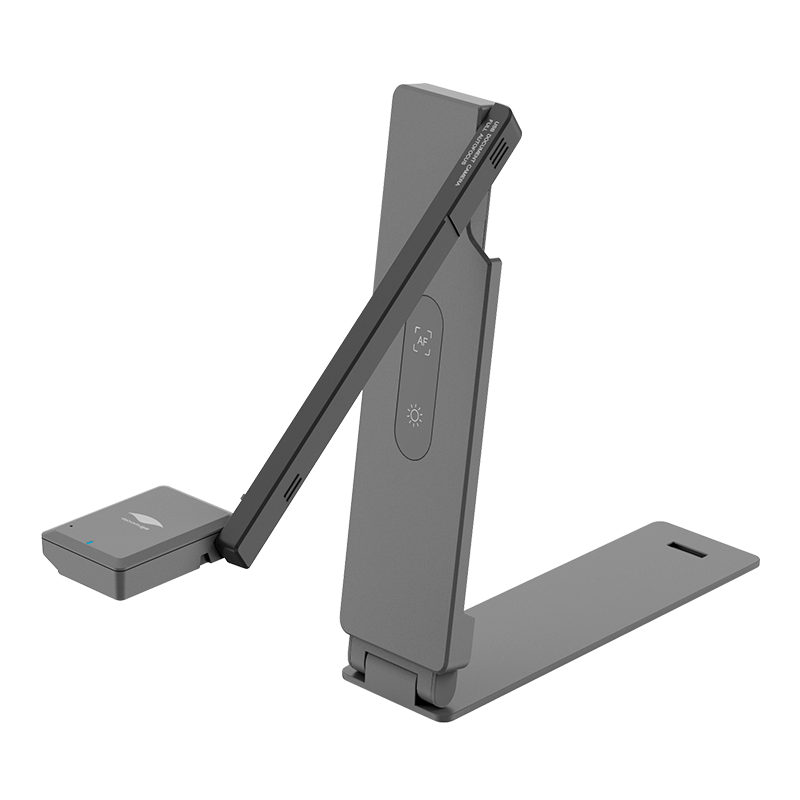
ELOAM VE1020A3AF A3 8MP USB Document Camera Scanner Visualizer 3-in-1
- A3 scan area
- 8MP
- 3-in-1
- USB
- Education
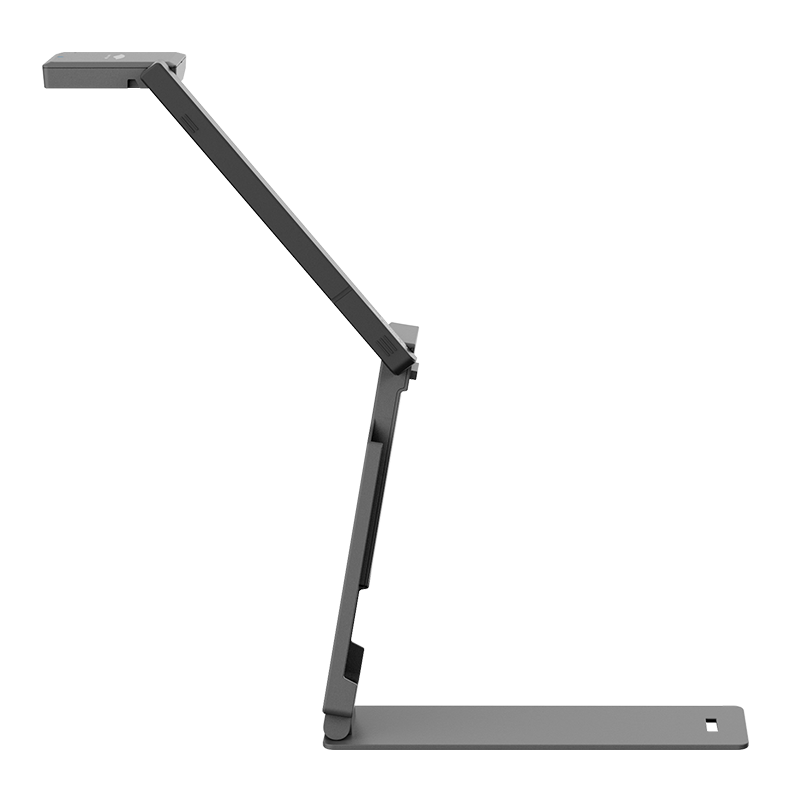
ELOAM VE1300A3AF 4K Document Camera 3-in-1 Scanner USB for Education
- 4K output
- 3-in-1
- USB
- Classroom
- Stock
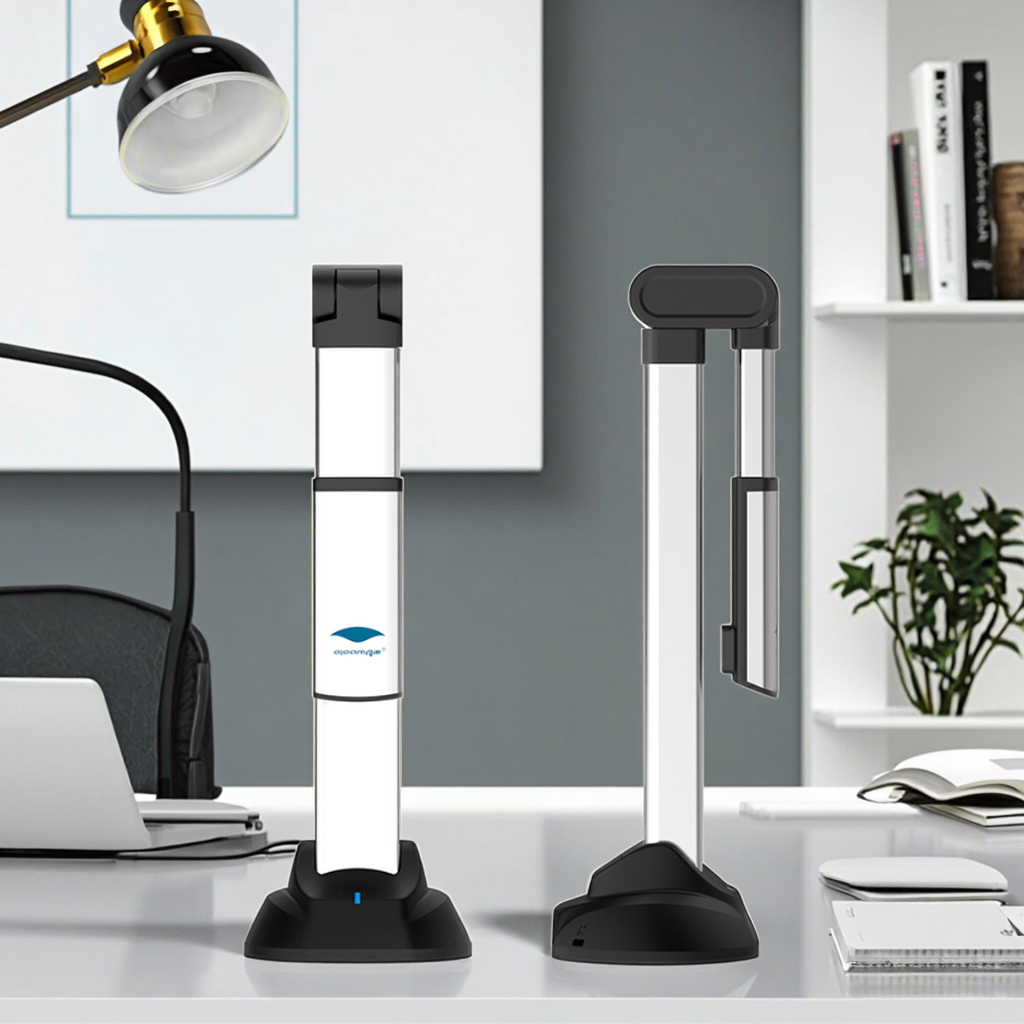
Eloam A2 Auto Focus Large Format Document Scanner 18MP CMOS
- A2
- 18MP
- 5184×3456
- Auto focus
- USB
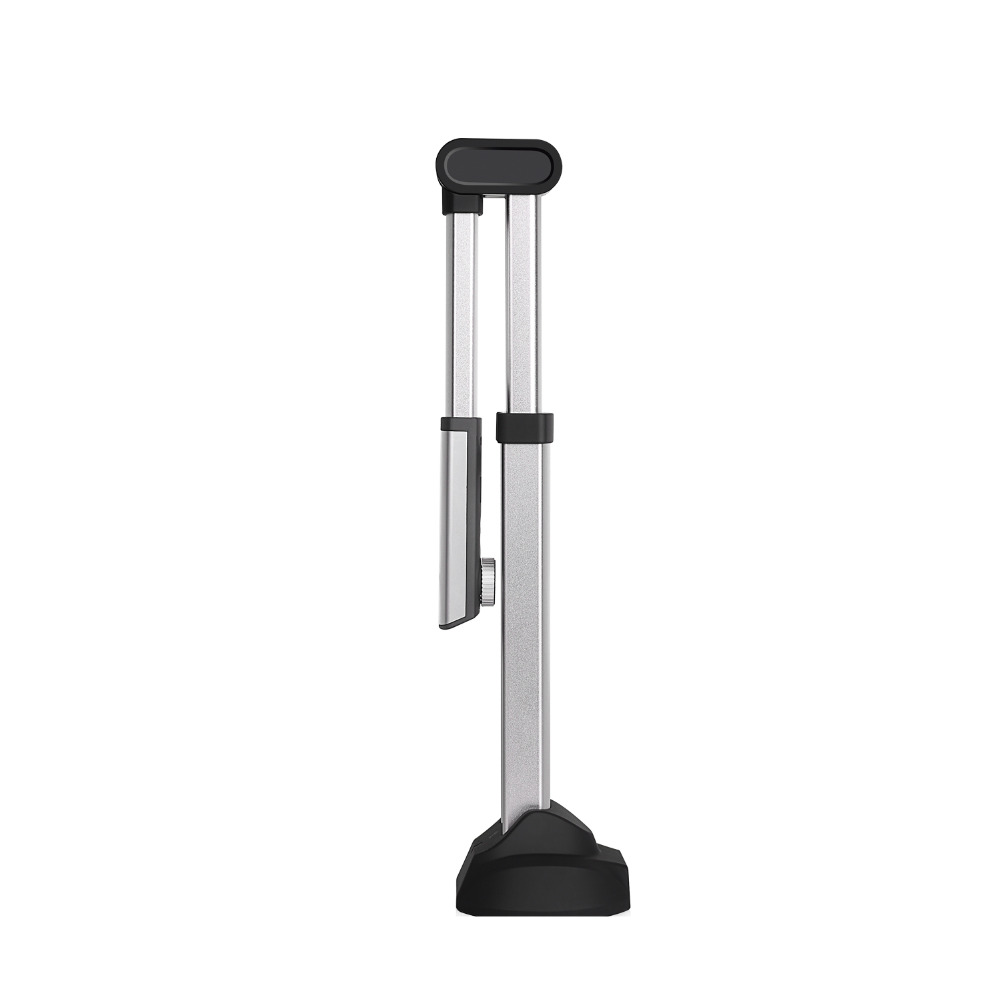
Eloam S1800A2 16MP USB 2.0 Document Camera A2 A3 OCR Scanner
- A2/A3
- 16MP
- 180-language OCR
- USB 2.0
- LED
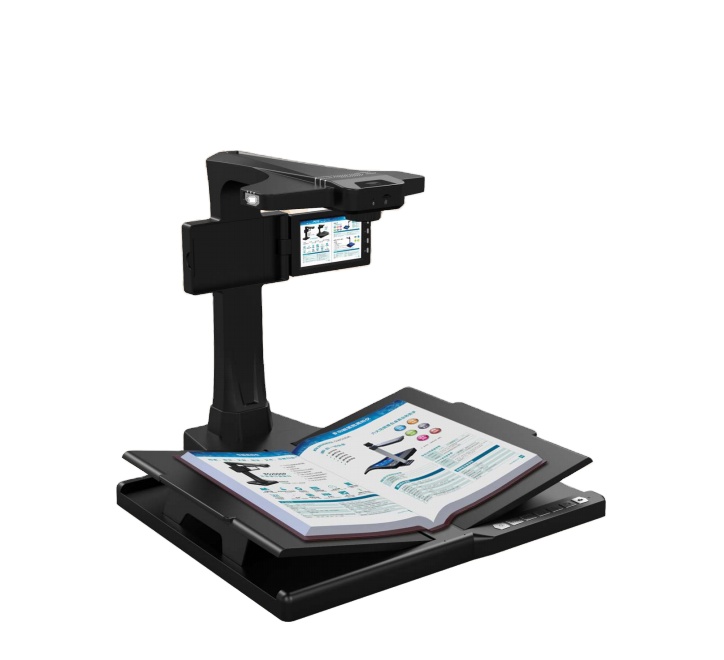
Eloam BS3000P 28MP A3 V-Shape Book Scanner with LCD Preview
- 28MP
- A3
- V-shape cradle
- LCD preview
- Library
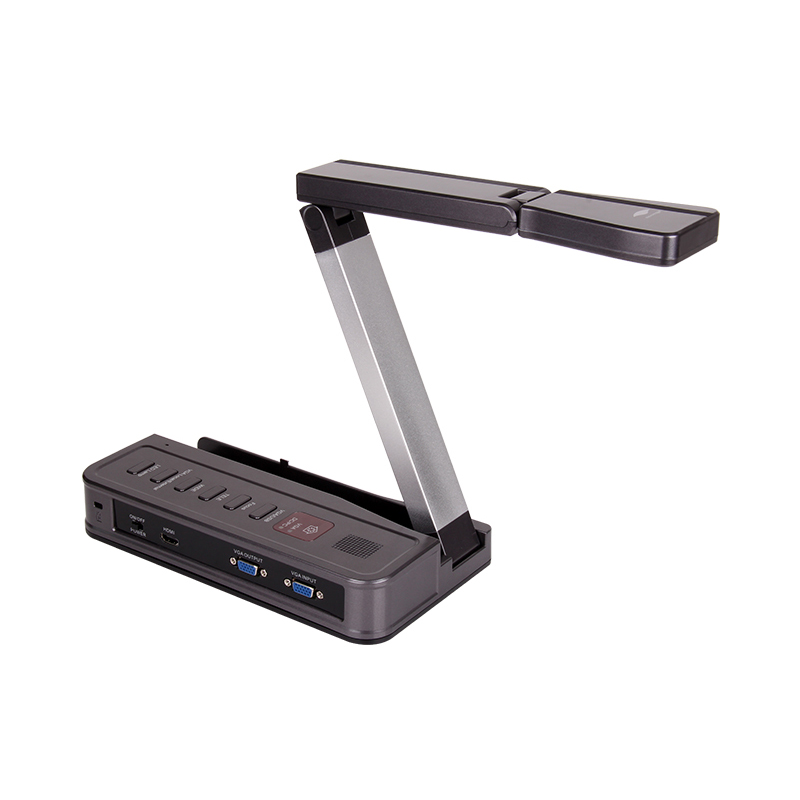
Eloam Portable A4 5MP 30FPS USB Type-C 3-in-1 Visualizer
- A4
- 5MP
- 30FPS
- USB-C
- Projector mode
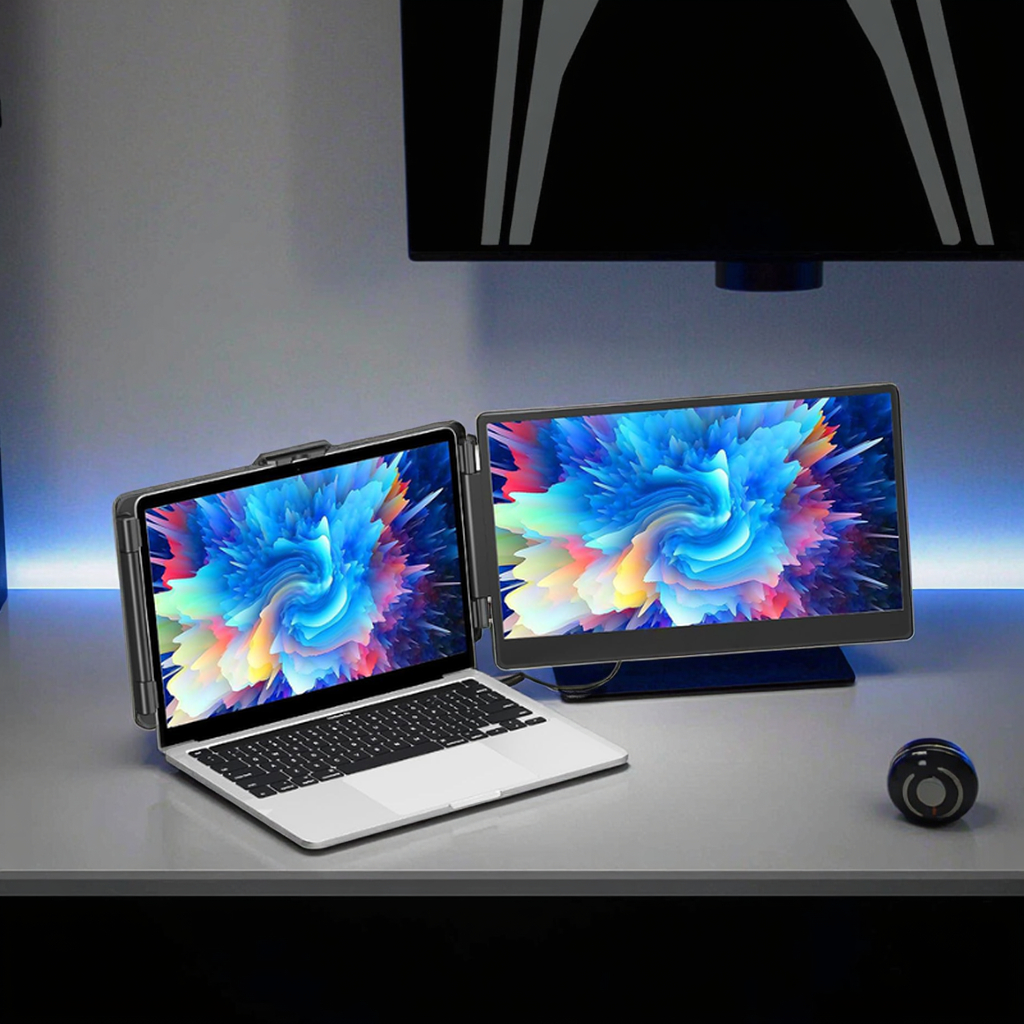
Factory Direct 14-Inch 1080P IPS Portable Monitor, Type-C Plug & Play
- 14 inch
- 1920×1080
- IPS
- Type-C
- 60Hz
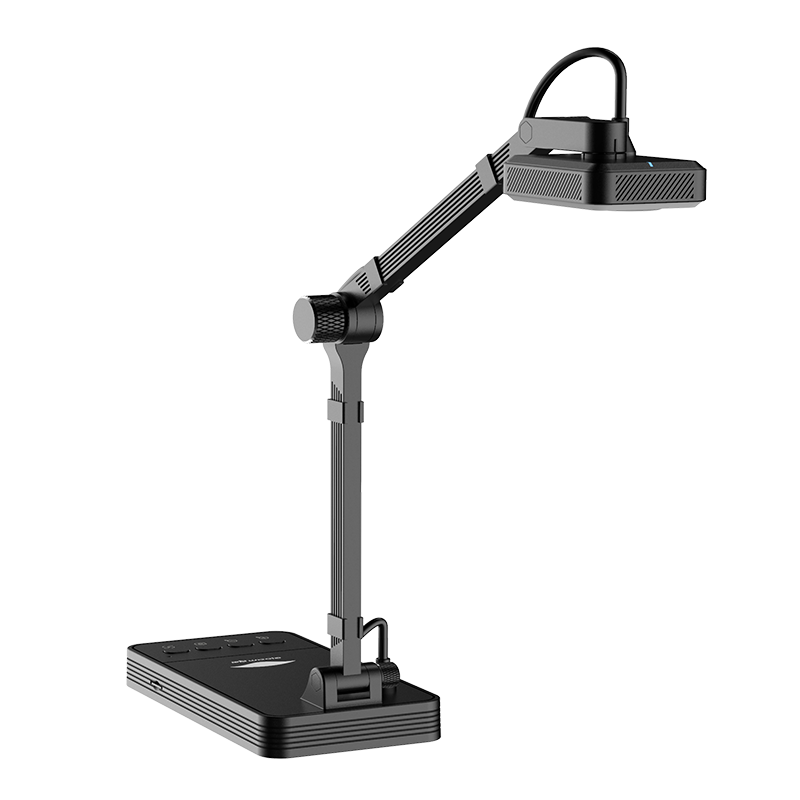
ELOAM YL1050 Wi-Fi/USB A3 10MP Document Presenter for Teachers
- A3
- 10MP
- Wi-Fi + USB
- Distance learning
- Video calling
What “USB Document Scanner Exporter” Should Mean to a Professional Buyer
The strongest sourcing decisions connect product specifications to real capture workflows — not to a generic price-per-megapixel comparison.
Professional buyers usually arrive through one of four search intents: a bank branch needs a compact A4 passport scanner, a school needs an A3 visualizer for hybrid teaching, a library needs a non-destructive book scanner, or a distributor wants a private-label USB document scanner program. A catalog that only lists megapixels answers none of those intents. The useful question is what must be captured, by whom, at what speed, in which language, with which software, and under what compliance and after-sales obligations.
China remains the practical base for many USB document scanner exporters and wholesalers because the supply chain is unusually complete: CMOS sensors, lenses, LED illumination, USB controllers, hinges, firmware, packaging and export logistics can be coordinated within a mature regional ecosystem. That density supports rapid model changes, mixed containers, OEM packaging and deeper software customization than many buyers expect from a pure trading company.
The information gain in this guide is not another specification table. It is a procurement lens: compare the total cost of ownership, request real document samples instead of studio renders, test OCR in the languages your buyers actually use, measure autofocus hunting and driver install time, and assess spare-parts planning before you place a wholesale order.
Why China Remains the Practical Base for USB Document Scanner Exporters & Wholesalers
Supply-chain depth matters, but factory verification and software ownership matter just as much.
China’s advantage is not a single low unit price. It is the ability to source the mechanical, optical, electronic and software layers of a document scanner together. A manufacturer that controls optics, firmware and software can adjust field of view, distortion, white balance, scan logic and OCR workflow for a specific market. That capability becomes visible in the details: how quickly a page is detected, whether fine print remains readable after compression, and whether the device recovers cleanly after a USB reconnection.
For wholesale buyers, Shenzhen and the surrounding region also provide export infrastructure that reduces coordination risk: FOB pricing from a major port, CFR and CIF options, sample consolidation, retail-ready packaging and accessories sourcing. However, sourcing from China is not risk-free. Validate the legal manufacturer status, production lines, quality-control process, certification coverage and software-update capability before comparing price lists.
Hobry’s factory has been verified onsite by Intertek. The company operates from a 5,000–10,000 m² facility with 8 production lines, and the product line is supported by in-house R&D, OEM/ODM service, ISO 9001 quality management, CE certification and FCC availability on selected models. Those facts are useful only when they are checked against the exact model and order configuration, which is why this guide also includes a due-diligence framework.
RFQ Signals That Separate Reliable Exporters from Catalog Resellers
Use these six request-for-quotation modules to compare suppliers on the same technical and commercial basis.
Scan Area & Form Factor
Confirm A4, A3 or A2 coverage, effective capture area, foldability, arm reach, footprint and whether the scanner must sit on a bank counter, teaching cart or archive table. Ask for dimensional drawings and a live demonstration with the intended document size.
Sensor, Lens & Illumination
Go beyond megapixels. Request native resolution, frame rate at full resolution, autofocus behaviour, distortion control, LED light uniformity and low-light performance. Test coloured receipts, glossy ID cards and faded documents rather than white paper only.
OCR, Driver & SDK
Specify OCR languages, output formats, Windows and macOS support, driver stability, TWAIN-style integration requirements where relevant, and SDK availability. Ask whether OCR runs locally, what happens to image quality after processing, and how software updates are distributed.
Interface, Power & OS
USB 2.0, USB 3.0 and USB Type-C are not interchangeable in every deployment. Confirm cable length, power draw, adapter requirements, plug-and-play behaviour, supported operating systems and whether wireless operation has a wired fallback.
Compliance & Documentation
Request the certificate list for the exact model and destination market. Hobry products are CE certified, with FCC available on selected models; the company holds ISO 9001, National High-Tech Enterprise status and software copyright registrations.
Warranty, Spares & Packaging
Define standard warranty, DOA policy, spare-parts availability, packaging drop-test requirements, barcode and label rules, user manual languages and retail carton configuration. A low unit price can disappear after the first return or replacement cycle.
Recommended Scanner and Visualizer Direction by Use Case
Match the product family to the deployment first; then compare resolution, OCR, interface and packaging within that family.
Hybrid Classrooms
Use the ELOAM VE1020A3AF 8MP 3-in-1 visualizer for everyday A3 teaching, the VE1300A3AF 4K model for sharper large-display output, or the YL1050 Wi-Fi/USB presenter for teachers who move around the room. Confirm platform compatibility and microphone requirements before a school rollout.
View 4K education modelBanking & Office Counters
For passport, ID and form capture, prioritize compact footprint, fast autofocus and predictable USB behaviour. The S1800A2 16MP A2/A3 OCR model suits offices that need broader capture, while A4 3-in-1 models fit teller counters and service desks. Validate OCR accuracy against the languages used by your branches.
View OCR document cameraLibraries & Archives
Bound books and fragile records require a V-shaped cradle, controlled illumination and a workflow that protects the spine. The BS3000P 28MP A3 book scanner with LCD preview is positioned for library and archive environments; ask for sample captures from curved pages and evaluate page-flattening quality before bulk procurement.
View V-shape book scannerMobile Demos & Field Sales
The portable A4 5MP 30FPS USB-C 3-in-1 visualizer supports sales teams, remote training and field demonstrations. Pair it with the 14-inch 1080P IPS Type-C portable monitor for a compact presentation kit. Check laptop power-delivery requirements and cable compatibility for each target market.
View portable USB-C visualizerHow USB Document Scanner Wholesale Buying Is Changing
Price lists still matter, but the buying decision is shifting toward workflow ownership, compliance proof and lifetime cost.
From Hardware to Workflow Bundles
Buyers increasingly request OCR, SDK guidance, driver packages, user manuals and integration support together. A scanner exporter that can explain software behaviour and document output quality is more useful than one that only quotes a box price.
USB-C and Wireless Fallback
USB-C plug-and-play expectations are rising in education and mobile professional markets. Wireless convenience is attractive, but procurement teams still prefer a wired fallback for exams, banking counters and environments with congested networks.
Compliance as a Purchase Gate
Public schools, banks and government projects increasingly require documentation before samples are approved. Exporters that can present CE status, selected FCC availability, ISO 9001, warranties and clear model-level declarations reduce qualification time.
Total Cost and Supplier Consolidation
Distributors are consolidating suppliers to reduce freight complexity and after-sales fragmentation. A single factory that offers document cameras, book scanners and portable monitors can support a more efficient mixed order, provided each model is validated separately.
What the Next Buying Cycle Will Reward
These are practical design directions visible in the document camera and USB scanner category, especially for education, finance and archive digitization.
4K and 30FPS Become Expected
For classroom visualizers and online teaching, 4K output and 30FPS live video are increasingly treated as baseline quality indicators. Buyers should still test motion smoothness and display compatibility, because resolution alone does not guarantee a usable teaching experience.
Edge Processing and OCR Automation
Auto-crop, deskew, glare reduction and OCR-assisted workflows are becoming purchase criteria, not premium extras. The practical question is whether the processing happens reliably on the device or local software, and whether output remains searchable and audit-friendly.
Optical Zoom as a Differentiator
Digital zoom can blur fine print and material details when the image is enlarged. Optical zoom designs, such as the V80 visualizer with 13x optical zoom, remain valuable for lecture halls, laboratories and large-display demonstrations where texture and small components must stay readable.
Modular, Portable and Privacy-Friendly
Foldable arms, detachable components, USB-C power and local capture are becoming more attractive because they simplify installation and reduce data-handling concerns. Schools and banks often prefer an image captured locally and transferred through a controlled workflow rather than an always-cloud-dependent device.
How to Verify a China Document Scanner Manufacturer Before a Wholesale Order
A due-diligence process should produce evidence you can review, not just assurances in a chat window.
Verify the Legal Factory
Confirm the legal entity, factory address, staff range, production-line count and inspection record. Hobry is Shenzhen Hobry Technology Co., Ltd., founded in 2005, with 101–200 employees, 8 production lines and a 5,000–10,000 m² facility. Its premises have been verified onsite by Intertek.
Audit Model-Level Documentation
Ask for certificates that match the exact model and destination market. Relevant evidence may include CE certification, FCC availability on selected models, ISO 9001 quality management, National High-Tech Enterprise status, software copyright registrations and standard one-year warranty terms.
Test Samples Like a Buyer
Evaluate capture quality on fine print, colour receipts, bound pages, ID cards and low-contrast forms. Measure autofocus speed, startup time, driver installation, OCR output, USB reconnection and heat after continuous use. A sample approval process is more reliable than a gallery of retouched product images.
Why Distributors and Project Buyers Work with Hobry
Shenzhen Hobry Technology Co., Ltd. combines factory capacity, imaging R&D and OEM/ODM support for B2B buyers.
Established in 2005
More than two decades of imaging technology experience, with an R&D and manufacturing base in Shenzhen, Guangdong, China. The company serves schools, banks, governments, libraries and enterprise buyers through export partners worldwide.
In-House R&D
Industrial design, optics, firmware, software and system integration are handled in-house. That supports model adaptation, scan-workflow tuning and software customization rather than simple relabeling of generic hardware.
OEM / ODM Support
Available services include logo printing, custom packaging, housing colour, buyer-label programs, firmware customization, software interface adaptation and SDK access on selected models for system integrators.
Verified Production Capacity
8 production lines in a 5,000–10,000 m² facility, with 101–200 employees. Factory status, production capability and quality control have been inspected onsite by Intertek, supporting due-diligence review for larger wholesale programs.
Certifications & Quality
ISO 9001 quality management, CE certification, FCC availability on selected models, National High and New Technology Enterprise status, software copyright registrations and 16 certificates held across the business and product range.
Global B2B Supply
Main markets include North America, Southeast Asia, Southern Europe and the Middle East. Supported payment terms include T/T, L/C, PayPal and Western Union in USD; delivery terms include FOB, CFR, CIF and EXW. Standard warranty is one year.
FAQ for USB Document Scanner Wholesalers & Project Buyers
Answers to the questions sourcing teams ask before requesting samples or confirming a bulk order.
Is Hobry a manufacturer or a trading company?
Can I order samples before a bulk wholesale order?
Which OCR languages and operating systems are supported?
Do you offer OEM and ODM for document scanners and document cameras?
What certifications and warranty do your products carry?
Which payment and delivery terms are accepted?
Which model should I choose for schools, offices or libraries?
How can I evaluate image quality and reliability remotely?
Send Your USB Document Scanner Requirements
Share your scan area, target quantity, OCR languages, interface, operating system, branding needs, destination market and delivery term. Our team will recommend a suitable model and configuration for your project.