8 Camera Scanners for Wholesale and OEM Programs
These models cover A4, A3 and A2 capture, 5MP to 25MP sensors, 4K visualizers, portable OCR scanners and education-ready document cameras. Product URLs are preserved for direct specification review; use the inquiry button for MOQ, SDK, sample and private-label questions.
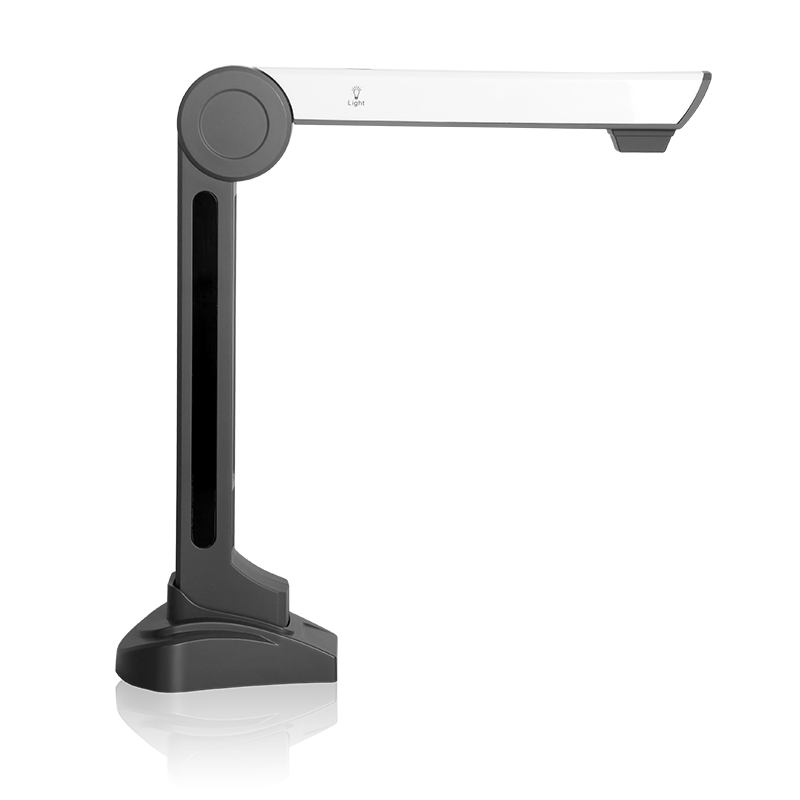
Eloam S500P 5MP Ultra Portable High-Speed OCR Document Scanner with USB SDK for School and Office Use in Stock
- 5MP
- USB SDK
- OCR
- School & office
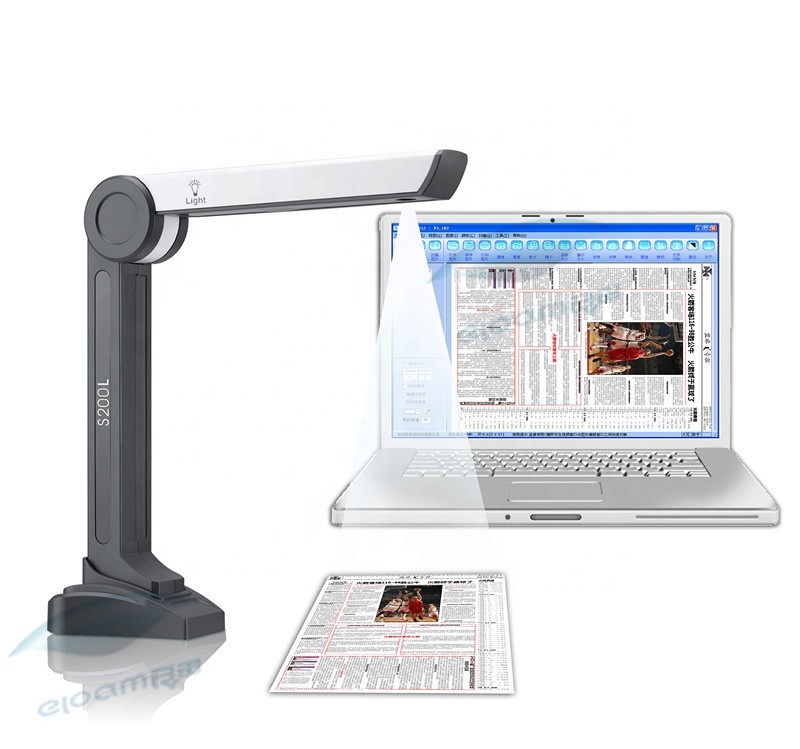
Eloam USB A4 Document Scanner with 1 Second Scan Speed CMOS Sensor 1600x1200 Resolution Gray 1-Year Warranty ABBYY OCR in Stock
- A4
- 1-second scan
- ABBYY OCR
- 1-year warranty
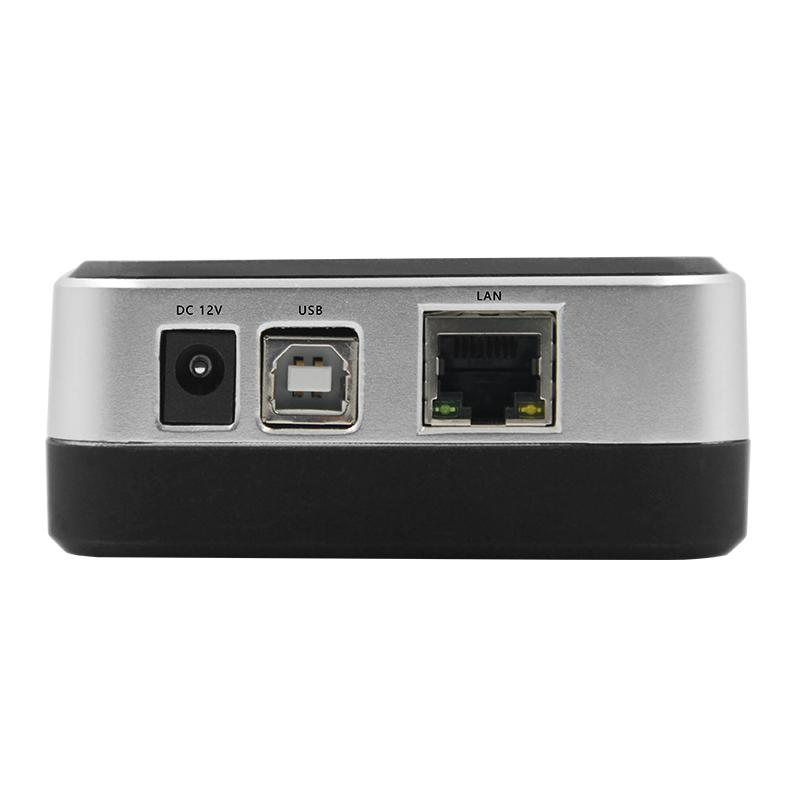
ELOAM VH800A3AF 8MP New Arrival High Speed Fast 1S Flatten Book A3 Portable USB Document Scanner in Stock
- 8MP
- A3
- 1-second
- Book flatten
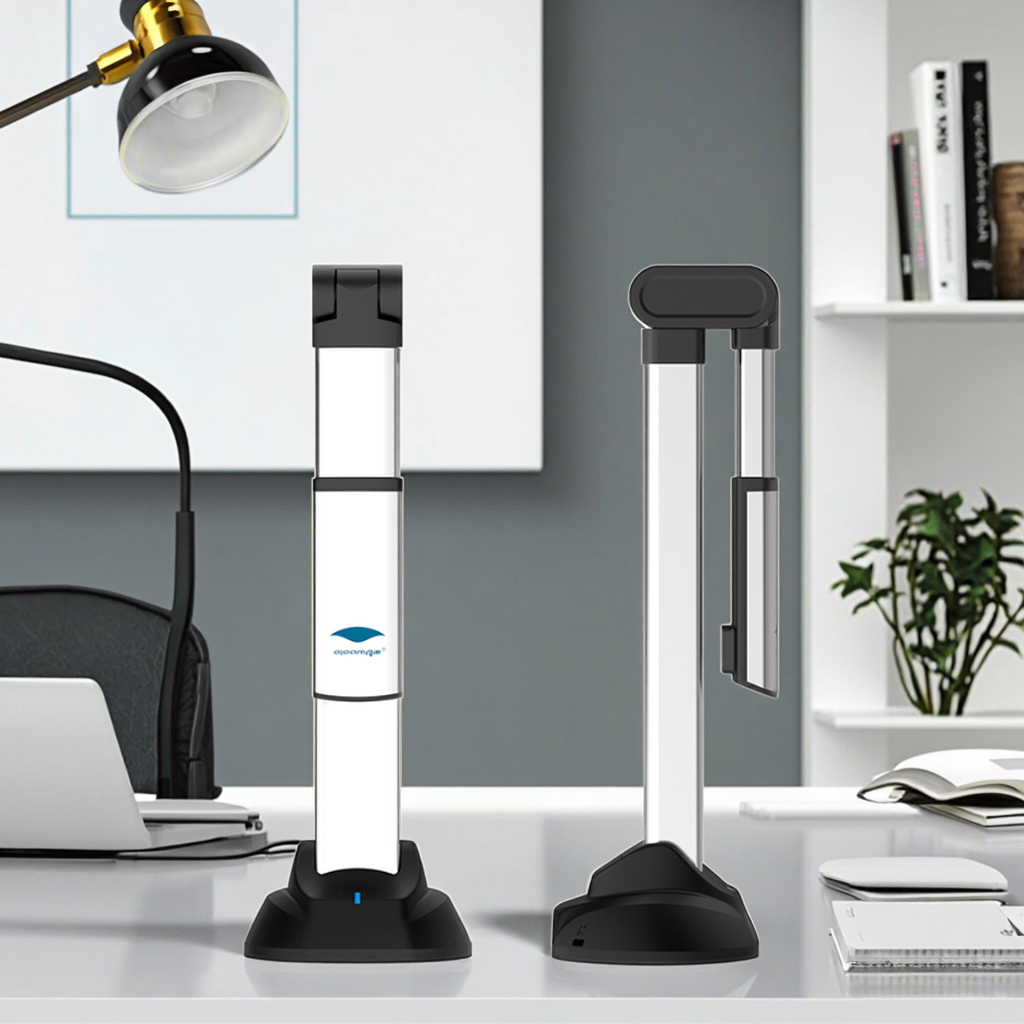
Eloam A2 Auto Focus Large Format Document Scanner 18 MP CMOS 5184x3456 USB LED Light Source
- A2
- 18MP
- Auto focus
- LED light
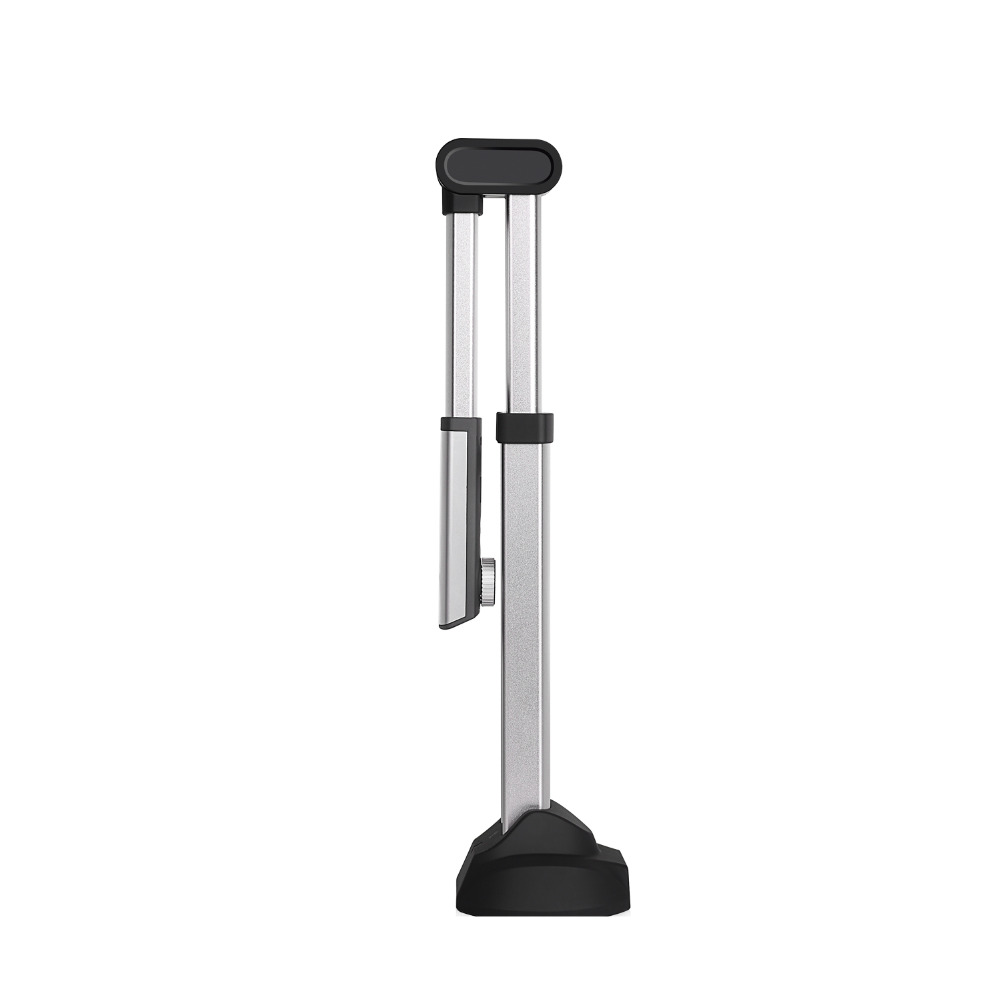
Eloam S1800A2 16MP USB 2.0 Document Camera A2 A3 Scanner 3264 x 2448 CMOS 180 Language OCR Natural Light LED
- 16MP
- A2/A3
- 180-language OCR
- USB 2.0
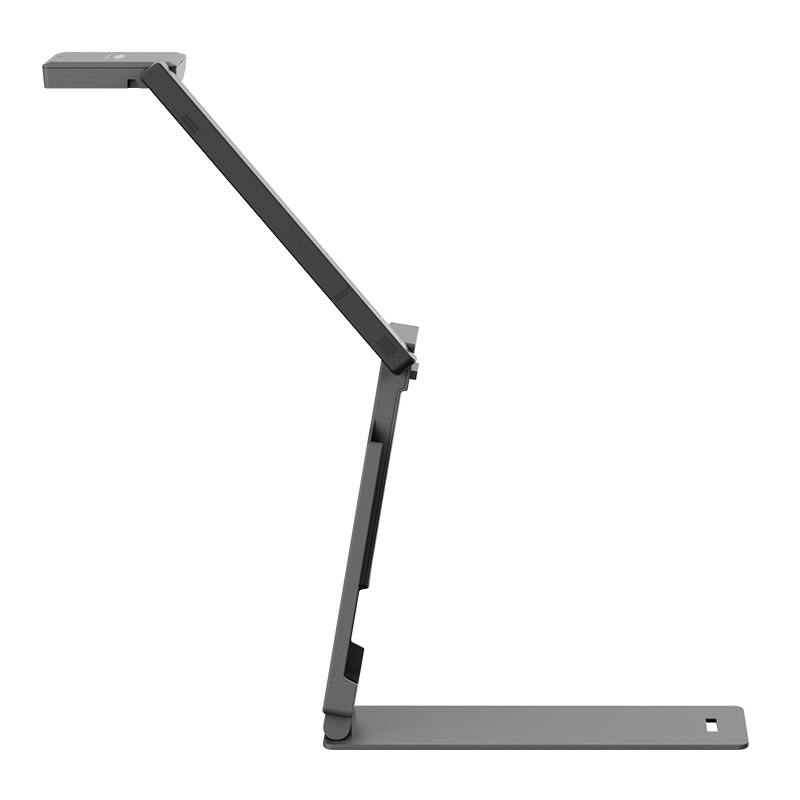
ELOAM VE1300A3AF 13.0MP Ultra HD USB Portable Document Camera & Scanner A3 Size for Teaching in Stock
- 13MP
- A3
- Teaching
- USB
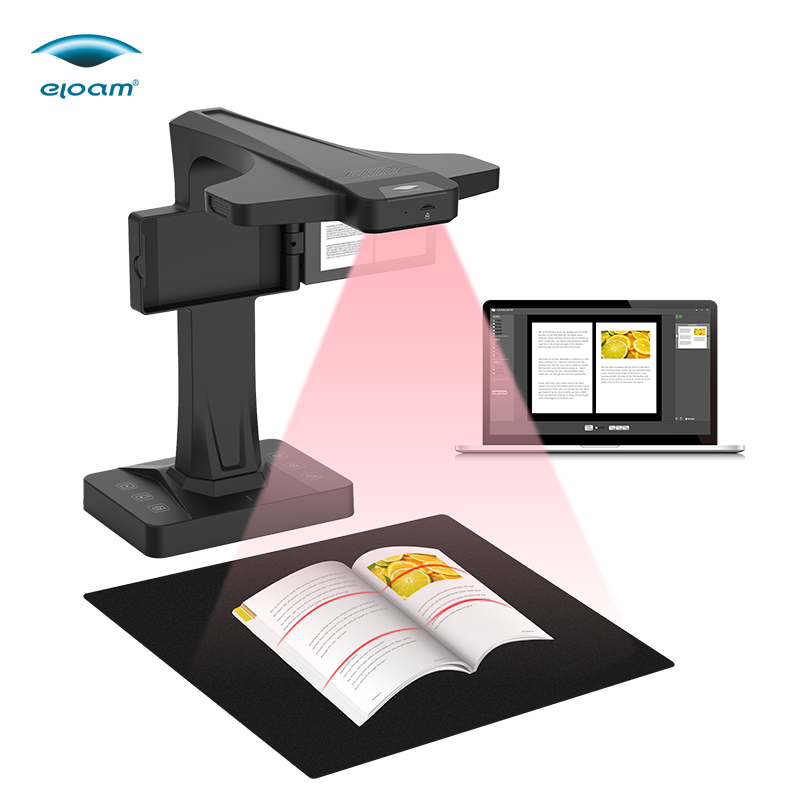
ELOAM 25MP High Speed Automatic Scanning Document Scanner with OCR USB Interface in Stock for Educational & Office Use
- 25MP
- Auto scan
- OCR
- Education & office
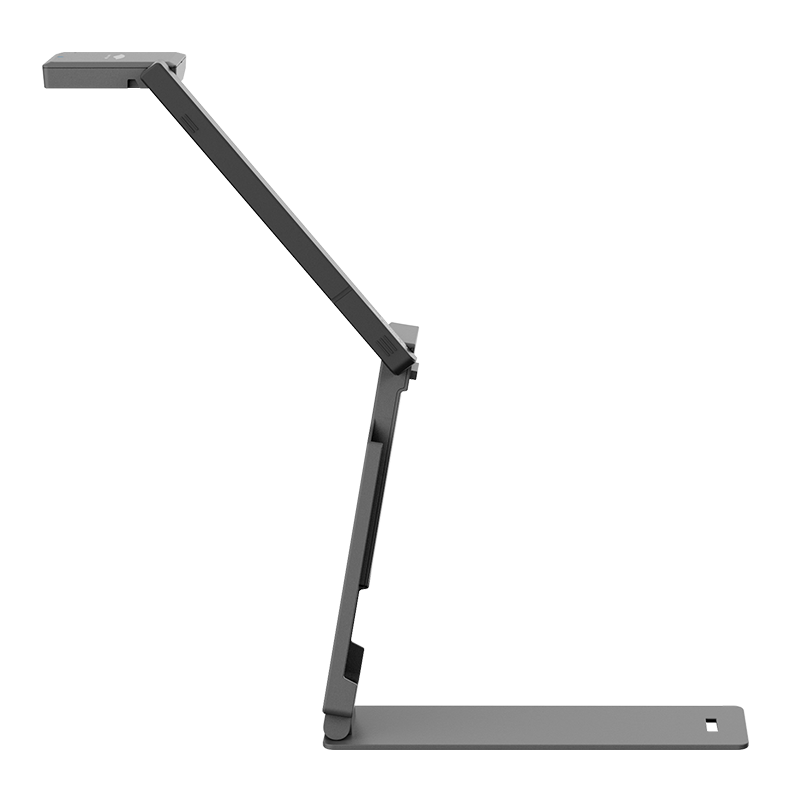
ELOAM VE1300A3AF 4K Document Camera 3-in-1 Scanner USB for Education Stock
- 4K
- 3-in-1
- USB
- Education
China Camera Scanner Sourcing: What Wholesalers Need to Know
Buyer intent for this category is rarely “a scanner” alone. It is usually a defined workflow: A4 passport capture at a bank counter, A3 book digitization in a library, 4K visualizers for hybrid teaching, or portable OCR scanners for mobile enrollment.
China is not one supply market. It is a dense ecosystem of optics, firmware, OCR software, plastics, packaging, certification and export logistics. The strongest China camera scanner supplier does more than quote a unit price. It helps a distributor reduce integration risk, shorten tender preparation and protect after-sales margin. A camera scanner, often called a document camera, visualizer, overhead scanner or book scanner, uses a CMOS sensor and lens above the document rather than a flatbed or automatic document feeder. That architecture creates different advantages: one-shot capture, non-contact handling of bound books, large A2/A3 coverage, live video for teaching, and a compact footprint for service counters.
For wholesalers, the practical question is not “which model has the highest megapixel count?” It is “which model fits the end user, the certification profile, the SDK requirement and the expected order pattern?” A 5MP portable scanner may be the right profit engine for school tenders, while an 18MP A2 model may win engineering and map accounts. A 25MP automatic scanner may suit high-volume office digitization; a 4K 3-in-1 document camera may be the better door-opener for education distributors. The information gain in this guide is the procurement logic behind those choices: sample testing, OCR language validation, software integration, compliance documents and lifecycle support.
Hobry, formally Shenzhen Hobry Technology Co., Ltd., has manufactured imaging hardware since 2005. The company runs 8 production lines in a 5,000–10,000 m² facility in Shenzhen, offers OEM/ODM and buyer-label service, and has been verified onsite by Intertek. Selected models support OCR in up to 180 languages, and an SDK is available for system integration. These are not decorative claims; they are the exact data points global buyers use when comparing a camera scanner wholesaler against catalog-only traders.
Why Camera Scanners Win in Document Capture Workflows
A camera scanner is not a universal replacement for every flatbed or ADF. It wins when the workflow values speed, non-contact handling, large format coverage or live video output.
Non-contact book capture
Overhead capture avoids pressing fragile paper or forcing a spine flat. V-shaped cradles, laser assistance and auto-curve correction help libraries digitize bound collections with less damage risk.
One-second counter rhythm
Banks, government counters and registration desks need repeatable capture without feeder jams. A camera scanner can frame an ID, passport, form or receipt and trigger OCR in a single step.
A2/A3 large format
Maps, engineering drawings, ledgers and site plans often exceed A4. A2 and A3 overhead models remove the need for a large flatbed and let distributors serve construction, utilities and archive accounts.
Portable and classroom-ready
USB-powered and foldable models fit teacher carts, mobile enrollment kits and home offices. 30FPS video and 4K output turn the same device into a live teaching visualizer.
Where Camera Scanner Technology Is Moving Next
Procurement plans should anticipate the next tender specification, not only the current price sheet. These four development directions are already shaping distributor catalogs.
AI-assisted OCR and cleanup
Auto-crop, de-skew, background flattening and multi-language OCR are becoming baseline expectations. Buyers will ask not only “Does it scan?” but “How clean is the searchable PDF after capture?”
4K video and optical zoom
Hybrid classrooms and lecture capture reward live video quality. Optical zoom preserves detail better than digital zoom; 4K and 30FPS models are moving from premium add-ons to mainstream education options.
Wireless and multi-interface
Wi-Fi, USB-C, HDMI and 3-in-1 modes reduce installation friction. Distributors can bundle the same visualizer into classroom, meeting-room and mobile-presentation scenarios.
Compact, low-carbon design
Foldable arms, lower standby power, durable housings and recyclable packaging matter to tenders with sustainability scoring. Smaller carton dimensions also improve container utilization and landed cost.
How Wholesalers Will Buy Camera Scanners Next
Price remains important, but the decision matrix is shifting toward compliance, integration and lifecycle support. These are the procurement trends smart distributors are already planning for.
Compliance-first sourcing
Buyers now request CE, selected FCC models, ISO 9001, a National High-Tech Enterprise certificate, software copyrights and third-party factory assessment before samples are approved.
SDK and software integration
System integrators evaluate whether the camera scanner can feed core banking, records management, learning platforms or archival systems. SDK availability and OCR output format become tender differentiators.
Flexible MOQ and private label
Distributors want mixed models, buyer-label packaging, housing color and firmware customization without holding excessive stock. OEM/ODM capability reduces the risk of long inventory cycles.
Lifecycle value over unit price
Warranty length, spare parts, firmware updates and technical documentation affect reseller margin. A lower unit price can become expensive if after-sales support is slow or undocumented.

Why Hobry Is a Practical China Camera Scanner Wholesaler
Founded in 2005, Shenzhen Hobry Technology Co., Ltd. began in digital video technology and grew into an imaging manufacturer for document scanners, book scanners, document cameras, visualizers and portable monitors. The company controls industrial design, optics and firmware R&D, software development, manufacturing and global sales in-house. That matters to wholesalers because customization decisions can be made by the people who actually build the product.
Hobry is a manufacturer with an integrated export team, not a catalog-only trading company. The factory has been verified onsite by Intertek, runs 8 production lines in a 5,000–10,000 m² facility and employs 101–200 people. As a National High-Tech Enterprise with independent intellectual property, software copyrights and patents, it combines ergonomic design, low-carbon office concepts and factory pricing for B2B buyers. Main markets include North America, Southeast Asia, Southern Europe and the Middle East, supported by 5 international exhibitions.
- OEM, ODM, design service and buyer-label service: logo, packaging, housing color, firmware and software UI.
- Factory QC covering incoming materials, in-process assembly and finished-product inspection.
- CE certified products, FCC on selected models, ISO 9001 and a standard 1-year warranty.
- SDK available on selected camera scanners for system integration projects.
20+ years of imaging R&D
Long product cycles in education, banking and archives require stable firmware and long-term spare-part planning. Two decades of imaging experience reduces trial-and-error.
Factory scale with flexibility
8 production lines and a 5,000–10,000 m² facility support both repeat wholesale orders and customized batches, while integrated export handling simplifies delivery terms.
In-house optics, software and SDK
Firmware, software UI, OCR settings and SDK integration can be customized by the same engineering team that develops the hardware, shortening project cycles.
Third-party verification
Intertek onsite factory verification, ISO 9001, high-tech enterprise status and software copyright registrations give procurement teams audit-ready documents.
OEM / ODM and buyer labels
Logo, packaging, housing color, firmware and software customization are available. That helps distributors build local brands without owning a factory.
Global B2B market experience
North America, Southeast Asia, Southern Europe and the Middle East are established markets, with trade-show experience and export documentation support.
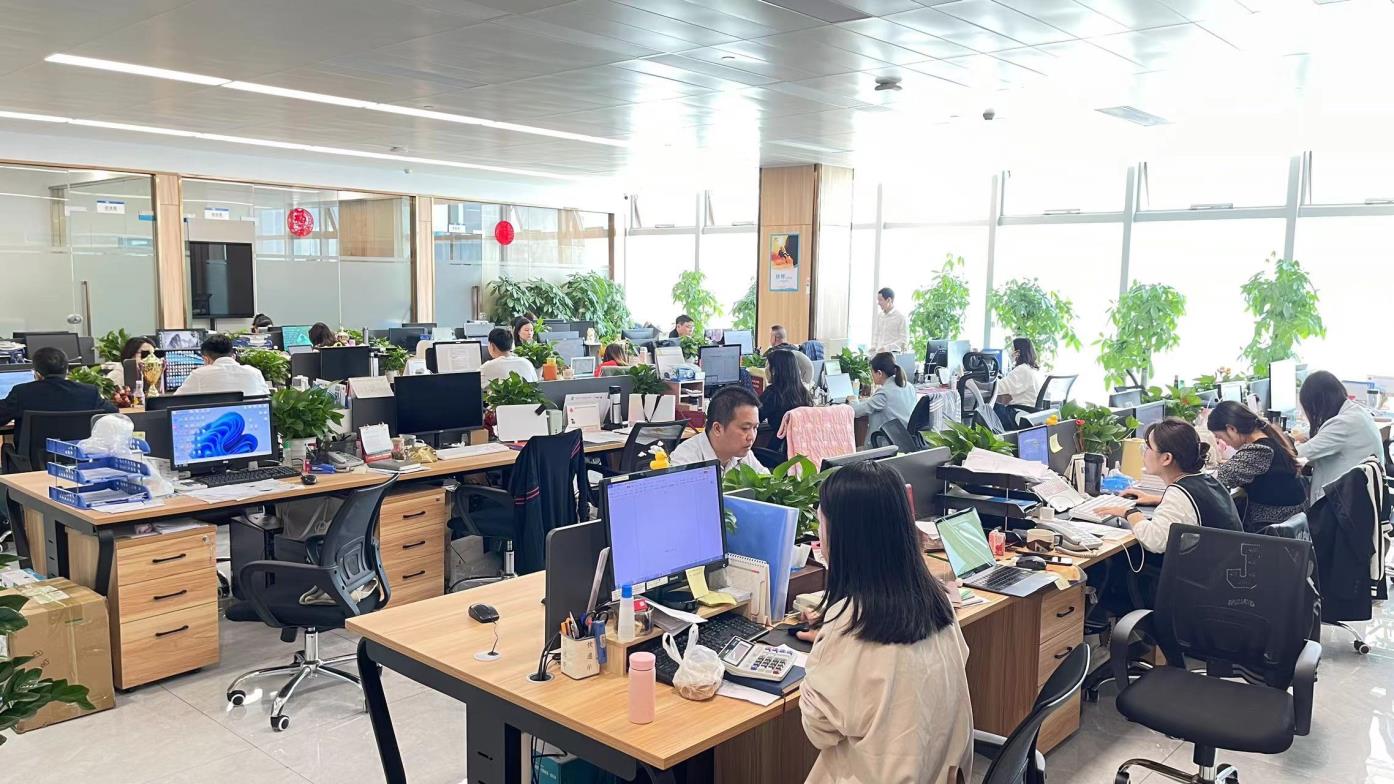
Production lines and assembly workflow
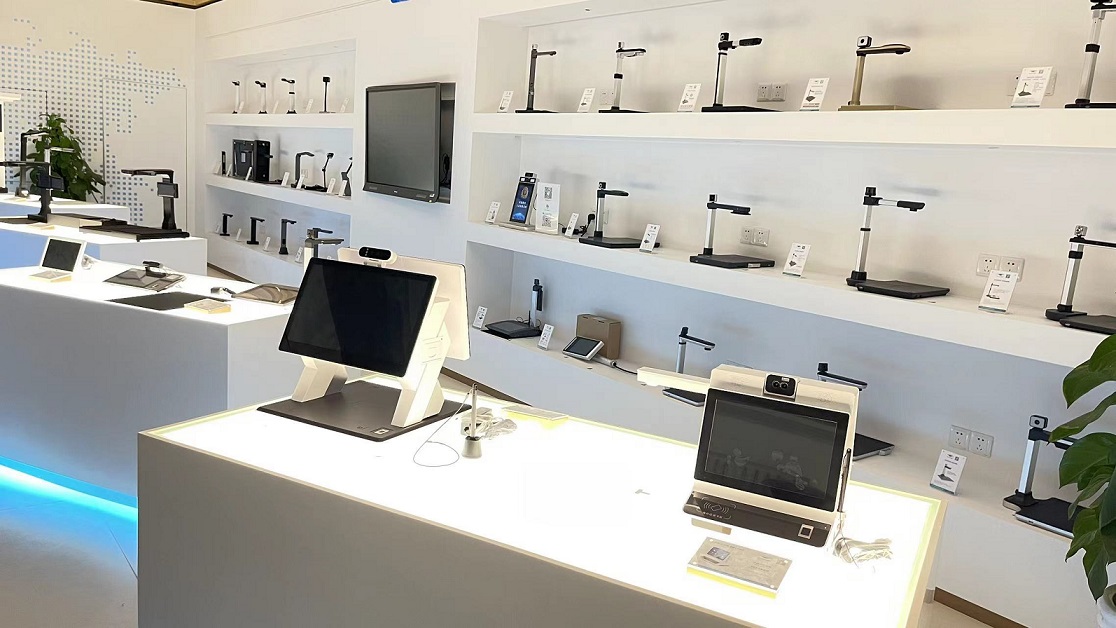
Company overview and capability documentation
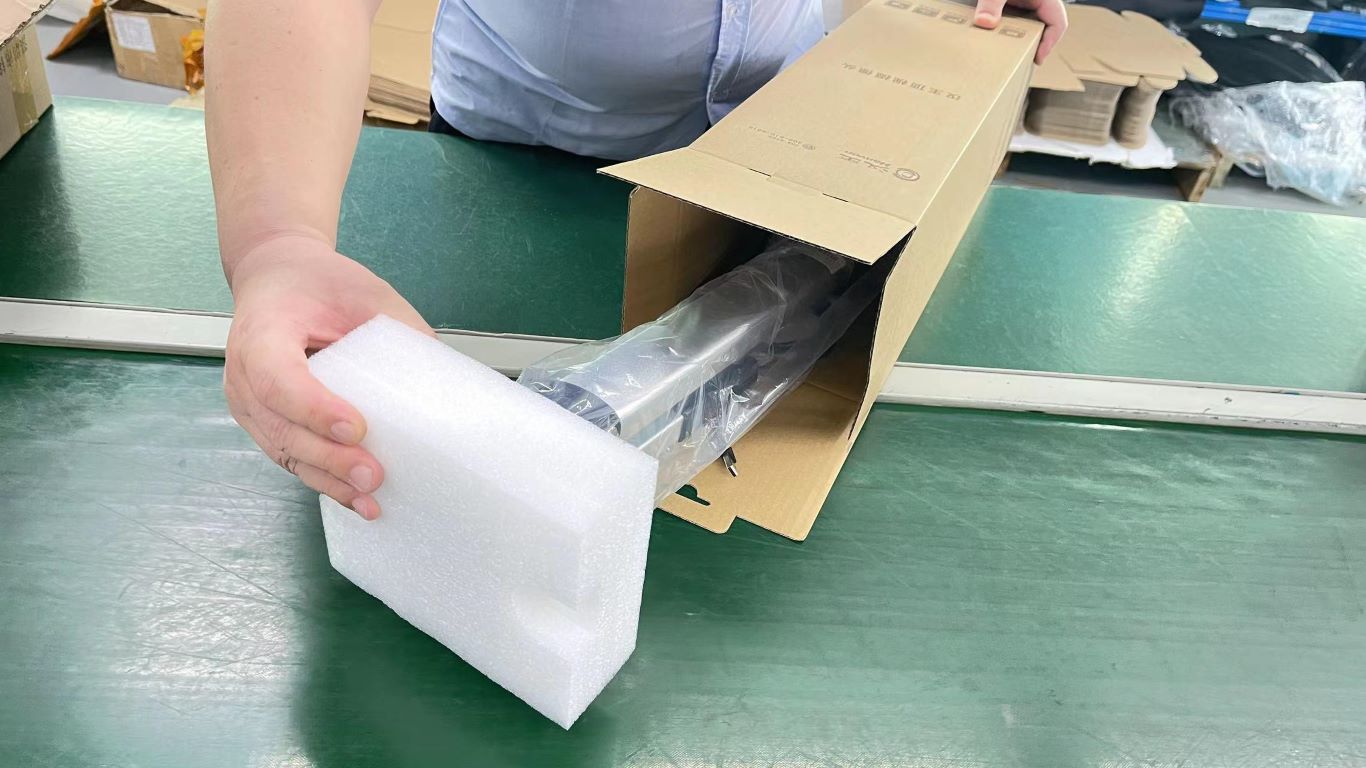
After-sales support and reseller service
How to Qualify a Camera Scanner Supplier Before You Order
Use the same four checks for an A4 office scanner, an A2 large-format camera or a 4K classroom visualizer. They expose the difference between a box seller and a long-term imaging partner.
Test your own documents
Do not approve a sample on a clean white sheet alone. Test invoices, passports, textbook spreads, glossy brochures, handwriting and low-contrast archive paper.
Validate OCR and software
Confirm target languages, output formats such as PDF, JPEG and TIFF, auto-crop behavior and the availability of an SDK. Check Windows support and selected macOS support.
Audit compliance documents
Collect CE documentation, selected FCC reports, ISO 9001, factory assessment records, software copyrights and warranty terms before entering a tender.
Model total cost
Compare sample cost, MOQ, packaging, spare parts, lead time, after-sales response and shipping terms. The lowest unit price is rarely the lowest landed cost.
Camera Scanner Procurement FAQ
Direct answers for wholesalers, distributors, tender teams and system integrators evaluating a China camera scanner supplier.
What is a camera scanner?
A camera scanner is an overhead imaging device that uses a CMOS sensor and lens to capture documents, books, objects or classroom demonstrations. It is also called a document camera, visualizer or overhead scanner.
Are you a manufacturer or trading company?
Shenzhen Hobry Technology Co., Ltd. is a manufacturer with an integrated export team. Founded in 2005, the company runs 8 production lines in a 5,000–10,000 m² facility and has been verified onsite by Intertek.
Can I order samples before a bulk order?
Most models are available as single-unit samples for evaluation. Bulk MOQ depends on the model and customization level and is confirmed in the quotation so buyers can align stock plans with tender schedules.
Do you offer OEM and ODM?
Yes. OEM, ODM, design service and buyer-label service include logo printing, custom packaging, housing color, firmware and software customization. An SDK is available on selected models for integration.
Which OCR languages and operating systems are supported?
Selected models support OCR in up to 180 languages with output to PDF, JPEG and TIFF. Windows is supported across the range; macOS is supported on selected large-format models. Confirm compatibility per model.
What certifications and warranty do you provide?
Products are CE certified, with FCC available on selected models. The company holds ISO 9001, a National High-Tech Enterprise certificate and software copyright registrations. Standard warranty is 1 year.
Which payment and delivery terms are accepted?
Payment terms include T/T, L/C, PayPal and Western Union in USD. Delivery terms include FOB, CFR, CIF and EXW. The final combination depends on order value, destination and production schedule.
How is quality controlled before shipment?
Production runs on 8 lines with incoming material checks, in-process inspection and finished-product QC. The factory has been inspected onsite by Intertek; product certification and warranty terms are documented per order.
How do I choose A4, A3 or A2?
A4 suits office documents, ID cards and passports. A3 handles books, ledgers and larger forms. A2 is better for maps, engineering drawings and oversized archive material. Match the scan area to the end user before comparing price.
Planning a Camera Scanner Wholesale Program?
Send your scan size, estimated quantity, OCR language, target market and OEM requirements. Our engineers will recommend a model, confirm sample availability and outline the right configuration for your tender or distribution channel.