Why “Top 10” Now Means Export Readiness, Not Catalogue Size
Buyers no longer search for a scanner alone. They search for a supplier who can prove factory status, explain OCR coverage, support SDK integration, customise packaging and ship under predictable terms.
Search behaviour has changed. A procurement manager who types “top 10 optical scanner exporters and wholesaler” is usually comparing risk, not browsing a directory. The real questions behind the query are: who manufactures the hardware, who controls firmware and software, which models are genuinely in stock, what certifications travel with the shipment, and how quickly can a sample become a repeatable wholesale programme?
This white paper is written from the perspective of Shenzhen Hobry Technology Co., Ltd., a manufacturer with integrated export operations since 2005. It deliberately adds information gain: the procurement signals that separate a reliable optical scanner wholesaler from a catalogue reseller, the models that fit common B2B use cases, the development trends shaping the next buying cycle and the factory evidence that shortens supplier qualification.
The Top 10 is therefore presented as ten evaluation signals, followed by eight in-stock model recommendations from the current ELOAM and Hobry product range. This structure matches how B2B buyers actually move from research to inquiry: capability first, model second, sample third, purchase order last.
Top 10 Procurement Signals That Separate Reliable Optical Scanner Wholesalers
Use these signals to compare exporters before requesting a quotation. They are deliberately practical: each one changes sample risk, tender compliance or total cost of ownership.
Onsite factory verification
Intertek or equivalent inspection data should confirm premises, production lines, QC process and legal status — not just a marketplace badge.
In-house R&D stack
Ask whether optics, firmware, software and mechanical design sit inside the factory. Outsourced engineering increases change-order risk.
OCR and SDK fit
For tenders, confirm language coverage and output formats such as PDF, JPEG and TIFF. SDK availability matters for system integrators.
Scan area and throughput
A4, A3 and A2 requirements must match daily page volume. One-second capture and auto-crop directly reduce labour cost per document.
Optical vs digital zoom
Optical zoom preserves detail for fine print, lab specimens and circuit boards. Digital zoom enlarges pixels and weakens usable information.
OEM/ODM depth
Logo, housing colour, packaging, firmware and SDK integration should be priced and scheduled before the purchase order, not after.
Certification package
CE, FCC on selected models, ISO 9001, software copyrights and clear warranty terms shorten legal and quality review.
QC and capacity
Production capacity and incoming, in-process and final inspection matter when a tender has a fixed delivery date.
Export terms
FOB, CFR, CIF and EXW options, plus T/T, L/C, PayPal and Western Union support, fit different regional buying models.
Sample and after-sales path
Single-unit samples, technical documentation, spare-parts planning and responsive support reduce the risk of a pilot becoming a write-off.
8 In-Stock Optical Scanner & Document Camera Models for Wholesale Programmes
These models cover office scanning, book digitization, classroom visualizers, archive capture and mobile productivity. Product URLs are preserved for direct evaluation.
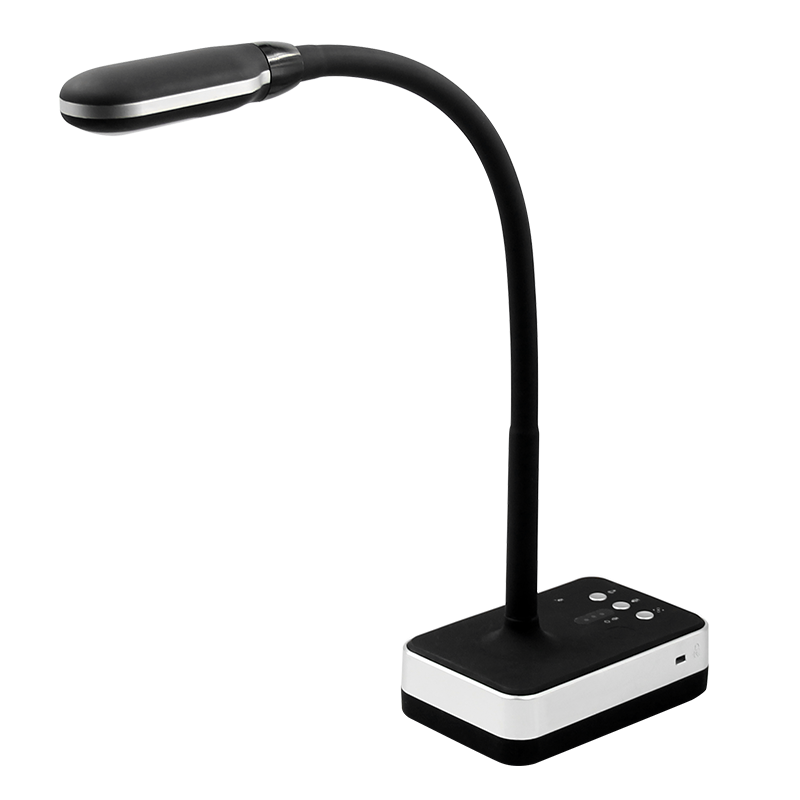
ELOAM VH802A3AF USB for Document Camera OCR High-Speed Scanner 8MP Resolution A3 Size in Stock
A production-ready 8MP A3 document camera for OCR-driven capture at service counters, classrooms and back-office digitization stations. USB connectivity, fast focus and in-stock availability make it a practical SKU for wholesalers supplying education and government tenders. Pair it with SDK options for workflow integration, custom packaging and buyer-label programmes.
- 8MP
- A3
- OCR
- USB
- In stock
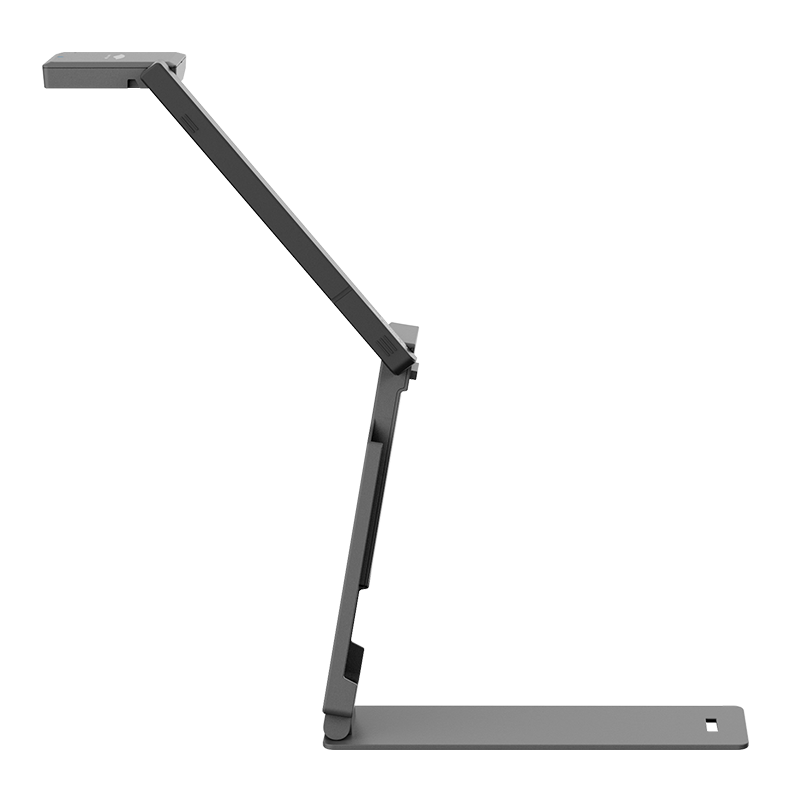
ELOAM VE1300A3AF 4K Document Camera 3-in-1 Scanner USB for Education Stock
A 4K visualizer that functions as a document camera, scanner and webcam — one device for hybrid classrooms, lecture capture and remote demonstration. The 3-in-1 architecture reduces the number of SKUs a distributor must stock while giving end users a familiar USB workflow. Ideal for education tenders that require high-resolution live video and still-image capture.
- 4K
- 3-in-1
- USB
- Education
- Stock
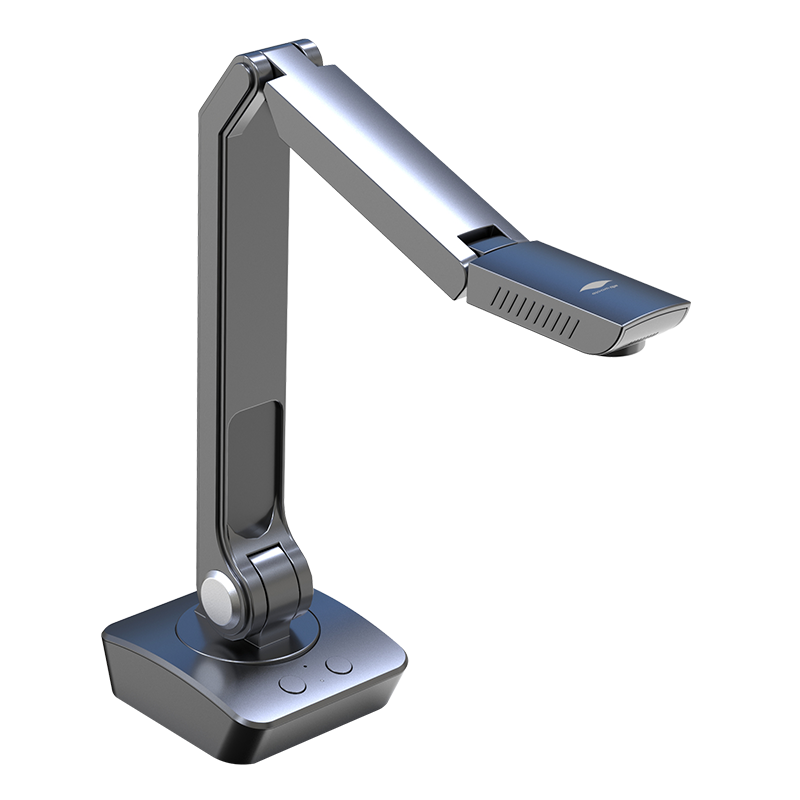
ELOAM V801A3AF A3 Portable Document Camera with USB Interface OCR Function for School & Office Meetings in Stock
A portable A3 USB document camera with OCR for schools, meeting rooms and mobile service teams. The foldable form factor supports rapid deployment where fixed scanners are impractical, and the A3 capture area covers forms, textbooks and large-format documents. A strong candidate for wholesalers targeting portable digitization and field-office use cases.
- A3
- Portable
- OCR
- USB
- In stock
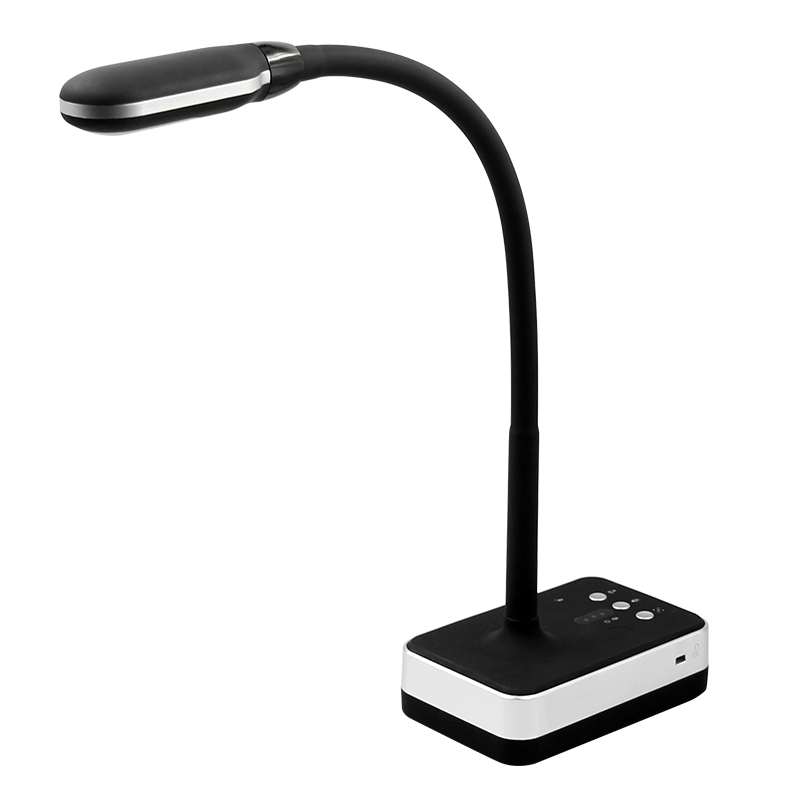
ELOAM VH800AF 8MP A4 CMOS Foldable Overhead Document Scanner with Camera & Video Recorder USB Interface in Stock
An 8MP A4 CMOS overhead scanner with foldable arm, camera and video recording over USB. Built for day-to-day document capture, it fits teller counters, reception desks and compact office spaces. Distributors can position it as an entry-to-mid A4 OCR solution with low training overhead and dependable spare-parts availability.
- 8MP
- A4
- CMOS
- Foldable
- Video recording
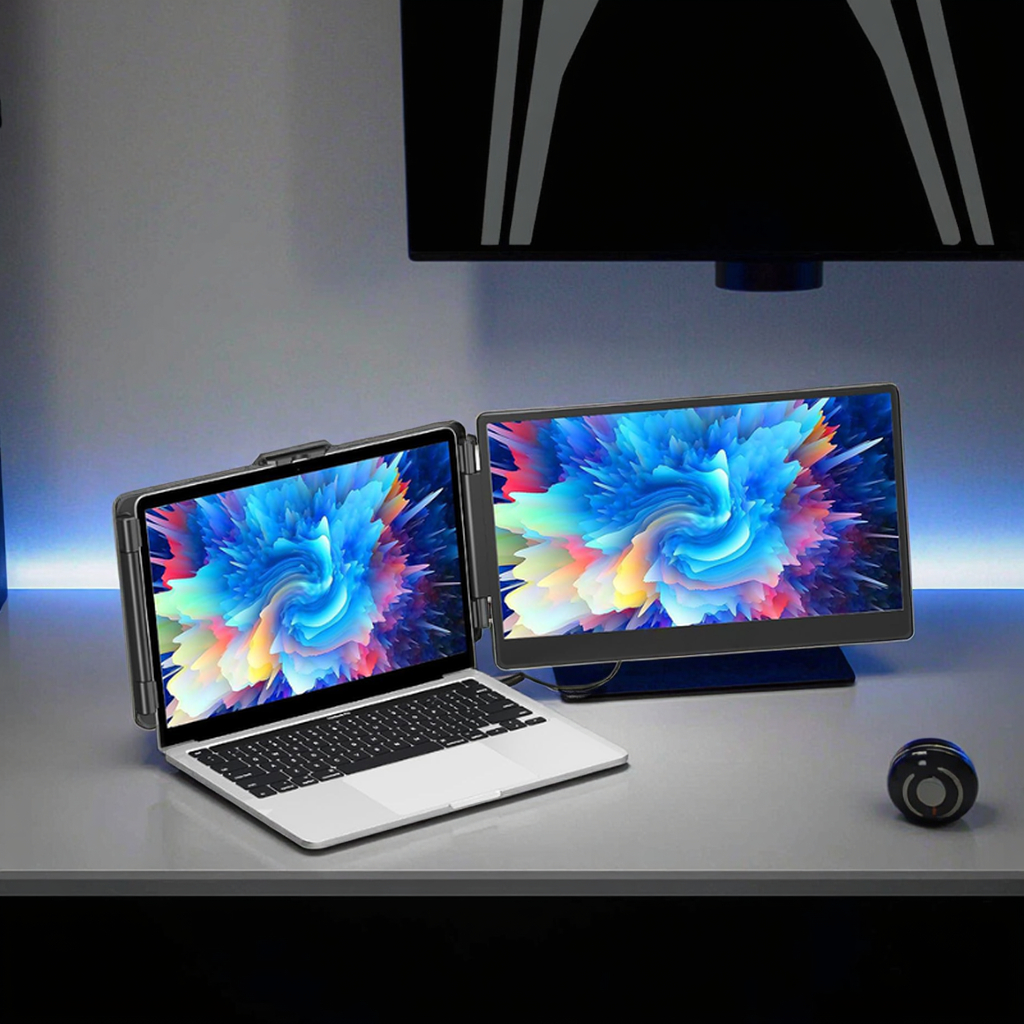
Factory Direct 14 Inch Portable IPS Panel LCD Monitor Type C Plug & Play Windows Mac 1920x1080 Resolution Business Series 60Hz
A 14-inch 1080p IPS portable monitor with Type-C plug-and-play support for Windows and macOS. In a scanner wholesale programme, it works as an attachable review display for document camera stations, or as a standalone mobile productivity SKU. The 1920×1080 resolution and 60Hz panel keep text and scanned pages sharp.
- 14 inch
- 1080p IPS
- Type-C
- Windows / Mac
- 60Hz
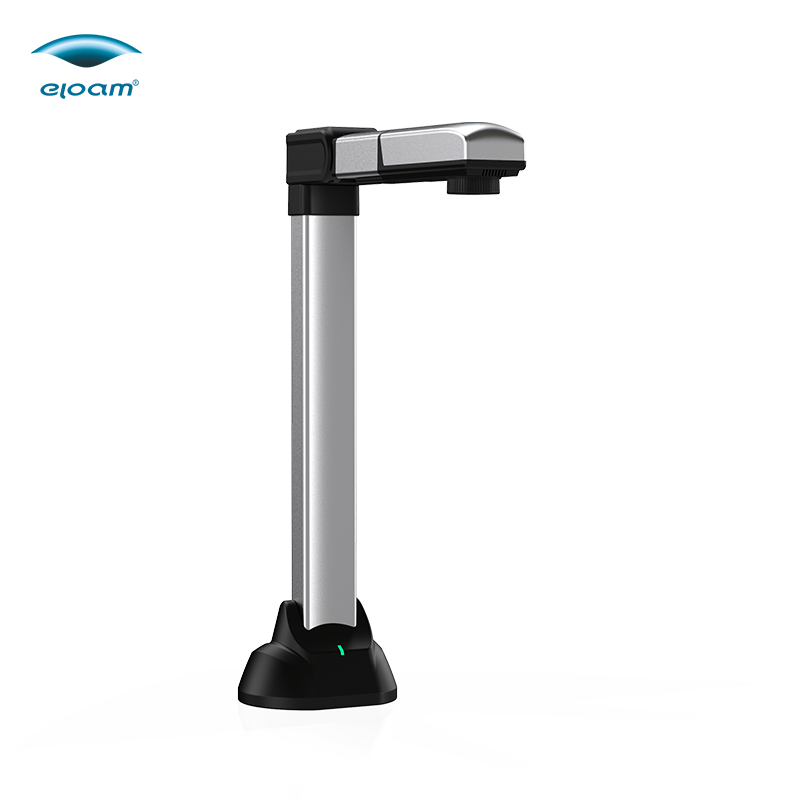
ELOAM Portable High Resolution 5184x3456 High Speed Automatic Book Document Scanner OCR Processing USB Interface A3 Document
A high-resolution A3 book and document scanner designed for automatic capture and OCR processing over USB. The 5184×3456 output gives libraries, archives and university buyers enough detail for preservation-grade digitization. Its portable format supports project-based deployments where a fixed V-cradle scanner is not practical.
- 5184×3456
- A3
- Book scanner
- OCR
- USB
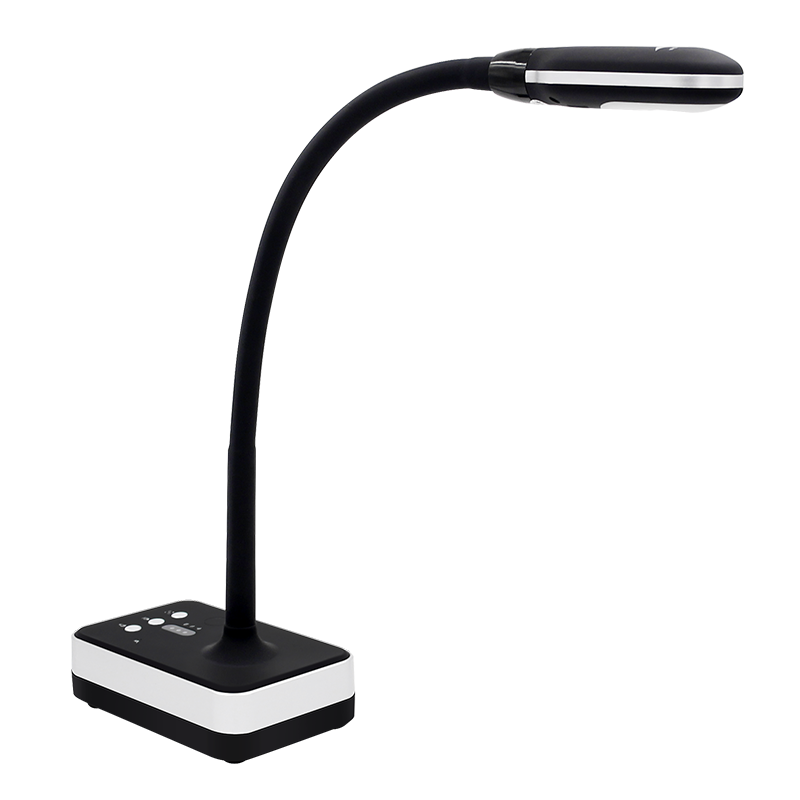
ELOAM VW1000A3AF High Speed Portable A3 Intelligent Archive Automatic Document Camera Scanner USB Interface in Stock
A high-speed portable A3 intelligent archive document camera scanner with USB interface. It is aimed at busy archive rooms and registration desks that need fast page turnover, automatic crop and searchable PDF output. For wholesalers, the model fills the gap between compact A4 scanners and heavier book-scanning systems.
- A3
- High speed
- Auto archive
- USB
- In stock

ELOAM 3-in-1 Document Scanner USB A3 5MP FPDA Handheld Camera Control Buttons Digital Document Camera
A 3-in-1 document scanner with USB, A3 5MP capture and handheld camera control buttons. The integrated control layout is useful for classrooms, training rooms and counters where operators switch between documents, objects and live demonstration. It gives distributors a lower-cost visualizer SKU without sacrificing A3 coverage.
- 3-in-1
- A3
- 5MP
- USB
- Control buttons
What the Next Generation of Optical Scanners Will Deliver
Hardware procurement is moving toward fewer devices, higher-resolution live video and local processing. These shifts affect which models wholesalers should stock next.
Optical zoom plus AI-assisted framing
AI framing will automate crop, deskew and focus, but the lens remains the quality ceiling. Buyers will ask for optical zoom, real-time processing and local firmware updates instead of cloud-only features.
4K and 30fps become baseline
Hybrid classrooms and recorded lectures are pushing 4K and 30fps from premium to mainstream. Wholesalers should prepare 4K visualizer bundles with USB-C, HDMI and microphone support.
Edge OCR and privacy-first processing
Public-sector buyers increasingly ask where OCR happens. Edge processing on the device or local software reduces data-transfer risk and supports privacy reviews without slowing capture.
Multi-modal 3-in-1 devices
Schools and banks want fewer devices. A document camera that doubles as webcam, scanner and presentation tool reduces installation time and SKU complexity for distributors.
Book-safe scanning hardware
Laser-assisted flattening, V-shaped cradles and preview screens remain differentiators in libraries, archives and university digitization. The objective is preservation-grade output without spine damage.
Portable monitor bundles
Scanner deployments increasingly include a review display or mobile workstation. Bundling 14-inch IPS monitors with capture hardware creates higher-value wholesale kits for field offices and mobile service teams.
What Wholesalers Will Demand Through 2030
The supplier shortlist is becoming evidence-led. Price still matters, but sample speed, compliance evidence and customisation depth now decide whether a quotation becomes a programme.
Evidence-led discovery
RFPs are shifting from brand-name lists to verifiable capability. Exporters that publish factory inspection, certifications, trade capacity and traceable specifications will be shortlisted faster.
Total cost of ownership
Unit price matters, but OCR accuracy, failure rate, spare-parts lead time, packaging protection and training materials determine the real cost of a scanner fleet.
Regional compliance
Language coverage, CE/FCC requirements, voltage, plug type and data-handling policies vary by market. Modular firmware and documentation are becoming procurement requirements.
Customisation before scale
Buyers want a low-risk sample path before committing to OEM/ODM. Factories that support single-unit samples, pilot batches and staged tooling will win long-term programmes.
Observed Procurement Priority Weights in B2B Scanner Projects
Based on common buyer questions in export quotations, these weights show where evidence and technical clarity influence supplier selection most strongly.
Why Hobry Is an Export-Ready Optical Scanner Wholesaler
Manufacturing depth is the difference between a supplier that can support a tender and one that only forwards inquiries. Hobry controls design, optics, firmware, software, assembly and export support in-house.
Shenzhen Hobry Technology Co., Ltd. began in 2005 in digital video technology and grew into a specialist in high-speed portable document scanners, book scanners, document cameras (visualizers) and portable extender monitors. The company is a manufacturer with an integrated export team, not a trading shell.
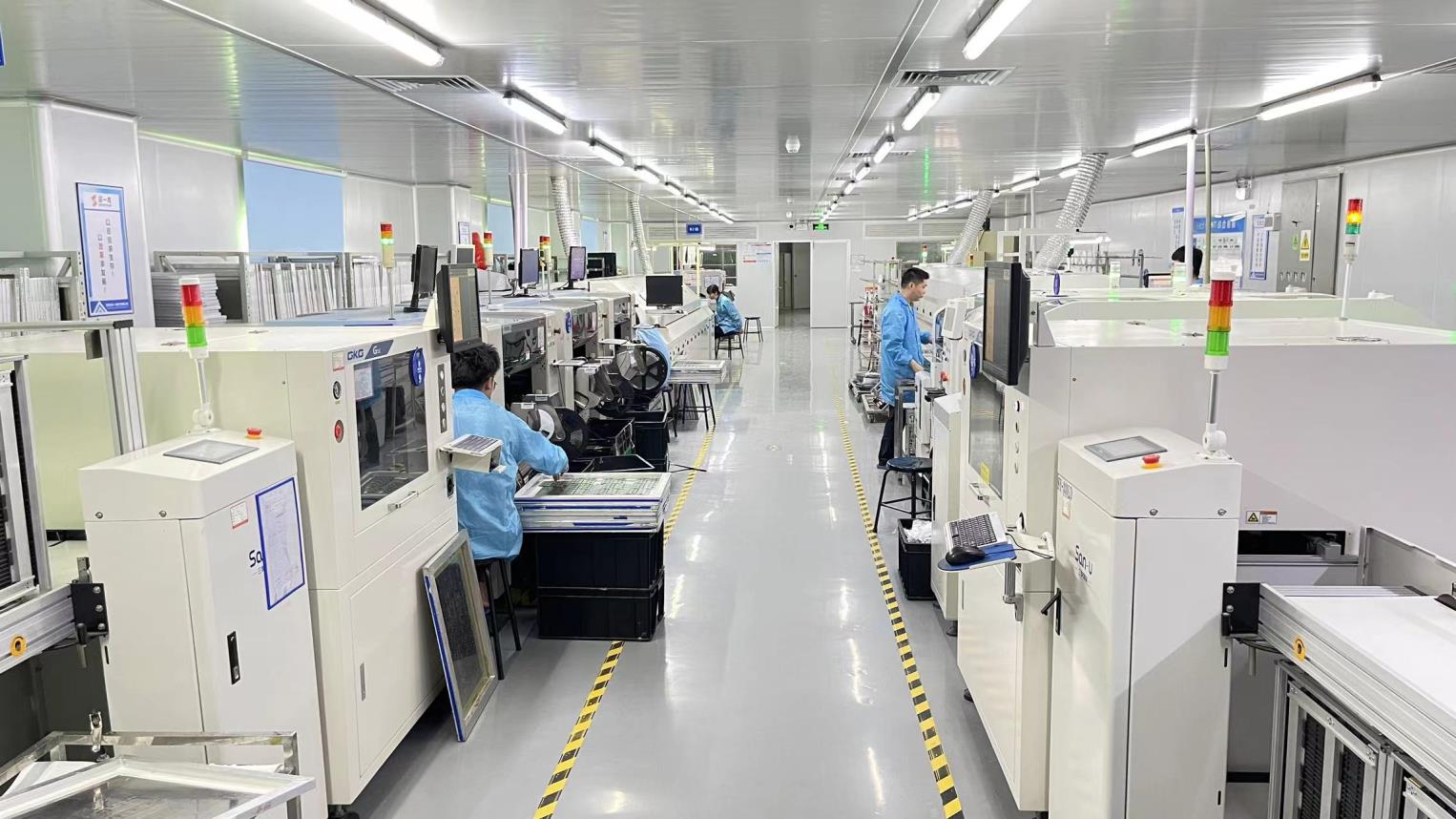
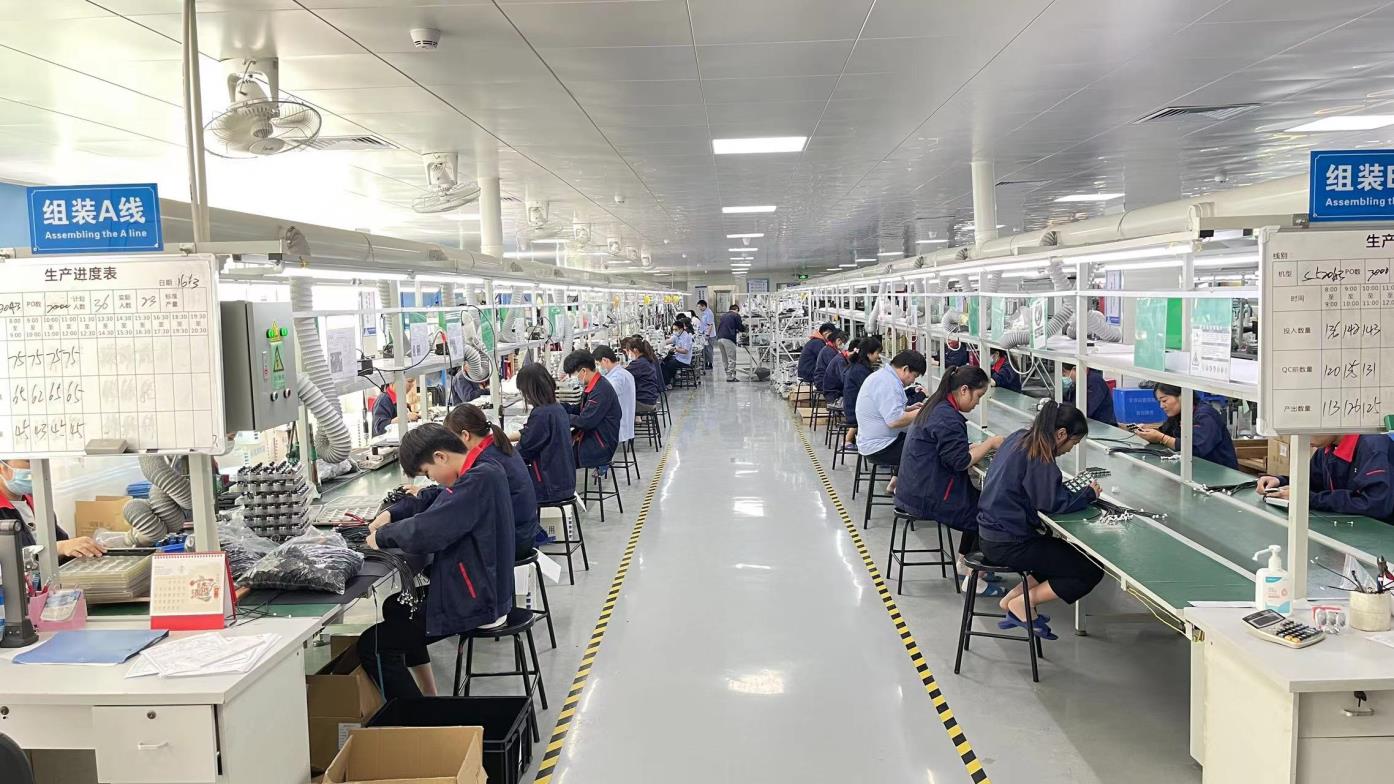
Our factory has been verified onsite by Intertek, with premises, production capability, quality control and legal status inspected. We operate 8 production lines in a 5,000–10,000 m² facility with 101–200 employees. As a National High-Tech Enterprise holding software copyrights and patents, we combine ergonomic design, low-carbon office concepts and reliable hardware at competitive factory prices.
OEM and ODM are core services rather than add-ons. We support logo printing, custom packaging, housing colour, firmware, software UI and SDK integration on selected models. Standard payment terms include T/T, L/C, PayPal and Western Union in USD, while delivery can be arranged under FOB, CFR, CIF or EXW.


Intertek onsite verification
Independent inspection confirms our factory status, production capability, quality-control process and finished-product inspection. This is the kind of evidence procurement teams can review before a sample request.
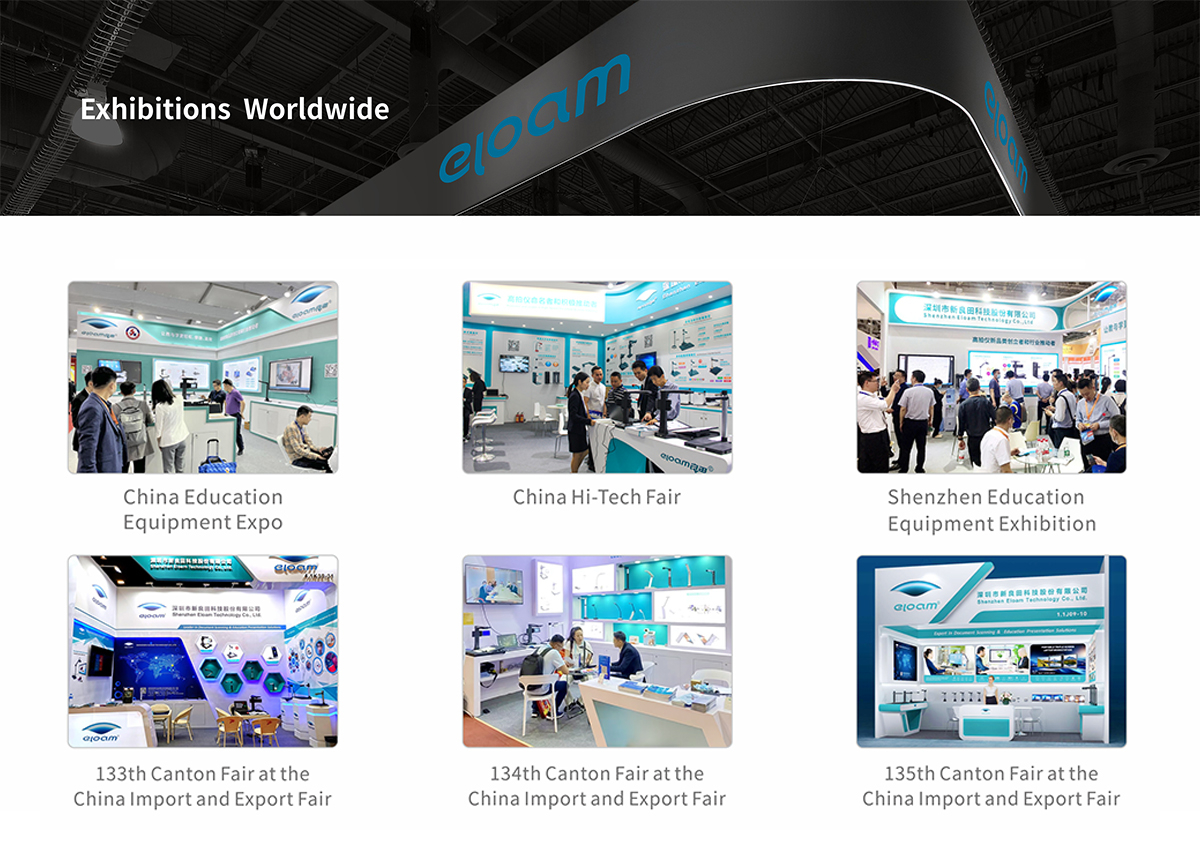
Global trade and export support
Five international exhibitions, established distributor relationships and multilingual sales support help shorten the distance between a catalogue inquiry and a repeatable wholesale programme. Samples are available on most models for evaluation.
20+ years of imaging experience
Founded in 2005, we have accumulated deep product knowledge in document capture, visualizers, book scanning and portable monitors — a practical advantage when buyers need model matching.
In-house R&D and software
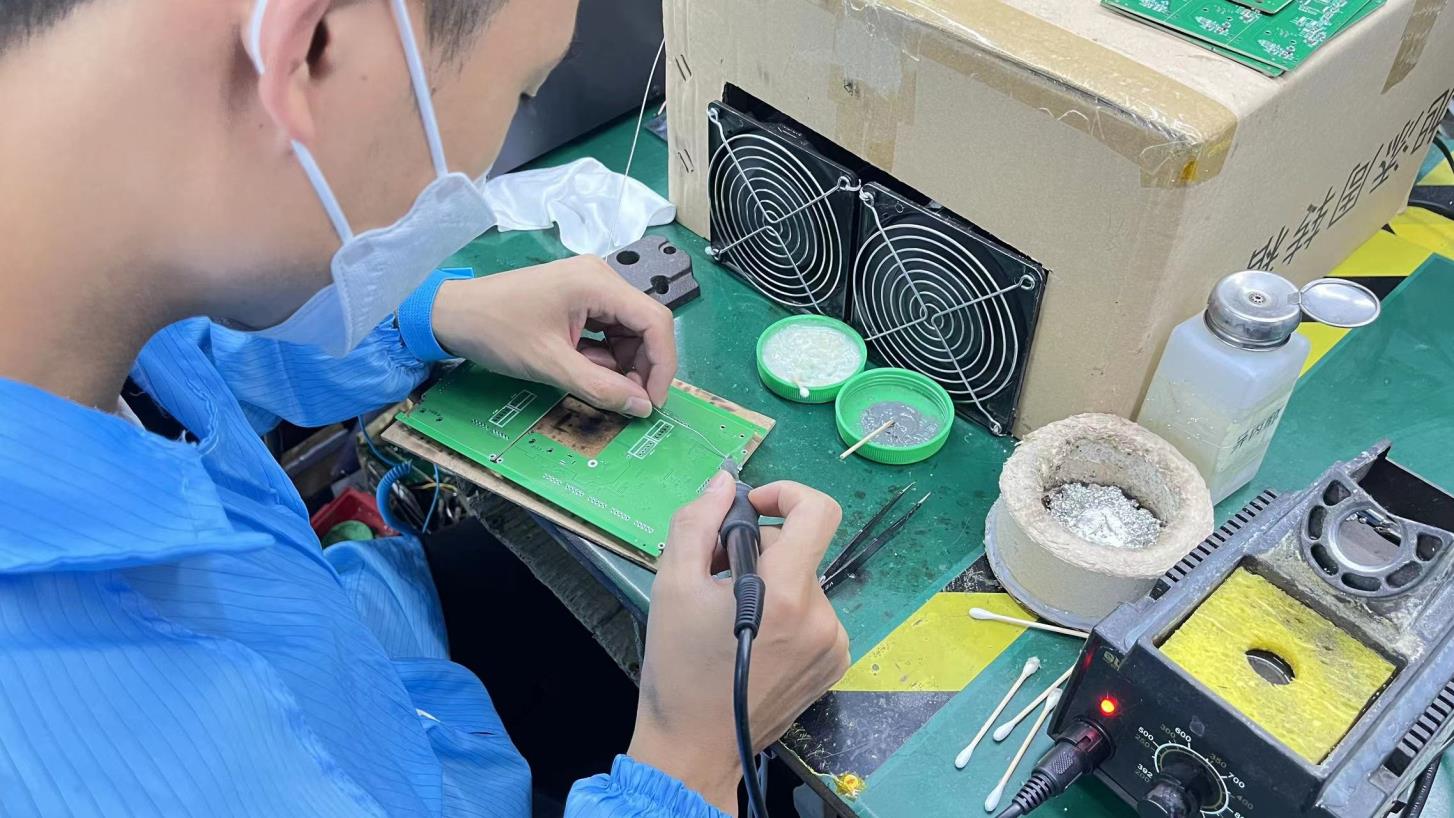
Industrial design, optics, firmware and software teams work under one roof. That makes customisation feasible instead of simply relabelling an existing box.
Verified manufacturing base
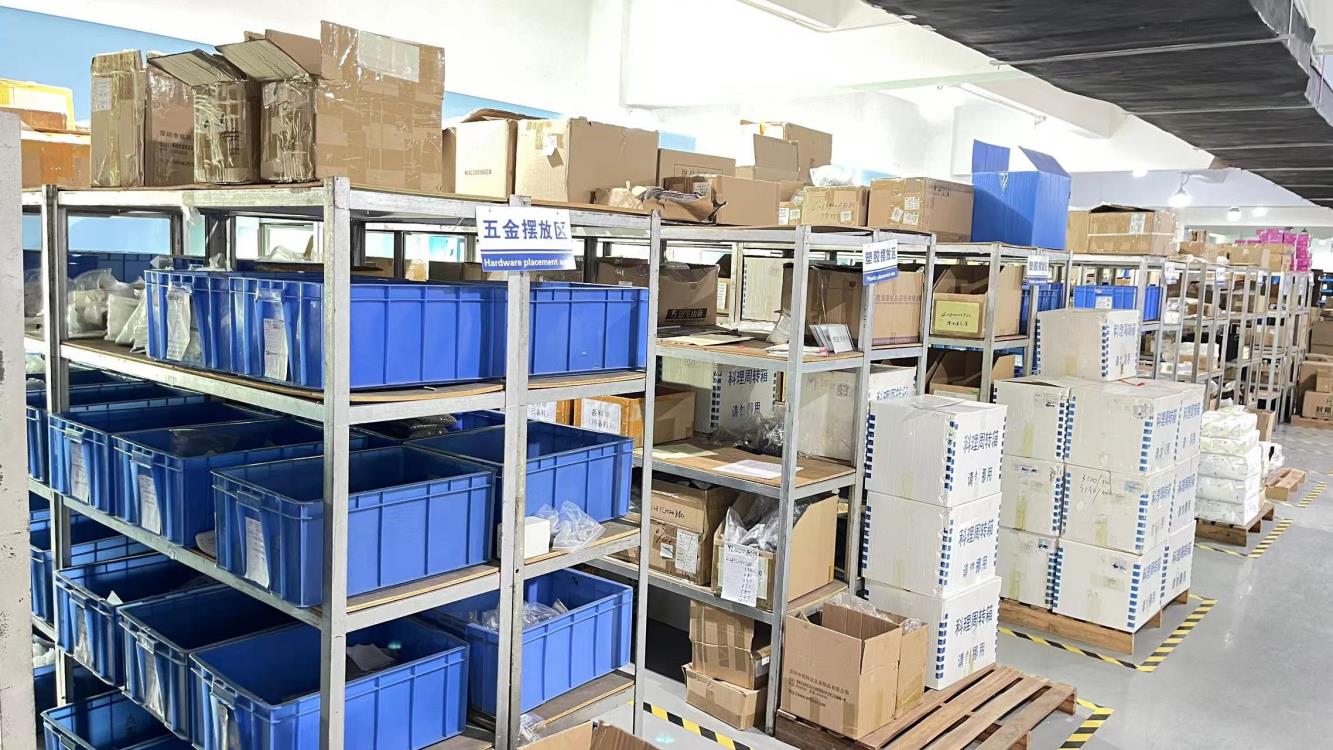
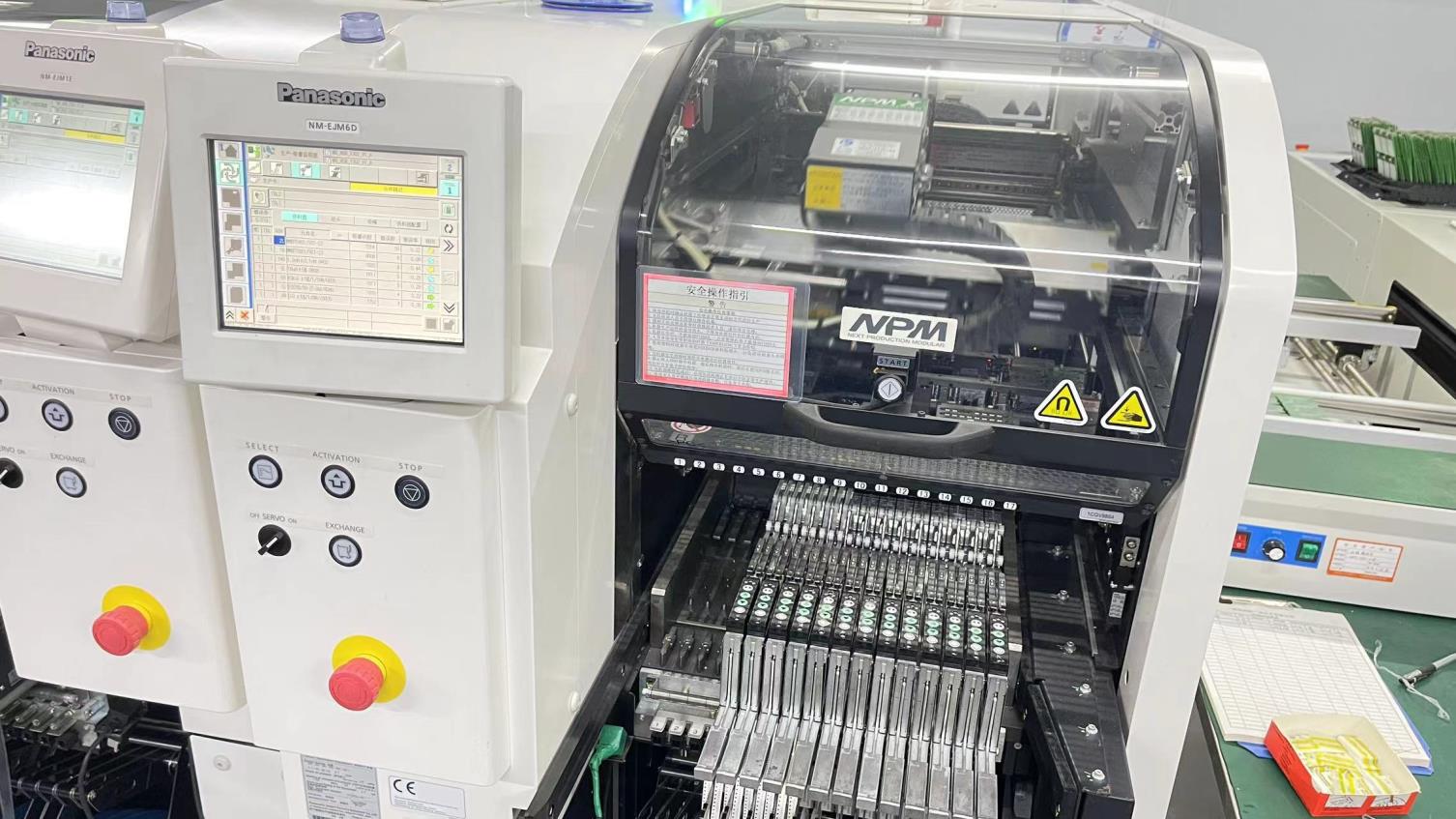
Eight production lines and an Intertek-verified facility provide the capacity and documentation needed for distributor programmes, tender deliveries and staged rollouts.
OEM / ODM and SDK support
Logo, packaging, housing colour, firmware, software UI and SDK integration are available on selected models, supporting both private-label brands and system integrators.
Export terms and payment flexibility
T/T, L/C, PayPal and Western Union in USD, with FOB, CFR, CIF and EXW delivery terms. This flexibility helps distributors serve different regional channels.
Sample-first, documentation-led
Most models are available as single-unit samples. Technical documentation, model confirmation and spare-parts planning reduce the risk of a pilot programme becoming a dead SKU.
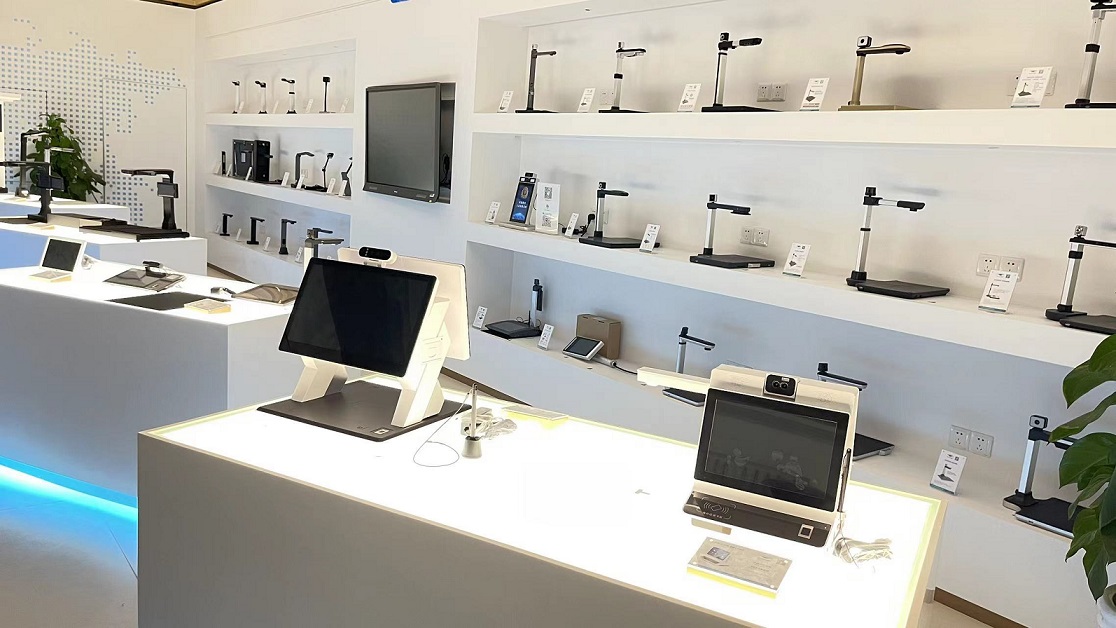
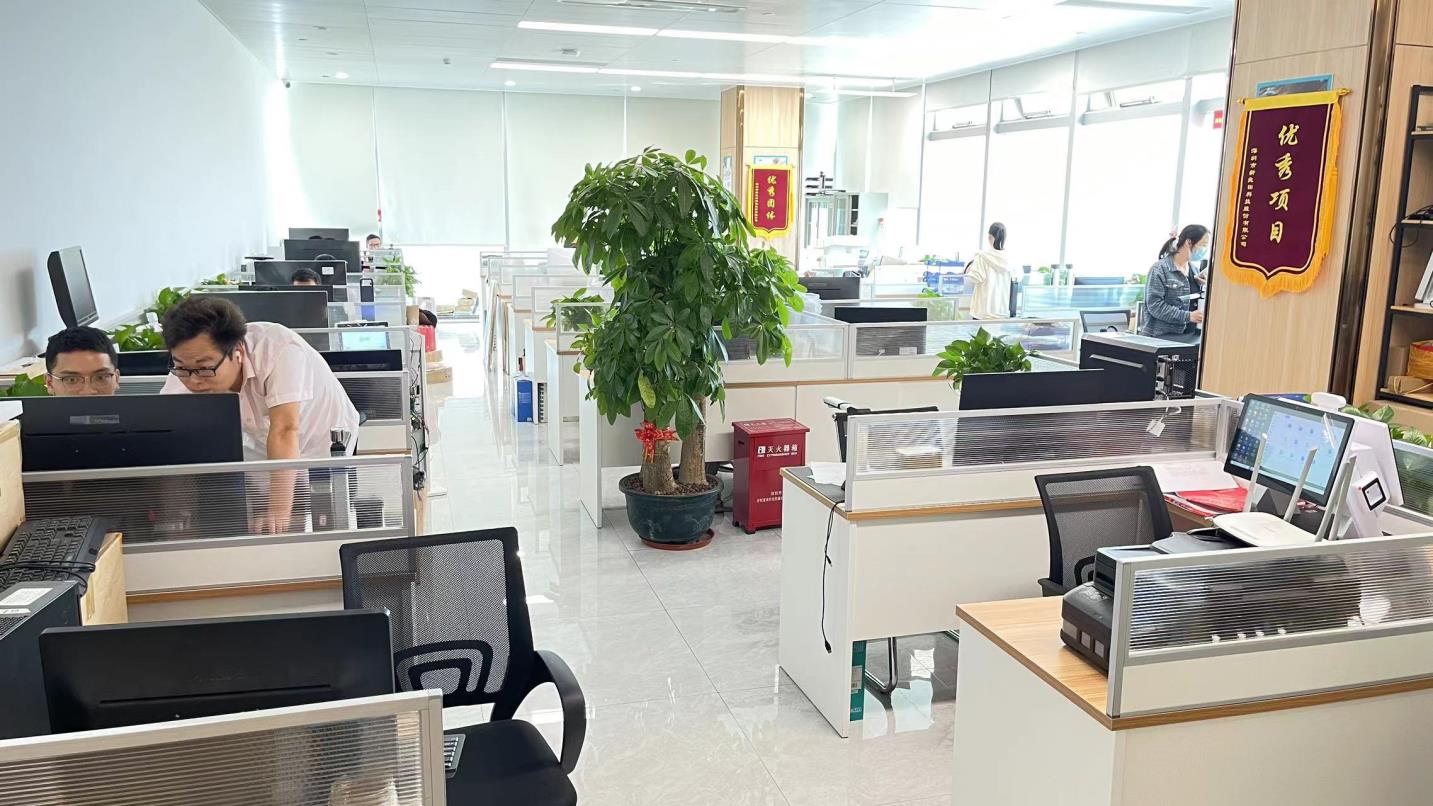
Inside the Factory, R&D Lab and Quality Inspection Area

Optical Scanner Wholesaler FAQ: Questions Buyers Ask Before Sampling
These answers reflect the due-diligence questions we receive from distributors, tender teams and system integrators.
Is Hobry a manufacturer or a trading company?
Hobry is a manufacturer with an integrated export team. Founded in 2005, the company operates 8 production lines in a 5,000–10,000 m² facility in Shenzhen and has been verified onsite by Intertek.
Do you offer OEM and ODM for document scanners and document cameras?
Yes. OEM, ODM, design service and buyer-label service cover logo printing, packaging, housing colour, firmware and software customisation. An SDK is available on selected models for system integration.
Which OCR languages and operating systems are supported?
Selected models support OCR in up to 180 languages with PDF, JPEG and TIFF output. Windows is supported across the range; macOS is available on selected large-format models. Compatibility should be confirmed per model before ordering.
Can I order samples before a bulk order?
Most models are available as single-unit samples for evaluation. Bulk MOQ depends on the model and customisation level and is confirmed in your quotation.
Which payment and delivery terms are accepted?
Payment terms include T/T, L/C, PayPal and Western Union in USD. Delivery terms include FOB, CFR, CIF and EXW.
What certifications and warranty do your products carry?
Products are CE certified, with FCC available on selected models. The company holds ISO 9001, a National High and New Technology Enterprise certificate and software copyright registrations. Standard warranty is one year.
Planning a Private-Label Scanner or Visualizer Programme?
Send your scan area, annual volume, target market, OCR language coverage, interface requirements and compliance needs. Our engineers will respond with a recommended model, sample plan and OEM/ODM configuration.