Eight Document Camera & Scanner Models for HDMI-Aware Procurement
The phrase “Top 10 HDMI Document Camera Manufacturer & Exporters” is usually a shortlisting query, not a request for ten random company names. The eight models below cover the most common B2B evaluation scenarios — classroom visualizers, portable document cameras, A3 book scanners, OCR archiving, and multi-purpose 3-in-1 capture. Use the ten-point supplier scorecard later in this white paper to complete the Top 10 comparison.
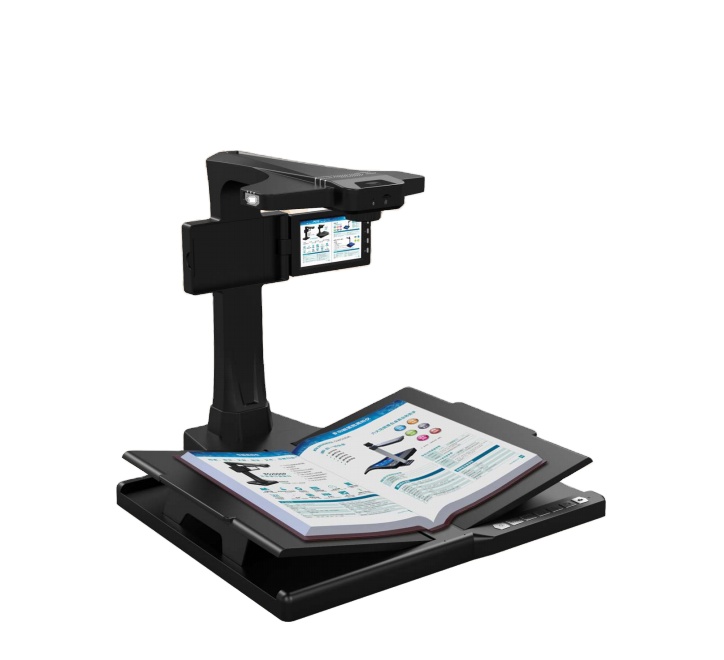
Eloam BS3000P 28MP A3 V-Shape Book Scanner for Library
- 28MP
- A3 V-cradle
- USB 2.0
- LCD preview
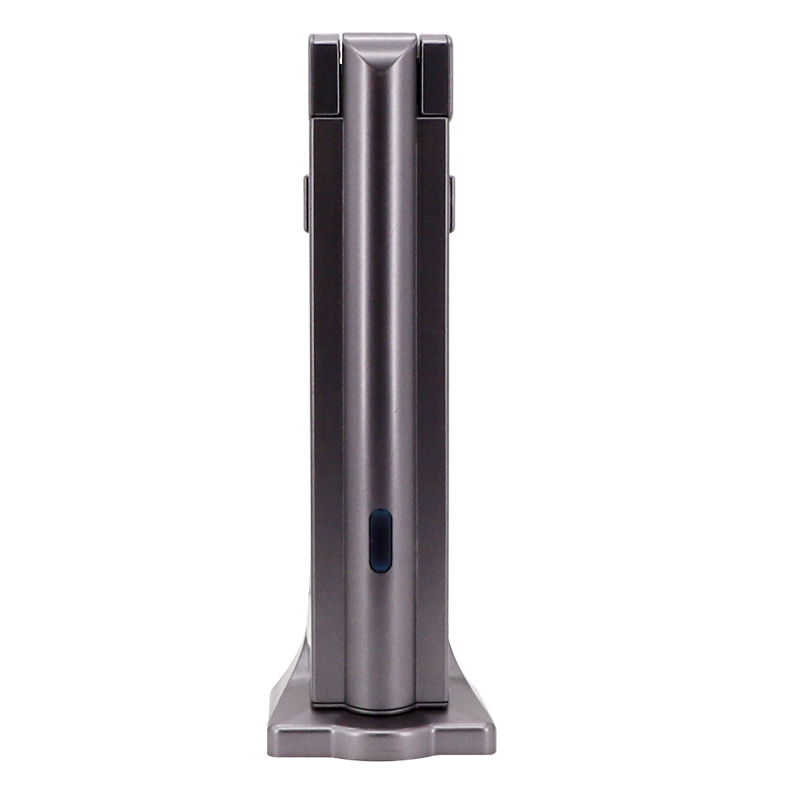
ELOAM Auto-Focus A3 10MP Portable Document Scanner
- 10MP
- Auto-focus
- 1S scan
- Windows 10/11
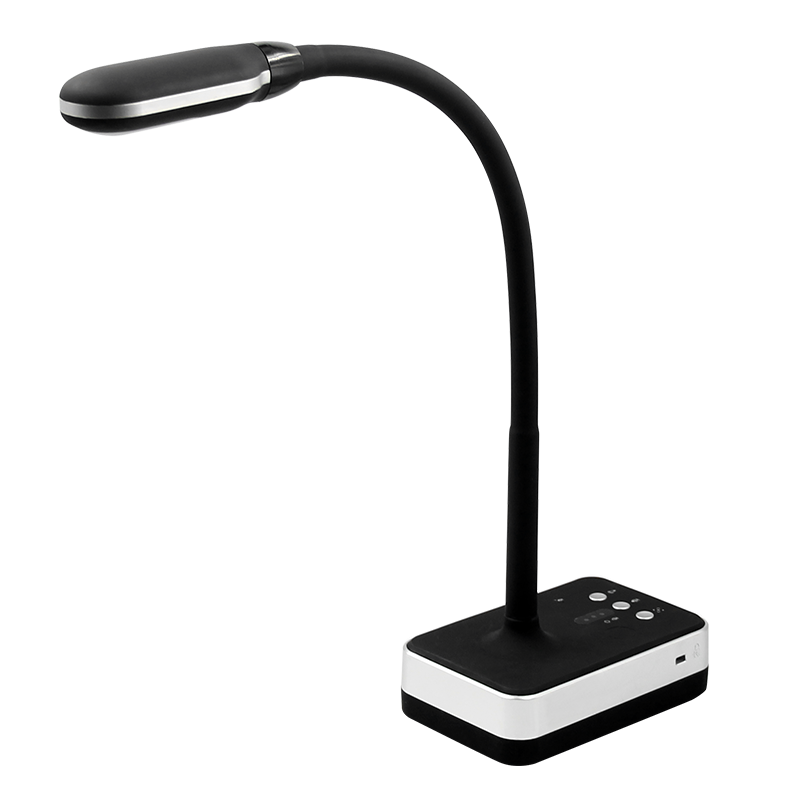
ELOAM VH1000AF A4 10MP Wireless Document Camera for Education
- 10MP
- A4
- Wireless + USB
- Classroom
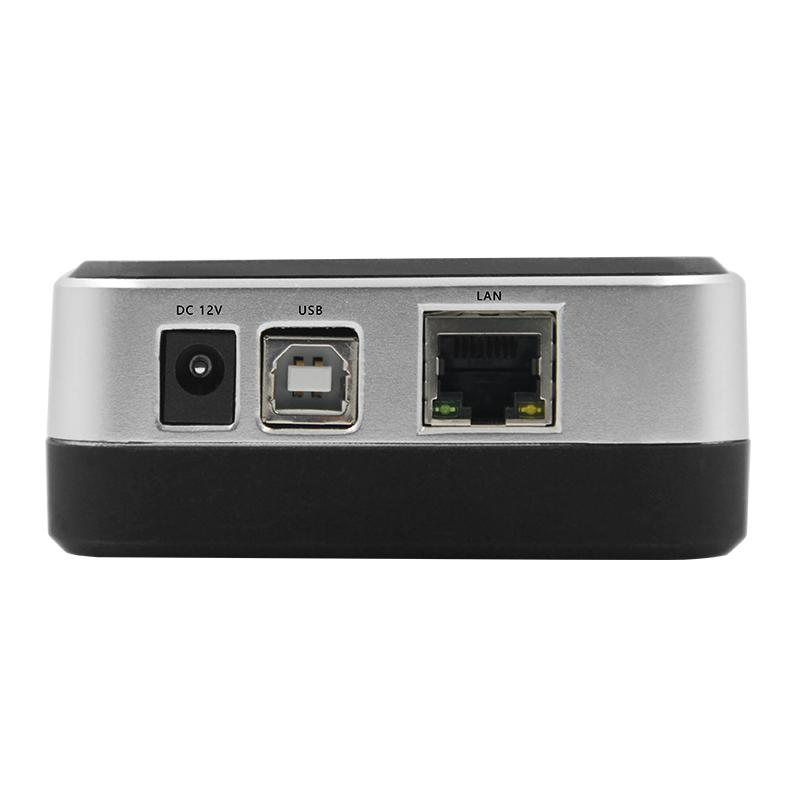
ELOAM VH800A3AF 8MP A3 Portable USB Document Scanner
- 8MP
- A3
- 1S flatten book
- USB
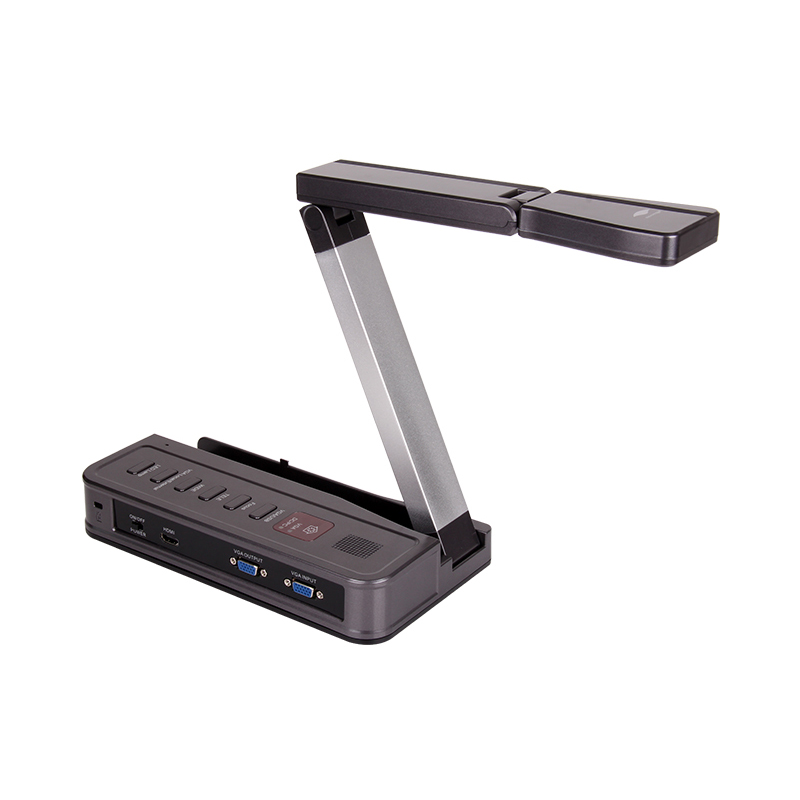
Eloam Portable A4 5MP USB Type-C 3-in-1 Document Camera
- 5MP
- 30FPS
- USB Type-C
- 3-in-1
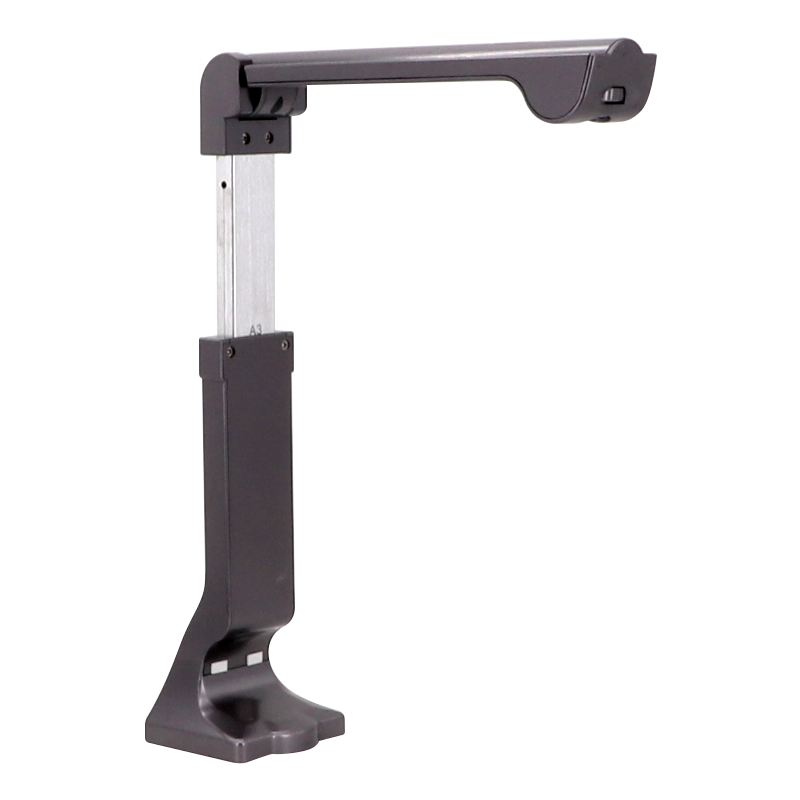
ELOAM S600 10MP CMOS A3 Folding Document Scanner with OCR
- 10MP CMOS
- A3 folding
- USB
- OCR

ELOAM 3-in-1 USB A3 5MP Handheld Document Camera
- 5MP
- A3
- 3-in-1
- Control buttons

ELOAM VW1000AF USB/Wireless High-Speed OCR Document Scanner
- A4 book
- USB/Wireless
- OCR
- Portable
Interface note: HDMI availability is model- and configuration-dependent. The shortlist above includes USB, USB-C and wireless document cameras and scanners. If your tender mandates direct HDMI output, request a model-specific datasheet, confirm the signal chain, and test a sample before approval. Do not treat “HDMI document camera” as a generic specification.
What “Top 10 HDMI Document Camera Manufacturer & Exporters” Really Means
This query combines product intent, supplier discovery and risk reduction. A buyer wants a document camera with the right video interface, but also wants proof of manufacturing capability, export experience, OCR/software support, customization and after-sales reliability.
The literal keyword “HDMI document camera” is not enough for B2B sourcing. In classrooms, lecture halls, training rooms and counters, the real requirement may be live HDMI display without a PC, or it may be a USB visualizer used with interactive whiteboard software. In library and archive projects, the same buyer may need an A3 book scanner with OCR and page-curve correction. In OEM/ODM projects, the buyer may need firmware customization, SDK access and buyer-label packaging. A credible “Top 10” list should therefore separate interface requirements, capture performance, manufacturing evidence and commercial terms.
For SEO and procurement teams, the semantic cluster around this subject is broader than the head term: document camera manufacturer, visualizer exporter, A3 document scanner supplier, book scanner OEM, OCR document camera, classroom document camera, 4K visualizer, USB-C document camera, wireless document camera and HDMI visualizer. The highest-value content does not simply repeat those terms. It adds decision support: how to verify an HDMI signal chain, how to compare optical versus digital zoom, how to calculate total cost of ownership, and how to audit a factory before placing a pilot order.
This white paper takes an evidence-led position. Rather than publishing an unverifiable ranking of ten anonymous websites, it provides a transparent supplier scorecard and a product shortlist from Shenzhen Hobry Technology Co., Ltd., a manufacturer and exporter founded in 2005. The goal is to help buyers complete their own Top 10 shortlist with verifiable criteria and sample-ready models.
What this white paper adds
- A 10-point scorecard for manufacturer and exporter due diligence.
- Eight sample-ready ELOAM models across office, classroom, library and portable use cases.
- Development trends affecting HDMI, USB, wireless and AI-assisted document cameras.
- Procurement trends for 2025–2030, including TCO, SDK integration and compliance.
- Factory evidence: Intertek onsite verification, ISO 9001, CE, FCC on selected models and OEM/ODM support.
How to Rank a Top 10 HDMI Document Camera Manufacturer & Exporter
Use these ten criteria as a scoring sheet. A supplier that performs well on price but poorly on interface validation, firmware support and quality evidence creates hidden costs during rollout.
Verified Manufacturing Identity
Confirm factory address, business type, employee range, production lines and third-party onsite inspection. A trading-only supplier may still be useful, but the risk profile is different.
Optical & Imaging Performance
Compare sensor resolution, autofocus speed, frame rate, low-light behaviour, A3/A4 capture area and optical versus digital zoom. Megapixels alone do not guarantee readable output.
HDMI, USB and Wireless Signal Chain
If HDMI is mandatory, verify port type, resolution, frame rate, HDCP policy, audio embedding and direct-to-projector behaviour. For USB visualizers, confirm UVC compatibility.
OCR, Firmware & Software Maturity
Check OCR language coverage, output formats, driver stability, Windows/macOS support, SDK availability and update policy. Ask for test files in the languages your users actually scan.
OEM / ODM Flexibility
Evaluate logo printing, packaging, housing colour, firmware defaults, software UI, accessory kits and buyer-label service. True ODM capability should include engineering review, not just a sticker.
Quality Management & Certification
Look for ISO 9001, CE, FCC on selected models, software copyrights and high-tech enterprise status. Match certificates to the exact model and destination market before tender submission.
Sample & Pilot Process
Ask whether single-unit samples are available, how sample firmware is controlled, and what acceptance criteria apply. A pilot should test real classroom lighting, document types and operator skill levels.
Total Cost of Ownership
Include accessories, installation, training, spare parts, warranty handling and software maintenance. A low unit price can be expensive if failure rates or support response times are poor.
Supply Continuity & Warranty
Confirm production capacity, lead-time assumptions, MOQ logic, spare-part policy and standard warranty. For multi-year rollouts, ask how model changes are communicated.
Compliance, Data & ESG
Screen for RoHS/REACH expectations, packaging requirements, data-security questions and energy use. Education and government buyers increasingly require documented lifecycle policies.
What the Next HDMI Document Camera Generation Must Deliver
Document cameras are moving from simple image capture devices to classroom AV endpoints and document-workflow hardware. The next buying cycle will reward suppliers that can prove interoperability, not just camera resolution.
HDMI, USB and Wireless Convergence
Buyers increasingly want one visualizer that can connect directly to a projector or display, stream over USB to classroom software, and support wireless mirroring for hybrid teaching. Suppliers must document each signal path clearly instead of treating “HDMI support” as a marketing checkbox.
AI-Assisted Capture and OCR at the Edge
Auto-crop, page flattening, glare reduction, handwriting recognition and language detection are moving closer to the device. Procurement teams should ask where processing happens, whether an internet connection is required, and how sensitive documents are handled.
Space-Efficient, Modular Hardware
Folding arms, detachable cameras, magnetic bases and compact lamps are becoming important in classrooms with limited storage and service teams with limited repair capacity. Modularity also improves lifecycle management because parts can be replaced without scrapping the whole unit.
Software Ecosystem and Security
Visualizers are increasingly evaluated alongside annotation software, whiteboard integration, SDK access and fleet management. Buyers should confirm update frequency, driver signing, UVC compliance and the vendor’s ability to support long product lifecycles.
What B2B Buyers Will Reward in 2025–2030
Procurement is shifting from single-unit price comparison to outcome-based sourcing. For document cameras and scanners, that means evaluating classroom uptime, document integrity, integration effort and long-term support.
Evidence Before Price
Buyers will request inspection reports, model-specific certificates, sample test reports and references before approving a supplier. Onsite-verified manufacturing data will shorten qualification cycles.
TCO and Fleet Readiness
School districts and enterprises will compare total cost of ownership across hundreds of rooms, including installation, training, spare parts and warranty handling, rather than the lowest quoted unit price.
SDK and System Integration
Banks, government counters and edtech platforms will prefer models with documented SDK/API paths, stable drivers and software customization options that fit existing workflows.
Compliance and Data Responsibility
Tenders will ask about RoHS/REACH, packaging waste, energy use, cybersecurity basics and data handling. Suppliers without clear documentation will face longer approval cycles.
Recommended Models by Procurement Scenario
Start with the workflow, then match the model. Confirm HDMI availability, software compatibility and accessories for the exact configuration before issuing a purchase order.
| Buyer Scenario | Recommended Model | Why It Fits | Validate Before Order |
|---|---|---|---|
| Library and rare-book digitization | Eloam BS3000P 28MP A3 | V-shape book scanner with high-resolution capture, USB 2.0 and LCD preview for controlled scanning. | Page-curve handling, OCR languages, light source and sample book test. |
| General office archiving | ELOAM Auto-Focus A3 10MP | Portable A3 capture with autofocus and one-second scanning for invoices, contracts and forms. | Windows driver version, output formats and continuous scan workflow. |
| Classroom and hybrid teaching | ELOAM VH1000AF A4 10MP Wireless | Wireless and USB flexibility for teachers who move between rooms and display devices. | Wireless stability, HDMI/projector path if required, and teaching software compatibility. |
| Mobile book scanning and field use | ELOAM VH800A3AF 8MP A3 | Portable A3 USB scanner with fast flatten-book capture for mobile digitization projects. | Power source, laptop compatibility and physical clearance for bound books. |
| 3-in-1 classroom visualizer | Eloam Portable A4 5MP USB-C 3-in-1 | Interactive document camera, projector and visualizer concept for flexible teaching spaces. | USB-C host support, 30FPS performance and annotation software. |
| OCR-heavy office workflow | ELOAM S600 10MP A3 Folding | A3 folding scanner with CMOS capture, USB and OCR for paper-to-searchable-PDF conversion. | OCR language list, output quality and driver stability. |
| Counter, inspection and handheld capture | ELOAM 3-in-1 A3 5MP Handheld | Control buttons and 3-in-1 functionality suit service counters and quick document capture. | Ergonomics, image stability and SDK needs. |
| Portable A4 book and document scanning | ELOAM VW1000AF USB/Wireless OCR | High-speed OCR scanner for A4 books and documents with USB and wireless connection options. | Wireless security policy, OCR accuracy and sample batch throughput. |
Why Shenzhen Hobry Technology Belongs on a Serious Supplier Shortlist
Experience, expertise, authoritativeness and trust are not slogans in B2B sourcing. They are demonstrated through factory evidence, product breadth, customization capability and verifiable quality systems.

 ISO 9001CEFCC selected modelsOEM / ODM
Shenzhen Hobry Technology Co., Ltd. is a manufacturer with an integrated export function, founded in 2005. The company operates 8 production lines in a 5,000–10,000 m² facility in Shenzhen, with 101–200 employees. Its factory has been verified onsite by Intertek, and the company holds ISO 9001 quality management certification, a National High and New Technology Enterprise certificate and software copyright registrations.
Product development is supported by in-house industrial design, optics and firmware R&D, software and manufacturing. This matters for HDMI document camera projects because the supplier must be able to discuss board-level interface design, firmware behaviour and driver compatibility — not just quote a camera module. Selected models support OCR in up to 180 languages, one-second scanning, PDF/JPEG/TIFF output, Windows support and macOS on selected large-format models. OEM, ODM, design service and buyer-label service are available, including logo printing, custom packaging, housing colour, firmware and software customization. An SDK is available on selected models for system integration.
For export buyers, the commercial evidence is equally important: main markets include North America, Southeast Asia, Southern Europe and the Middle East; accepted payment terms include T/T, L/C, PayPal and Western Union in USD; delivery terms include FOB, CFR, CIF and EXW; standard warranty is one year; and most models can be supplied as single-unit samples for evaluation. These facts help procurement teams qualify the supplier without relying on vague “top manufacturer” claims.
E-E-A-T signals a buyer can verify
- Experience: manufacturing and export operations since 2005, with document scanners, book scanners, document cameras, visualizers and portable monitors.
- Expertise: in-house optics, firmware, software, industrial design and OEM/ODM engineering support.
- Authoritativeness: Intertek onsite factory verification, ISO 9001, national high-tech enterprise status and software copyright registrations.
- Trust: CE certification, FCC on selected models, one-year standard warranty, sample evaluation, documented payment and delivery terms.
Common Questions Before Ordering an HDMI Document Camera
These answers reflect current product-family information. Final specifications, certifications and customization terms should always be confirmed per model and quotation.
Is Hobry a manufacturer or a trading company?
Do you offer OEM and ODM for HDMI document cameras and visualizers?
How can I confirm HDMI output on a specific document camera?
Which OCR languages and operating systems are supported?
Can I order samples before a bulk order?
Which payment and delivery terms are accepted?
What certifications and warranty apply?
How should a buyer compare optical zoom versus digital zoom?
Planning an HDMI Document Camera or Visualizer Project?
Share your required interface, scan area, resolution, OCR languages, target quantity and destination market. The Hobry export and engineering team will recommend a sample-ready configuration, confirm HDMI/USB/wireless options, and prepare an OEM/ODM quotation for your Top 10 supplier comparison.
Inquire Now