Export-Ready Product Showcase
Eight Document Camera and A3 OCR Configurations Buyers Shortlist First
The portfolio below combines the Eloam YL1020 dual-lens document scanner with adjacent A3 USB document cameras, book-friendly visualizers and portable OCR scanners frequently included in the same tender. All product links use the original destination URLs supplied by the manufacturer.
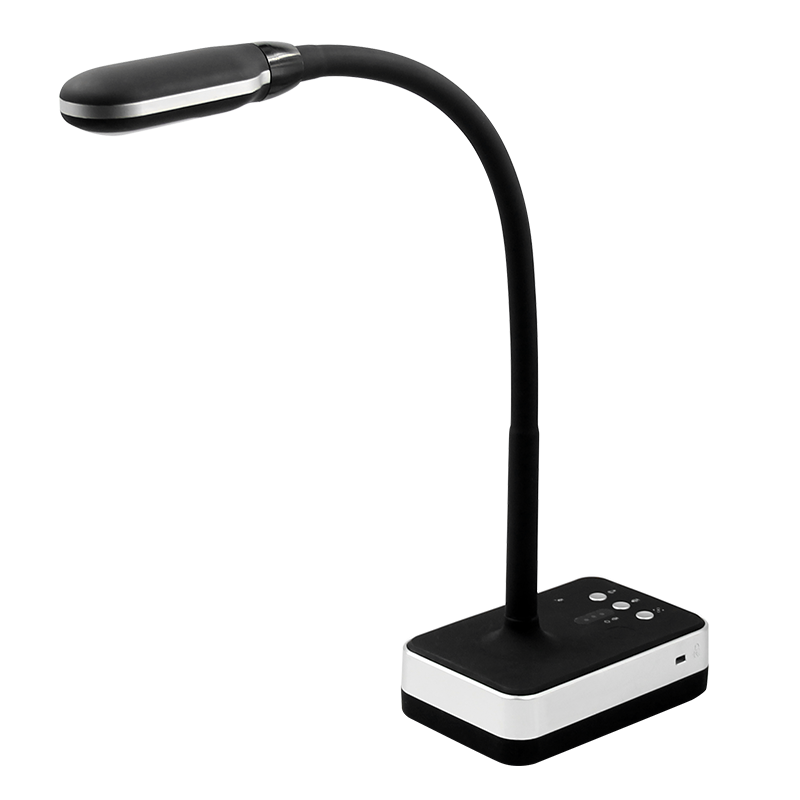
Auto-Focus A3 10MP
ELOAM Auto-Focus A3 10MP Portable Document Scanner USB Interface 1S Scan Speed Automatic Continuous Scanning Windows 10/11
10MPAuto-focus1-second scanWindows
View product
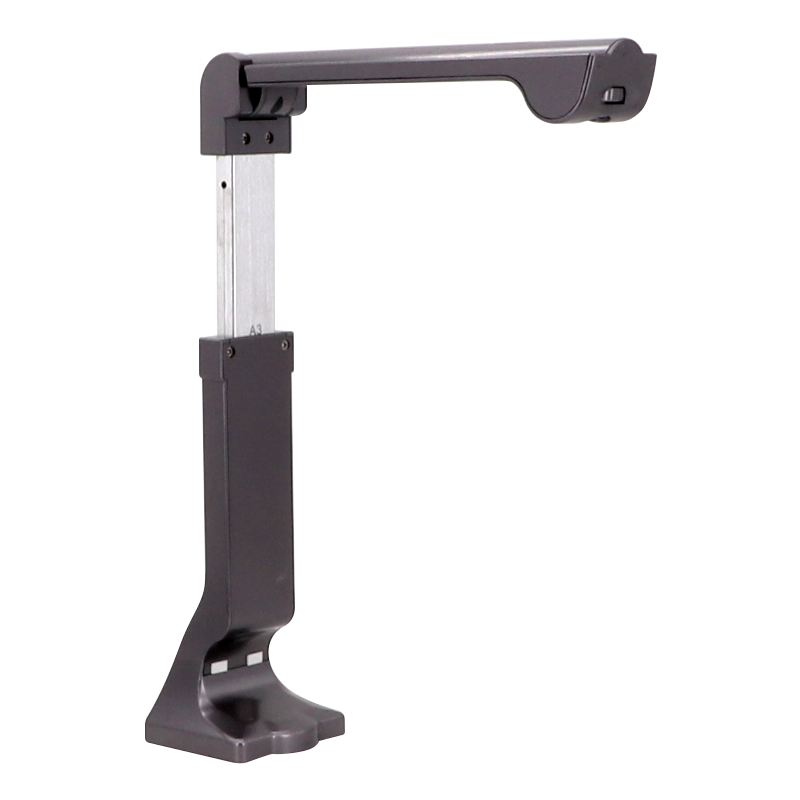
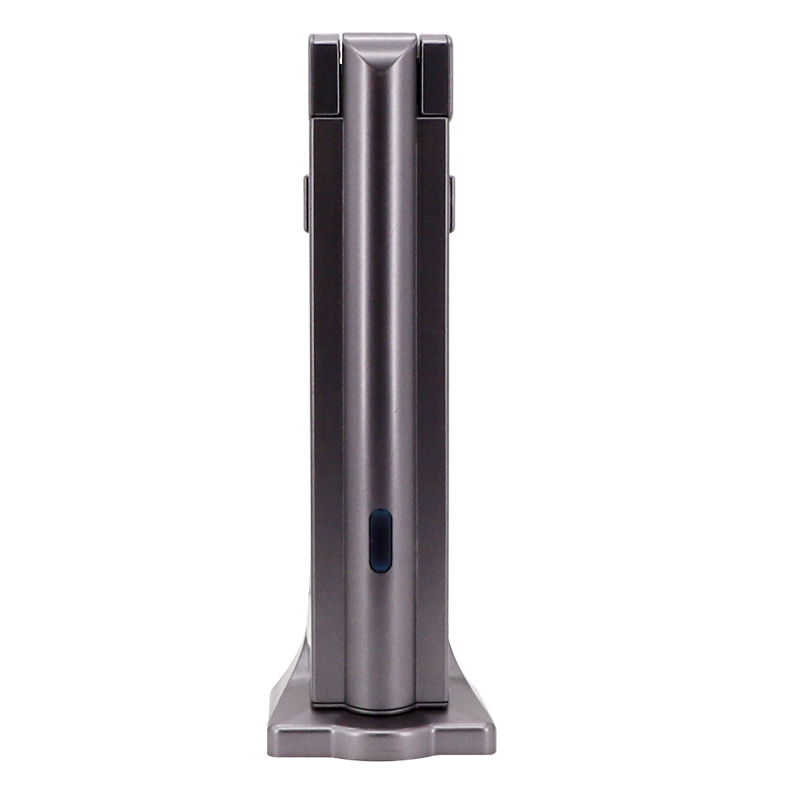
S600
ELOAM S600 10MP CMOS A3 Folding Document Scanner with USB Interface and OCR Camera Gray 1-Year Warranty in Stock 1-Second
10MP CMOSA3 foldingOCR1-year warranty
View product
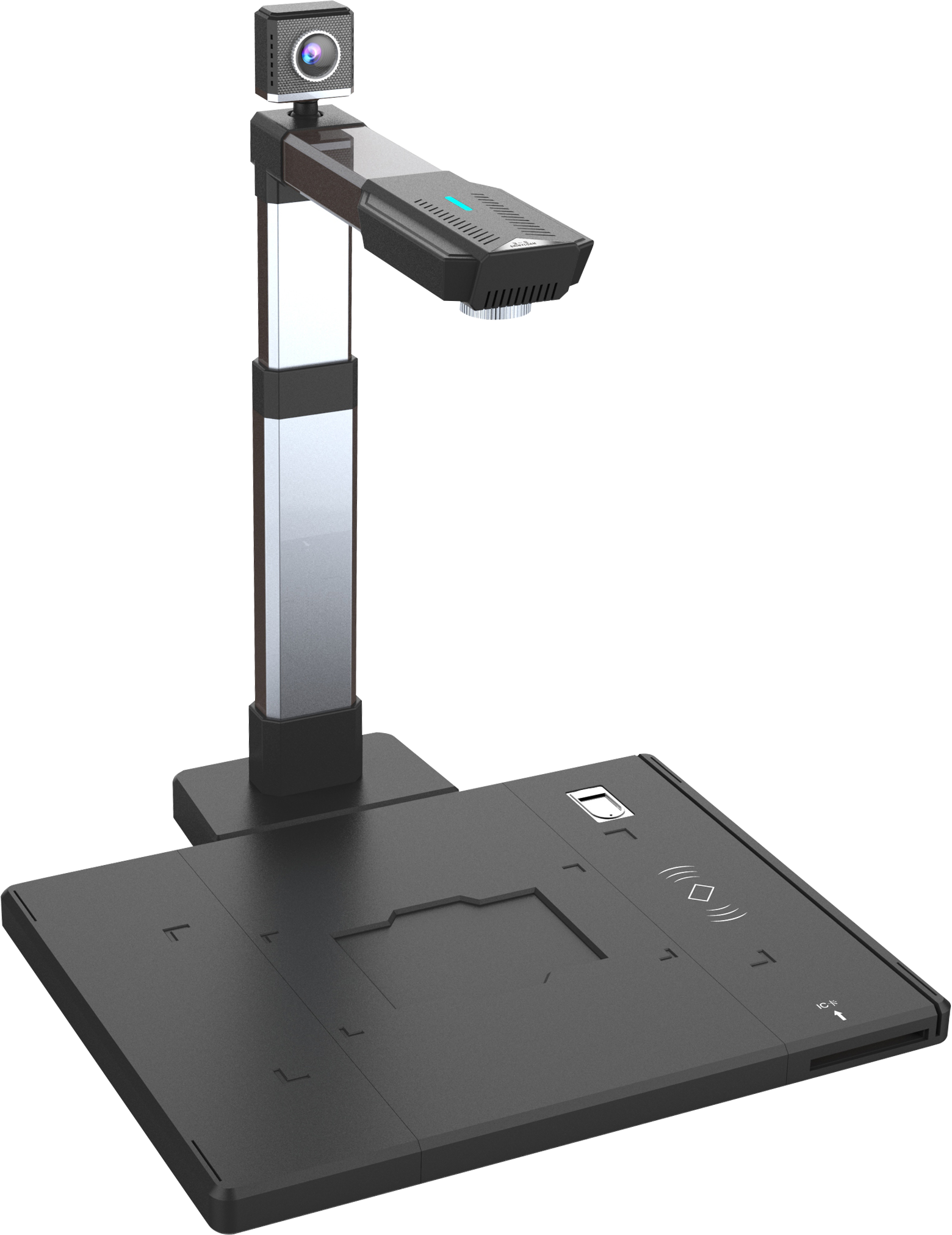
YL1020 · Dual Lens
Eloam YL1020 Dual Lens USB Interface High-Speed A3 OCR 2D Code SDK Supported Multifunctional Library Document Scanner Save Time
Dual lensA32D codeSDK
View product
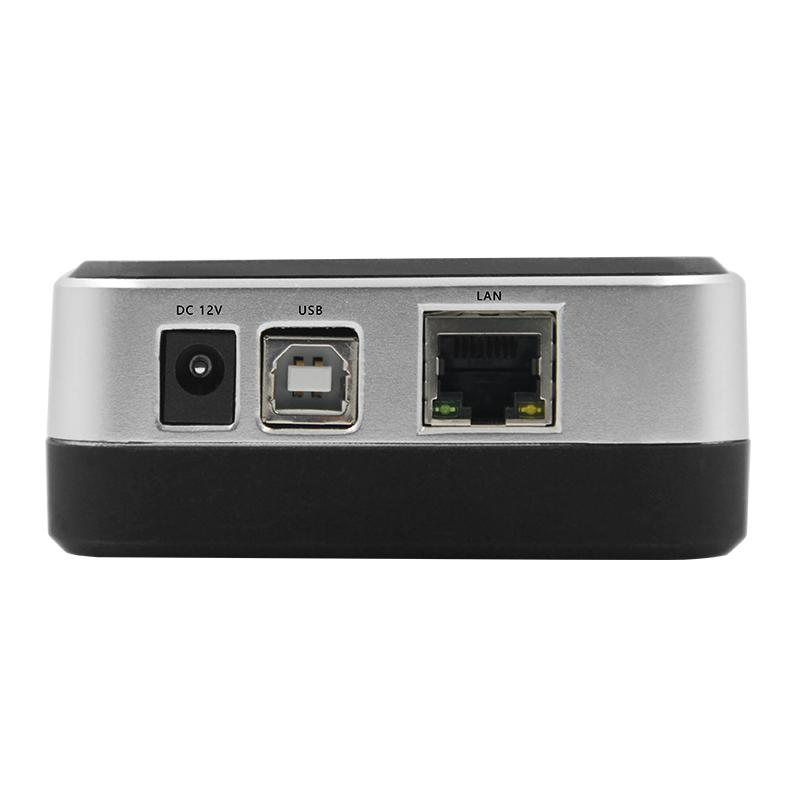
VH800A3AF
ELOAM VH800A3AF 8MP New Arrival High Speed Fast 1S Flatten Book A3 Portable USB Document Scanner in Stock
8MPA3Book flatten1-second
View product
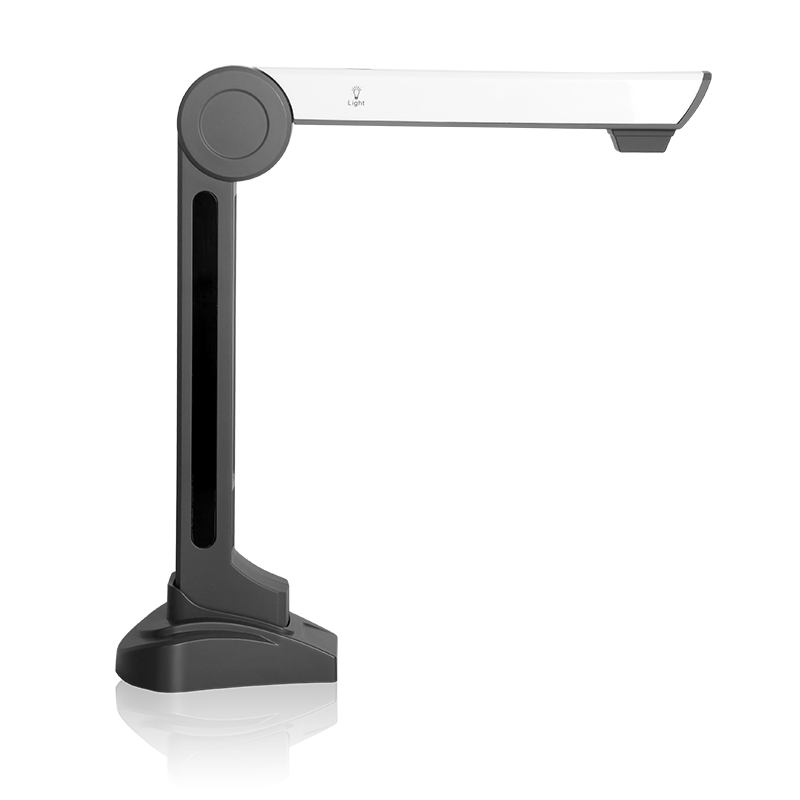
S500P
Eloam S500P 5MP Ultra Portable High-Speed OCR Document Scanner with USB SDK for School and Office Use in Stock
5MPUltra portableOCRUSB SDK
View product
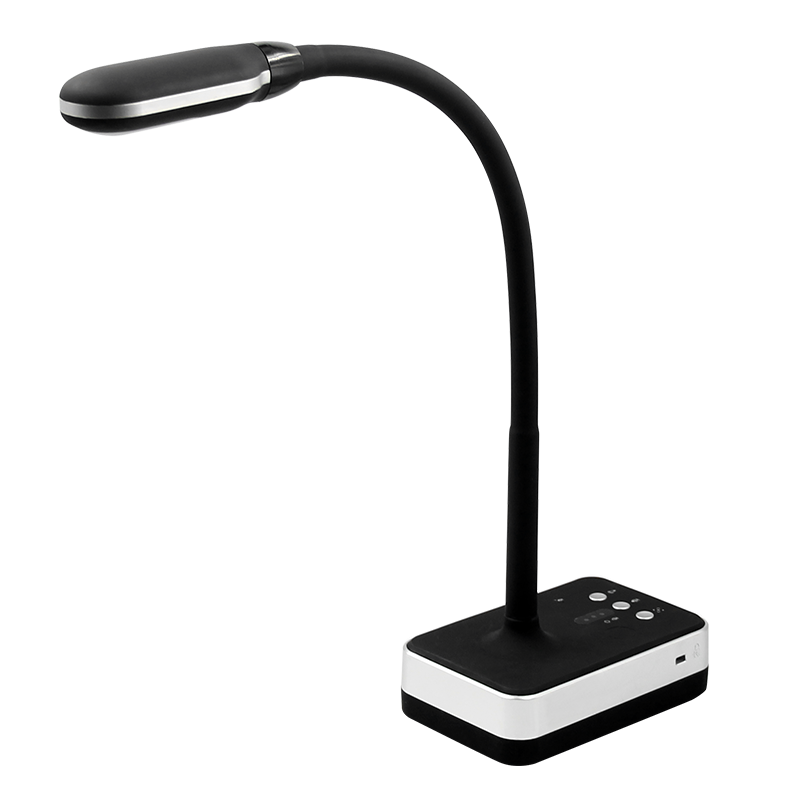
VH1000AF
ELOAM VH1000AF A4 10MP High Speed Wireless USB Portable Document Camera Scanner for Education and Classroom in Stock
10MPA4Wireless + USBClassroom
View product
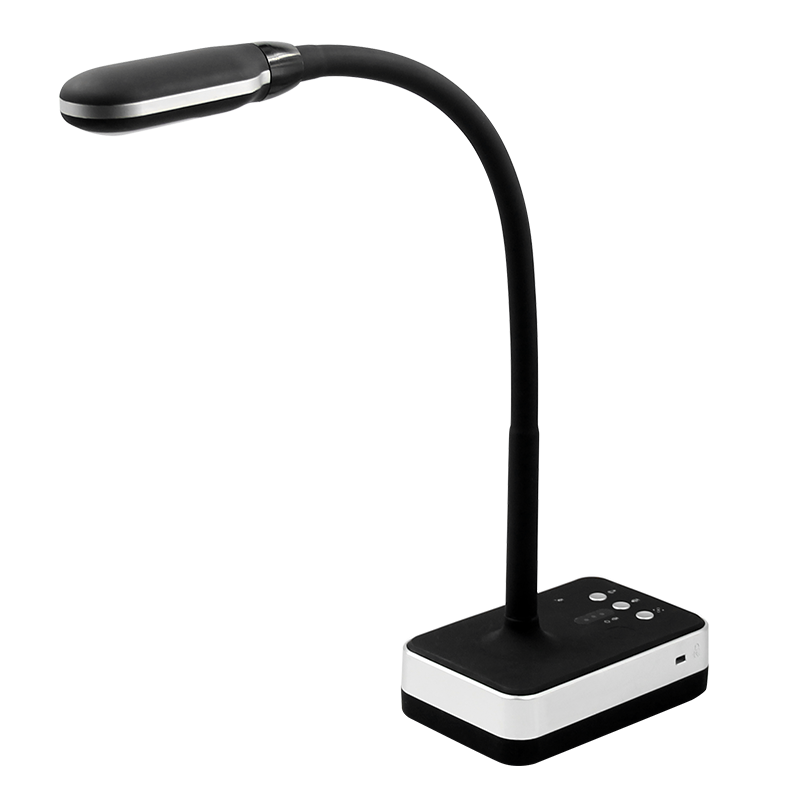
VH1000A3AF
ELOAM VH1000A3AF Smart Book Scanner High Speed Portable USB Document Camera for Teachers in Stock
Smart book scanA3USBTeacher use
View product
Executive Procurement View
Why “Suppliers & Exporters” Is a Different Search Intent From “Buy a Document Camera”
Buyers searching for dual lens document camera suppliers and exporters are usually not making a single-unit retail purchase. They are qualifying a manufacturing partner, checking export documentation, comparing OCR performance, reviewing SDK availability and building a repeatable supply chain for schools, banks, libraries, government counters or system-integration projects. The real question is not simply “which camera has the highest megapixel count?” It is “which supplier can deliver consistent hardware, software support, certifications, packaging and after-sales service across multiple batches?”
Shenzhen Hobry Technology Co., Ltd. has manufactured document scanners, book scanners, document cameras, visualizers and portable monitors since 2005. For a top-tier exporter shortlist, that manufacturing history matters because it shows process maturity rather than catalogue breadth alone. It also makes the evaluation more practical: buyers can ask for samples, confirm OCR languages, test SDK integration, check CE and FCC availability, review OEM packaging options and verify factory data before committing to a volume order.
2005Year founded in Shenzhen
20+ yearsImaging R&D experience
8Production lines
10,000m²Maximum factory area
16Certificates held
180OCR languages on selected models
Dual-Lens Architecture
What a Dual-Lens Document Camera Changes for Real Workflows
Dual-lens designs matter most when a single device must capture a wide A3 document surface and a small detail without repositioning the subject. This is a workflow question, not only an optical specification.
One Device, Two Capture Tasks
An A3 worksheet, a passport, a 2D code, a book page and a physical object may all appear in the same lesson or service-counter interaction. A dual-lens architecture reduces repositioning and helps operators move faster between wide-area and close-up visual capture.
Better OCR and Code Capture
OCR quality depends on focus consistency, lighting, resolution and field flatness. A dual-lens model can be specified with the right lens for the working distance and capture area, improving the odds of clean text output and reliable 2D code reads on selected configurations.
Lower Total Cost of Ownership
Education and banking projects often compare device price without counting setup time, training and workflow interruptions. A dual-lens visualizer can reduce the need for a second close-up camera, simplify classroom switching and improve service-counter throughput across a multi-year rollout.
Top 10 Evaluation Criteria
How to Rank Dual Lens Document Camera Suppliers & Exporters
Use these ten criteria to turn a broad supplier list into a defensible shortlist. The weighting should reflect your market, but each dimension should be evidenced with samples, documents or a live demonstration.
01
Optical Resolution
Check sensor size, lens quality and real document legibility, not only the megapixel badge.
02
Auto-Focus Stability
Test focus hunting, working distance and repeatability when pages or objects change height.
03
OCR Language Coverage
Confirm selected models support up to 180 languages and verify output accuracy in your target language.
04
SDK and UVC Support
Ask whether the camera can integrate with your app, LMS, kiosk or core banking workflow without custom drivers.
05
Frame Rate and Latency
For teaching and live demonstration, 30 FPS-class performance and low latency matter more than a static spec sheet.
06
Connectivity Fit
Compare USB, USB Type-C, Wi-Fi and wireless casting options against the actual classroom or counter environment.
07
Operating System Support
Windows support is broad; macOS support may be limited to selected large-format models. Confirm per SKU.
08
Certification Readiness
Look for CE, FCC availability, ISO 9001, software copyrights and any market-specific documentation required for tender submission.
09
OEM/ODM Capability
Verify logo, packaging, housing color, firmware and software UI customization, plus buyer-label support.
10
Supply and After-Sales
Review sample policy, MOQ, lead-time discipline, payment terms, warranty and technical response process.
Product Recommendation Matrix
Match the Export Model to the Buying Scenario
These recommendations are based on the product series information supplied for this page. Validate the final configuration with a sample and a written specification before issuing a purchase order.
| Buyer Scenario | Recommended Model | Core Value | Integration Notes | Procurement Priority |
|---|---|---|---|---|
| Dual-lens library and multifunction counter | Eloam YL1020 | A3 dual-lens capture, OCR and 2D code support | Ask for SDK confirmation and test the exact code symbology used by your workflow. | Workflow consolidation and fast operator adoption. |
| General A3 office OCR | VH802A3AF / S600 | 8MP–10MP A3 document capture with OCR | Confirm scan speed, output formats and Windows compatibility. | Balance of image quality, footprint and unit cost. |
| Book-friendly classroom or library desk | VH800A3AF / VH1000A3AF | Portable A3 capture with book-oriented use cases | Test page curvature, glare handling and teacher training time. | Ease of use and repeatable daily operation. |
| Hybrid classroom and teacher presentation | VH1000AF | A4 wireless USB document camera performance | Verify wireless stability in the actual school network environment. | Mobility and low-friction lesson switching. |
| Entry-level school and office deployment | S500P | 5MP ultra-portable OCR scanner with USB SDK | Evaluate SDK fit and volume packaging requirements. | Cost-controlled rollout with basic OCR capability. |
| Auto-focus continuous scanning | Auto-Focus A3 10MP | 1-second scan speed and continuous scanning support | Confirm paper size, driver package and Windows 10/11 compatibility. | Throughput at service counters and admin desks. |
| OEM education visualizer program | YL1020 or VH1000 series | OEM/ODM, buyer-label and software customization potential | Request housing color, logo, packaging, firmware and SDK review. | Brand differentiation and local market readiness. |
| Sample-first distributor evaluation | Any shortlisted SKU | Single-unit sample for hands-on validation | Confirm MOQ, sample lead time and final test checklist before evaluation. | Risk reduction before a bulk purchase order. |
Procurement Trends 2025–2028
What Buyers Will Demand From Document Camera Exporters Next
Procurement teams are shifting from one-off hardware purchases toward repeatable deployment programs. That changes the supplier scorecard.
Sample-First Qualification
Distributors increasingly refuse to approve a factory from a catalogue alone. They request test units, packaging checks and OCR samples before awarding a tender.
Hybrid Classroom Continuity
Visualizers must work in the room, on video calls and in recorded lessons. Buyers are prioritizing plug-and-play USB, stable frame rates and flexible mounting.
OCR As a Workflow Requirement
Searchable PDFs, data extraction and document archiving are moving from optional features to procurement requirements in banking, government and school administration.
USB-C and Wireless Flexibility
Portable devices with Type-C, UVC compatibility or wireless casting reduce installation friction and support bring-your-own-device environments.
Regional Compliance
CE and FCC readiness, ISO 9001 process control and software copyright documentation help shorten supplier approval and tender submission cycles.
OEM and Local Branding
Regional distributors want buyer-label packaging, localized manuals, firmware adjustments and SDK access so the hardware fits their own service ecosystem.
Product Development Trends
Where Dual-Lens Visualizers and Document Cameras Are Heading
Smarter Dual-Lens Switching
Future models will make lens selection more automatic, reducing operator decisions when moving between wide documents and close-up objects.
Edge AI and OCR Pre-Processing
On-device enhancement, crop, de-skew and OCR preparation will reduce the load on connected PCs and improve output consistency across users.
Higher Frame Rates
Classroom and live-demo users expect smooth 30 FPS-class motion. Suppliers will compete on latency and low-light consistency as much as static resolution.
Modular Mounting and Portability
Foldable arms, compact cradles and quick-release mounts will help schools and mobile professionals deploy the same device across rooms and sites.
Privacy and On-Device Controls
As cameras enter more public-service counters and classrooms, privacy shutters, local processing options and clear data policies become product features.
SDK-Led Product Ecosystems
The winning exporter will not just ship a camera. It will provide SDK documentation, UVC clarity, firmware support and integration guidance for local software partners.

20+Years in imaging
Verified Manufacturer Advantage
 Factory verified onsite by Intertek, a leading independent inspection company.
What a Top-Tier Exporter Must Prove Before It Earns a Tender
Shenzhen Hobry Technology Co., Ltd. is a manufacturer with an integrated export function, founded in 2005. The company operates 8 production lines in a 5,000–10,000 m² facility in Shenzhen, employs 101–200 people and has been verified onsite by Intertek. For B2B buyers, that combination shortens the distance between a product sample and a compliant bulk shipment.
The company is a National High-Tech Enterprise with independent intellectual property, software copyright registrations and ISO 9001 quality management. Product lines are CE certified, with FCC available on selected models. Standard warranty is 1 year. OEM, ODM, design service and buyer-label service are available, including logo, packaging, housing color, firmware and software customization. Selected models support OCR in up to 180 languages and an SDK for system integration.
Factory verified onsite by Intertek, a leading independent inspection company.
Export experience spans North America, Southeast Asia, Southern Europe, the Middle East and other worldwide markets. Accepted payment terms include T/T, L/C, PayPal and Western Union in USD, and delivery terms include FOB, CFR, CIF and EXW. Those details matter because a dual-lens document camera project rarely ends at the hardware specification; it must pass finance, compliance, logistics and after-sales review.
2005Manufacturing Since 2005
Long-cycle experience in digital video, document scanning and visualizer development.
8Production Lines
Incoming, in-process and finished-product quality control across repeatable batches.
16Certificates Held
ISO 9001, CE, FCC availability, high-tech enterprise recognition and software copyrights.
180OCR Languages
Selected models support broad OCR coverage for international education and archive projects.
OEMBuyer Label & Packaging
Logo, housing color, packaging, firmware and software UI customization for distributors.
SDKSystem Integration
Selected document cameras support SDK-based workflows for local software and kiosk partners.
1 yrStandard Warranty
After-sales support and sample evaluation help buyers reduce deployment risk.
GlobalExport Markets
North America, Southeast Asia, Southern Europe, the Middle East and worldwide shipping.
Supplier Due-Diligence Checklist
Questions That Separate a Real Export Partner From a Catalogue Reseller
Factory Evidence
Ask for the latest onsite verification report, production-line photos, employee range, factory area and certificate list.
Written Specifications
Confirm the exact sensor, scan area, frame rate, autofocus range, interface and OS support for the SKU you will import.
Sample Validation
Test OCR in your target language, scan your actual documents, check latency in your software and review packaging survival.
Certification Fit
CE and FCC readiness should be confirmed against the destination market, along with any software or wireless documentation.
Commercial Terms
Clarify MOQ, sample cost, lead time, payment method and delivery terms before comparing landed cost across suppliers.
After-Sales Process
Ask who handles firmware questions, replacement approvals, technical escalation and spare-parts planning after delivery.
Procurement FAQ
Frequently Asked Questions About Dual-Lens Document Camera Suppliers
These answers reflect the manufacturer information, product-series data and export terms supplied for this page. Confirm final details per model and quotation.
What is a dual-lens document camera, and how is it different from a single-lens visualizer?
A dual-lens document camera uses two optical paths or lens configurations to support different capture needs, such as a wide A3 document view and a closer object or detail view. A single-lens visualizer may require repositioning, digital zoom or a second device to achieve the same range. Buyers should test the exact switching behavior, focus speed and software integration on the selected model.
Is Hobry a manufacturer or a trading company?
Shenzhen Hobry Technology Co., Ltd. is a manufacturer with an integrated export function. Founded in 2005, it operates 8 production lines in a 5,000–10,000 m² facility in Shenzhen and has been verified onsite by Intertek.
Can buyers order samples before placing a bulk order?
Most models are available as single-unit samples for evaluation. Bulk MOQ depends on the model and the level of customization, and it is confirmed in the quotation. A sample-first process is recommended for OCR accuracy, SDK fit, packaging and operator training checks.
Which OCR languages and operating systems are supported?
Selected models support OCR in up to 180 languages, with output formats such as PDF, JPEG and TIFF. Windows is supported across the range, while macOS support is available on selected large-format models. Compatibility must be confirmed per model before ordering.
What payment, delivery and warranty terms are available?
Accepted payment terms include T/T, L/C, PayPal and Western Union in USD. Delivery terms include FOB, CFR, CIF and EXW. Standard warranty is 1 year, with after-sales technical support available through the manufacturer’s export team.
Do you offer OEM, ODM, buyer-label and SDK support?
Yes. OEM, ODM, design service and buyer-label service are available, including logo printing, custom packaging, housing color, firmware and software customization. An SDK is available on selected models for system integration. Scope and engineering effort should be confirmed during sample review.
Which certifications should an exporter provide for a tender?
The company holds ISO 9001 quality management certification, a National High-Tech Enterprise certificate and software copyright registrations. Products are CE certified, with FCC available on selected models. Buyers should confirm the exact certificate package required for their destination market.
How should a buyer compare Top 10 dual-lens document camera suppliers?
Score suppliers on evidence rather than claims: tested image quality, OCR accuracy in your language, auto-focus stability, SDK and UVC integration, frame rate, connectivity, certifications, OEM capability, sample responsiveness and after-sales process. A weighted scorecard plus a hands-on sample usually separates a reliable export partner from a catalogue-only seller.
Planning a Dual-Lens Visualizer or A3 OCR Scanner Project?
Share your scan area, target market, OCR languages, estimated quantity and OEM/ODM requirements. The manufacturer’s engineering and export team can recommend a configuration, confirm sample availability and prepare the commercial terms.
info@hobrytech.com · Shenzhen, Guangdong, China
Final Buyer Note
Use the Product Cards, Not Guesswork, to Build Your Shortlist
The strongest sourcing decision is usually the result of a disciplined comparison. Start with the eight product configurations above, request the current specification sheet for each shortlisted SKU, confirm whether the model is dual-lens or part of the adjacent A3 OCR family, and run a sample against your real documents, software and classroom or counter conditions. Then compare the supplier’s factory evidence, certifications, OEM/ODM scope, warranty and export terms.
For a dual-lens document camera supplier and exporter, the right partner should be able to explain not only what the camera captures, but also how it will be integrated, supported, customized and shipped. That is the standard behind a credible Top 10 shortlist, and it is the practical basis for a lower-risk B2B procurement decision.