8 Document Imaging Camera Models Buyers Shortlist First
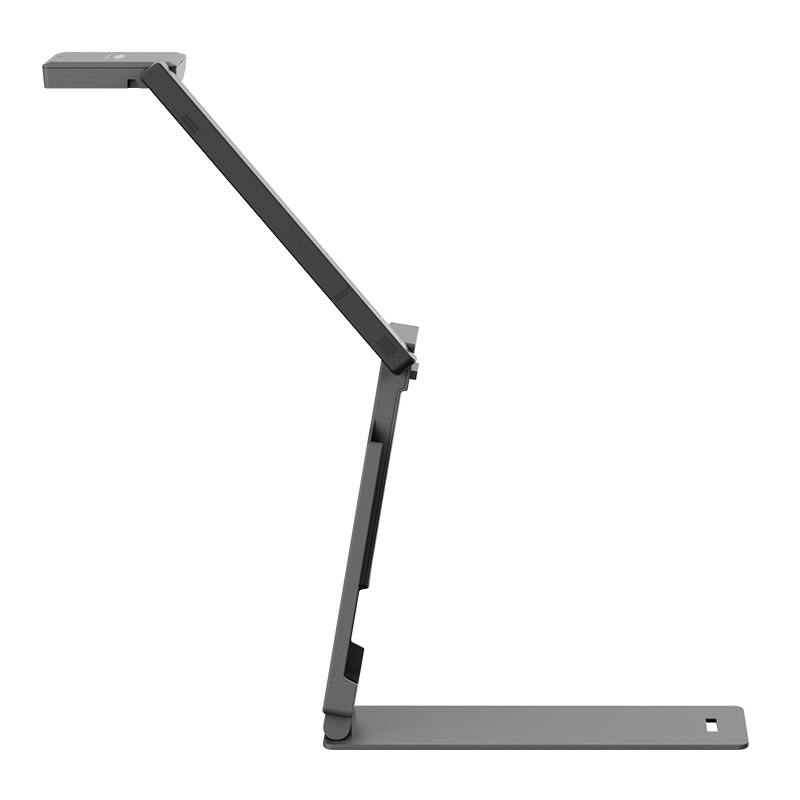
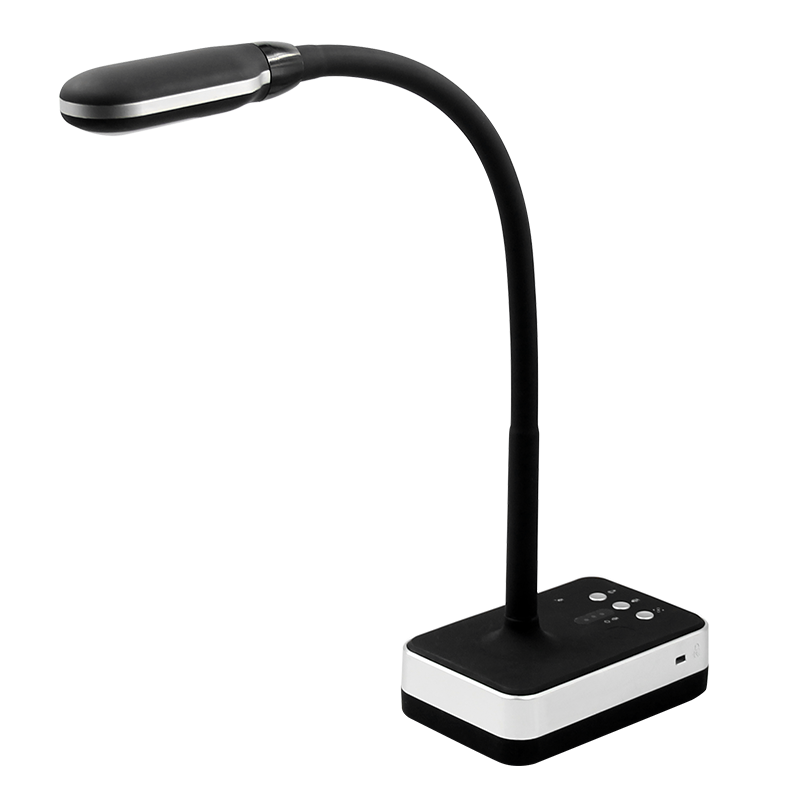
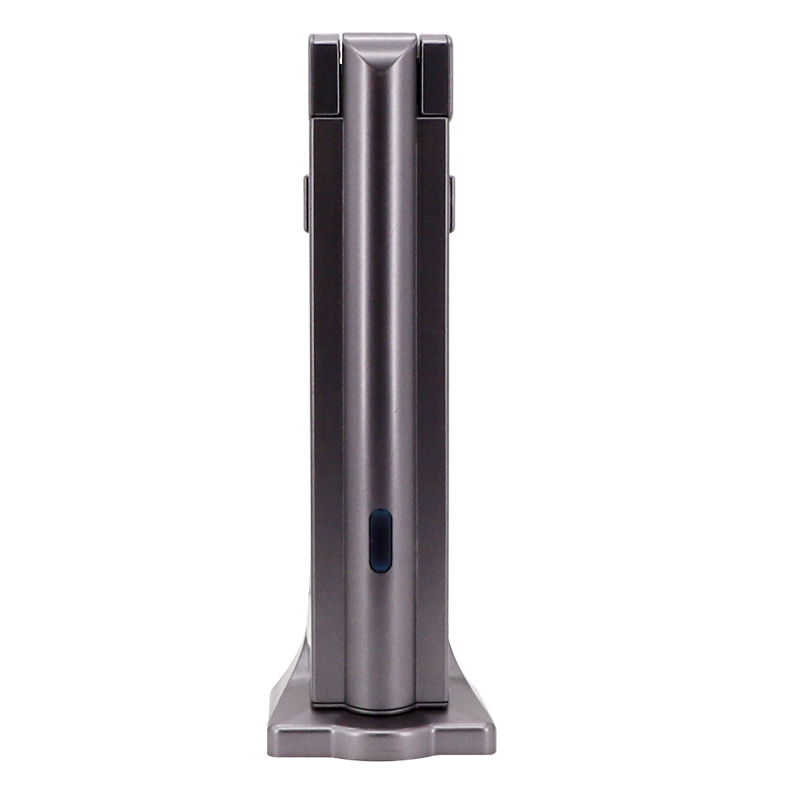
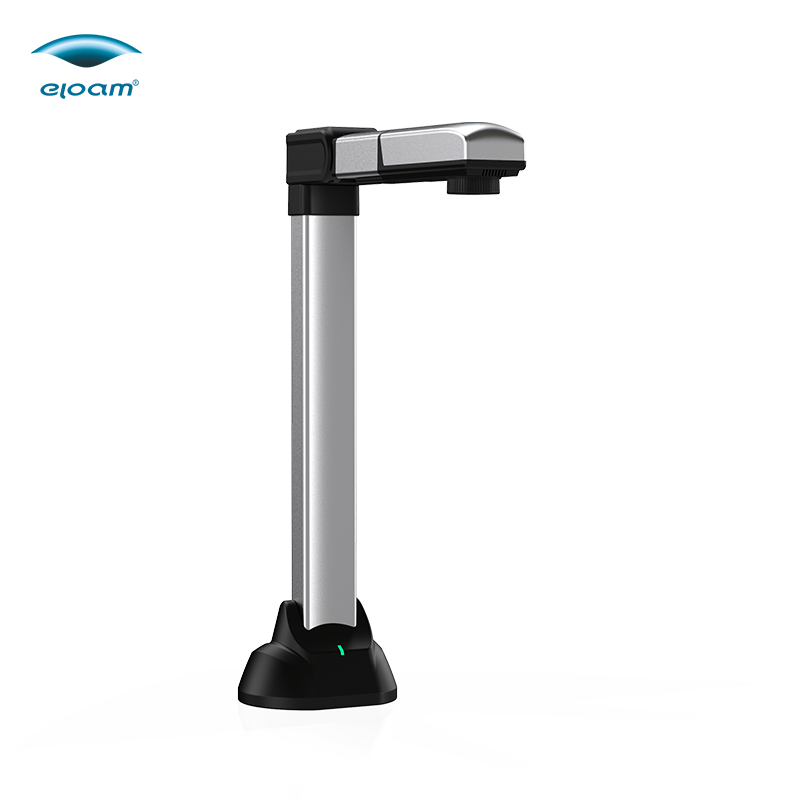
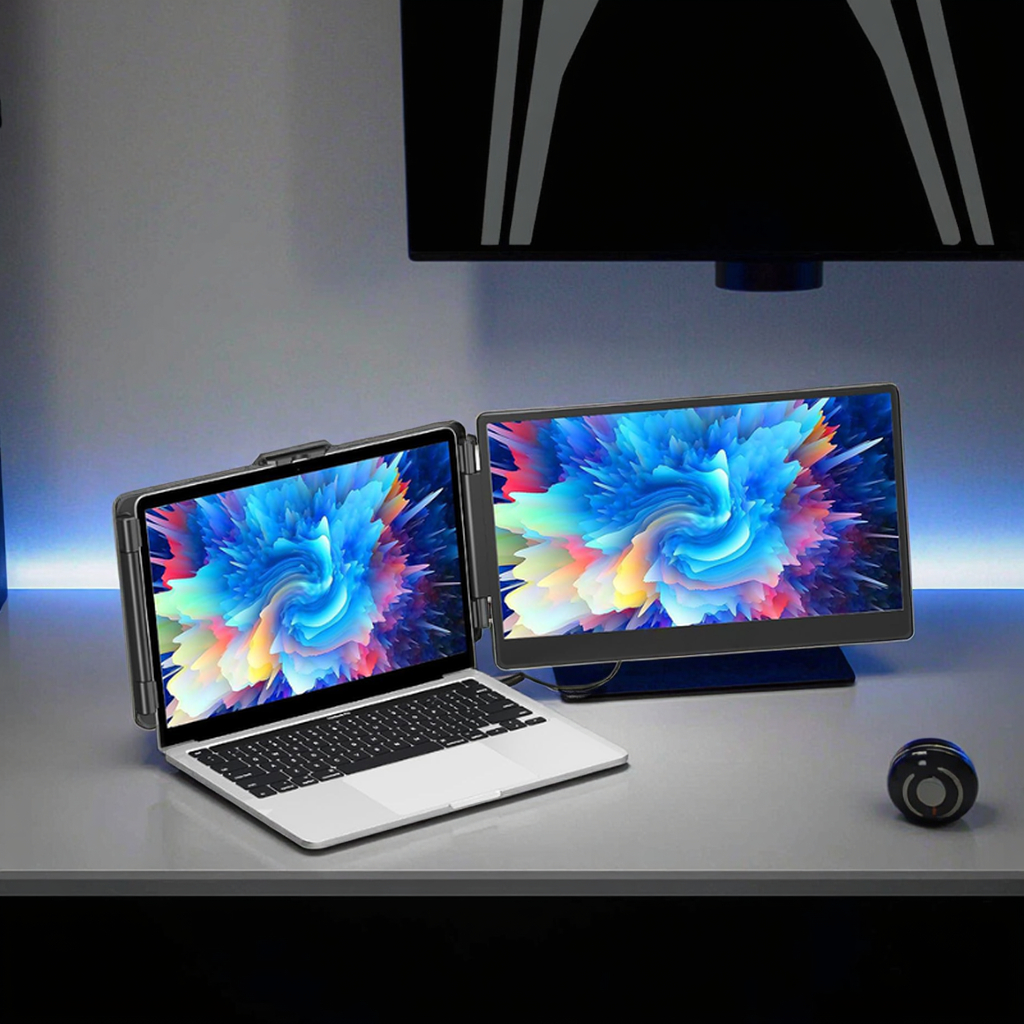
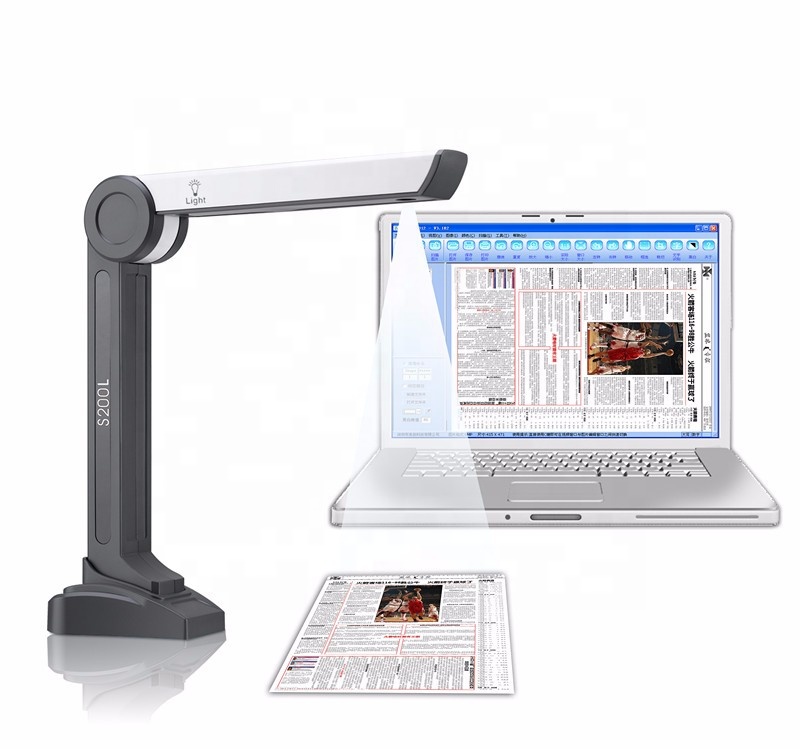
These eight ready-to-quote models show the practical range of a serious document imaging camera supplier and exporter: A3/A4 visualizers, book scanners, OCR document cameras and portable business monitors. Use them to anchor your top-10 supplier evaluation.

What the Query “Top 10 Document Imaging Camera Supplier & Exporter” Really Signals
The phrase is not a single search request. It is a cluster of procurement questions from distributors, education integrators, banking IT teams, archive managers and OEM buyers who need a supplier that can document, manufacture, customize and export.
For commercial buyers, “top 10” is shorthand for shortlist confidence. The searcher wants evidence that a factory can deliver repeatable image quality, OCR software, SDK integration, certifications, export terms and after-sales support—not merely a product photo. The intent usually sits between commercial investigation and a transactional request for quotation.
A document imaging camera may be sold as a document camera, visualizer, overhead scanner, book scanner or portable scanner. The category captures A4, A3 and A2 pages, IDs, passports, textbooks, 3D objects and live demonstrations. Buyers therefore compare sensor resolution, auto-focus, optical zoom, OCR languages, frame rate, USB or wireless connectivity, operating-system support and the availability of software development kits.
The information gain in a strong supplier guide is a decision model. Price alone does not reveal total cost of ownership. A low unit price can hide weaker optics, limited firmware support, missing drivers, short warranty coverage or customs delays. A serious exporter should make verification, production capacity, certifications and customization limits easy to audit before the first purchase order.
Transactional intent: find a verified supplier
Buyers searching for a supplier or exporter need proof of factory status, sample availability, export terms and a clear route to an RFQ. Vague trading pages create friction; verification data shortens supplier qualification.
Commercial investigation: compare top 10 options
Comparison-stage buyers evaluate A3 versus A4 coverage, 8MP versus 13MP or higher sensors, auto-focus, optical zoom, book correction and warranty. They are looking for measurable differences, not slogans.
Application intent: match camera to workflow
Queries often include classroom, library, bank counter, archive, laboratory or remote work. Each environment changes the required scan area, lighting tolerance, portability and software workflow.
Integration intent: OCR, SDK and OS compatibility
Technical buyers look for OCR output formats, language coverage, driver stability, SDK access and Windows or macOS support. These details decide whether a camera can enter an existing document system.
A Six-Point Matrix for Comparing Document Camera Manufacturers
Use these criteria to separate a genuine document imaging camera exporter from a catalogue reseller. Each point can be requested, tested or verified before a bulk order.
Optical performance and true capture area
Confirm the real A4, A3 or A2 field, sensor resolution, frame rate, auto-focus speed and low-light behavior. A 13MP or higher sensor matters only when the lens, focus and image pipeline preserve detail at the edges.
OCR, firmware and software ecosystem
Ask which models support searchable PDF, JPEG and TIFF, which OCR languages are included and whether batch capture or auto-crop is standard. Stable firmware and documented SDK support reduce integration risk.
Manufacturing depth and quality control
Production lines, factory area, employee count and inspection stages show whether the supplier can scale. Incoming material checks, in-process testing and finished-product inspection are more valuable than a large showroom.
Certifications and third-party verification
Request ISO 9001, CE and FCC documents where applicable. Onsite factory verification by an independent inspection company gives procurement teams a defensible record for supplier onboarding.
OEM/ODM, branding and SDK flexibility
For distributors and integrators, customization can include logo, packaging, housing color, firmware, software UI and buyer labeling. Selected models may offer an SDK for system integration and tender-specific requirements.
Export readiness and lifecycle support
Payment terms, Incoterms, sample policy, warranty length, spare-parts planning and technical documentation all affect landed cost. An exporter should answer these questions clearly before a sample is approved.
2025 Procurement Trends Reshaping Document Imaging Camera Purchasing
Buyers are changing how they compare suppliers. The strongest RFQs now ask for evidence of software stability, deployment support and long-term availability—not just megapixels.
Total cost of ownership replaces unit price
Procurement teams now add software, training, warranty, spare parts and integration effort to the purchase price. A slightly higher sample cost can be cheaper over five years if the platform is stable and supported.
Hybrid classrooms and branch offices demand wireless flexibility
USB-only cameras are no longer the default for every room. Wi-Fi, USB-C and 3-in-1 form factors reduce cable friction and let teachers or counter staff move between stations without reinstalling drivers.
OCR moves from accessory to process engine
Searchable PDFs, 180-language OCR, auto-crop and batch capture now feed accounts payable, student records, KYC and archive workflows. The camera is judged by how cleanly it hands data to the next system.
Compliance and data privacy enter the RFQ
Education and government buyers increasingly ask where images are processed and whether local capture is available. CE, FCC, ISO 9001 and clear software behavior help reduce approval risk.
What Buyers Should Specify Before Comparing the Next Price
The document camera is becoming a hybrid imaging endpoint: part scanner, part visualizer, part OCR front end. These four development trends should appear in your technical specification.
Higher resolution with practical file discipline
13MP, 18MP, 22MP and 28MP models are expanding across A3 and A2 workflows. The better suppliers pair high resolution with auto-crop, compression controls and PDF output so image quality improves without overwhelming storage or network bandwidth.
Optical zoom and auto-focus define premium visualizers
Digital zoom alone softens fine print, circuit boards and lab samples. Optical zoom, fast auto-focus and stable frame rates are becoming differentiators for lecture halls, training rooms and technical demonstrations.
USB-C, Wi-Fi and 3-in-1 form factors
Portable monitors, document cameras and projectors are merging into flexible teaching and counter setups. Buyers should confirm plug-and-play behavior across Windows, macOS and mixed laptop fleets before standardizing a model.
Edge AI, book correction and modular SDKs
Laser-assisted flattening, V-shaped cradles, OCR-language expansion and SDK access are turning document cameras into workflow tools. The most defensible specifications are those tied to measurable user tasks, not abstract AI claims.
The Hidden Comparison Layer: TCO for Document Imaging Camera Projects
The lowest quotation can become the most expensive deployment if software, training or support is incomplete. Compare the following four cost layers before selecting a top-10 supplier.
Acquisition and sample benchmarking
Include sample freight, test labor and engineering review in the comparison. A sample program should verify scan legibility, focus speed, driver behavior and OCR accuracy on your own documents.
Deployment, training and accessories
Count manuals, mounting options, cables, spare power adapters and teacher or counter-staff training. A camera that takes five extra minutes to set up can erase the savings of a cheaper model across hundreds of rooms.
Software, OCR and integration
Confirm whether OCR, batch scanning and PDF export are included or licensed separately. For system integrators, SDK availability, firmware update policy and compatibility testing can outweigh a small hardware price gap.
Warranty, spare parts and lifecycle
A one-year warranty is common, but procurement should ask how replacements, spare parts and technical escalation are handled after rollout. Lifecycle planning is especially important for tenders and multi-year education projects.
Why Hobry Belongs on a Serious Supplier Shortlist
Shenzhen Hobry Technology Co., Ltd. combines manufacturer economics with export experience, in-house imaging R&D and OEM/ODM flexibility for global B2B buyers.

Founded in 2005, Hobry is a manufacturer and exporter of high-speed portable document scanners, book scanners, document cameras, visualizers and portable monitors. The company operates 8 production lines in a 5,000–10,000 m² facility in Shenzhen with 101–200 employees, and its factory has been verified onsite by Intertek.
For buyers comparing a top 10 list, the relevant difference is control over the full product cycle: industrial design, optics and firmware R&D, software, manufacturing and global sales. Hobry is a National High-Tech Enterprise holding independent intellectual property, software copyrights and patents, and it supports OEM, ODM, design service and buyer-label service.
The product portfolio spans A2, A3 and A4 capture, OCR in up to 180 languages on selected models, USB and wireless document cameras, book scanning with V-shaped cradles, and portable business monitors. Standard warranty is one year, and export payments include T/T, L/C, PayPal and Western Union in USD, with FOB, CFR, CIF and EXW delivery terms.
Inquire NowManufacturer economics, not reseller markup
With 8 production lines and a factory area up to 10,000 m², Hobry can support sample orders, repeat distribution orders and customization projects from one manufacturing base.
20+ years of imaging R&D experience
Since 2005, the company has built expertise in digital video, optics, firmware and document software. That continuity matters when a buyer needs stable drivers and repeatable image quality.
OEM/ODM and SDK flexibility
Customization includes logo printing, packaging, housing color, firmware and software changes. An SDK is available on selected models for system integrators and tender-specific workflows.
Verified quality and compliance
Factory verification by Intertek, ISO 9001 quality management, CE certification and FCC availability on selected models give procurement teams concrete documents for supplier approval.
Export-ready commercial terms
Accepted payment terms include T/T, L/C, PayPal and Western Union in USD. Delivery terms include FOB, CFR, CIF and EXW, allowing distributors and project buyers to plan quotes around familiar Incoterms.
Application coverage across education and enterprise
Models support teaching, banking, government counters, libraries, archives, offices and mobile work. Buyers can source A3, A4 and book-oriented cameras plus portable monitors from one qualified supplier.
Verification, Quality Control and Compliance Data
Supplier claims should be easy to audit. Hobry provides third-party verification, management-system credentials, product compliance and intellectual-property records for B2B review.

Intertek onsite factory verification
The premises, production capability, quality control and legal status have been inspected onsite by Intertek, an independent inspection company. Finished-product inspection and customization capability are confirmed in the latest report.
ISO 9001 quality management
The company holds ISO 9001 certification. For buyers, this supports a repeatable process for incoming inspection, production control, finished-product checks and corrective action when a batch issue appears.
CE, FCC and product documentation
Products are CE certified, with FCC available on selected models. Confirm the exact documentation package for the target market, model and configuration during quotation, especially for tenders and retail channels.
High-Tech Enterprise and software copyrights
Hobry holds a National High and New Technology Enterprise certificate and software copyright registrations. These records support software authenticity and long-term firmware and application development.
From Sample to Scale in Five Clear Steps
A disciplined sourcing process reduces rework between procurement, engineering and end users. This is the practical sequence for a document imaging camera project.
Requirement mapping
Define scan size, resolution, OCR language, operating system, interface, target market certification and expected quantity. Include the physical environment, such as classroom lighting or counter space.
Sample benchmark
Test each candidate against the same documents, objects and software tasks. Measure setup time, image legibility, OCR output quality and driver stability before comparing commercial terms.
Customization and approval
Agree logo, packaging, housing color, firmware behavior and software requirements. For OEM/ODM projects, approve pre-production samples against written acceptance criteria.
Mass production and QA
Production runs across 8 lines with incoming, in-process and finished-product quality control. Request the inspection plan and packaging validation for your destination market.
Delivery and after-sales
Select FOB, CFR, CIF or EXW terms, confirm documentation and plan technical support. Standard warranty is one year, with escalation paths agreed before shipment.
FAQ for Document Imaging Camera Supplier & Exporter Selection
These are the questions procurement teams ask most often before requesting a sample or bulk quotation.
Q.Is Hobry a manufacturer or a trading company?
Shenzhen Hobry Technology Co., Ltd. is a manufacturer with an integrated export function. Founded in 2005, the company runs 8 production lines in a 5,000–10,000 m² facility in Shenzhen, and its factory has been verified onsite by Intertek.
Q.Do you offer OEM, ODM and SDK support?
Yes. OEM, ODM, design service and buyer-label service are available, including logo printing, custom packaging, housing color, firmware and software customization. An SDK is available on selected models for system integration.
Q.Which model fits A3, A4 or book scanning?
A3 classroom and archive workflows can start with VE1300A3AF, VH802A3AF or the 10MP auto-focus A3 scanner. A4 branch and counter projects often use VW1000AF or the compact USB 2.0 A4 visualizer. For books and bound materials, review VH1000A3AF and the high-resolution book document scanner.
Q.Which OCR languages and operating systems are supported?
Selected models support OCR in up to 180 languages and output formats such as PDF, JPEG and TIFF. Windows is supported across the range, and macOS is supported on selected large-format models. Confirm compatibility for each model before ordering.
Q.Can I order samples, and what are the payment and delivery terms?
Most models are available as single-unit samples for evaluation. Bulk MOQ depends on the model and customization level and is confirmed in the quotation. Payment terms include T/T, L/C, PayPal and Western Union in USD; delivery terms include FOB, CFR, CIF and EXW.
Q.What certifications and warranty apply?
Products are CE certified, with FCC available on selected models. The company holds ISO 9001 quality management certification, a National High-Tech Enterprise certificate and software copyright registrations. Standard warranty is one year.
Need a Document Imaging Camera Supplier That Can Ship and Support?
Share your scan size, resolution target, OCR language, operating system, estimated quantity, destination market and branding requirements. The team will recommend a suitable model, sample plan and export quotation for your project.
Inquire Now