Top 10 Document Camera Webcam Manufacturer & Exporter
A procurement-grade guide for education, banking, libraries, government counters, archives and hybrid-work teams — covering eight production-ready ELOAM models, the 10 supplier criteria that matter, future buying trends and factory due-diligence data from Shenzhen Hobry Technology Co., Ltd.
Document Cameras, Visualizers & Overhead Scanners for Global Buyers
These eight models sit directly under the banner because product selection is the first commercial decision in most sourcing projects. Each URL is preserved for direct specification review, sample evaluation and configuration discussion.
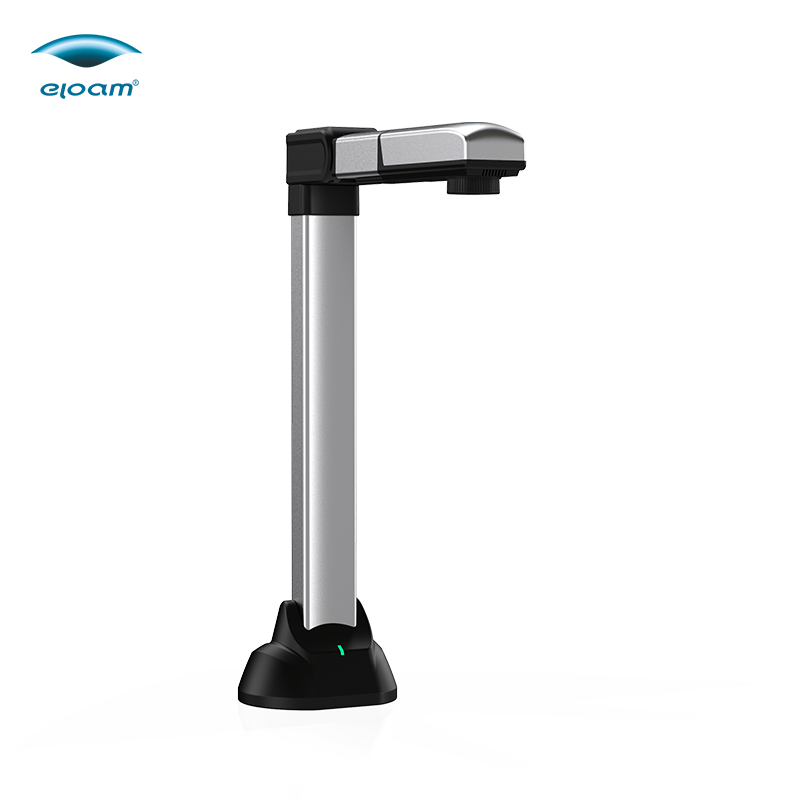
ELOAM Portable High Resolution 5184x3456 High Speed Automatic Book Document Scanner OCR Processing USB Interface A3 Document
High-resolution A3 capture for archives, offices and bound materials, with fast scanning, OCR-ready output and USB deployment.
View product specs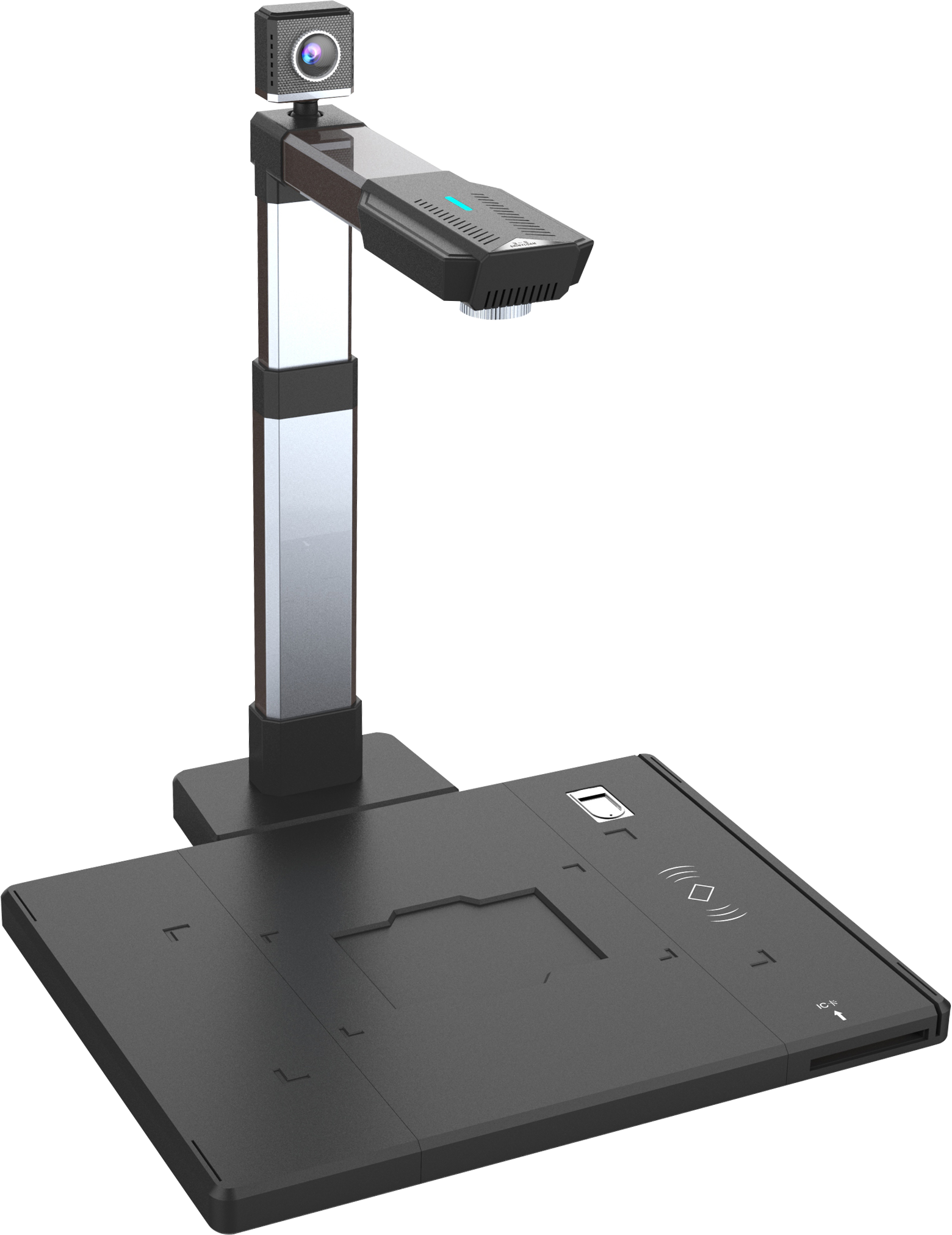
Eloam YL1020 Dual Lens USB Interface High-Speed A3 OCR 2D Code SDK Supported Multifunctional Library Document Scanner Save Time
Dual-lens A3 scanning with OCR, 2D code reading and SDK support for library counters, kiosks and document-heavy service points.
View product specs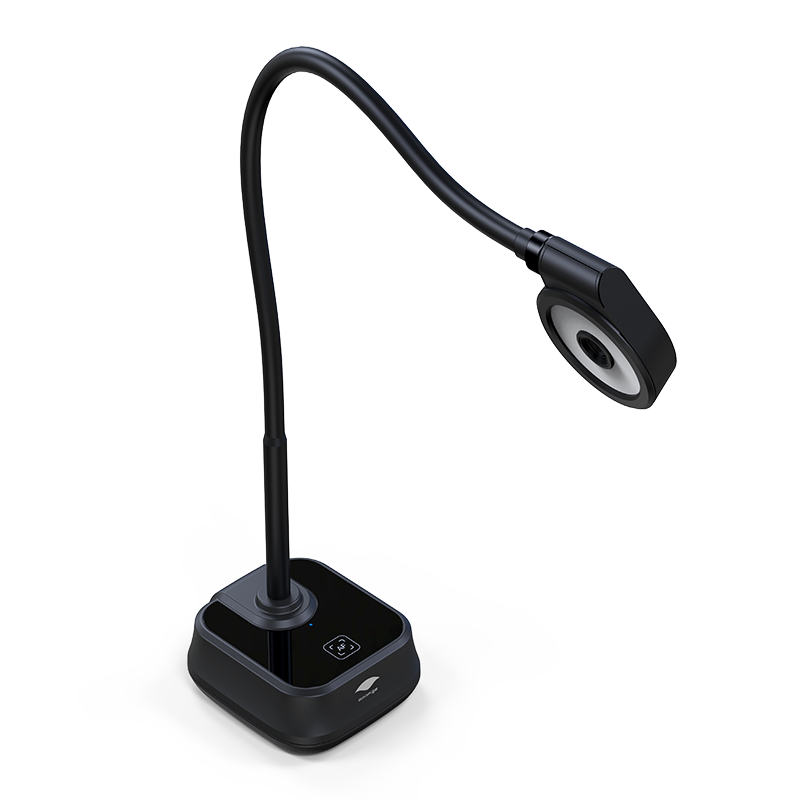
ELOAM VH800S A4 High-Speed USB Portable Video Booth & Document Scanner with OCR in Stock for Classroom and Meeting Use
A4 USB visualizer and document camera for classrooms, meeting rooms and multi-site education rollouts with OCR support.
View product specs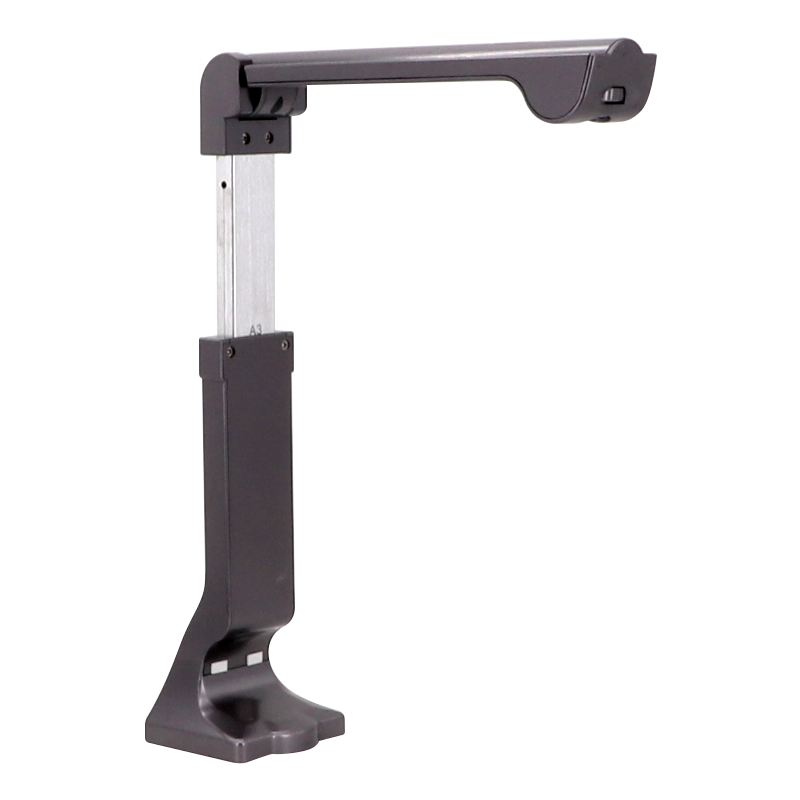
ELOAM S600 10MP CMOS A3 Folding Document Scanner with USB Interface and OCR Camera Gray 1-Year Warranty in Stock 1-Second
Folding 10MP A3 camera scanner with USB interface and OCR, suited to office digitization, teaching and front-desk capture.
View product specs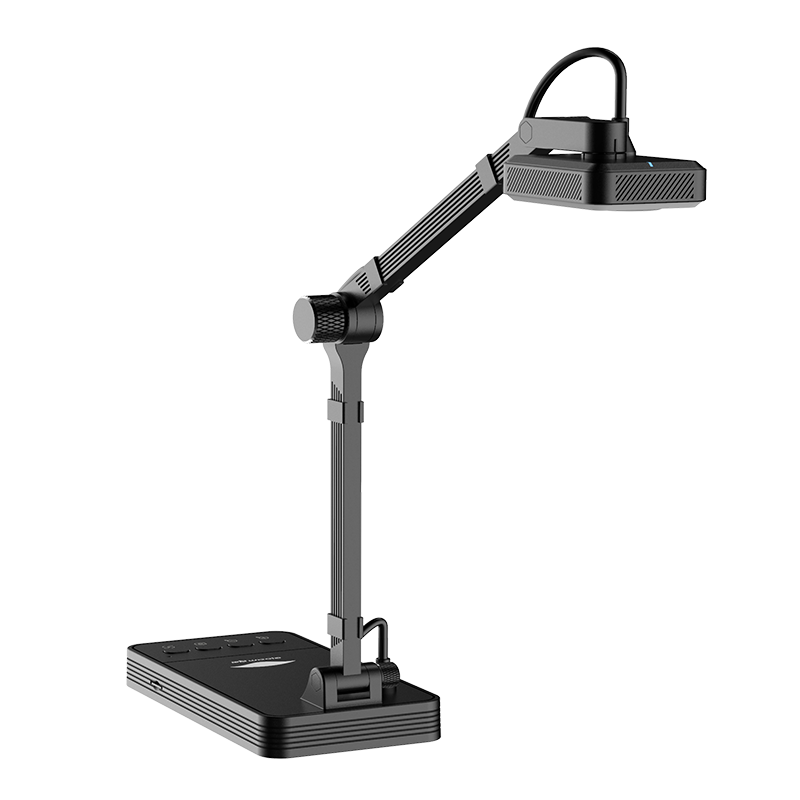
ELOAM YL1050AF Portable Visual Presenter Rugged A3 A4 Book Scanner High Resolution Document Camera USB in Stock
Rugged portable A3/A4 visual presenter with high-resolution USB output for mobile teaching, field training and shared equipment.
View product specs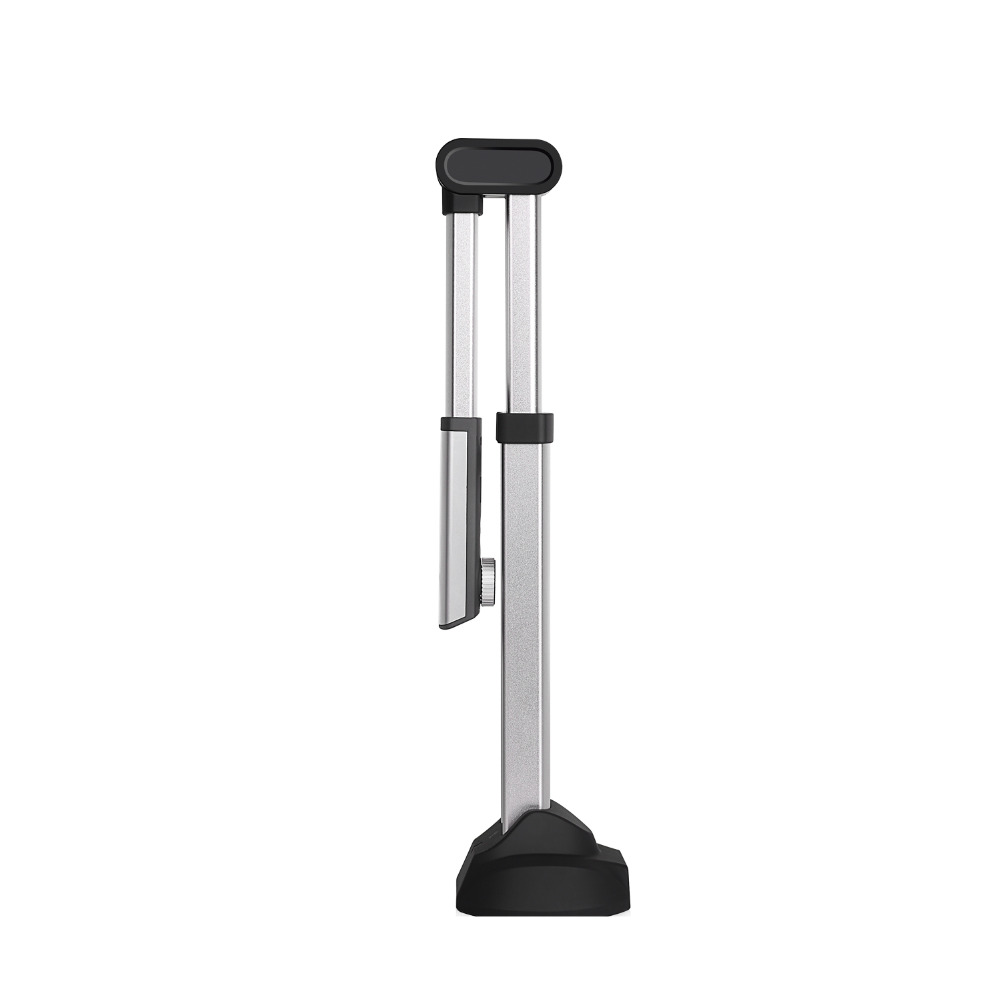
Eloam S1800A2 16MP USB 2.0 Document Camera A2 A3 Scanner 3264 x 2448 CMOS 180 Language OCR Natural Light LED
16MP A2/A3 document camera with CMOS capture, USB 2.0, 180-language OCR and LED lighting for large drawings and plans.
View product specs
ELOAM VW1000AF USB/Wireless High Speed OCR Scanner Portable Document Scanner A4 Book Scanner Document Camera in Stock
USB and wireless A4 book scanner/document camera with OCR for hybrid teaching, loaner kits and paper-light workflows.
View product specs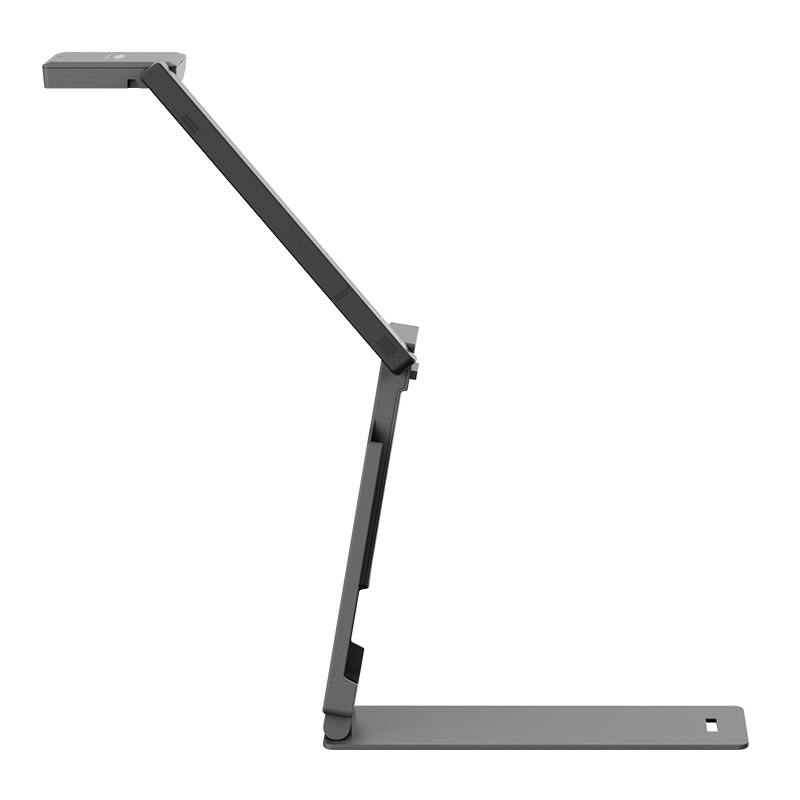
ELOAM VE1300A3AF 13.0MP Ultra HD USB Portable Document Camera & Scanner A3 Size for Teaching in Stock
13MP ultra-HD A3 document camera and scanner for teaching, with USB output, compact footprint and clear text capture.
View product specsWhat “Document Camera Webcam Manufacturer & Exporter” Really Means for B2B Buyers
The query combines three purchase intents: live visual presentation, document digitization and supplier qualification. The strongest sourcing decisions satisfy all three without overpaying for unused features.
Buyers searching for a top 10 document camera webcam manufacturer and exporter are usually not looking for a generic photo gallery. They are trying to reduce sourcing risk. A school district may need 30 FPS video for live remote lessons. A bank may need passport and ID capture with OCR. A library may need non-destructive book scanning. An engineering office may need A2 plan capture. These are different operational problems, even when the search query looks the same.
A modern document camera webcam is a hybrid device. It can function as an overhead scanner, a classroom visualizer, a live webcam for Zoom, Teams or Google Meet, and a capture device for OCR and archive systems. That flexibility is valuable, but it also creates specification traps. A model with high megapixels but poor autofocus may disappoint teachers. A model with fast scanning but no SDK may block system integration. A low-cost visualizer without the right certification can delay customs clearance or public-sector acceptance.
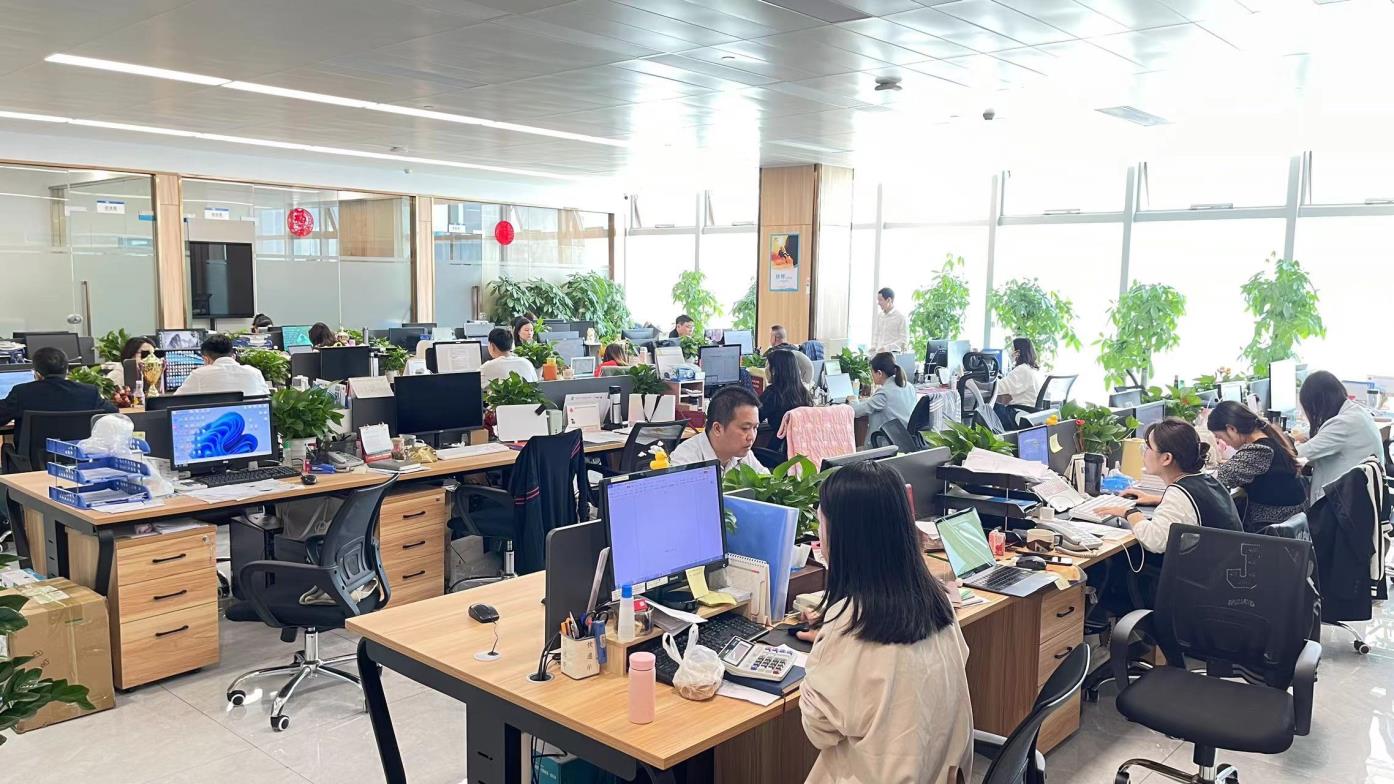
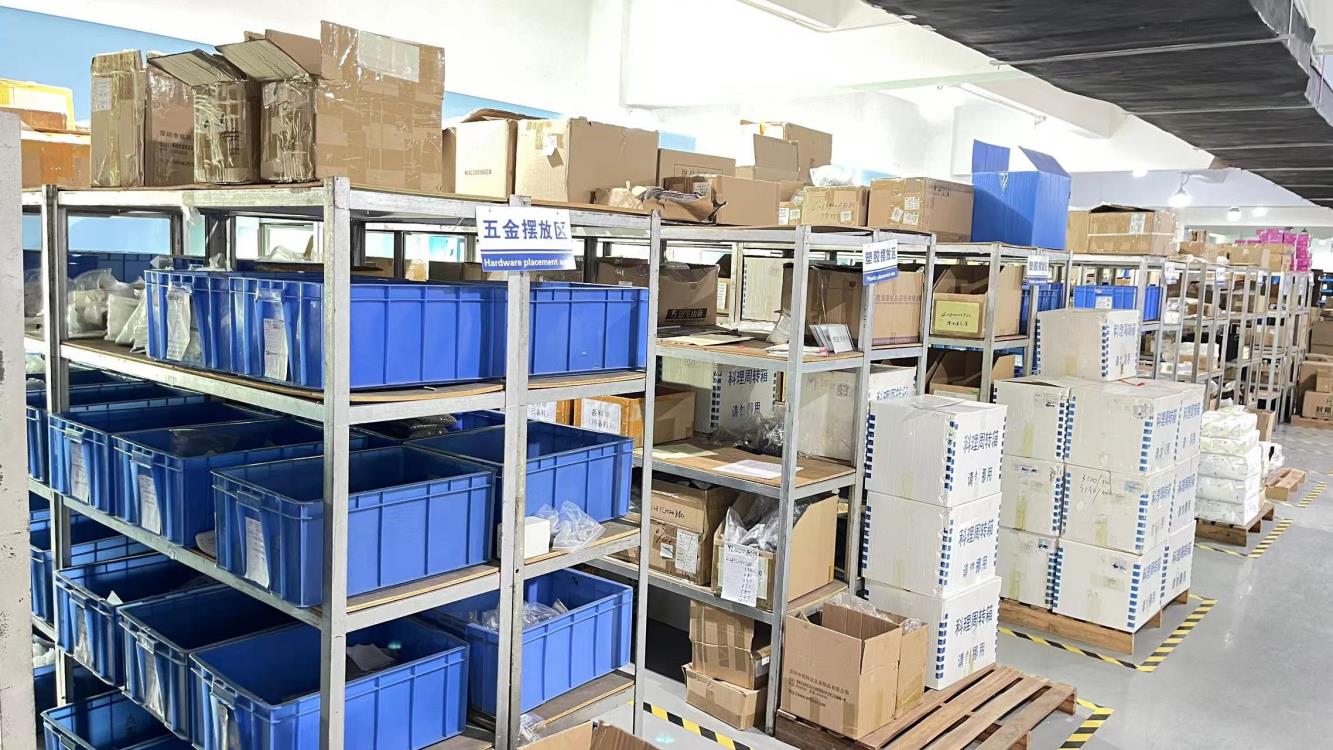
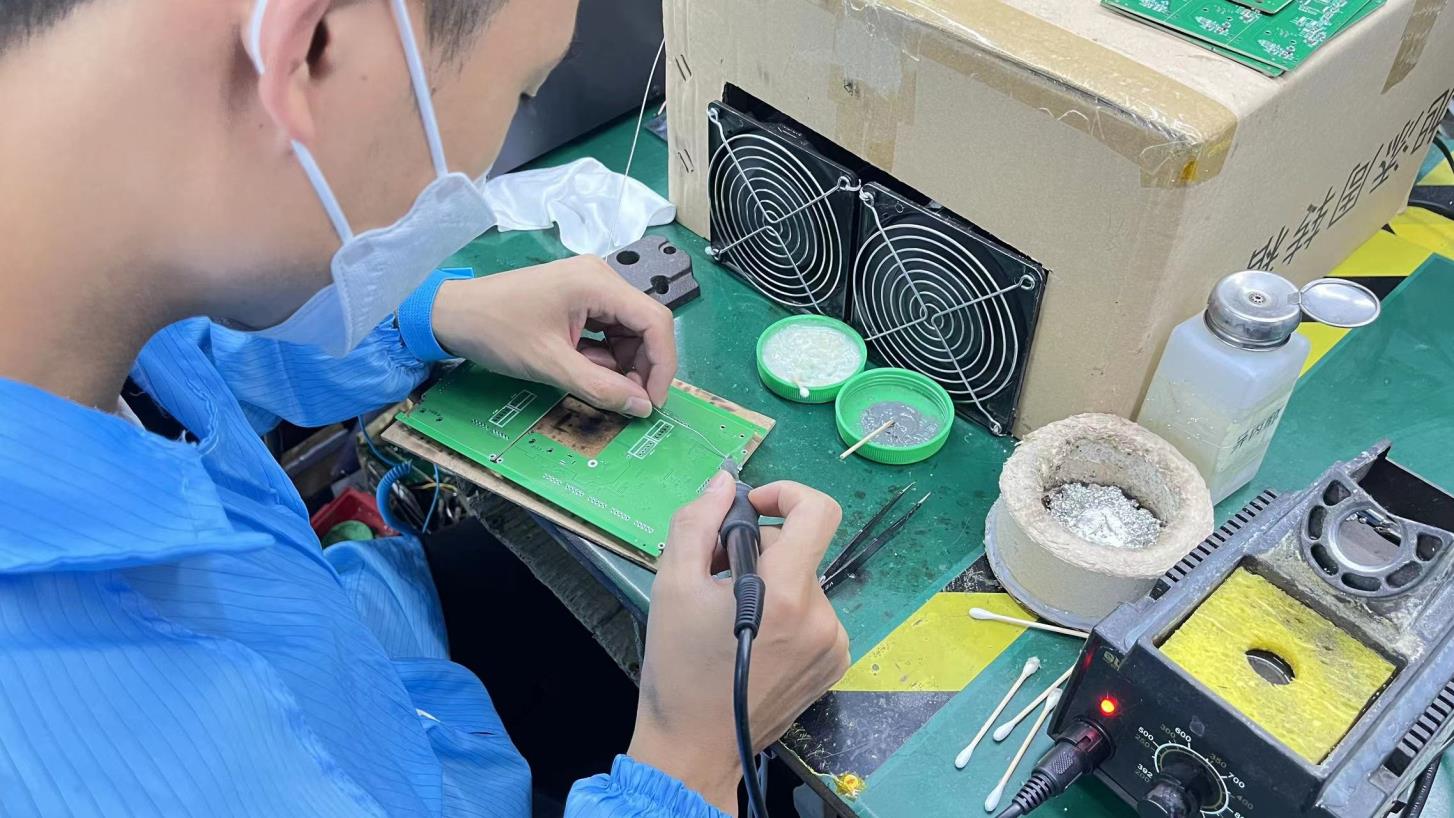
Shenzhen Hobry Technology Co., Ltd. has manufactured imaging hardware since 2005, with in-house industrial design, optics and firmware R&D, software development, assembly and export operations. The company operates 8 production lines in a 5,000–10,000 m² facility, employs 101–200 people and has been verified onsite by Intertek. Its product portfolio includes office document scanners, book scanners, smart education visualizers and portable monitors. For buyers, that means one supplier can support classroom visualizers, bank counter capture, library digitization and office archive projects under a consistent OEM/ODM process.
This page therefore treats “top 10” as a 10-point supplier scorecard, not as a paid ranking badge. The eight models above represent production-ready options from the ELOAM document camera and scanner line. The sections below explain how procurement teams can compare suppliers, write better RFQs, forecast product direction and verify factory claims before placing a bulk order.
Key procurement takeaways
- Match scan area first: A4 for counters and desks, A3 for classrooms and office archives, A2 for plans and large documents.
- Confirm live video, autofocus and low-light behavior when the device will be used as a webcam for teaching or meetings.
- Ask for OCR language support, output formats and SDK availability if the hardware must connect to a document management system.
- Verify factory status, certifications, warranty and after-sales process before comparing price alone.
The 10-Point Supplier Scorecard for Document Camera Webcam Sourcing
Use these ten criteria in an RFQ, sample report or supplier audit. They help separate a real manufacturer from a catalog reseller and reduce hidden costs after delivery.
Optical capture quality
Check sensor resolution, lens quality, color accuracy and text sharpness under real classroom or counter lighting.
Scan area and working depth
Confirm A4, A3 or A2 coverage, book thickness, working height and whether the arm can be folded for transport.
Autofocus and low light
Autofocus speed matters for teachers, bank clerks and library staff who move documents between captures.
Frame rate and latency
For live teaching and webcam use, stable 30 FPS video and low latency are often more important than a larger sensor.
Connectivity
Validate USB, Wi-Fi, Type-C, HDMI or wireless casting requirements against the actual classroom or office network.
OCR, software and SDK
Ask which models support 180-language OCR, PDF/JPEG/TIFF output and SDK integration for workflow systems.
OEM/ODM depth
Logo printing, packaging, housing color, firmware and software customization should be confirmed in writing.
Compliance and verification
Check CE, FCC on selected models, ISO 9001, High-Tech Enterprise status, software copyrights and onsite factory verification.
Warranty and spare parts
A one-year standard warranty is common, but buyers should also confirm repair process, response time and parts availability.
Total cost of ownership
Compare sample cost, tooling, packaging, freight, failure rate and support workload, not only unit price.
How the Eight Models Match Real Procurement Scenarios
Product selection becomes faster when the procurement team starts from the deployment scenario instead of a single headline specification.
Classrooms and hybrid teaching
The VH800S, VE1300A3AF and YL1050AF cover A4/A3 visualizer needs, USB deployment and portable teaching. For live remote lessons, confirm 30 FPS behavior and webcam compatibility with the school’s video platform.
Libraries and book digitization
The YL1020 and portable A3 high-resolution model are strong starting points for OCR, dual-lens capture and book-friendly workflows. Buyers digitizing fragile collections should request sample images of curved pages and tight bindings.
Banking, ID and front-counter capture
S600 and VW1000AF fit office and counter environments where compact footprint, OCR and USB plug-and-play matter. For passport or ID projects, ask for lighting, document-edge and integration test reports.
Office archive, maps and engineering
S1800A2 supports A2/A3 capture with 16MP resolution and 180-language OCR, useful for drawings, invoices and large forms. Confirm the operating system and output format before large-scale deployment.
2025–2030 Forecast: What Buyers Will Require From Document Camera Suppliers
Procurement language is shifting from “camera with high megapixels” to “deployable capture system with software, compliance and lifecycle support.” These six trends should appear in future RFQs.
AI-assisted capture
Automatic page detection, dewarping, glare reduction and OCR confidence scoring will become expected features, especially in education and archive projects.
Webcam-grade live performance
Buyers will ask for stable 30 FPS video, low latency, microphone integration and certified compatibility with mainstream video-conferencing platforms.
Wireless and hybrid-room readiness
Wi-Fi, casting and multi-device sharing will matter more as classrooms and meeting rooms blend in-person and remote participants.
Total cost of ownership
Public-sector buyers will compare failure rates, repairability, spare-part availability and support response time, not just the quotation price.
Verifiable compliance
CE, FCC on selected models, ISO 9001 and onsite factory verification will be treated as baseline due-diligence evidence, not marketing text.
SDK-first purchasing
System integrators will require documentation, sample code, firmware version control and clear customization boundaries before committing to hardware.
Product Development Trends to Write Into Your Next RFQ
The next generation of document cameras will compete on usefulness, not just resolution. These product directions are relevant to distributors, tender writers and OEM buyers.
Higher resolution with better optics
13MP, 16MP and A2/A3 sensors will continue to mature, but buyers should test lens sharpness and edge-to-edge text quality, not only pixel count.
Optical zoom and autofocus
Optical zoom preserves detail when enlarging fine print, specimens or circuit boards; digital zoom alone often produces soft classroom images.
Multi-mode 3-in-1 design
Document camera, scanner and webcam functions will be combined more often to reduce device count in classrooms and mobile offices.
Portable, rugged form factors
Folding arms, compact bases and rugged housings support shared equipment pools, field training and traveling sales teams.
Software-driven differentiation
OCR language packs, auto-crop, page merging, PDF creation and SDK access are becoming purchase criteria alongside hardware specifications.
Low-carbon and ergonomic design
Energy-efficient components, recyclable packaging and ergonomic setup are increasingly requested by education and government tenders.
Why Shenzhen Hobry Technology Belongs on a Serious Shortlist
A supplier shortlist should be based on manufacturing evidence, customization depth and the ability to support the product after shipment.

An Imaging Manufacturer Built on Two Decades of R&D
Founded in 2005, Shenzhen Hobry Technology Co., Ltd. began in digital video technology and grew into a specialist in high-speed portable document scanners and document cameras. The company controls the full cycle in-house: industrial design, optics and firmware R&D, software, manufacturing and global sales.
As a National High-Tech Enterprise holding independent intellectual property, software copyrights and patents, Hobry combines ergonomic design and low-carbon office concepts to deliver reliable hardware at competitive factory prices for schools, banks, governments and enterprises. Its products are CE certified, with FCC available on selected models, and the company holds ISO 9001 quality management certification and software copyright registrations.
OEM, ODM, design service and buyer-label service are available. Customization can cover logo printing, packaging, housing color, firmware and software. An SDK is available on selected models for system integration, which is critical for banks, libraries and software vendors that need the camera to work inside an existing workflow.
In-house R&D
Industrial design, optics, firmware and software teams support genuine customization rather than simple relabeling.
Verified factory
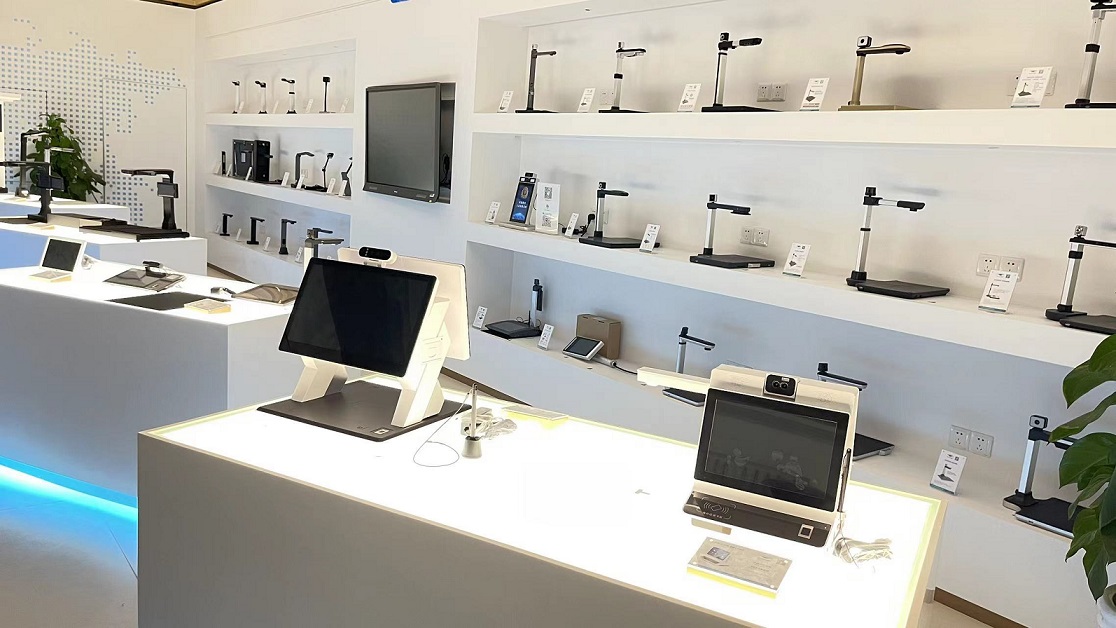
Intertek onsite verification, 8 production lines and a 5,000–10,000 m² facility support buyer due diligence.
Compliance focus
ISO 9001, CE, selected FCC models, High-Tech Enterprise status and software copyrights support tender submissions.
OEM/ODM support
Logo, packaging, housing color, firmware, software and SDK integration are available through a structured process.
Quality, Compliance and Verification Before You Place a Bulk Order
Verification data shortens supplier qualification and reduces the risk of delayed tenders, customs checks or post-delivery failures.

Intertek onsite verification
Factory premises, production capability, quality control and legal status have been inspected onsite by Intertek, an independent inspection company.
ISO 9001 and CE
ISO 9001 quality management certification supports process control. Products are CE certified, with FCC available on selected models.
High-Tech Enterprise status
National High-Tech Enterprise recognition and software copyright registrations support software-related procurement reviews.
Trade and credit records
Buyers can review trade capacity, transaction level, trade history, credit index and ratings before engaging in a long-term supply agreement.
From Requirement Review to Shipment in Four Clear Steps
For distributors, tender suppliers and system integrators, a documented customization process is as important as the sample itself.
Requirement review
Define scan size, resolution, operating system, interface, target market compliance and expected monthly volume.
Design and engineering
Confirm housing, logo, packaging, firmware, software UI and SDK requirements with engineering documentation.
Sample approval
Test pre-production samples against image quality, OCR, compatibility, packaging and drop or aging criteria.
Production and delivery
Mass production runs with incoming, in-process and finished-product QC. FOB, CFR, CIF and EXW terms are accepted.
Common Questions Buyers Ask Before Ordering Document Cameras
These answers are written for sourcing managers, distributors, tender writers and system integrators who need factual starting points before requesting a quotation.
Is Hobry a manufacturer or a trading company?
Shenzhen Hobry Technology Co., Ltd. is a manufacturer with an integrated export function. Founded in 2005, the company runs 8 production lines in a 5,000–10,000 m² facility in Shenzhen and has been verified onsite by Intertek.
Can I order samples before a bulk order?
Most models are available as single-unit samples for evaluation. Bulk MOQ depends on the model and customization level and is confirmed in your quotation.
Do you offer OEM and ODM services?
Yes. OEM, ODM, design service and buyer-label service are available, including logo printing, custom packaging, housing color, firmware and software customization. An SDK is available on selected models.
Can the document camera work as a webcam for online teaching?
Many visualizer models are designed for live video and USB connection to a computer. For Zoom, Teams, Google Meet or classroom software deployments, confirm the exact model, frame rate, driver requirements and platform compatibility with the sales engineer before ordering.
Which OCR languages and operating systems are supported?
Selected models support OCR in up to 180 languages and output formats such as PDF, JPEG and TIFF. Windows is supported across the range, and macOS is supported on selected large-format models. Compatibility should be confirmed per model.
What certifications and quality documents are available?
Products are CE certified, with FCC available on selected models. The company holds ISO 9001 quality management certification, a National High-Tech Enterprise certificate and software copyright registrations. Standard warranty is one year.
Which payment, delivery and warranty terms are accepted?
Accepted payment terms are T/T, L/C, PayPal and Western Union in USD. Delivery terms include FOB, CFR, CIF and EXW. The standard warranty is one year; confirm after-sales process and spare-part support in your quotation.
How do I choose between A4, A3 and A2 models?
Choose A4 for teller counters, passports, forms and individual desks. Choose A3 for classrooms, invoices, books, contracts and general office archives. Choose A2 for maps, engineering drawings, large plans and oversized documents. Then validate frame rate, autofocus, lighting and software requirements against the actual workflow.
Need a Shortlist, Not a Catalog Wall?
Share your scan size, quantity, target market, software requirements and certification needs. Our team will recommend the right document camera or scanner configuration for your project.
info@hobrytech.com