OEM/ODM USB Document Camera Manufacturers & Wholesalers
Compare eight ready-to-quote USB document cameras, visualizers, A3/A2 scanners and portable monitor options from a Shenzhen imaging factory built for distributors, tender buyers, system integrators and private-label brands. This guide maps search intent to verifiable specifications, factory credentials and the questions that shorten supplier qualification.
8 Recommended OEM/ODM USB Document Cameras & Wholesale Imaging Units
These eight products reflect common wholesale request patterns: classroom visualizers, portable scanners for counter services, A2/A3 archive capture, OCR document cameras and one portable monitor that bundles well with mobile productivity orders. Product URLs are preserved for direct evaluation.
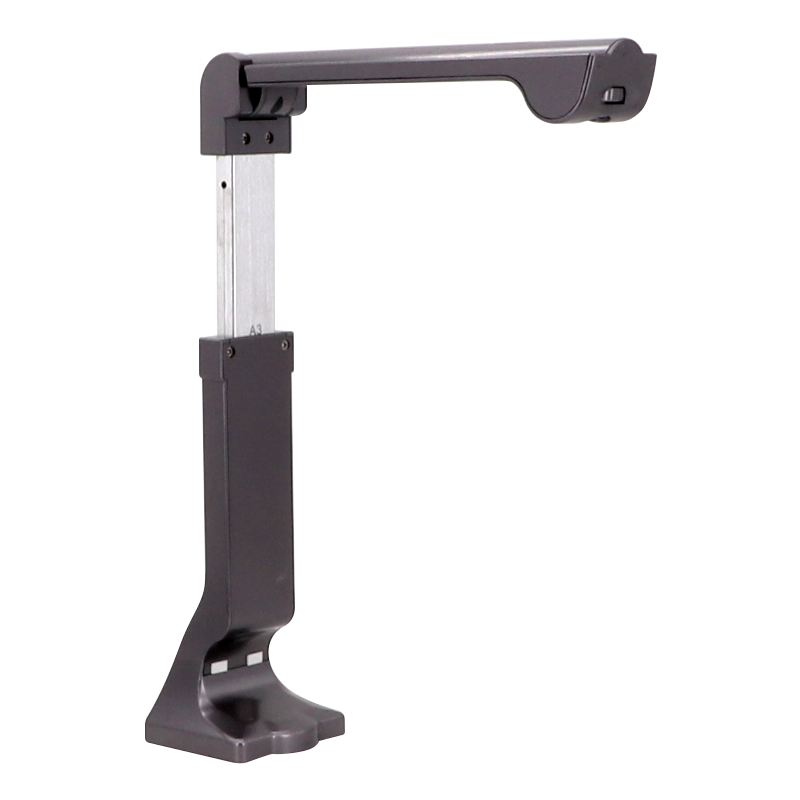
ELOAM S600 10MP CMOS A3 Folding Document Scanner with USB Interface and OCR Camera Gray 1-Year Warranty in Stock 1-Second
- A3 folding format
- 10MP CMOS
- USB interface
- OCR camera
- 1-second scan
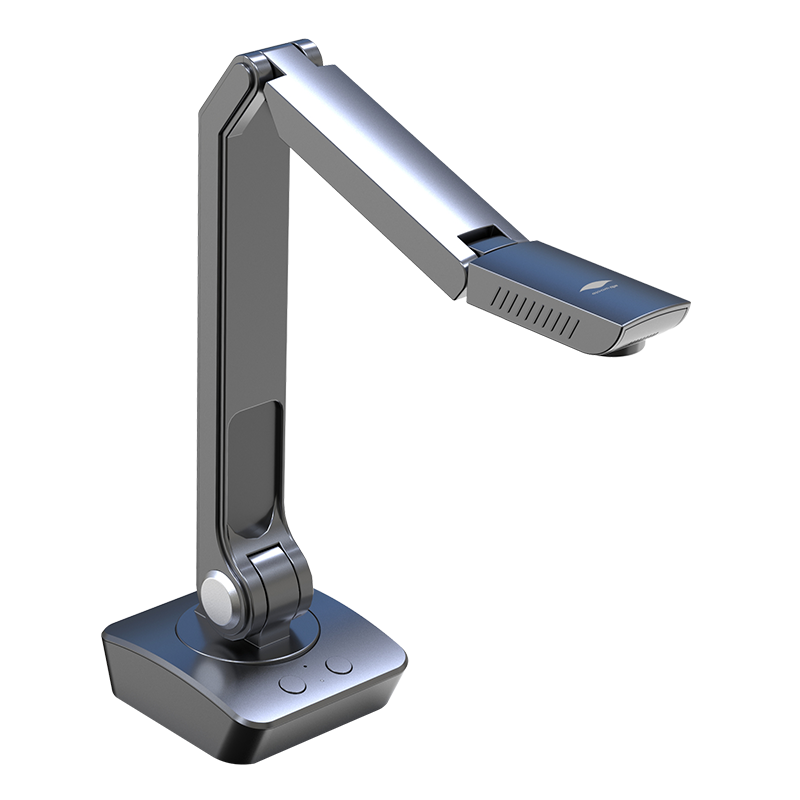
ELOAM V801A3AF A3 Portable Document Camera with USB Interface OCR Function for School & Office Meetings in Stock
- A3 capture
- USB interface
- OCR function
- School and office
- In stock
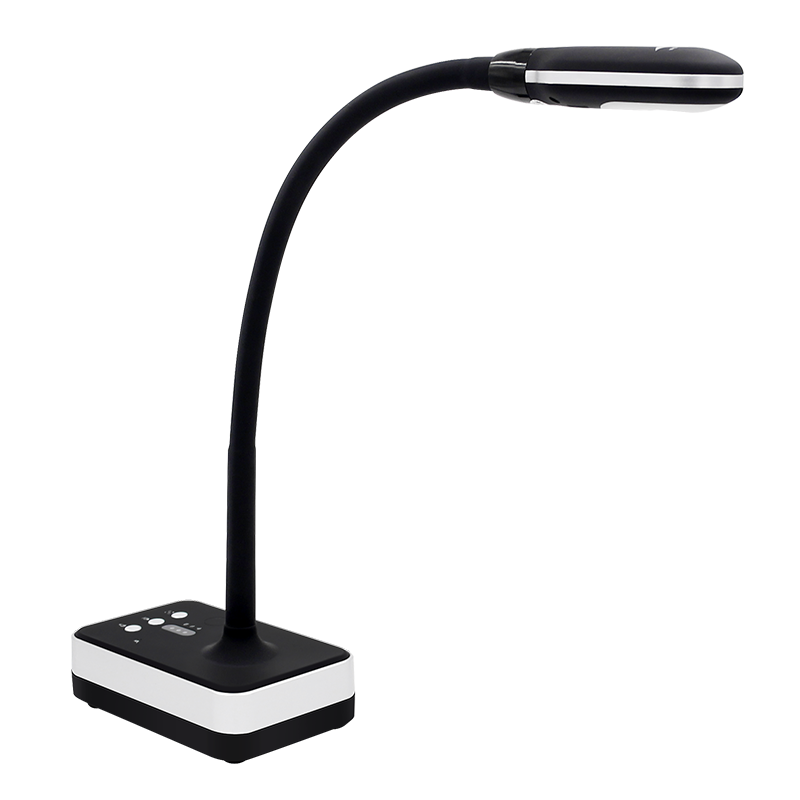
ELOAM VW1000A3AF High Speed Portable A3 Intelligent Archive Automatic Document Camera Scanner USB Interface in Stock
- A3 intelligent archive
- High-speed capture
- Automatic workflow
- USB interface
- Portable body
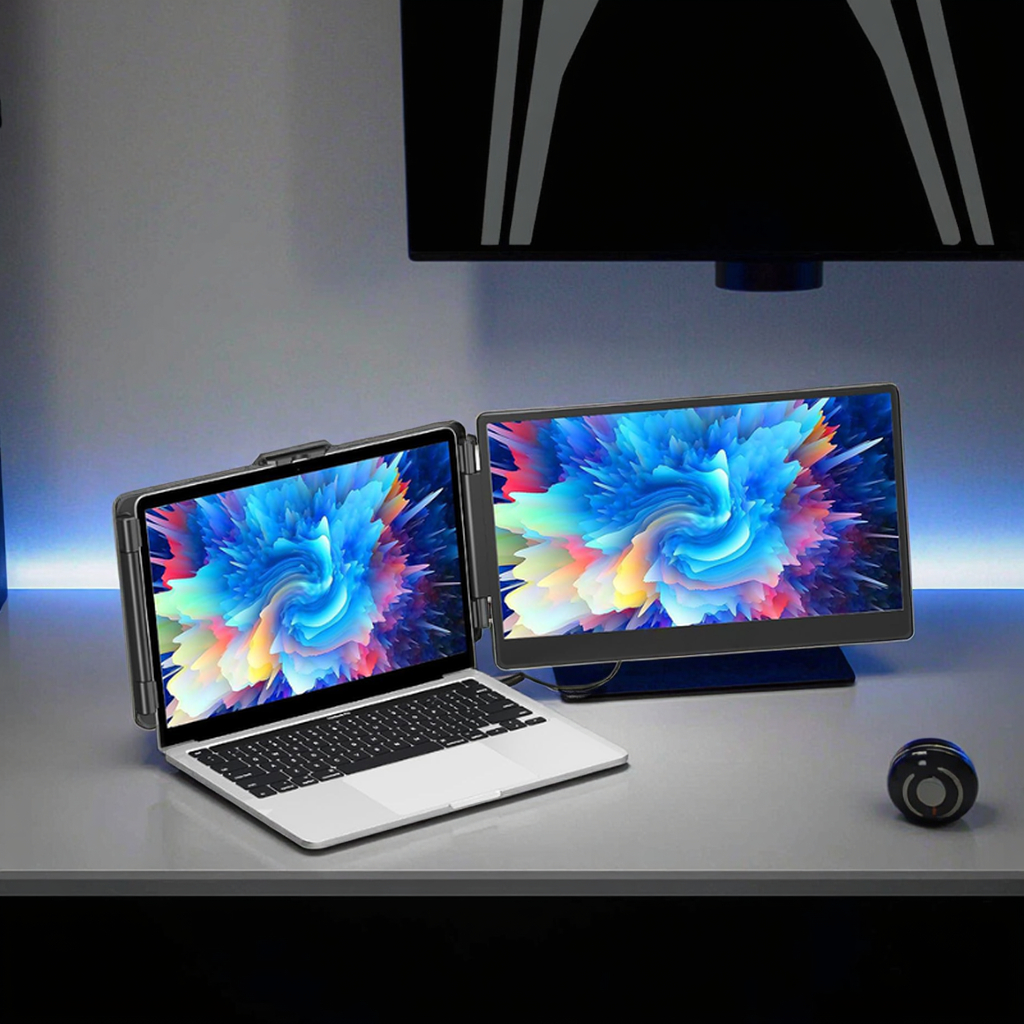
Factory Direct 14 Inch Portable IPS Panel LCD Monitor Type C Plug & Play Windows Mac 1920x1080 Resolution Business Series 60Hz
- 14-inch IPS panel
- 1920x1080
- Type-C plug and play
- Windows and Mac
- 60Hz business series
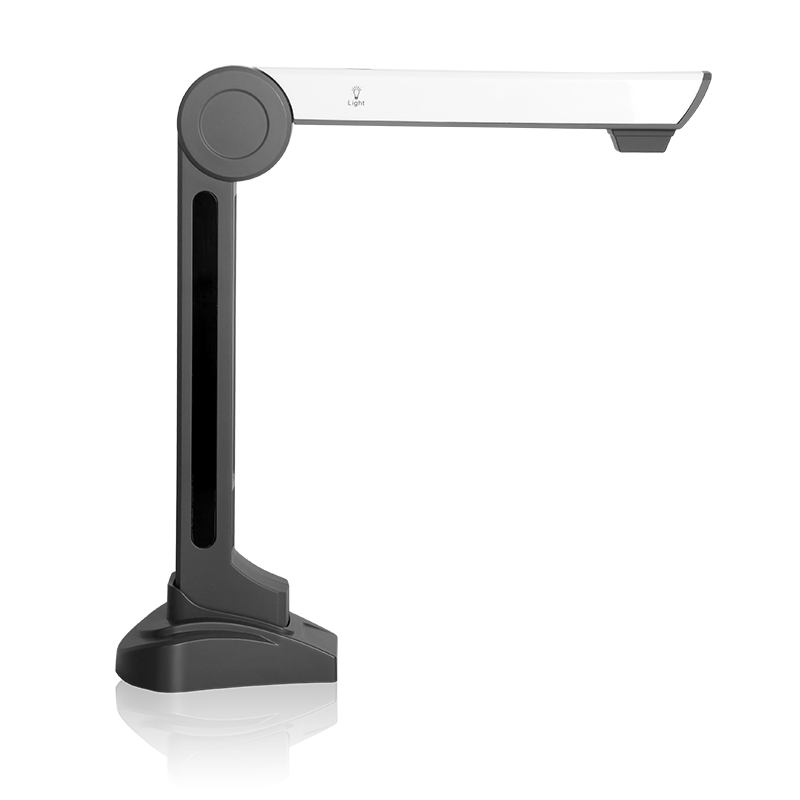
Eloam S500P 5MP Ultra Portable High-Speed OCR Document Scanner with USB SDK for School and Office Use in Stock
- 5MP capture
- Ultra portable
- High-speed OCR
- USB SDK
- School and office
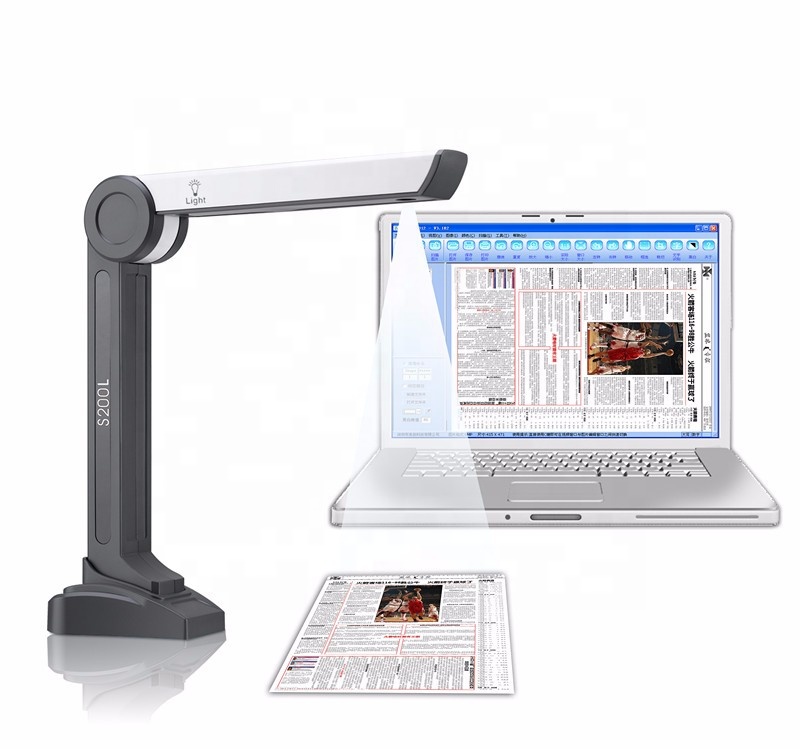
Eloam USB 2.0 Interface Mini Portable Document Scanner Visualizer A4 Size CMOS Sensor 1 Second Scan Speed 1600x1200 Resolution
- A4 size
- USB 2.0
- CMOS sensor
- 1-second scan
- 1600x1200 resolution
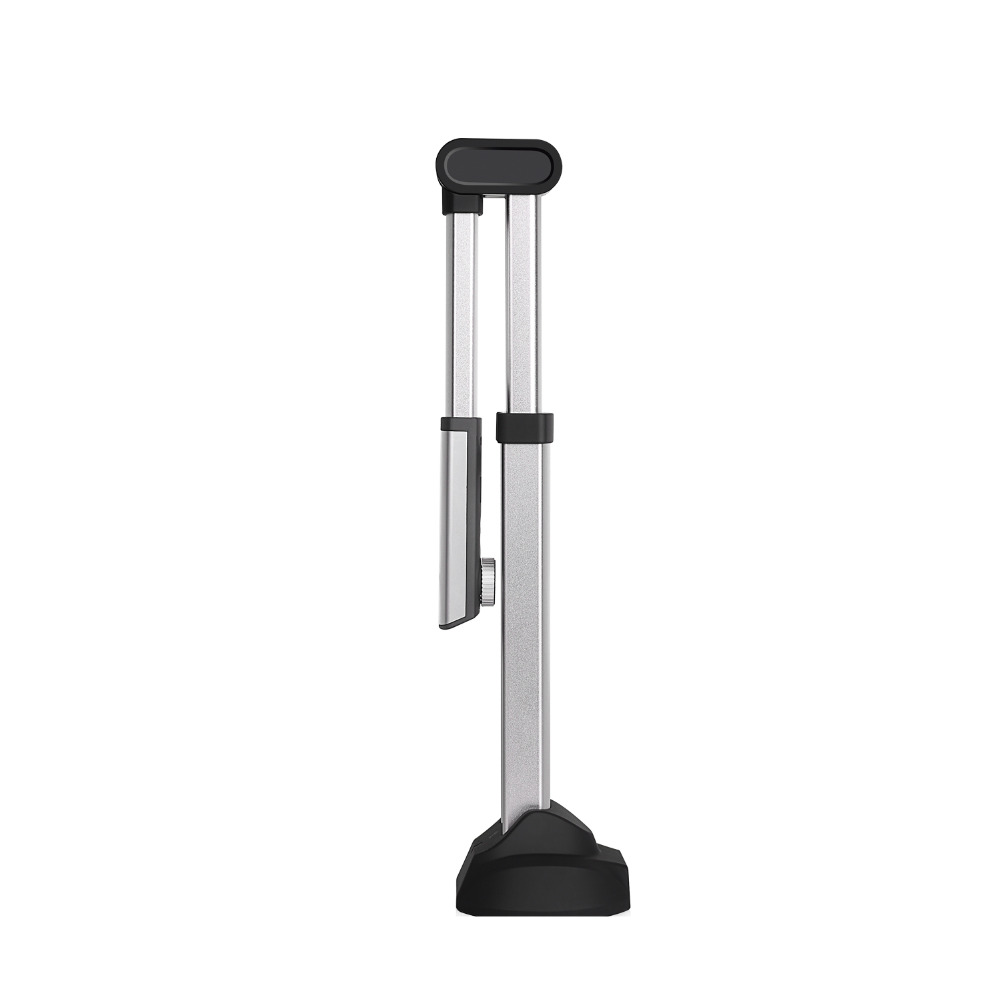
Eloam S1800A2 16MP USB 2.0 Document Camera A2 A3 Scanner 3264 x 2448 CMOS 180 Language OCR Natural Light LED
- A2/A3 area
- 16MP resolution
- 3264x2448 CMOS
- 180-language OCR
- Natural light LED
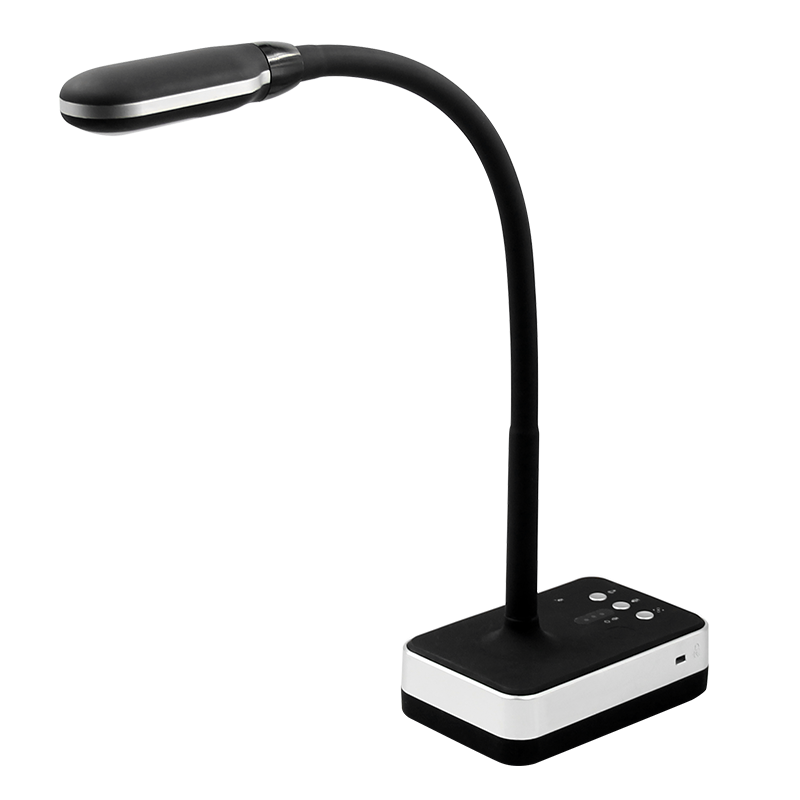
ELOAM VH802A3AF USB for Document Camera OCR High-Speed Scanner 8MP Resolution A3 Size in Stock
- 8MP resolution
- A3 size
- USB interface
- OCR scanner
- High-speed capture
What Buyers Mean When They Search for OEM/ODM USB Document Camera Manufacturers & Wholesalers
The query combines supplier type, customization capability, product category and wholesale channel. A credible page must answer three different buying intents without forcing every visitor into the same sales conversation.
From a semantic-search perspective, “OEM/ODM USB document camera manufacturers and wholesalers” is not a single product query. It can mean private-label sourcing, tender-ready factory qualification, classroom visualizer procurement, OCR document capture for banking counters, or a distributor building a multi-model catalog. The useful information gain comes from mapping each intent to a specific model family, verifiable factory fact and pre-order confirmation item.
Product-first buyers
They already know they need A3 or A4 capture, 8MP to 16MP resolution, OCR, USB plug-and-play and a folding or flexible arm. They need a clear model comparison, consistent sample quality and confirmation of scan area, output format and software compatibility.
Project and tender buyers
They are sourcing for schools, banks, government counters or archive rooms. The real questions are certification, warranty, stable supply, SDK availability, packaging strength and after-sales support. They compare supplier risk as much as unit specification.
Private-label wholesale buyers
They require logo printing, custom packaging, housing color, firmware or software adjustments and buyer-label service. They need MOQ, sample policy, payment terms and delivery terms clearly stated before internal approval can move forward.
Figures are based on the company profile and product listings provided by the manufacturer. Confirm current certificates, configuration and model-specific capability before placing a bulk order.
Which USB Document Camera Should You Recommend to Wholesale Customers?
Do not choose on megapixels alone. Match the job to scan area, capture speed, OCR, interface and integration needs. This matrix turns technical attributes into buyer language that distributors can use in quotations.
| Buyer intent | Recommended model family | Value that closes the deal | Confirm before order |
|---|---|---|---|
| Classroom demonstrations and hybrid lessons | V801A3AF or VH802A3AF | A3 portable document camera with USB and OCR; easy to connect to a teacher’s PC for live demonstrations and digitized handouts. | Frame rate, software compatibility, cable length and available packaging. |
| General office archive and contract capture | S600 10MP or VW1000A3AF | A3 folding or high-speed archive capture with USB and OCR; useful for invoices, contracts, forms and routine scanning. | OCR language list, output formats, lighting conditions and sample image quality. |
| Large drawings, maps and engineering documents | S1800A2 16MP | A2/A3 capture with 3264 x 2448 CMOS, 180-language OCR and natural light LED; suited to oversized documents. | Windows/macOS support, desk footprint, export settings and focal range. |
| Counter service and identity capture | S500P 5MP | Ultra-portable, high-speed OCR scanner with USB SDK for school and office use; compact enough for limited counter space. | SDK scope, supported document sizes, local software deployment and warranty process. |
| Mobile field documentation and sales teams | S500P or USB 2.0 mini A4 scanner | Compact USB-powered capture with 1-second scanning and A4 format; practical for sales kits, field audits and remote support. | Driver-free operation, laptop power requirements and carry-case availability. |
| Distributor bundle with mobile productivity | 14-inch IPS portable monitor plus S500P | Type-C plug-and-play monitor for Windows and Mac combined with a portable OCR scanner creates an attractive remote-work bundle. | Monitor panel grade, cable package, power adapter policy and mixed-carton packaging. |
| Software integration and system projects | Selected USB models with SDK support | USB connectivity allows document-camera capture to be embedded in KYC, archiving, education or records-management software. | SDK availability by model, operating system, API documentation and technical support level. |
| Private-label catalog expansion | A3/A4 document camera family | A broad family lets a distributor cover education, office and archive segments with one supplier relationship and consistent branding. | MOQ, logo process, packaging artwork, housing color and firmware customization limits. |
Specifications are summarized from current model listings. OCR languages, SDK support, operating systems and customization scope can vary by model, so final configuration must be confirmed in the quotation.
USB Document Camera Procurement Trends Wholesale Buyers Should Plan For
Procurement is shifting from “buy the cheapest camera” to “choose a dependable capture platform with documentation, software support and repeat-order consistency.” These six trends are especially relevant for 2025–2030 sourcing plans.
USB-C convenience with legacy USB 2.0 demand
Enterprise fleets still include older PCs, so USB 2.0 compatibility remains a practical requirement. At the same time, buyers increasingly ask about Type-C adapters, clean cable routing and plug-and-play behavior for modern laptops and interactive panels.
Hybrid classrooms and distributed offices
Portable A3/A4 visualizers with folding arms or compact bodies are easier to move between rooms. Buyers now evaluate teacher setup time, single-cable use and whether the device works with existing displays rather than replacing an entire AV system.
OCR becomes a selection criterion
OCR is no longer an add-on. Distribution partners need to state language coverage, output formats such as PDF, JPEG and TIFF, and whether batch scanning or software automation is available. Model-level confirmation prevents tender mismatches.
Privacy-aware capture and offline workflows
Banks, schools and government agencies prefer predictable local capture paths. Buyers increasingly ask whether software requires a cloud account, how data remains on the workstation and how IT teams can deploy the software across managed devices.
Total cost of ownership over lowest FOB
Wholesalers compare sample failure risk, warranty handling, spare-part availability, packaging strength and firmware stability. A slightly higher unit price can be easier to sell when it reduces returns, installation time and after-sales complaints.
Tender-ready documentation
Certification, factory assessment and software copyright evidence can decide whether a bid advances. Verified manufacturing status, ISO 9001, CE, FCC on selected models and a one-year standard warranty should be easy to retrieve during supplier review.
Where USB Document Camera Technology Is Moving Next
The next buying cycle will reward suppliers who can combine optical quality, software usefulness and deployment simplicity, not just higher resolution numbers.
Optical zoom and large-format clarity
Digital zoom magnifies pixels; optical zoom preserves detail. Products such as the V80 with 13x optical zoom show why lecture halls, laboratories and training rooms still pay for real optical performance when fine text, specimens or circuit boards must remain sharp on a large display.
AI-assisted capture at the edge
Auto-crop, deskew, page flattening, OCR confidence checks and real-time video improvement are becoming expected software features. The procurement question is not whether AI is mentioned, but whether it works locally, reliably and repeatably under classroom or counter lighting.
Modular hardware and SDK integration
Flexible arms, detachable heads, standard USB video behavior and SDK access make document cameras easier to embed into third-party software. Distributors and system integrators should ask for API documentation, supported operating systems and the level of engineering support included.
Four Checks Before Requesting a Document Camera Sample
The fastest way to reduce sourcing risk is to give the factory a written acceptance checklist. These four areas cover most of the mismatch problems that appear after a purchase order is placed.
Scan area and form factor
Confirm A4, A3 or A2 capture, folded dimensions, arm travel, counter footprint and whether a book or bound document must stay flat without damage.
Image quality and speed
Test real documents under target lighting. Compare text edge clarity, color consistency, OCR accuracy, capture speed and live-video smoothness for teaching use.
Connectivity and software
Verify USB version, cable length, driver behavior, Windows or macOS support, OCR output formats and SDK availability for integration projects. Confirm per model, not by assumption.
Compliance and lifecycle
Collect certification evidence, warranty terms, packaging standards, spare-part support and firmware update policy. These documents shorten tender review and distributor onboarding.
Why Hobry Is a Credible OEM/ODM USB Document Camera Manufacturer
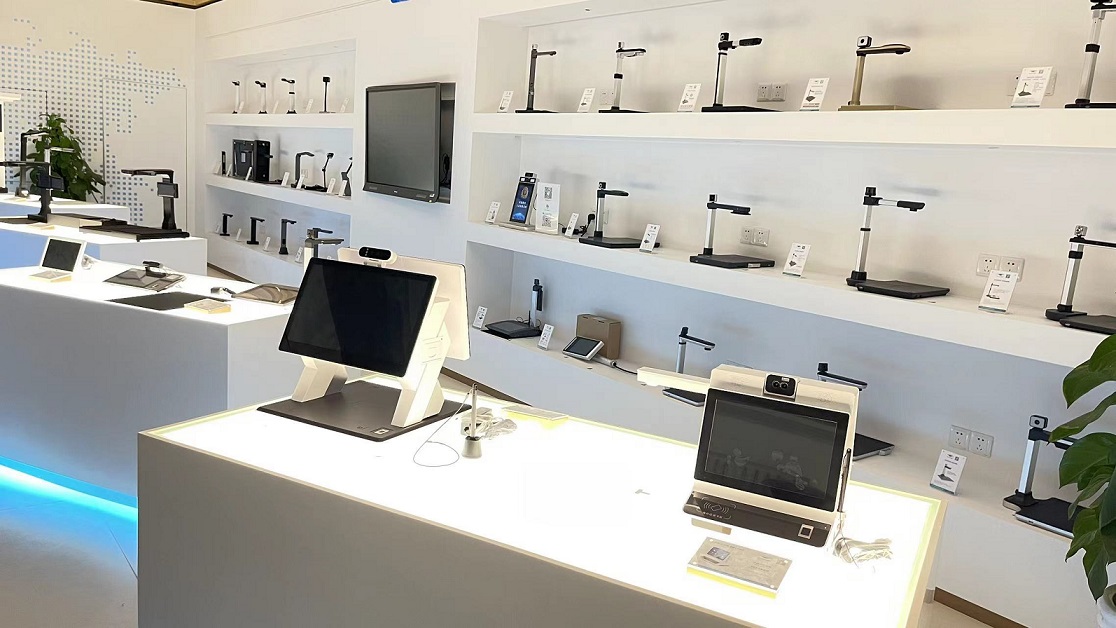
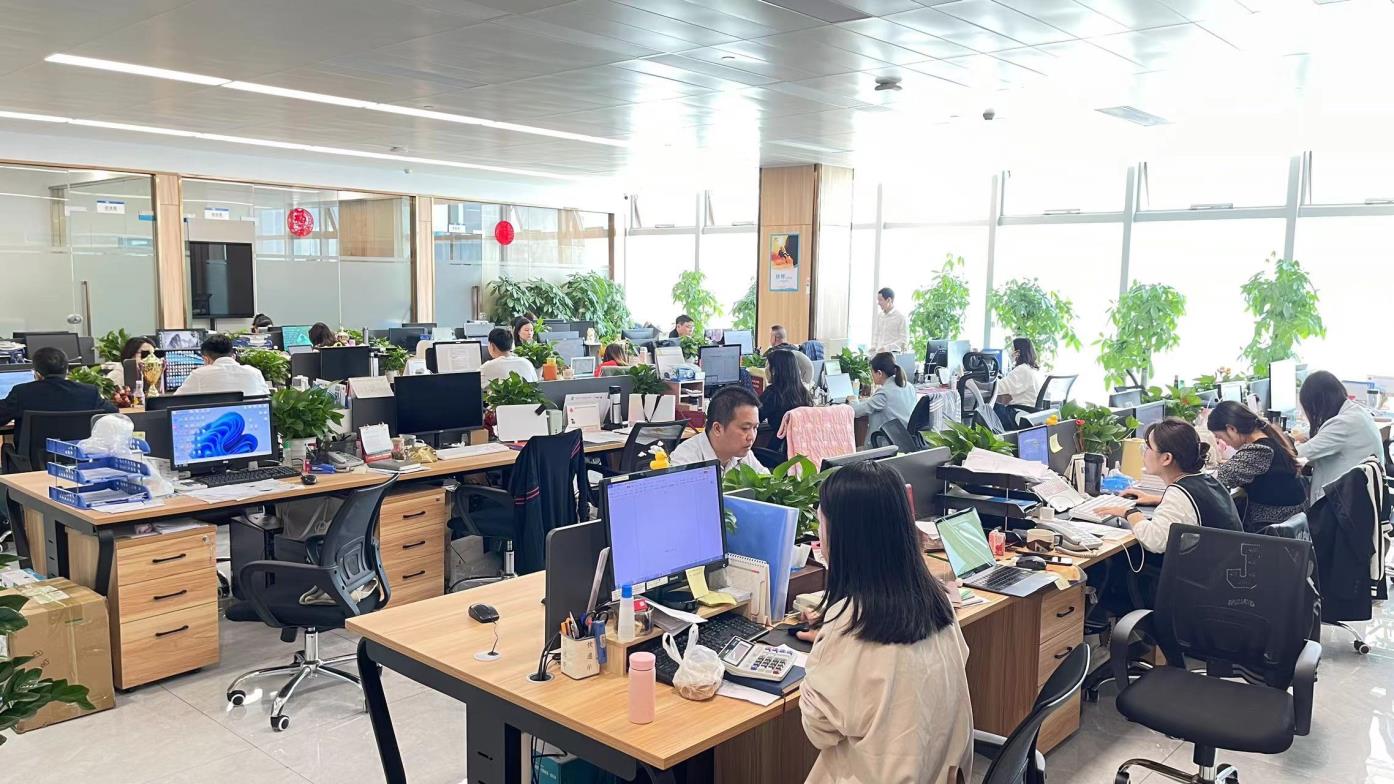
For B2B buyers, proof beats adjectives. Shenzhen Hobry Technology Co., Ltd. combines in-house imaging R&D, production capacity and export support for distributors, schools, banks, governments and system integrators.
Manufacturer since 2005
Founded in 2005, the company operates 8 production lines in a 5,000–10,000 m² facility in Shenzhen with 101–200 employees. The business is a manufacturer and exporter, not only a trading layer.
In-house R&D and customization
Industrial design, optics, firmware, software and manufacturing are controlled in-house. OEM, ODM, design service and buyer-label service are available, including logo, packaging, housing color, firmware and software customization.
Verified quality and compliance
The factory has been verified onsite by Intertek. The company holds ISO 9001, National High-Tech Enterprise status, software copyright registrations and related credentials. Products are CE certified, with FCC available on selected models and a standard 1-year warranty.
Global wholesale support
Main markets include North America, Southeast Asia, Southern Europe and the Middle East. Payment terms include T/T, L/C, PayPal and Western Union; delivery terms include FOB, CFR, CIF and EXW. Samples are available for most models.

From Requirement Review to Repeat Order in Five Clear Steps
A structured process reduces sample cycles and makes customization expectations visible before tooling, packaging or firmware work begins.
Requirement review
Define scan area, resolution, OCR needs, target operating system, interface, quantity and destination-market compliance.
Design and engineering
Confirm housing color, logo, packaging, firmware behavior, software UI and SDK scope for selected models.
Sample approval
Evaluate pre-production samples against your acceptance checklist, including image quality, OCR and connection stability.
Mass production
Production runs across 8 lines with incoming, in-process and finished-product quality control before packing.
Delivery and support
Ship under FOB, CFR, CIF or EXW terms with after-sales technical support and standard warranty coverage.
What You Can Verify Before Paying a Deposit
Wholesale buyers should request evidence, not verbal assurance. The following items support supplier qualification and can be discussed during inquiry.

Intertek onsite verification
The factory has been inspected onsite by Intertek, covering premises, production capability, quality control and legal status. This is useful evidence for distributors and tender teams.
ISO 9001 quality management
The company holds ISO 9001 quality management certification. Ask for the current certificate scope and how incoming, in-process and finished-product inspection are recorded.
CE / FCC and warranty
Products are CE certified, with FCC available on selected models. Standard warranty is one year. Confirm the exact certificate, model list and warranty handling process for your market.
High-tech enterprise and software copyrights
The company holds National High-Tech Enterprise status and software copyright registrations. These credentials matter when buyers need evidence of software ownership and long-term development capability.
FAQ for OEM/ODM USB Document Camera Wholesale Buyers
These answers address the questions that most often appear before a sample request, factory audit or private-label quotation.
Is Hobry a manufacturer or a trading company?
Do you offer OEM and ODM for USB document cameras and visualizers?
Which models support OCR in up to 180 languages and what output formats are available?
Can I order samples before placing a bulk order?
What payment terms and delivery terms are accepted?
Which certifications and warranty terms are standard?
Can software vendors integrate the document camera through an SDK?
How should distributors choose between A3, A2 and A4 document cameras?
Request a Model Match, Sample Plan and Wholesale Quotation
Send your scan area, resolution target, estimated quantity, destination market, certification needs and branding requirements. The sales engineering team can confirm the appropriate model, customization scope, sample availability, MOQ, payment terms and delivery terms in the quotation.