USB Camera Scanners Ready for Custom OEM Programs
Custom OEM USB camera scanners sit at the intersection of document capture, classroom visualization and real-time video communication. The eight models below cover rugged A3/A4 visual presenters, foldable overhead scanners, wireless classroom cameras, 4K 3-in-1 units, V-shape book scanners and portable OCR scanners with SDK support. Each product URL is retained so your team can verify specifications, stock status and configuration options directly.
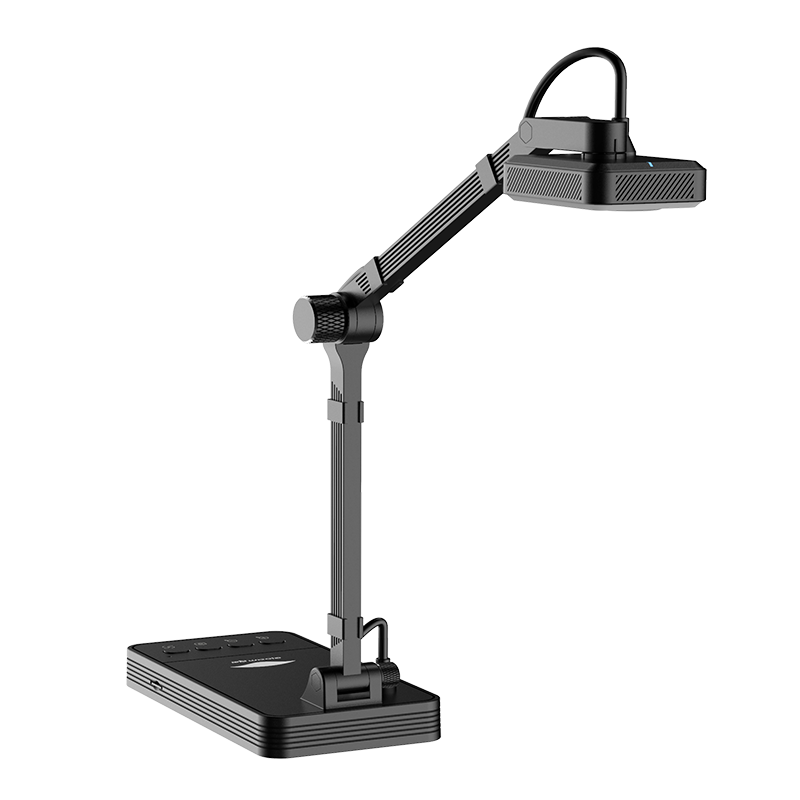
ELOAM YL1050AF Portable Visual Presenter Rugged A3 A4 Book Scanner High Resolution Document Camera USB in Stock
- Rugged A3/A4
- USB
- Book capture
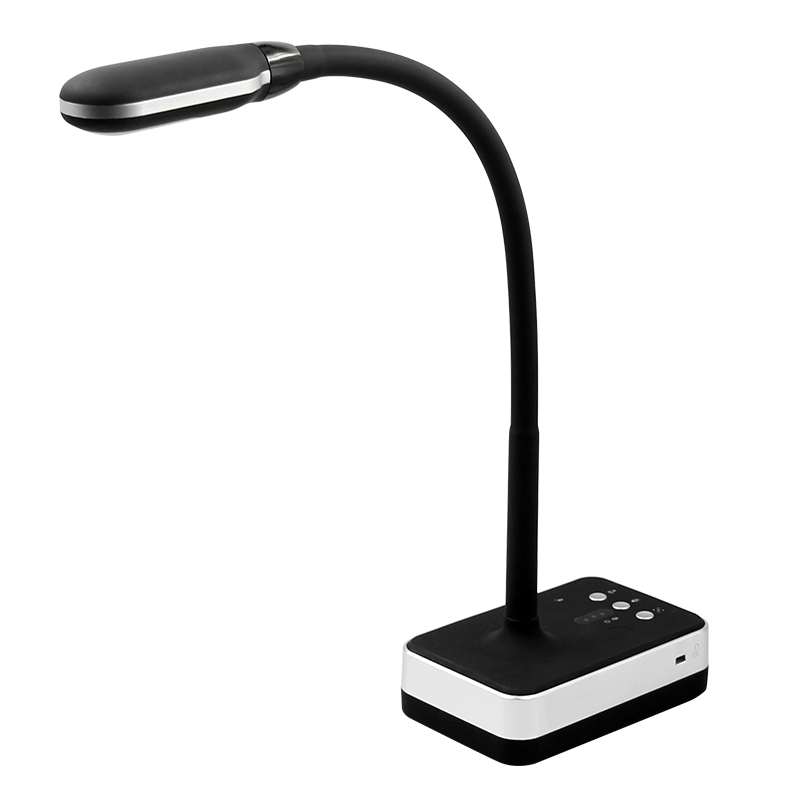
ELOAM VH1000AF A4 10MP High Speed Wireless USB Portable Document Camera Scanner for Education and Classroom in Stock
- 10MP
- Wireless + USB
- Education
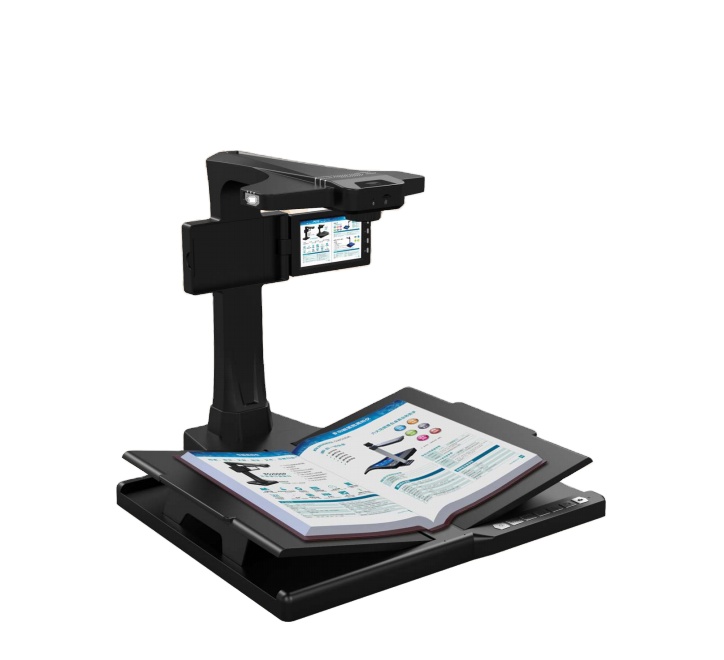
Eloam BS3000P 28MP A3 Document Scanner V Shape Book Scanner CMOS USB 2.0 LCD Preview Screen for Library
- 28MP
- A3 V-cradle
- LCD preview
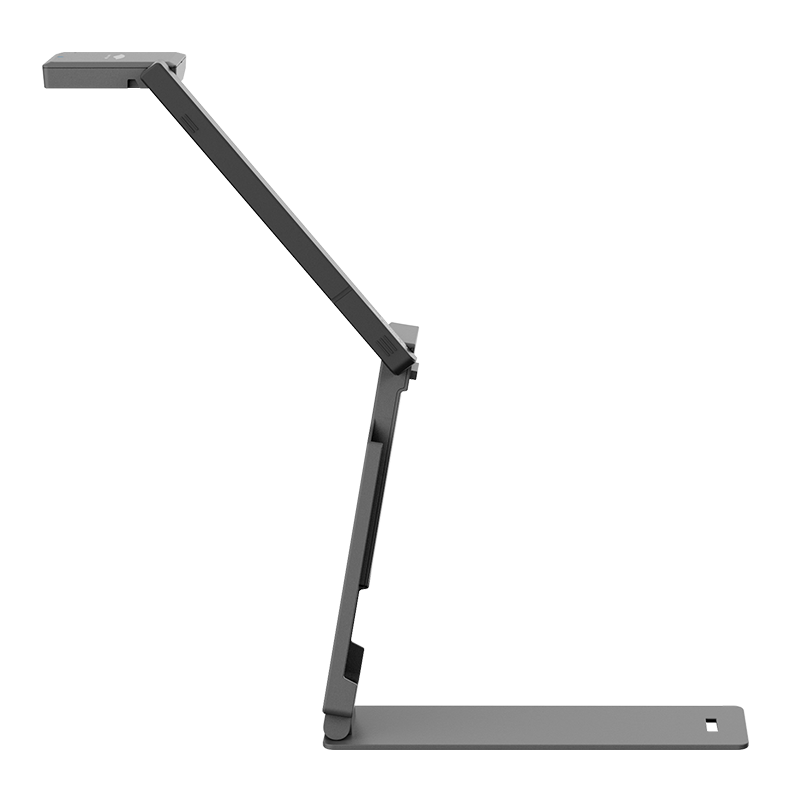
ELOAM VE1300A3AF 4K Document Camera 3-in-1 Scanner USB for Education Stock
- 4K
- 3-in-1
- USB
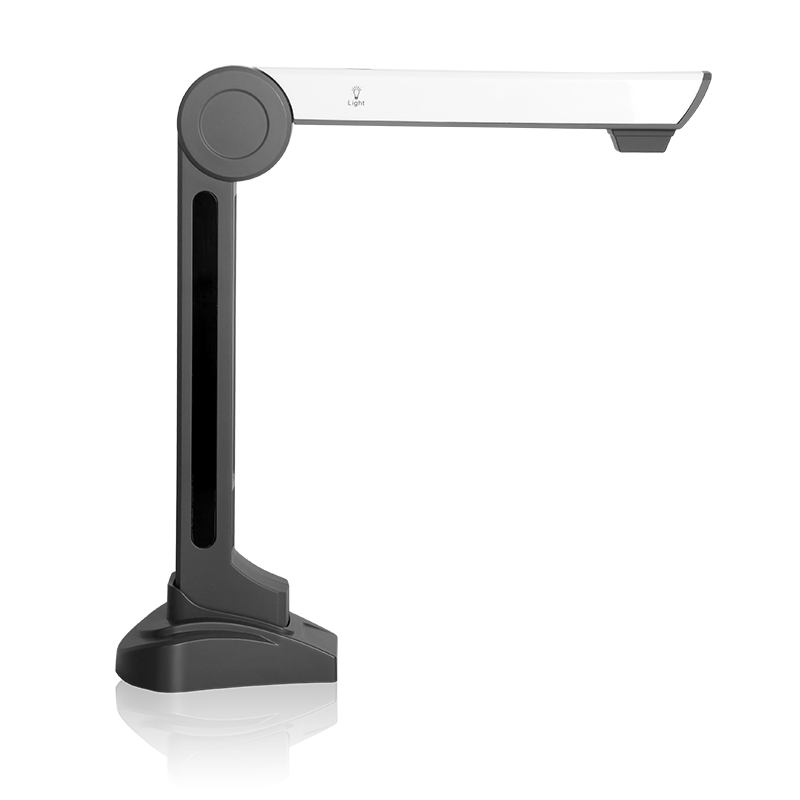
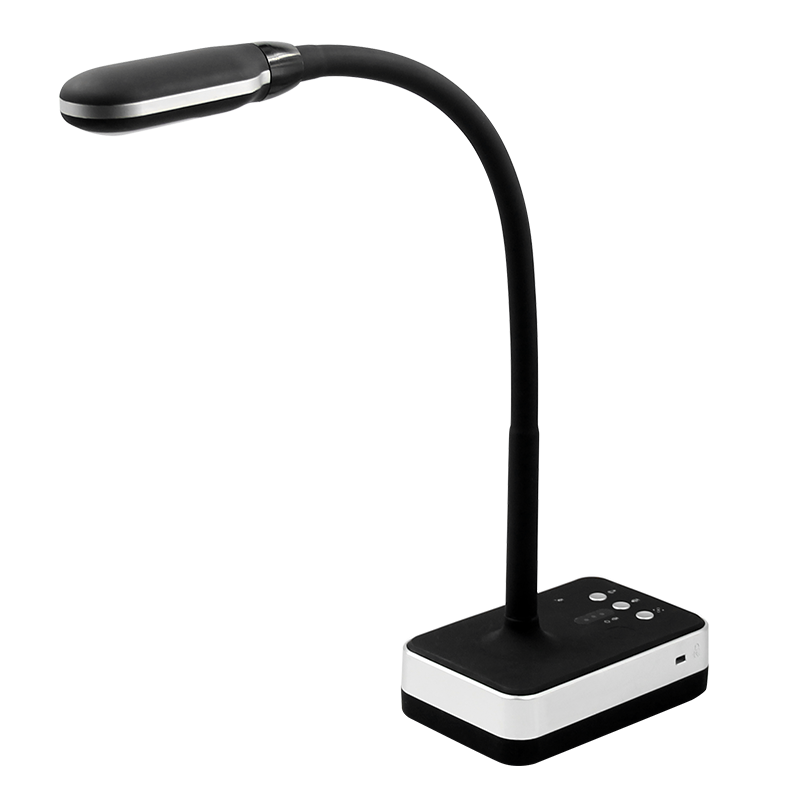
ELOAM VH1000A3AF Smart Book Scanner High Speed Portable USB Document Camera for Teachers in Stock
- Smart book
- Portable
- Teaching
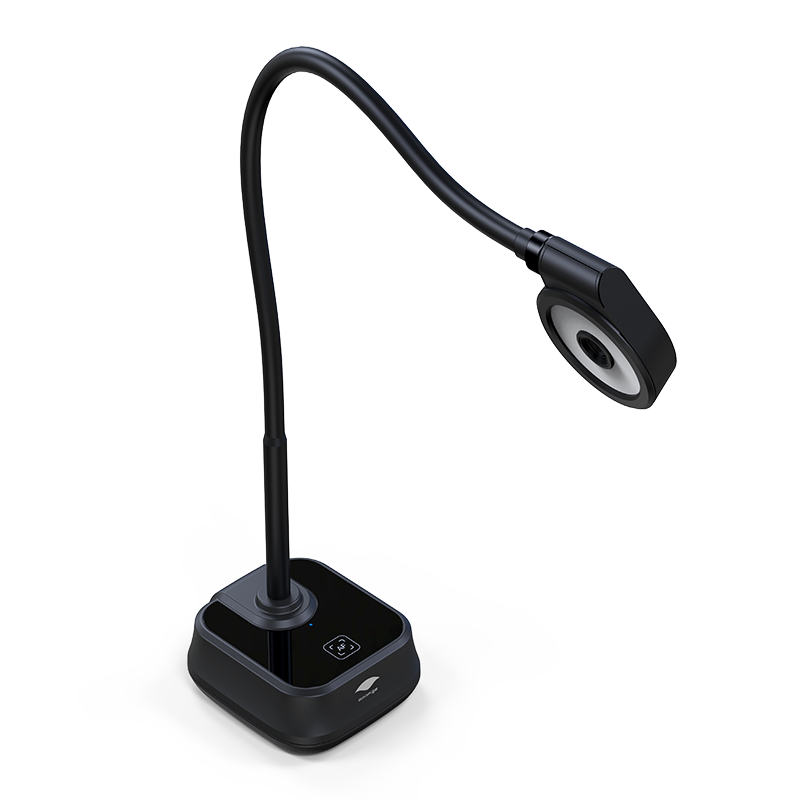
ELOAM VH800S A4 High-Speed USB Portable Video Booth & Document Scanner with OCR in Stock for Classroom and Meeting Use
- A4
- High-speed USB
- Video booth
Supplier Capability Metrics Buyers Should Verify Early
Factory capacity matters because OEM programs require repeatability, not one photogenic sample. These operating metrics are the first filters serious buyers should validate before moving to samples.
White Paper: The OEM USB Camera Scanner Buying Guide for 2025–2030
The market for USB document cameras and scanner-visualizers is moving from simple video capture toward workflow infrastructure.
In education, the device must support hybrid lessons, lecture capture and interactive annotation. In banking, it must capture IDs, passports and forms quickly and feed OCR into core systems. In libraries and archives, it must protect bound books while delivering searchable PDFs. That shift changes what “best” means: the winning supplier is not the one with the highest megapixel count, but the one that can deliver repeatable image quality, integration support, compliance documentation and a stable supply plan.
A useful piece of information gain for procurement teams is to compare illuminance-normalized OCR accuracy rather than raw resolution. A 10MP camera with weak optics, poor glare control and slow auto-exposure can produce lower real-world OCR accuracy than an 8MP unit with a well-matched lens and image pipeline. Request sample scans under the lighting conditions your end users actually face—classroom projectors, bank counters, library reading rooms and warehouse offices—and ask for PDF, JPEG and TIFF outputs at the same compression settings you will deploy.
2025–2030 Procurement Trends: Six Shifts in USB Camera Scanner Sourcing
Public tenders, distributor RFQs and system-integrator projects are becoming more specific about lifecycle value, compliance and software integration.
Total Cost of Ownership Becomes the Default
Buyers are replacing single-unit price comparisons with total cost of ownership models. They ask for tooling amortization, sample cost, MOQ tiers, spare-parts pricing, warranty terms and the engineering hours needed for SDK integration. A lower quote can lose on deployment labor, returns or downtime. Expect RFQs to request TCO tables and references from similar education, banking or library deployments.
Hybrid Classroom and Distributed Branch Deployment
Hybrid classrooms and distributed branches require devices that work across USB, Wi-Fi and video-conferencing environments. Procurement teams increasingly specify dual-mode connectivity, 30 fps or higher live video and compatibility with Windows and selected macOS models. They also ask how the camera behaves when the network drops, because a lesson or customer transaction should not stop when Wi-Fi does.
AI-Assisted OCR and Edge Capture
OCR is shifting from desktop post-processing to on-device or edge-assisted capture. Buyers want automatic page detection, glare suppression, text orientation correction and language coverage up to 180 languages on selected models. The practical question is not whether OCR exists, but which languages, formats, confidence thresholds and SDK hooks are available for integration with document management or student information systems.
Compliance and Data-Sovereignty Evidence
Data protection, cybersecurity and market-access rules are entering camera-scanner RFQs. Public-sector buyers ask for CE, FCC on selected models, ISO 9001 quality management, software copyright evidence and clear documentation for firmware updates. Suppliers that can provide consistent certificates, test reports and change notifications reduce qualification time and legal risk.
Supply-Chain Resilience and Dual Sourcing
Distributors are dual-sourcing critical models while keeping a primary OEM partner for customization. They look for factory verification, production-line capacity, component lifecycle planning and realistic lead times. A supplier that communicates allocation risks early is often safer than one that quotes the lowest price with no capacity evidence.
Sustainability and Repairability
Repairability, packaging reduction and energy efficiency are becoming measurable criteria. Education tenders may ask for low-power modes, replaceable cables and modular mounting. OEM buyers can create differentiation by requesting recyclable packaging, longer warranty options and documentation that supports their own ESG reporting.
Product Development Trends Buyers Should Write Into Specifications
Specifications written today will determine whether a three-year deployment still feels current in 2028.
4K and 30 fps as a Baseline for Education
As projectors, interactive panels and lecture-capture platforms move to 4K, a 1080p visualizer can become the bottleneck. Buyers should require 30 fps live video for motion-heavy demonstrations and confirm that 4K is available on the USB or display output used in the classroom, not only in still-image mode.
Optical Zoom and Faster Auto-Focus
Digital zoom enlarges pixels; optical zoom preserves detail. For laboratories, engineering drawings and large lecture halls, a 13x optical zoom or a high-quality auto-focus lens can be more valuable than a modest increase in sensor resolution. Specifications should include focus speed, minimum working distance and behavior under low light.
Wireless Plus USB-C Dual-Mode Connectivity
Classrooms and meeting rooms rarely have identical cabling. Dual-mode USB and Wi-Fi support allows teachers to move around a room while preserving a wired fallback for exams, secure branches and IT-managed environments. Buyers should validate driver behavior, pairing process and recovery after network interruption.
On-Device OCR and Document Intelligence
Future scanners will be judged by output quality: searchable PDFs, automatic page splitting, curvature correction and language detection. The strongest OEM products will expose these capabilities through stable SDK hooks so integrators can connect capture events to document-management, student-information or KYC systems.
SDK, API and Manageability
For system integrators, the camera is one component in a larger workflow. SDK availability, API documentation, firmware update policy and compatibility with Windows or selected macOS models belong in the procurement specification. A clear SDK roadmap reduces integration risk and protects the software investment behind the hardware.
Modular Design, Repair and Lower Power
Modular arms, replaceable cables and serviceable camera heads lower lifetime support cost. Education and government buyers increasingly consider repairability alongside price. Lower power consumption and packaging reduction also support sustainability goals without compromising capture quality.
The 5C Procurement Scorecard for Custom OEM USB Camera Scanner Projects
Use this scorecard before samples arrive. It forces the RFQ to compare real workflow value instead of a single headline megapixel number.
Capture Quality
Measure MTF, distortion, color accuracy, glare handling, focus speed, frame rate and OCR accuracy under target lighting. Compare normalized results, not marketing resolution alone.
Compliance
Check CE, FCC availability on selected models, ISO 9001, National High-Tech Enterprise status, software copyrights, warranty terms and export documentation.
Customization
Confirm logo, packaging, housing color, firmware defaults, boot logo, SDK hooks and buyer-label options. Ask which changes affect MOQ and lead time.
Connectivity
Validate USB 2.0/3.0, Type-C, Wi-Fi, display outputs, OS support and behavior during network interruption. The interface must fit the workflow, not just the catalog.
Cost of Ownership
Model hardware, tooling, samples, integration, training, support, spare parts and downtime—not just FOB price. This is where a factory-direct OEM partner creates measurable value.
Recommended Configurations by Workflow
These recommendations connect the eight OEM products above to common purchasing scenarios in education, libraries, banking and office environments.
Hybrid Classroom and Lecture Capture
Pair the VH1000AF wireless USB document camera with the VE1300A3AF 4K 3-in-1 model. The first supports cable-free teaching; the second gives 4K capture and a flexible teaching footprint for demonstrations, science experiments and annotation.
Library and Archive Book Digitization
The BS3000P 28MP A3 V-shape book scanner is designed for bound documents, with a cradle and preview screen that support careful handling of fragile collections. It is a strong fit for universities, public libraries and records departments.
Portable School and Office OCR
The S500P 5MP OCR scanner with USB SDK suits school offices and mobile enrollment desks, while the VH800AF foldable overhead scanner offers an A4 CMOS capture option for meeting rooms and classrooms with limited desk space.
Teacher-Friendly Smart Book Capture
The VH1000A3AF smart book scanner gives teachers a portable USB document camera for textbooks, worksheets and projected demonstrations. It is a practical choice for schools that need consistent hardware across many classrooms.
Meeting Rooms and Video Booths
The VH800S A4 high-speed USB portable video booth and document scanner with OCR supports classroom and meeting use where both document capture and live video are required. It is well matched to training rooms and remote collaboration desks.
Rugged Multi-Format Visual Presenter
The YL1050AF portable visual presenter is built for A3/A4 book capture and rugged presentation workflows. It suits buyers who need one adaptable document camera for training, customer service counters and mobile demonstration kits.
Total Cost of Ownership: A Practical Data Model
The percentages below are example planning weights for an OEM program. They help buyers compare quotes on a like-for-like basis instead of treating the factory unit price as the whole cost.
Where OEM Scanner Budgets Really Go
Hardware is visible; integration and support are often underestimated. A supplier that offers SDK documentation, sample evaluation, buyer-label packaging and clear warranty terms can reduce downstream cost even when the unit price is not the lowest.
Lowest quote rarely equals lowest TCO. Request a cost breakdown that includes tooling, samples, integration support, spare parts and training.
Compare OEM ModelsWhy Global Buyers Choose Hobry for OEM and ODM Programs
Shenzhen Hobry Technology Co., Ltd. has manufactured document scanners, book scanners, document cameras and related imaging products since 2005.
Factory-Direct Manufacturing Since 2005
Hobry operates as a manufacturer with an integrated export function. The company runs 8 production lines in a 5,000–10,000 m² facility in Shenzhen, supported by 101–200 employees. The factory has been verified onsite by Intertek, giving B2B buyers a documented starting point for due diligence.
In-House Optics, Firmware and Software R&D
Customization works best when engineering is close to production. Hobry controls industrial design, optics, firmware, software and assembly in-house, enabling logo, packaging, housing color, firmware and software adjustments for OEM and buyer-label programs.
Quality Systems and Compliance Evidence
The company holds ISO 9001 quality management certification, a National High-Tech Enterprise certificate and software copyright registrations. Products are CE certified, with FCC available on selected models. Standard warranty is one year, and the factory assessment report is available for review.
OEM, ODM and Buyer-Label Flexibility
OEM, ODM, design service and buyer-label service are available. Customization can include logo printing, custom packaging, housing color, firmware and software. An SDK is available on selected models for system integration, particularly useful for education platforms, KYC workflows and document-management systems.
Export Experience Across Key Markets
Hobry serves buyers in North America, Southeast Asia, Southern Europe, the Middle East and other regions. Accepted payment terms include T/T, L/C, PayPal and Western Union in USD; delivery terms include FOB, CFR, CIF and EXW. This flexibility supports distributors, tenders and project-based procurement.
Samples, NPI Support and After-Sales Communication
Most models are available as single-unit samples for evaluation. Bulk MOQ depends on the model and customization level and is confirmed in quotation. After-sales support, spare-parts planning and technical communication help buyers move from sample approval to repeat orders with fewer surprises.

Inside the Shenzhen Manufacturing Base
Founded in 2005, Shenzhen Hobry Technology Co., Ltd. began in digital video technology and grew into a specialist in high-speed portable document scanners and document cameras. The company controls the full cycle in-house: industrial design, optics and firmware R&D, software, manufacturing and global sales.
As a National High-Tech Enterprise holding independent intellectual property, software copyrights and patents, Hobry combines ergonomic design and low-carbon office concepts to deliver reliable hardware at competitive factory prices for schools, banks, governments and enterprises.
Contact UsOEM/ODM Process: From Requirement Review to Delivery
With in-house optics, firmware and software teams, Hobry can customize hardware and software instead of simply relabeling a finished product.
Requirement Review
Scan size, resolution, OS, interface, target market compliance and expected volume are clarified before sampling.
Design and Engineering
Housing, logo, firmware, SDK and software UI customization are scoped with clear acceptance criteria.
Sample Approval
Pre-production samples are tested against your image-quality, OCR, packaging and integration requirements.
Mass Production
Eight production lines support incoming, in-process and finished-product quality control.
Delivery and Support
FOB, CFR, CIF or EXW shipping is supported, together with after-sales technical communication.
Quality, Compliance and Supplier Verification Checklist
Use this checklist to compare a custom OEM USB camera scanner manufacturer and suppliers on evidence rather than presentation alone.
Intertek onsite factory verification covering premises, production capability and quality-control status.
ISO 9001 quality management certification and documented production controls.
CE certification, with FCC available on selected models; confirm the exact model and market before ordering.
National High-Tech Enterprise certificate, software copyright registrations and intellectual-property evidence.
One-year standard warranty, spare-parts planning and after-sales technical support process.
Export documentation, payment terms, sample policy and MOQ confirmation before bulk commitment.
Frequently Asked Questions from OEM Buyers
Common questions about USB camera scanner sourcing, customization, samples, compliance and delivery.
Is Hobry a manufacturer or a trading company?
Shenzhen Hobry Technology Co., Ltd. is a manufacturer with an integrated export function. Founded in 2005, the company runs 8 production lines in a 5,000–10,000 m² facility in Shenzhen, and its factory has been verified onsite by Intertek.
Do you offer OEM and ODM for document scanners and document cameras?
Yes. OEM, ODM, design service and buyer-label service are available, including logo printing, custom packaging, housing color, firmware and software customization. An SDK is available on selected models for system integration.
Which OCR languages and operating systems are supported?
Selected models support OCR in up to 180 languages and output formats such as PDF, JPEG and TIFF. Windows is supported across the range, and macOS is supported on selected large-format models. Please confirm compatibility per model before ordering.
Can I order samples before a bulk order?
Most models are available as single-unit samples for evaluation. Bulk MOQ depends on the model and the level of customization and is confirmed in your quotation.
Which payment and delivery terms are accepted?
Accepted payment terms are T/T, L/C, PayPal and Western Union in USD. Accepted delivery terms are FOB, CFR, CIF and EXW.
What certifications do your products carry?
Products are CE certified, with FCC available on selected models. The company holds ISO 9001 quality management certification, a National High-Tech Enterprise certificate and software copyright registrations. Standard warranty is one year.
How should buyers evaluate image quality beyond megapixels?
Compare OCR accuracy under real lighting, glare handling, focus speed, frame rate, color accuracy and distortion. A well-matched 8MP system can outperform a poorly implemented 10MP system, so request normalized sample scans and test them with your own documents.
Planning a Custom OEM USB Camera Scanner Project?
Share your scan size, target market, quantity, OCR language requirements and preferred interface. Our team will recommend the right model and configuration from the eight proven platforms above.