Custom OEM Classroom Camera Wholesaler & Wholesalers
A deep sourcing playbook for distributors, tender contractors, AV integrators, and private-label brands evaluating classroom document cameras, visualizers, and overhead scanners.
8 Custom OEM Classroom Camera Models for Wholesale Programs
The fastest way to compare this category is to start from the teaching workflow, not only the sensor. These eight models cover A4 desk capture, A3 classroom demonstration, A2 large-format scanning, portable book handling, and USB or wireless deployment. Product URLs are preserved so procurement teams can verify final specifications, accessories, sample availability, and OEM options before requesting a quotation.
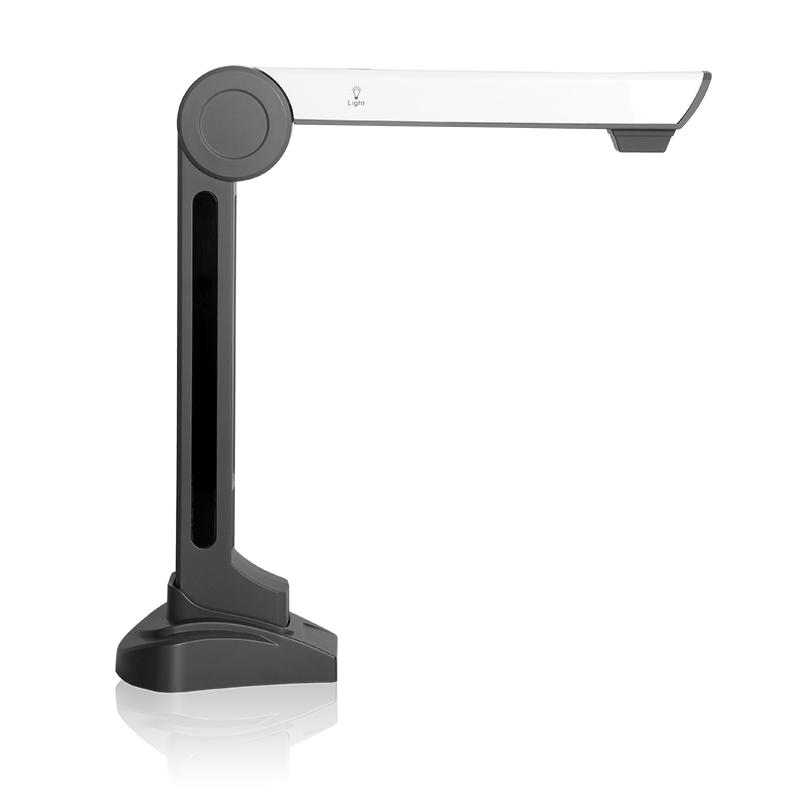
ELOAM S200L A4 Mini Overhead Projector Document Scanner with OCR USB Interface for Office Use in Stock
A compact A4 overhead scanner for office counters, school admin desks, and paperless filing. The USB interface simplifies deployment across Windows workstations, while OCR supports searchable records for admin teams.
- A4 scan area
- OCR
- USB
- Office use
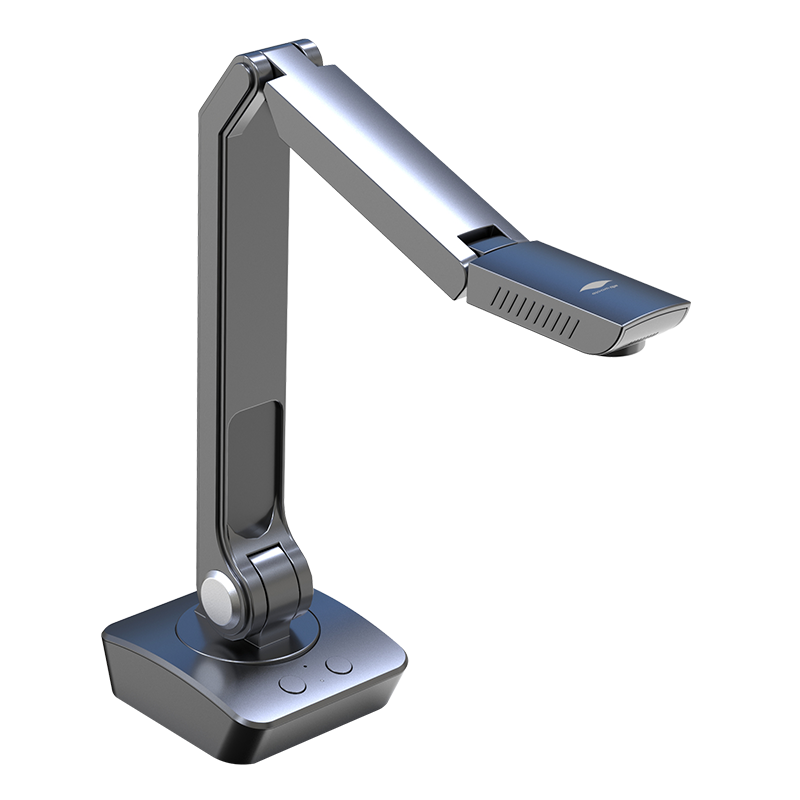
ELOAM V801A3AF A3 Portable Document Camera with USB Interface OCR Function for School & Office Meetings in Stock
An A3 field-of-view portable camera for classrooms and meeting rooms. USB connectivity keeps setup predictable for teachers and AV teams, while OCR is useful for lesson capture, handouts, and shared annotations.
- A3
- USB
- OCR
- Portable

ELOAM 3-in-1 Document Scanner USB A3 5MP FPDA Handheld Camera Control Buttons Digital Document Camera
A flexible 3-in-1 model that combines document capture, handheld camera work, and control-button operation. It suits schools and training rooms that need one versatile device rather than several fixed cameras.
- 3-in-1
- A3
- 5MP
- Control buttons
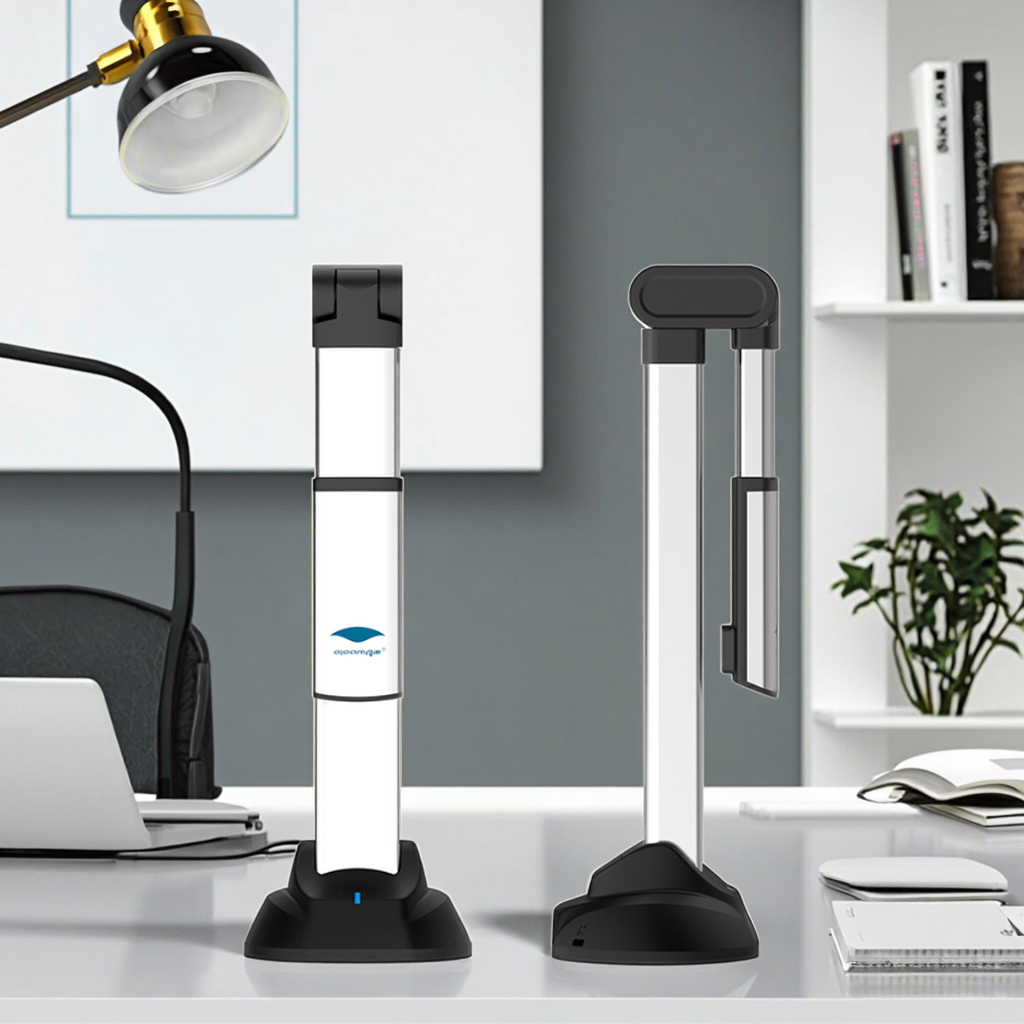
Eloam A2 Auto Focus Large Format Document Scanner 18 MP CMOS 5184x3456 USB LED Light Source
An A2 large-format scanner with a high-resolution CMOS sensor and auto focus. It is aimed at engineering drawings, maps, posters, and art departments where A3 is simply not enough.
- A2
- 18MP
- 5184x3456
- LED light
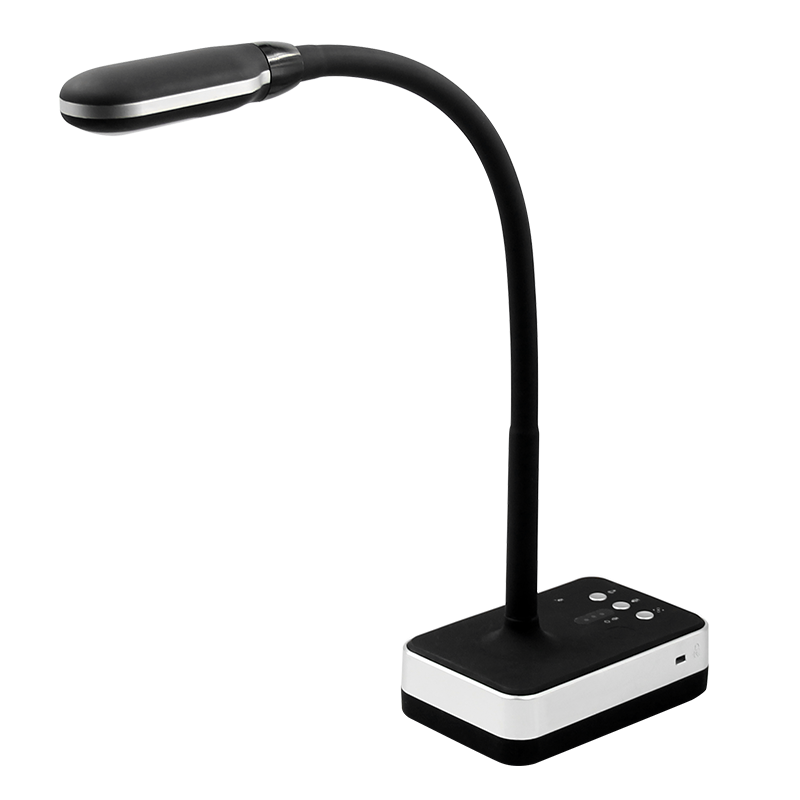
ELOAM VH802A3AF USB for Document Camera OCR High-Speed Scanner 8MP Resolution A3 Size in Stock
An 8MP A3 USB document camera with OCR for fast classroom and meeting capture. The combination of speed, A3 coverage, and OCR makes it a pragmatic choice for tenders requiring a repeatable configuration.
- 8MP
- A3
- OCR
- USB
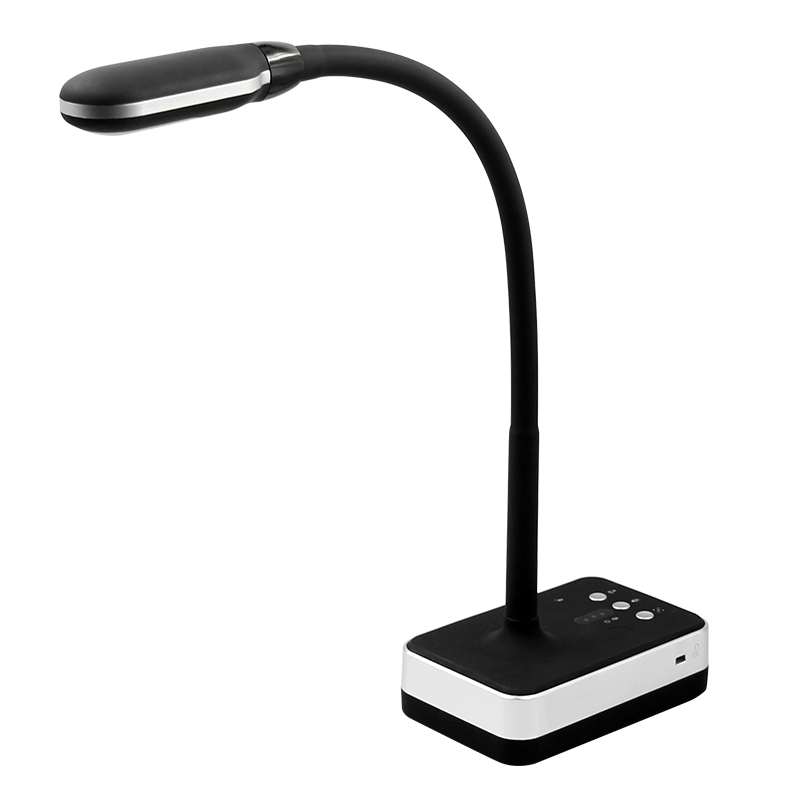
ELOAM VH800AF 8MP A4 CMOS Foldable Overhead Document Scanner with Camera & Video Recorder USB Interface in Stock
A foldable A4 overhead scanner with camera and video recording functions. It is useful for mobile teaching carts, hybrid lessons, and loaner programs where storage space and portability matter.
- 8MP
- A4
- Foldable
- Video recording

ELOAM VW1000AF USB/Wireless High Speed OCR Scanner Portable Document Scanner A4 Book Scanner Document Camera in Stock
A portable A4 scanner and document camera with USB and wireless options plus OCR. It fits book handling, mobile classrooms, and shared resource centers where cable-free capture improves utilization.
- A4
- USB/Wi-Fi
- OCR
- Book mode
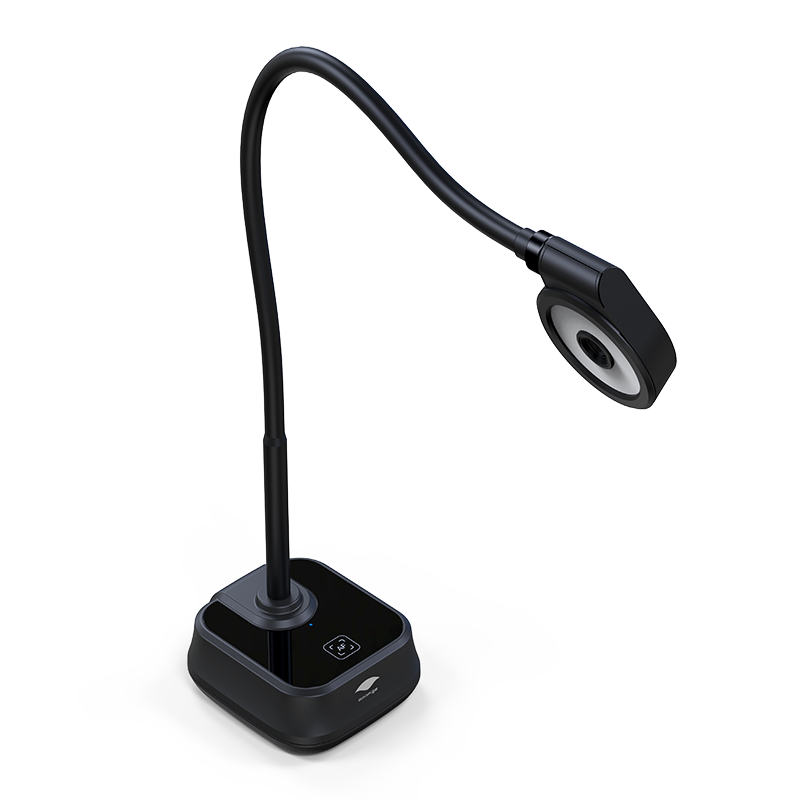
ELOAM VH800S A4 High-Speed USB Portable Video Booth & Document Scanner with OCR in Stock for Classroom and Meeting Use
A high-speed A4 USB model positioned for classroom and meeting use, with video booth and OCR functions. It is suited to districts and distributors standardizing a compact, teacher-friendly camera kit.
- A4
- High speed
- USB
- OCR
Classroom Imaging Supply Chain Data at a Glance
Wholesale buyers rarely purchase a camera as an isolated item. They buy availability, documentation, compatibility, replacements, and a supplier who can answer technical questions after the tender is won.
What “Custom OEM Classroom Camera Wholesaler & Wholesalers” Means in 2025
The phrase “classroom camera” now covers several product families: document cameras, visualizers, overhead scanners, video booths, and USB teaching cameras. A school may use one device to show a worksheet under the lens, another to stream a science demonstration, and a third to digitize signed forms. For a wholesaler, the commercial risk is not simply choosing a camera with enough megapixels. The real risk is specifying a model that cannot be repeated, supported, certified, or customized at the volume the tender requires.
That is why the strongest OEM classroom camera programs begin with a sourcing brief, not a catalogue page. The brief should define scan size, lens requirement, frame rate, OCR expectations, operating system, interface, mounting method, privacy policy, packaging, warranty, and target market compliance. When these details are clear, a manufacturer can recommend the right A4, A3, A2, foldable, wireless, or book-capture platform and reduce the back-and-forth that delays distributor launches.
This guide is written for buyers who need information gain rather than generic product copy. It compares the supplied classroom-ready models, explains procurement and product trends, identifies evaluation criteria, and documents the factory evidence buyers can use in a supplier scorecard. The goal is to help distributors and tender teams ask better questions before samples are shipped and before a private-label programme is committed.
What Wholesalers Should Plan For Between 2025 and 2030
Procurement is moving from “buy a camera” to “deploy a teaching endpoint”. These six trends should shape your request for quotation, stock plan, and supplier qualification process.
Hybrid classrooms raise the uptime bar
Teachers increasingly switch between in-room demonstration and remote sharing during the same lesson. Buyers now ask about start-up time, driver stability, image orientation, and how quickly a teacher can move from a document to a 3D object. A camera that looks acceptable in a catalogue may fail in daily classroom use if the focus, lighting, or software workflow is slow.
Tenders request an ecosystem, not one box
Education tenders increasingly bundle the camera with accessories, training, warranty, spare parts, and software compatibility. For wholesalers, this means supplier documentation matters as much as price. Ask for model-specific specifications, certificate files, packing data, warranty terms, and a clear statement of what is standard versus optional.
Edge AI and OCR move into the camera
Auto-crop, auto-focus, deskew, text recognition, and noise reduction are moving closer to the device. Buyers gain faster capture, but they also need to know where the image is processed. Schools and public institutions will ask privacy questions, so a supplier should be able to explain local processing options, network requirements, and storage assumptions.
UVC and device-neutral interoperability become baseline
Classroom cameras must work with common video tools, interactive whiteboards, learning management systems, and hybrid meeting platforms. UVC plug-and-play support reduces installation risk. Before ordering, test the camera with the software teachers actually use, not only with the supplier’s demo application.
Optical zoom and large-format capture stay valuable
Digital zoom is convenient, but optical zoom preserves detail when a lesson needs to show a small component, printed text, or a specimen. Similarly, A3 and A2 capture areas remain important for science, engineering, art, and library workflows. Wholesalers should state clearly whether a specification is optical or digital to avoid tender disputes.
Supply resilience, ESG, and compliance gain weight
Distributors are asked to prove product conformity, packaging efficiency, and after-sales capability. CE certification, FCC on selected models, ISO 9001 quality management, and onsite factory verification all help. So do realistic lead times, replaceable accessories, and a warranty process that local partners can administer without prolonged escalation.
Where Classroom Visualizers and Document Cameras Are Heading Next
Hardware differentiation is shifting from raw resolution alone toward real teaching outcomes: image clarity, simple control, software integration, and long-term serviceability.
Better optics before bigger numbers
High-resolution sensors are useful only when paired with competent lenses, focus systems, and lighting. Auto-focus, low-light performance, and edge-to-edge sharpness matter more than a headline megapixel count. For distribution, the strongest story is a repeatable image quality that teachers can rely on across classrooms.
Wireless capture with predictable latency
Wireless classroom cameras give teachers freedom to move around the room, but latency and network variability can damage the lesson experience. Buyers should test live movement, document changes, and long sessions. A supplier should explain the supported wireless modes and recommend USB as a stable fallback for critical rooms.
On-device document workflows
OCR is no longer only a scanner feature. Selected models support up to 180 languages with output to PDF, JPEG, and TIFF. Over time, buyers will expect auto-cropping, page cleanup, multi-page workflows, and simple sharing. For OEM partners, software configuration can become a meaningful differentiator beyond the physical camera.
Mechanical designs built for classrooms
Foldable bodies, flexible arms, V-shaped cradles, and compact storage help schools with shared spaces. A camera that is difficult to position or easy to damage will reduce utilization. When evaluating samples, test the hinge tension, base stability, cable routing, and whether the camera can be set up by a teacher without extra tools.
SDK and firmware customization for OEMs
Wholesalers increasingly want more than a logo on a box. They want custom packaging, boot screens, firmware settings, software controls, and integration guidance. An SDK on selected models can support system integrators who need the camera to fit into a broader education platform or document management workflow.
Serviceability and lower lifecycle cost
Long-term procurement value depends on replacement accessories, repairability, packaging efficiency, and documentation. A low-cost camera with no service path can become expensive after deployment. Ask suppliers how they handle spare parts, firmware updates, and warranty claims before you compare the unit price alone.
Match the Camera to the Teaching Workflow
This matrix is not a substitute for a sample test, but it helps shorten the first sourcing conversation. Confirm the final configuration, accessories, and compliance documents with the manufacturer before ordering.
| Buyer or workflow | Recommended model | Why it fits | OEM opportunity |
|---|---|---|---|
| Primary schools and compact classrooms | VH800S | A4 USB capture with OCR, video booth function, and teacher-friendly classroom positioning. | Accessory kit, packaging, quick-start guide, and demo unit programme. |
| Mobile teaching carts and loaner programmes | VH800AF | Foldable A4 overhead design with camera and video recording functions. | Carry case, branding, cable set, and custom label. |
| Secondary STEM and meeting rooms | V801A3AF or VH802A3AF | A3 coverage for textbooks, lab sheets, and group demonstrations; OCR supports digital capture. | Firmware defaults, packaging, and SDK discussion on selected models. |
| Large-format technical departments | A2 18MP model | Auto focus, high-resolution CMOS, and A2 capture for drawings, maps, and posters. | Optional lighting accessories and tender-specific documentation. |
| Library and book handling | VW1000AF | Portable A4 book scanner and document camera with USB/wireless options and OCR. | Book-capture workflow guidance, packaging, and regional power accessory plan. |
| Shared resource centres and training rooms | 3-in-1 A3 model | Handheld camera, document capture, and control buttons in one device. | Private-label body colour, control labelling, and accessory bundles. |
| Office admin and school front desks | S200L | Compact A4 overhead scanner with OCR and USB for paper-to-digital filing. | Bundled software instructions and buyer-label packaging. |
| Distributors standardizing a core SKU | VH800S or V801A3AF | A balanced mix of A4/A3 coverage, USB deployment, and OCR for broad education demand. | Forecast-based stock plan, sample pool, and warranty process design. |
How Different Buyers Should Approach Classroom Camera Procurement
Education distributors
Stock depth, demonstration units, teacher training, and local warranty support matter more than a single low-priced model. Build a small portfolio: an A4 workhorse, an A3 demonstration camera, a foldable model for mobile use, and one specialty large-format or book-capture device.
Tender contractors
Model consistency and documentation reduce bid risk. Keep a verified specification sheet, certificate set, product photos, packing list, and after-sales statement ready. Avoid promising features that vary by firmware or accessory unless the supplier confirms them in writing.
AV integrators
Prioritize UVC compatibility, mounting, cable management, firmware control, and SDK access. Test the camera in the software stack that the customer will use. For installation-heavy projects, plan spare cables, power accessories, and a repeatable commissioning checklist.
Private-label brands
Differentiate through packaging, housing colour, boot screens, accessory bundles, and software settings. A private-label programme works best when the supplier can document what is fixed, what is customizable, and what minimum order quantity applies to each change.
Evidence to Use in Your Supplier Scorecard
Shenzhen Hobry Technology Co., Ltd. has manufactured document scanners, book scanners, document cameras, and portable monitors since 2005. The following strengths map directly to the questions a wholesale buyer, tender contractor, or private-label partner should ask.
Manufacturer with integrated export capability
The company is a manufacturer with an integrated trading function, not a pure sourcing agent. It operates eight production lines in Shenzhen within a 5,000–10,000 m² facility and has been verified onsite by Intertek. For buyers, that means product questions can be escalated to engineering and production rather than only to a sales desk.
OEM and ODM depth beyond a logo
Available services include logo printing, custom packaging, housing colour, firmware settings, software customization, and buyer-label programmes. An SDK is available on selected models for system integration. This matters when a distributor wants a product that is not identical to every other catalogue offer in the market.
In-house imaging R&D and software
With more than two decades of imaging experience, the company controls industrial design, optics, firmware, software, manufacturing, and sales. It holds a National High and New Technology Enterprise certificate, software copyright registrations, and patents. That combination supports faster problem-solving during sample approval.
Quality management and product conformity
The enterprise holds ISO 9001 quality management certification. Products are CE certified, with FCC available on selected models. The standard warranty is one year. Buyers should still confirm the exact certificate set for the chosen model and destination market before finalizing a tender response.
Global trade support and sample evaluation
Most models are available as single-unit samples for evaluation. Accepted payment terms include T/T, L/C, PayPal, and Western Union in USD. Delivery terms include FOB, CFR, CIF, and EXW. Main markets include North America, Southeast Asia, Southern Europe, and the Middle East, with worldwide shipping.
Documentation for professional procurement
Wholesalers can request an assessment report, trade capacity information, transaction level, trade history, credit index, and buyer ratings. When these documents are reviewed alongside model samples, the purchasing decision becomes based on evidence rather than brochure claims.
Quality and Compliance Signals Buyers Can Request
Use this panel as a checklist during supplier qualification. Confirm model-specific scope, validity dates, and destination-market requirements before publishing any claim.
Purchasing Custom OEM Classroom Cameras: Common Buyer Questions
These answers reflect the supplied enterprise and product information. Model-specific compatibility, certification scope, and commercial terms must be confirmed in the final quotation.
Are you a classroom camera manufacturer or a wholesaler?
Can you customize a classroom document camera for our brand?
How do we choose between A4, A3, and A2 classroom cameras?
Which OCR languages and operating systems are supported?
Can we test samples before committing to a bulk order?
What certifications and compliance documents are available?
What payment, delivery, and shipping terms are accepted?
How should we evaluate image quality and teacher usability?
How do we address privacy concerns in wireless classrooms?
What warranty and after-sales support is included?
Request Your Custom OEM Classroom Camera Quotation
Share your scan size, estimated quantity, target market, interface requirements, OCR needs, and customization expectations. Our team can recommend a classroom camera configuration, confirm sample availability, and prepare the documentation required for distributor or tender review.
Get a Quote