Eight Presentation Cameras and Document Scanners for High-Intent B2B Buyers
Start with the eight models most often requested in 2025 RFQs for wholesale presentation cameras, classroom visualizers, portable document scanners and library capture systems. Each listing keeps the original product URL, core configuration and buyer fit. Confirm final specifications, MOQ and certification scope with our sales engineers before ordering.
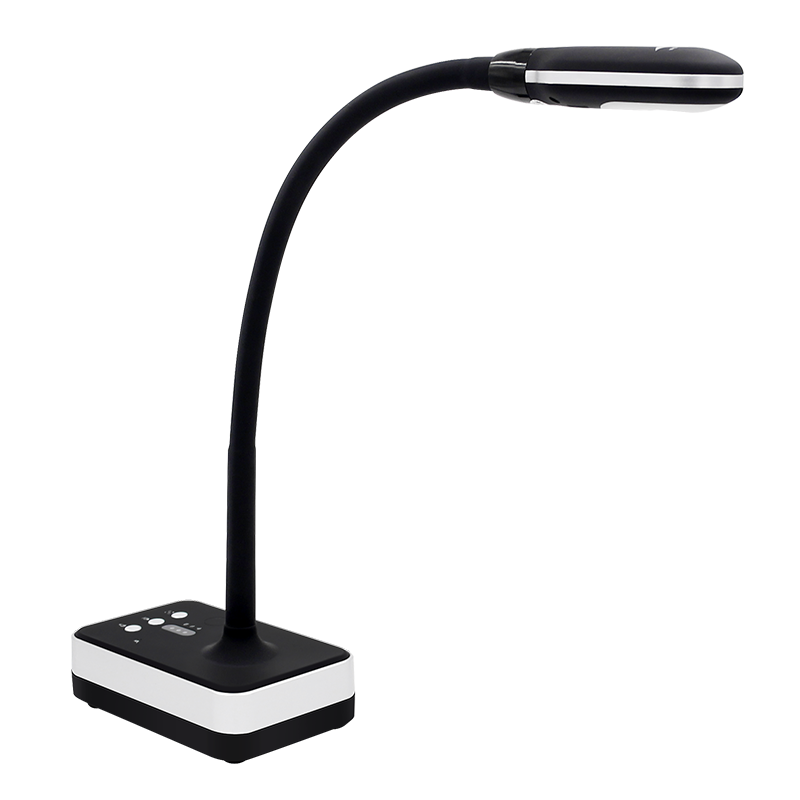
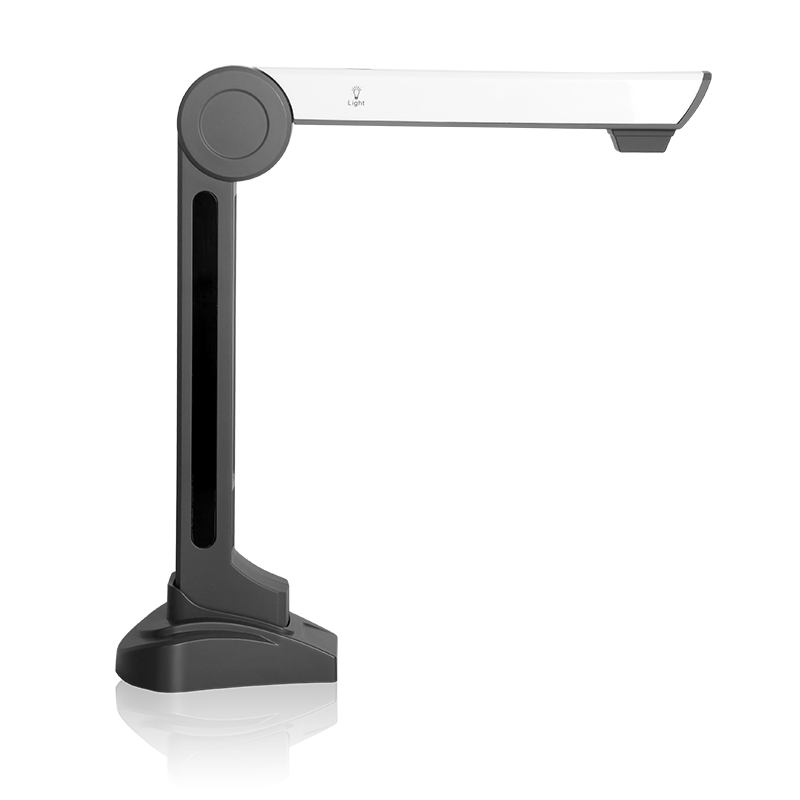
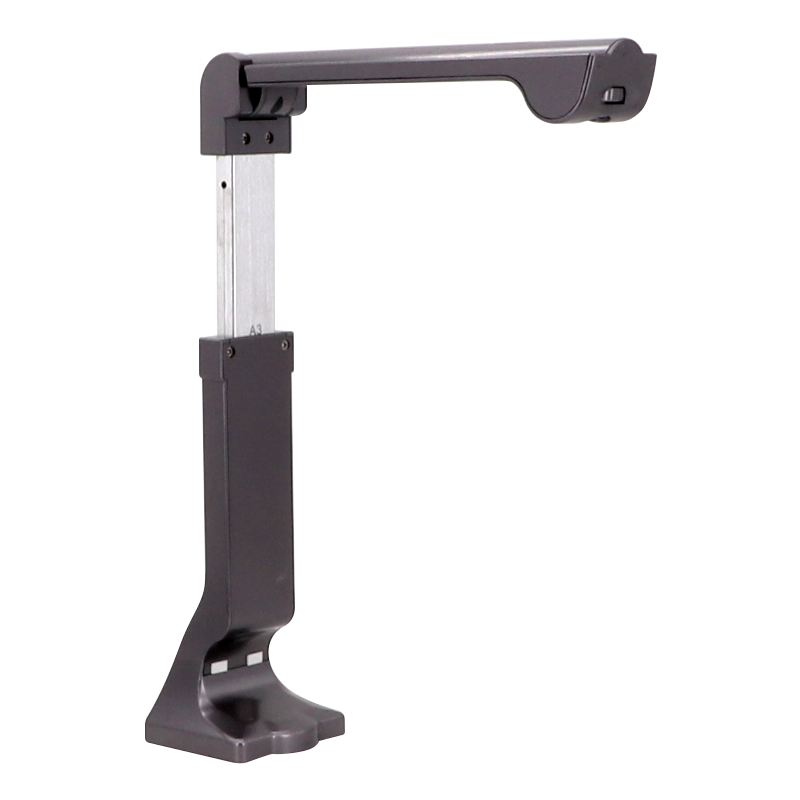
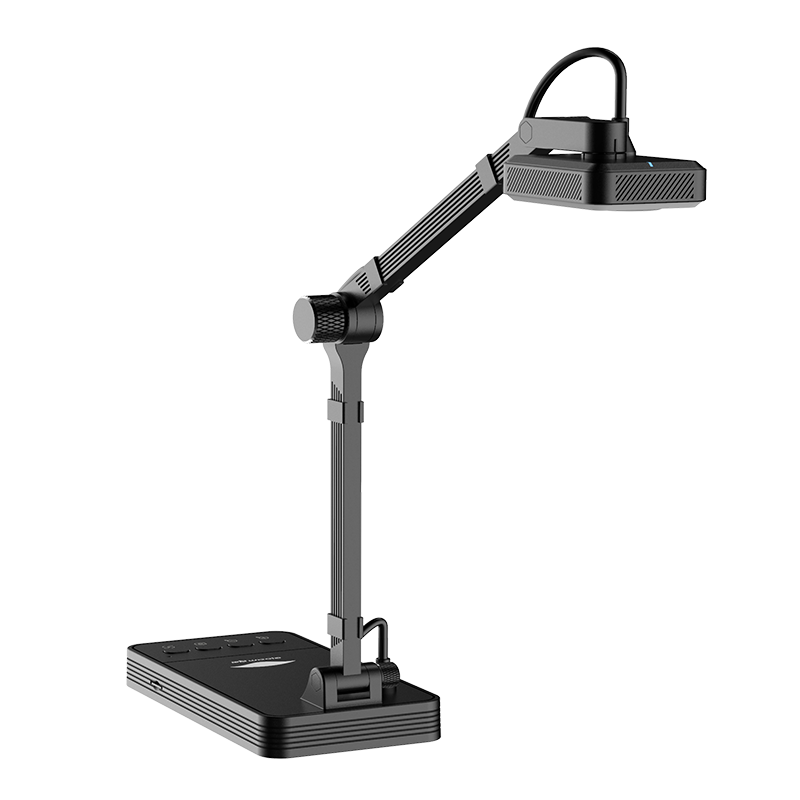

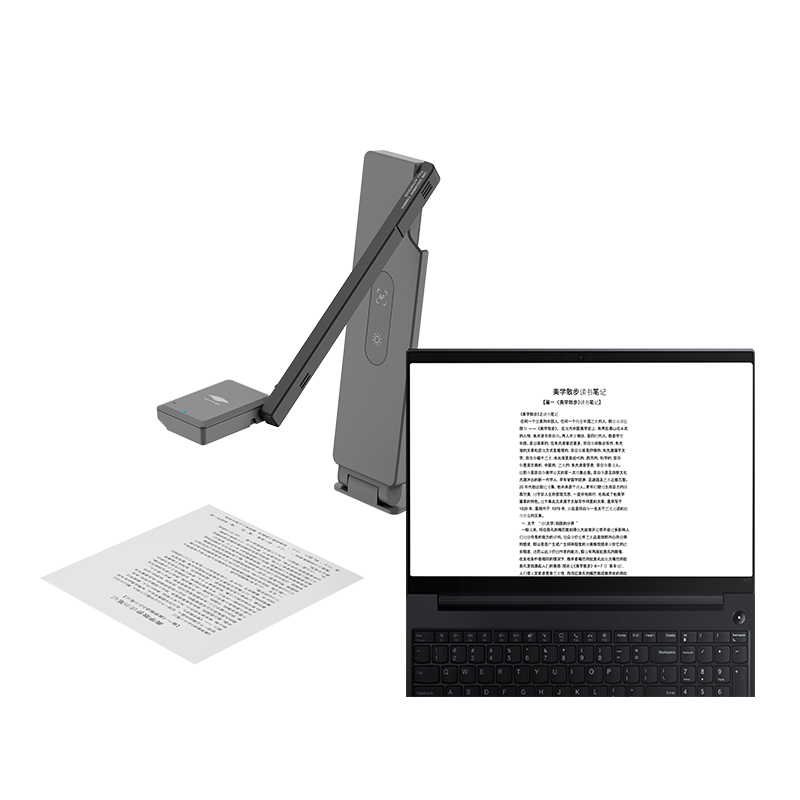
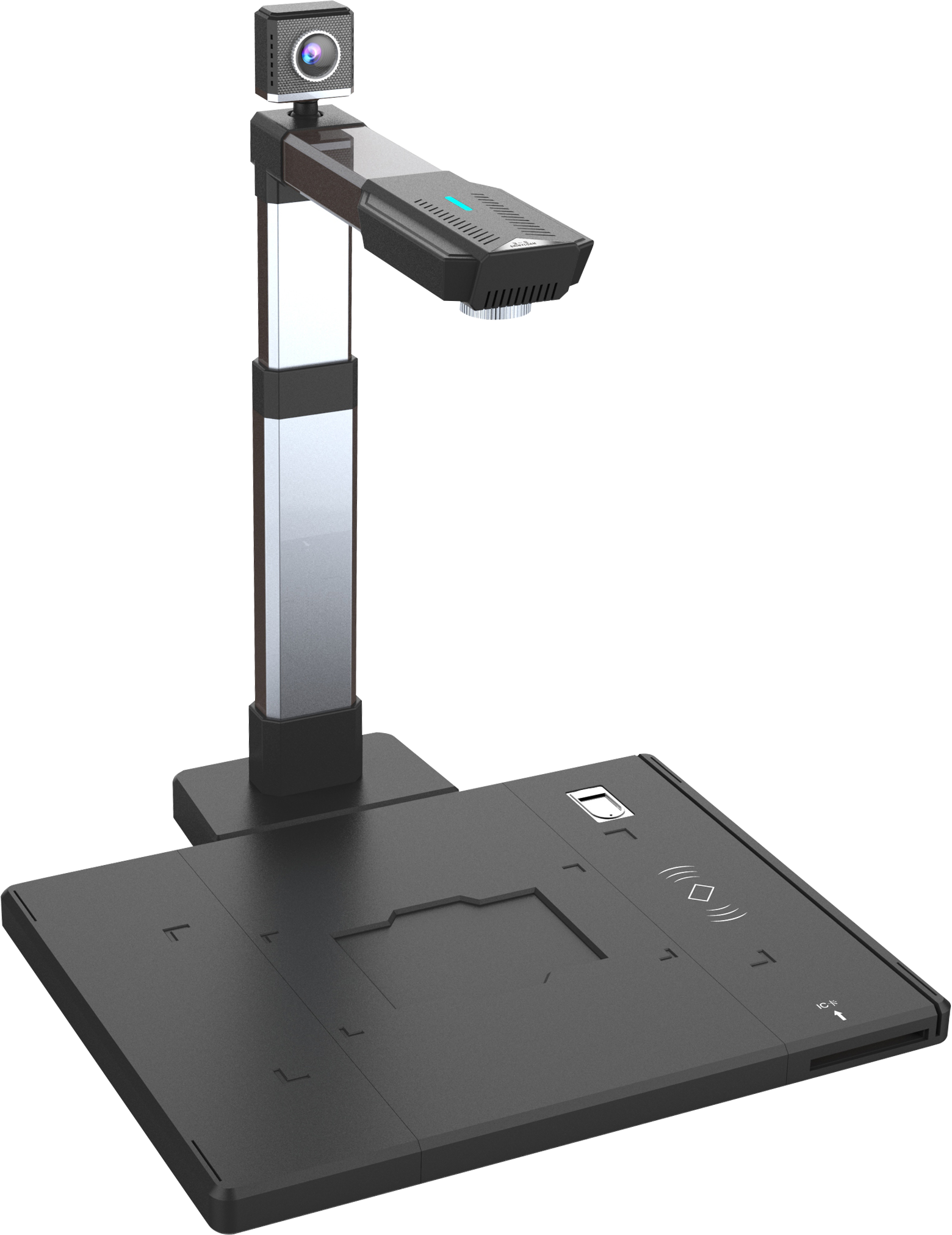

What B2B Buyers Actually Mean by “Wholesale Presentation Camera”
Google search demand for this phrase is not one market. It is a bundle of high-intent procurement journeys that require different proof, different specifications and different supplier conversations.
Wholesale presentation camera can mean a classroom visualizer, a portable document camera, an A3 book scanner used for archive work, or a 3-in-1 capture device for conference rooms and teaching carts. The buyer intent behind the query is usually commercial: distributors want a reliable factory source, schools want teacher-friendly deployment, banks want fast ID capture, and system integrators want SDK access. A supplier page that treats these use cases as identical gives buyers no information gain and gives search engines little reason to regard it as authoritative.
From an E-E-A-T perspective, the supplier must show real manufacturing experience, technical expertise, category authority and operational reliability. Serious procurement teams ask for Intertek onsite verification, ISO 9001, CE/FCC documentation, OCR language coverage, operating system compatibility, SDK availability, sample lead time, factory area, production line count and after-sales process. Claims such as “high quality, best price” are not evidence. Traceable factory data, testable samples and model-specific documentation are the information that shortens supplier qualification and supports a higher quotation win rate.
Education Modernization & Hybrid Classrooms
Schools and EdTech integrators search for classroom visualizers, 30 FPS document cameras, A3 capture and wireless connection. The real intent is teacher adoption: can a teacher set up in minutes, switch between paper, lab objects and a laptop, and record a lesson without an AV technician?
Financial, Government & Counter Capture
Banks, insurance teams and public-service counters need A4 ID/passport capture, fast OCR, USB or SDK integration and low maintenance. Procurement committees compare error rates, image consistency, privacy handling and whether the camera fits existing teller or KYC workflows.
Libraries, Archives & Records Digitization
Libraries and archives prioritize non-destructive book scanning, V-shaped cradles, laser-assisted flattening, high resolution and preview screens. Their buying committee often includes conservators, IT and finance, so a supplier must explain page curvature correction, file quality and long-term workflow, not only megapixels.
Six Purchasing Trends That Will Shape Presentation Camera RFQs
Across North America, Southeast Asia, Southern Europe and the Middle East, buyers are moving from price-only sourcing toward risk-managed procurement. These six trends are already visible in quotation requests.
Total Cost of Ownership Replaces Lowest Unit Price
Buyers compare failure rates, warranty handling, spare parts, packaging protection and firmware update policy. For a 200-unit school rollout, a lower failure rate can be worth more than a small FOB discount.
SDK and Software Integration Move to the Center
System integrators ask whether OCR, image capture and device control can be embedded into their own applications. SDK-supported models reduce integration risk and shorten time to market for local software vendors.
Compliance Becomes a Supply-Chain Requirement
CE, FCC, ISO 9001 and software copyright evidence are no longer paperwork afterthoughts. Public-sector tenders and enterprise procurement teams use these documents to screen suppliers before a sample is requested.
Smaller Customization Runs
Distributors want buyer labels, custom packaging, housing colors, firmware labels and localized manuals, but with manageable MOQs. A factory that controls optics, firmware and assembly can handle these changes with fewer hand-offs.
Local Support and Warranty Strategy
B2B buyers evaluate how returns are handled, how spare parts are shipped and how quickly technical questions are answered. A clear warranty process is part of the product, not an after-sales extra.
A3 and Wireless Capture Gain Share
As classrooms and offices redesign around flexible spaces, A3 capture, wireless screen sharing, Type-C connectivity and portable form factors become mainstream requirements rather than premium options.
Where Presentation Cameras Are Heading Next
Product development in this category is converging around image quality, software intelligence and deployment simplicity. These trends matter because they change what buyers should test before approving a sample.
AI-Assisted OCR and Auto-Crop
Auto-crop, deskew, background removal and OCR are moving from optional software features to baseline expectations. Buyers should test OCR accuracy on their actual documents, not only on clean English samples.
Higher Resolution and Optical Zoom
10MP, 13MP and 22MP sensors are becoming common, but optical zoom and lens quality often matter more than digital enlargement. In lecture halls, sharp detail on a large display is the deciding factor.
Wireless, USB-C and Multi-Device Workflows
Wi-Fi, USB and Type-C support let one camera serve a projector, laptop, interactive display and recording platform. The practical question is whether the connection is stable during a 45-minute lesson.
3-in-1 and Space-Saving Designs
Foldable visualizers, handheld scanners and 3-in-1 document cameras reduce storage and installation costs. They also fit mobile teaching carts and temporary service counters.
Low-Power and Sustainable Design
Lower power consumption, fewer materials, recyclable packaging and longer product life support corporate ESG goals. These factors increasingly appear in distributor scoring sheets.
Firmware and Security Readiness
Enterprise buyers ask about firmware update paths, local data handling and software permissions. Suppliers that can explain these points clearly reduce legal and IT review time.
Information gain for buyers: test optical zoom, frame rate, OCR accuracy, wireless stability and SDK behavior with your own content. These five data points reveal more about real deployment risk than a long list of megapixels.
Match the Model to the Buyer Scenario Before Requesting Samples
Use this shortlist matrix to reduce back-and-forth. Final specifications, MOQ and compliance scope should be confirmed in the quotation.
| Buyer Scenario | Recommended Model | Core Configuration | Why It Fits |
|---|---|---|---|
| Hybrid classroom / teacher mobility | ELOAM YL1050AF | Portable visual presenter, A3/A4, rugged body, USB | Easy movement between classrooms with a familiar visualizer workflow. |
| Multi-purpose teaching and conference capture | ELOAM 3-in-1 | A3, 5MP, USB, handheld camera, control buttons | Flexible capture of documents, objects and demonstration content. |
| Portable teaching, office and Type-C deployment | ELOAM A3 Portable | High-resolution A3, 3-in-1 design, USB Type-C plug and play | Suits teaching, office and conference use where quick setup matters. |
| General office archive and contract digitization | ELOAM VW1000A3AF | A3 high-speed capture, auto focus, USB, intelligent archive | Handles invoices, contracts and mixed office documents at speed. |
| Library, archive and book digitization | Eloam YL1020 | Dual-lens A3 OCR, 2D code, SDK, library scanner design | Built for multifunctional library capture and faster page throughput. |
| Wireless counter, mobile OCR and book mode | ELOAM VW1000AF | A4, USB and wireless, high-speed OCR, book scanner mode | Useful where cable-free capture and OCR speed are both required. |
| ID, passport, enrollment and teller capture | Eloam S500P | 5MP, portable OCR, USB SDK, school and office use | Compact sample-to-rollout option for counter and enrollment workflows. |
| A3 folding office scanning | ELOAM S600 | 10MP CMOS, A3 folding design, USB, OCR, 1-second capture | Practical balance of image quality, footprint and scanning speed. |
How to Evaluate a China Wholesale Presentation Camera Supplier
Supplier qualification should start with evidence, not adjectives. This is where experience, expertise, authority and trust become practical procurement criteria.
Ask for the factory address, production line count, factory area, employee range, main export markets, certificate numbers and the latest inspection report. Cross-check the product page, company profile, trade capacity and credit records. If a supplier cannot connect the product listing to a real production and quality process, that is a risk signal.
Then move to technical verification: request a sample with the exact OCR languages, operating system, cable type and software SDK you plan to deploy. Test folded paper, glossy brochures, bound books, handwriting, barcodes and low-light classroom conditions. Record capture time, focus stability, image edge sharpness and software recovery after a dropped connection. This evidence-based review creates information gain for your tender committee and reduces the chance of a costly pilot failure.
Onsite Factory Evidence
Look for Intertek or equivalent onsite verification, a traceable address and production-line photos that match the product category.
Certificate Pack
Collect ISO 9001, CE, FCC where applicable, software copyrights and high-tech enterprise credentials; confirm which apply to the exact model.
OCR and OS Compatibility
Verify language coverage, PDF/JPEG/TIFF output, Windows/macOS support and SDK availability on the selected model.
Real-World Sample Tests
Test your own documents, books, IDs and objects under the lighting and network conditions your users actually face.
OEM / ODM Scope
Clarify logo, packaging, housing color, manual, firmware label, software UI and MOQ before paying a sample fee.
Commercial Stability
Check warranty, spare parts, lead time, payment terms, shipping terms and after-sales response process in writing.

Inside Shenzhen Hobry: Manufacturer Advantages That Reduce Buyer Risk
Founded in 2005, Shenzhen Hobry Technology Co., Ltd. is a manufacturer with an integrated export function, not a pure trading company. We operate 8 production lines in a 5,000–10,000 m² facility in Shenzhen, with 101–200 employees and more than 20 years of imaging R&D experience. Our factory has been verified onsite by Intertek, and our quality management system is ISO 9001 certified.
Our capability is built around in-house industrial design, optics, firmware, software, manufacturing and sales. As a National High-Tech Enterprise holding independent intellectual property, software copyright registrations and patents, we can customize hardware and software instead of simply applying a buyer label. OEM, ODM, design service and buyer-label service are available, including logo printing, custom packaging, housing color, firmware and software customization. Selected models support SDK integration for system vendors and tender projects.
Products are CE certified, with FCC available on selected models. Standard warranty is 1 year. Main markets include North America, Southeast Asia, Southern Europe, the Middle East and other global B2B destinations. Accepted payment terms include T/T, L/C, PayPal and Western Union in USD; delivery terms include FOB, CFR, CIF and EXW.
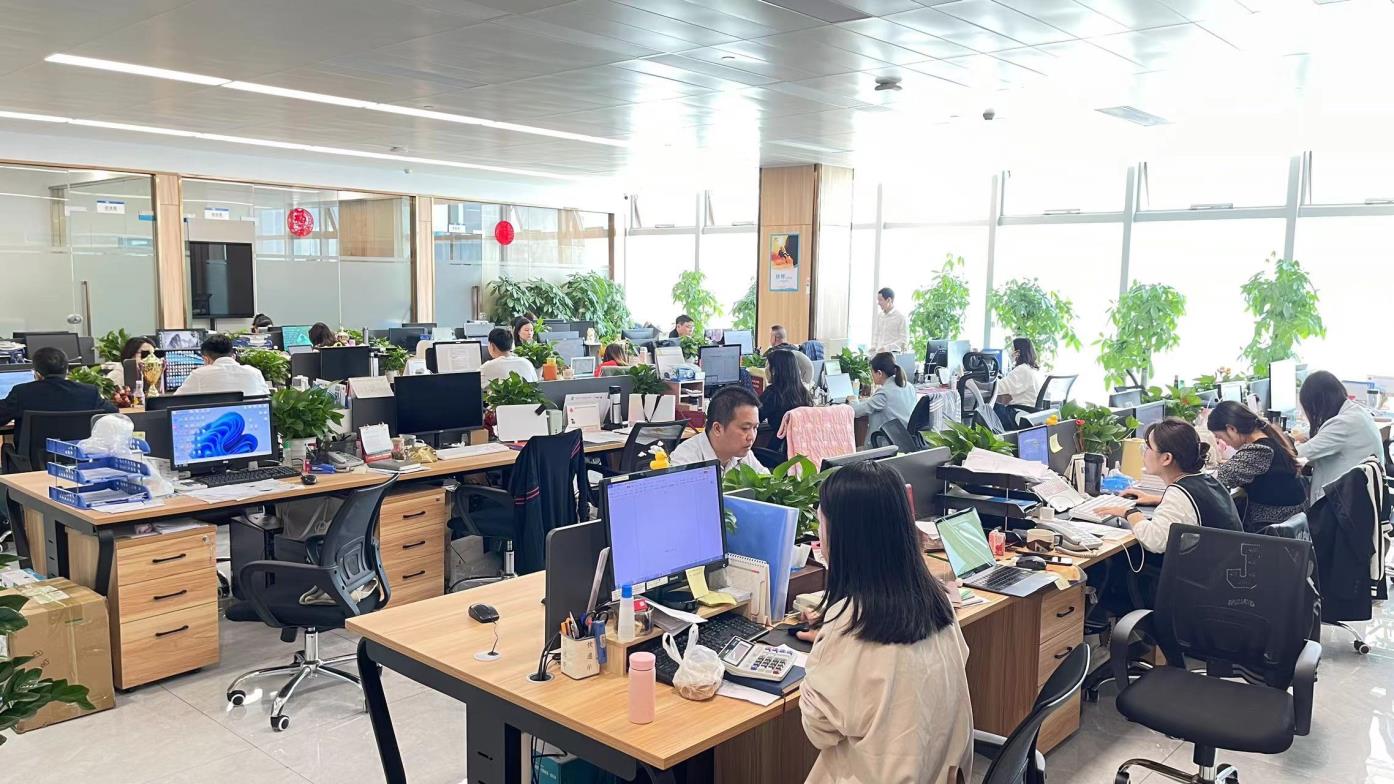
Production lines and assembly in Shenzhen
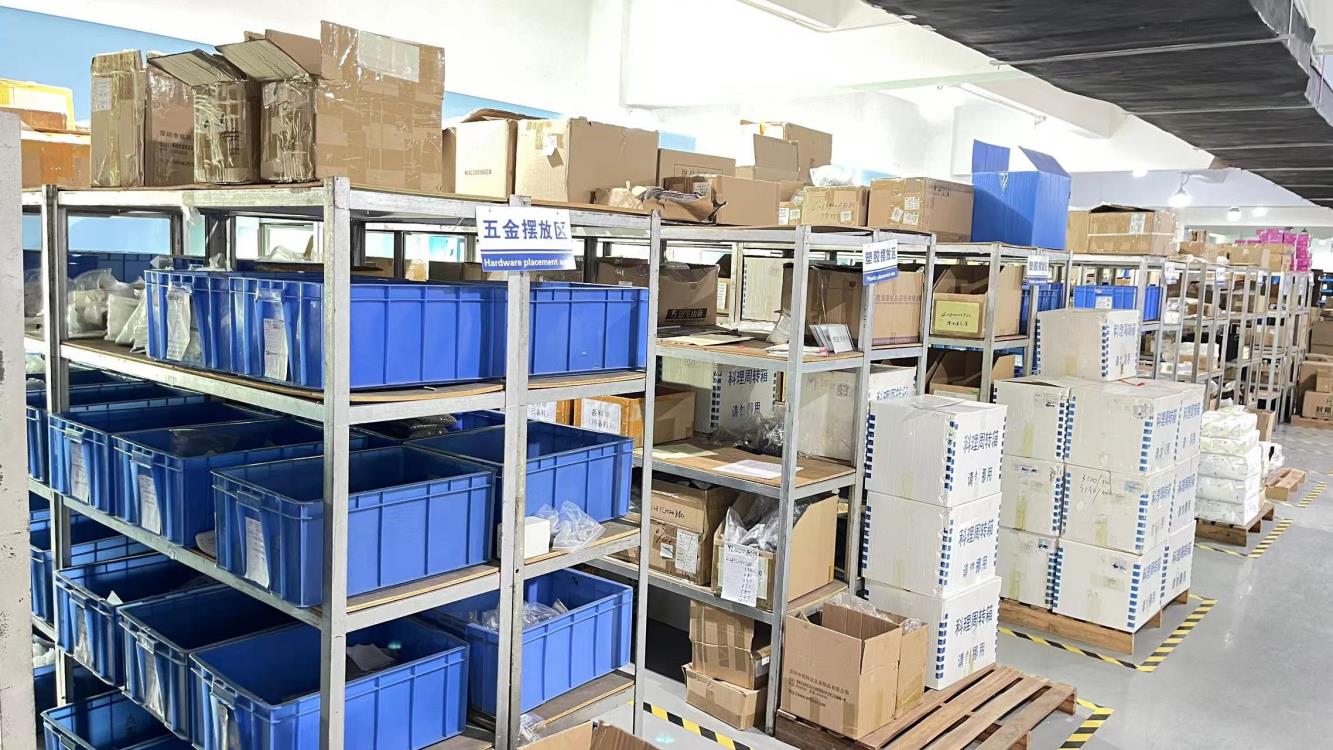
Quality inspection and product testing
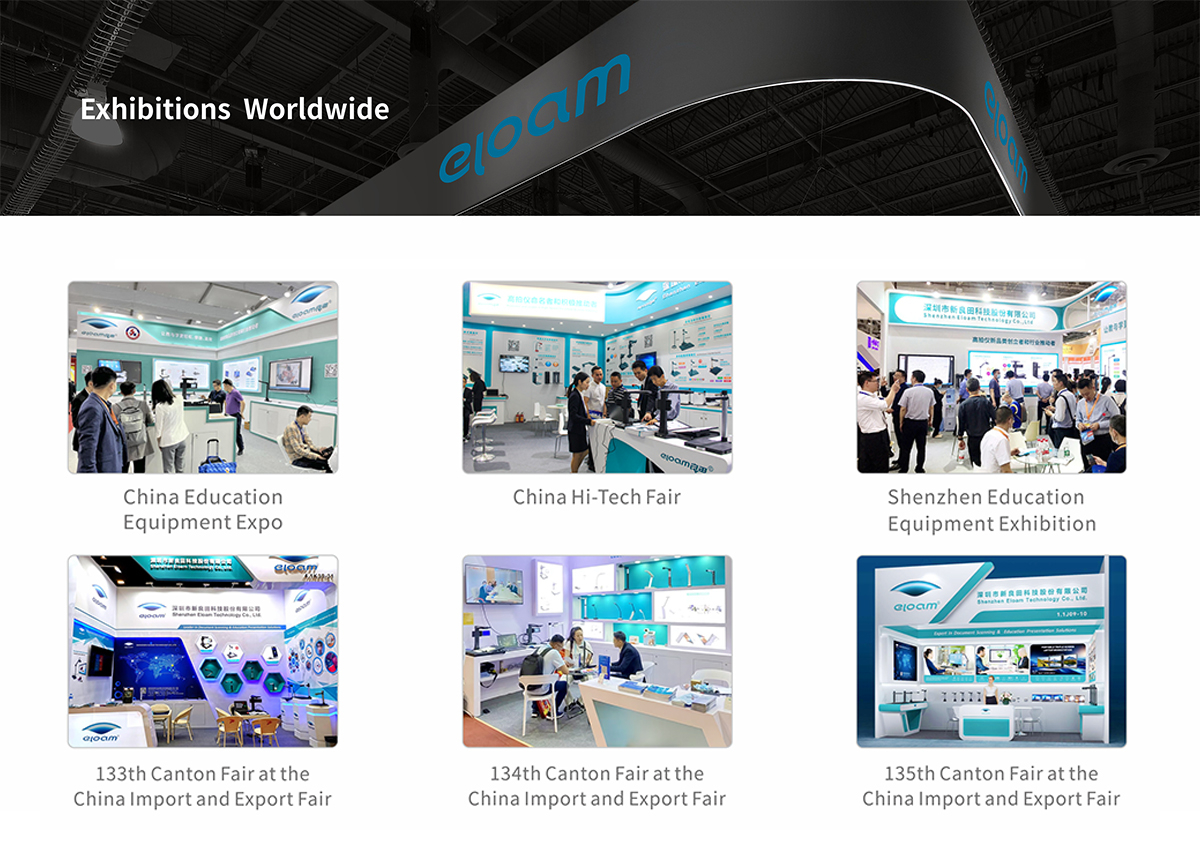
International trade exhibition presence
From Sample to Scale: A Lower-Risk Procurement Workflow
A structured process protects both buyer and factory. It also creates a written trail for tender committees, finance teams and after-sales planning.
Requirement Review
Share scan size, resolution, OCR languages, OS, interface, target market, expected quantity and customization scope. Our engineers map the brief to a suitable platform and flag compliance requirements early.
Sample & Compatibility Test
Evaluate a pre-production sample with your own documents, books, IDs or classroom objects. Test the SDK, drivers, cables and workflow before approving the configuration.
Customization & Compliance
Approve logo, packaging, housing color, manual, firmware labels and software UI. Confirm certificate scope, warranty terms and inspection criteria before mass production.
Production, QC & Shipment
Production runs on 8 lines with incoming, in-process and finished-product quality control. Shipping can be arranged under FOB, CFR, CIF or EXW terms, with after-sales support.
Questions Global Buyers Ask Before Choosing a China Presentation Camera Supplier
These answers reflect the commercial and technical checks most often requested by distributors, schools, banks and system integrators.
Is Hobry a manufacturer or a trading company?
Do you offer OEM and ODM for presentation cameras and document scanners?
Which OCR languages and operating systems are supported?
Can I order a sample before a bulk order?
What are the MOQ, payment and delivery terms?
What certifications and warranty do products carry?
What should I compare in a wholesale presentation camera quote?
How do I choose between A3, A4 and A2 presentation cameras?
Request the 2025 Presentation Camera & Document Scanner Catalog
Share your use case, scan size, OCR languages, target market, estimated quantity and customization needs. Our engineers will recommend a model, confirm sample availability and outline OEM/ODM options. For tender projects, ask for certificate scope and SDK documentation early.
info@hobrytech.com