China Wholesale Document Scanner Supplier & Exporters
A 2026 buyer’s white paper on sourcing A2, A3 and A4 document scanners, book scanners, document cameras and portable monitors from Shenzhen — including model recommendations, procurement trends, risk controls and OEM/ODM due diligence.
8 Document Scanner & Visualizer Models Ready for 2026 Procurement
Below are eight in-stock and customizable models covering the most common wholesale search intents: A3 classroom visualizer, A4 high-speed OCR scanner, A2 large-format capture, dual-lens library scanner, portable business monitor and folding document camera. Product URLs are preserved for direct review.
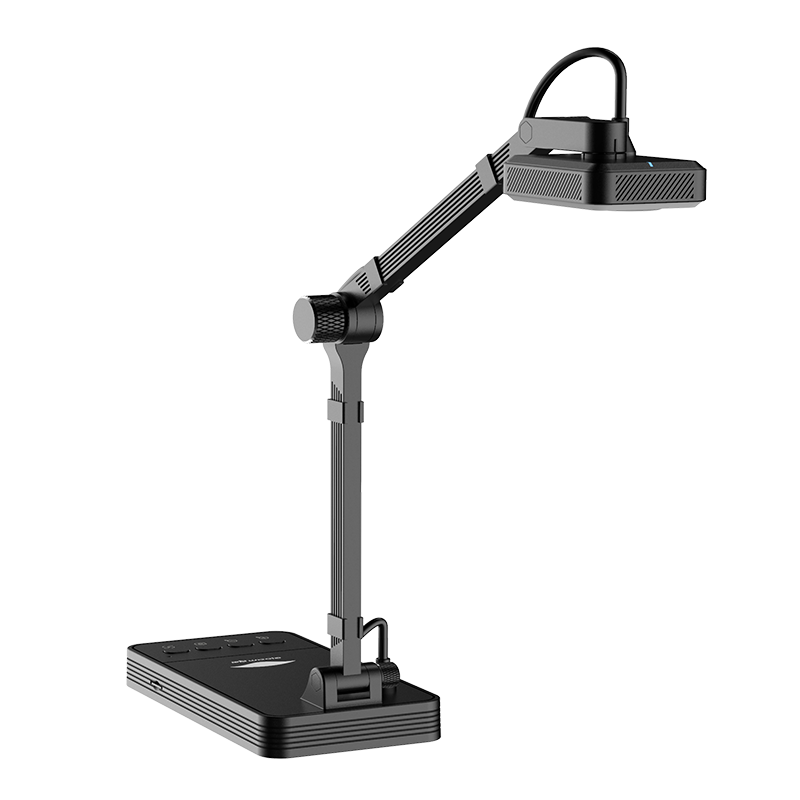
ELOAM YL1050 Wi-Fi/USB Document Presenter, A3 10MP
Built for teachers, distance learning, video calling and live demonstration. Wireless and USB flexibility for hybrid classrooms.
- A3 capture
- 10MP
- Wi-Fi + USB
- Teaching
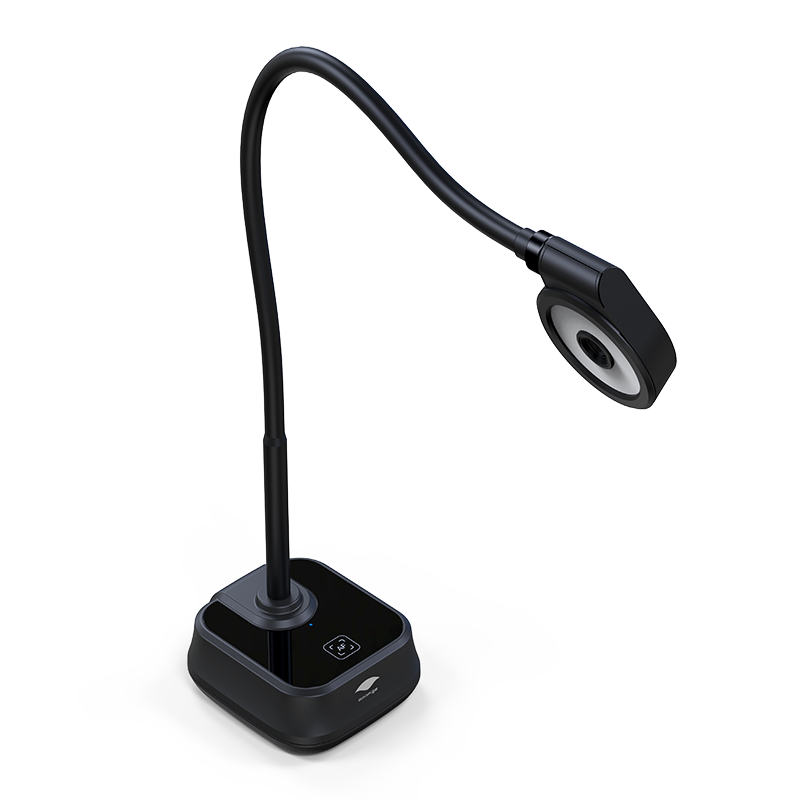
ELOAM VH800S A4 High-Speed USB Portable Video Booth & Scanner
A compact A4 office and classroom scanner with OCR support for meeting notes, forms and live visual presentation.
- A4
- OCR
- USB
- Classroom
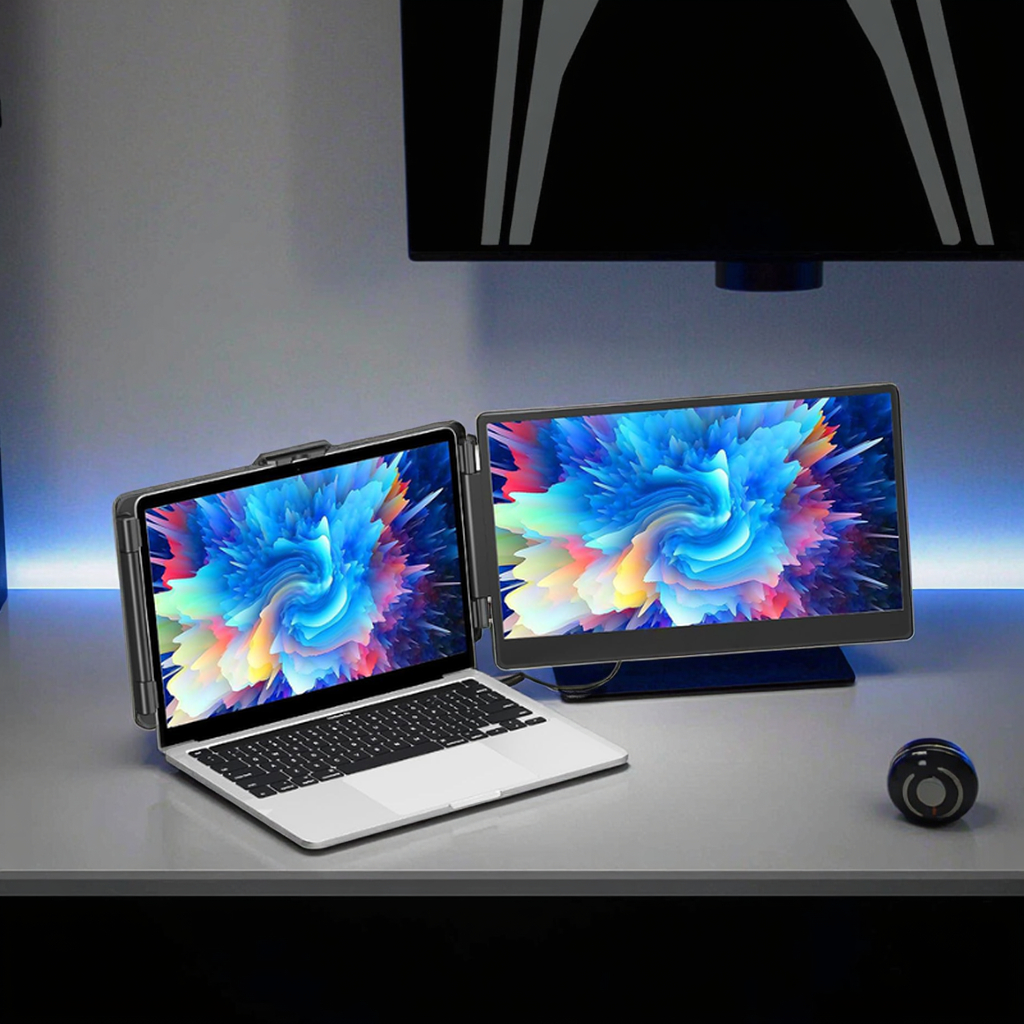
Factory Direct 14-Inch Portable IPS Monitor, Type-C Plug & Play
1920x1080 business-series monitor for mobile professionals, field teams and paperless workflow workstations.
- 14-inch IPS
- 1920x1080
- Type-C
- Windows / Mac
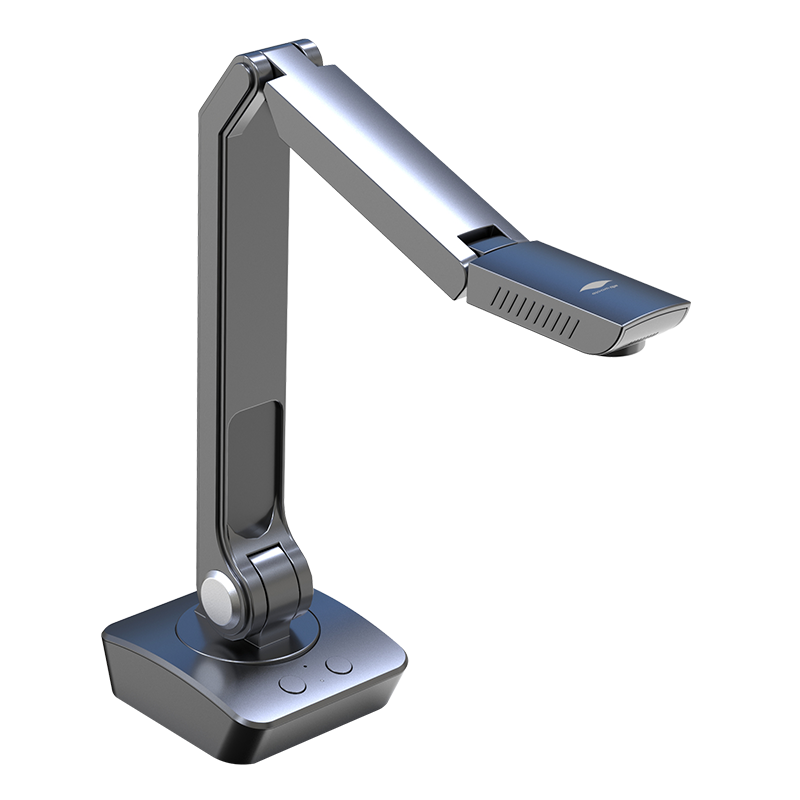
ELOAM V801A3AF A3 Portable USB Document Camera with OCR
A portable A3 document camera for school and office meetings, combining USB plug-and-play with OCR capture.
- A3
- USB
- OCR
- School / office
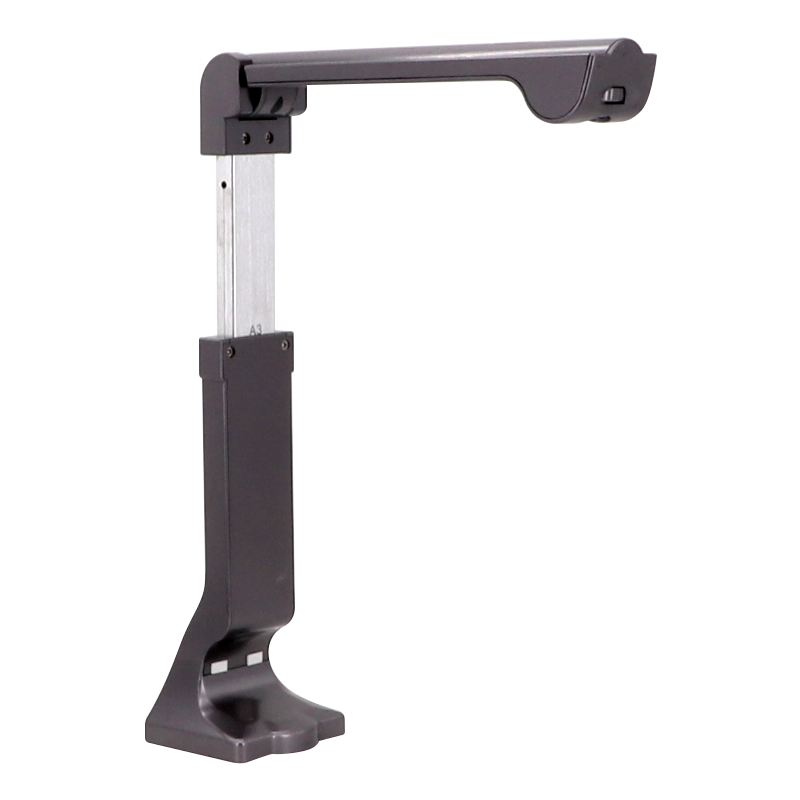
ELOAM S600 10MP CMOS A3 Folding Document Scanner
Folding A3 scanner with USB interface, OCR camera and one-second capture for contracts, invoices and office archives.
- A3
- 10MP CMOS
- 1-second
- 1-year warranty
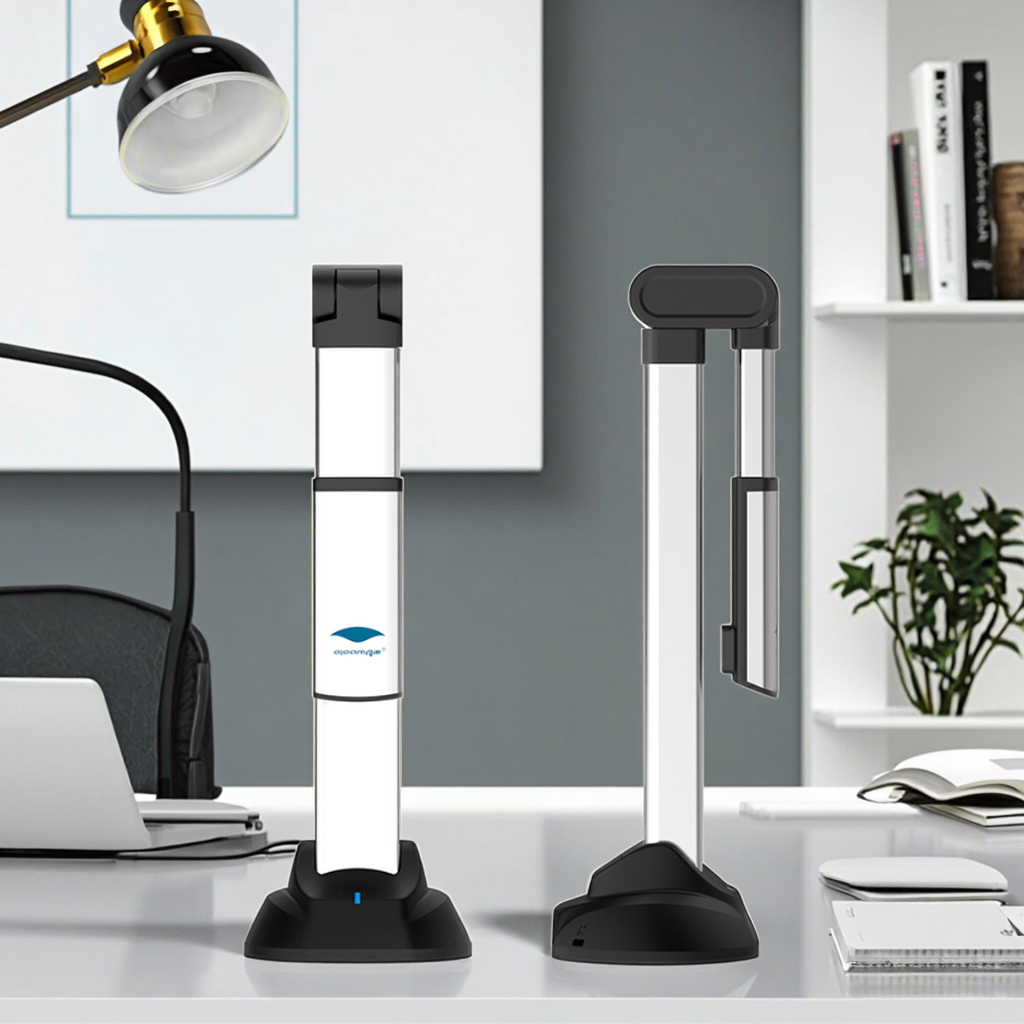
Eloam A2 Auto Focus Large Format Document Scanner, 18MP
5184x3456 CMOS resolution, USB and LED light source for engineering drawings, maps and large-format records.
- A2
- 18MP
- Auto focus
- USB / LED
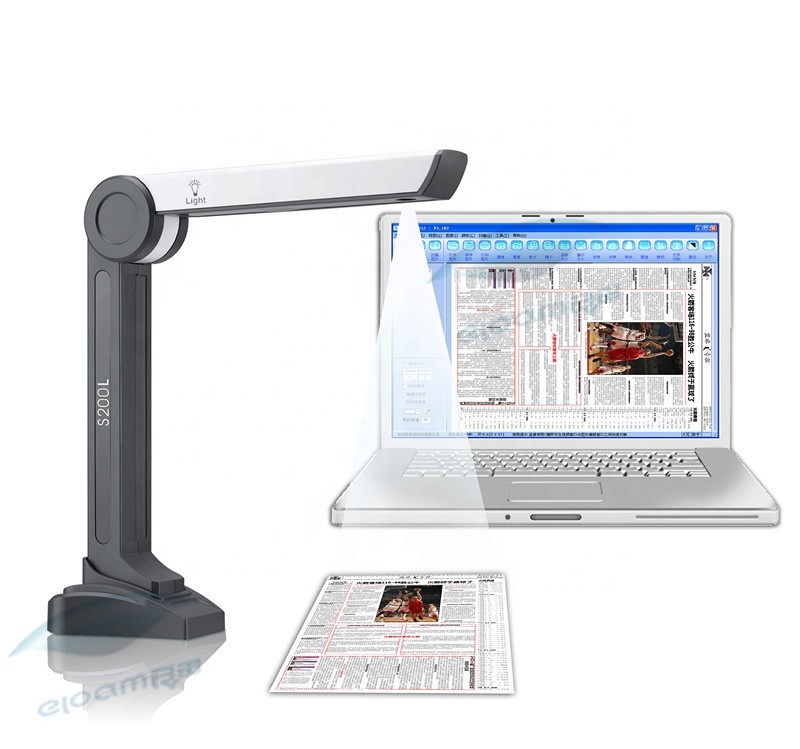
Eloam USB A4 Document Scanner with 1-Second Scan & ABBYY OCR
1600x1200 CMOS sensor and ABBYY OCR in a gray body with 1-year warranty, suited to high-volume counter capture.
- A4
- 1600x1200
- 1-second
- ABBYY OCR
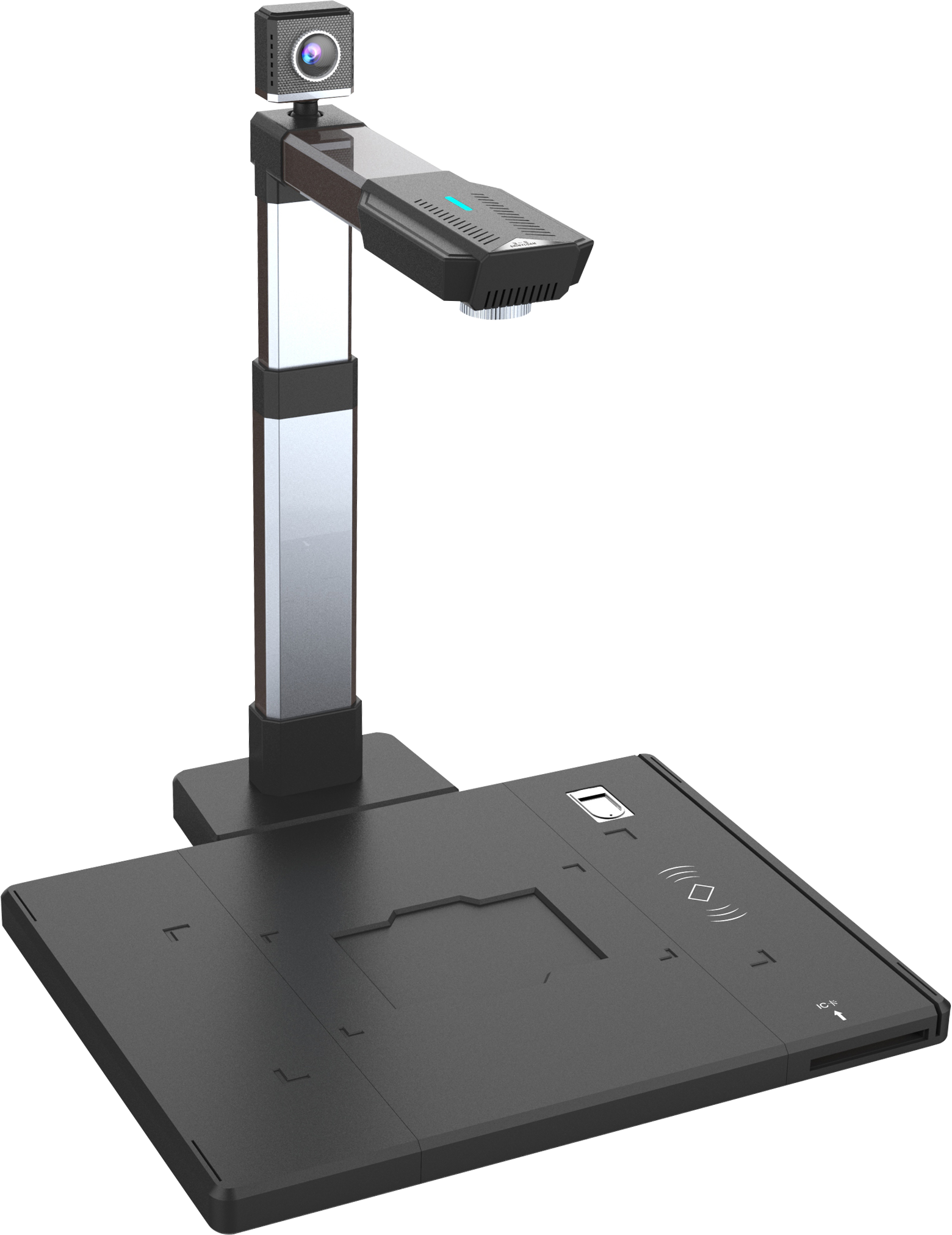
Eloam YL1020 Dual-Lens A3 OCR & 2D Code SDK Library Scanner
Dual-lens high-speed A3 capture with OCR, 2D code support and SDK for multifunctional library and system-integration projects.
- A3
- Dual lens
- OCR / 2D code
- SDK
What Serious Buyers Should Know Before Choosing a China Wholesale Document Scanner Supplier
Most B2B buyers arrive through four search intents: supplier verification, model selection, commercial terms and integration risk. A catalog page rarely answers all four with enough evidence for a purchasing committee.
Information gain beyond megapixels and price
This guide adds procurement intelligence that typical supplier pages omit: a weighted supplier scorecard, real-document OCR acceptance tests, book-curvature checks, SDK validation, packaging inspection and a total-cost view. The goal is to help distributors, system integrators, school groups and government buyers compare document scanner exporters on workflow outcomes rather than headline specifications alone.
For the query “China Wholesale Document Scanner Supplier & Exporters,” semantic search engines connect document scanners, document cameras, visualizers, book scanners, OCR software, SDK integration, A2/A3/A4 capture, OEM/ODM customization, CE certification, Intertek verification and MOQ. The buying decision is rarely about one model. It is about whether the selected hardware can be delivered repeatedly, integrated cleanly and supported after installation. That is why factory verification, sample audit data and after-sales evidence should sit beside price in the sourcing decision.
Future Procurement Trends: What Wholesale Buyers Will Price Into 2026–2028
Public-sector tenders and distribution programs are moving from “buy a scanner” to “buy a repeatable capture capability.” These six trends change the evaluation criteria.
AI-assisted OCR and classification
Buyers increasingly ask for auto-rotation, deskew, blank-page removal, table extraction and document classification. Procurement should test OCR on real invoices, ID cards and folded pages, not only clean demo sheets.
SDK and workflow integration
A scanner becomes a data-capture endpoint. Distributors and integrators need UVC compatibility, SDK access, Windows/macOS support on selected models and clear API documentation before committing to a tender.
Hybrid classrooms and visualizers
Education buyers now compare 30FPS live video, A3 capture area, wireless casting and teacher training. A visualizer that is difficult for teachers to operate creates hidden support cost, even if the unit price is low.
Security and data residency
Government, banking and school projects prefer offline capture or clear data-flow documentation. Ask whether OCR processing can remain on-device, how firmware is updated and whether the supplier can provide compliance evidence.
Total cost per 1,000 scans
Unit price is only one line. Calculate consumables, failure rate, spare-part lead time, software licensing, training and return rate. A slightly higher device with stable drivers may deliver a lower total cost per 1,000 scans.
Sustainability and compliance
CE certification, RoHS expectations, recyclable packaging, repairability and low-power design are becoming scoring criteria in public procurement. Ask for certificate scope, not only a logo on a brochure.
Product Development Trends: What the Next Generation of Document Scanners Will Do Better
Hardware competition is shifting from sensor count to optical quality, live-video performance, software depth and serviceability.
Optical zoom vs digital zoom
Lecture halls and labs need sharp detail on large displays. True optical zoom, such as the 13x design used in the V80 visualizer series, preserves detail that digital zoom cannot recover.
Large-format auto focus
A2 and A3 scanners with auto focus, LED illumination and 18MP-class CMOS sensors reduce setup time for maps, drawings and bound records. The buyer benefit is fewer retakes and faster archive throughput.
Dual-lens and 2D code capture
Library and industrial projects increasingly combine document OCR with 2D code reading. Dual-lens models and SDK-supported capture reduce the need for separate devices at service points.
30FPS live video and UVC
Hybrid teaching depends on low-latency video. 30FPS document cameras with USB UVC output plug into common classroom software without requiring a dedicated driver in many deployments.
Wireless casting and multi-device use
Wi-Fi/USB visualizers let teachers move around the room and share from tablets or laptops. For procurement, confirm wireless stability, pairing procedure and guest-network restrictions.
Modularity, repairability and support
Distributors benefit when housings, camera modules, cables and firmware can be serviced. A supplier that documents spare parts and firmware changes reduces downtime and warranty friction.
Product Recommendations by Workflow: A 2026 Wholesale Selection Matrix
Match the scanner to the capture task before negotiating unit price. The matrix below connects common use cases to the eight models above and the evidence to request during sampling.
| Workflow | Recommended model | Why it fits | Procurement test |
|---|---|---|---|
| Hybrid classroom teaching | ELOAM YL1050 A3 10MP | Wi-Fi and USB, A3 area, live demonstration for distance learning. | Test 30 minutes of continuous video, Wi-Fi stability and teacher switching. |
| A4 meeting capture | ELOAM VH800S | Portable USB scanner with OCR for classroom and meeting use. | Scan handwritten notes, printed agendas and glossy brochures. |
| Mobile office workstation | 14-Inch Portable IPS Monitor | Type-C plug-and-play, 1920x1080, Windows and Mac support. | Verify laptop power delivery, cable set and bezel fit. |
| School and office presentations | ELOAM V801A3AF | A3 portable USB camera with OCR for meetings and classrooms. | Check arm stability, focus speed and OCR output format. |
| A3 office archiving | ELOAM S600 | 10MP CMOS, folding body, OCR and one-second capture. | Test folded invoices, stamps, signatures and PDF export. |
| A2 engineering and maps | Eloam A2 18MP | Auto focus, 5184x3456 CMOS, USB and LED light source. | Measure edge sharpness, glare control and desk footprint. |
| High-volume A4 counter capture | Eloam A4 USB Scanner | 1-second scan, 1600x1200, ABBYY OCR and 1-year warranty. | Run 200 ID cards and forms; check OCR language accuracy. |
| Library and SDK integration | Eloam YL1020 | Dual-lens A3 capture, OCR, 2D code and SDK support. | Request SDK documentation and test with your own software stack. |
8 Tests to Run Before Approving a Wholesale Document Scanner Order
A sample that works on a clean demo sheet is not enough. Use these tests to compare suppliers on the same evidence and reduce post-installation surprises.
01Real-document sample audit
Send your own forms, invoices, passports, book pages and folded drawings. Require scan output in PDF, JPEG and TIFF for review.
02OCR accuracy verification
Test every promised language and layout. Record accuracy by document type, not by a single headline claim such as “180 languages.”
03SDK and driver test
Install on the target operating system and integrate with your software. Confirm UVC behavior, SDK scope and firmware update process.
04Book curvature and A3 edge test
Scan bound materials, maps and large contracts. Check focus at edges, page curvature handling and crop accuracy.
05Low-light and glare test
Evaluate LED illumination, reflections from glossy ID cards and color consistency under the lighting used at your counters.
06Thermal and endurance run
Run a repeatable 1,000-cycle capture test. Monitor heat, software stability and image drift after continuous use.
07Packaging and accessory audit
Review drop protection, cable quality, manuals, labeling and customization such as logo, packaging and housing color.
08Compliance and warranty check
Confirm CE scope, FCC availability, ISO 9001, warranty period, spare-part lead time and accepted payment terms in writing.

Why Hobry Is a Qualified China Wholesale Document Scanner Supplier & Exporter
Founded in 2005, Shenzhen Hobry Technology Co., Ltd. is a manufacturer with an integrated export team, not a pure trading company. It operates 8 production lines in a 5,000–10,000 m² facility and employs 101–200 people. Its factory has been verified onsite by Intertek and holds ISO 9001, National High-Tech Enterprise status, software copyrights and patents.
Products are CE certified, with FCC available on selected models, and carry a standard 1-year warranty. The company serves North America, Southeast Asia, Southern Europe, the Middle East and other markets; it accepts T/T, L/C, PayPal and Western Union, and supports FOB, CFR, CIF and EXW delivery. In-house teams cover industrial design, optics, firmware, software and manufacturing.
20+ years of imaging R&D
Since 2005, Hobry has developed document cameras, high-speed scanners, book-scanner platforms and portable monitors around real office, classroom and archive workflows.
Factory scale and quality control
8 production lines, a 5,000–10,000 m² facility and 101–200 employees support incoming, in-process and finished-product inspection for repeat wholesale orders.
OEM and ODM customization
Logo printing, packaging, housing color, firmware and software customization are available. Selected models offer SDK support for system integration and tender-specific requirements.
Verification and compliance
Intertek onsite verification, ISO 9001, National High-Tech Enterprise certificate, software copyright registrations, CE certification and FCC on selected models provide checkable evidence.
OCR and application depth
Selected models support OCR in up to 180 languages with PDF, JPEG and TIFF output, while A2/A3/A4 formats cover banking, education, government, libraries and enterprise archives.
Export and after-sales support
Sample orders are available for most models. Quotations can be structured around MOQ, customization level, FOB/CFR/CIF/EXW terms and 1-year warranty support.

Due diligence is not a brochure claim. Review the factory assessment report, trade capacity, transaction level, trade history, credit index and buyer feedback before releasing a bulk order.
Review Factory AssessmentChina Wholesale Document Scanner Supplier & Exporters: Common Buyer Questions
These answers reflect the commercial, technical and quality questions most often raised during distributor and project procurement.
QIs Hobry a manufacturer or a trading company?
Shenzhen Hobry Technology Co., Ltd. is a manufacturer with an integrated export team. Founded in 2005, it runs 8 production lines in a 5,000–10,000 m² facility in Shenzhen, and the factory has been verified onsite by Intertek.
QDo you offer OEM and ODM for document scanners and document cameras?
Yes. OEM, ODM, design service and buyer-label service are available, including logo printing, custom packaging, housing color, firmware and software customization. An SDK is available on selected models for system integration.
QCan I order samples before a bulk order?
Most models are available as single-unit samples for evaluation. Bulk MOQ depends on the model and the level of customization and is confirmed in your quotation. Request a sample with your own documents for the most useful test.
QWhich OCR languages and operating systems are supported?
Selected models support OCR in up to 180 languages and output to PDF, JPEG and TIFF. Windows is supported across the range, and macOS is supported on selected large-format models. Confirm compatibility model by model before ordering.
QHow do I verify scan quality and SDK support before a bulk order?
Send real invoices, ID cards, book pages and folded drawings for a sample audit. Ask for OCR output in the required languages, test the SDK on your target operating system, and confirm driver, firmware and UVC behavior in writing.
QWhich payment and delivery terms are accepted?
Accepted payment terms are T/T, L/C, PayPal and Western Union in USD. Accepted delivery terms are FOB, CFR, CIF and EXW. Shipping method and lead time are confirmed after model, quantity and customization are finalized.
QWhat certifications and warranty apply?
Products are CE certified, with FCC available on selected models. The company holds ISO 9001 quality management certification, a National High-Tech Enterprise certificate and software copyright registrations. Standard warranty is 1 year.
QHow is quality controlled across wholesale production?
Production follows incoming material inspection, in-process checking and finished-product quality control across 8 lines. For project orders, agree on an acceptance checklist covering scan quality, OCR, packaging, accessories, labeling and firmware version.
From Requirement Review to Export Delivery in Six Clear Steps
With in-house optics, firmware and software teams, Hobry can customize hardware and software rather than simply relabeling a finished product.
Requirement review
Define scan size, resolution, OCR languages, operating system, interface, target market compliance and estimated annual volume.
Design and engineering
Confirm housing, logo, packaging, firmware, SDK scope and software UI requirements with the engineering team.
Sample approval
Test pre-production samples against your real documents, OCR acceptance criteria and integration checklist.
Mass production
Run production across 8 lines with incoming, in-process and finished-product quality control.
Inspection and compliance
Check packaging, accessories, labels, firmware version and certificate scope before shipment.
Delivery and support
Ship under FOB, CFR, CIF or EXW terms, with after-sales technical support and 1-year warranty coverage.
Planning a 2026 Wholesale Program for Document Scanners or Visualizers?
Send your scan size, target market, estimated quantity, OCR language requirements and SDK needs. Hobry will recommend a model, confirm MOQ and prepare a quotation. Sample orders are available for most models.
info@hobrytech.com