8 Wholesale Digital Document Scanners & Visualizers for Fast Sampling
These eight in-stock models cover the most common B2B sourcing briefs: A3 teaching cameras, A4 OCR scanners, rugged book presenters, compact USB scanners and Wi-Fi visualizers. Every product link below leads to the original model page so procurement teams can verify specifications, accessories and inquiry details before requesting a sample.
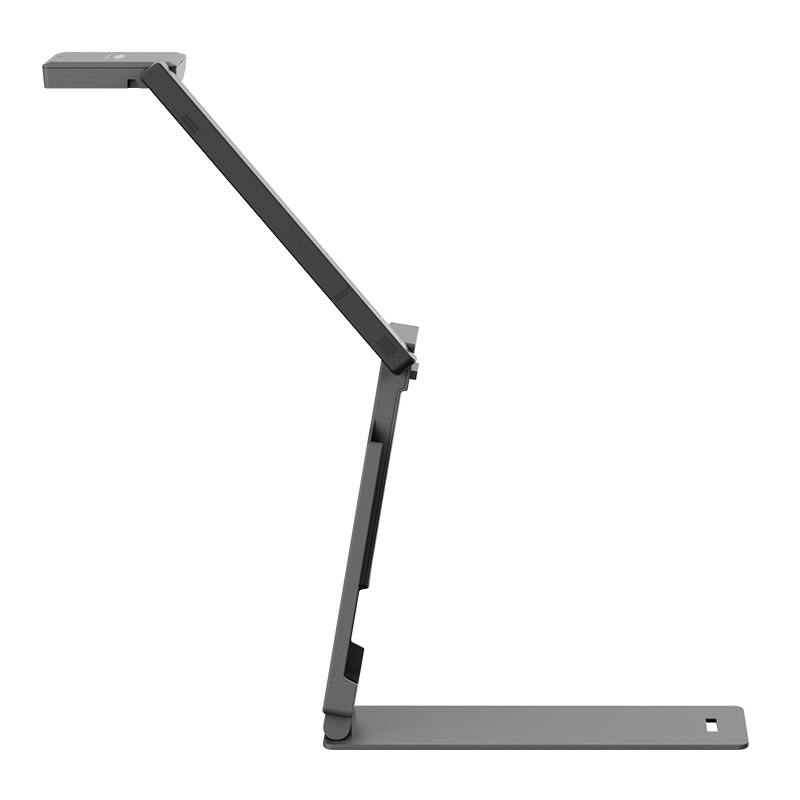
ELOAM VE1300A3AF 13.0MP Ultra HD USB Portable Document Camera & Scanner A3 Size for Teaching in Stock
A 13MP A3 camera with USB plug-and-play, ideal for live classroom demonstration, distance learning and fast document capture where clear text and stable color matter.
- A3
- 13MP
- USB
- Teaching
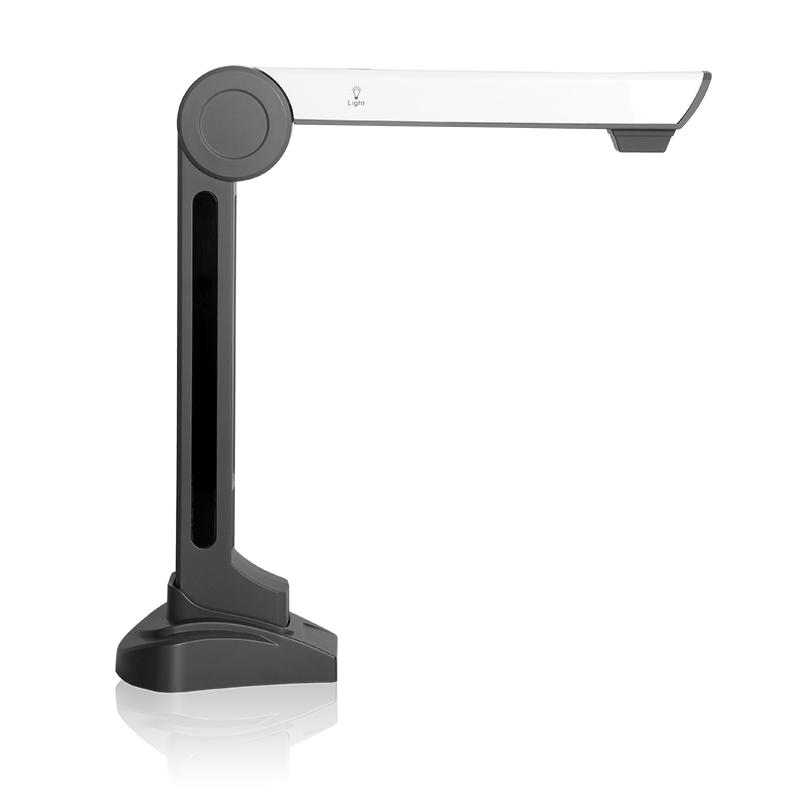
ELOAM S200L A4 Mini Overhead Projector Document Scanner with OCR USB Interface for Office Use in Stock
A compact A4 overhead scanner with OCR and USB output for office counters, reception desks and paper-light workflows that need a low learning curve.
- A4
- OCR
- USB
- Office

Eloam 10MP A3 Professional OCR Document Scanner High Precision Continuous Mode 1 Second Fast Speed USB Interface Office Stock
A 10MP A3 OCR scanner engineered for high-precision continuous scanning, making it suitable for archived contracts, invoices and administrative records.
- A3
- 10MP
- OCR
- Continuous mode
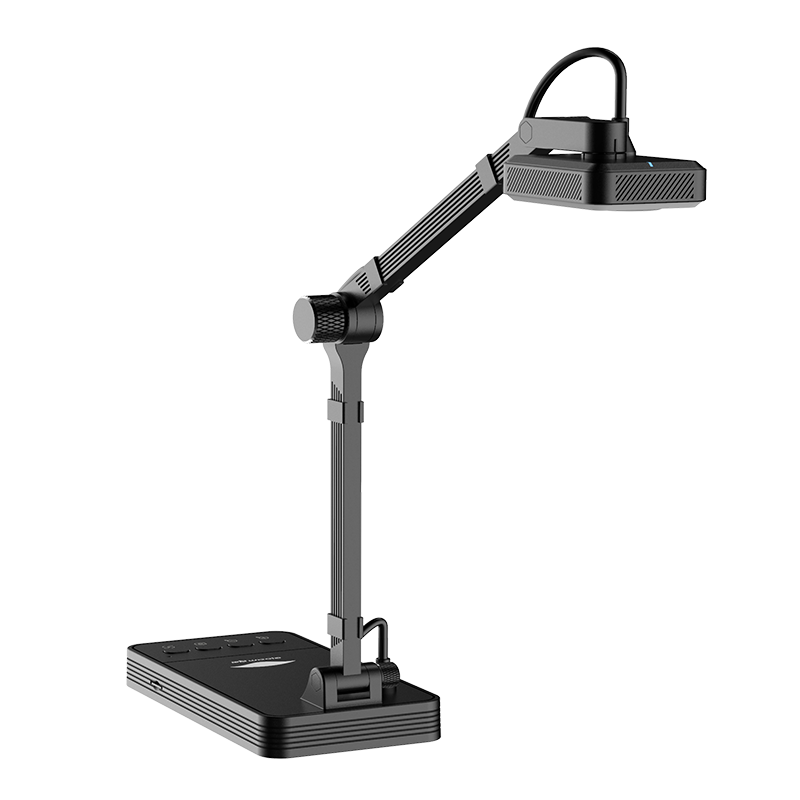
ELOAM YL1050AF Portable Visual Presenter Rugged A3 A4 Book Scanner High Resolution Document Camera USB in Stock
A rugged A3/A4 visual presenter and book scanner for mobile teaching, library reading rooms and field training where portability and image stability are essential.
- A3/A4
- Book scanner
- Visual presenter
- USB
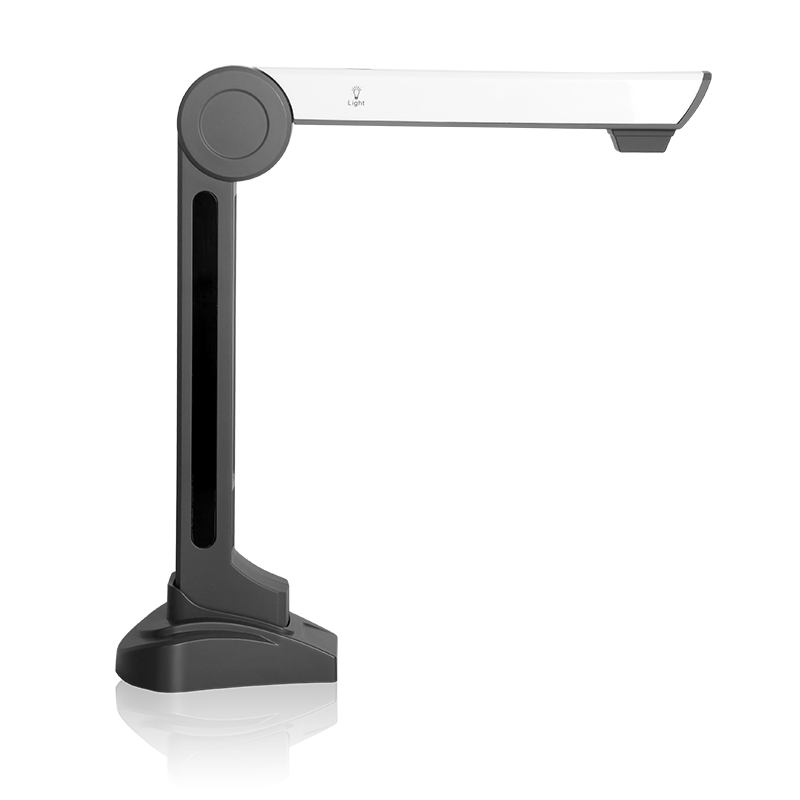
Eloam S500P 5MP Ultra Portable High-Speed OCR Document Scanner with USB SDK for School and Office Use in Stock
A 5MP ultra-portable OCR scanner with USB SDK support for schools, training centres and system integrators building compact scanning stations.
- 5MP
- OCR
- USB SDK
- Portable
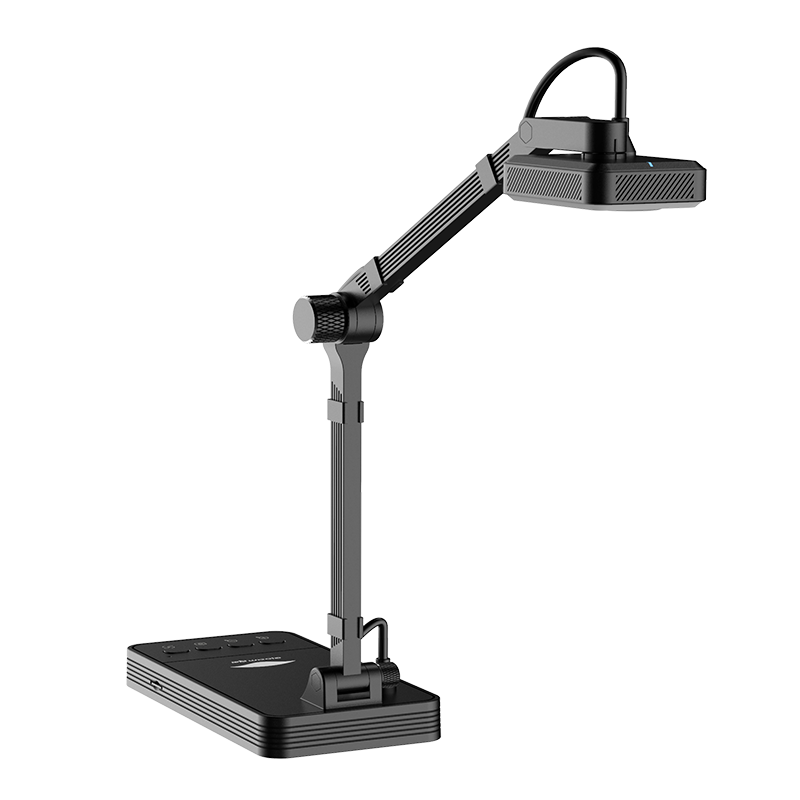
ELOAM YL1050 WIFI USB for Document Presenter A3 10MP for Teachers Distance Learning Online Teaching Video Calling Stock
A 10MP A3 Wi-Fi and USB document presenter for teachers delivering distance learning, online tutoring and video lessons without cable restrictions.
- A3
- 10MP
- Wi-Fi + USB
- Distance learning
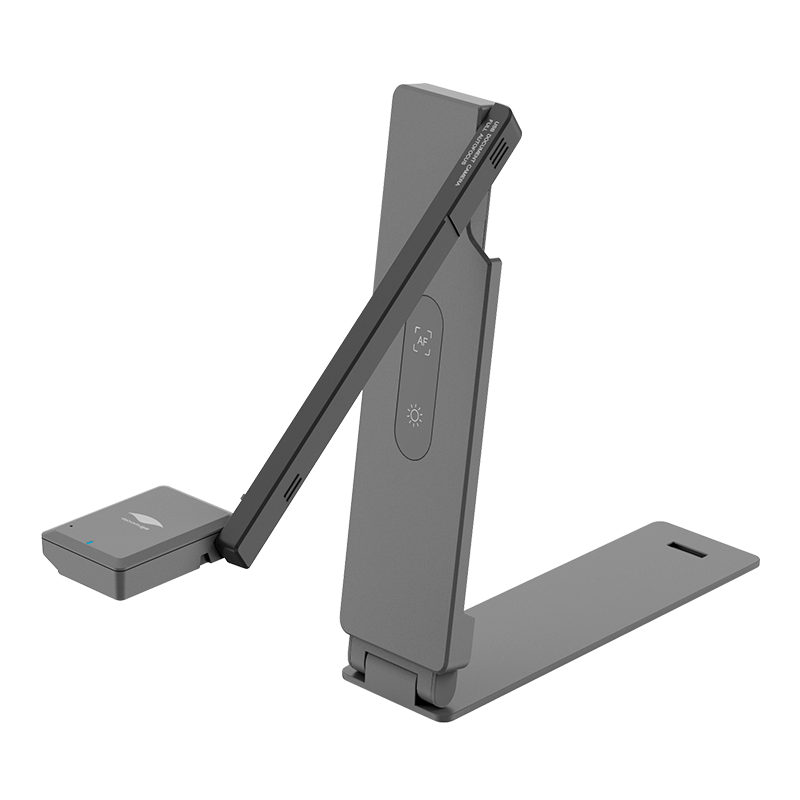
ELOAM VE1020A3AF USB Document Camera Scanner Visualizer 3-in-1 A3 8MP High Resolution Educational Equipment in Stock
An 8MP A3 3-in-1 USB document camera, scanner and visualizer for interactive classrooms, STEM demonstration and hybrid education deployment.
- A3
- 8MP
- 3-in-1
- Education
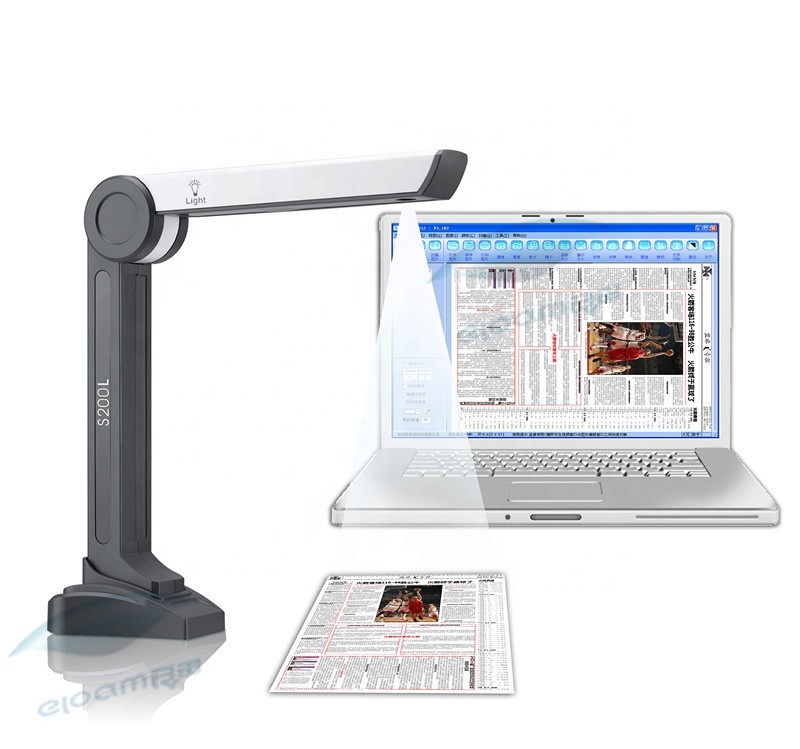
Eloam USB A4 Document Scanner with 1 Second Scan Speed CMOS Sensor 1600x1200 Resolution Gray 1-Year Warranty ABBYY OCR in Stock
A 1-second A4 USB scanner with 1600x1200 CMOS output, ABBYY OCR and a 1-year warranty for high-volume office capture and simple digitization.
- A4
- 1-second scan
- ABBYY OCR
- 1-year warranty
Need a mixed-model quotation, buyer-label packaging or a sample plan?
Inquire NowEvidence That Matters to Wholesale Buyers
Instead of vague claims, serious exporters should make factory scale, R&D history, quality systems and OCR capability easy to verify.
What “China Wholesale Digital Document Scanner Factories & Exporters” Really Means
The phrase looks like one keyword. In practice, it contains four overlapping purchase intents: find a real factory, compare exporter capability, shortlist a configuration, and validate total landed cost.
A buyer searching for China wholesale digital document scanner factories is usually not looking for a consumer gadget. They are evaluating a repeatable imaging platform for classrooms, bank counters, government service windows, libraries, archives or distribution partners. That is why the strongest supplier pages do not stop at megapixels and price. They explain how the device is used, which software is supported, how samples are approved, and what evidence exists behind the factory.
The winning supplier is rarely the lowest quotation; it is the factory that can prove repeatable image quality, software compatibility and after-sales response. For importers, this means checking three layers at the same time: the physical product, the manufacturing system and the commercial terms. A document camera that looks good in a catalogue can still fail if its OCR engine cannot handle the buyer’s language, if its driver is unstable on the target operating system, or if the exporter cannot supply spare parts after the first container.
Use a weighted scorecard rather than a single price comparison. The chart below reflects criteria that experienced B2B buyers commonly prioritise when they move from desktop research to sample evaluation.
2025–2027 Wholesale Procurement Trends for Document Scanner Exporters
Buyers are becoming more technical and more risk-aware. The next wave of wholesale orders will reward factories that can support smaller trial runs, document compliance clearly and integrate with customer software.
Sample-first, multi-model sourcing
Distributors increasingly benchmark three to five models before committing to a container. Exporters that keep A4, A3 and book-scanner samples in stock shorten the decision cycle and reduce Specification mismatch.
Lower entry MOQ, stronger documentation
Buyers want trial quantities without accepting weak quality systems. MOQ flexibility must be paired with ISO 9001 records, CE documentation, packing lists, firmware versions and clear warranty procedures.
SDK and software integration in the RFP
System integrators now ask about SDK access, image capture APIs, OCR output formats and operating-system support before they ask about price. Hardware is only one part of the deployment.
Total landed cost replaces unit price
Shipping terms, failure rates, spare-part availability, remote troubleshooting and packaging quality all affect the true cost. FOB, CFR, CIF and EXW quotations should be compared on the same service assumptions.
What the Next Scanner Generation Will Be Judged On
Document cameras and overhead scanners are moving from simple video capture devices to workflow hardware. The most competitive factories are designing around image intelligence, connectivity and serviceability.
AI-assisted capture and edge OCR
Auto-crop, deskew, page-curve correction, fingerprint removal and live text recognition are becoming expected features. Buyers should test OCR quality on real invoices, textbooks and identity documents, not only on clean laboratory samples.
Higher native resolution and optical zoom
5MP and 8MP remain useful for routine office capture, while 10MP, 13MP and optical-zoom designs are increasingly requested for lecture halls, engineering drawings and fine-print inspection. Digital zoom alone cannot preserve detail.
Cable-free classrooms and hybrid teaching
Wi-Fi and USB dual-mode visualizers reduce installation friction in classrooms, training rooms and mobile teaching carts. The strongest products maintain stable video while simplifying teacher operation.
Privacy-aware software and offline workflows
Government, banking and education buyers increasingly ask where images are processed and stored. Offline OCR, local storage options and transparent software behaviour can become decisive in procurement.
Modular design and serviceability
Replaceable camera modules, standardised USB interfaces and accessible firmware updates reduce downtime. For importers, serviceability is a competitive advantage because it lowers return rates and support costs.
Certification-ready hardware platforms
CE, FCC, RoHS-related requirements and regional power adapters should be planned at the platform stage. Retrofit compliance is slower and more expensive than designing compliance into the product from the start.
Application-Led Product Recommendations
The fastest way to shortlist a China wholesale document scanner factory is to start with the end user’s workflow. The model choice should follow the scan area, image detail, software environment and installation style.
| Buyer Scenario | Recommended Model | Why It Fits | Specification Check |
|---|---|---|---|
| K–12 classroom and hybrid teaching | ELOAM VE1300A3AF / YL1050 WIFI | Live demonstration, A3 materials, clear text for video lessons and flexible installation in classrooms. | 13MP or 10MP, A3 area, USB or Wi-Fi, 30 FPS-class video. |
| University lecture and laboratory | Eloam 10MP A3 Professional OCR Scanner | High-precision continuous capture for notes, handouts and technical documents shown on large displays. | 10MP, A3, OCR, 1-second scan, USB. |
| Office archive and invoice digitization | Eloam USB A4 Document Scanner with ABBYY OCR | Compact A4 footprint, fast scan cycle and OCR for paper-light office workflows. | A4, 1600x1200 CMOS, 1-second scan, 1-year warranty. |
| System integrator and school computer lab | Eloam S500P | Portable 5MP scanner with USB SDK support for custom capture stations and pilot deployments. | 5MP, OCR, USB SDK, compact housing. |
| Mobile training and field enrollment | ELOAM YL1050AF / S200L | Rugged visual presenter or mini A4 scanner for teams that move between sites and need quick setup. | A3/A4 options, USB, portable form factor, OCR on selected models. |
| Library reading room and book capture | ELOAM YL1050AF | Rugged design for bound materials, reading rooms and non-destructive digitization projects. | A3/A4 book scanning, high-resolution camera, USB. |
| Online tutoring and video calling | ELOAM YL1050 WIFI | Cable-free teaching from a desk, whiteboard or small group table, with easy switching between documents and objects. | A3, 10MP, Wi-Fi and USB, live video output. |
| STEM demonstration and interactive lessons | ELOAM VE1020A3AF | 3-in-1 camera, scanner and visualizer format for showing small parts, experiments and textbook pages. | A3, 8MP, USB, 3-in-1 educational design. |
An E-E-A-T View of Shenzhen Hobry Technology
For wholesale buyers, experience and authority must be visible in factory data, certification records, product breadth and the ability to customise hardware and software.

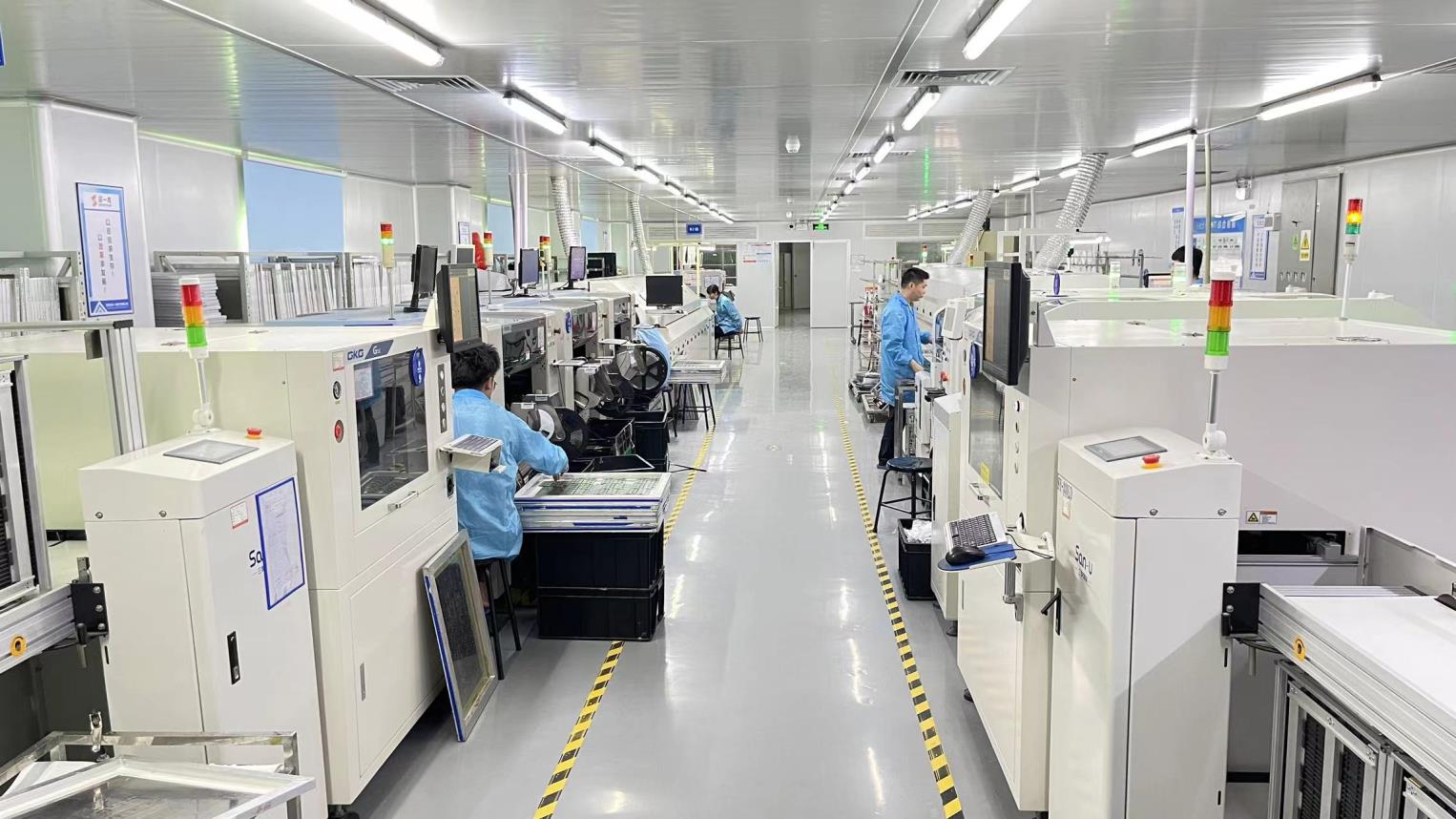
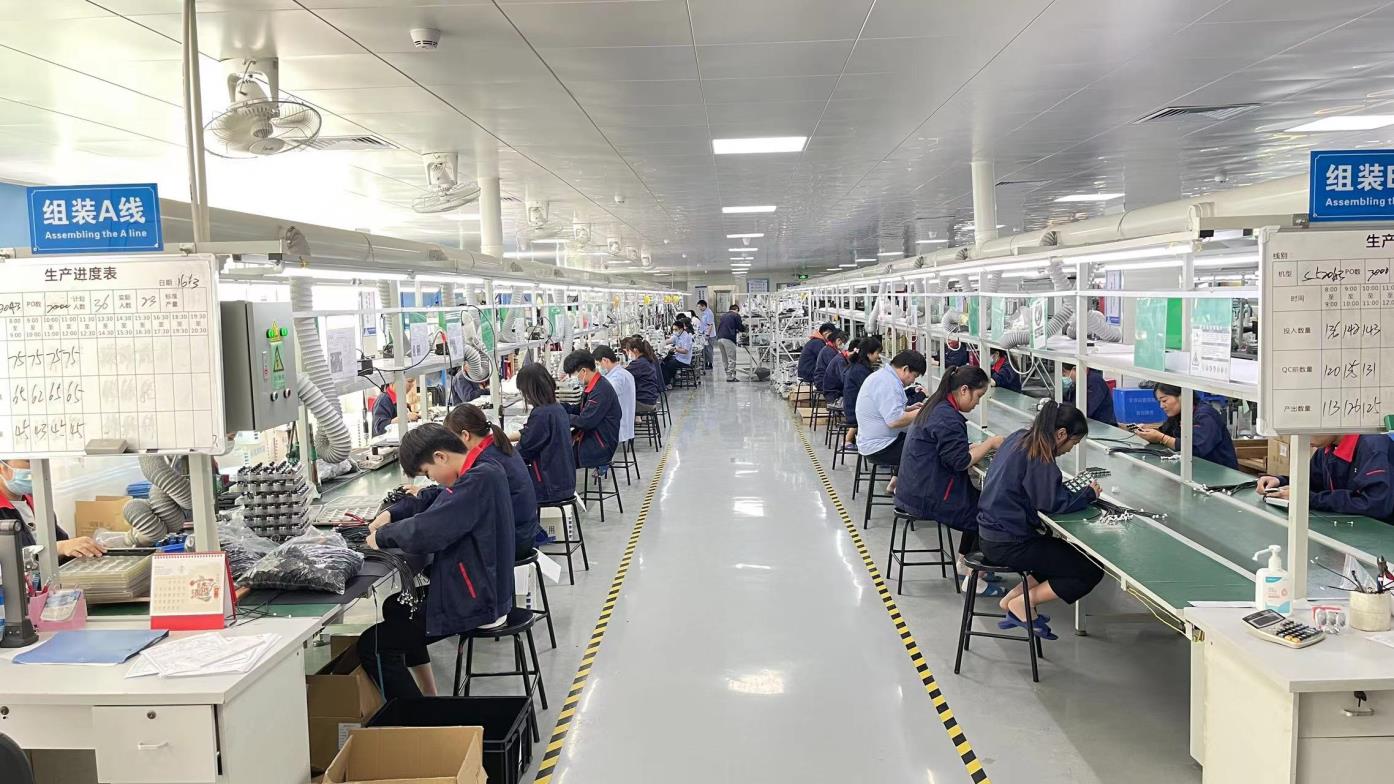
Founded in 2005, Shenzhen Hobry Technology Co., Ltd. is a manufacturer with an integrated export team. The company operates 8 production lines in a 5,000–10,000 m² facility in Shenzhen, employs approximately 101–200 people, and has been verified onsite by Intertek. Its product range covers office document scanners, book scanners, smart education visualizers, the V80 optical zoom visualizer, extender monitors and new hot products.
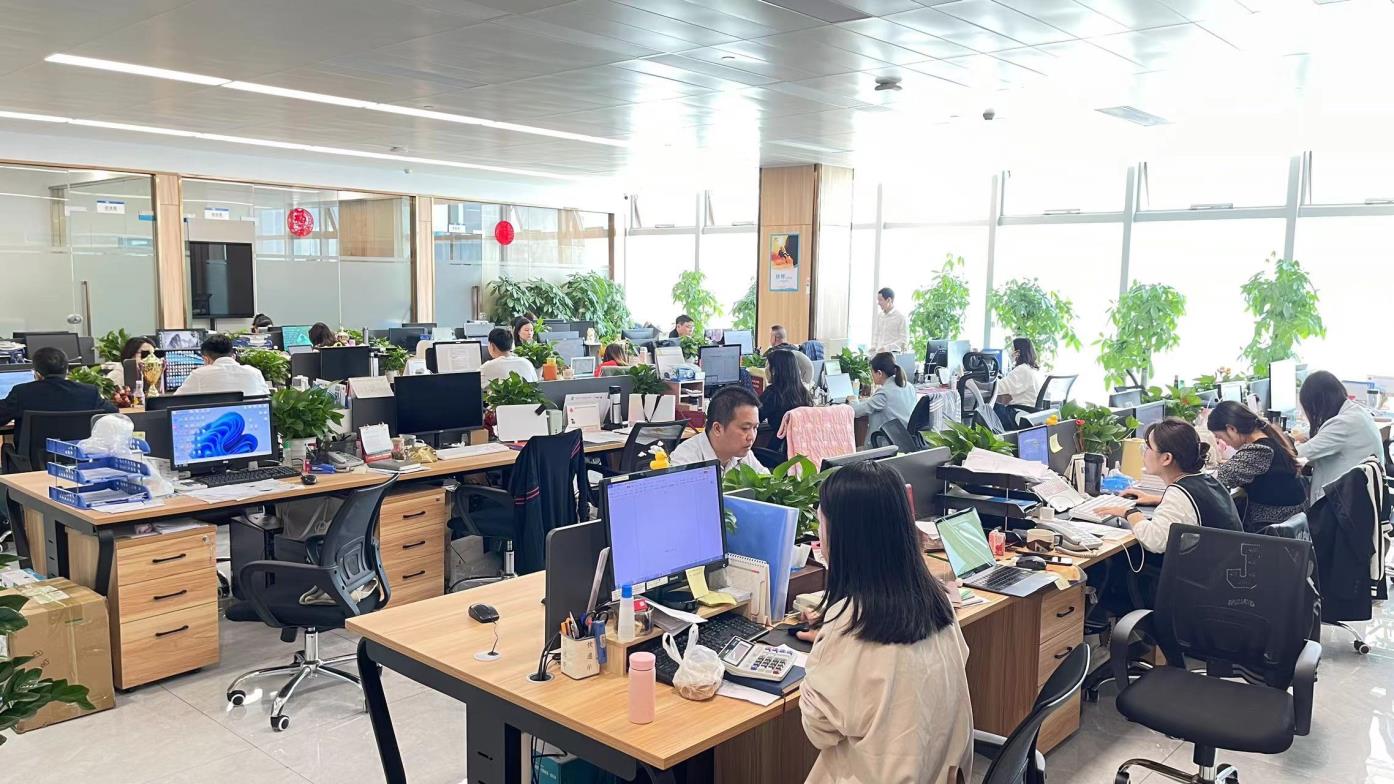
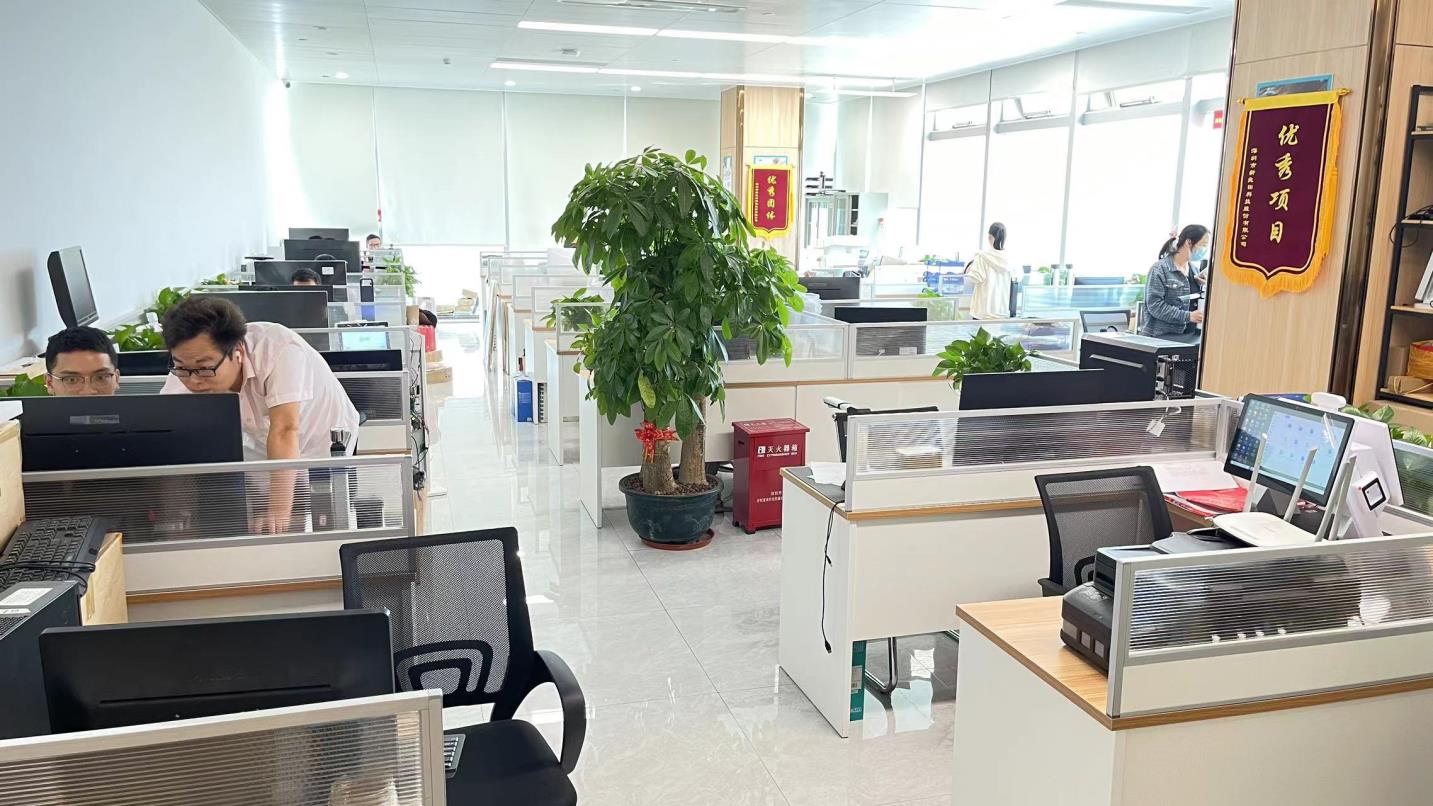
The company controls industrial design, optics and firmware R&D, software development, manufacturing and global sales. This matters to importers because OEM/ODM requests often involve more than a logo: housing colour, packaging, firmware behaviour, software UI, SDK access and buyer-label documentation may all need coordination.
Authority is not a badge on a page; it is the ability to answer technical questions, provide samples, document certifications and support the product after shipment. Hobry holds ISO 9001 quality management certification, a National High-Tech Enterprise certificate and software copyright registrations. Products are CE certified, with FCC available on selected models, and the standard warranty is one year. Main markets include North America, Southeast Asia, Southern Europe, the Middle East and worldwide distribution channels.

Quality, Compliance and Due-Diligence Checklist
Use this short checklist before placing a wholesale order for digital document scanners or document cameras. It helps separate a genuine factory programme from a catalogue-only offer.
Verify factory identity and audit scope
Confirm the legal entity, factory address, production lines and the scope of any onsite inspection. Ask for the latest assessment report and check whether finished-product inspection is included.
Test OCR and operating-system compatibility
Selected models support OCR in up to 180 languages and output PDF, JPEG and TIFF. Windows is supported across the range, with macOS on selected large-format models. Always test with your own documents.
Check certification and power standards
CE is standard, with FCC available on selected models. For destination markets, also confirm adapter plugs, voltage labelling, packaging language and any importer-specific documentation.
Compare landed cost and after-sales
Review T/T, L/C, PayPal and Western Union terms in USD, plus FOB, CFR, CIF and EXW delivery options. Add spare-part availability, warranty process and remote support to the cost model.
From Requirement Review to Shipment in Five Clear Steps
With in-house optics, firmware and software teams, customisation can go beyond simple relabelling. The process below reduces risk for importers, distributors and system integrators.
Requirement review
Define scan size, resolution, operating system, interface, target market, packaging and expected volume.
Design and engineering
Confirm housing colour, logo, firmware settings, software UI, SDK requirements and certification needs.
Sample approval
Evaluate pre-production samples against image quality, OCR accuracy, stability and installation criteria.
Mass production
Manufacturing runs through 8 production lines with incoming, in-process and finished-product quality control.
Delivery and support
Ship under FOB, CFR, CIF or EXW terms, with firmware guidance, spare parts planning and after-sales support.
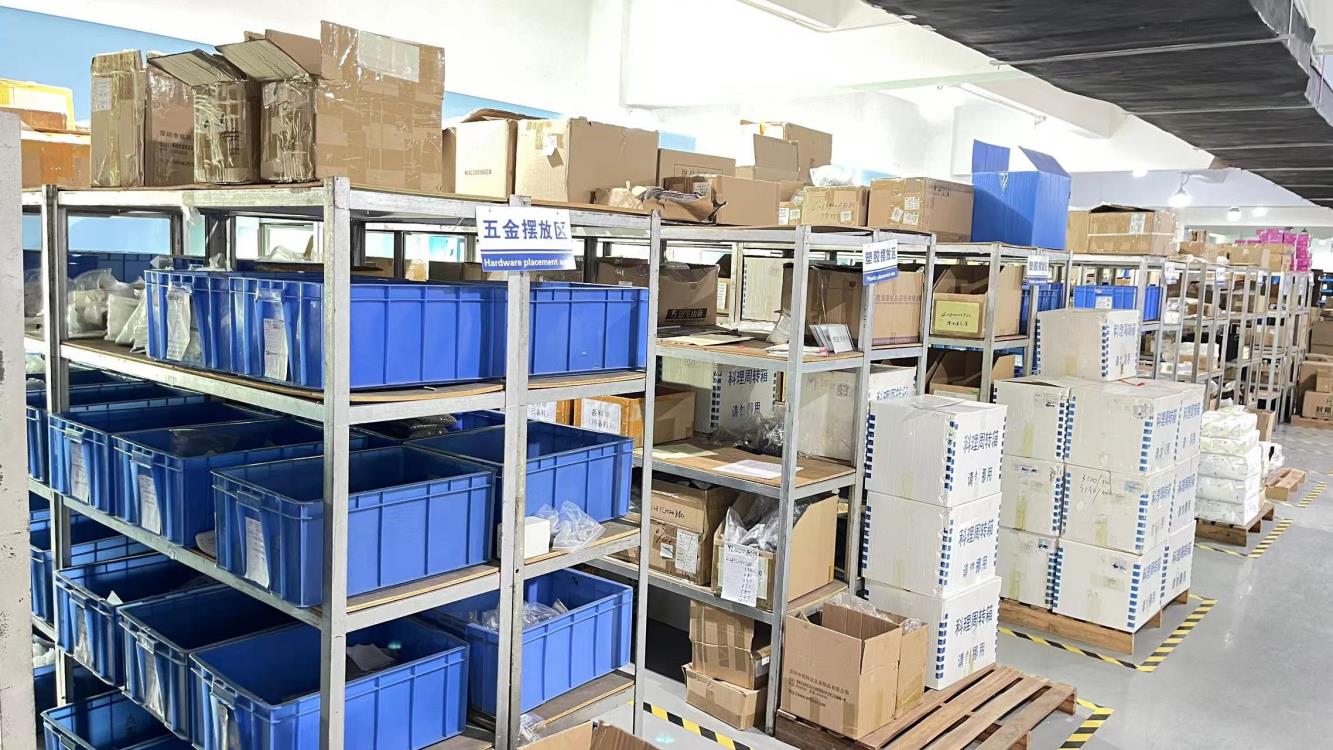
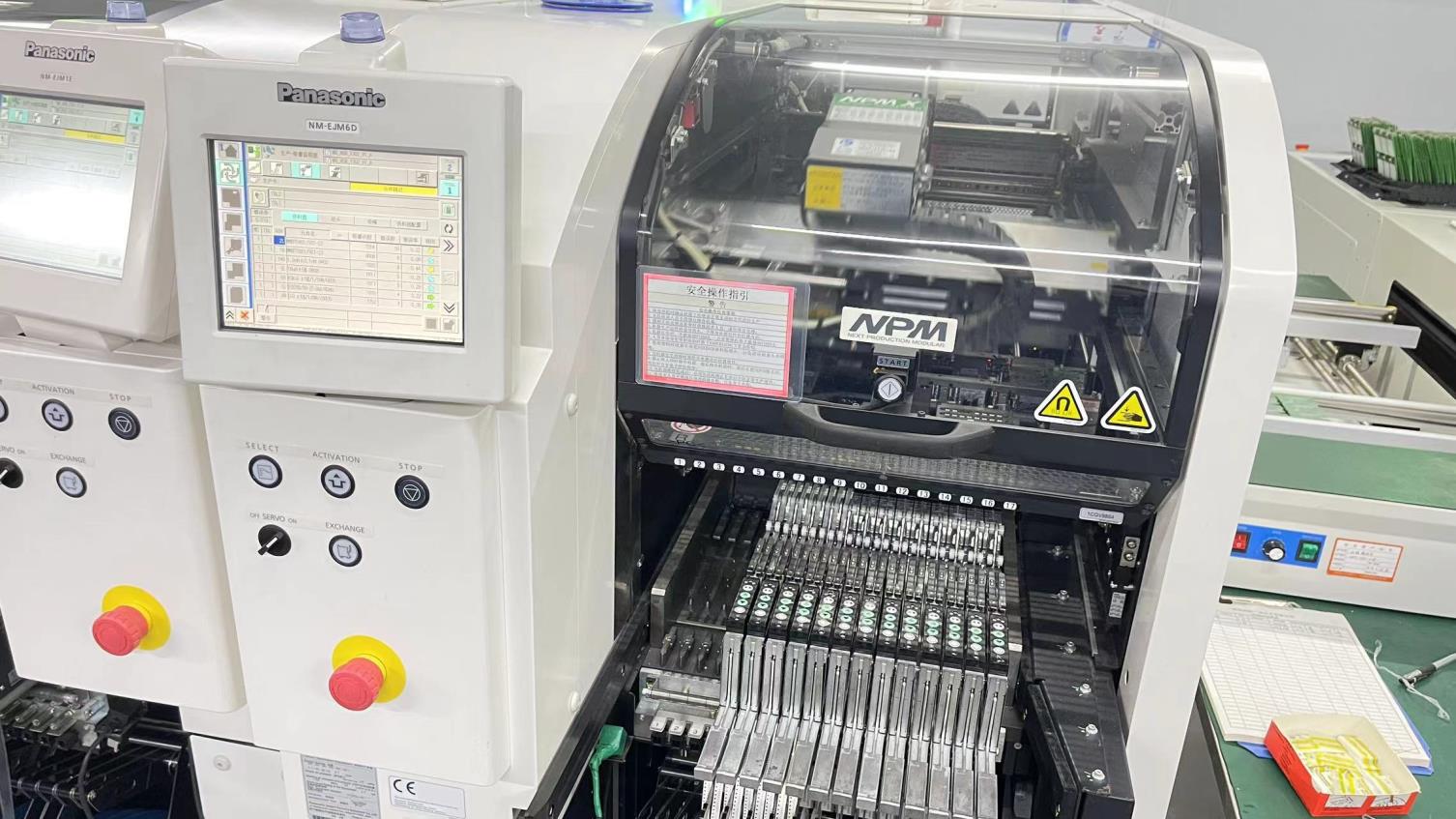
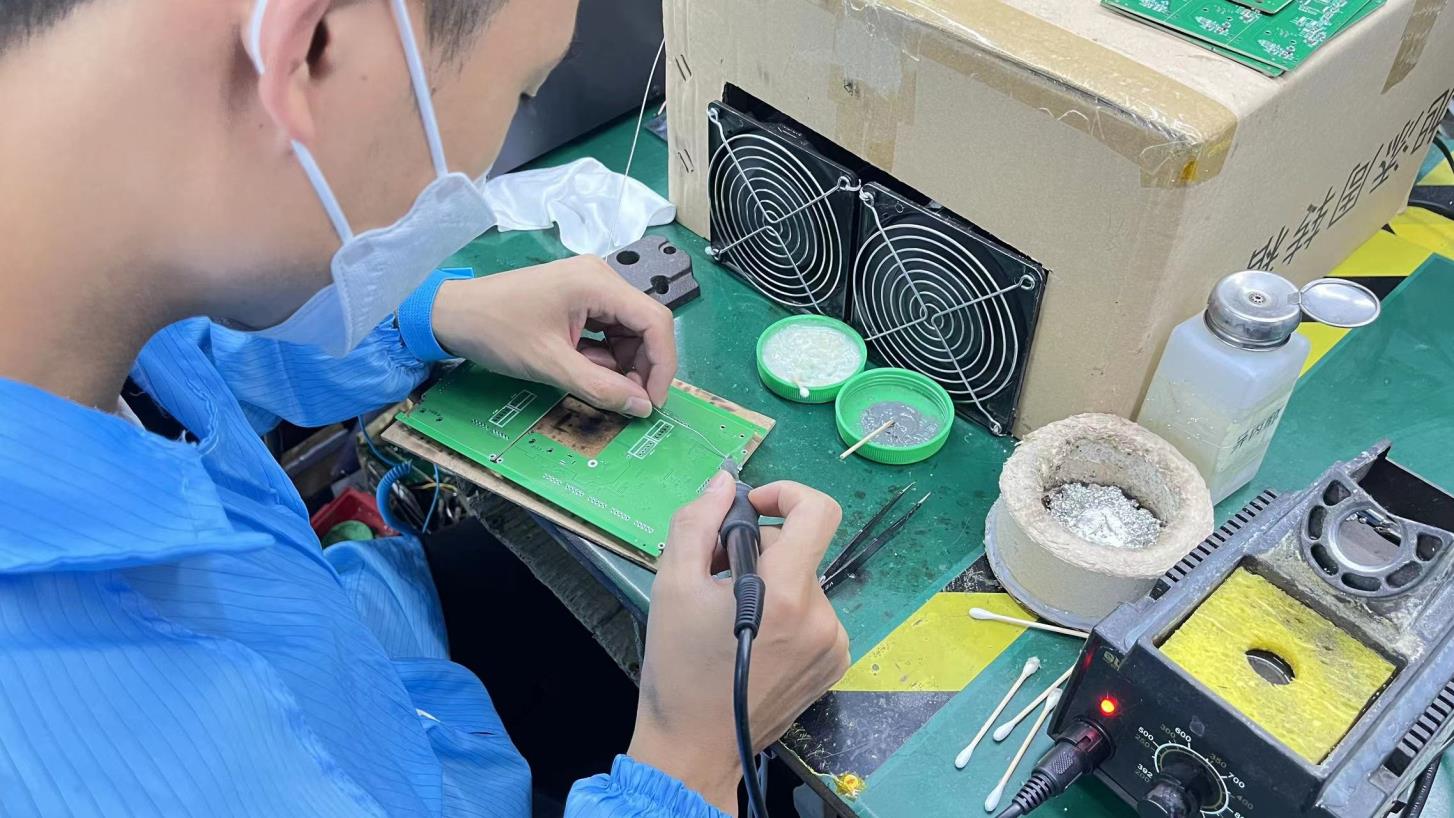
R&D, Production, Testing and Certificates
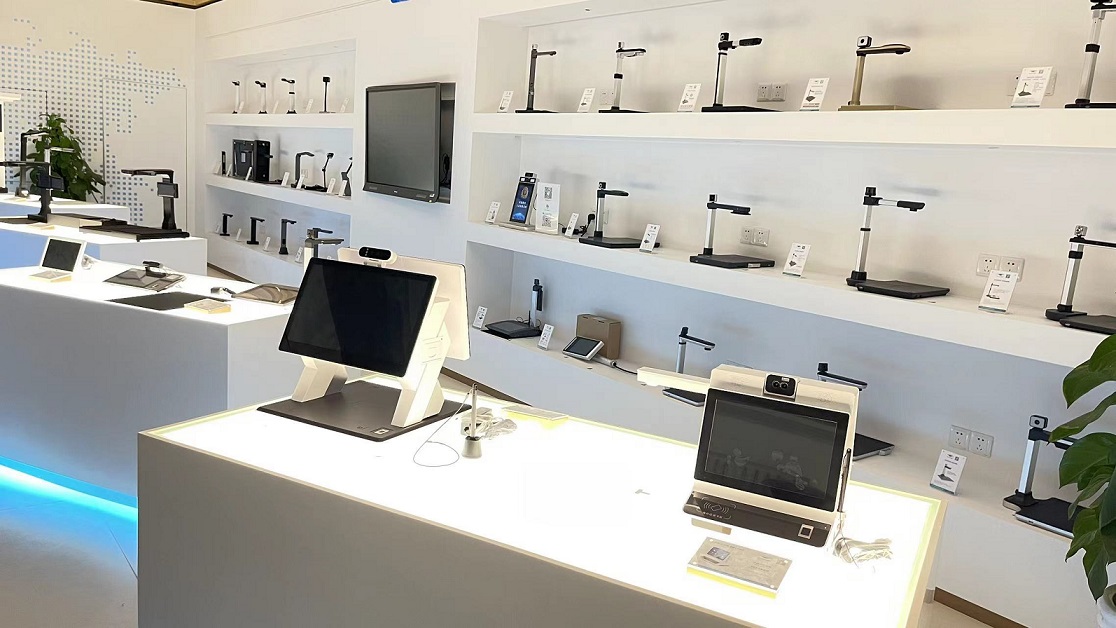
Factory images help buyers assess scale, workmanship and quality-control culture before committing to samples or a bulk order.
Frequently Asked Questions from Wholesale Buyers
Are these Chinese document scanner suppliers factories or trading companies?
What is the MOQ, and can I mix different scanner models in one order?
How do I validate OCR and software compatibility before a bulk order?
Which certifications and quality systems are available?
Can you provide OEM, ODM and buyer-label service?
What payment and delivery terms are accepted?
What is the warranty and after-sales process?
How do I choose between A3 and A4, 5MP and 13MP, and Wi-Fi or USB?
Build a Scanner Programme Around Your Market, Not a Generic Catalogue
Share your scan size, target quantity, OCR languages, operating system and destination market. The factory can then recommend the most suitable document scanner, document camera or visualizer configuration and confirm sample availability.