China Wholesale A3 Document Scanner Factory & Exporters
An evidence-led buyer’s guide to A3 document cameras, book scanners, OCR visualizers, portable monitors and OEM/ODM programs for distributors, school suppliers, banks and system integrators.
Eight A3 Document Scanner & Visualizer Models for Global Buyers
These models cover A3 and A4 capture, portable presentation, OCR, wireless teaching, USB integration and mobile productivity. Each product link below preserves the original model page so buyers can verify specifications before sampling.
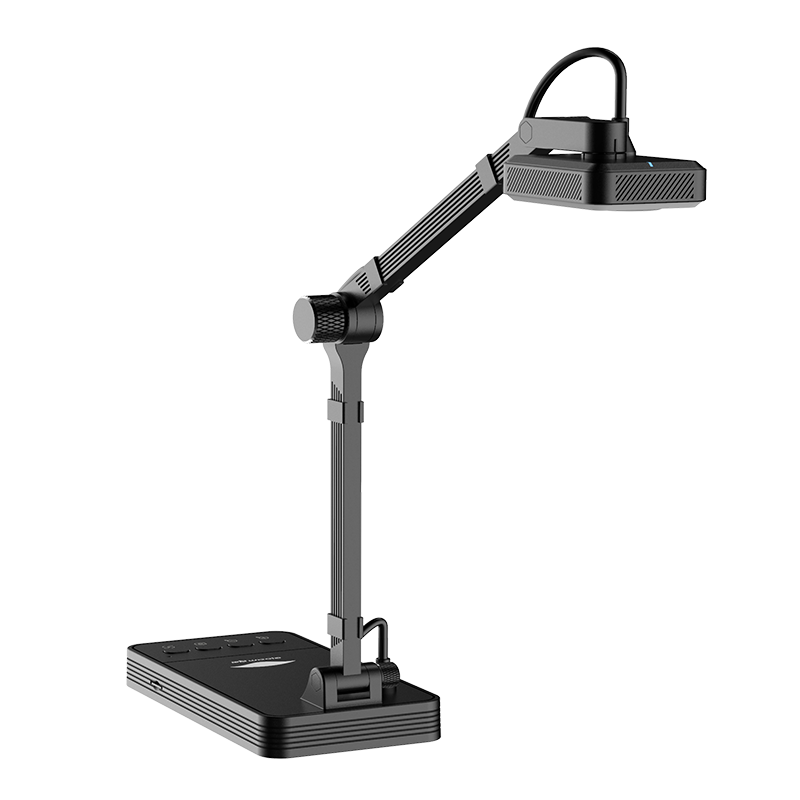
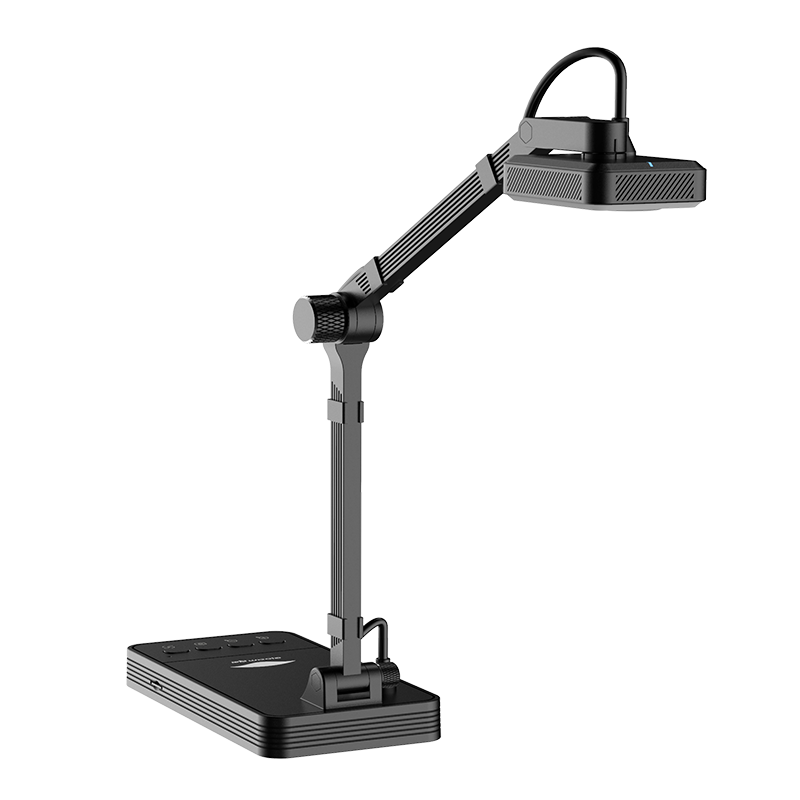
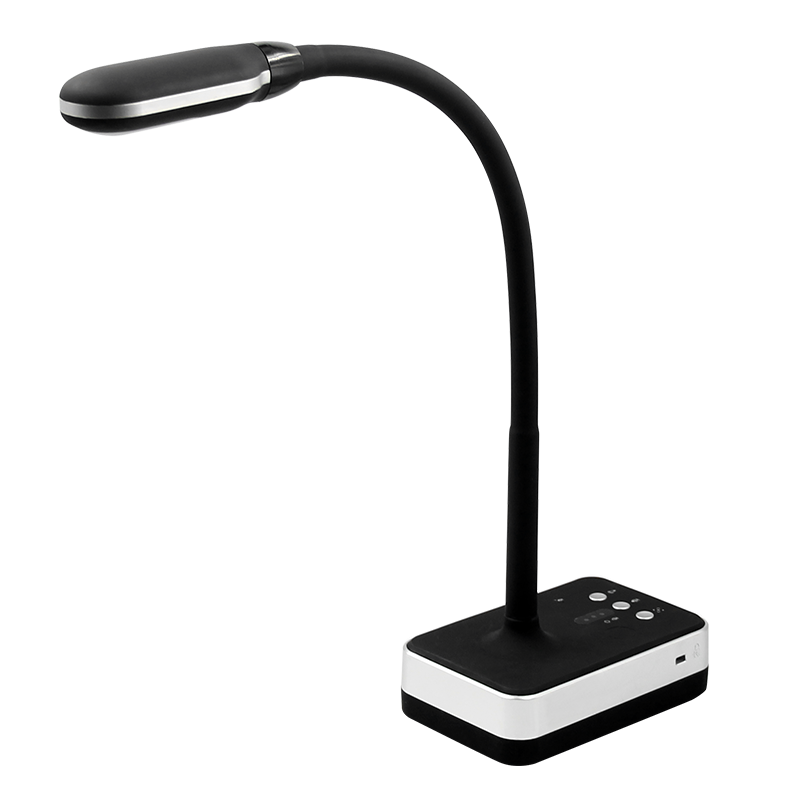
ELOAM YL1050 WIFI USB for Document Presenter A3 10MP for Teachers Distance Learning Online Teaching Video Calling Stock
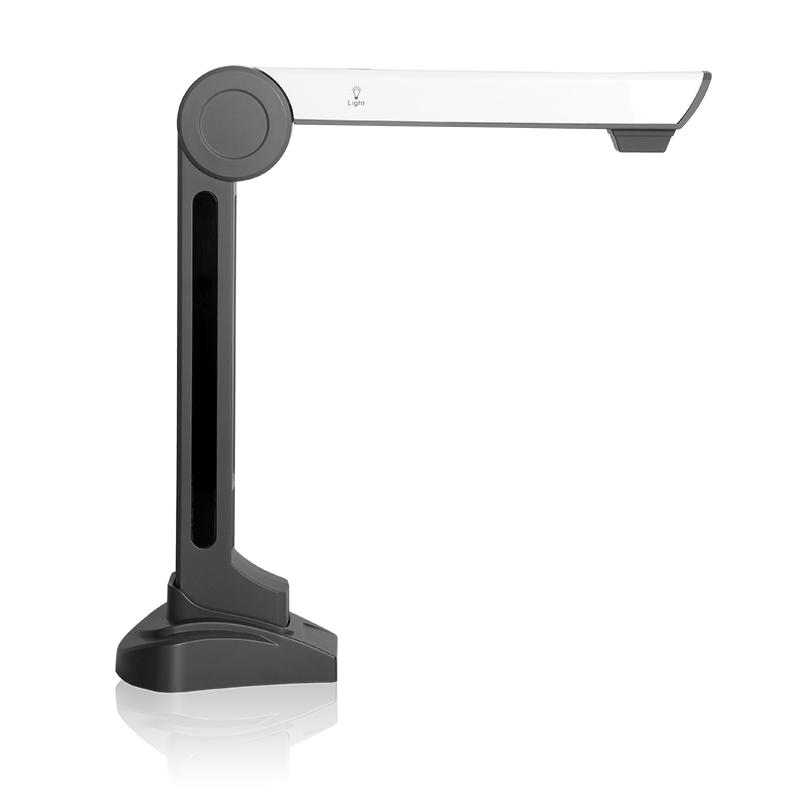
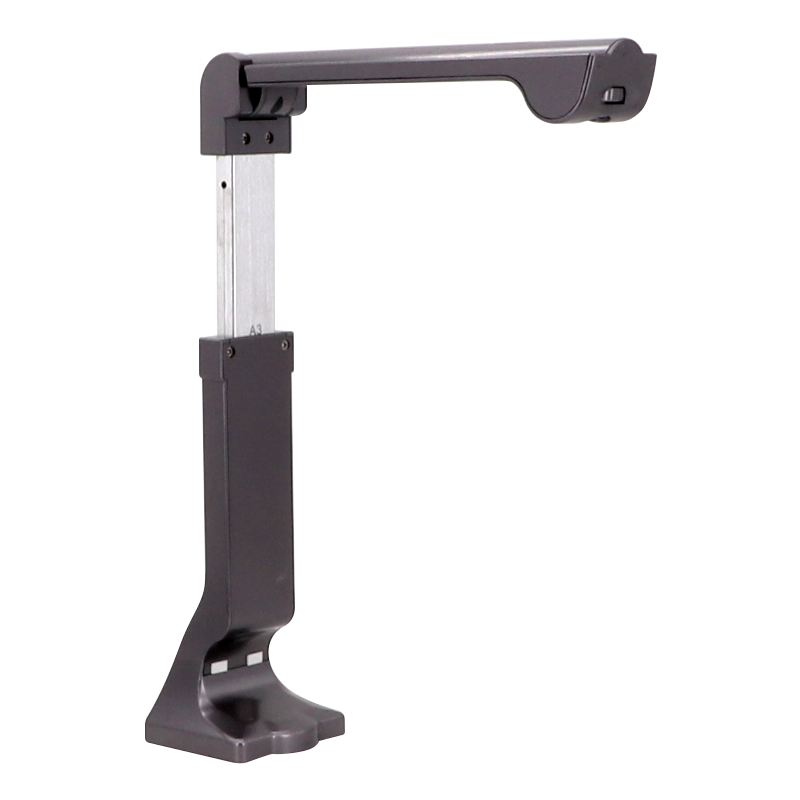
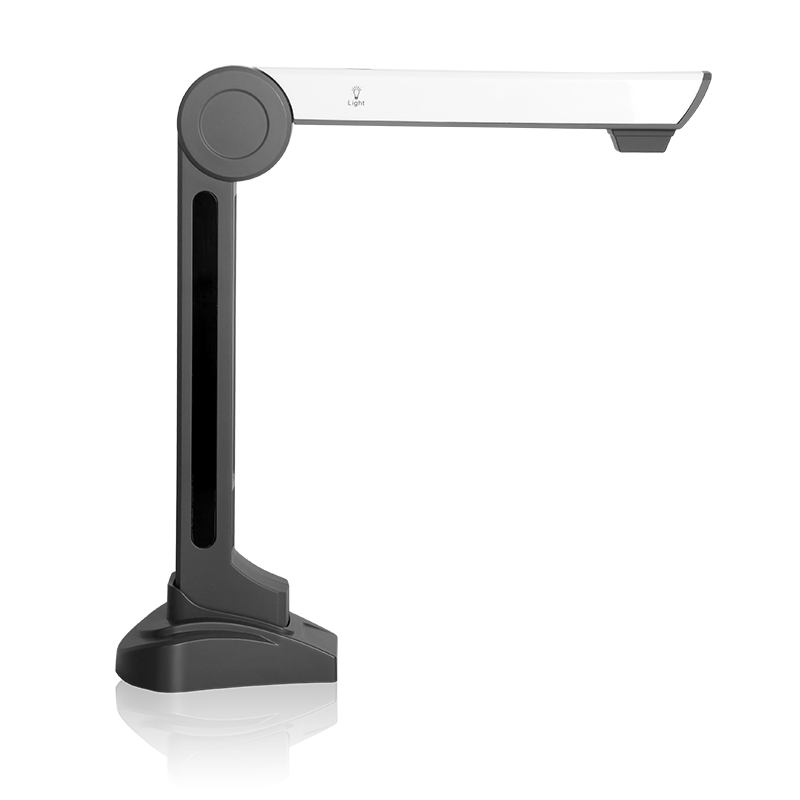
ELOAM S600 10MP CMOS A3 Folding Document Scanner with USB Interface and OCR Camera Gray 1-Year Warranty in Stock 1-Second
Why A3 Document Scanner Sourcing Is Moving from Box-Moving to Workflow Fit
In wholesale sourcing, an A3 document scanner is rarely a stand-alone SKU. It is part of a capture workflow that may include passports at a bank counter, bound books in a library, lab demonstrations in a classroom, invoices in a shared office or drawings on an engineer’s desk. That is why serious buyers now compare total capture cost, not only megapixels or unit price. A model that saves three minutes per transaction can be more profitable than a cheaper device that creates manual review work.
The A3 category has also split into clear sub-segments: overhead document cameras, folding A3 scanners, portable book scanners, classroom visualizers and wireless presentation cameras. Across these formats, procurement teams increasingly ask for OCR exception rate, USB/UVC compatibility, Wi-Fi behavior, SDK access and one-second capture. These requirements matter because the scanner must fit existing software, not force the buyer to rebuild a workflow around a new device.
This guide is written from a manufacturer’s production and export perspective. Shenzhen Hobry Technology Co., Ltd. has worked in imaging hardware since 2005, with in-house industrial design, optics, firmware, software and assembly capability. Our intention is to help distributors, tender writers and system integrators ask better questions before they request samples or place a bulk order.
To compare models with information gain, use a five-layer evaluation: scan area and media handling; image pipeline and capture speed; OCR, PDF output and software integration; deployment and service requirements; and OEM/ODM readiness. This framework is more useful than a single specification sheet because it reflects how the product will be evaluated in real deployments. Buyers should still confirm the final configuration, supported operating systems and accessory list model by model before ordering.
Six Procurement Signals Reshaping Wholesale A3 Scanner Programs
These are the purchase criteria that appear most often when distributors, educators, financial institutions and systems integrators move from product browsing to serious evaluation.
A3 Becomes the Default for Mixed Media
Buyers increasingly list A3 as the minimum capture area because it handles contracts, ledgers, open books, ID batches and drawings without constant repositioning. A4-only devices still fit seat-based office use, but A3 is becoming the safer tender specification for shared counters and classroom capture.
OCR Exception Rate Beats DPI Headlines
A high-resolution sensor is useful only when text recognition is reliable on invoices, passports, handwriting-adjacent forms and curved pages. Professional buyers should ask for sample-based OCR tests in the target language and output format, not just a megapixel number. PDF, JPEG and TIFF workflows should be verified for each model.
Wireless Plus USB-C Dual-Mode
Education and hybrid work have made wireless operation attractive, while IT teams still value stable USB capture for fixed installations. A dual-mode visualizer can serve classrooms, training rooms and mobile presentations. Confirm Wi-Fi setup behavior, latency, supported operating systems and security expectations before standardizing on a model.
SDK and UVC Integration Move Upstream
System integrators want a scanner that behaves like a component in their software stack. UVC compatibility, SDK availability and stable driver behavior can reduce deployment risk. Buyers should request integration notes and test the device with their own application, especially when the scanner will feed a banking, records-management or learning platform.
Total Cost of Capture, Not Only FOB Price
Wholesale buyers are building scorecards that include sample approval time, failure rate, spare-part availability, packaging quality, warranty handling and software installation effort. A slightly higher FOB price can be the better business decision when it reduces support tickets and counter downtime across a multi-site rollout.
Hybrid Education Standardizes on Visualizers
Schools and training providers need document cameras that work in a physical classroom and a video call. Flexible arms, 30 FPS live video, A3 capture area, built-in microphones on selected models and simple software setup are becoming practical requirements. Portable visual presenters are also used for distance learning and teacher-created content.
Buyer Priority Snapshot for A3 Scanner Wholesale Programs
The chart below is a directional snapshot based on B2B inquiry patterns for document cameras, A3 scanners and visualizers. It is not a market forecast; use it as a discussion tool when aligning product selection with tender requirements.
Evaluation Weighting Signals
Recommended use: convert these signals into a weighted buyer scorecard, then test the shortlisted models with your own documents, languages and software environment.
Model-to-Intent Recommendation Matrix for A3 and A4 Capture
Match the buyer’s actual use case to the model family before requesting samples. This reduces back-and-forth and improves tender accuracy.
Fast A4 ID and document capture
Use the S500P for portable OCR capture with USB and SDK support. It suits counters where space is limited and software integration is important. Confirm passport and ID handling requirements with your own sample set.
Recommended: S500PLow-friction A4 scanning at scale
The S200L is a compact A4 overhead scanner for office use with OCR and USB. It fits distributed teams that need a simple, repeatable capture station without a large flatbed footprint.
Recommended: S200LContracts, ledgers and folded documents
The S600 offers 10MP CMOS capture, A3 folding format, USB interface and OCR. It is a practical choice for procurement teams standardizing on a shared A3 overhead station for office archives.
Recommended: S600Portable A3 scanner for opened books
The VH800A3AF is positioned for high-speed A3 portable capture with book flattening support. It suits education, library and records teams that need a mobile A3 station rather than a fixed book cradle system.
Recommended: VH800A3AFWireless A3 visualizer for teaching
The YL1050 WIFI USB and VH1000AF are suited to teachers, distance learning and classroom demonstrations. Buyers should compare A3 versus A4 capture area, wireless workflow and microphone requirements for each classroom design.
Recommended: YL1050 / VH1000AFPortable screen extension for field teams
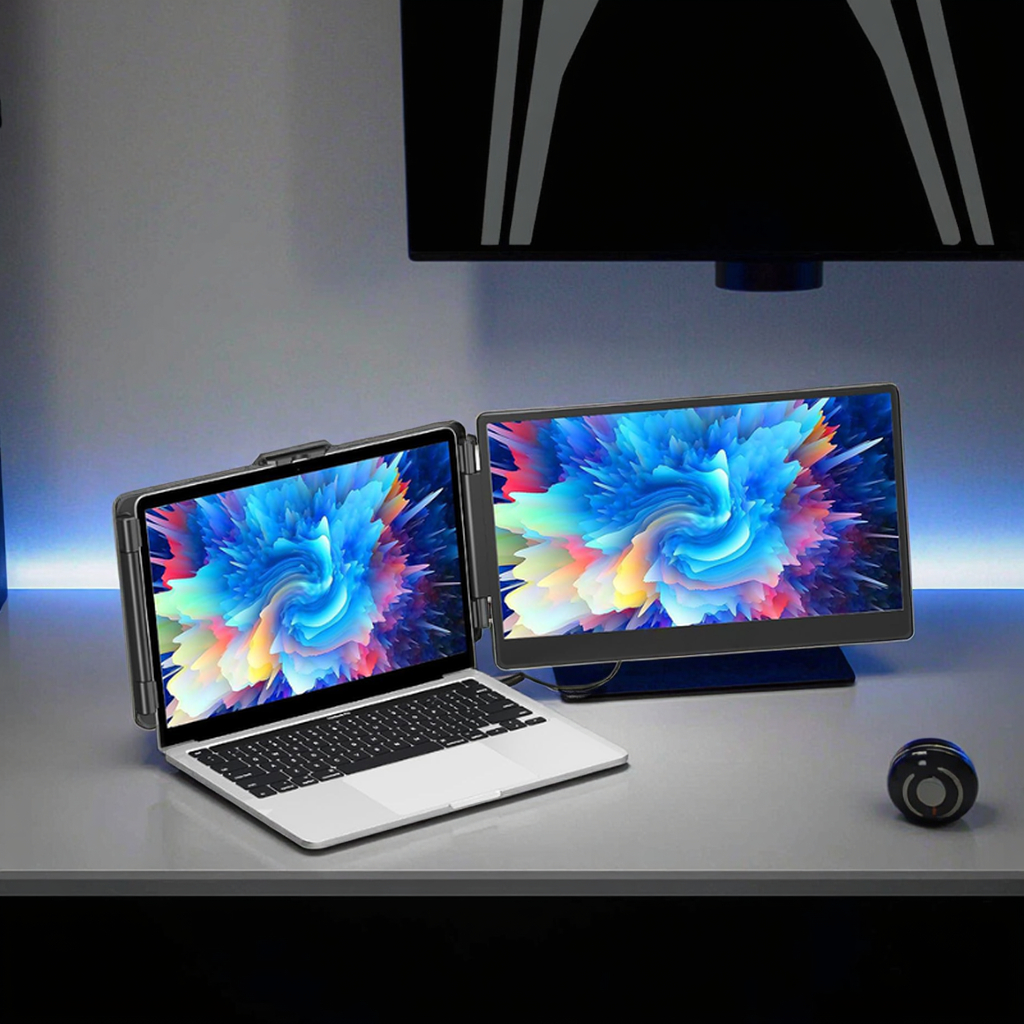
The 14-inch portable IPS monitor with Type-C plug-and-play supports mobile sales, field service and multi-window work. It is a useful bundle item for distributors serving laptop-based professionals and remote project teams.
Recommended: 14-inch portable monitorWhat the Next Generation of A3 Document Scanners Should Deliver
Buyers can use these development trends as RFQ language. They reflect the direction of imaging hardware and the practical concerns of education, finance, government and enterprise deployments.
Edge Auto-Crop and Deskew
Users expect the scanner to find the document, correct perspective and improve readability without manual steps. Edge processing also reduces dependence on the connected PC, which matters in shared counters and classrooms where operators change frequently.
Higher Frame Rate and Live Detail
For visualizers, 30 FPS live video and sharp zoom are becoming baseline expectations. Optical zoom is particularly important when teachers demonstrate small components, printed text, circuit boards or lab specimens on large displays.
UVC, SDK and Platform Readiness
Hardware is evaluated by how easily it connects to learning platforms, document-management systems and banking applications. UVC compatibility and SDK availability shorten integration time, but buyers should verify support per model and request technical documentation.
Modular Arms and Serviceable Design
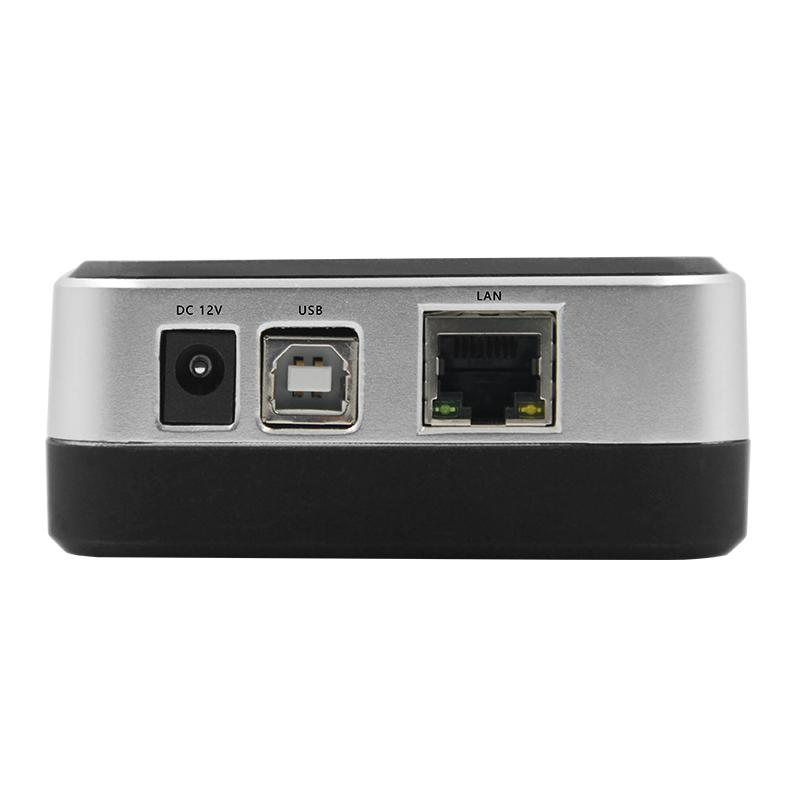
Flexible arms, replaceable light modules and accessible ports make the product easier to maintain in schools and branch networks. Serviceability is not only an engineering choice; it affects warranty cost, downtime and the buyer’s confidence in a long-term supply relationship.
OCR Becomes a Workflow Layer
OCR is shifting from a standalone utility to a workflow layer that produces searchable PDFs, indexes fields and triggers review rules. Buyers should compare language coverage, layout behavior, output formats and correction workflows, not simply the number of supported languages.
Compliance and Sustainable Packaging
Distributors increasingly ask for CE certification, selected-model FCC support, ISO 9001 manufacturing discipline and packaging that reduces damage and waste. A factory that can provide clear documentation, consistent labels and stable quality control is easier to qualify in public and enterprise tenders.
Why Hobry Is a Qualified China A3 Document Scanner Factory and Exporter
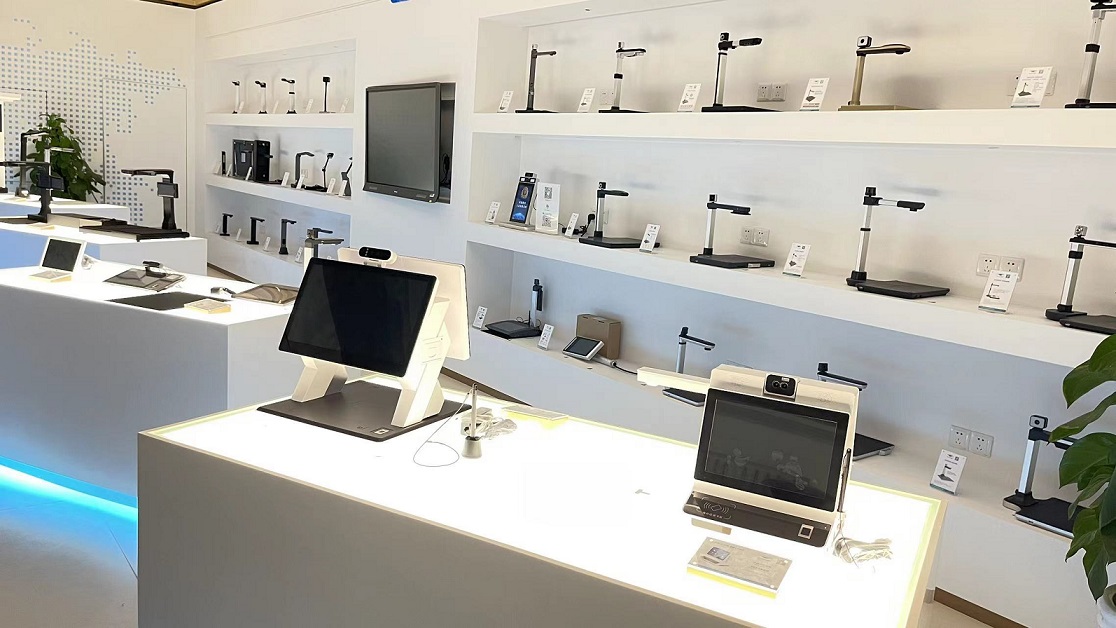
Shenzhen Hobry Technology Co., Ltd. is a manufacturer with an integrated export team. Founded in 2005, the company operates 8 production lines in a 5,000–10,000 m² facility in Shenzhen and has been verified onsite by Intertek.
Manufacturing Depth
With 101–200 employees and 8 production lines, Hobry manages assembly, testing and quality control for document scanners, document cameras and related imaging products. The company controls key steps rather than acting as a pure trading intermediary.
R&D and Intellectual Property
Hobry runs in-house industrial design, optics and firmware R&D, software development and manufacturing. It holds a National High-Tech Enterprise certificate, software copyright registrations and patents, supporting customization beyond simple logo printing.
OEM / ODM and Buyer Labels
OEM, ODM, design service and buyer-label service are available, including logo printing, custom packaging, housing color, firmware and software customization. An SDK is available on selected models for system integration and software partners.
Verified Quality System
The factory has been verified onsite by Intertek. The company holds ISO 9001 quality management certification, and products are CE certified with FCC available on selected models. Standard warranty is 1 year; buyers should confirm final certification per SKU.
Global Trade Readiness
Main markets include North America, Southeast Asia, Southern Europe, the Middle East and worldwide distribution. Accepted payment terms are T/T, L/C, PayPal and Western Union in USD; delivery terms include FOB, CFR, CIF and EXW.
Sample-to-Scale Support
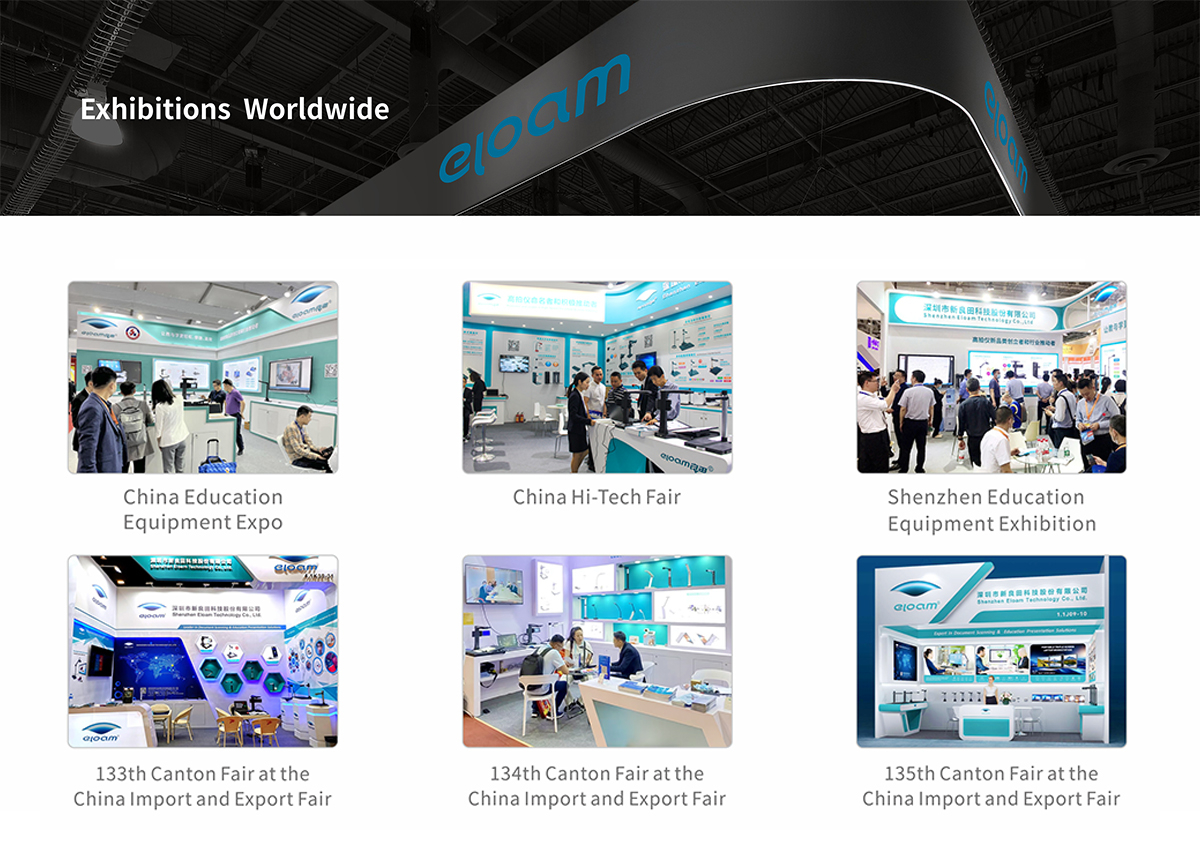
Most models are available as single-unit samples for evaluation. Bulk MOQ depends on the model and customization level and is confirmed in the quotation. The company supports trade shows and long-term distributor relationships across education, banking and office segments.

Common Questions About Wholesale A3 Document Scanners and Visualizers
These answers reflect the questions distributors, school suppliers and system integrators ask before sampling and ordering.
Is Hobry a manufacturer or a trading company?
Shenzhen Hobry Technology Co., Ltd. is a manufacturer with an integrated export function. Founded in 2005, the company runs 8 production lines in a 5,000–10,000 m² facility in Shenzhen, and its factory has been verified onsite by Intertek.
Do you offer OEM and ODM for document scanners and document cameras?
Yes. OEM, ODM, design service and buyer-label service are available, including logo printing, custom packaging, housing color, firmware and software customization. An SDK is available on selected models for system integration.
Which OCR languages and operating systems are supported?
Selected models support OCR in up to 180 languages and output formats such as PDF, JPEG and TIFF. Windows is supported across the range, and macOS is supported on selected large-format models. Please confirm compatibility per model before ordering.
Can I order samples before a bulk order?
Most models are available as single-unit samples for evaluation. Bulk MOQ depends on the model and the level of customization and is confirmed in your quotation. Sampling is strongly recommended before tender approval or mass production.
Which payment and delivery terms are accepted?
Accepted payment terms are T/T, L/C, PayPal and Western Union in USD. Accepted delivery terms are FOB, CFR, CIF and EXW. Final terms depend on the order value, destination and customization requirements.
What certifications and warranty do your products carry?
Products are CE certified, with FCC available on selected models. The company holds ISO 9001 quality management certification, a National High-Tech Enterprise certificate and software copyright registrations. Standard warranty is 1 year.
Ready to Shortlist the Right A3 Document Scanner?
Share your scan size, target market, expected quantity, OCR language and software integration needs. Our team will help match the right model, confirm sample availability and prepare an OEM/ODM quotation.
Send an Inquiry