8 Dual Camera Scanner & Visualizer Models Recommended for Wholesale Programs
These models cover the most common B2B RFQs: A3/A4 book capture, A2 large-format scanning, classroom visualizers, compact office OCR, rugged visual presenters and mobile workstation bundles. All product links are retained so distributors and system integrators can verify specifications, request samples and confirm stock configurations.
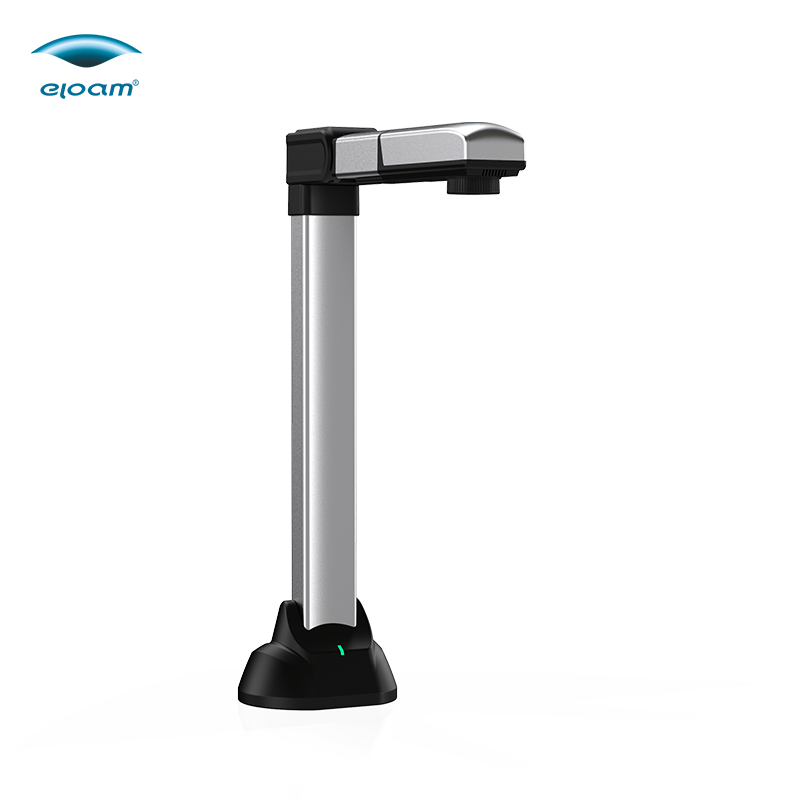
ELOAM Portable High Resolution 5184x3456 High Speed Automatic Book Document Scanner OCR Processing USB Interface A3 Document
- A3 capture
- 5184×3456
- OCR
- USB
Ideal for archive rooms, service counters and mobile book digitization where fast automatic capture and searchable PDF output matter.
Review product
ELOAM VW1000AF USB/Wireless High Speed OCR Scanner Portable Document Scanner A4 Book Scanner Document Camera in Stock
- A4 capture
- USB + wireless
- OCR
- Book mode
A practical base model for hybrid teaching, office intake and field documentation where cable-free demonstration is valued.
Review product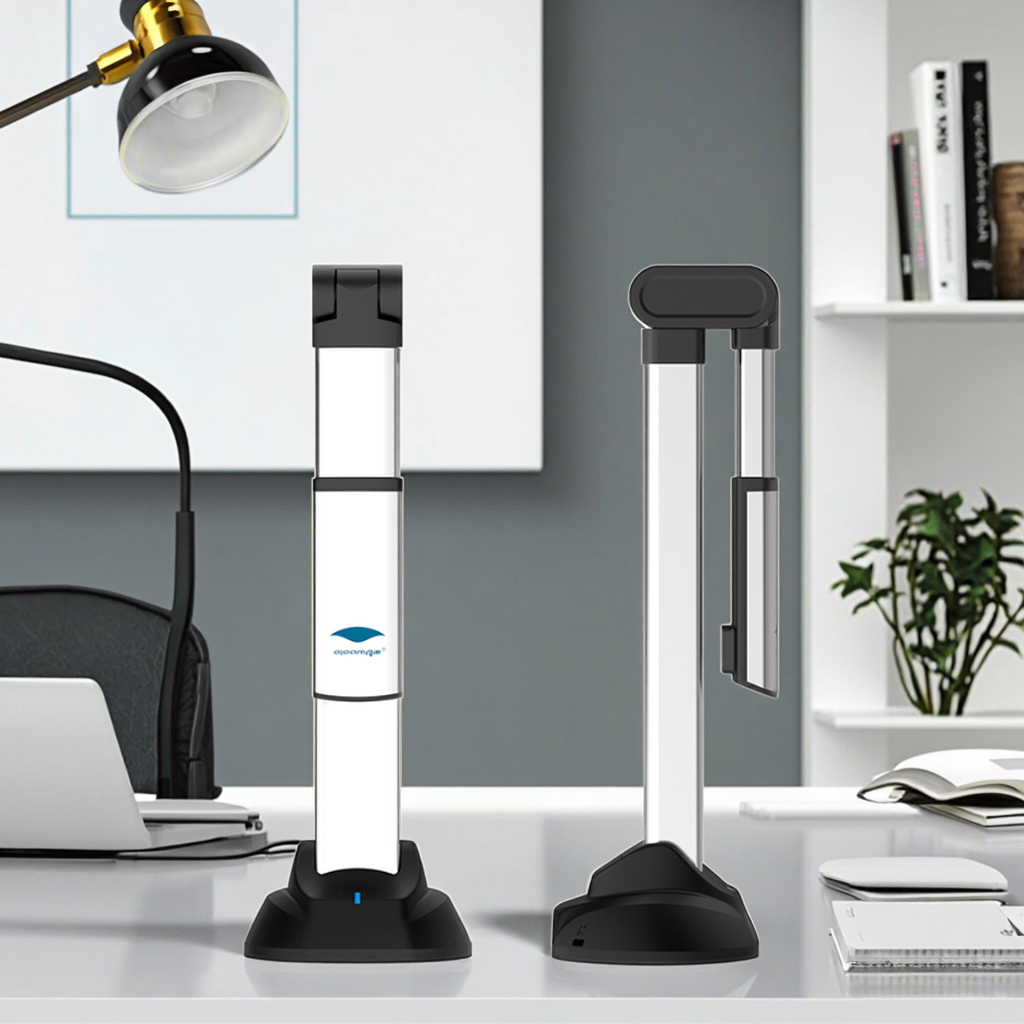
Eloam A2 Auto Focus Large Format Document Scanner 18 MP CMOS 5184x3456 USB LED Light Source
- A2 area
- 18MP CMOS
- Auto focus
- LED light
Built for engineering drawings, maps, plans and oversized records that cannot be handled efficiently by a standard A4 flatbed.
Review product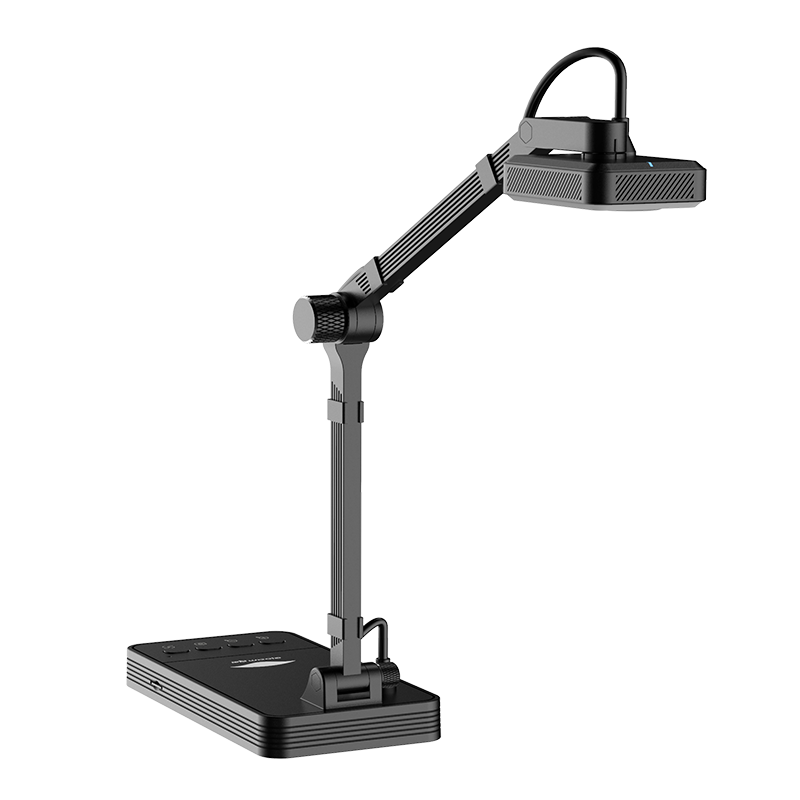
ELOAM YL1050AF Portable Visual Presenter Rugged A3 A4 Book Scanner High Resolution Document Camera USB in Stock
- A3 / A4
- Rugged body
- USB
- Visual presenter
Suited to mobile training, classroom demonstrations and field inspection where the device must survive frequent transport.
Review product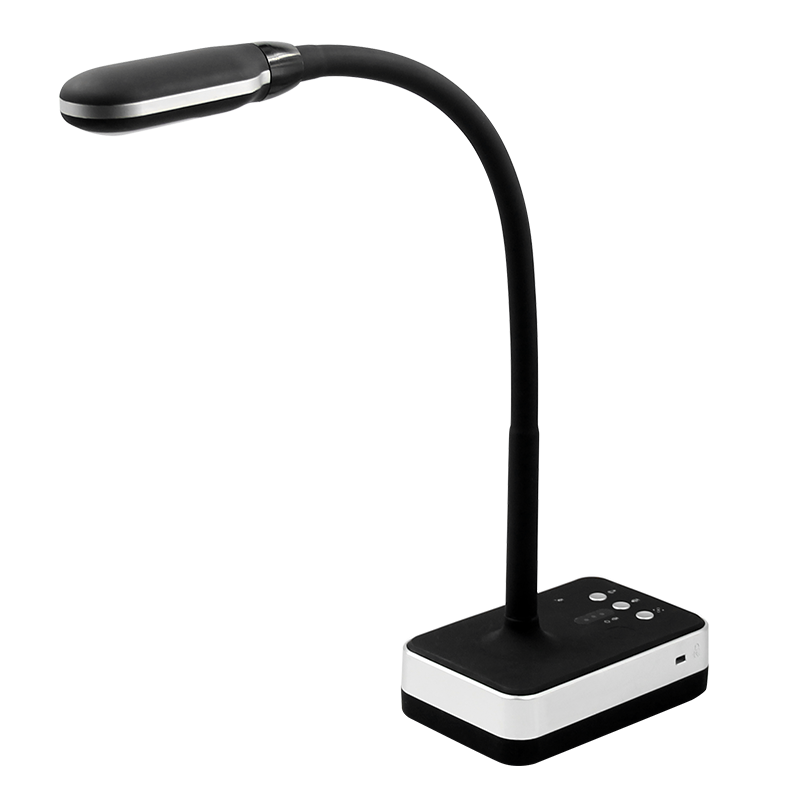
ELOAM VH1000A3AF Smart Book Scanner High Speed Portable USB Document Camera for Teachers in Stock
- A3
- Smart book scan
- USB
- For teachers
Designed around classroom usability: quick setup, A3 material display, book capture and straightforward USB connection to teaching devices.
Review product
ELOAM 3-in-1 Document Scanner USB A3 5MP FPDA Handheld Camera Control Buttons Digital Document Camera
- 3-in-1
- A3
- 5MP
- Control buttons
An efficient choice for classrooms and small offices that need document capture, visual presentation and basic webcam use in one device.
Review product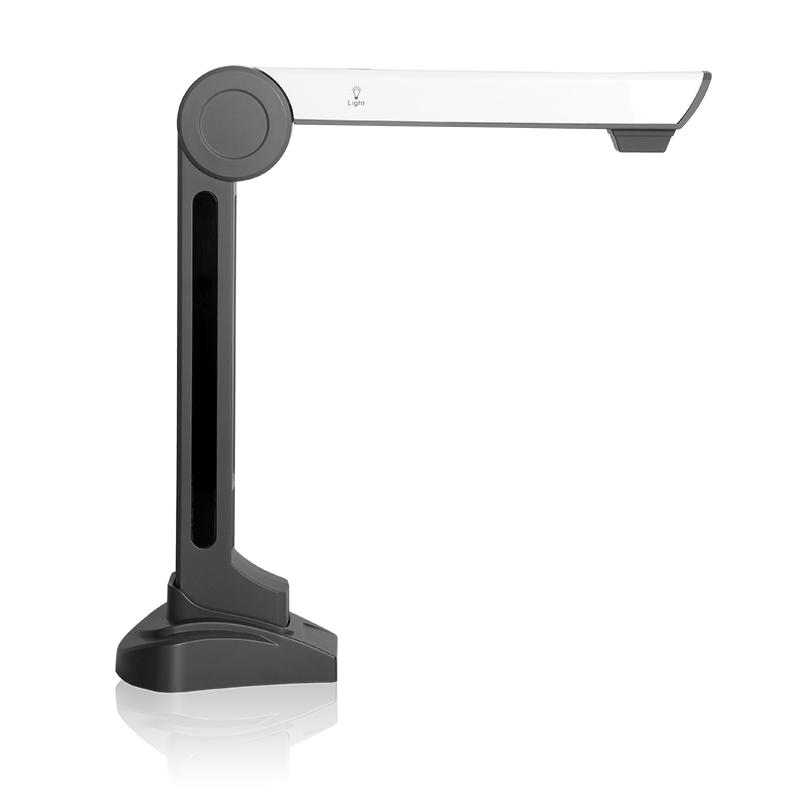
ELOAM S200L A4 Mini Overhead Projector Document Scanner with OCR USB Interface for Office Use in Stock
- A4
- Mini overhead
- OCR
- USB
Cost-conscious A4 capture for office digitization, front-desk scanning and volume rollouts where desk space is limited.
Review product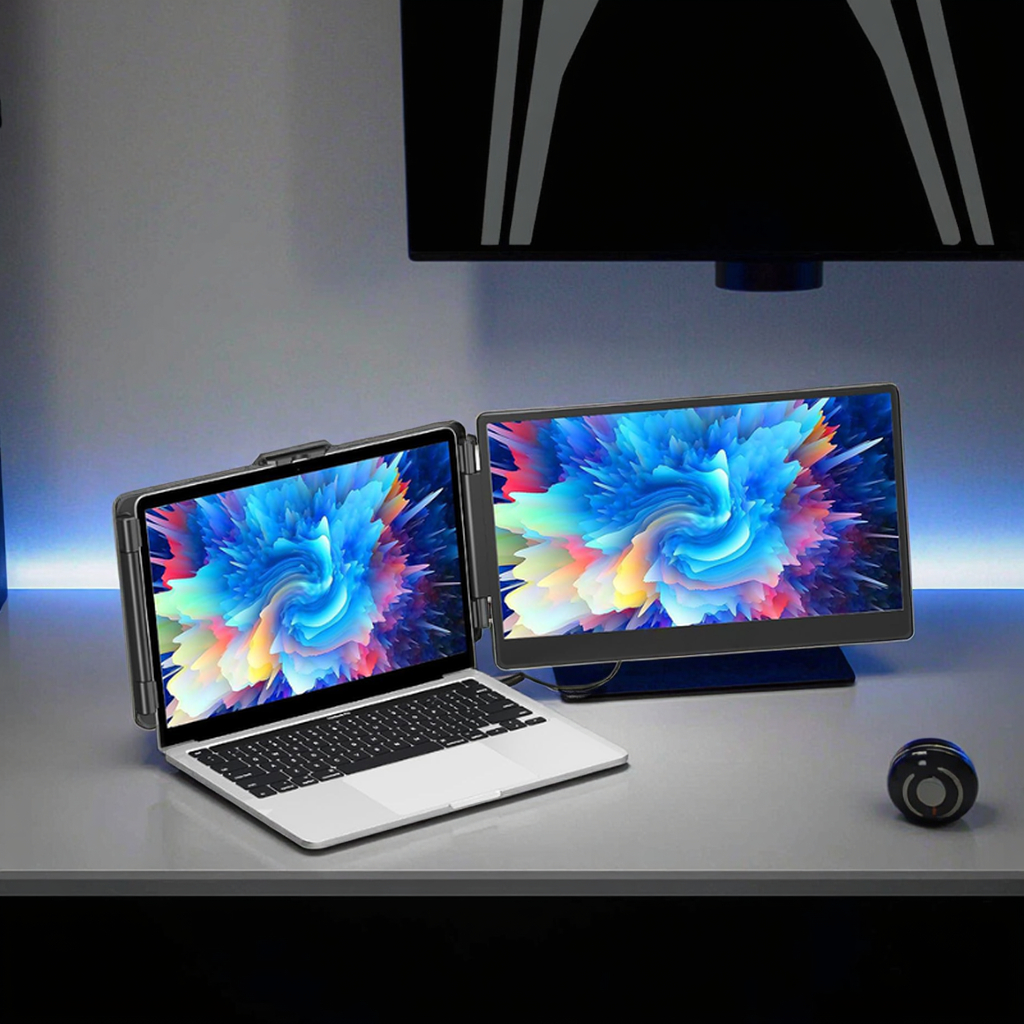
Factory Direct 14 Inch Portable IPS Panel LCD Monitor Type C Plug & Play Windows Mac 1920x1080 Resolution Business Series 60Hz
- 14 inch
- IPS panel
- 1920×1080
- Type-C
Often bundled with document cameras for mobile counters, sales demonstrations and field training that require a second display.
Review productWhy a Dual Camera Scanner Factory in China Still Wins on Total Cost of Ownership
Buyers searching for a China top dual camera scanner factory and wholesalers are usually not looking for a single box. They are evaluating a repeatable capture platform: a stable camera module, OCR software, SDK access, warranty support and a supplier who can ship the same configuration across multiple markets.
Information gain starts with clarity. In B2B imaging, “dual camera scanner” is often used loosely. Some procurement teams mean an overhead document camera paired with a book scanner; others mean a single unit with a top-down lens and an auxiliary side-angle lens, or a scanner-plus-visualizer bundle for hybrid classrooms and service counters. Before a quotation is meaningful, confirm the capture geometry, scan area, OCR language set, output format, interface and whether the end user needs live 30 FPS video or still-image archiving.
Hobry’s factory portfolio is built around those real workflows: A3/A4 portable document cameras, book scanners with V-shaped cradles, large-format A2 scanners and 3-in-1 visualizers. Instead of forcing one model into every tender, the factory configures scan area, firmware, software UI, packaging and buyer labels for distributors, system integrators and education suppliers.
For wholesale buyers, the most defensible sourcing advantage is not a headline megapixel number. It is repeatable image quality, stable software, clear OEM boundaries and documentation that survives due diligence. Those factors reduce returns, shorten installation time and protect the buyer’s brand in tenders and retail channels.

Capture Geometry
A4/A3 overhead, A2 large-format, book-cradle and 3-in-1 visualizer formats. Match the model to the physical document, not to a generic resolution claim. Ask for sample images under your own lighting conditions.
OCR & SDK Fit
Selected models support OCR in up to 180 languages with PDF, JPEG and TIFF output. Confirm operating system support, SDK availability and integration requirements before committing to a tender.
Wholesale Economics
Factory-direct pricing only matters when samples, MOQ, packaging, warranty and after-sales terms are explicit. Buyers should compare landed cost and return risk, not just unit quotations.
2025–2026 Dual Camera Scanner Procurement Trends
Procurement is moving from “cheapest scanner per unit” to verified total cost of ownership. Distributors, school suppliers and system integrators are scoring suppliers on software fit, compliance evidence, sample consistency and after-sales responsiveness.
AI-Assisted OCR Becomes a Tender Requirement
Buyers increasingly expect searchable PDFs, structured output and faster document intake. OCR language coverage, batch capture workflow and SDK integration are now scored alongside hardware specifications, especially in education, banking and government projects.
Hybrid Classroom Durability
Education buyers want portable visualizers that can move between classrooms, support live 30 FPS demonstration and survive daily handling. Rugged models and teacher-friendly setups reduce training friction and repair cycles.
USB-C, Wireless & Plug-and-Play
Type-C connectivity, wireless screen sharing and Windows/macOS compatibility are becoming standard expectations. The same trend affects portable monitors, which are increasingly bundled with camera kits for mobile counters and sales teams.
Privacy & Local Processing
Public-sector and financial buyers prefer capture workflows that do not depend on unnecessary cloud uploads. On-device OCR, local software control and clear data handling are strong differentiators during security review.
Verified Factory Sourcing
Intertek onsite verification, ISO 9001, CE and selected FCC support are now part of supplier qualification. Wholesalers want evidence they can forward to their own customers, not unverifiable claims.
Total Cost & Serviceability
One-year warranty, spare-parts planning, packaging quality and payment terms matter more than a low initial quote. T/T, L/C, PayPal and Western Union in USD; FOB, CFR, CIF and EXW are accepted by the factory.
Example RFQ Weighting Model for Dual Camera Scanner Sourcing
This is an example weighting model, not a market statistic. Adjust the percentages to your tender, channel and end-user risk profile.
Dual Camera Scanner Product Development Trends Buyers Should Track
Hardware roadmaps are converging around usable image quality, on-device intelligence and deployment flexibility. The practical question for wholesalers is which trends improve sell-through—and which simply add cost without solving a real workflow.
From Megapixels to Usable Clarity
18MP, 22MP and 28MP sensors appear across scanner and book-scanner categories, but auto focus, LED lighting, lens quality and image processing decide whether text is truly readable. Buyers should evaluate character edge sharpness, color consistency and page curvature correction.
Optical Zoom & Multi-Angle Capture
Optical zoom preserves detail better than digital enlargement. The V80 visualizer, for example, uses 13x optical zoom for lecture halls and lab demonstrations. Dual-camera configurations can combine top-down document capture with side-angle demonstration where the workflow requires it.
Edge AI OCR & Software Integration
OCR is shifting from a post-processing step to a core buying criterion. Support for up to 180 languages on selected models, searchable PDF output and SDK access help integrators connect scanners to archives, KYC workflows, learning platforms and document management systems.
Portability, Low-Carbon Design & Type-C
Foldable visualizers, USB-powered scanners and portable IPS monitors support mobile classrooms, field offices and temporary service counters. Low-power operation and simpler cabling also align with low-carbon office procurement goals.
Which Dual Camera Scanner or Visualizer Fits Your Workflow?
Use this matrix to narrow the RFQ before requesting samples. The recommended models are drawn from the factory’s current document scanner, book scanner, visualizer and portable monitor portfolio.
| Use Case | Recommended Model | Scan / Display Area | Key Specifications | Why It Fits |
|---|---|---|---|---|
| Bank counters / KYC | S520 | A4 | 5MP, 180-language OCR on selected models, USB | Compact footprint for passport, ID and form capture with fast counter service. |
| Entry-level office | S200L | A4 | Mini overhead design, OCR, USB | Efficient A4 scanning for high-seat-count office digitization at controlled cost. |
| General A3 archiving | VW1000A3AF / Portable A3 Scanner | A3 | High-speed capture, book mode, OCR, USB | Covers contracts, invoices, bound records and folded drawings without a flatbed. |
| Engineering and maps | Eloam A2 18MP Scanner | A2 | 18MP CMOS, auto focus, LED light source, USB | Large-format capture for plans, drawings, maps and oversized records. |
| Library digitization | Book Scanner Series | A3 | 22–28MP options, V-shaped cradle, laser assistance on selected models | Non-destructive capture with page-curve correction for fragile or bound collections. |
| Hybrid classrooms | YL1050AF / VH1000A3AF | A3 / A4 | Rugged visual presenter, USB, teacher-friendly setup | Portable demonstration for classrooms, training rooms and remote lessons. |
| Interactive teaching | 3-in-1 Document Camera | A3 | 5MP, control buttons, document camera mode | Combines document capture, visual presentation and basic webcam use in one device. |
| Mobile workstations | 14-inch Portable IPS Monitor | 14-inch display | 1920×1080, Type-C, Windows / Mac, 60Hz | Adds a second screen for field training, sales demonstrations and mobile document capture. |
Why Hobry Is a Verifiable Imaging Manufacturer for Wholesale Buyers
Founded in 2005, Shenzhen Hobry Technology Co., Ltd. has grown from digital video technology into a specialist manufacturer of high-speed portable document scanners, book scanners, document cameras and portable monitors for global B2B buyers.

The company is a manufacturer with an integrated export team, not a marketplace middleman. Its factory has been verified onsite by Intertek, operates 8 production lines in a 5,000–10,000m² facility, and employs 101–200 people. In-house capabilities include industrial design, optics and firmware R&D, software, manufacturing, quality control and global sales.
As a National High-Tech Enterprise holding independent intellectual property, software copyrights and patents, Hobry combines ergonomic product design and low-carbon office concepts with practical B2B customization. OEM, ODM, design service and buyer-label service are available, including logo printing, custom packaging, housing color, firmware and software customization, with an SDK available on selected models.
Factory Strength, Not Trading Layers
8 production lines, a 5,000–10,000m² facility, 101–200 employees and onsite Intertek verification give buyers a clear factory path for quotations, samples, production and after-sales communication.
20+ Years of Imaging R&D
Industrial design, optics, firmware, software and manufacturing are controlled in-house. That depth supports stable firmware updates, OCR configuration and SDK discussions instead of simple relabeling.
OEM / ODM & Buyer Label
Logo printing, custom packaging, housing color, firmware and software customization are available. SDK access on selected models helps system integrators connect capture hardware to their own platforms.
Verified Quality & Compliance
ISO 9001 quality management, National High-Tech Enterprise status, software copyright registrations and CE certification provide documentation that distributors can use in their own tender responses.
Global B2B Trade Readiness
Main markets include North America, Southeast Asia, Southern Europe and the Middle East. Accepted payment terms are T/T, L/C, PayPal and Western Union in USD; delivery terms are FOB, CFR, CIF and EXW.
Application Depth
Education, banking, government, libraries, archives and office workflows are served by distinct scanner and visualizer categories. That application range helps wholesalers build a product mix rather than sell a single SKU.

Due-Diligence Links Buyers Can Check
Transparency shortens supplier qualification. Review the factory assessment report, trade capacity, transaction level, trade history, credit index and buyer feedback before issuing a deposit.
From Requirement to Shipment in Six Clear Steps
With in-house optics, firmware and software teams, customization can go beyond a logo. The process is structured to protect sample approval, production consistency and after-sales accountability.
Requirement Review
Define scan size, resolution, OCR languages, operating system, interface, target market certification and expected order volume.
Design & Engineering
Housing color, logo, packaging, firmware, software UI and SDK integration are scoped according to the target use case.
Sample Approval
Pre-production samples are tested against your acceptance criteria, including image quality, OCR output, software workflow and packaging.
Mass Production
Production runs across 8 lines with incoming, in-process and finished-product quality control to maintain configuration consistency.
Pre-Shipment QC
Finished-product inspection, accessory checks, packaging review and document preparation help reduce channel returns and installation delays.
Delivery & After-Sales
FOB, CFR, CIF or EXW shipping is supported, with a standard 1-year warranty and technical support for distributors and integrators.
A Practical Scorecard Before You Place a Wholesale Order
Sample testing is where many sourcing teams either protect their margin or inherit future returns. Score every candidate against the same criteria and keep image samples with the serial numbers used during approval.
Optical Performance
Test fine print, color documents, bound books, curved pages and low-light conditions. Check auto focus speed, LED consistency, edge sharpness and whether the entire scan area is captured without cropping.
Software & OCR
Confirm OCR accuracy in the languages you will support, output formats such as PDF, JPEG and TIFF, operating-system compatibility, SDK access and software stability during repeated use.
Build & Compliance
Inspect joints, hinge durability, cable quality, packaging protection and model labels. Verify CE, selected FCC, ISO 9001 and any certificate your tender requires.
Commercial Terms
Confirm MOQ, sample-to-mass-production consistency, lead time, payment terms, shipping terms, warranty and spare-parts support before comparing final landed cost.
Dual Camera Scanner Factory & Wholesale FAQ
Common questions from distributors, school suppliers, system integrators and procurement teams evaluating a China-based imaging manufacturer.
Is Hobry a manufacturer or a trading company?
What does a “dual camera scanner” configuration usually include?
Can I order samples before a wholesale order?
Do you offer OEM, ODM and SDK integration?
Which OCR languages and file formats are supported?
What certifications, payment terms and delivery terms are available?
How can I verify a China dual camera scanner factory before payment?
Which model should I choose for A3 book scanning versus classroom use?
Planning a Dual Camera Scanner or Visualizer Project?
Share your scan area, target market, estimated quantity, OCR language requirements, interface needs, certification requirements and whether you need OEM branding or SDK integration. The factory can recommend the closest model and confirm customization feasibility.