China Top Digital Document Camera Factory & Suppliers
A procurement-grade guide for education, banking, archives, and office teams comparing digital document cameras, A3 portable scanners, classroom visualizers, OCR capture, OEM/ODM support, and verifiable factory capability.
8 Digital Document Camera & Scanner Models for Buyer Evaluation
The fastest way to compare China digital document camera suppliers is a controlled model review, not a brochure. These eight in-stock products cover A4 and A3 teaching visualizers, 4K 3-in-1 document cameras, high-speed OCR scanners, book-friendly capture, and archive-ready overhead scanning. Each product URL is preserved for direct specification review.
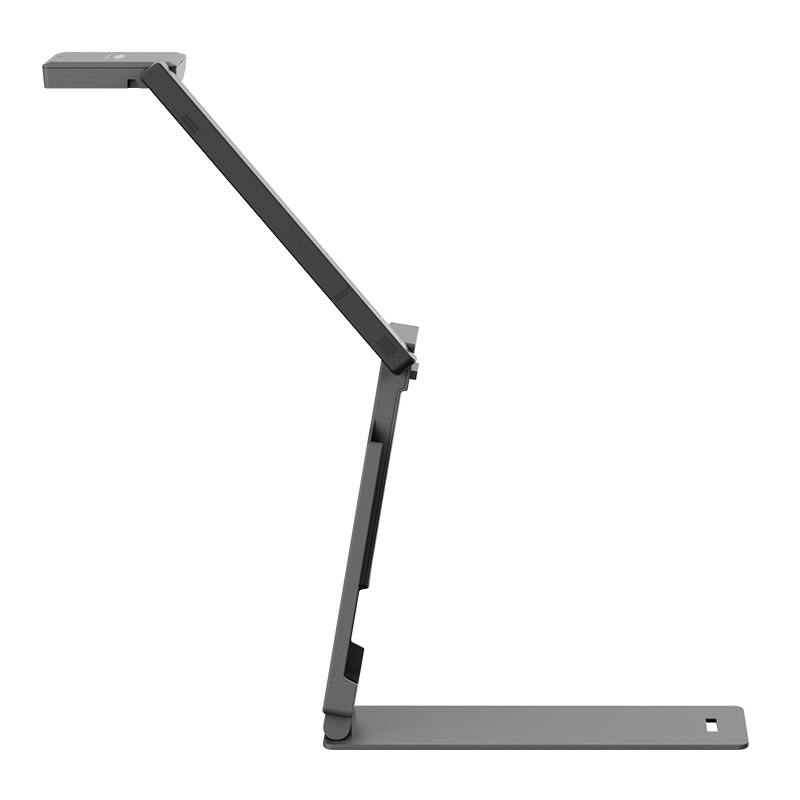
ELOAM VE1300A3AF 13.0MP Ultra HD USB Portable Document Camera & Scanner A3 Size for Teaching in Stock
Ultra-HD imaging for lesson display, document capture, and hybrid classroom use. A strong factory option for education distributors that need A3 teaching visualizers in stock.
- 13MP
- A3
- USB
- Teaching
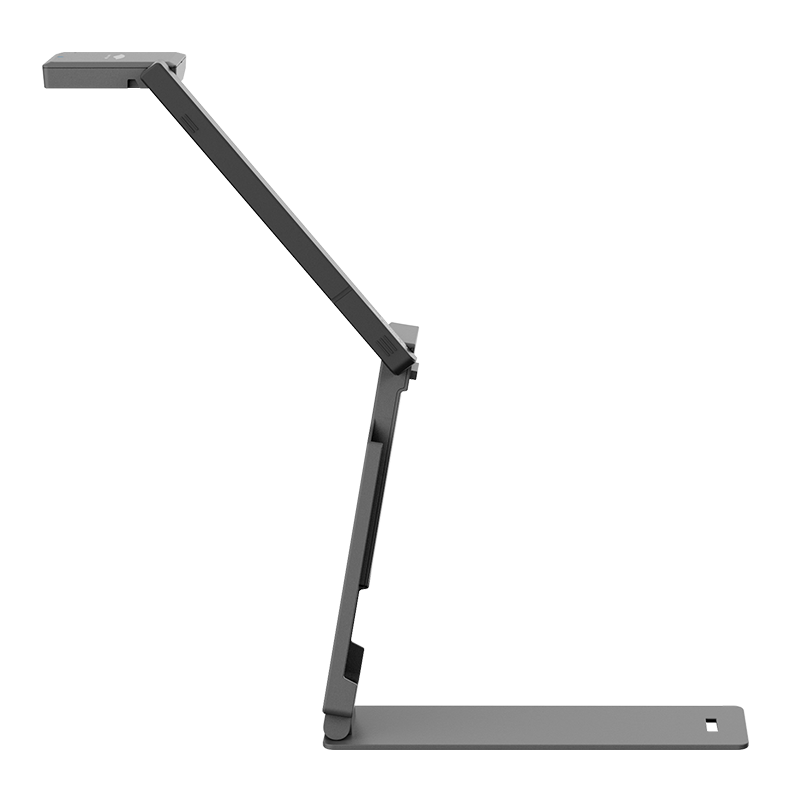
ELOAM VE1300A3AF 4K Document Camera 3-in-1 Scanner USB for Education Stock
4K clarity for detailed demonstrations, with 3-in-1 modes that support scanner, visualizer, and webcam workflows in modern classrooms.
- 4K
- 3-in-1
- USB
- Education
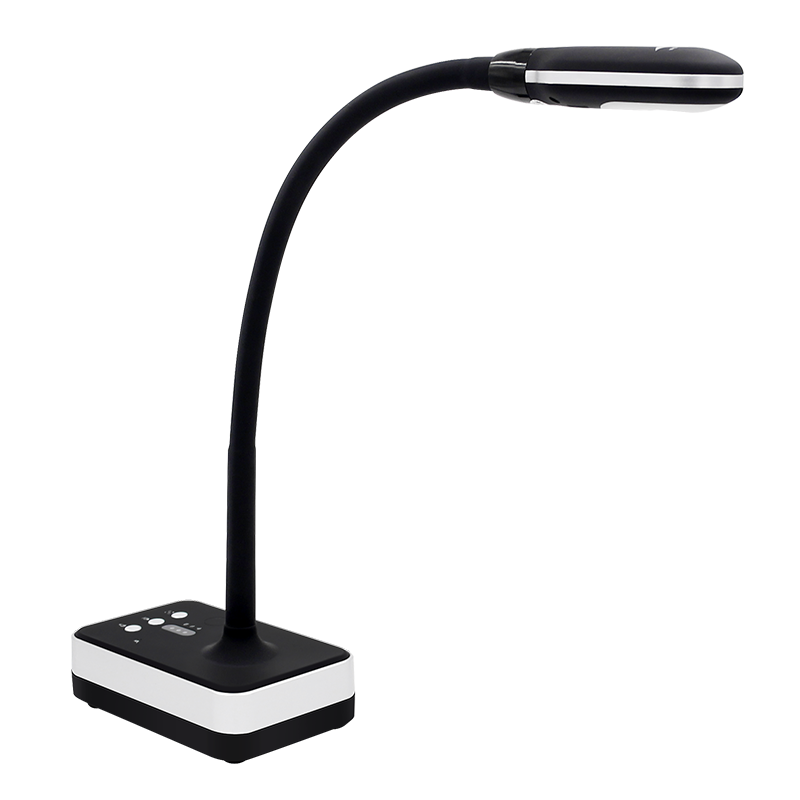
ELOAM VW1000A3AF High Speed Portable A3 Intelligent Archive Automatic Document Camera Scanner USB Interface in Stock
High-speed overhead capture for banking, government counters, and paper-to-digital archive projects. Designed around A3 documents and efficient workflow.
- A3
- Auto Archive
- USB
- OCR

ELOAM S1000C A4 Portable USB Document Camera Scanner 10MP Multi-Language OCR Office Scanning Android Windows Stock Fast 1S Scan
Compact A4 scanner with multi-language OCR, suitable for office counters, service kiosks, mobile scanning kits, and enterprise desktop capture.
- 10MP
- A4
- OCR
- 1s Scan
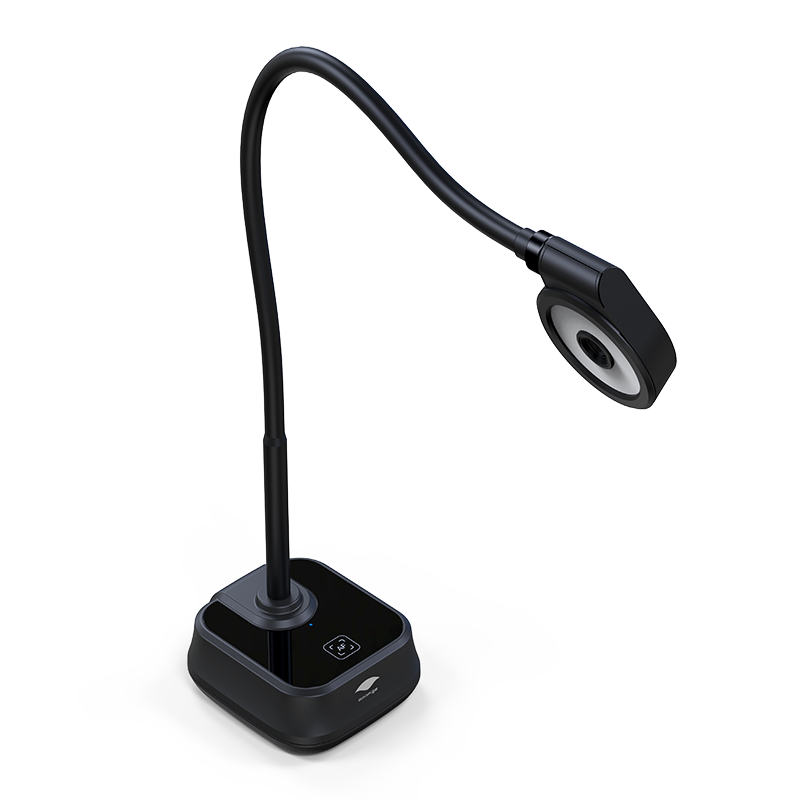
ELOAM VH800S A4 High-Speed USB Portable Video Booth & Document Scanner with OCR in Stock for Classroom and Meeting Use
Flexible classroom and meeting-room capture for documents, objects, and live demonstration. A practical model for education tenders and training rooms.
- A4
- High Speed
- OCR
- Classroom
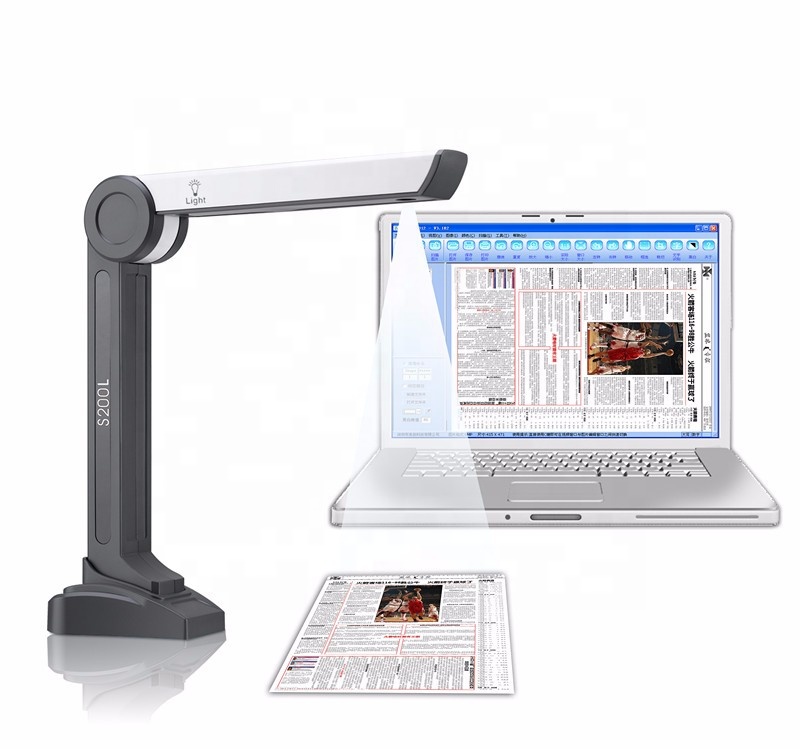
Eloam USB 2.0 Interface Mini Portable Document Scanner Visualizer A4 Size CMOS Sensor 1 Second Scan Speed 1600x1200 Resolution
Cost-controlled A4 visualizer for volume deployments where USB plug-and-play, small footprint, and one-second scanning matter more than advanced zoom.
- A4
- USB 2.0
- 1s Scan
- 1600x1200
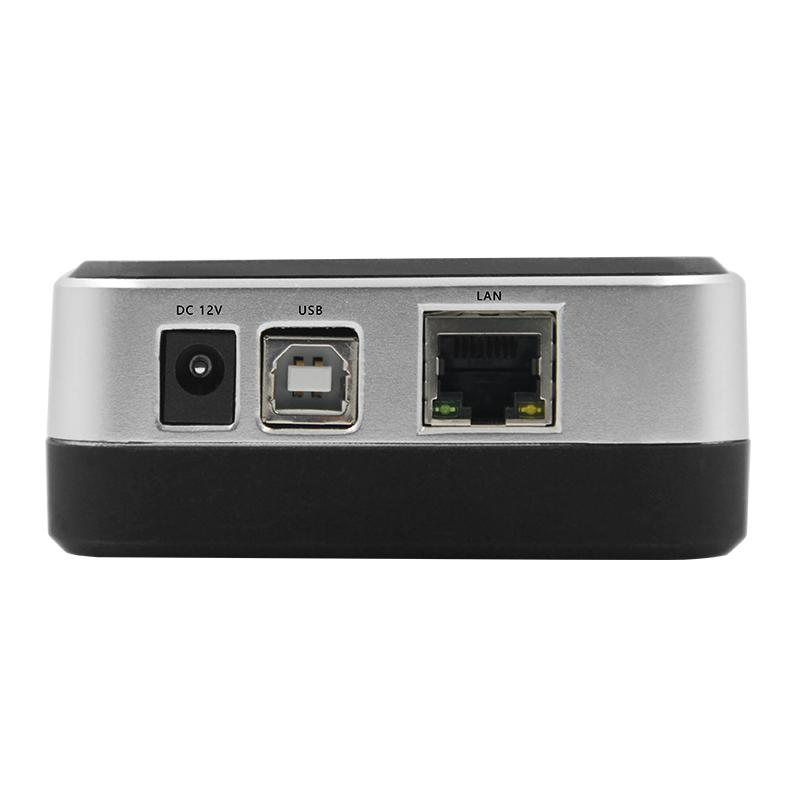
ELOAM VH800A3AF 8MP New Arrival High Speed Fast 1S Flatten Book A3 Portable USB Document Scanner in Stock
A3 book-friendly capture for schools and libraries that need speed without a rigid flatbed. Useful where bound materials and flat pages share one workflow.
- 8MP
- A3
- 1s
- Book Flatten

Eloam 10MP A3 Professional OCR Document Scanner High Precision Continuous Mode 1 Second Fast Speed USB Interface Office Stock
Production-oriented A3 OCR scanner for invoices, contracts, drawings, and continuous office scanning. A strong fit for paper-intensive back-office teams.
- 10MP
- A3
- OCR
- Continuous
What Separates a Reliable China Document Camera Factory from a Trading Supplier?
China remains a deep manufacturing base for imaging hardware, but the supplier shortlist matters more than ever. A verifiable factory should provide evidence across R&D, production control, certification, customization, and export support.
Buyer insight: look for proof, not adjectives
Price alone cannot explain why one digital document camera performs reliably for years while another creates warranty cost after the first deployment. In education and government projects, the hidden costs appear in OCR accuracy, frame-rate stability, software compatibility, spare-parts availability, and firmware support. A credible China document camera supplier should make these points verifiable before the sample is approved.
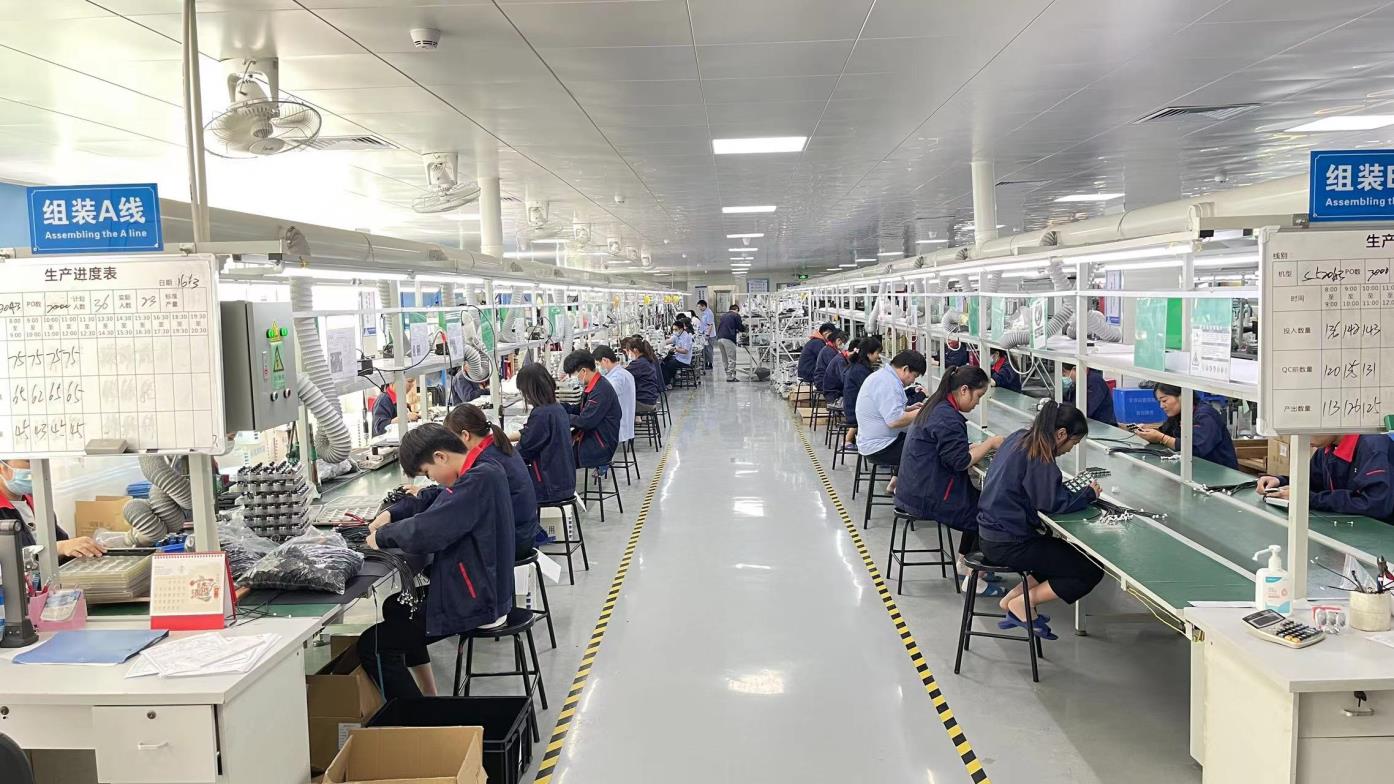
Shenzhen Hobry Technology Co., Ltd. has manufactured document scanners, book scanners, document cameras, visualizers, and portable monitors since 2005. The company operates 8 production lines in a 5,000–10,000 m² facility, employs 101–200 people, and has been verified onsite by Intertek. These facts matter because they reduce the distance between a catalog promise and a repeatable production order.
- In-house industrial design, optics, firmware, software, manufacturing, and global sales
- OEM, ODM, buyer-label, logo, packaging, housing color, firmware, and software customization
- ISO 9001, CE, selected FCC models, National High-Tech Enterprise status, and software copyrights

How to Compare Digital Document Camera Suppliers in China
A disciplined four-step review reduces sample cycles and protects the project from late-stage specification gaps.
1. Specification fit
Define scan area, sensor resolution, live frame rate, zoom type, OCR language list, output formats, interface, operating system, SDK needs, and expected daily scan volume. Compare models against a written requirement, not marketing photos.
2. Sample test
Test real documents: thin receipts, glossy brochures, curved book pages, handwritten notes, ID cards, and low-contrast forms. Record OCR accuracy, autofocus speed, colour consistency, software stability, and heat/noise after continuous use.
3. Documentation audit
Request business licence, factory assessment, ISO 9001, CE and applicable FCC evidence, warranty terms, spare-parts list, firmware policy, packaging drop-test records, and references from comparable markets.
4. Total cost & service
Model the full lifecycle: unit price, freight, duties, failure allowance, warranty labour, replacement parts, software support, training, and future firmware compatibility. A slightly higher unit price can lower three-year ownership cost.
Future Procurement Trends for Digital Document Cameras, 2026–2030
Buyers are shifting from single-device purchasing toward classroom platforms, managed fleets, and documented supplier performance. These trends will shape tenders, distributor assortment, and OEM requirements.
Hybrid classrooms become permanent
Schools are no longer buying visualizers for emergency remote teaching. They need cameras that switch cleanly between projector display, video-conference sharing, document capture, and recorded lessons. Procurement teams should specify 30 FPS or higher for live motion, reliable autofocus, and simple teacher controls.
AI OCR moves to the edge
OCR is becoming an expected feature, not a premium add-on. The next evaluation standard is whether text recognition, auto-crop, de-skew, and page flattening run locally with predictable performance. Privacy-sensitive buyers will ask where images are processed and whether cloud access is optional.
Tender-ready trust evidence
Public-sector buyers increasingly require verifiable factory assessment, product certification, warranty commitments, and after-sales escalation paths. Suppliers that can provide Intertek-style onsite verification, ISO 9001, CE documentation, and software copyright records will be easier to qualify.
Sustainability and repairability
Lower power consumption, recyclable packaging, replaceable arms, standard cables, and longer firmware support are moving into purchasing criteria. Distributors benefit because repairable hardware reduces return costs and improves brand trust in education and government accounts.
SDK and system integration
Document cameras are being embedded into learning management systems, bank counter applications, telemedicine kiosks, and government service terminals. An SDK, stable USB protocols, and clear driver support can matter more than a small hardware price difference during system integration.
Total cost and regional support
Buyers increasingly score suppliers on total cost of ownership: warranty response, spare-parts availability, firmware updates, packaging quality, and delivery terms. FOB, CFR, CIF, and EXW flexibility, plus clear payment terms, reduce friction in international procurement.
Product Development Trends: What the Next Visualizer Will Require
Hardware specifications are converging. The next competitive edge will come from image processing, software lifecycle, and workflow flexibility.
4K and optical zoom clarity
Digital zoom can make fine text look soft on large displays. Optical zoom, higher-resolution sensors, and improved lenses are becoming differentiators for lecture halls, laboratories, and detailed inspection workflows.
3-in-1 and multi-mode design
Document camera, scanner, and webcam functions increasingly share one device. This reduces procurement complexity for classrooms and meeting rooms, but buyers should confirm that each mode has stable drivers, clear controls, and practical output quality.
Wireless and USB-C flexibility
Wireless projection and USB-C plug-and-play are expanding beyond traditional USB 2.0 deployments. Schools and mobile teams value fast setup, but IT teams still require predictable pairing, security controls, and fallback wired operation.
On-device processing and privacy
Auto-crop, OCR, page splitting, de-skew, and image enhancement will increasingly run on the device or local software. This supports privacy, reduces dependency on cloud subscriptions, and improves responsiveness in low-bandwidth environments.
Book-friendly and modular capture
Libraries and archives need more than flat-document scanning. V-shaped cradles, laser-assisted flattening, preview screens, and modular lighting help protect bound books while improving OCR and archival image quality.
Software lifecycle and security
Firmware updates, driver compatibility, and long-term software maintenance are becoming part of product quality. Buyers should ask how updates are distributed, how long a model will be supported, and whether local software can operate without a mandatory online account.
Inside Shenzhen Hobry Technology Co., Ltd.
A manufacturer with an integrated export function, in-house R&D, and verified production capability for global B2B buyers.
Manufacturing depth with customization flexibility
Founded in 2005, Shenzhen Hobry Technology Co., Ltd. began in digital video technology and grew into a specialist in high-speed portable document scanners, book scanners, document cameras, visualizers, and portable monitors. The company controls industrial design, optics and firmware R&D, software development, manufacturing, and global sales in-house.
As a National High-Tech Enterprise with independent intellectual property, software copyrights, and patents, Hobry combines ergonomic design and low-carbon office concepts with reliable hardware at competitive factory prices. OEM, ODM, design service, and buyer-label service are available, including logo printing, custom packaging, housing colour, firmware, and software customization. An SDK is available on selected models for system integration.
20+ years of imaging experience
Long-term experience across document scanners and visualizers helps the team anticipate real deployment issues, from OCR language coverage and driver compatibility to classroom cable management and archive page curvature.
Verified quality and compliance
Factory assessment by Intertek, ISO 9001 quality management, CE certification, selected FCC models, and software copyright registrations support tender documentation and distributor due diligence. Standard warranty is one year.
Production scale at factory level
8 production lines in a 5,000–10,000 m² facility support stable output for distributors, tender projects, and OEM programs. Incoming inspection, in-process checks, and finished-product QC are part of the production routine.
OEM / ODM and buyer-label service
Customization covers logo, packaging, housing colour, firmware, software, and selected SDK integration. This is valuable for distributors building a private label range and for system integrators embedding capture hardware into a larger workflow.
OCR and software depth
Selected models support OCR in up to 180 languages with PDF, JPEG, and TIFF output. Windows is supported across the range, and macOS is supported on selected large-format models. Compatibility should be confirmed model by model before ordering.
Export-ready commercial support
Main markets include North America, Southeast Asia, Southern Europe, the Middle East, and worldwide distribution. Accepted payment terms include T/T, L/C, PayPal, and Western Union in USD; delivery terms include FOB, CFR, CIF, and EXW.
Due Diligence: Evidence a Serious Buyer Can Verify
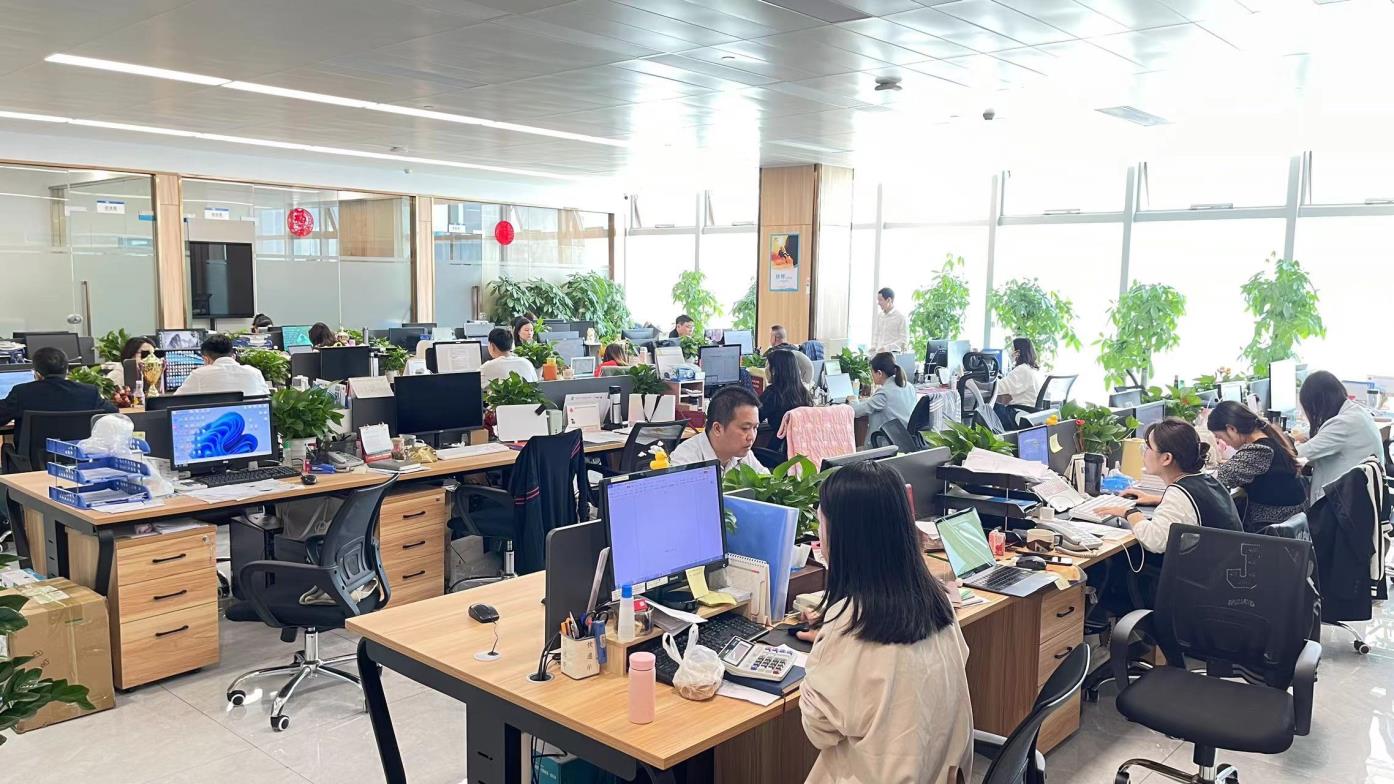
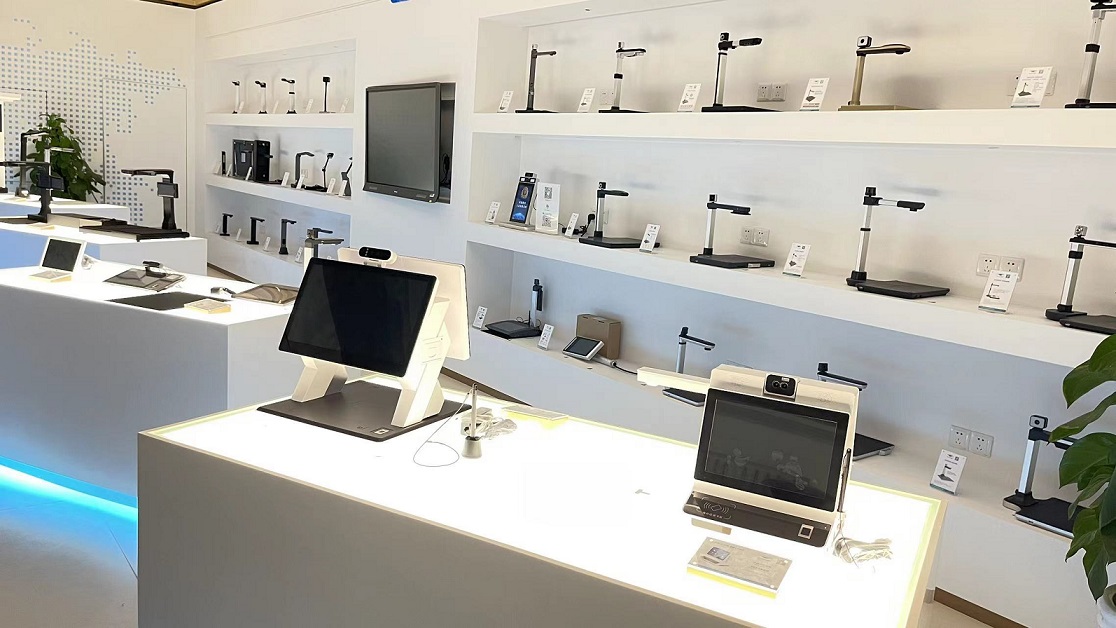
Supplier qualification should include visual evidence of production, R&D, testing, certification, and international trade participation. The images below are taken from the original company profile and factory gallery.

Company overview and manufacturing capability
In-house R&D and engineering team
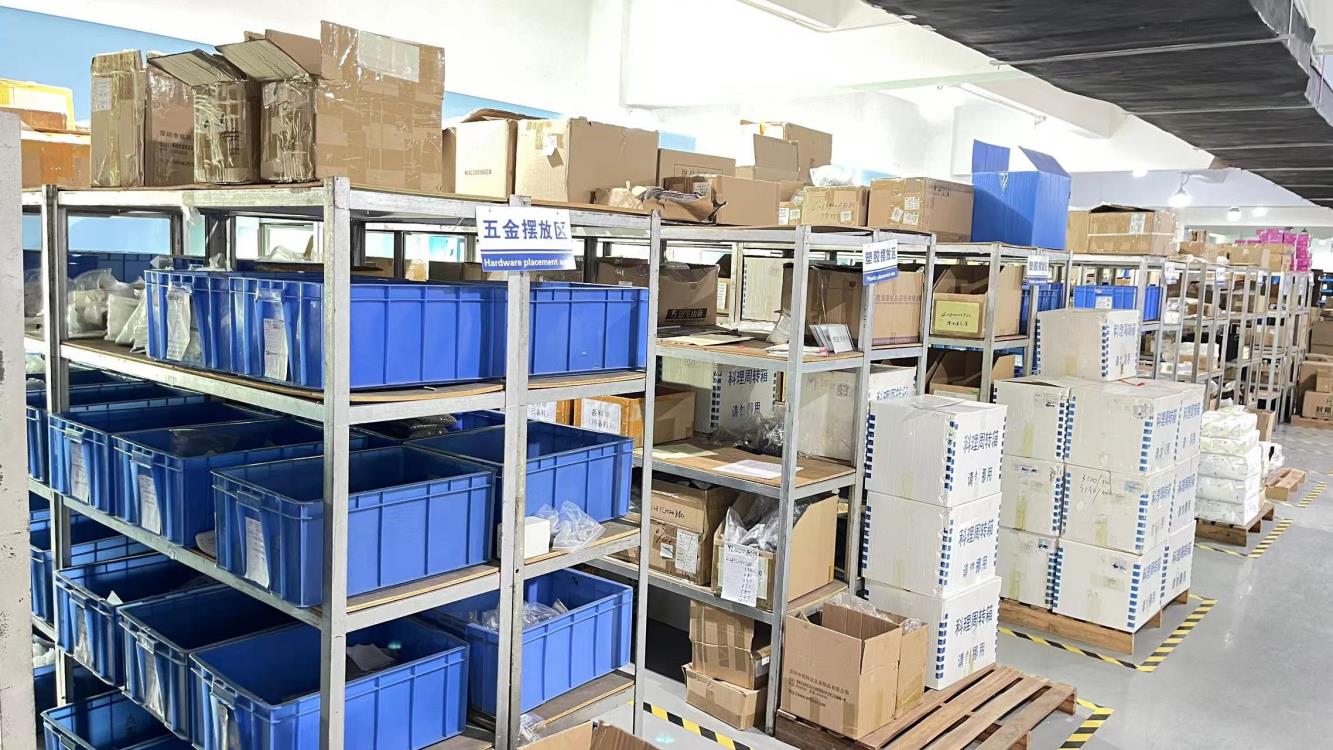
Quality inspection and production control
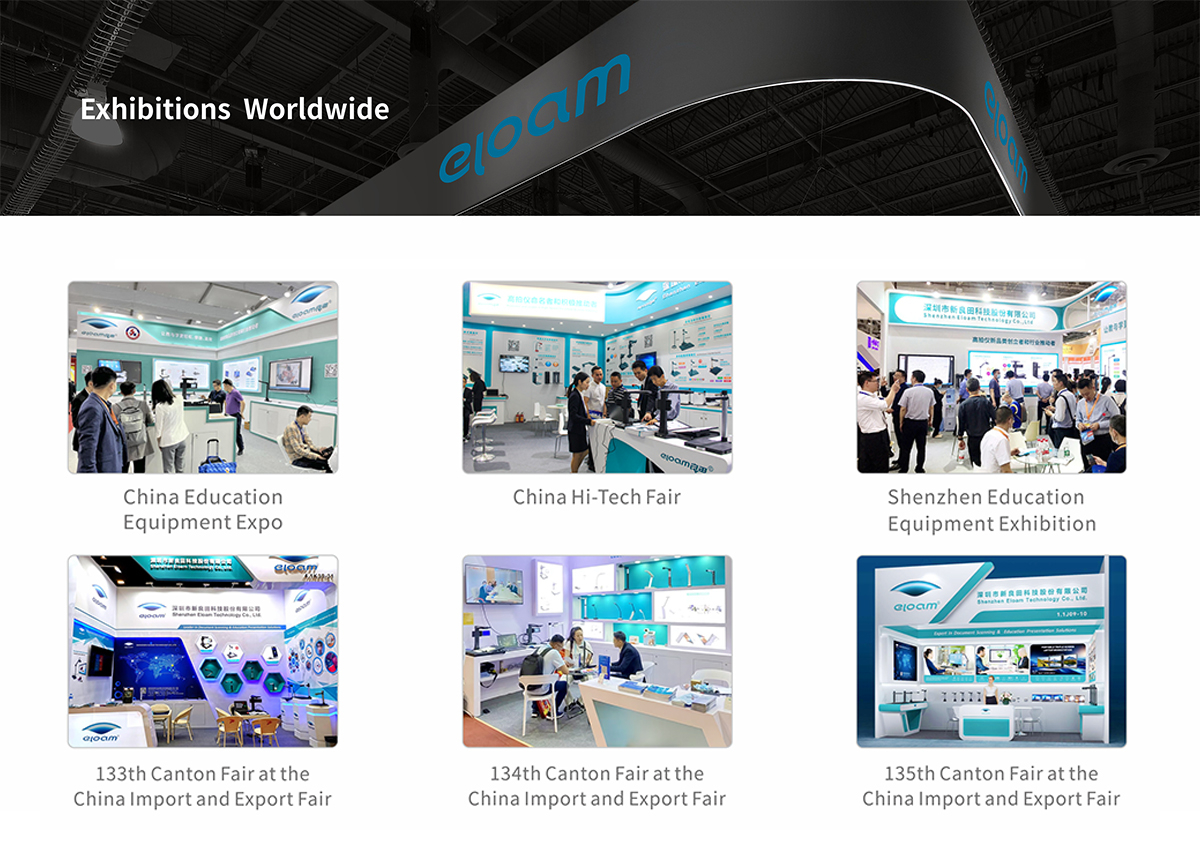
International trade exhibitions and buyer meetings
China Digital Document Camera Procurement FAQ
Practical answers for distributors, tender teams, school groups, banks, archives, and system integrators evaluating a factory and supplier.
What is the difference between a digital document camera, a visualizer, and a document scanner?
How can I verify a China document camera factory before placing a bulk order?
Which specifications should be written into a tender or purchase contract?
Do you support OEM, ODM, logo, packaging, firmware, and SDK customization?
What sample, payment, MOQ, and delivery terms are typical?
How should buyers compare total cost of ownership instead of unit price?
Build a Better Document Camera Program with a Verified Factory
Share your target scan area, quantity, OCR languages, operating system, certification requirements, destination market, and branding needs. The Hobry team will recommend a suitable model, confirm sample availability, and prepare a factory-direct quotation for your project.
Get Catalog