8 Document Cameras & Scanners for VGA, USB-C and Hybrid AV Projects
Below are eight ELOAM models available for sample evaluation and volume supply. Product URLs are preserved so procurement teams can verify specifications directly. For projects that still use a VGA document camera path, ask our engineers to match the interface, cable and resolution to your existing AV matrix.
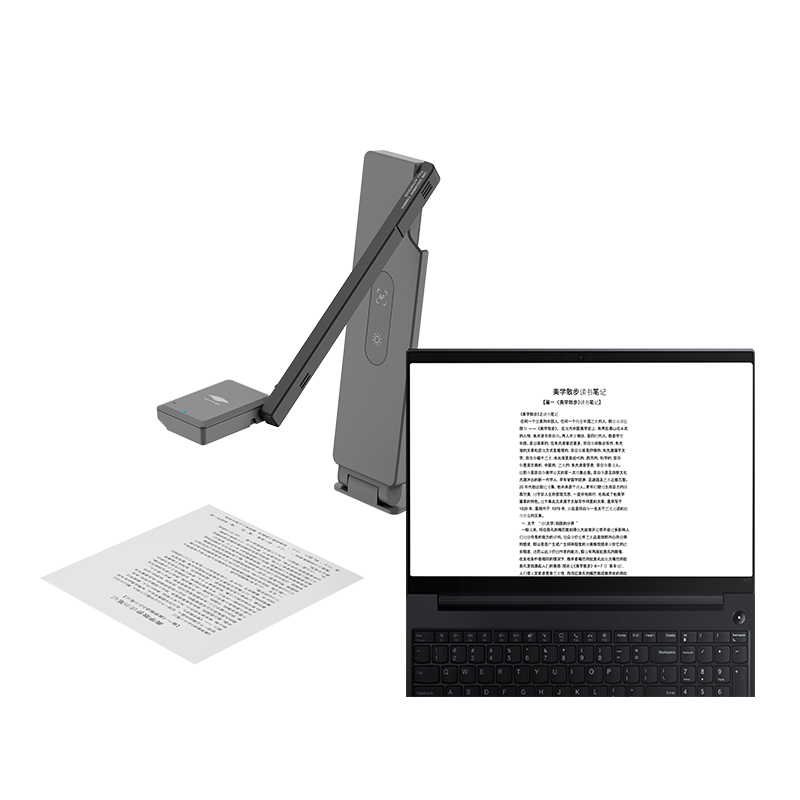
ELOAM High Resolution A3 Portable Document Scanner & Camera 3-in-1 | USB Type-C Plug Play Teaching Office Conference Use Stock
A space-saving camera, scanner and conference-capture device for teaching, office hot-desking and service counters.
- A3
- USB-C
- 3-in-1
- Plug & play
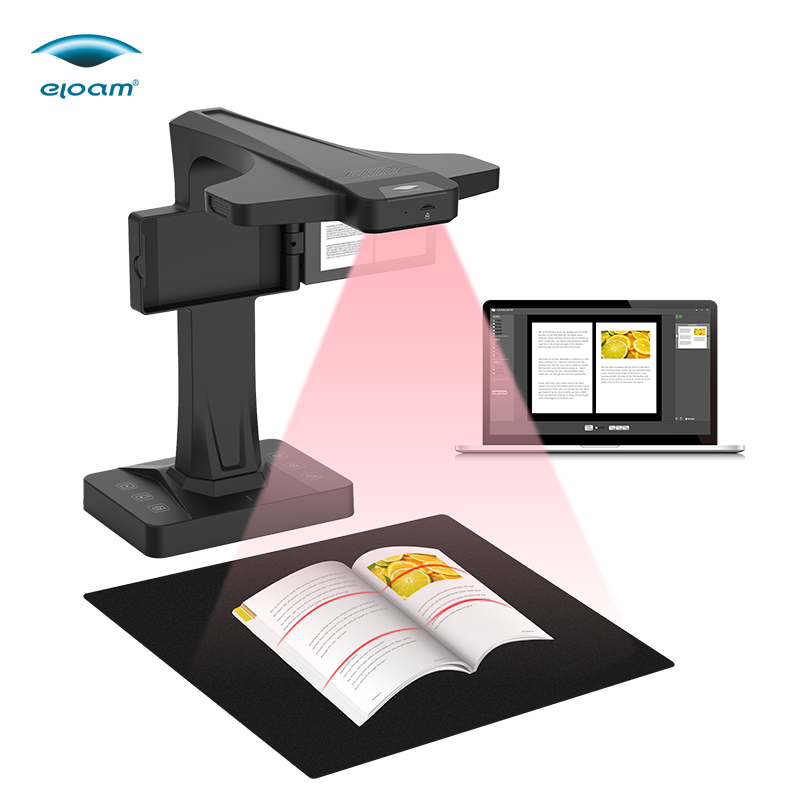
ELOAM 25MP High Speed Automatic Scanning Document Scanner with OCR USB Interface in Stock for Educational & Office Use
Built for OCR-heavy mailrooms, student records and office digitization where image detail and repeatability matter.
- 25MP
- OCR
- USB
- Automatic scanning
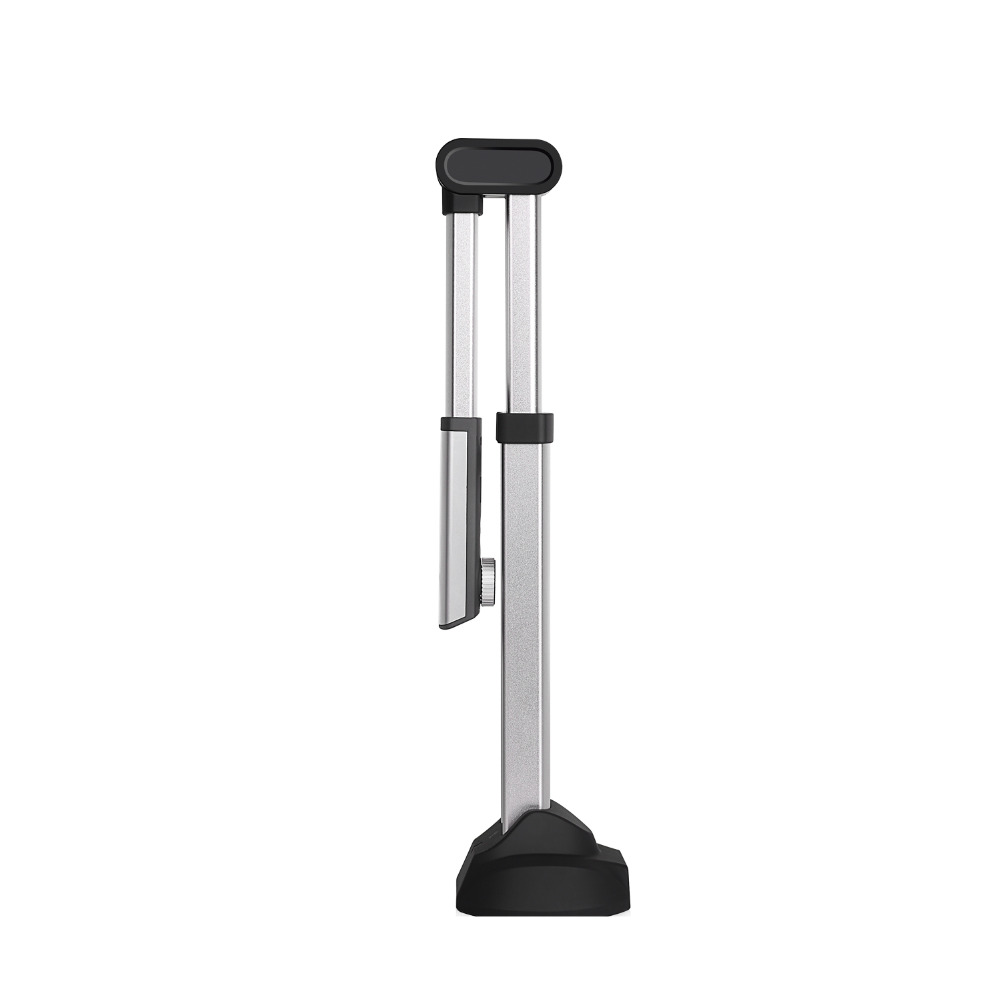
Eloam S1800A2 16MP USB 2.0 Document Camera A2 A3 Scanner 3264 x 2448 CMOS 180 Language OCR Natural Light LED
A large-format camera for maps, engineering drawings, legal files and classrooms using natural or LED lighting.
- 16MP
- A2/A3
- 180-language OCR
- USB 2.0
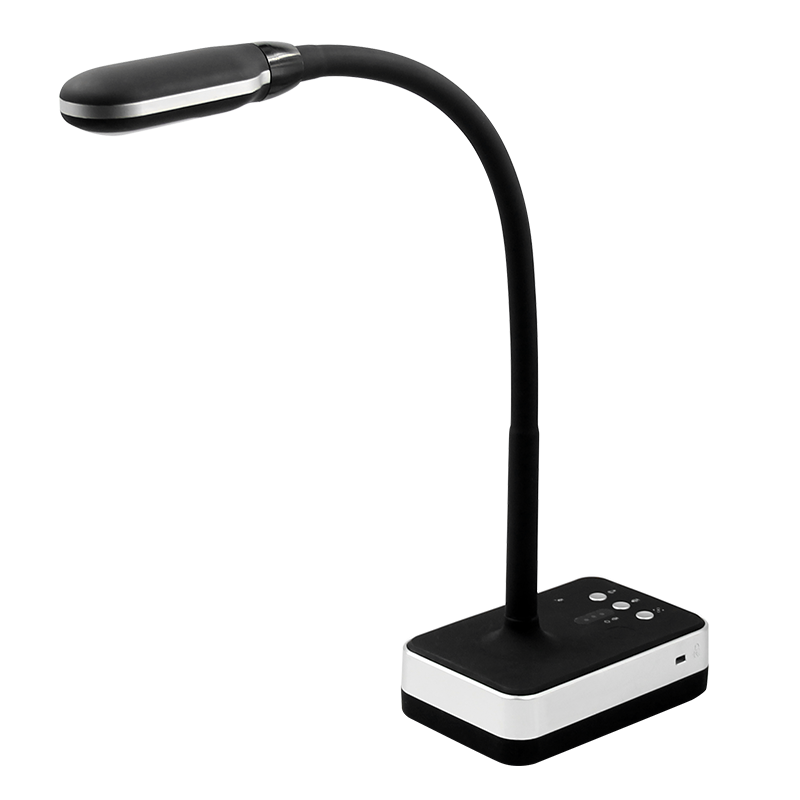
ELOAM VH802A3AF USB for Document Camera OCR High-Speed Scanner 8MP Resolution A3 Size in Stock
A practical A3 visualizer for classroom display, general office capture and OCR-assisted document workflows.
- 8MP
- A3
- OCR
- High-speed
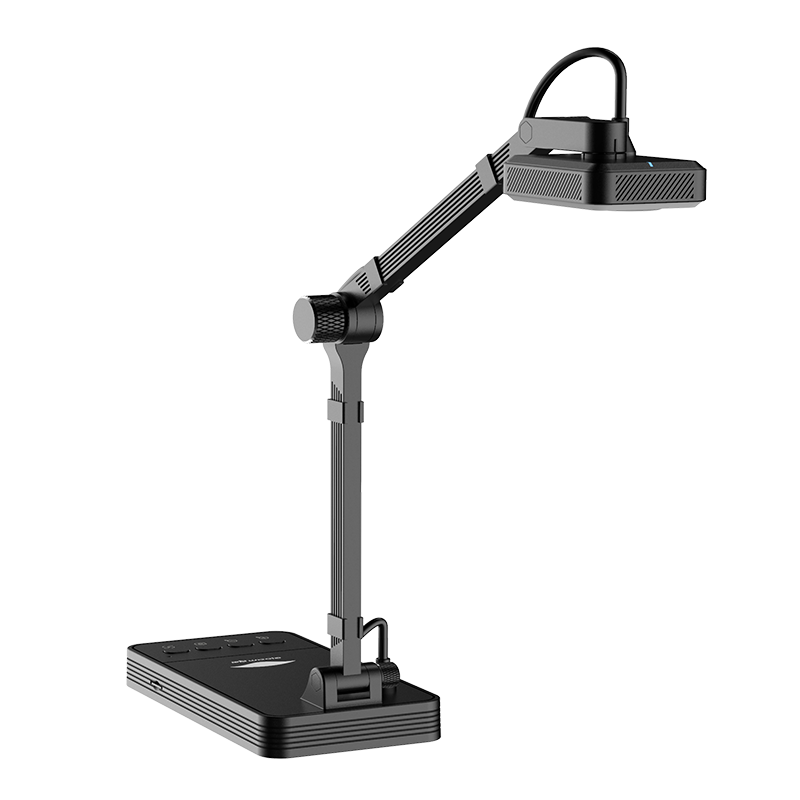
ELOAM YL1050 WIFI USB for Document Presenter A3 10MP for Teachers Distance Learning Online Teaching Video Calling Stock
A 10MP wireless document presenter for distance learning, video calling and mobile teaching carts.
- 10MP
- A3
- Wi-Fi + USB
- Online teaching
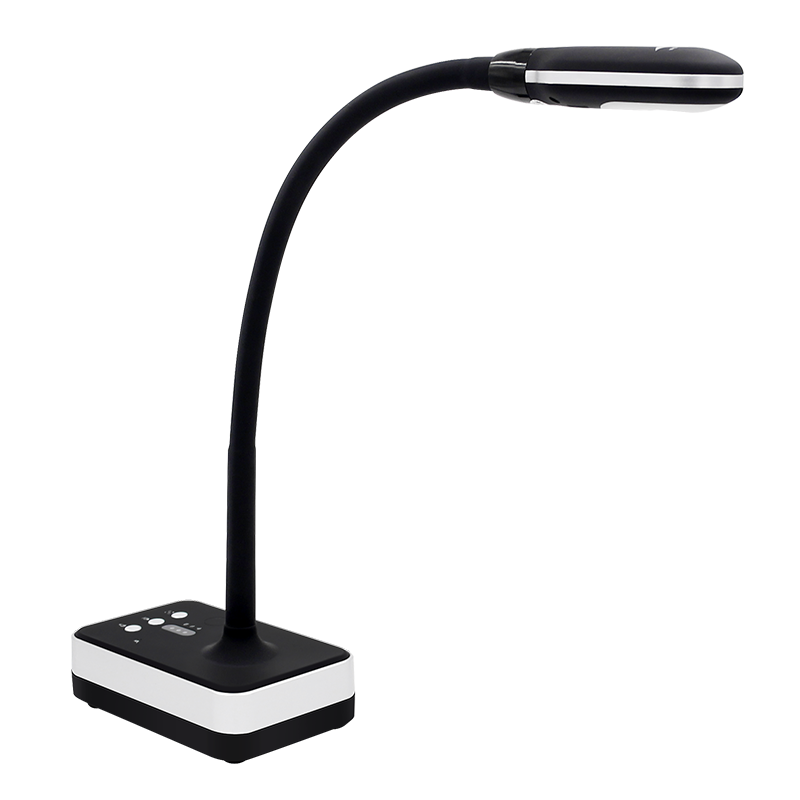
ELOAM VW1000A3AF High Speed Portable A3 Intelligent Archive Automatic Document Camera Scanner USB Interface in Stock
A portable A3 archive scanner for service counters, back-office capture and intelligent document handling.
- A3
- Auto focus
- Archive scanning
- USB
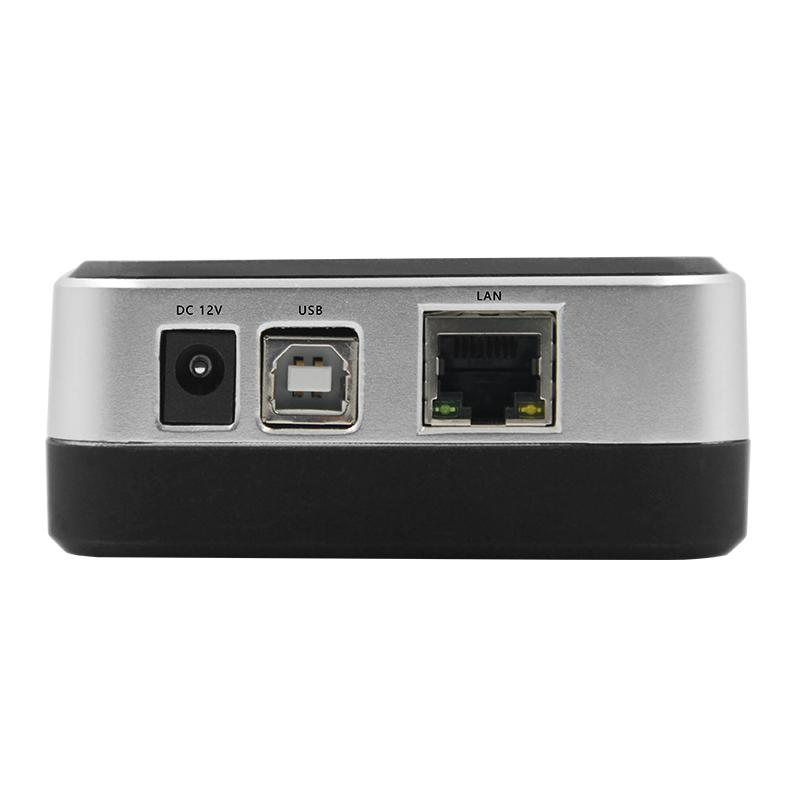
ELOAM VH800A3AF 8MP New Arrival High Speed Fast 1S Flatten Book A3 Portable USB Document Scanner in Stock
A book-friendly A3 scanner designed for fast 1-second capture and flattening of bound material during library projects.
- 8MP
- A3
- 1S scan
- Book flattening
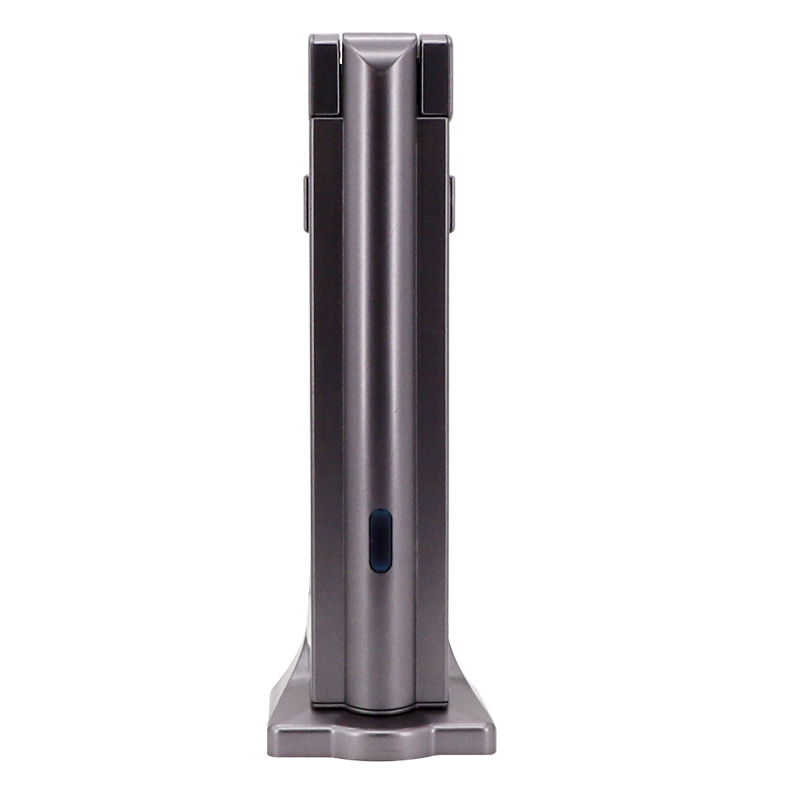
ELOAM Auto-Focus A3 10MP Portable Document Scanner USB Interface 1S Scan Speed Automatic Continuous Scanning Windows 10/11
A 10MP auto-focus A3 scanner for continuous capture on Windows 10/11 where user training and driver stability matter.
- 10MP
- A3
- Continuous scanning
- Windows 10/11
What Chinese VGA Document Camera Buyers Really Need to Compare
A VGA document camera is not a museum piece. In schools, training rooms, hospitals, courtrooms and factory floors, VGA projectors and AV switchers remain installed. Replacing the entire AV backbone to gain USB-C can cost more than the camera itself.
The rational procurement strategy is a visualizer that supports the installed VGA or HDMI matrix when required, while also being able to feed a teacher PC, interactive panel, lecture-capture system or video-conference endpoint. This is why buyers searching for a China best VGA document camera manufacturer and wholesaler are usually looking for supply-chain confidence, not merely a video connector. They need a partner who can confirm interface compatibility, explain the trade-offs and support a multi-year rollout.
At Shenzhen Hobry Technology Co., Ltd., the engineering conversation starts with scan area, lens quality, focus method, lighting, frame rate and output interface. A high megapixel count can still produce soft text if the lens is weak or the lighting is uneven. A “1-second capture” claim can hide a 4–6 second OCR and save cycle. Serious buyers should test the complete workflow: place the page, correct skew, crop, OCR, name the file, upload it to the LMS or DMS and retrieve it later.
The most useful information gain in this product category is not another list of megapixels. It is an understanding of where quality is lost: reflection on laminated worksheets, page curvature in bound books, low contrast on faded invoices, hand shadow at service counters and unstable drivers during software updates. A manufacturer that controls optics, firmware and software can solve these issues together instead of pushing them into the buyer’s integration team.
2026 Procurement Trends: What Wholesale Buyers Are Asking For Now
RFQ language is changing. Instead of a single camera specification, tenders increasingly bundle hardware, software, mounting, training and warranty into one line item. These four shifts are now visible in education, finance and public-sector projects.
Hybrid AV compatibility, not interface fashion
A classroom may have VGA at the lectern, HDMI at the projector, USB-C on the teacher laptop and Wi-Fi for mobile devices. Purchase teams prefer one model family that covers the installed base without adapter chaos.
Total workflow cost becomes the KPI
The lowest unit price can lose once OCR licences, installation, training, failure rate and spare units are counted. Ask for a three-year support assumption and a clear DOA replacement process.
Compliance evidence moves to the shortlist stage
CE, FCC, ISO 9001, software copyrights, National High-Tech Enterprise status and Intertek onsite verification are no longer background documents. Buyers also ask whether OCR and images stay on-device or in the cloud.
OEM differentiation shifts to software and packaging
Distributors do not want the same arm and the same box as three competitors. Logo printing, housing color, retail packaging, firmware boot screens, OCR language packs and SDK integration are now requested together.
Product Development Trends: From Overhead Visualizer to AI-Assisted Capture Hub
The next generation of document cameras is defined less by megapixels and more by how much manual work the device removes after the image is captured.
Optical zoom returns
Digital zoom is convenient but softens detail. For lecture halls, laboratories and engineering inspection, 10x–13x optical zoom and larger sensors preserve fine print and specimen texture on large displays.
AI correction before OCR
Auto-crop, de-skew, glare suppression, finger removal and background flattening are becoming expected. The benefit is fewer keystrokes and higher OCR accuracy on bound books, receipts and handwritten forms.
Wireless plus wired redundancy
Wi-Fi casting simplifies group work, but mission-critical classrooms still want USB or HDMI as a fallback. The winning design switches to a stable wired path when the network is congested.
Modular I/O and serviceability
A single platform that supports VGA, HDMI, USB 3.0, USB-C and audio keeps procurement flexible across regions. Replaceable arms and standard power supplies reduce after-sales cost and e-waste.
Which Model Fits Your Project? A Practical Selection Matrix
Use this as a starting point, then request a sample because lighting, document condition, software stack and network policy change the final result.
Hybrid and distance teaching
Recommended: ELOAM YL1050. A 10MP A3 wireless presenter for online teaching, video calling and mobile teaching carts.
OCR-heavy office digitization
Recommended: ELOAM 25MP automatic scanner for high-detail OCR and repeatable office capture; choose VH802A3AF where A3 visualizer presentation is the priority.
A2 maps and engineering drawings
Recommended: Eloam S1800A2. A 16MP A2/A3 document camera for large-format files, natural-light capture and OCR.
Archives, counters and book capture
Recommended: VW1000A3AF for portable A3 archive scanning, or VH800A3AF when fast book flattening is the main requirement.
Buyer insight: do not compare camera prices without comparing the cost per usable page after crop, OCR, indexing and error correction. The best VGA document camera supplier is the one that can document this complete workflow in your environment.
Why Hobry Is a Lower-Risk China VGA Document Camera Wholesaler
Shenzhen Hobry Technology Co., Ltd. was founded in 2005 and operates as a manufacturer with an integrated export team. Industrial design, optics, firmware, software, manufacturing and quality control are not outsourced to an unknown intermediary.

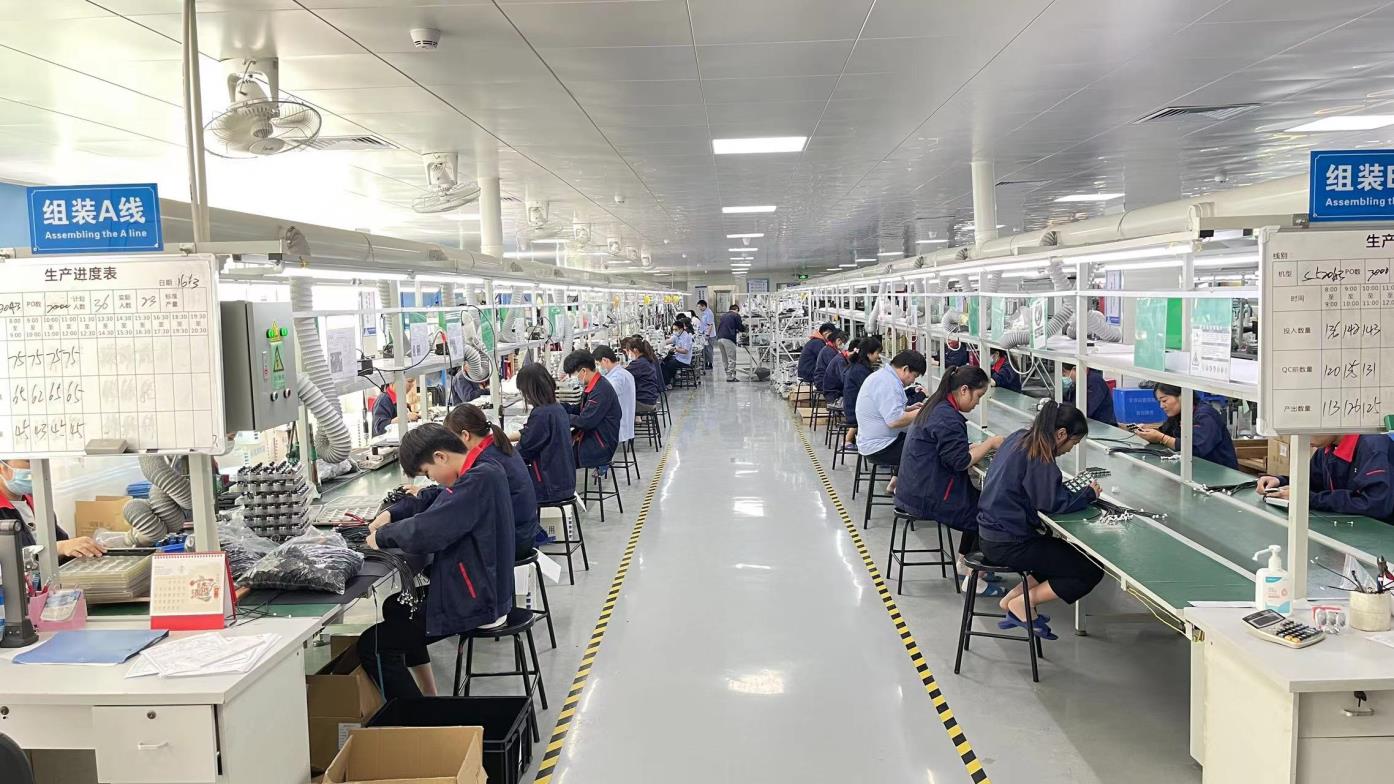
- Manufacturer with integrated export capability. 101–200 employees, 8 production lines and a facility up to 5,000–10,000 m².
- OEM and ODM beyond relabeling. Logo, packaging, housing color, firmware, software UI and SDK integration can be customized on selected models.
- In-house R&D and intellectual property. National High-Tech Enterprise status, patents and software copyright registrations support long-term product continuity.
- Quality and compliance evidence. ISO 9001, CE, FCC on selected models, software copyrights and a factory assessment report verified onsite by Intertek.
- Global B2B delivery experience. Main markets include North America, Southeast Asia, Southern Europe and the Middle East, supported by trade capacity and transaction records.
- Practical commercial terms. Samples are available for most models; payment terms include T/T, L/C, PayPal and Western Union in USD; delivery terms include FOB, CFR, CIF and EXW.
Capability focus for wholesale programs
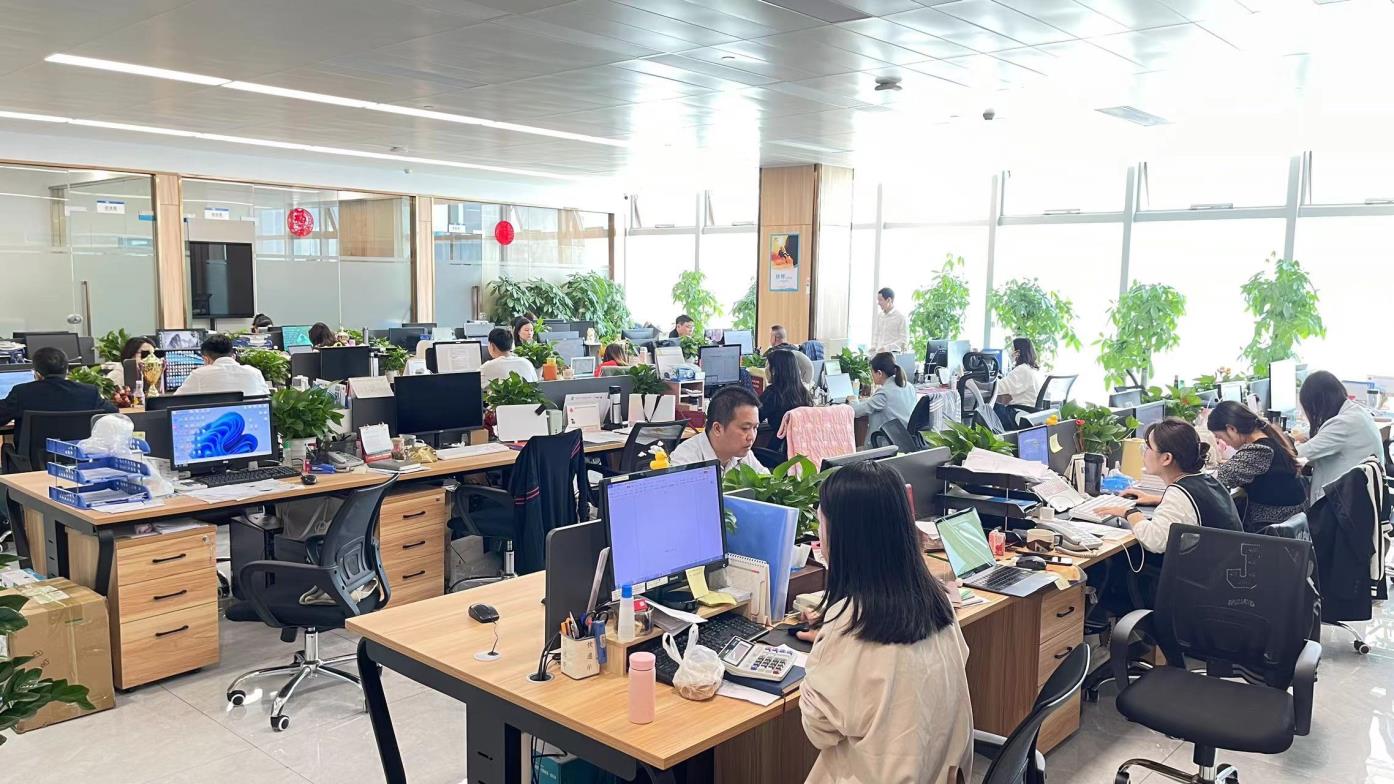
In-house R&D for optics, firmware and software
8 production lines with incoming and in-process QC
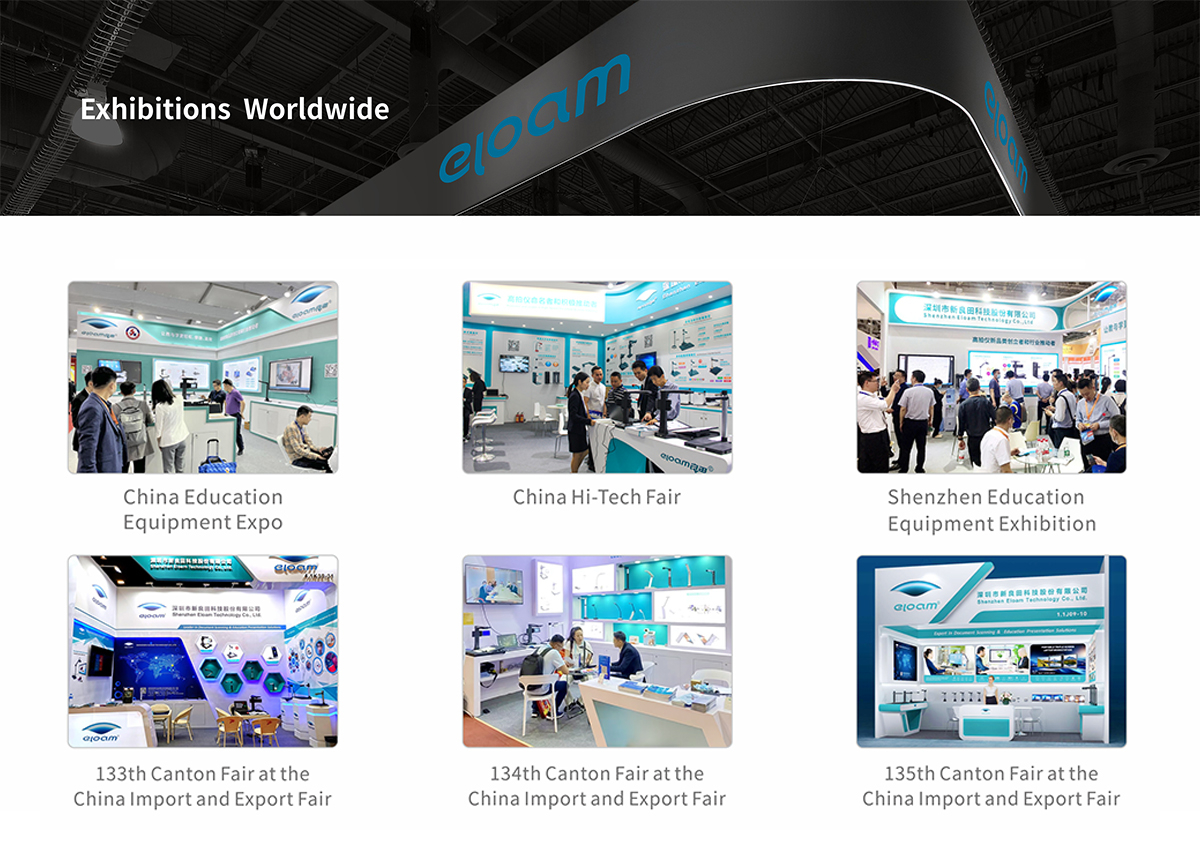
International exhibition experience and buyer support
VGA Document Camera Wholesale FAQ
These are the questions procurement teams ask before sample approval, OEM discussion and first bulk order.
Are you a manufacturer or a trading company?
Can you supply a VGA document camera for an existing classroom AV system?
What is your MOQ and sample policy?
Do you offer OEM, ODM and SDK integration?
Which OCR languages and operating systems are supported?
What certifications and quality checks are in place?
What are the payment, shipping and lead-time terms?
How do you support after-sales service and spare parts?
Get a Factory Quote for Your VGA Document Camera Program
Send your scan area, average daily volume, target interface, OCR requirement, estimated annual quantity and destination market. Our team will return a model recommendation, sample plan and OEM/ODM options. If you are comparing suppliers, ask for the complete workflow test—not just a camera price.
info@hobrytech.com