8 School Document Cameras & Scanners for Supplier Evaluation
The eight products below are practical reference models for classroom visualizers, office scanning, library digitization, and portable document capture. Each product URL is preserved exactly as supplied, helping procurement teams move from supplier research to sample testing without losing traceability.

ELOAM 3-in-1 Document Scanner USB A3 5MP FPDA Handheld Camera Control Buttons Digital Document Camera
- A3
- 5MP
- USB
- Control buttons
A flexible classroom and counter-service model for live document display, object demonstration, and digital capture where handheld control is useful.
View product details
Eloam 10MP A3 Professional OCR Document Scanner High Precision Continuous Mode 1 Second Fast Speed USB Interface Office Stock
- 10MP
- A3
- OCR
- 1-second scan
A high-precision A3 scanner for administrative records, contracts, invoices, and searchable PDF workflows where continuous capture reduces queue time.
View product details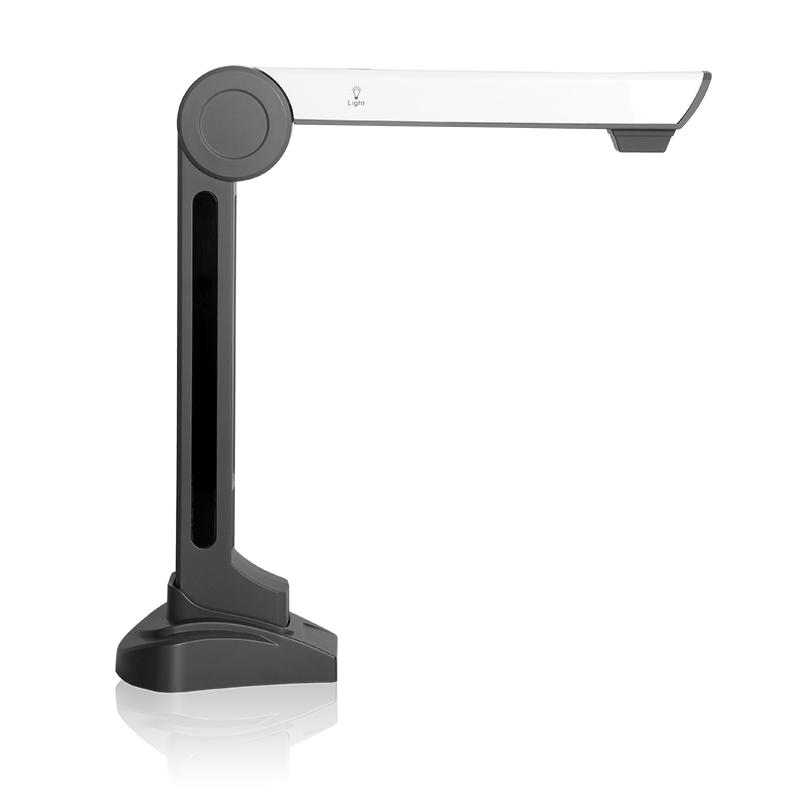
ELOAM S200L A4 Mini Overhead Projector Document Scanner with OCR USB Interface for Office Use in Stock
- A4
- OCR
- USB
- Mini overhead
A compact entry-level option for smaller classrooms, tutoring centers, and office counters that need quick overhead projection without a large device footprint.
View product details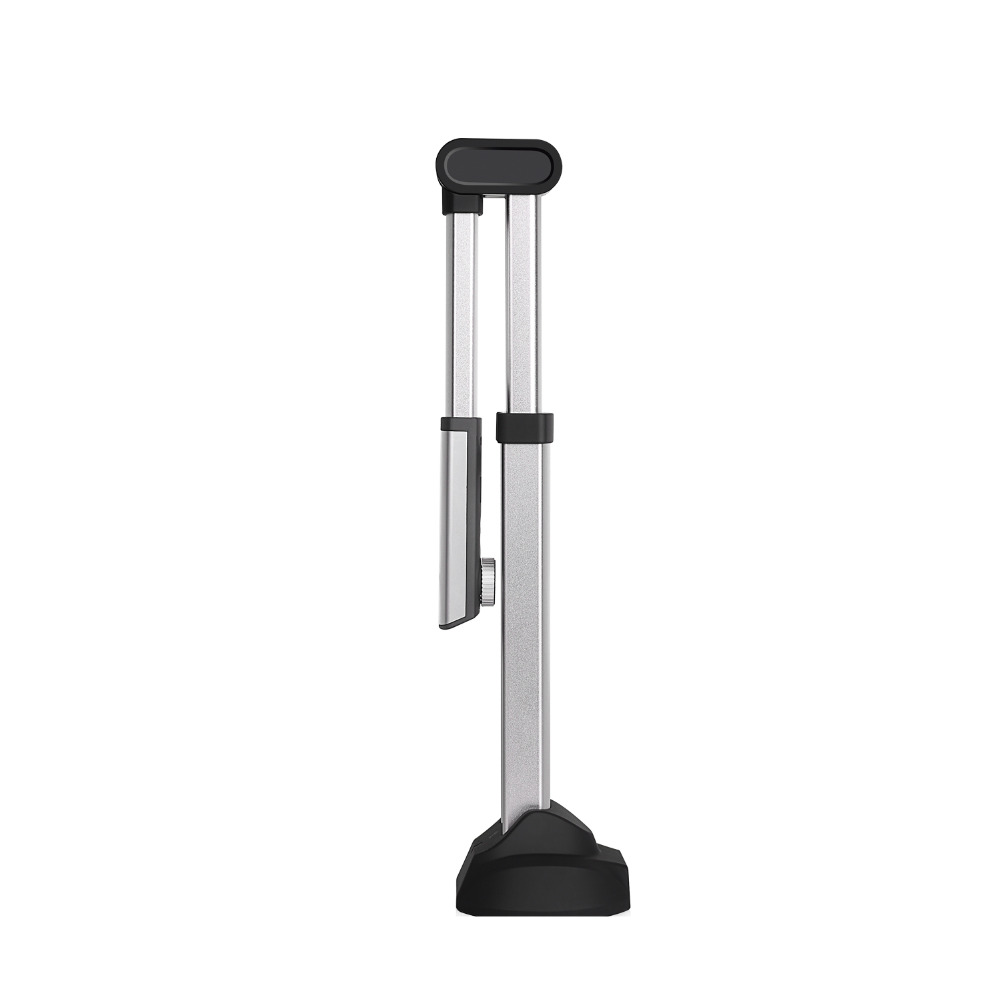
Eloam S1800A2 16MP USB 2.0 Document Camera A2 A3 Scanner 3264 x 2448 CMOS 180 Language OCR Natural Light LED
- 16MP
- A2 / A3
- 180-language OCR
- CMOS
A large-format capture model for drawings, maps, exam papers, and archive materials that exceed standard A4 scanning areas.
View product details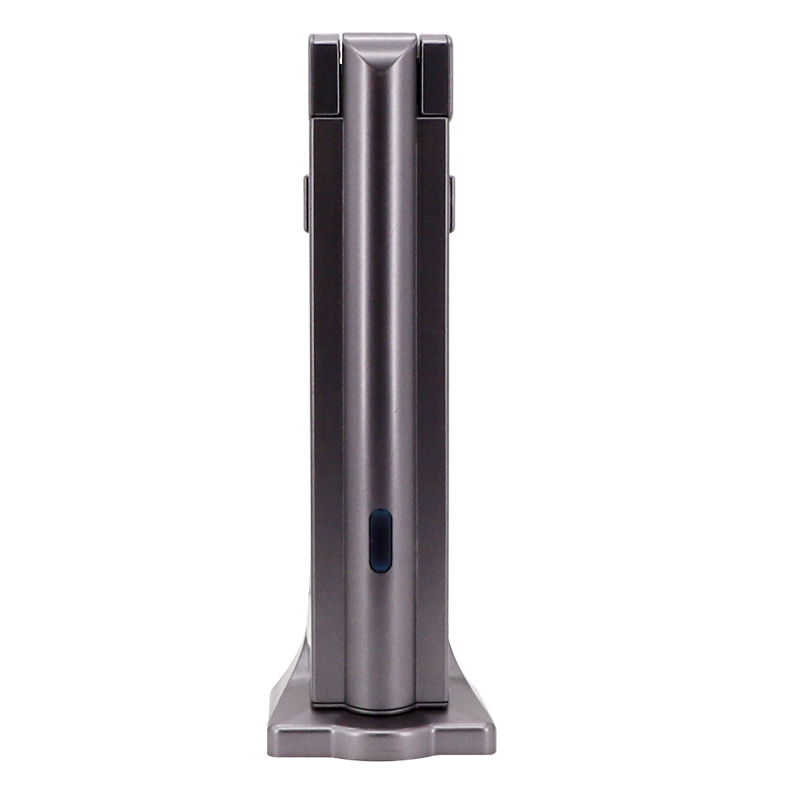
ELOAM Auto-Focus A3 10MP Portable Document Scanner USB Interface 1S Scan Speed Automatic Continuous Scanning Windows 10/11
- Auto focus
- A3
- 10MP
- Windows 10/11
A practical field and hot-desk model for sales teams, school administrators, and mobile document capture where fast setup matters.
View product details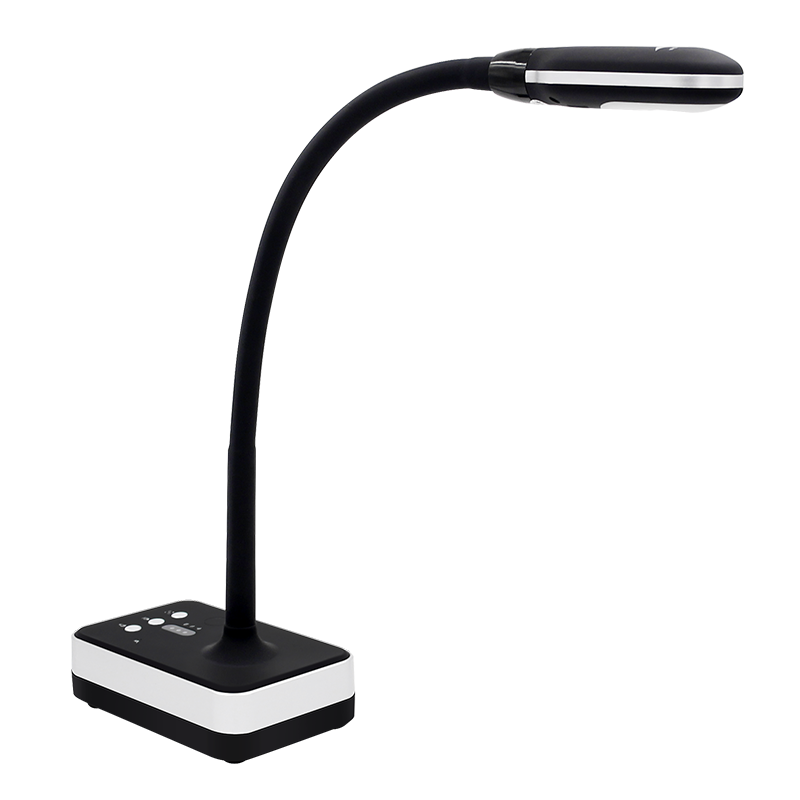
ELOAM VW1000A3AF High Speed Portable A3 Intelligent Archive Automatic Document Camera Scanner USB Interface in Stock
- A3
- High speed
- Archive
- USB
An intelligent archive-focused A3 scanner for schools and institutions digitizing high volumes of forms, student records, and administrative files.
View product details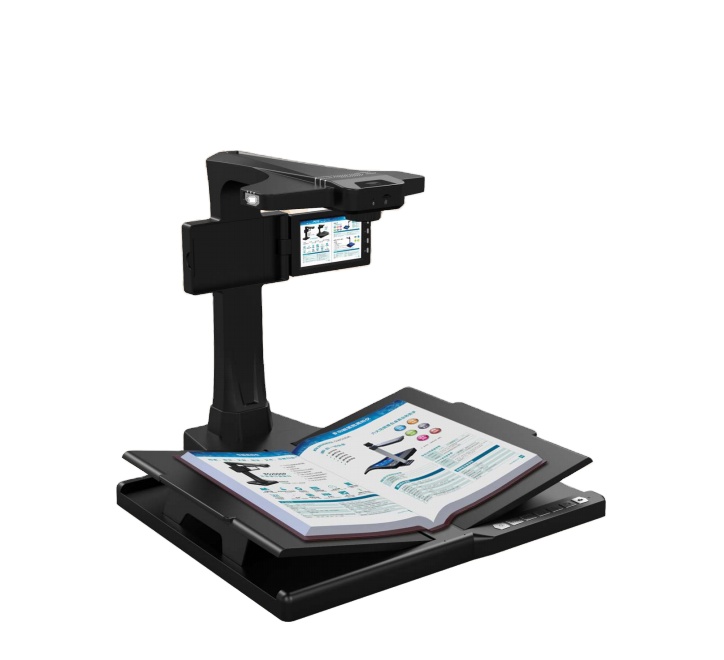
Eloam BS3000P 28MP A3 Document Scanner V Shape Book Scanner CMOS USB 2.0 LCD Preview Screen for Library
- 28MP
- A3
- V-shape cradle
- LCD preview
A non-destructive book scanning model for libraries, universities, and archives where protecting bound materials is as important as image quality.
View product details
ELOAM VW1000AF USB/Wireless High Speed OCR Scanner Portable Document Scanner A4 Book Scanner Document Camera in Stock
- A4
- USB + wireless
- OCR
- Portable
A flexible A4 visualizer and scanner for hybrid classrooms, mobile teaching carts, and shared office spaces where cable-free operation improves adoption.
View product detailsNeed help matching a model to a classroom size, scan area, or tender requirement?
Inquire NowWhat “Supplier” and “Suppliers” Reveal About School Document Camera Buyers
The query “China Best School Document Camera Supplier & Suppliers” combines two procurement mindsets: finding one qualified manufacturer and comparing multiple supplier options. A high-value page must answer both intents without forcing the buyer back into general search results.
Single supplier vs. supplier comparison
Buyers searching for a supplier often need a direct factory contact, sample lead time, and quotation. Buyers searching for suppliers are usually comparing risk, product range, and OEM flexibility. The strongest supplier page supports both journeys with transparent company data and a clear product shortlist.
School use is not office use
Classroom visualizers are handled by teachers, moved between rooms, and used in live demonstrations. Buyers need high frame rate, easy focus, flexible arms, clear output to projectors or interactive panels, and simple software. A pure megapixel comparison misses the operational context that determines adoption.
“Best” means best-fit
Procurement teams rarely benefit from an unqualified “best” claim. They need evidence: production capability, quality management, product certifications, software ownership, warranty terms, and OEM/ODM experience. A best-fit supplier matches the buyer’s scan area, deployment quantity, service model, and compliance requirements.
OEM/ODM intent
Distributors and integrators often want logo printing, custom packaging, housing color, firmware tweaks, SDK access, and buyer-label programs. These requirements separate a trading intermediary from a manufacturer with in-house design, software, and production resources.
Tender-ready documentation
School projects and public tenders require clear model specifications, CE certification, selected FCC availability, ISO 9001 quality management, and software copyright information. Supplier pages that present these facts early reduce due-diligence effort and shorten the quotation cycle.
Total cost of ownership
Unit price is only one layer. Schools also evaluate sample testing time, failure rate, spare-part availability, packaging protection, warranty handling, teacher training, and software compatibility. A well-structured supplier page should therefore connect product recommendations with lifecycle support.
Company Capability Counters That Reduce Supplier Risk
Shenzhen Hobry Technology Co., Ltd. has manufactured document scanners, book scanners, document cameras, visualizers, and portable monitors since 2005. The figures below are based on the company’s public profile and are intentionally specific, because procurement teams need verifiable signals rather than generic supplier claims.
The supplier profile also states 101–200 employees, OEM/ODM availability, buyer-label service, design service, an SDK on selected models, onsite factory verification by Intertek, ISO 9001 quality management certification, National High-Tech Enterprise status, software copyright registrations, CE product certification, selected FCC availability, and a standard 1-year warranty.
Which Model Fits Which School or Institutional Workflow?
This recommendation matrix translates model specifications into procurement scenarios. Final configuration and compatibility should be confirmed with the supplier before bulk ordering, especially for OCR languages, operating systems, SDK access, and custom firmware.
| Buyer scenario | Recommended reference model | Why it fits | Procurement checkpoints |
|---|---|---|---|
| K-12 classroom demonstration | ELOAM S200L A4 Mini Overhead Document Scanner | Compact A4 visualizer with OCR and USB for tutoring, small classrooms, and shared teaching spaces. | Test cable length, projector compatibility, teacher setup time, and warranty coverage. |
| Hybrid classroom and mobile teaching | ELOAM VW1000AF USB/Wireless A4 OCR Scanner | Wireless and USB modes support flexible room layout and sharing across teaching carts or laptops. | Confirm Wi-Fi workflow, software installation rights, and network policy restrictions. |
| A3 classroom visualizer | ELOAM VW1000A3AF High Speed Portable A3 Scanner | A3 capture with automatic archive functions for larger textbooks, worksheets, and presentation materials. | Verify scan speed, image auto-crop, output formats, and SDK needs for integration. |
| Science, art, and hands-on demonstration | ELOAM 3-in-1 A3 5MP Digital Document Camera | Handheld and 3-in-1 flexibility helps teachers show specimens, circuits, artwork, or 3D objects. | Evaluate control button ergonomics, lighting behavior, and frame rate under live video. |
| Large drawings, maps, and exam papers | Eloam S1800A2 16MP A2/A3 Document Camera | Large-format capture with 180-language OCR on selected workflows and LED natural-light support. | Check maximum A2 area, lens distortion control, OCR language set, and export quality. |
| Library and rare-book digitization | Eloam BS3000P 28MP V-Shape Book Scanner | V-shaped cradle, LCD preview, and high-resolution capture support non-destructive book scanning. | Request sample scans of curved pages, confirm laser or imaging aids, and validate OCR output. |
| Office OCR and student records | Eloam 10MP A3 Professional OCR Document Scanner | Continuous mode and 1-second capture speed reduce repetitive scanning and searchable PDF creation. | Confirm file naming automation, USB driver deployment, and support for existing document systems. |
| Portable field and hot-desk capture | ELOAM Auto-Focus A3 10MP Portable Document Scanner | Auto-focus and portable A3 capture suit enrollment desks, sales visits, and temporary offices. | Check Windows 10/11 support, auto-focus stability, and carrying-case or packaging requirements. |
What School Document Camera Buyers Will Prioritize Next
Supplier selection is shifting from a simple hardware comparison to a lifecycle decision. The following procurement trends are especially relevant for distributors, education groups, tender teams, and system integrators planning multi-year school deployments.
Total cost over lowest price
Buyers will compare sample failure rate, warranty response, spare parts, teacher onboarding, and software maintenance alongside unit price. A slightly higher device cost can be justified when it reduces downtime and support tickets across dozens of classrooms.
Hybrid learning interoperability
Classroom visualizers must work with interactive panels, projectors, video-conferencing laptops, and lecture-capture systems. Suppliers that document compatibility clearly and support USB, wireless, and Type-C workflows will reduce integration risk for education technology partners.
Privacy and offline operation
Schools increasingly review data handling for classroom software. Offline capture options, local storage modes, and clear software documentation can become purchasing criteria, especially in public tenders and regions with stricter data-governance policies.
Tender-ready evidence
Public and private school projects require faster verification of certifications, test reports, software copyrights, and product dimensions. Suppliers that provide complete documentation packages will shorten tender preparation and reduce clarification cycles.
OEM differentiation
Distributors want product portfolios that are not identical to every competitor’s catalog. Logo, packaging, housing color, firmware settings, software UI, and SDK access allow regional suppliers to build a defensible offer for local schools.
Serviceability and delivery terms
FOB, CFR, CIF, and EXW options give buyers different levels of logistics control. The better question is which supplier can combine these terms with responsive technical support, reasonable MOQ, single-unit samples, and clear after-sales procedures.
Where School Document Camera Technology Is Moving
The next generation of visualizers will be evaluated less as a camera accessory and more as a classroom capture platform. Hardware quality still matters, but software, connectivity, and workflow integration will determine long-term value.
AI-assisted clarity and OCR
Auto-crop, perspective correction, page flattening, text enhancement, and OCR are becoming expected functions. In schools, the real benefit is less editing time and more searchable, presentation-ready material for teachers and administrators.
Optical zoom and higher resolution
For lecture halls, laboratories, and large displays, optical zoom preserves detail better than digital zoom. Resolution upgrades should be paired with good optics, stable focus, and natural color reproduction rather than marketed as megapixels alone.
Wireless plus USB-C hybrid connectivity
Classrooms are becoming device-neutral. Suppliers will need to support reliable USB, wireless, and Type-C connections while keeping setup simple for teachers. Connectivity that looks impressive in a specification sheet but fails in class creates hidden support cost.
Non-destructive book scanning
Libraries and archives continue to seek V-shaped cradles, preview screens, and page-curvature correction. The product trend is toward faster capture of fragile bound materials without flattening spines or exposing pages to unnecessary handling stress.
SDK and software integration
System integrators need scanners that can feed existing student-information, archive, or counter-service software. SDK availability on selected models, documented output formats, and stable drivers are becoming differentiators in B2B projects.
Compact and multi-purpose form factors
Small schools and mobile programs prefer devices that can scan, project, and present without permanent installation. Foldable, flexible-arm, handheld, and 3-in-1 designs help suppliers serve classrooms that cannot justify a fixed visualizer in every room.
How to Compare China Document Camera Suppliers Before Sampling
Use this framework to separate credible manufacturers from reseller-led offers. The goal is not to collect the most documentation, but to verify the few facts that directly affect classroom uptime, tender compliance, and post-sales cost.
| Evaluation criterion | What to verify | Why it matters for schools | Supplier evidence to request |
|---|---|---|---|
| Manufacturing authenticity | Factory address, production lines, employee range, onsite inspection status, and main export markets. | Reduces the risk of undocumented subcontracting and inconsistent hardware revisions. | Company profile, factory photos, Intertek onsite verification report, and sample traceability. |
| Imaging and OCR performance | Real scan samples for A4, A3, A2, books, IDs, 3D objects, and low-light classroom conditions. | Teachers need readable output, fast focus, and reliable OCR more than theoretical maximum resolution. | Sample images, OCR language list, supported output formats, and software version details. |
| Software and driver support | Windows and macOS compatibility, driver stability, SDK availability, update policy, and installation rights. | Schools often deploy standardized laptops and interactive panels; software friction slows adoption. | Driver downloads, SDK notes for selected models, release history, and IT deployment guide. |
| Quality management | Incoming material checks, in-process QC, finished-product testing, packaging drop protection, and warranty process. | Classroom devices are moved, plugged in daily, and used by non-technical staff. | ISO 9001 evidence, QC process description, warranty terms, and spare-part policy. |
| OEM/ODM flexibility | Logo, packaging, housing color, firmware settings, software UI, buyer label, and SDK customization. | Distributors need differentiation; integrators need product behavior aligned with their workflow. | OEM/ODM process, sample approval steps, MOQ by customization level, and design service scope. |
| Commercial and logistics terms | Sample policy, MOQ, payment terms, delivery terms, lead time, and after-sales technical response. | Clear terms reduce quotation revisions and help procurement compare suppliers on equal footing. | T/T, L/C, PayPal, or Western Union acceptance; FOB, CFR, CIF, or EXW options; 1-year warranty confirmation. |
Illustrative school buying criteria and typical relative weight
Why a Manufacturer With In-House R&D Changes the Buying Conversation
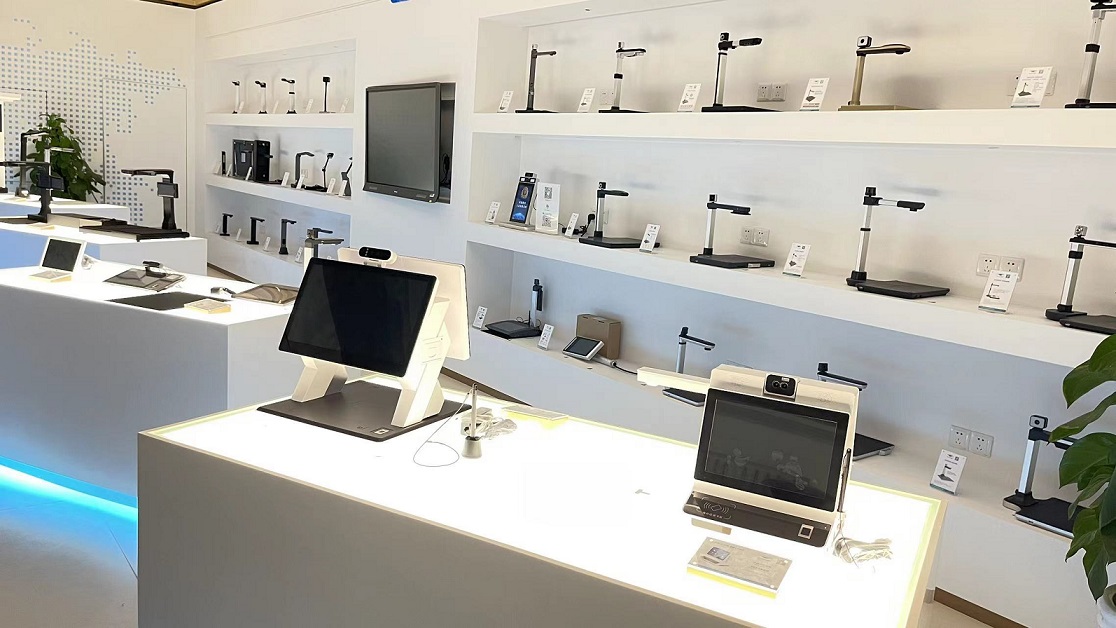
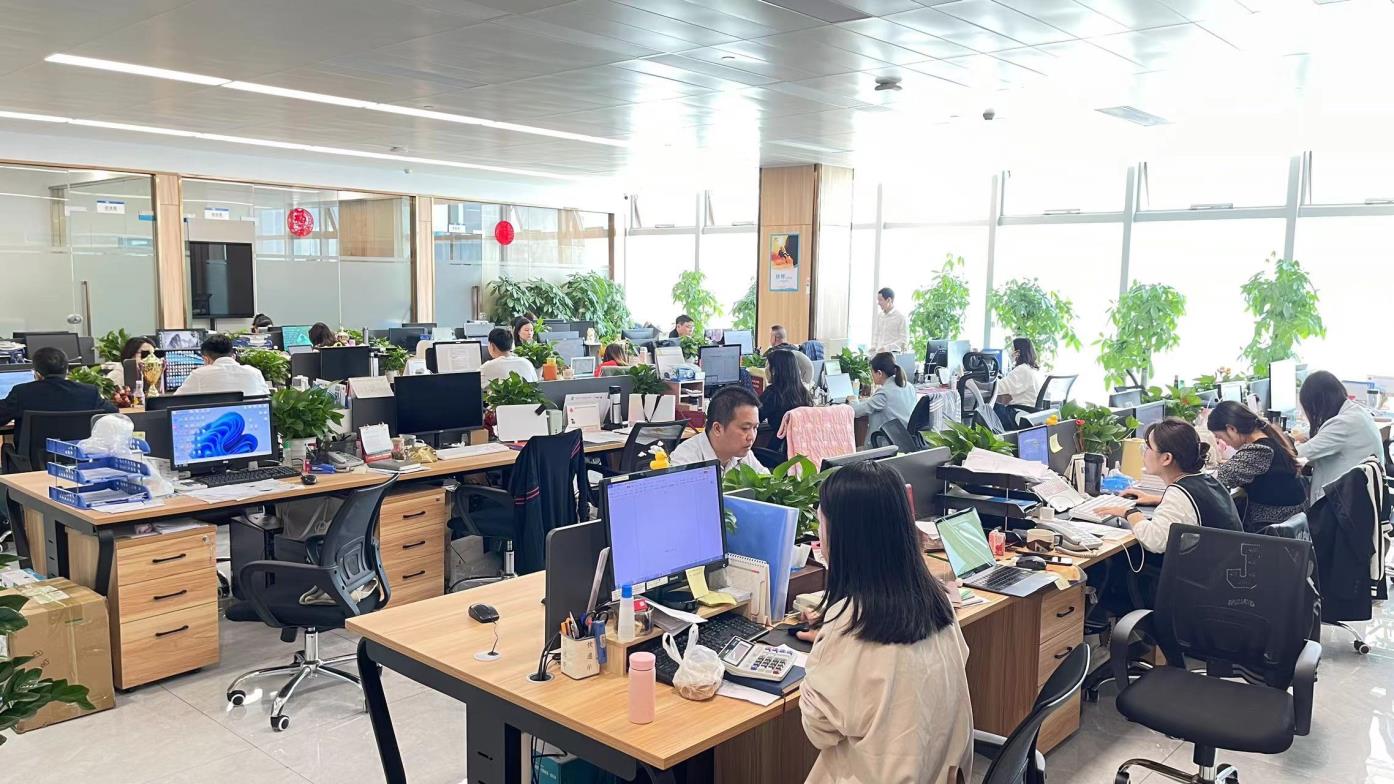
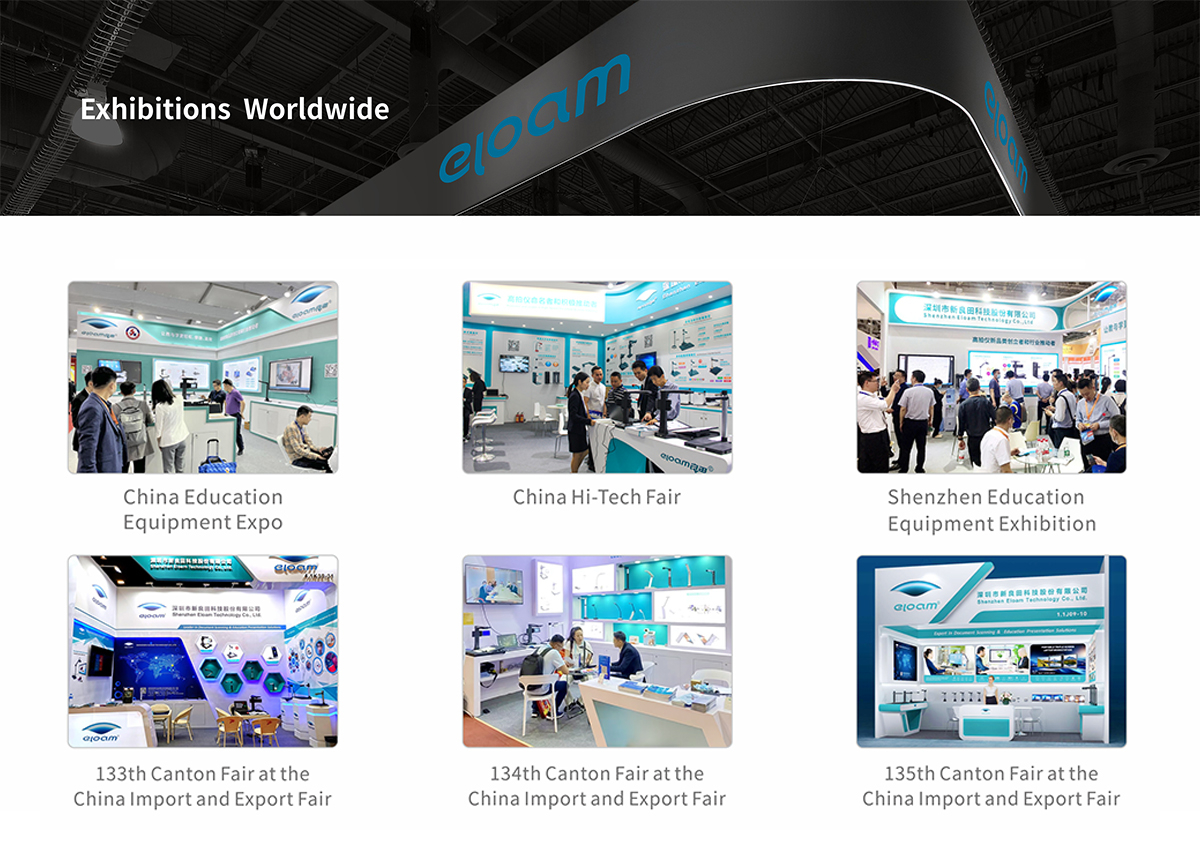
Shenzhen Hobry Technology Co., Ltd. is a manufacturer and exporter with an integrated trading function, not a pure trading company. Founded in 2005, the company has grown around digital imaging technology and now serves offices, schools, banks, governments, libraries, and B2B partners with document scanners, book scanners, visualizers, document cameras, and portable monitors.
Factory-based production
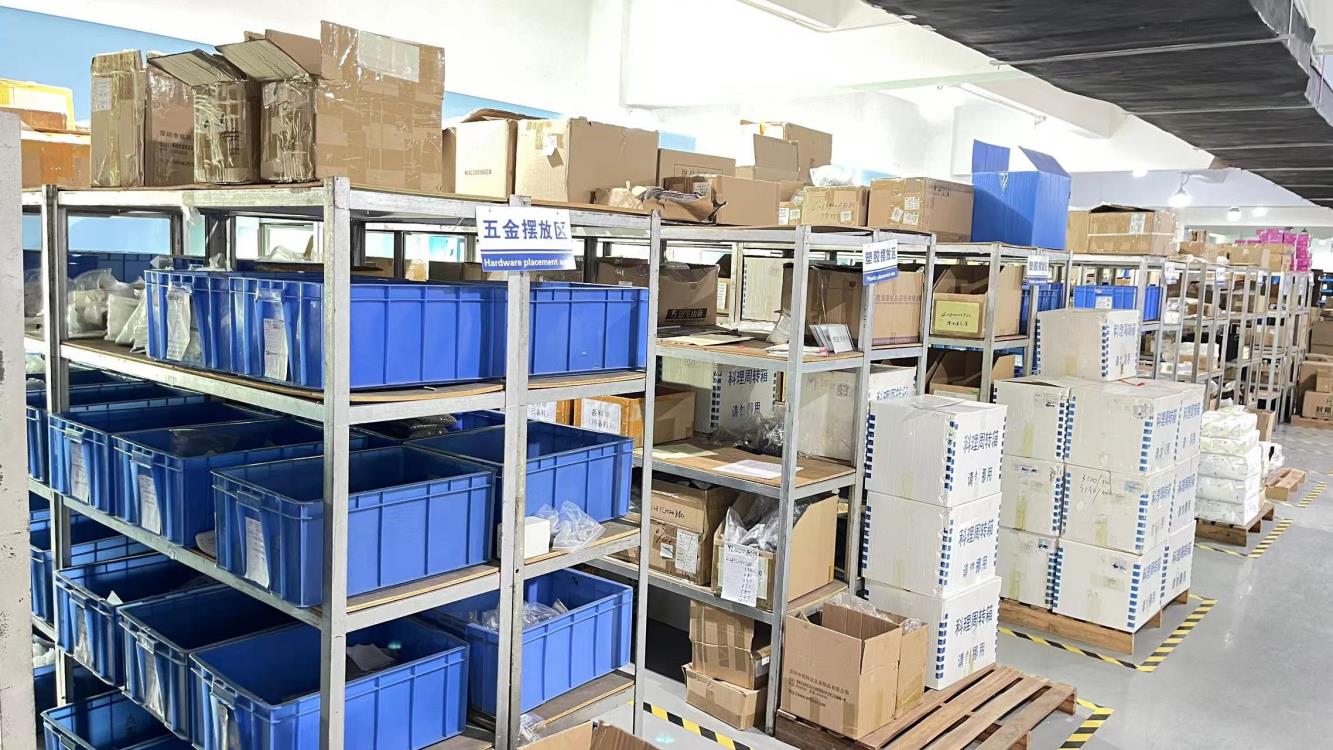
8 production lines, a factory area of 5,000–10,000 m², and 101–200 employees support repeatable assembly and quality control. Onsite verification by Intertek gives buyers a third-party reference point for factory assessment.
R&D and software ownership
The company controls industrial design, optics and firmware R&D, software development, manufacturing, and global sales. Software copyright registrations and National High-Tech Enterprise status support the claim that customization can go beyond logo printing.
OEM/ODM and buyer-label service
OEM, ODM, design service, and buyer-label service are available. Customization can include logo printing, packaging, housing color, firmware, software, and SDK access on selected models, helping distributors build a local product identity.
Quality and compliance evidence
ISO 9001 quality management, CE product certification, FCC availability on selected models, software copyrights, and a standard 1-year warranty give procurement teams concrete documents to review before tender submission or distributor appointment.
From Classroom Requirement to Repeatable Production
For distributor and project buyers, the most valuable supplier is one that can convert an application requirement into a stable product configuration. This is where in-house engineering and factory coordination reduce uncertainty.
Requirement review
Define scan area, resolution, target price, operating system, interface, OCR language, software needs, certification requirements, and deployment quantity.
Design and engineering
Review housing, logo, packaging, firmware settings, software UI, and SDK requirements. Customization level determines sample timeline and bulk MOQ.
Sample approval
Most models can be supplied as single-unit samples for evaluation. Test image quality, software stability, teacher setup, and packaging before approving mass production.
Production and delivery
Mass production follows incoming, in-process, and finished-product QC. Accepted terms include T/T, L/C, PayPal, and Western Union in USD, with FOB, CFR, CIF, or EXW delivery options.
Common Questions From School Document Camera Buyers
These answers reflect the supplier information and product profile provided for this guide. Buyers should confirm the final configuration, certifications, and commercial terms in the quotation.
Is Hobry a manufacturer or a trading company?
Do you offer OEM and ODM for document cameras and scanners?
Which OCR languages and operating systems are supported?
Can I order samples before placing a bulk order?
Which payment and delivery terms are accepted?
What certifications, warranty, and quality evidence are available?
Planning a School Document Camera Project?
Share your scan area, classroom quantity, target market, software requirements, and certification needs. A manufacturer with in-house R&D and 8 production lines can recommend a model, confirm sample availability, and prepare an OEM/ODM quotation.