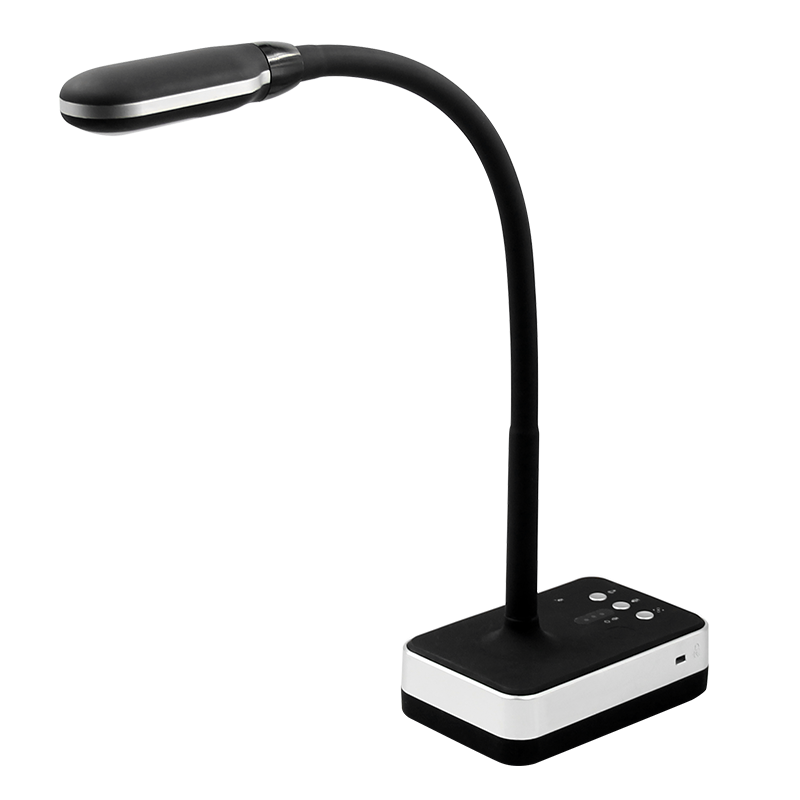
ELOAM VH802A3AF 8MP A3 Document Camera & OCR Scanner
- 8MP
- A3
- USB
- OCR
A fixed-arm A3 visualizer for teller counters, admission desks and any station that digitizes IDs, forms and single-page documents dozens of times per shift.
View specificationsEvery model below is CE marked and available as a single-unit sample for evaluation. Specification sheets are linked directly — bring your scan area, OCR language list and integration requirements to the RFQ and our engineers will cross-check them against the firmware roadmap.
A fixed-arm A3 visualizer for teller counters, admission desks and any station that digitizes IDs, forms and single-page documents dozens of times per shift.
View specifications
The dual-link model: USB for fixed counter use, wireless for roaming book capture. The compact A4 footprint suits branches where desk space is at a premium.
View specifications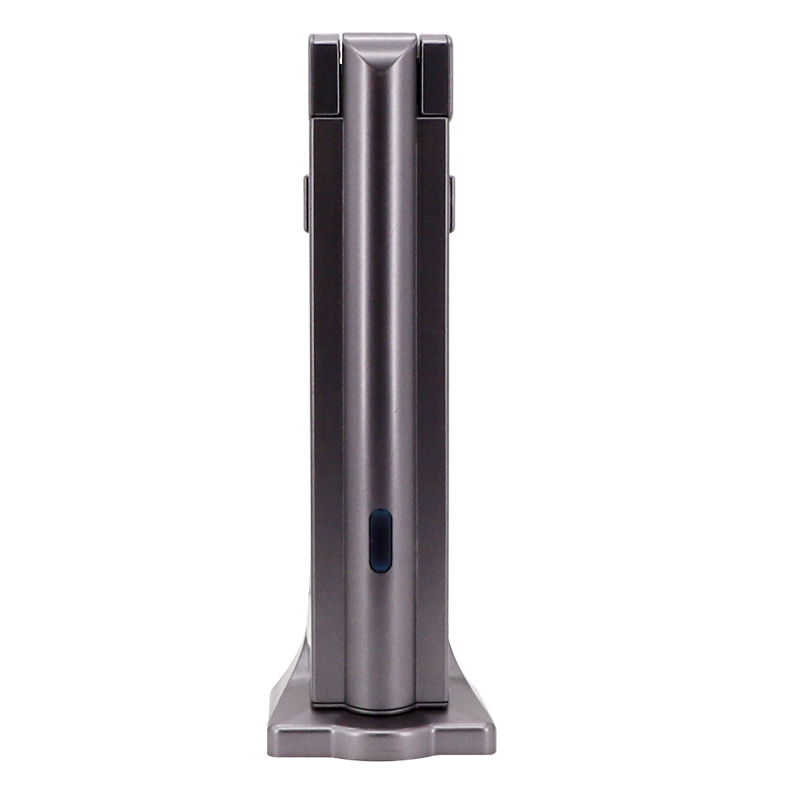
One-second capture with automatic continuous scanning. The autofocus lens holds focus across the full A3 plane, which matters when bound materials present uneven surfaces.
View specifications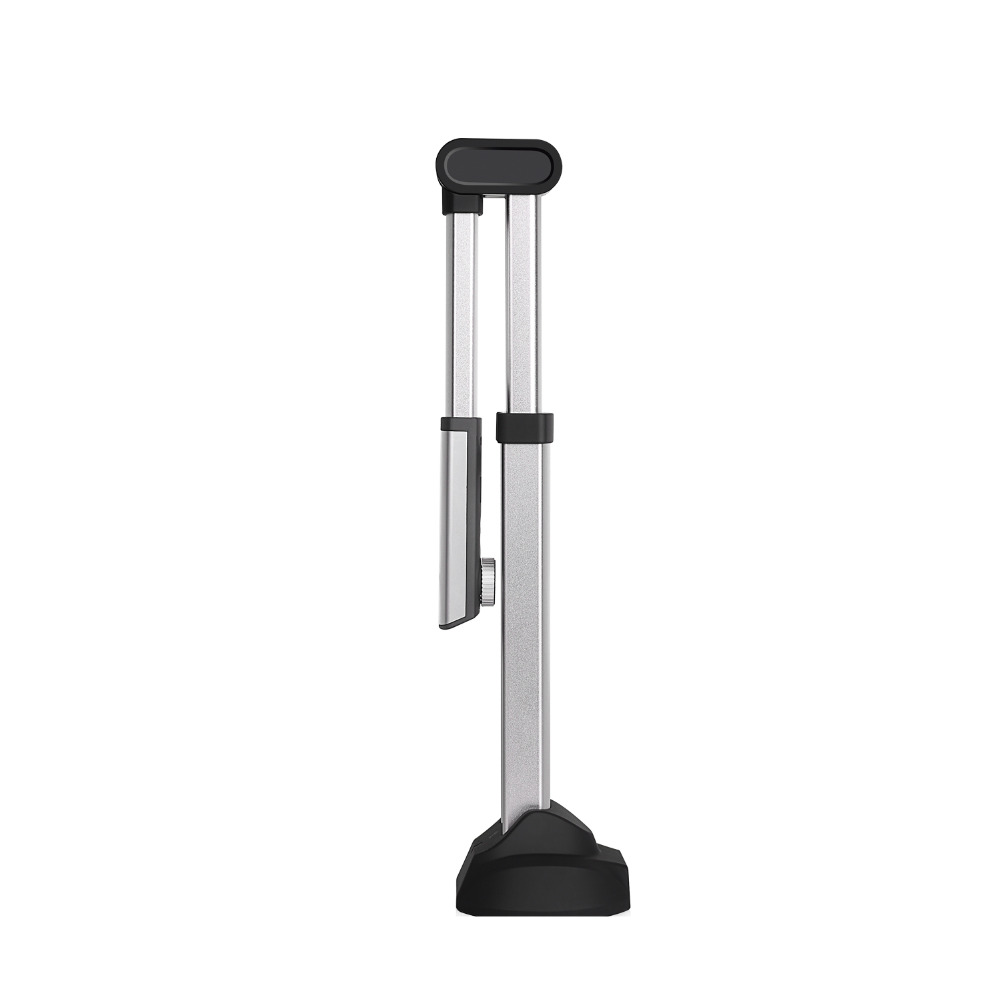
3264 × 2448 CMOS capture with natural-light LED illumination and 180-language OCR — an A2/A3 workhorse for drawings, maps and double-page spreads.
View specifications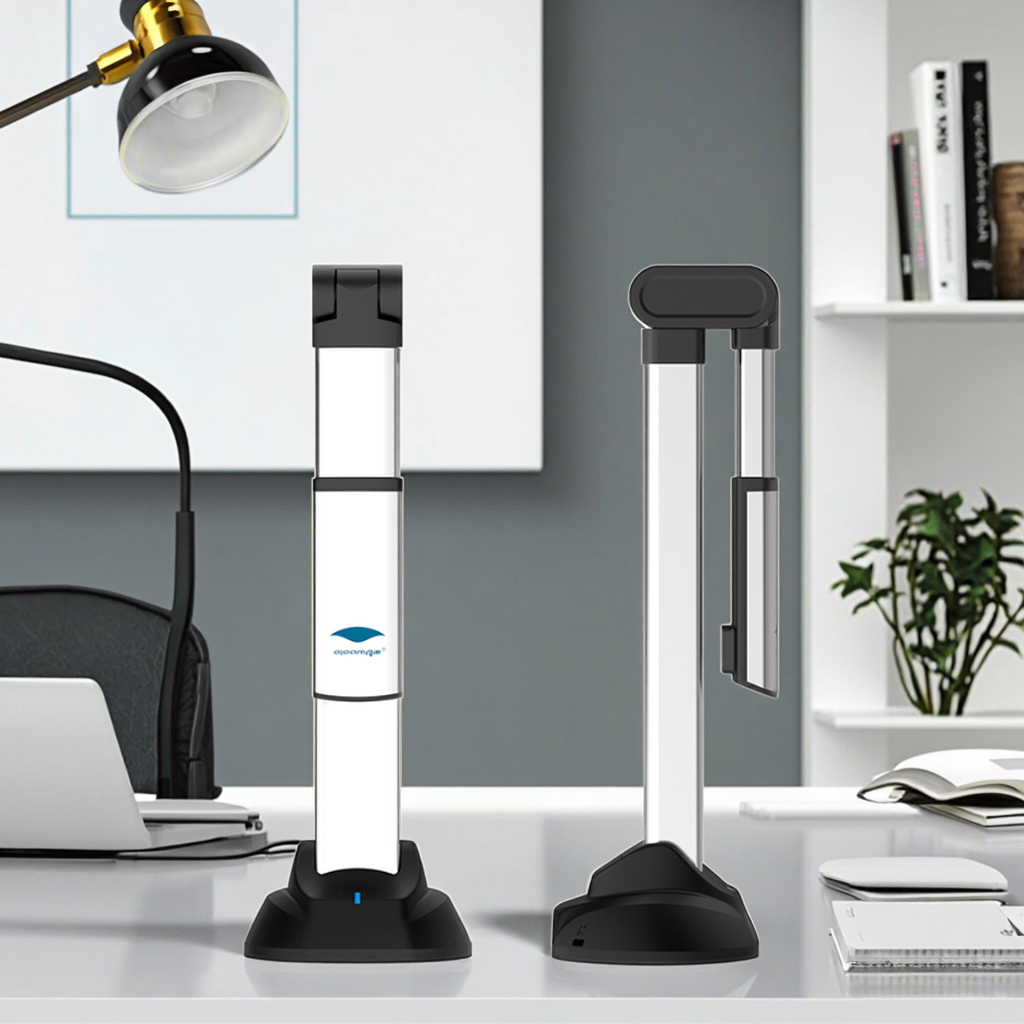
5184 × 3456 resolution across an A2 capture area. The extra pixel budget pays off when end users need to zoom into fine print on engineering drawings without re-scanning.
View specifications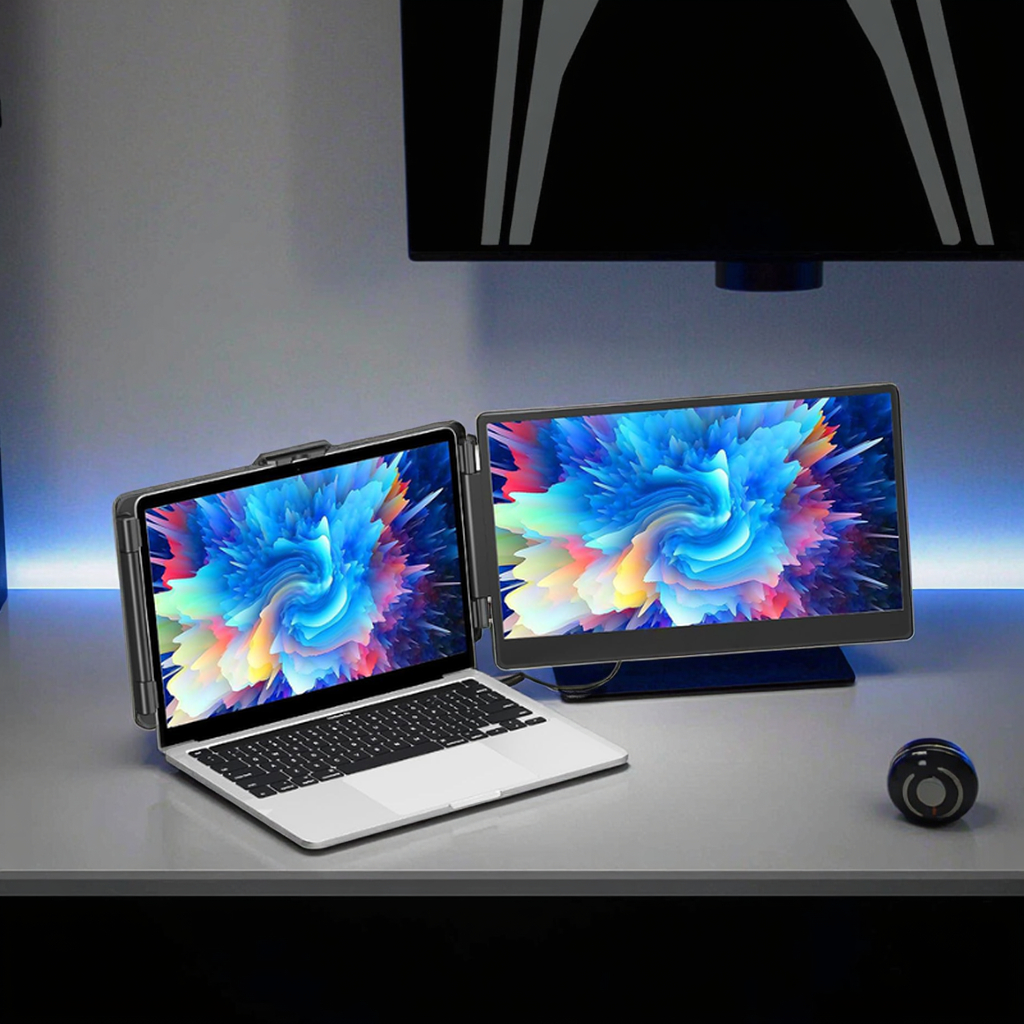
A Type-C plug-and-play second screen for field teams that review scans on site. Native 1080p IPS panel, no drivers and no dock required on Windows or Mac.
View specifications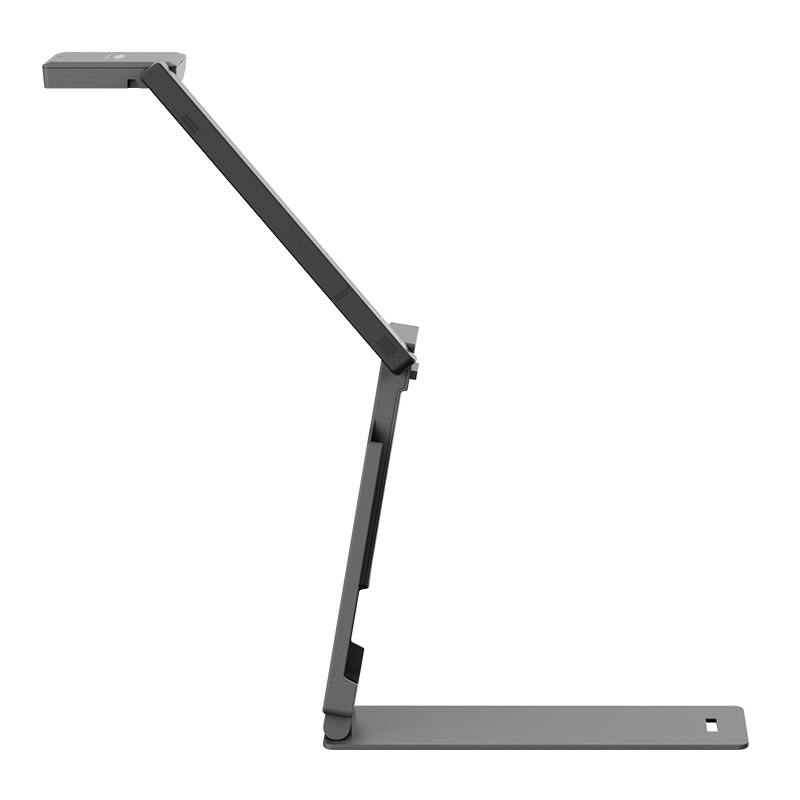
13MP Ultra HD capture with an A3 working area and USB interface, engineered for lecture halls and live remote teaching where the image must stay sharp on a projector.
View specifications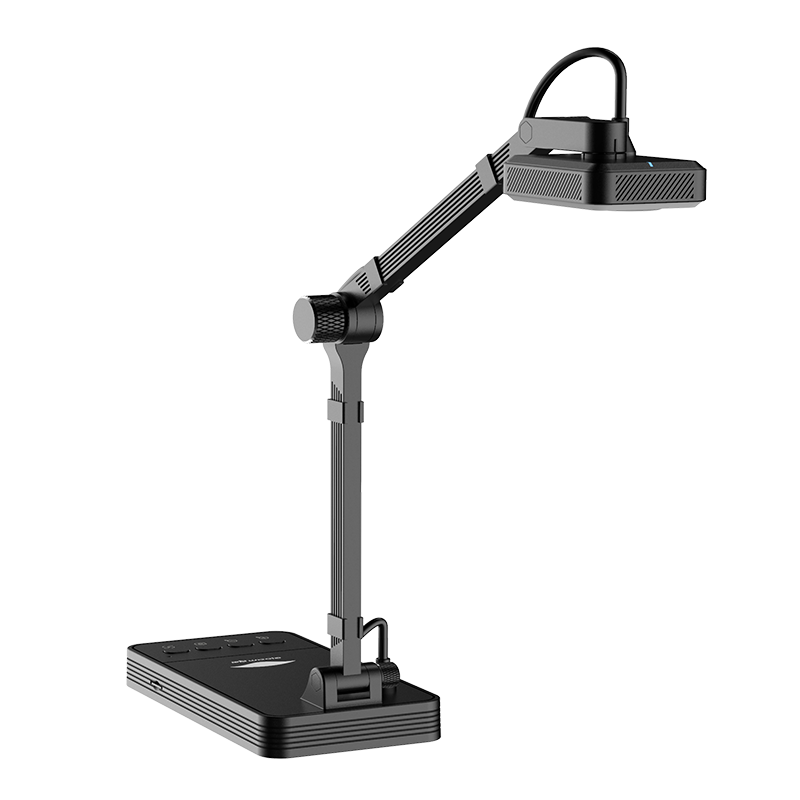
A 10MP A3 presenter with wireless and USB links for teachers. The camera moves around the room without re-cabling — built for distance learning and video calling.
View specificationsQueries that pair a compliance mark with a product category are rarely typed by casual shoppers. In our work with distributors, system integrators and institutional buyers across North America, Southeast Asia, Southern Europe and the Middle East, this search pattern almost always comes from a procurement officer, category manager or technical buyer who already knows what an overhead scanner does and now needs to establish which factories can supply one legally, consistently and at scale.
Knowing which layer a page answers is the difference between content that ranks and content that converts. A manufacturer page that only lists specifications addresses the second layer and ignores the first and third — which is exactly why so many otherwise good product pages underperform in B2B sourcing queries.
Here is the detail most sourcing pages omit: CE marking is not a certificate issued by a third party. It is the manufacturer’s own declaration that the product meets the applicable EU legislation, backed by a technical file that must be available to market-surveillance authorities.
The sticker on the housing proves very little. The documents that matter are the signed EU Declaration of Conformity, the underlying EMC and safety test reports from an accredited laboratory, and a clear cross-reference between the tested model number and the unit on your purchase order. A factory that cannot produce this file within two working days is a compliance risk you inherit the moment your container clears customs.
Two shifts explain the growth. First, the document camera and overhead scanner categories have converged: what was sold as a classroom visualizer ten years ago is now a portable A3 paper scanner with OCR, SDK access and one-second capture. Second, banks, insurers and government service counters adopted overhead capture for passport, ID and form digitization, replacing flatbed units that were slower, bulkier and harder to integrate into counter software.
The result is a buyer profile that is technical, compliance-aware and comparing factories rather than retail listings — precisely the audience this page is written for.
The most common sourcing mistake is starting with price. Portable scanners differ by capture area, focus mechanism, interface and OCR engine — and a mismatch on any one of them turns a cheap unit into an expensive return. Map your workflow to the matrix first, then shortlist.
| Workflow | Capture area | Recommended model | Integration notes |
|---|---|---|---|
| Bank counter & KYC onboarding | A4–A3 | ELOAM VH802A3AF / VW1000AF | USB to teller PC; SDK for core banking; passport and form capture |
| Hybrid K-12 classroom | A3 | ELOAM YL1050 | Wi-Fi + USB; 10MP; distance learning and video calling |
| University lecture capture | A3 | ELOAM VE1300A3AF | 13MP Ultra HD; portable across multi-room teaching |
| Engineering drawings & site plans | A2 | Eloam S1800A2 16MP | USB 2.0; 3264×2448 CMOS; natural-light LED |
| Large-format archive digitization | A2 | Eloam A2 Auto-Focus 18MP | 5184×3456 resolution; LED light source |
| Front-desk continuous scanning | A3 | ELOAM Auto-Focus A3 10MP | 1-second capture; automatic continuous scan; Windows 10/11 |
| Field teams & mobile scan review | 14" display | 14-Inch Portable IPS Monitor | Type-C plug & play; 1920×1080; Windows & Mac |
Specifications reflect current listings. Confirm the final configuration, bundled OCR engine and operating-system support per model with our sales engineers before issuing a PO.
Buyer behavior has changed faster than the hardware. Scanners are now evaluated as software-enabled assets with a compliance file, not as boxed peripherals. Five trends are visible across the RFQs we receive.
Three-year TCO now includes freight, failure rate, spare-part cost and OCR licensing. A scanner that is 15% cheaper but fails twice inside warranty is not cheaper.
Buyer action: request RMA rates and spare-part lead times during the RFQ.CE documentation is requested before commercial terms are discussed. Serious buyers ask for the DoC, test reports and a model-to-report cross-reference.
Buyer action: make change-notification a contract clause.Distribution pilots start at 50–200 units rather than container loads. Consistent quality at low volume is now a buying criterion, not a favor.
Buyer action: test one unit against your own document set before scaling.Banks and insurers embed capture into their own apps. An SDK with documented calls and firmware update support is part of the product, not an add-on.
Buyer action: demand a sample SDK before the purchase order.Plastic-free cartons, recycled content and low standby power now appear in public tenders. Packaging choices can affect bid eligibility.
Buyer action: confirm carton specifications during quotation.Hardware cycles in this category run three to four years, but the direction of travel is already visible in firmware roadmaps and customer requirements. Buyers planning multi-year tenders should weigh these six directions when selecting a platform.
OCR is commoditized; layout understanding is not. Engines that detect tables, columns and handwriting without a connected PC will define the next hardware cycle.
Wi-Fi 6 links, battery operation and direct-to-cloud upload remove the last cable from the classroom, the book cradle and the service counter.
18MP is becoming the mid-range for A2 capture, while 4K live video replaces 1080p on teaching visualizers as projectors and displays catch up.
UVC removes driver installation and OS friction. For distributors, driverless models reduce support tickets and shorten deployment at customer sites.
Feature sets move from hardware switches to firmware profiles: scan presets, export rules and OCR language packs can be provisioned per customer.
Clip-on LED panels, interchangeable arms and desk stands let one platform serve banking, education and archive channels with minimal SKU sprawl.
Shenzhen Hobry Technology Co., Ltd. has designed and manufactured document scanners, book scanners, document cameras and portable monitors since 2005 — with the engineering, tooling and quality functions kept in-house.
Founded in 2005, Hobry began in digital video technology and grew into a specialist in high-speed portable document scanners and document cameras. That history matters to buyers for one reason: we control the full cycle — industrial design, optics, firmware, software, manufacturing and global sales — instead of assembling modules sourced from third parties.
The company operates 8 production lines in a 5,000–10,000 m² facility in Nanwan, Shenzhen, with 101–200 employees. The factory has been verified onsite by Intertek, which confirmed production capability, quality control and legal status. Hobry holds ISO 9001 quality management certification, the National High and New Technology Enterprise certificate and software copyright registrations for its capture software — 16 certificates in total.
For OEM and ODM buyers, the practical difference is depth of customization: logo printing, custom packaging, housing color, firmware modification, software UI rebranding and SDK access on selected models. Customization is performed by the same engineering team that designs the standard products, so every change is engineered rather than relabeled.
Export terms are standard for B2B: payment by T/T, L/C, PayPal or Western Union in USD; delivery on FOB, CFR, CIF or EXW terms; a one-year standard warranty. Main markets are North America, Southeast Asia, Southern Europe and the Middle East, supported through five international exhibitions and an established distributor network.
Supplier qualification should produce evidence, not impressions. This is the sequence our own engineers recommend when a distributor evaluates a new factory — regardless of who the factory claims to be.
Ask for the Declaration of Conformity, the test reports and the model cross-reference. Check that the document is issued by the actual manufacturer, not by a trading company reusing a supplier’s paperwork.
Sensor, lens and image-signal-processor choices determine image quality more than megapixel counts. Ask which sensor is used, whether the lens is glass or plastic, and how focus is calibrated on the line.
Send five real documents from your market — a form, a passport page, a book spread, a handwritten note and a faded invoice — then measure recognition accuracy, layout retention and export formats.
Ask how security patches and feature updates are delivered, whether updates are free, and what happens to units already in the field when a bug is found after shipment.
Confirm that the OCR engine license transfers with the hardware and covers your sales territory. Regional licensing restrictions are one of the most common hidden costs in this category.
Incoming inspection, in-process checks and finished-product testing should be documented. Ask for the AQL level used on final inspection and for a recent inspection report from a third party.
Confirm warranty length, RMA procedure, spare-part availability window (ideally five years) and whether technical support is delivered in English within a defined response time. A factory that answers all seven points with documents is ready for a sample order. A factory that answers with adjectives is not.
In practice, yes — the market uses “CE certified” loosely. Legally, CE marking is a manufacturer’s self-declaration of conformity with the applicable EU directives. The documents that prove it are the EU Declaration of Conformity and the supporting test reports. Ask for both, and check that the tested model matches the unit you are buying.
The hardware is similar — an overhead camera on a stand — but the use case differs. A portable scanner is optimized for capturing flat documents into OCR-ready files. A document camera (visualizer) is optimized for live video: teaching, demonstrations and video calls. Many models, including the VW1000AF and YL1050, work as both.
A4 covers counter and KYC workflows. A3 covers books, contracts and double-page spreads and is the most versatile single SKU for education and office channels. A2 serves engineering drawings, maps and large-format archives, and usually justifies a special order rather than warehouse stock.
Yes. Most models are available as single-unit samples for evaluation. Bulk MOQ depends on the model and the level of customization, and is confirmed in your quotation.
Logo printing, custom packaging, housing color, firmware modification and software UI rebranding are available, with SDK access on selected models for system integration. Customization is engineered in-house by the same team that designs the standard products.
Payment by T/T, L/C, PayPal or Western Union in USD. Delivery on FOB, CFR, CIF or EXW terms.
Products are CE marked, with FCC available on selected models. The company holds ISO 9001 quality management certification, National High-Tech Enterprise status and software copyright registrations. Standard warranty is one year.
The OCR engine bundled with each model is licensed for the territory confirmed at order stage. Buyers reselling into multiple regions should confirm coverage in writing before the purchase order, especially where bundled third-party engines carry regional restrictions.
Share your scan area, OCR language list, target market and estimated annual volume. Our engineering team will recommend a configuration, confirm the CE documentation package and quote a sample within two working days.
Contact Us