CE Certified Portable Document Scanner Exporter & Wholesalers
A procurement-grade sourcing guide for importers, distributors, tender buyers and private-label programs comparing A2, A3 and A4 portable document scanners, book-friendly visualizers and OCR document cameras.
Eight Portable Document Scanner & Visualizer Models for Wholesale Evaluation
Use this shortlist to compare scan area, camera resolution, interface and application fit. The product links are preserved from the supplied catalogue, so buyers can review the exact model pages before requesting samples, pricing and SKU-level certification documents.
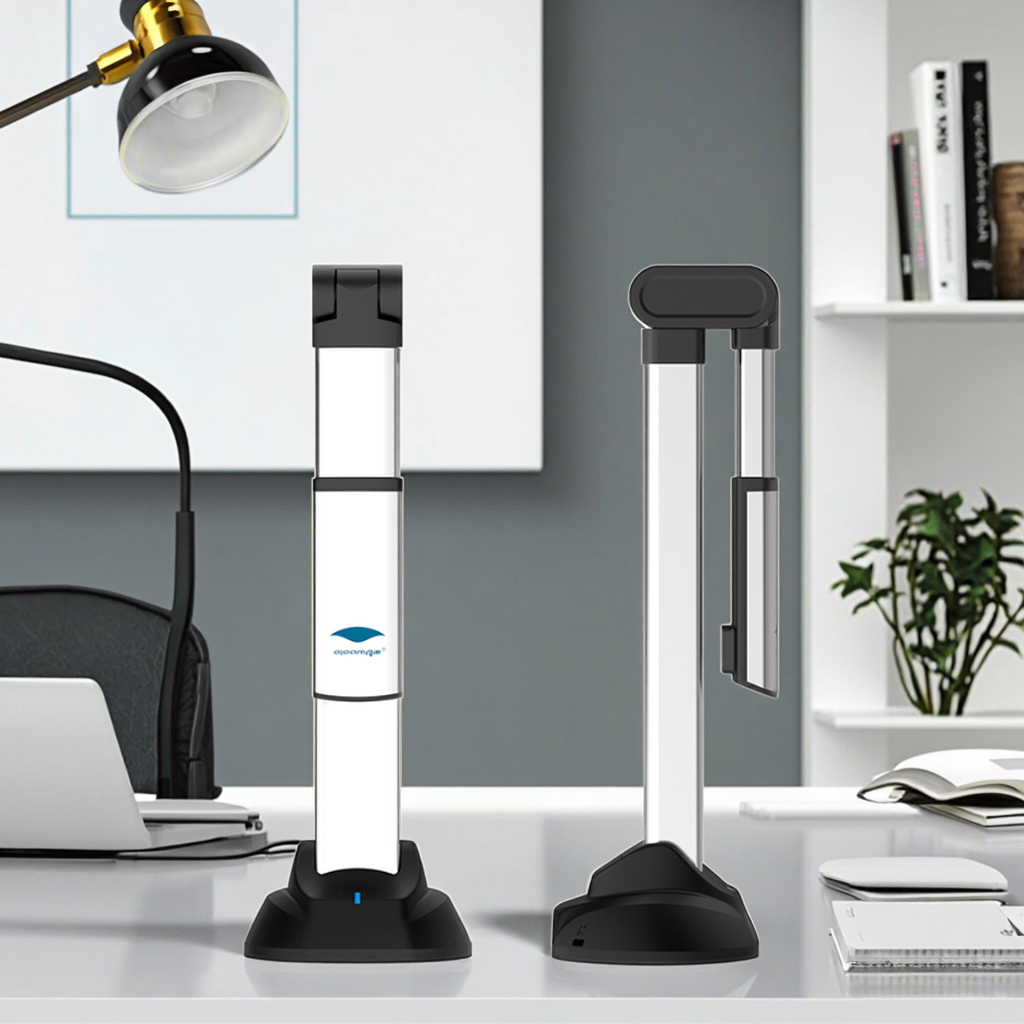
Eloam A2 Auto Focus Large Format Document Scanner 18 MP CMOS 5184x3456 USB LED Light Source
- 5184×3456
- Auto focus
- USB + LED
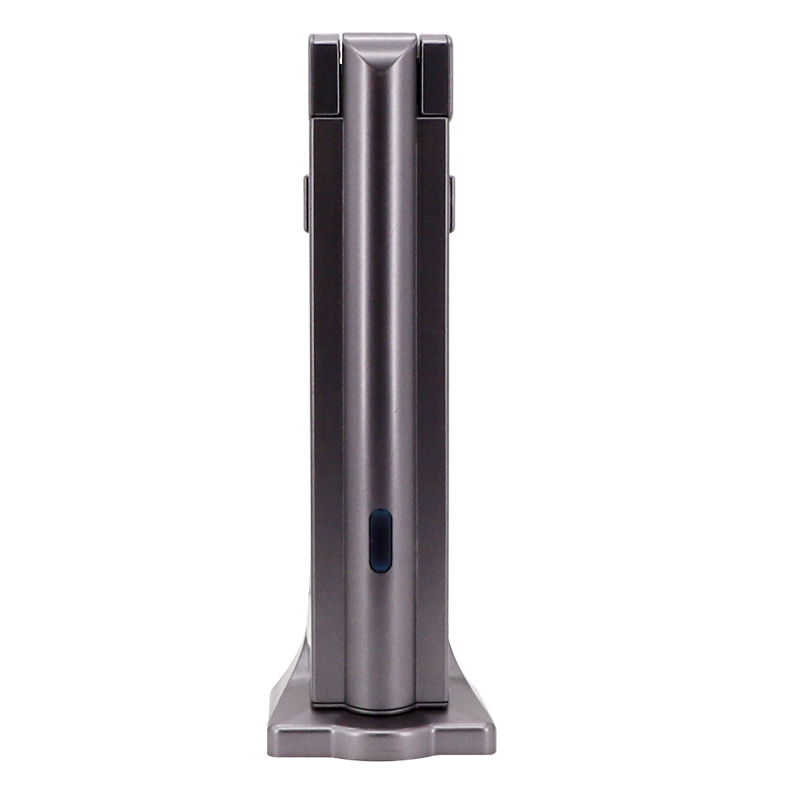
ELOAM Auto-Focus A3 10MP Portable Document Scanner USB Interface 1S Scan Speed Automatic Continuous Scanning Windows 10/11
- 10MP
- A3
- 1s scan
- Windows 10/11
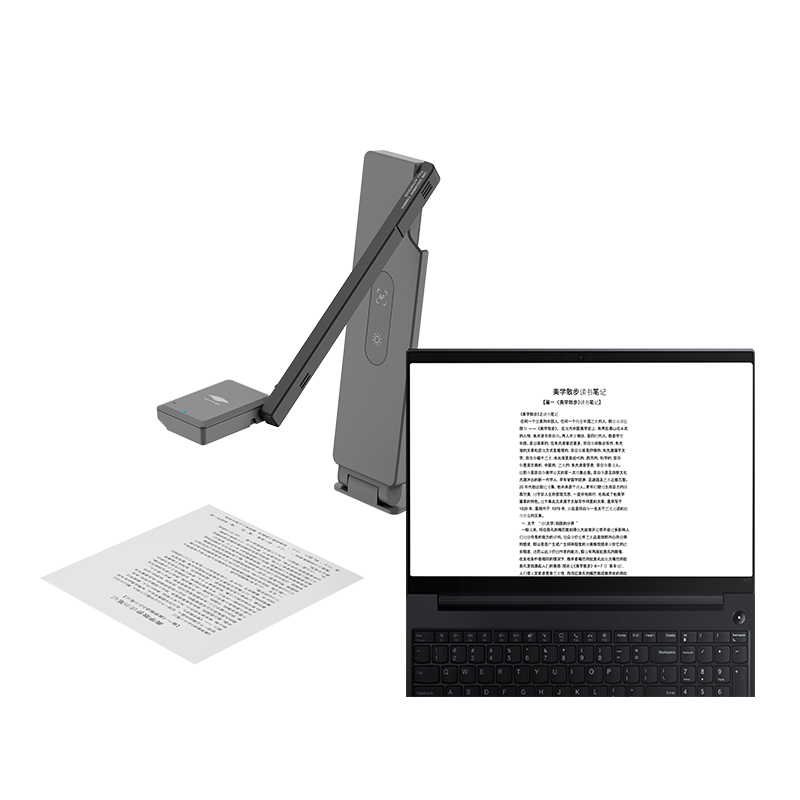
ELOAM High Resolution A3 Portable Document Scanner & Camera 3-in-1 | USB Type-C Plug Play Teaching Office Conference Use Stock
- A3
- 3-in-1
- USB Type-C
- In stock
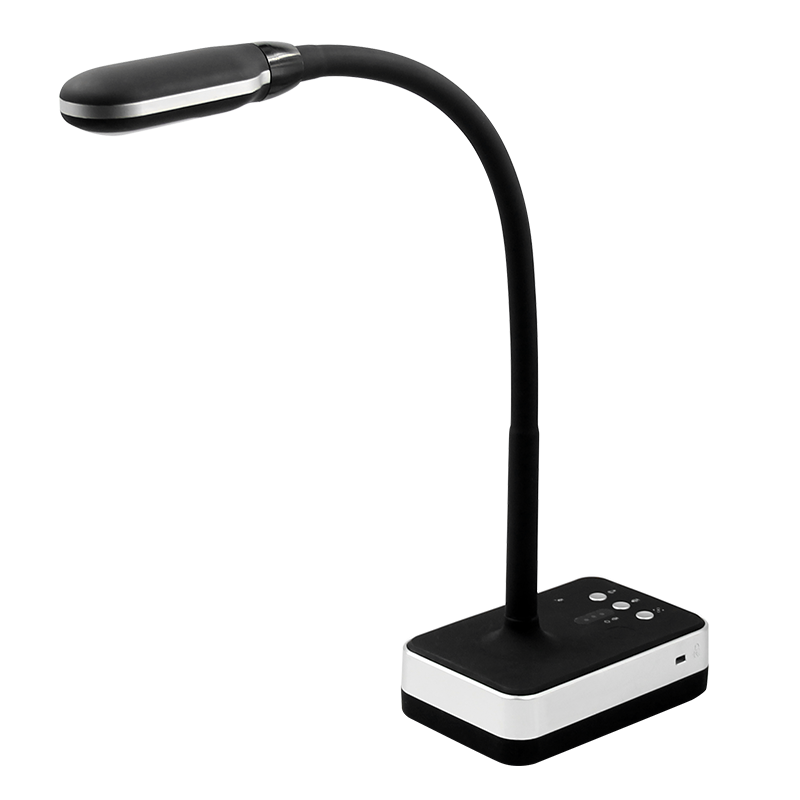


ELOAM VW1000AF USB/Wireless High Speed OCR Scanner Portable Document Scanner A4 Book Scanner Document Camera in Stock
- USB/Wireless
- A4
- OCR
- Book scanner
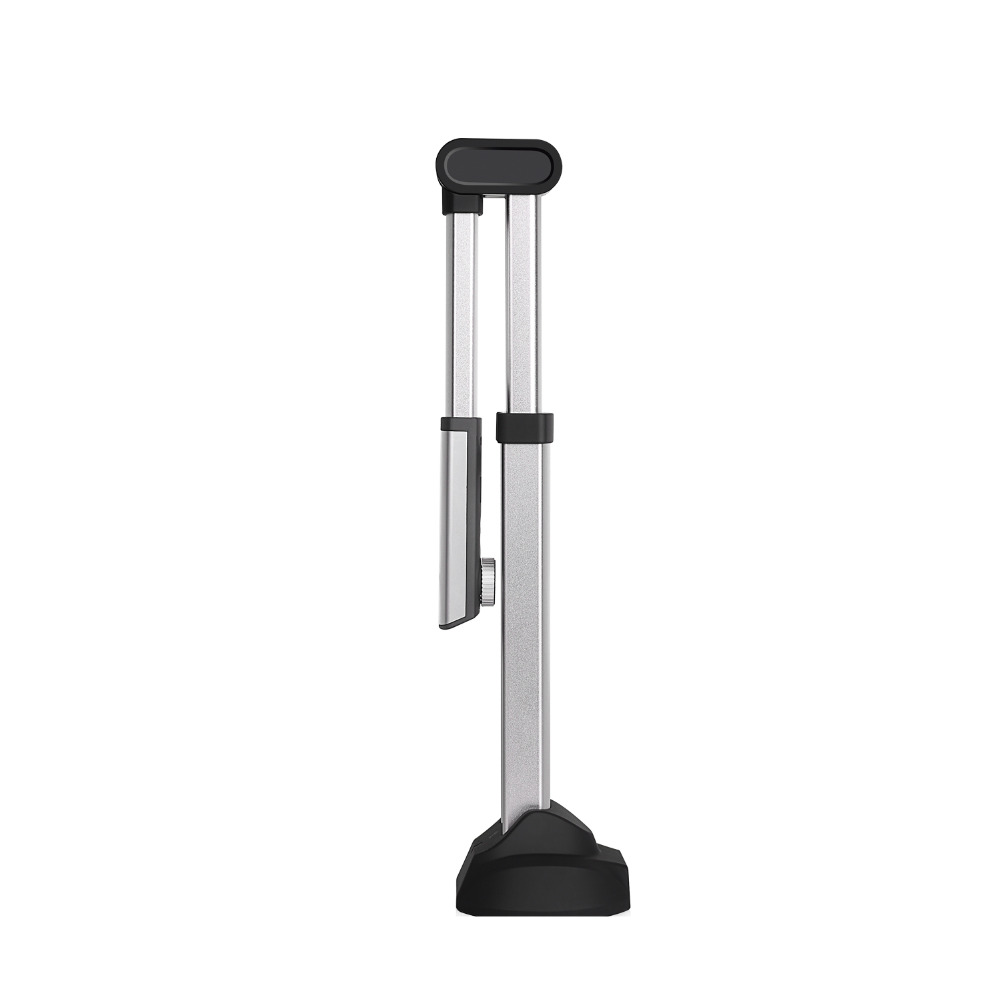
Eloam S1800A2 16MP USB 2.0 Document Camera A2 A3 Scanner 3264 x 2448 CMOS 180 Language OCR Natural Light LED
- 16MP
- A2/A3
- 180-language OCR
- USB 2.0
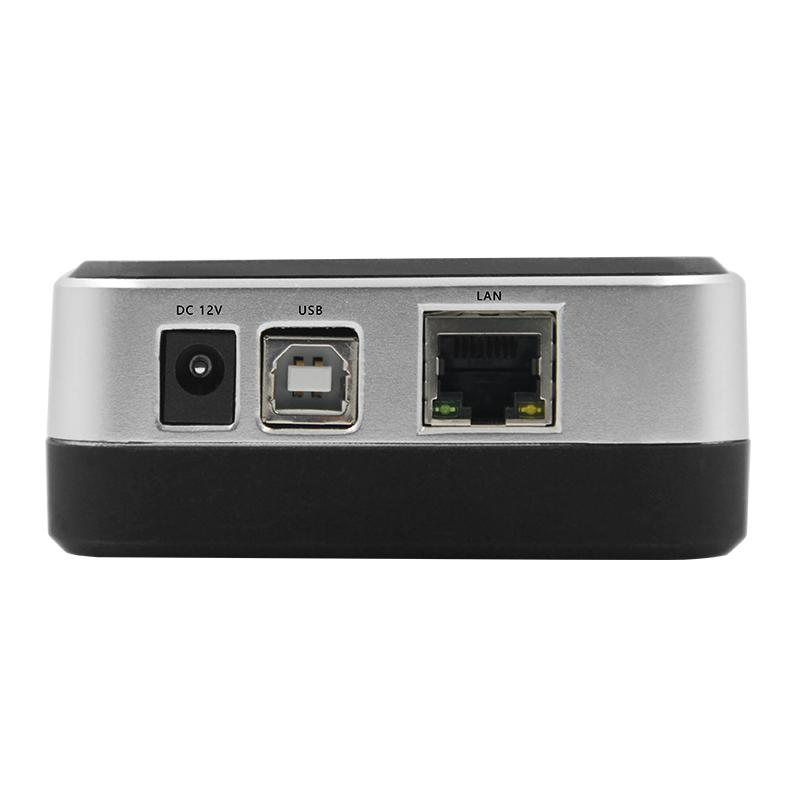
ELOAM VH800A3AF 8MP New Arrival High Speed Fast 1S Flatten Book A3 Portable USB Document Scanner in Stock
- 8MP
- A3
- 1s scan
- Book flatten
Product availability, certification scope, accessories and packaging are confirmed per order. For buyer-label programs, request the current SKU list, CE declaration, test report, label artwork and sample schedule before issuing a purchase order.
Verified Capacity Behind the CE Certified Portable Document Scanner Exporter Claim
Buyers evaluating a wholesale partner need evidence that the factory, quality system and product documentation can survive onboarding, tenders and repeat orders. The figures below are based on the company profile and third-party verification content supplied by Shenzhen Hobry Technology Co., Ltd.
What Buyers Really Mean When They Search for CE Certified Portable Scanner Exporters
A distributor searching for a CE certified portable document scanner exporter is usually not asking what a scanner is. The buyer is de-risking a supply decision: can this product enter the target market, will it fit the end-user workflow, and can the supplier support repeat orders, tenders and private-label programs?
Compliance Intent
Buyers need CE documentation, accurate label artwork, ISO 9001 evidence, warranty terms and, where applicable, FCC information for selected models. A supplier that treats documents as an afterthought creates customs, tender and retail-listing risk.
Application Fit
Portable overhead scanners are excellent for bound books, passports, invoices, drawings, classroom demonstrations and counter capture. They are not a substitute for every ADF workflow, so honest application matching is more valuable than a long feature list.
Commercial Resilience
Wholesalers compare MOQ, sample speed, lead time, packaging, payment terms, after-sales support and OEM/ODM flexibility. A low unit price can be expensive if documentation, samples or replacement units delay a tender or retail rollout.
Information gain: this guide goes beyond a model list. It combines compliance evidence, application mapping, factory data and commercial terms so buyers can shorten sample cycles, prepare tender files and avoid costly mismatches between a low-cost camera and a true document workflow.
Recommended Portable Document Scanners by Buyer Intent
The right first stock mix depends on who the end user is. The four recommendations below map common procurement intents to specific models in the supplied product range.
Eloam A2 Auto Focus 18MP
Recommended for maps, construction drawings, manufacturing documents and oversized records. The 5184×3456 CMOS sensor and A2 capture area help distributors serve specialist archival and engineering accounts.
Review A2 modelELOAM Auto-Focus A3 10MP
A practical A3 portable scanner for offices, schools and service counters. USB interface, 1-second scan speed and continuous scanning support repetitive document capture without a fixed flatbed footprint.
Review A3 modelELOAM VW1000AF
Useful for mobile demonstrations, book scanning and A4 document workflows where USB and wireless flexibility are valued. OCR support helps buyers position the model for searchable PDF archives.
Review VW1000AFELOAM S1000C
A compact A4 document camera scanner for banking, government counters, clinics and schools. 10MP resolution, multi-language OCR, Android and Windows compatibility make it easy to position for counter digitization.
Review S1000CProcurement Trends: What Wholesalers Should Plan For
Demand for portable document scanners is shifting from simple hardware purchases to supported solutions. Buyers are asking more precise questions about compliance, software, training, packaging and total cost.
Compliance-First Sourcing
European and regulated buyers increasingly ask for SKU-level CE declarations, labels and test documents before placing volume orders. Manufacturers with ISO 9001 and organized documentation have an advantage.
Hybrid Learning & Offices
Schools, training centers and distributed offices continue to add visualizers and portable scanners. USB-C plug-and-play, wireless presentation and 30 FPS live video are becoming mainstream expectations.
OCR & Software Integration
Buyers want more than image capture. OCR in up to 180 languages on selected models, output to PDF, JPEG and TIFF, auto-crop and SDK support help system integrators build repeatable document workflows.
Smaller Initial Orders
Distributors often start with samples or mixed-model trial orders before scaling. In-stock models and clear MOQ logic reduce the risk of carrying the wrong configuration in a new market.
Localization & Private Label
OEM/ODM demand is moving beyond a logo on the housing. Packaging, manual language, software UI and buyer-label presentation matter to distributors building local brand trust.
Total Cost of Ownership
Warranty handling, spare parts, packaging quality and technical support can outweigh a small unit-price difference. A 1-year warranty and factory-backed support are easier to sell through channels.
Product Development Trends: Where Portable Document Scanners Are Heading
Product roadmaps in this category are moving in four clear directions: better optics, simpler connectivity, smarter software and more respectful handling of books and fragile documents.
Higher Resolution and Optical Zoom
A2 and A3 models now support 16MP to 18MP capture, while visualizers are adding optical zoom to keep small print and specimens sharp on large displays. Optical zoom is generally more valuable than digital enlargement alone.
Wireless and USB-C Plug-and-Play
USB Type-C, wireless presentation and cross-device compatibility reduce installation friction. For classrooms and mobile sales teams, a cable-free setup can be a stronger selling point than a marginal resolution increase.
OCR, Auto-Crop and SDK-Ready Workflows
Buyers increasingly evaluate the software layer: OCR language coverage, output formats, automatic cropping, continuous scanning and SDK availability. These features determine whether a scanner becomes part of a searchable archive or remains a camera.
Book-Safe and Low-Carbon Office Design
V-shaped cradles, laser-assisted flattening, natural light plus LED illumination and foldable housings reflect a move toward ergonomic, low-carbon office equipment that protects fragile documents and fits smaller workspaces.
How to Match Scan Area, OCR and Connectivity to the End User
Most supplier pages list megapixels. A distribution buyer also needs to confirm the real workflow: document size, binding, counter traffic, operating system, software integration and certification requirements.
| Use Case | Recommended Model | Max. Scan Area | Key Specs | Why It Fits |
|---|---|---|---|---|
| Bank / KYC counter | S1000C | A4 | 10MP, multi-language OCR, Android/Windows | Compact counter capture for IDs, forms and passports |
| Entry-level office | VH800A3AF | A3 | 8MP, 1-second scan, USB | Fast A3 capture with a practical price-to-performance ratio |
| General archive | VH802A3AF | A3 | 8MP, OCR, USB, in stock | Covers invoices, contracts and office records |
| Engineering / maps | Eloam A2 18MP | A2 | 5184×3456, auto focus, USB, LED | Large-format capture for drawings and oversized documents |
| Bound books / library | VW1000AF | A4 | USB/wireless, OCR, book scanner | Book-friendly capture with flexible connection options |
| Hybrid classroom | A3 3-in-1 | A3 | USB Type-C, teaching/conference use | Plug-and-play visualizer for live lessons and meetings |
| Large-format OCR | S1800A2 | A2/A3 | 16MP, 180-language OCR, USB 2.0 | OCR-ready capture for multi-language archive projects |
| Mobile training / lab | ELOAM A3 10MP | A3 | Auto focus, 1-second scan, continuous scanning | Portable A3 capture for demos and distributed teams |

Why Shenzhen Hobry Is a Lower-Risk Exporter for Scanner Wholesalers
Founded in 2005, Shenzhen Hobry Technology Co., Ltd. is a manufacturer with an integrated export function. The company develops and manufactures high-speed portable document scanners, book scanners, document cameras and portable monitors, with in-house capabilities spanning industrial design, optics and firmware R&D, software, production and global sales.
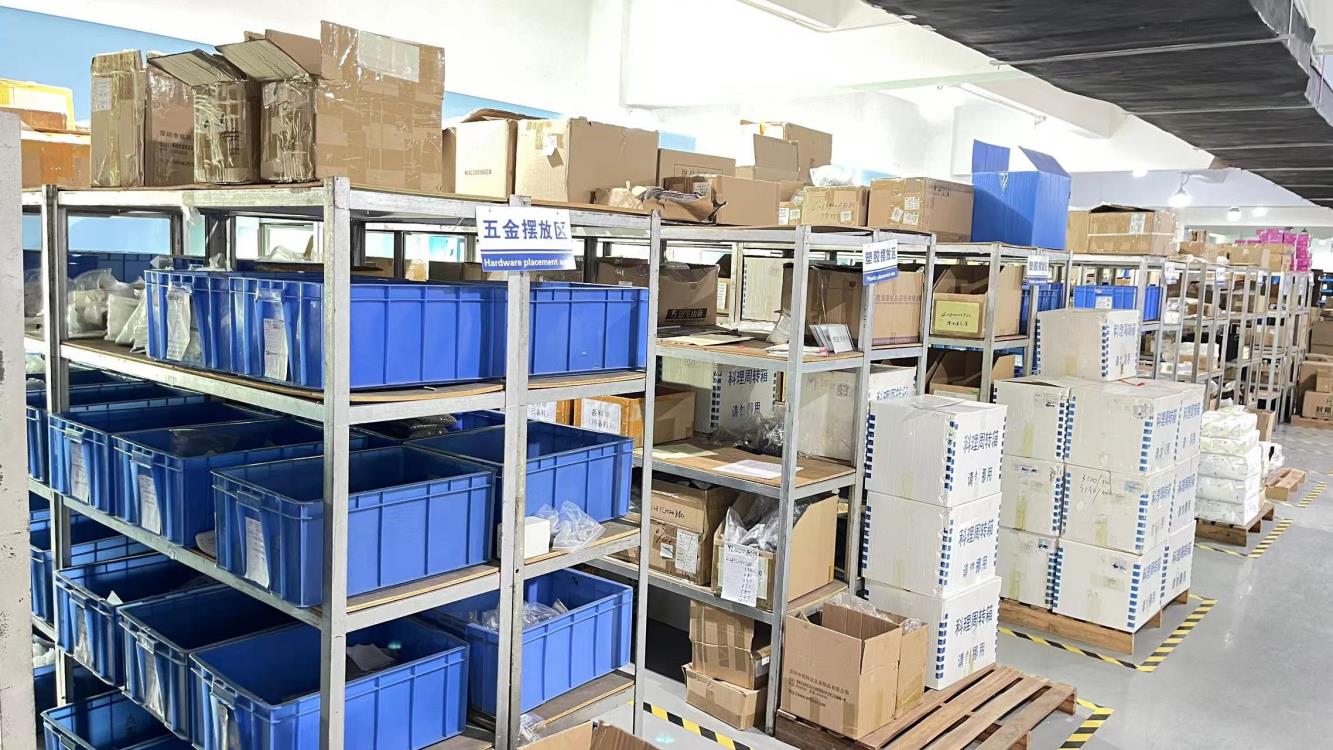
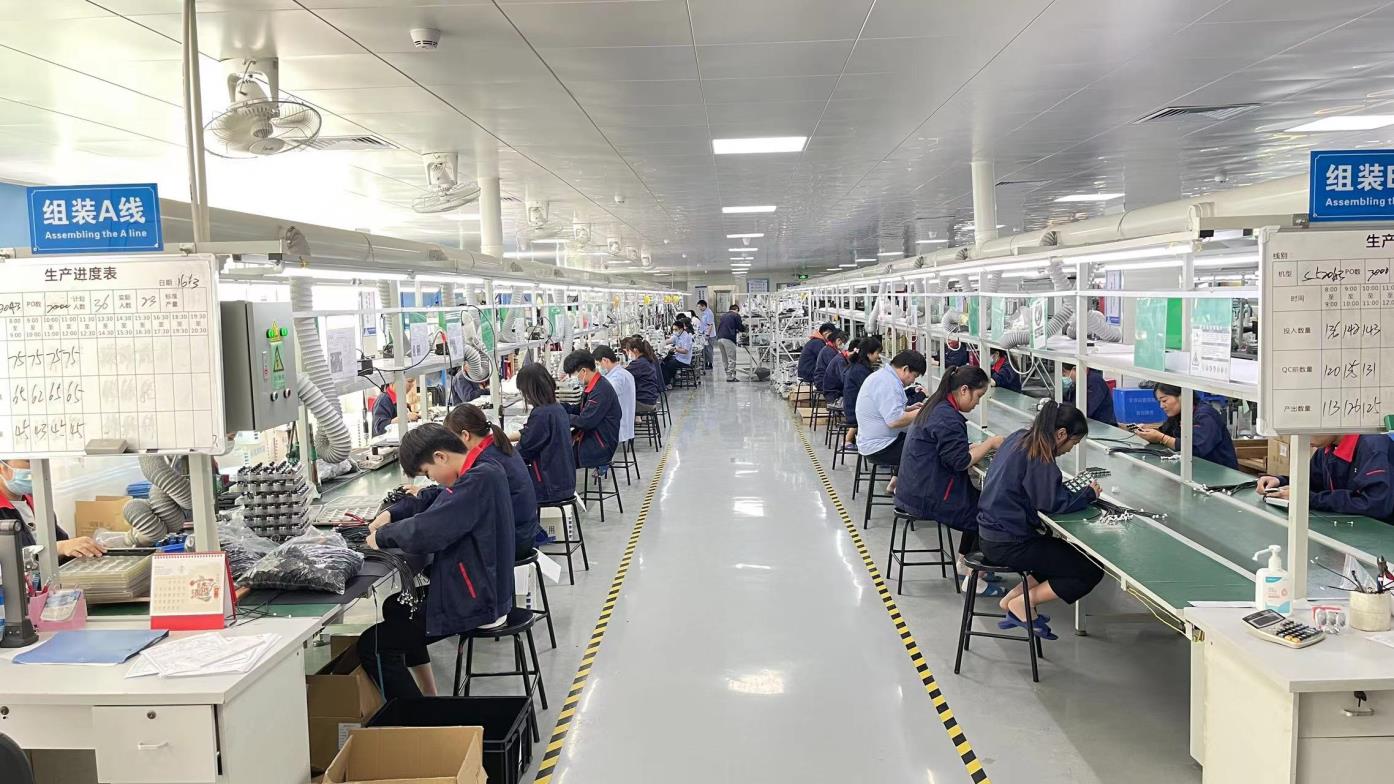
As a National High-Tech Enterprise holding independent intellectual property, software copyrights and patents, Hobry combines ergonomic design with low-carbon office concepts. Its Shenzhen facility operates 8 production lines in a 5,000–10,000 m² factory area, and the factory has been verified onsite by Intertek. Standard warranty is 1 year; OEM, ODM, design service and buyer-label service are available.

Factory Verified Onsite by Intertek
Premises, production capability, quality control and legal status have been inspected onsite by Intertek. Products are CE certified, with FCC available on selected models. The company also holds ISO 9001 quality management certification, National High-Tech Enterprise status and software copyright registrations.
Manufacturer Control
In-house R&D, production and quality control reduce the risk of inconsistent configurations across repeat wholesale orders.
OEM/ODM Flexibility
Logo printing, packaging, housing color, firmware and software customization are supported, with SDK options on selected models.
Export Documentation
CE certification, ISO 9001, software copyrights and third-party factory verification help buyers prepare tender and onboarding files.
Export Market Experience
The company serves buyers in North America, Southeast Asia, Southern Europe, the Middle East and other worldwide markets.
Sample & Order Support
Most models can be supplied as single-unit samples for evaluation. Bulk MOQ and lead time are confirmed against the model and customization level.
Repeat-Order Discipline
Incoming, in-process and finished-product QC across 8 production lines support consistent packaging and product performance for resellers.
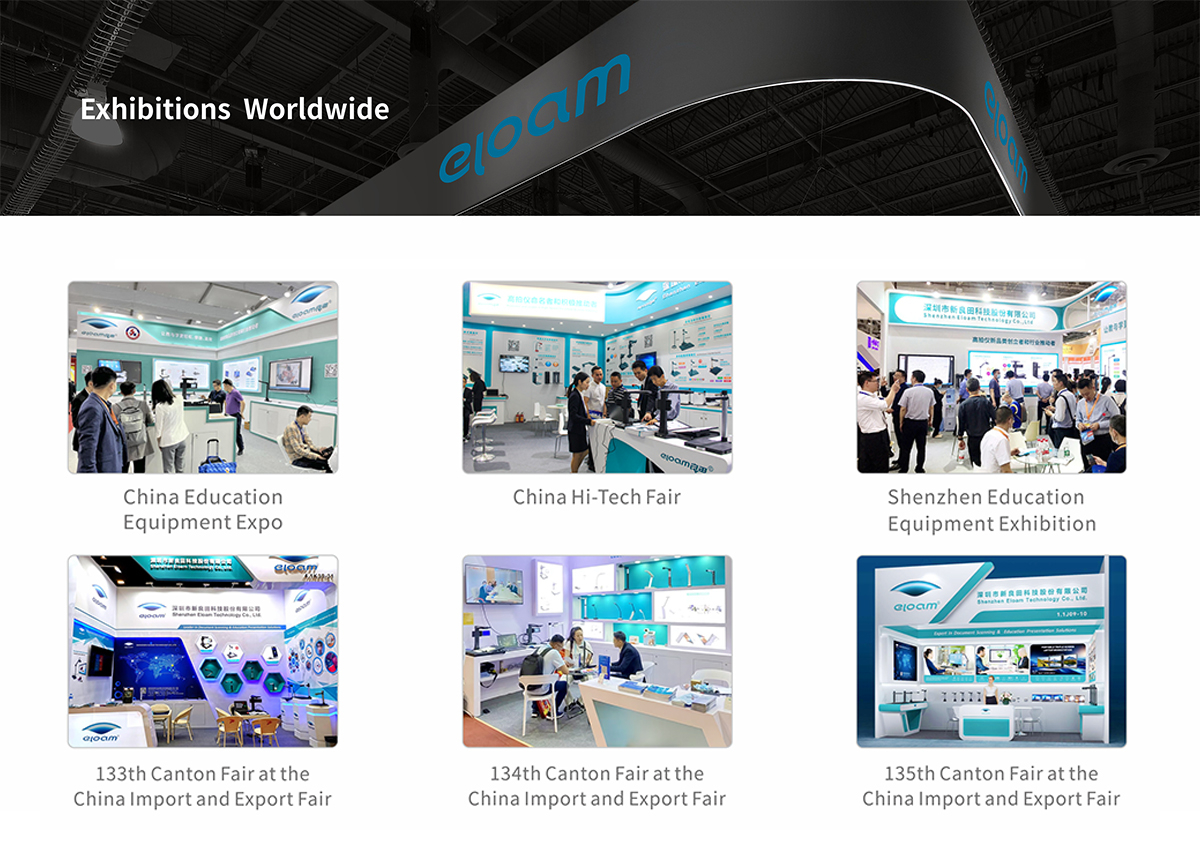
R&D, Production, Quality Control and Exhibition Presence
Visual evidence matters for supplier qualification. The images below are supplied from the company’s factory and exhibition content, showing the production environment, quality process, engineering team and international trade activity.

From Requirement to Shipment in Five Clear Steps
With in-house optics, firmware and software teams, Hobry can customize hardware and software instead of simply relabeling a finished product. This is important for distributors building a local brand or integrators requiring SDK access.
Requirement Review
Scan size, resolution, OS, interface, target market and compliance scope are clarified.
Design & Engineering
Housing, logo, packaging, firmware, software UI and SDK requirements are defined.
Sample Approval
Pre-production samples are tested against the buyer’s acceptance criteria before mass production.
Mass Production
Eight production lines support incoming, in-process and finished-product quality control.
Delivery & Support
FOB, CFR, CIF and EXW terms are available, followed by after-sales technical support.
Questions Wholesalers Ask Before Their First Scanner Order
These answers reflect the supplied company profile and product listings. Confirm the final SKU configuration, documentation and commercial terms in the quotation.
Is Hobry a manufacturer or a trading company?
Do you offer OEM and ODM for document scanners and document cameras?
Are your portable document scanners CE certified, and what documents can buyers review?
Which OCR languages and operating systems are supported?
Can I order samples before a bulk order?
Which payment and delivery terms are accepted?
What warranty and after-sales support do you provide?
How should a wholesaler compare overhead scanners with ADF or flatbed scanners?
What is a sensible first stock mix for a new distributor?
Request a CE-Ready Scanner Catalogue and Wholesale Quotation
Share your target market, scan size, expected volume, private-label requirements and tender timeline. The team can recommend suitable A2, A3 or A4 models, confirm sample availability and prepare the documentation needed for your next procurement step.