Eight Book Cameras and Document Scanners Ready for Buyer Evaluation
These eight models address A4 office capture, A3 folding scan workflows, dual-lens high-speed capture, V-shape book digitization, A2 large-format documents and 3-in-1 classroom visualizers. Each model links to its original product page for specification review and sample discussion.
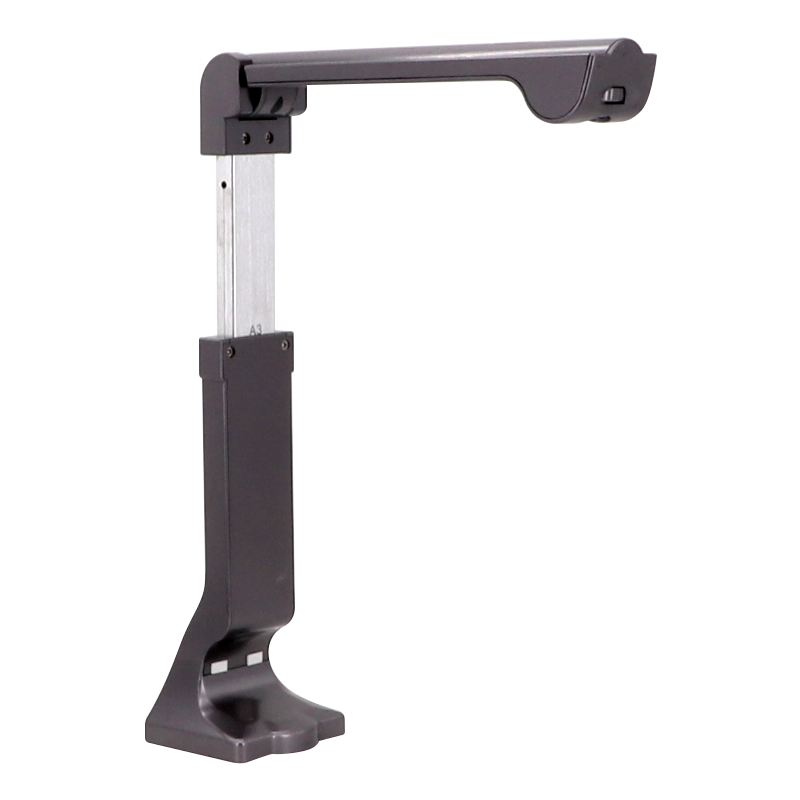
ELOAM S600 10MP CMOS A3 Folding Document Scanner
Folding A3 capture with USB interface and OCR for contract, invoice and general office digitization.
- 10MP CMOS
- A3
- USB
- OCR
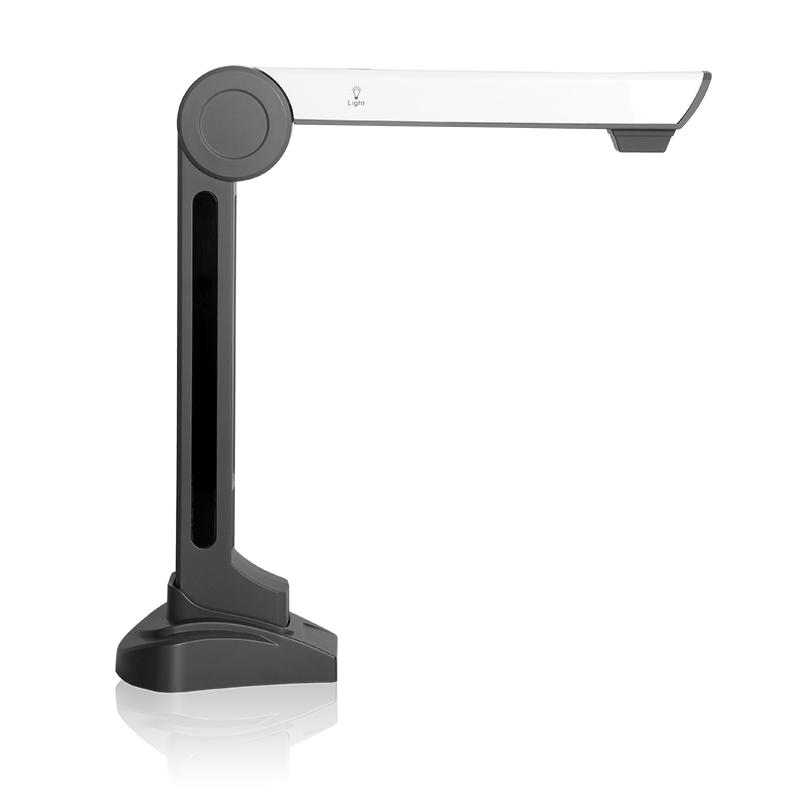
ELOAM S200L A4 Mini Overhead Projector Document Scanner
A compact A4 overhead capture unit for office counters, registration desks and space-limited workstations.
- A4
- OCR
- USB
- Office
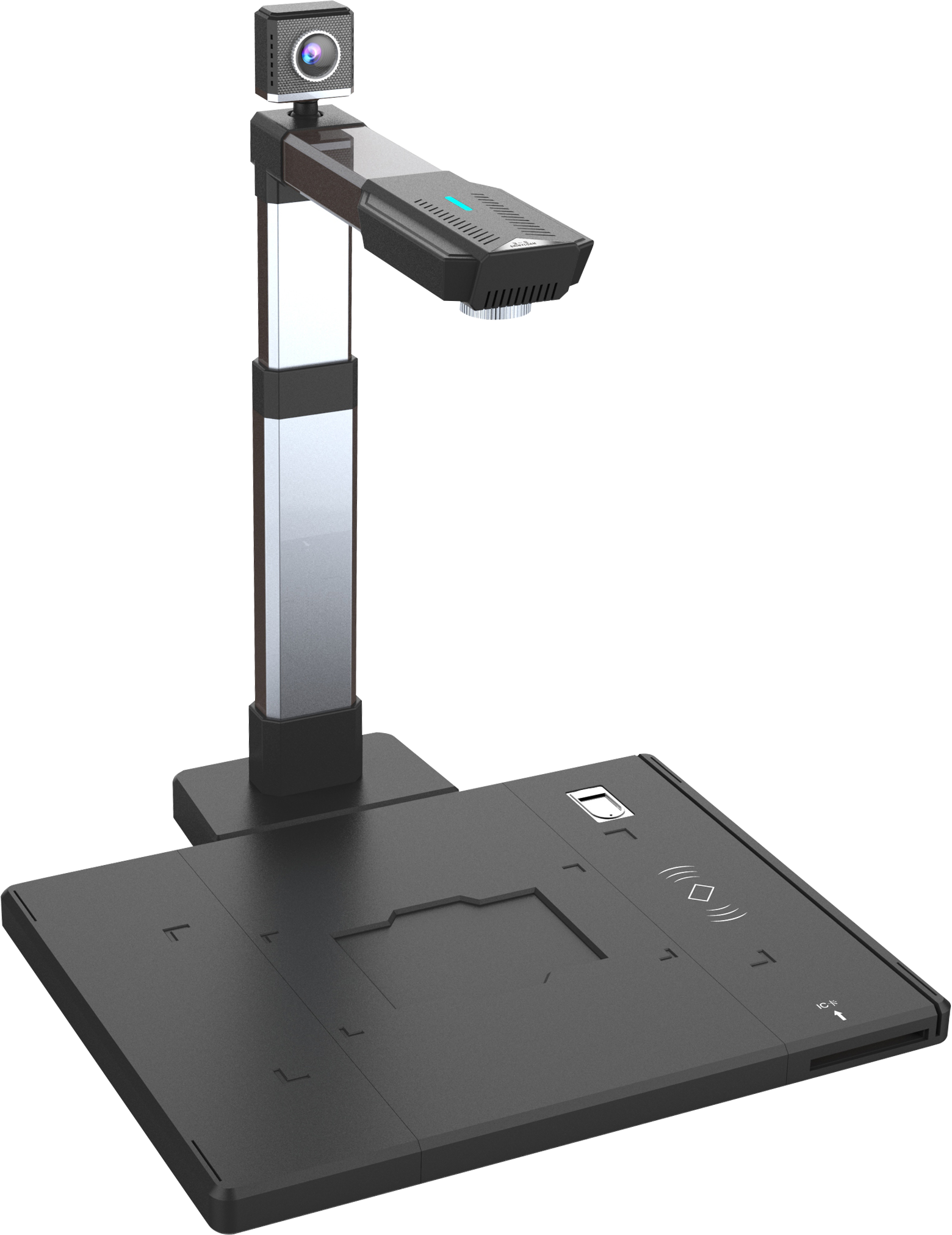
Eloam YL1020 Dual Lens A3 High-Speed OCR Scanner
Dual-lens capture, A3 working area, OCR and SDK support for multifunctional library and archive workflows.
- Dual lens
- A3
- OCR
- SDK
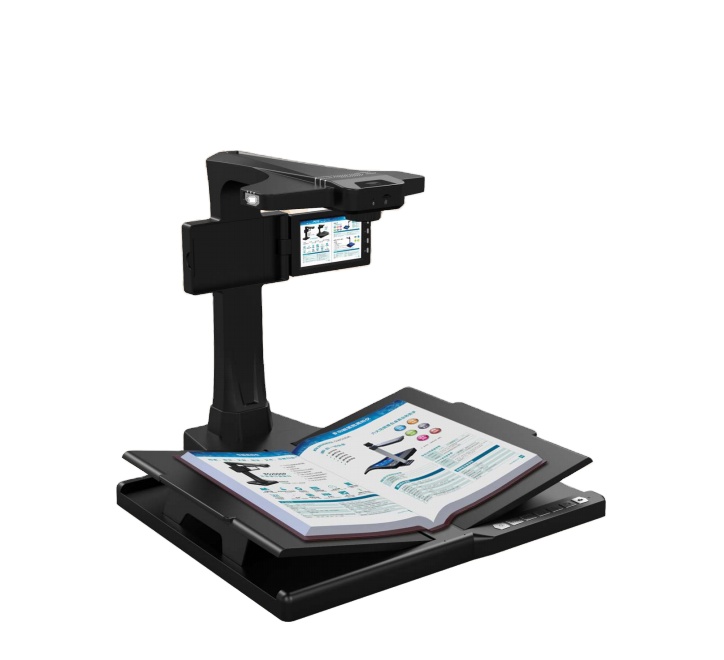
Eloam BS3000P 28MP A3 V-Shape Book Scanner
28MP CMOS capture with V-shape cradle, USB 2.0 and LCD preview for bound books and fragile collections.
- 28MP
- A3
- V-shape
- LCD preview
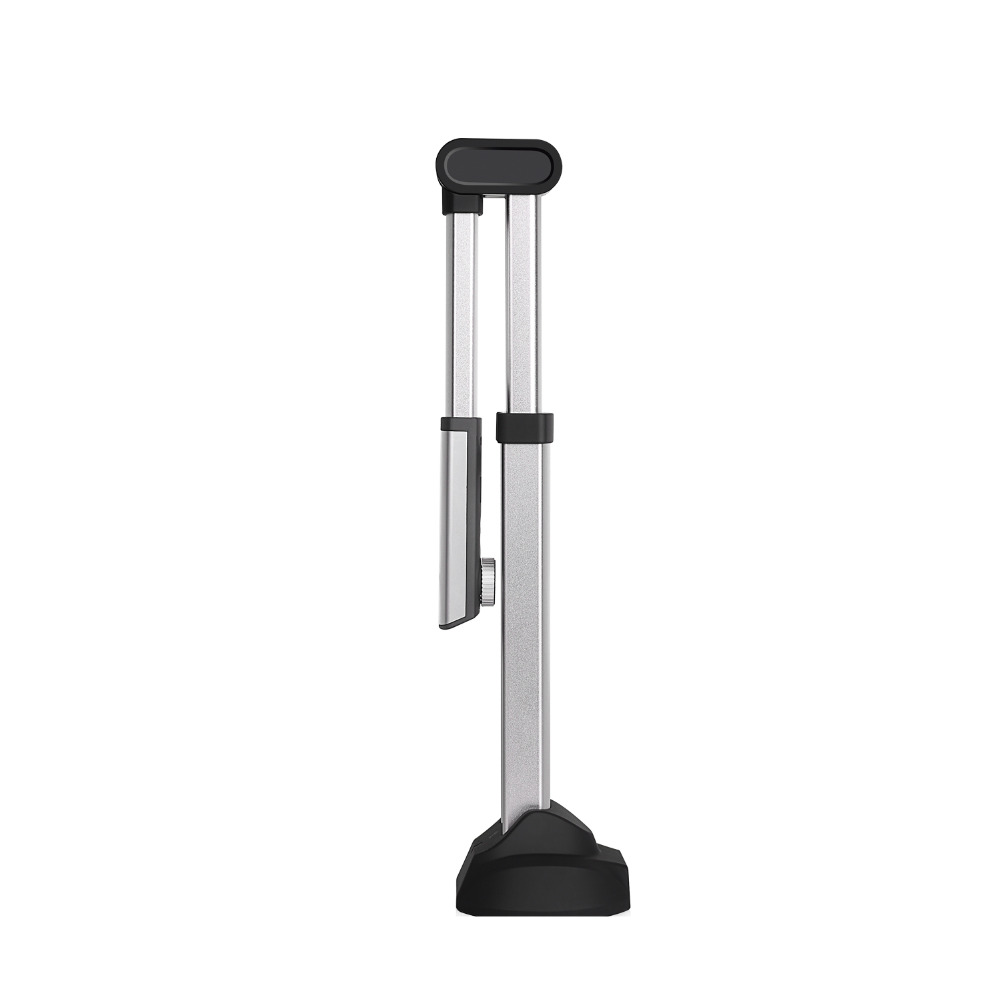
Eloam S1800A2 16MP A2/A3 Document Camera Scanner
Large-format A2/A3 capture with 3264 x 2448 CMOS, 180-language OCR and natural light LED illumination.
- 16MP
- A2/A3
- OCR 180
- LED
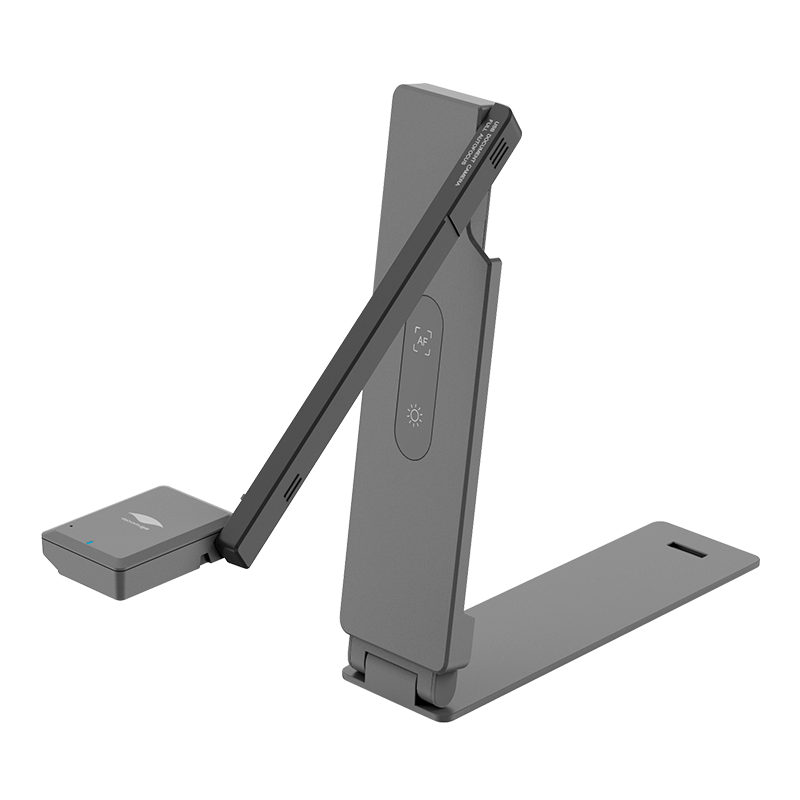
ELOAM VE1020A3AF 3-in-1 A3 Document Camera
Document camera, scanner and visualizer in one A3 8MP platform for classrooms, training rooms and hybrid teaching.
- 8MP
- A3
- 3-in-1
- USB
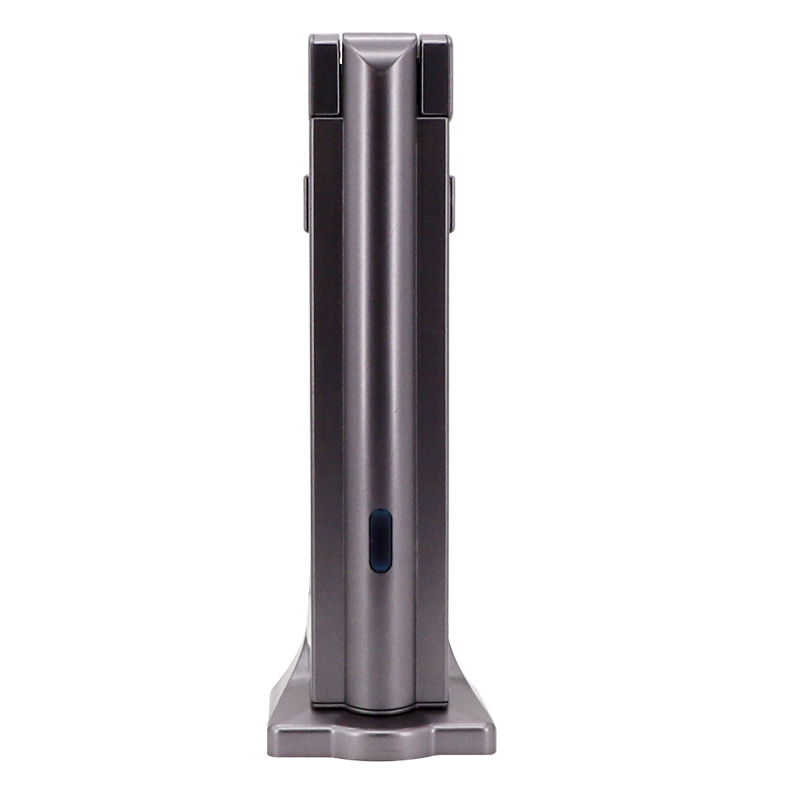
ELOAM Auto-Focus A3 10MP Portable Document Scanner
Portable A3 capture with USB, one-second scan speed and automatic continuous scanning for Windows 10/11.
- 10MP
- A3
- Auto-focus
- 1s scan
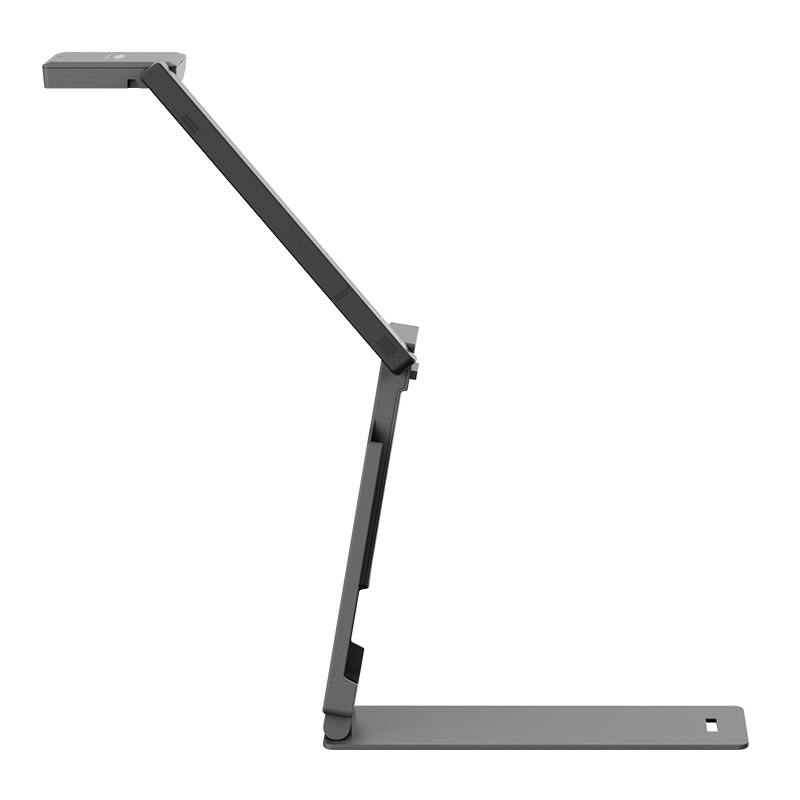
ELOAM VE1300A3AF 13MP Ultra HD A3 Document Camera
13MP ultra-HD USB document camera and scanner for teaching, lab demonstrations and presentation capture.
- 13MP
- A3
- Ultra HD
- USB
What the Search Term “CE Certified Book Camera Exporter & Wholesaler” Really Signals
Buyers who search for a CE certified book camera exporter and wholesaler are usually not browsing for a single consumer purchase. They are qualifying a supplier for repeatable procurement: a distributor needs reliable wholesale supply, a school district needs classroom-ready visualizers, a library needs non-destructive book digitization, and a system integrator needs SDK support for an existing document workflow. The commercial intent is supplier verification, model shortlisting, compliance confirmation and sample coordination.
That is why this page is structured around procurement evidence rather than generic product claims. It combines eight directly linked models, factory facts, compliance questions, product development trends, future purchasing patterns and application-based recommendations. The goal is to help a B2B buyer reduce the evaluation cycle without hiding the technical decisions that matter after the purchase order is signed.
For international buyers, the phrase “book camera” can describe several related categories: overhead document cameras, book scanners, visualizers and portable document capture devices. The models below cover these form factors, so procurement teams can compare scan area, resolution, OCR capability, connectivity, cradle design and deployment environment before requesting samples.

What a Serious CE-Certified Book Camera Wholesaler Should Provide
Product specifications are only the first filter. A qualified export supplier should make compliance, customization, software support and after-sales responsibilities easy to verify.
Model-Level Compliance
Request the CE documentation package for the exact model, configuration and accessory set being quoted, not only a general company certificate.
Clear Specification Files
Confirm resolution, scan area, frame rate, interface, OCR language coverage, operating system support and SDK availability in writing.
OEM / ODM Capability
Logo, packaging, housing color, firmware and software customization should be documented before samples are approved.
Sample-to-Bulk Consistency
A reliable exporter controls incoming materials, in-process assembly and finished-product inspection across production runs.
Lifecycle Support
Confirm warranty terms, technical escalation paths, firmware revision control and spare-parts expectations for your market.
Export Documentation
Payment and delivery terms, commercial documents, packaging standards and shipping responsibilities should be clear before quotation approval.
Shortlist by Use Case, Not by Megapixels Alone
Book camera procurement becomes simpler when the buying team starts with the workflow: what is being captured, by whom, how often, and where the image goes after capture.
Library & Archive Digitization
BS3000P is the first choice when bound books, cradles and page-curvature control matter. Pair it with S1800A2 when maps, newspapers or A2 originals are also in scope.
High-Volume Office Capture
YL1020 supports dual-lens A3 capture with OCR and SDK options. S600 is a practical folding A3 scanner for routine contracts and invoices.
Classroom & Hybrid Teaching
VE1020A3AF combines visualizer, scanner and camera functions. VE1300A3AF adds 13MP ultra-HD capture for detailed demonstration work.
Portable & Field Capture
Auto-Focus A3 10MP supports one-second scanning and continuous capture. S200L is suitable for compact A4 registration and counter desks.
How Book Camera Buying Is Likely to Change
Procurement teams are moving from isolated device purchases toward workflow-level evaluation. The following trends are especially relevant for distributors, education suppliers and system integrators.
Compliance-First Sourcing
CE certification, model-level documentation and traceable quality systems will remain central to EU-bound procurement. Buyers increasingly ask for compliance files together with price sheets, not weeks later.
Hybrid Classroom Visual Collaboration
Schools and training providers need visualizers that switch between in-room projection and remote sharing. 30 FPS live video, USB Type-C, wireless options and compact folding bodies become practical requirements.
OCR as a Workflow Layer
OCR is no longer a headline feature on its own. Buyers want searchable PDFs, multilingual output, reliable auto-crop and integration with DMS, archive and service-counter software.
SDK and Integration Readiness
System integrators evaluate SDK availability, operating system support and firmware stability before committing to a hardware platform. This is especially important for banking, government and archive projects.
Multi-Mode Hardware
One device may need to act as a document camera, scanner, webcam and visual presenter. 3-in-1 designs reduce procurement complexity and help buyers standardize across several departments.
Total Cost of Ownership
Wholesale buyers compare more than unit price. They consider sample cost, failure handling, warranty support, packaging durability, firmware maintenance and the risk of model discontinuation.
Use a Weighted Scorecard Before Asking for the Lowest Price
Book camera projects often fail after purchase because the original evaluation focused only on resolution and unit cost. A stronger approach is to build a weighted scorecard before the first sample order. Compliance should be binary: a model either has the documentation you need or it does not. Then weigh OCR language coverage, software integration, physical capture area, lighting conditions, operator training and warranty handling.
For wholesale buyers, the scorecard should also test packaging, accessory completeness, firmware revision control and the supplier’s ability to keep the same configuration available across repeat orders. That is the difference between a one-off product purchase and a reliable supply program for schools, banks, libraries or government departments.
Where Book Camera and Visualizer Hardware Is Heading
The most useful product trends are tied to real deployment problems: clarity at distance, non-destructive book handling, faster capture, flexible connectivity and software integration.
Optical Zoom Over Digital Upscaling
For lecture halls, laboratories and detailed demonstrations, optical zoom preserves real detail. Digital upscaling may enlarge an image on screen, but it cannot recover fine print, texture or edge definition.
Dual-Lens and Multi-Mode Designs
Dual-lens models and 3-in-1 visualizers reduce the number of devices required in a room or service counter. Buyers gain a simpler bill of materials and fewer compatibility issues across departments.
A3 as the Practical Standard
A3 capture has become a practical baseline for offices, libraries and classrooms because it handles forms, textbooks, drawings and open book spreads without moving the object between frames.
Non-Destructive Book Handling
V-shape cradles, laser assistance and preview screens help libraries digitize bound books while protecting spines. This trend reflects a shift from document capture to collection preservation.
USB, Type-C and Wireless Flexibility
Procurement requirements differ by market. Some rooms need plug-and-play USB, some need Type-C convenience, and others need wireless freedom for hybrid teaching or mobile demonstrations.
Software and SDK Value
Hardware differentiation is increasingly supported by software. OCR languages, auto-crop, PDF output, image cleanup and SDK access can decide whether a model fits an existing workflow.
Factory Capability, OEM/ODM Depth and Verifiable Export Experience
Shenzhen Hobry Technology Co., Ltd. has manufactured document scanners, book scanners, document cameras and portable monitors since 2005. The company operates as a manufacturer with an integrated export function, rather than relying on an unrelated trading layer for product knowledge. Its factory has been verified onsite by Intertek, and the facility supports 8 production lines with a maximum factory area of 5,000–10,000 m² and an employee base of 101–200 people.
For wholesale buyers, this matters because book camera projects often require customization beyond a logo. Available OEM/ODM services include design service and buyer-label service, logo printing, custom packaging, housing color, firmware customization and software customization. An SDK is available on selected models for system integration. The company holds ISO 9001 quality management certification, a National High-Tech Enterprise certificate and software copyright registrations, and its products are CE certified with FCC available on selected models. Standard warranty is one year.
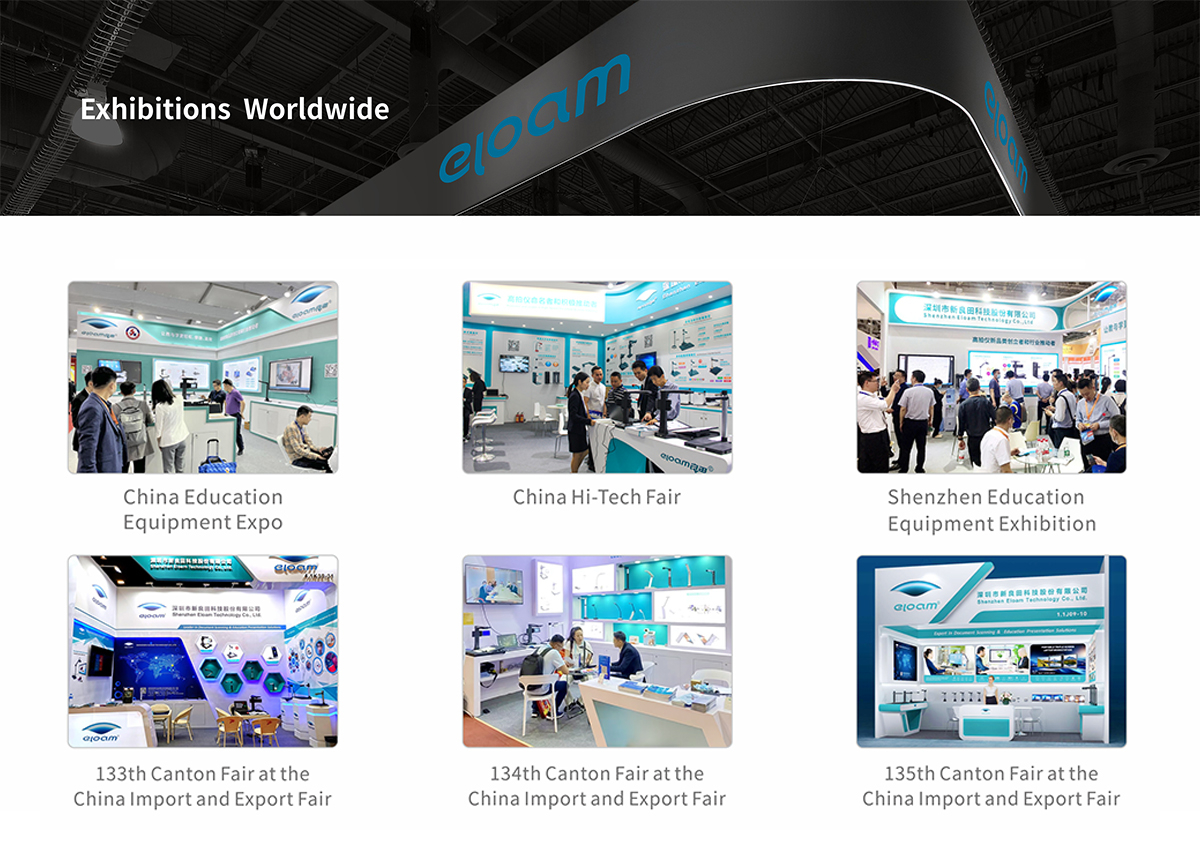
Main markets include North America, Southeast Asia, Southern Europe and the Middle East, and the company has participated in five international trade exhibitions. Accepted payment terms are T/T, L/C, PayPal and Western Union in USD. Accepted delivery terms are FOB, CFR, CIF and EXW. Most models are available as single-unit samples for evaluation, while bulk MOQ depends on the model and customization level and is confirmed in quotation.

CE, Documentation and Due Diligence for Book Camera Purchasing
CE certification should be treated as a documentation process, not a logo on a brochure. The exact product configuration, intended use and target market determine what the buyer should request and verify.
Confirm the Model Scope
Ask whether the CE documentation covers the specific resolution, interface, accessory and firmware version being quoted. A sibling model or older configuration may not match the current purchase order.
Request Technical Files
Buyers should request the declaration or compliance package appropriate to the model and market, together with test reports where applicable. Keep the files linked to the quotation and purchase order.
Review Labels and Packaging
Model labels, rating information, warnings, accessories and packaging language should match the destination market and the approved sample. This is often checked during incoming inspection.
Control Firmware and Software Versions
For repeat wholesale orders, record the approved firmware and software version. If OCR output, auto-crop behavior or SDK compatibility changes, ask for release notes before mass production.
Common Purchasing Questions from Wholesale Buyers
These questions reflect the practical checks that distributors, schools, libraries and system integrators usually raise before a sample or bulk order.
Are you a manufacturer or a trading company?
The supplier is a manufacturer with an integrated export team. Founded in 2005, the company runs 8 production lines in a 5,000–10,000 m² facility in Shenzhen, and the factory has been verified onsite by Intertek.
Do you support OEM and ODM for book cameras and document scanners?
Yes. OEM, ODM, design service and buyer-label service are available, including logo printing, custom packaging, housing color, firmware customization and software customization. An SDK is available on selected models for system integration.
Which OCR languages and operating systems are supported?
Selected models support OCR in up to 180 languages, with output formats such as PDF, JPEG and TIFF. Windows is supported across the range, and macOS is supported on selected large-format models. Compatibility should be confirmed per model before ordering.
Can I order a sample before placing a bulk order?
Most models are available as single-unit samples for evaluation. Bulk MOQ depends on the model and the level of customization, and the final quantity requirement is confirmed in the quotation.
Which payment and delivery terms are accepted?
Accepted payment terms are T/T, L/C, PayPal and Western Union in USD. Accepted delivery terms are FOB, CFR, CIF and EXW. Specific shipping arrangements are confirmed with the order.
What certifications do the products carry?
Products are CE certified, with FCC available on selected models. The company holds ISO 9001 quality management certification, a National High-Tech Enterprise certificate and software copyright registrations. Standard warranty is one year.
Which model is best for library book scanning?
The BS3000P is designed for V-shape book capture with 28MP imaging, LCD preview and USB connectivity. For oversized documents, the S1800A2 adds A2/A3 large-format capture and OCR support. The final choice depends on book size, daily volume and software requirements.
How do I request pricing, samples and the full catalog?
Use the catalog request button on this page and share your target model, quantity, country, application and customization requirements. A sales engineer can then recommend the right configuration and confirm sample availability.
Planning a Book Camera or Visualizer Procurement Project?
Share your scan size, quantity, target market, software requirement and certification expectations. The response can be structured around the right model, the correct configuration and a sample plan for evaluation.